
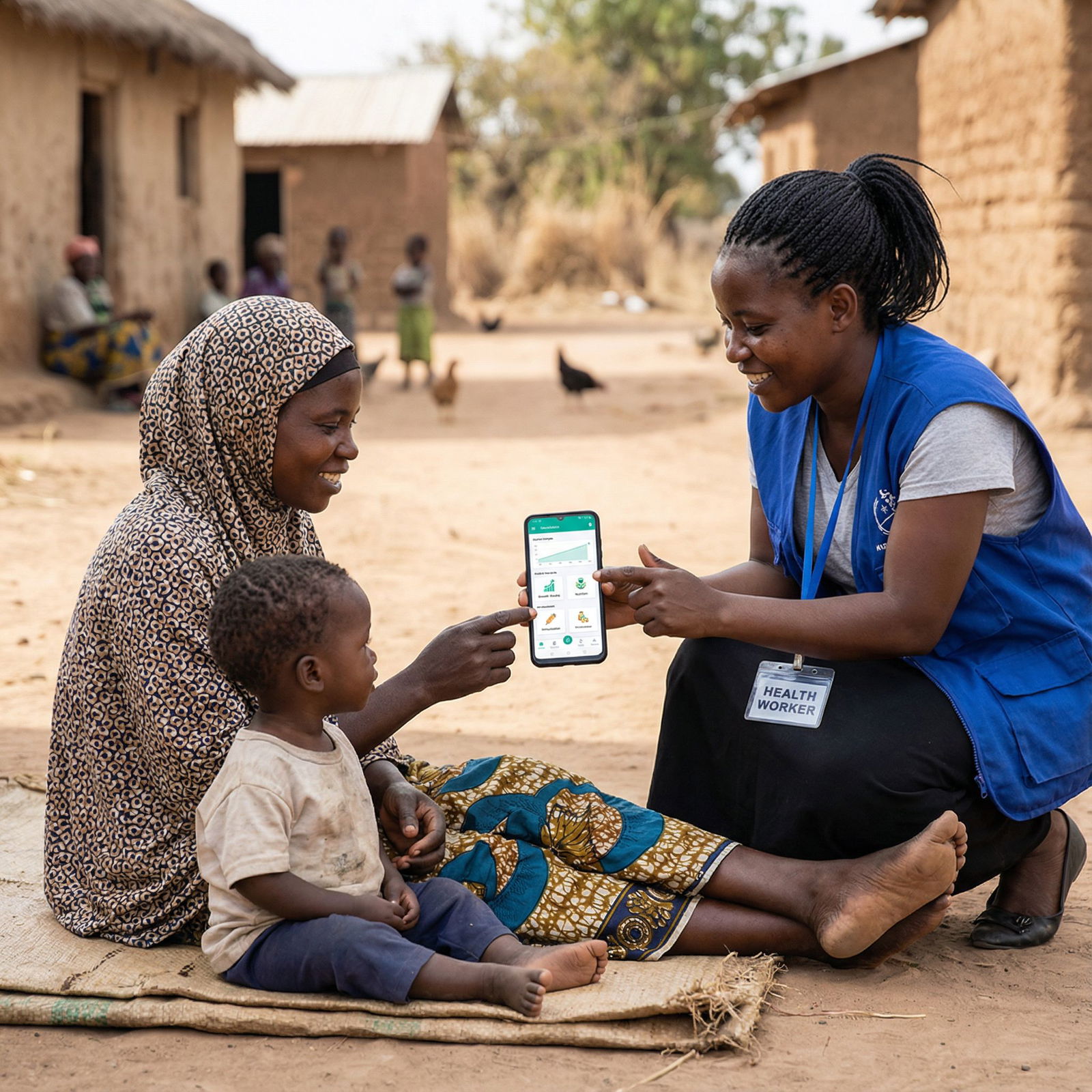
The way global health experience actually plays in residency rank meetings is not what most students think.
You’ve been sold a glossy story: “Do global health. Programs love it.” That’s only half true. Sometimes it helps you. Sometimes it’s neutral. Sometimes it quietly kills your application when you’re not in the room to explain it.
Let me walk you into that room.
What Really Happens in the Rank Meeting
Here’s the part nobody tells you: by the time your global health experience comes up in a rank meeting, three things have already been decided in most attendings’ minds:
- Are you clinically safe?
- Are you going to work hard or be extra “maintenance”?
- Do we believe your story?
Global health touches all three. But not how you think.
Picture this: It’s 5:45 pm. We’ve been in rank meeting for three hours. We’re on applicant #67. The program coordinator is screen-sharing ERAS. CV, PS, LORs, Step scores. Someone says, “This is the one who did two months in Uganda.” And then:
- One senior faculty member leans in: “Oh yeah, I liked this one. Really reflective about resource limitation.”
- Another rolls their eyes: “Yeah, another safari rotation. How many ultrasounds did they do with no supervision?”
That split right there is your reality. Global health experience is polarizing because it’s been abused and misunderstood for years.
Let me be very direct: programs don’t care that you went abroad. They care what that experience did to your judgment, your work ethic, your humility, and your ethics.
And we can smell the difference.
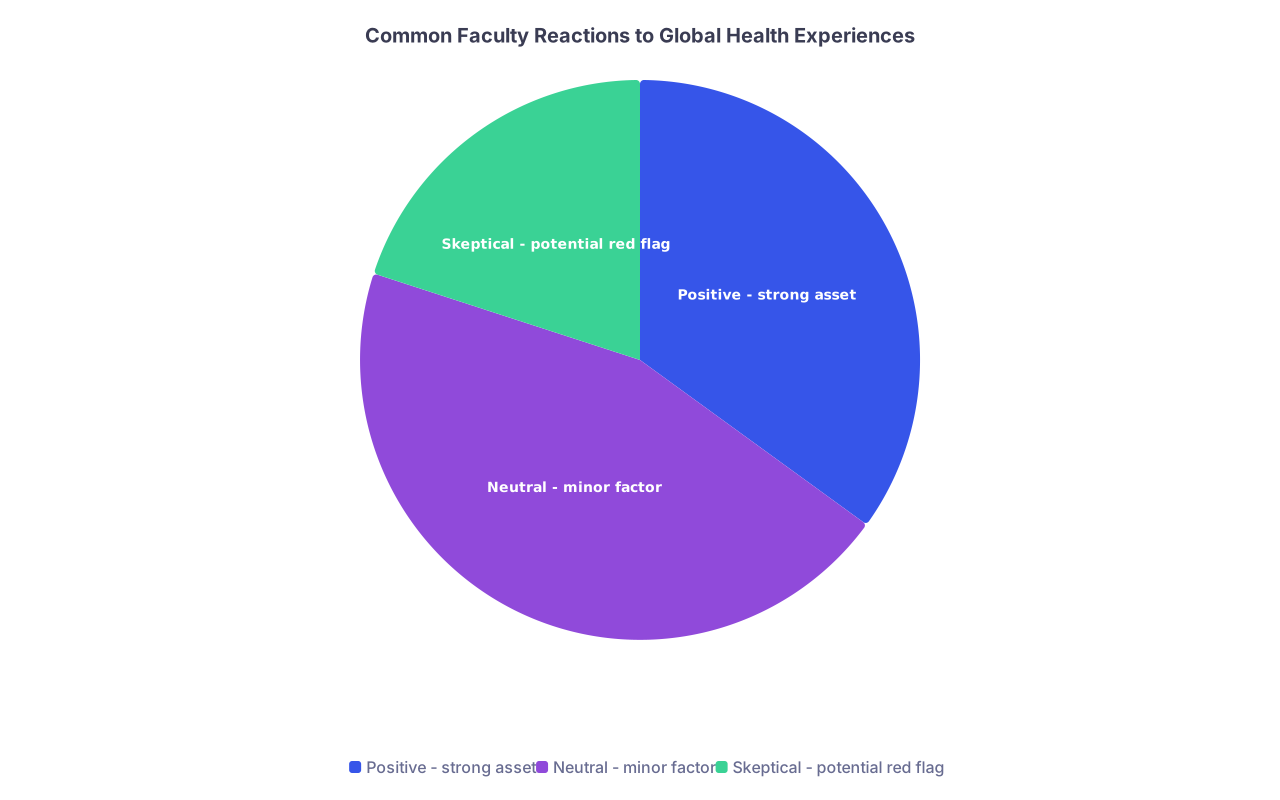
| Category | Value |
|---|---|
| Positive - strong asset | 35 |
| Neutral - minor factor | 45 |
| Skeptical - potential red flag | 20 |
The Three Categories of Global Health Applicants
Over time, faculty start sorting “global health” applicants into unconscious buckets. Nobody says it out loud, but people absolutely think this way.
1. The “Ethics Problem” Applicant
These are the ones that make attendings nervous.
You know the vibe: Instagram-perfect photos of them “doing procedures” they were nowhere near qualified to do at home. CV lines like “Performed deliveries and suturing in rural clinic” as a preclinical student. Personal statement phrases like “I was basically the doctor for the whole village.”
In rank meetings, those phrases set off alarms.
You’d hear comments like:
- “Why were they ‘running a clinic’ as a second-year?”
- “Was there any supervision? This sounds like they went to play hero.”
- “If they were comfortable working outside their scope there, what are they going to do here at 2 am?”
Once that doubt hits the room, your global health is no longer a strength. It’s a professionalism red flag. It makes people imagine you going rogue on call.
If you framed your experience like you were the savior, you get mentally downgraded, even if your scores are solid.
2. The “Tourist” Applicant
This is the most common bucket. And it’s why so much global health ends up neutral instead of helpful.
This version looks like:
- One 2–4 week trip.
- Thin description: “worked in a clinic in Honduras.”
- No clear role. No clear reflection. No continuity before or after.
- Personal statement: “It really opened my eyes to health disparities,” and then moves on.
In the meeting, someone might say, “Oh yeah, they did a trip,” and another will shrug: “Yeah, like half of them.” Then they move on to talk about your actual letters, your clinical performance, your fit.
In other words, it doesn’t hurt you. But it doesn’t save you. It’s background color, not a primary feature.
3. The “Serious Global Health” Applicant
This is who everyone says they want. And yes—these people do get a bump.
Serious looks like:
- Longitudinal involvement: multiple years, one site, or one population.
- Clear roles that are appropriate to training level.
- Evidence you understand power dynamics and ethics.
- A mentor or letter writer who is known to the program vouching: “This person gets it.”
In rank meetings, this is the conversation:
- “This applicant has been working with the same refugee clinic for three years.”
- “Their letter from Dr. X in global health is outstanding—talks about their maturity and team approach.”
- “I could see them strengthening our global health track. They’d actually use our resources.”
That moves you up a few spots when we’re splitting hairs between you and someone with essentially equal stats.
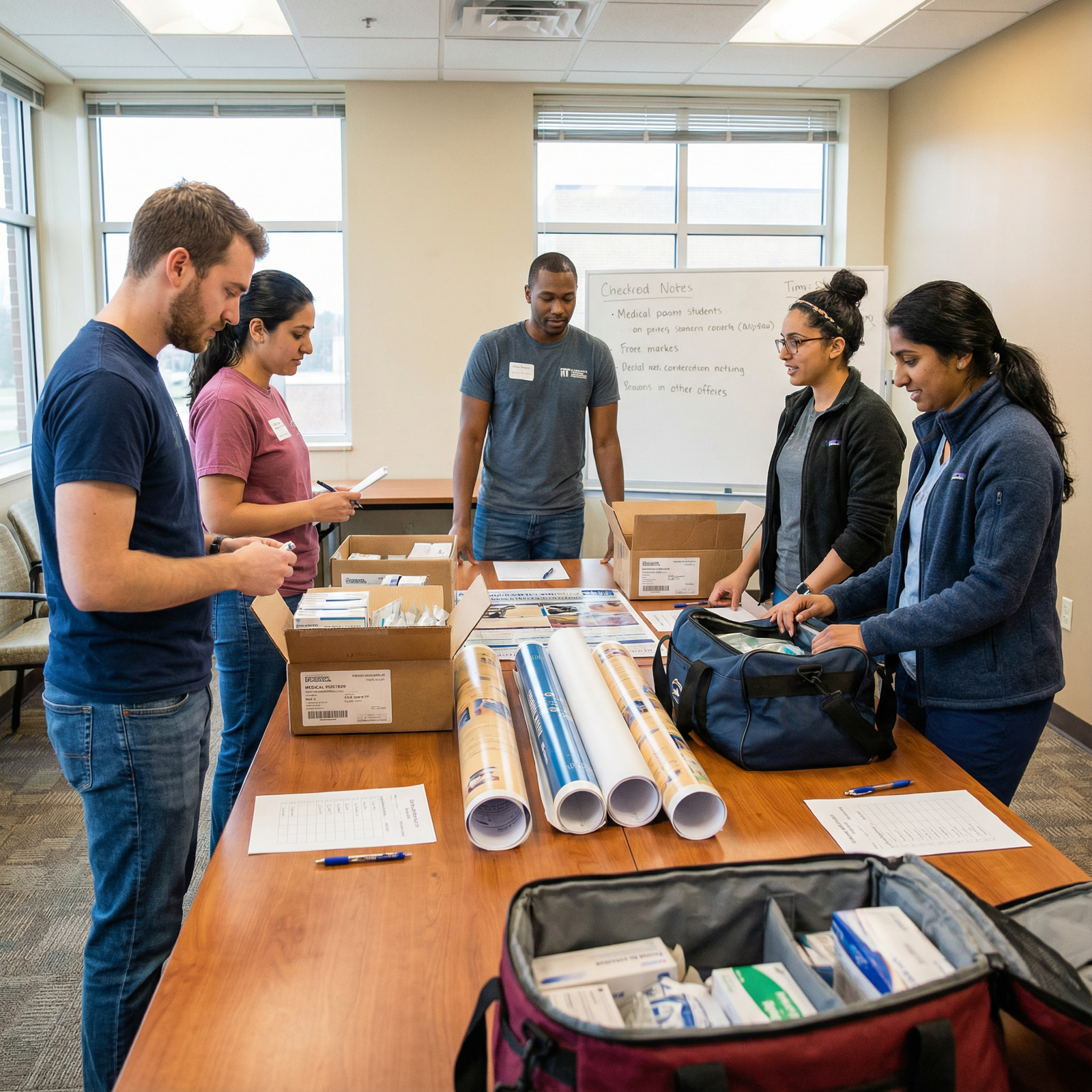
What Program Directors Really Ask Themselves About Your Global Health
Let me give you the internal monologue that never makes it into official advice.
When a PD or faculty member sees global health on your application, there are five questions that hit their brain:
Is this real or performative?
Did you do this for Instagram, or is this part of a consistent pattern of caring about underserved populations?Did you stay in your lane?
Were you doing what a student or intern should be doing, or were you “being the doctor” unsupervised because the local system let you?Can you work with limited resources without cutting corners?
Global health done well shows clinical creativity within ethical boundaries. Done badly, it shows you’ll improvise in dangerous ways.Is this going to make you leave in three years?
Some PDs worry: are you actually interested in residency here, or is this just a stepping stone to being perpetually abroad? They don’t want to invest heavily in someone who mentally checked out on PGY2.Does it align with who you say you are?
If you talk social justice, but all your actual work is on high-end research with zero service, the global health line looks like branding, not substance.
The programs that have genuine global health tracks or partnerships are even more ruthless about this. They’ve seen both the true believers and the posers.
| Program Type | How Global Health Usually Plays |
|---|---|
| Community IM with no global track | Mostly neutral, minor plus if framed as service |
| University IM with global track | Clear plus if serious, reflective, aligned with mission |
| Competitive surgical specialties | Minor factor unless clearly tied to technical/trauma skills and professionalism |
| Pediatrics with strong advocacy culture | Often significant positive if ethical and longitudinal |
| EM programs with international EM focus | Big asset if done safely and with systems awareness |
Concrete Ways Global Health Helps You in Rank Meetings
When it works, it works because it reveals traits we desperately want in residents—especially in resource-challenged systems here at home.
1. Resource Awareness and Systems Thinking
Good global health usually produces lines in LORs like:
- “She was exceptional at adapting to resource limitations without compromising safety.”
- “He quickly understood the local referral system and worked within it respectfully.”
That rings very close to what we want on night float or at a safety-net hospital. Someone who doesn’t panic when the CT is down or we’re boarding 20 patients in the ED.
On the rank list, this translates to comments like:
- “This person has worked in under-resourced environments before, they’ll do well here.”
- “They’ve already seen what it’s like when social determinants completely control the clinical picture.”
2. Professionalism Under Stress
Real global health is messy. Delayed labs. Power outages. Cultural friction. Watching people die of diseases that wouldn’t kill them here.
If your letters show you handled that with composure, humility, and reliability, programs pay attention. Because PGY1 is essentially a global health experience with better air conditioning.
What resonates:
- You showed up on time every day despite chaos.
- You did not complain about conditions.
- Locals wanted you back.
PDs hear that and think: this is not the resident who falls apart after a bad call night.
3. Commitment to Vulnerable Populations (At Home)
Here’s the catch: global health that stops at the airport doesn’t impress people as much as you think. The impact is bigger when we see a thread:
Refugee clinic → medical Spanish work → month in Guatemala → now applying to a safety-net focused IM program.
Or: Homeless outreach at home → Navajo Nation rotation → strong statement about working in rural primary care.
In rank meetings, someone will literally say, “They’ve walked the walk.” That’s points. Especially at programs drowning in social complexity.

| Step | Description |
|---|---|
| Step 1 | Global Health Experience |
| Step 2 | Strong letters and reflection |
| Step 3 | Concerns about judgment |
| Step 4 | Higher rank boost |
| Step 5 | Moderate or neutral boost |
| Step 6 | Lower enthusiasm in meeting |
| Step 7 | Ethical and supervised |
| Step 8 | Program focus |
How Global Health Hurts You (Silently)
Nobody emails you to say, “Hey, your Zambia trip torpedoed your rank.” You just never move up the list.
Common ways this happens:
1. Scope-of-Practice Red Flags
If you even hint at doing things you weren’t credentialed to do at home, some faculty instantly downgrade you. They’ve seen real harm from this.
Red-flag language:
- “I managed a ward of patients alone.”
- “I was the primary provider in the ER overnight.”
- “I independently performed procedures I had only observed before.”
What they hear is: “I liked playing doctor without supervision.” That scares people.
2. Savior Complex
Any version of:
- “I realized I was meant to save these people.”
- “I brought modern medicine to a rural community.”
You may think it sounds passionate. Seasoned faculty, especially those who’ve done actual global health, hear colonial energy and immaturity.
You get bumped below the applicant who writes, “I realized how limited my understanding was, and I learned to listen more than I spoke.”
3. Thin Reflection
If your personal statement or interview answer about global health is superficial—“it made me grateful for what we have here”—it cheapens the experience.
On the committee, someone will say, “They didn’t really process it. It was a trip, not growth.” And then your shiny global line defaults to the “tourist” bucket.
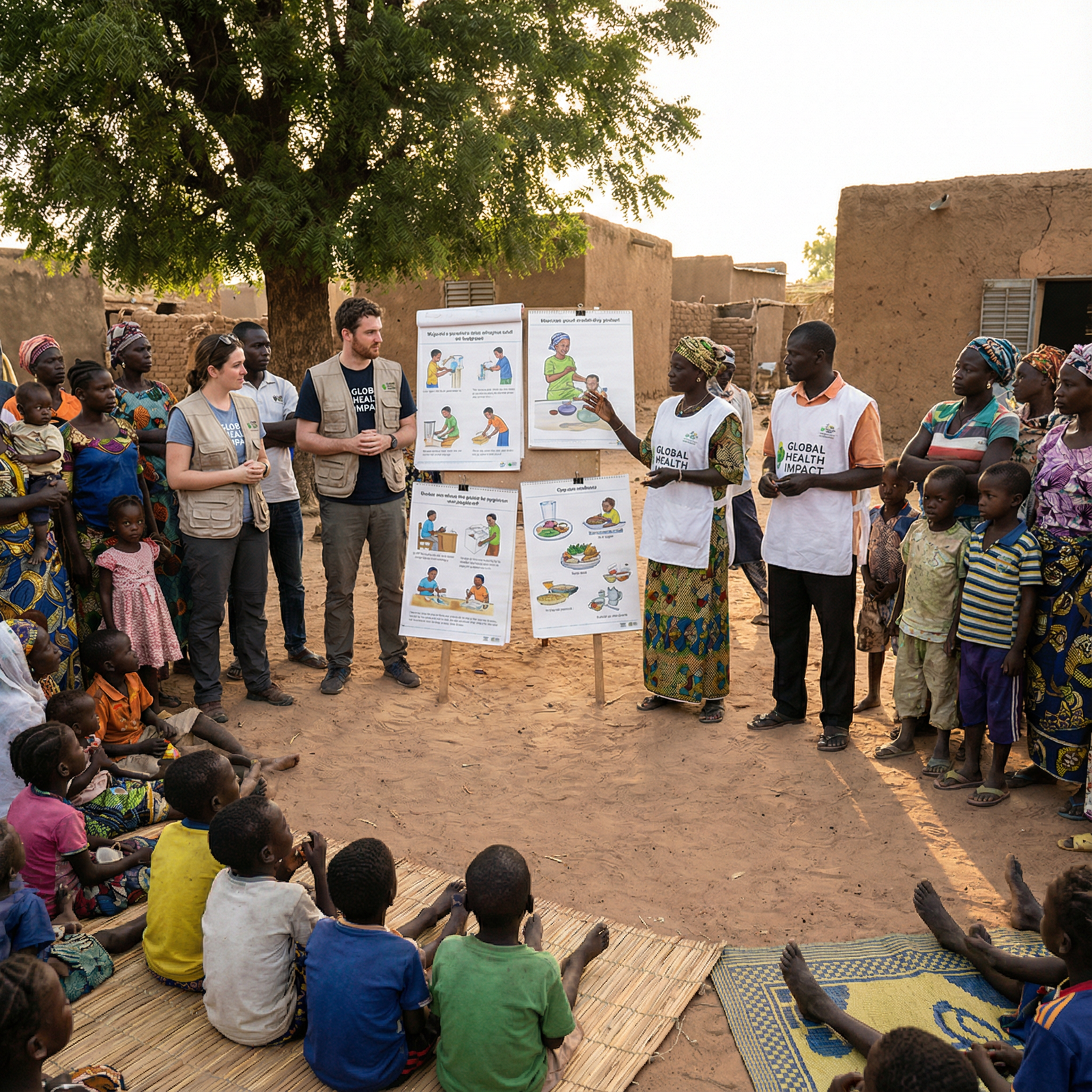
How to Talk About Your Global Health So It Actually Helps You
This is where you can change how you play in that room.
Show Restraint, Not Heroics
Emphasize:
- What you did not do because it would’ve been unsafe.
- How you deferred to local clinicians.
- How you made peace with your limitations rather than overstepping.
A faculty member at one rank meeting literally said, “I liked that they said, ‘I realized I was not there to fix their system, just to learn to work within it.’” That one line made everyone more comfortable with that applicant.
Name the Power Dynamics
Programs with real global health depth want to see that you’re not naïve.
It helps when you:
- Acknowledge issues of privilege, colonial histories, and unequal partnerships.
- Mention how the site led the agenda.
- Describe how you supported existing local goals instead of designing your own “impact project” in two weeks.
Applicants who can say this coherently in 2–3 sentences sound way more mature than 90% of global health tourists. Those are the people who become chief residents and fellowship candidates. PDs can see that.
Tie It to Your Residency Goals—Here, Not in Fantasyland
You have to make it clear that your interest in global health is not escapism from US training.
Good answer framing:
- “Global health taught me to manage complexity, communicate across cultures, and think critically about systems. I want to bring that mindset to caring for underserved patients here during residency, and later apply those skills abroad in a more sustainable way.”
Bad framing:
- “I just want to get back abroad as quickly as possible.”
PDs hear that and worry you’ll mentally check out from the day-to-day grind.
Bring Receipts: Letters and Continuity
The strongest global health applicants have:
- A letter from someone on the ground—US or local—describing concrete behaviors.
- Evidence of ongoing involvement with related work after returning.
Nothing beats a letter that says, “After returning, she continued to engage with our partner site, worked on a QI project, and presented our work at a conference.”
That’s the difference between “I did a trip” and “I’m building a career direction.”
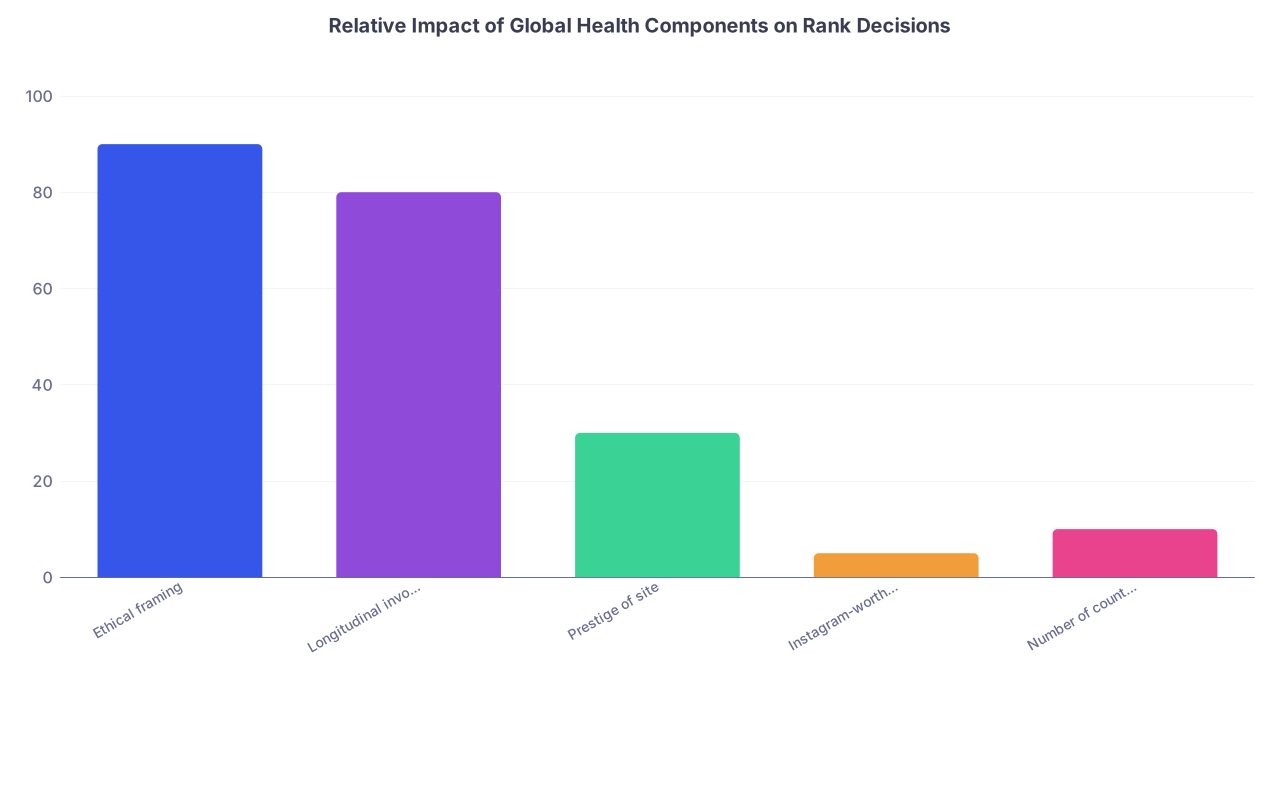
| Category | Value |
|---|---|
| Ethical framing | 90 |
| Longitudinal involvement | 80 |
| Prestige of site | 30 |
| Instagram-worthy stories | 5 |
| Number of countries | 10 |
Program Culture: Where Global Health Really Matters, and Where It Doesn’t
You also need to be realistic about the kind of program you’re applying to.
At a big-name university program with:
- An established global health track
- Named global health faculty
- Ongoing partnerships with specific sites
Your global health can absolutely be a differentiator. They’re looking for people who will actually use what they’ve built. I’ve seen PDs say, “We should rank them a bit higher, they’ll be great for our Malawi partnership.”
At a busy community program with:
- No travel funding
- No faculty with serious global health background
Your global health is mostly a personality note. It might help you connect with one faculty member in the interview. But it will not outweigh being the applicant who clearly wants to serve their population, in their city, with realistic goals.
The sin is not having global health. The sin is acting like global health is the main character when the program’s actual reality is fighting for safe discharges and follow-up in a 10-mile radius.
Global Health, Ethics, and Your Professional Identity
You’re in the “personal development and medical ethics” phase of all this, whether you realize it or not. Global health just amplifies the questions that will define you for decades.
Rank committees are not just picking who looks cool. They’re picking who they trust with patients at 3 am when nobody is watching. Global health experience, when read by people who’ve been around, is like an ethics stress test.
What they’re really assessing:
- Did you respect local clinicians as experts of their own system?
- Did you understand that having a US passport and a white coat does not entitle you to experiment?
- Did you learn to see patients as people inside complex systems, not as backdrops for your self-actualization?
If the answer looks like “yes” from your application, you don’t just move up the rank list. You also start your career from a deeper ethical foundation. Programs like that. Patients like that. Your future colleagues like that.
If the answer looks like “no,” you might still match just fine. But you’ll be the resident people keep a closer eye on. And they won’t tell you that to your face.


