
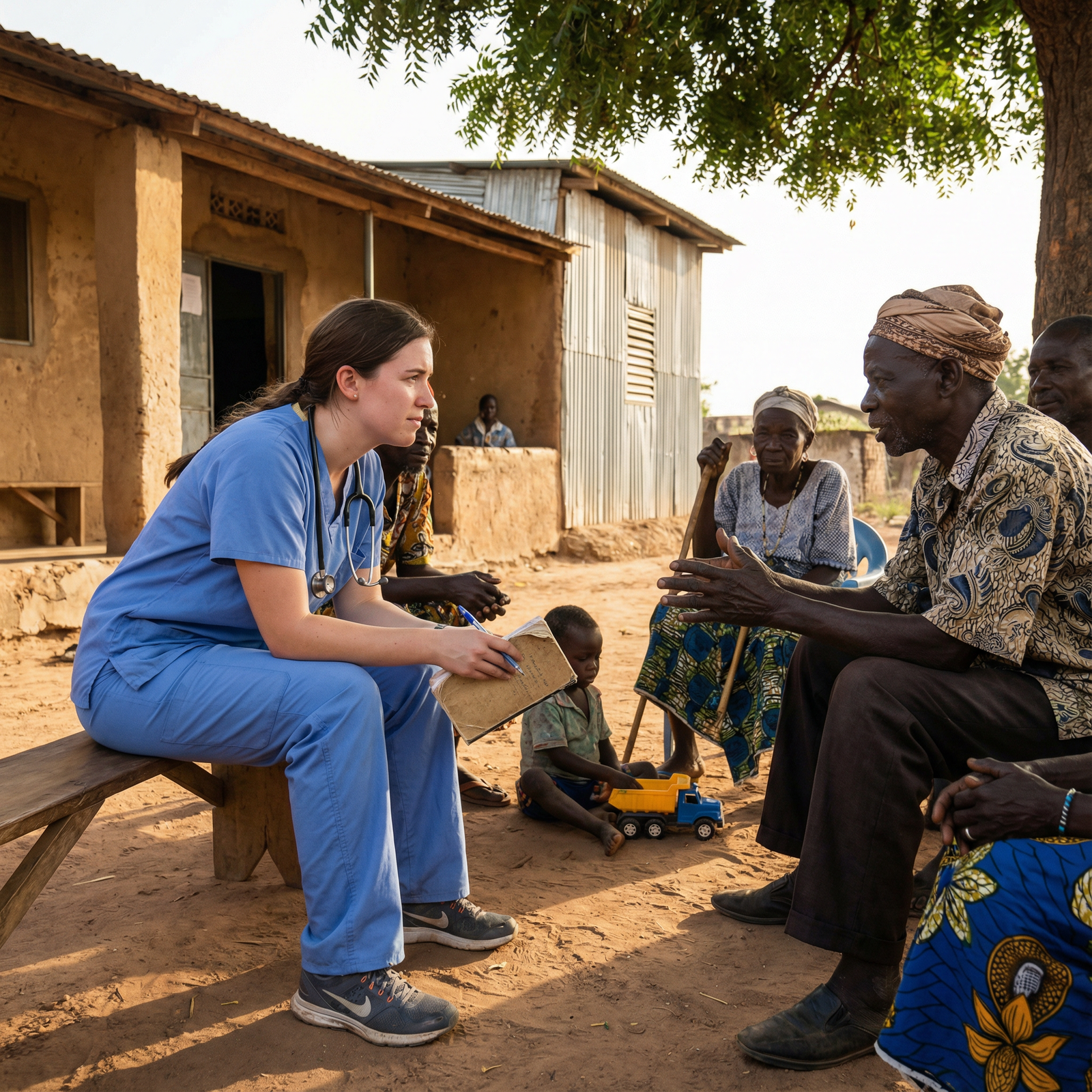
It’s 11:30 p.m. and you’re on your laptop, scrolling through glossy websites: smiling kids in bright T‑shirts, group photos of “mission teams,” dramatic before‑and‑after shots of cleft lips and cataracts. The tagline is some mix of “Change a life in 10 days” and “Be the hands and feet.” The price? About the same as a vacation.
You tell yourself this is different. This is service. This is “global health.”
This is also exactly where people get trapped.
I’ve seen too many students and residents walk into these trips wide‑eyed and walk out with a great photo for their residency application—and a trail of harm behind them they never even recognize. Not because they’re bad people. Because the system is built to center their experience, not the community’s needs.
Let’s walk through the mission tourism traps that turn “helping” into something a lot less innocent—and how to spot the red flags before you buy the plane ticket.
1. The First Red Flag: It’s About You, Not the Community
If the marketing materials make you the hero, that’s your first warning.
Look at how the trip is framed:
- “You will gain hands-on clinical experience”
- “You will perform procedures”
- “You will see rare tropical diseases”
- “Boost your residency application”
Notice what’s missing? Any serious description of the local health system, the existing clinicians, or what will happen after you leave.
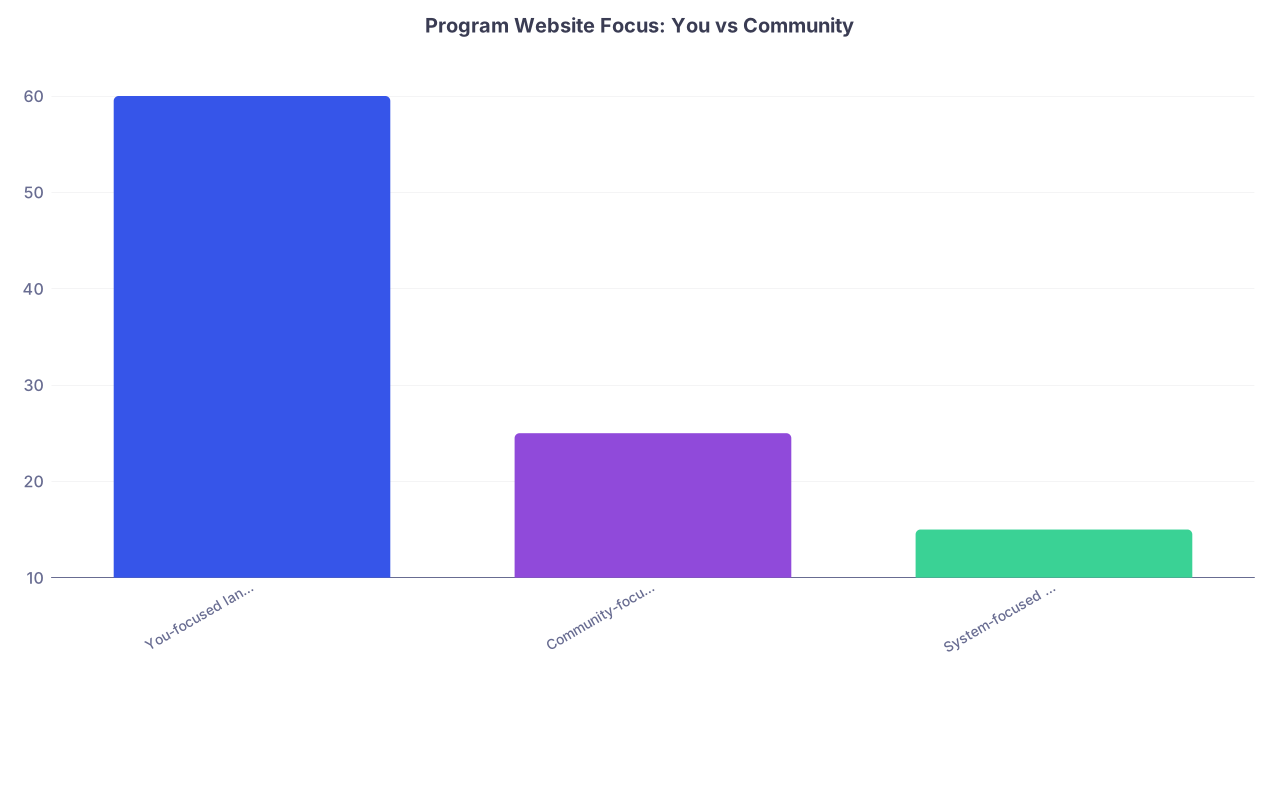
| Category | Value |
|---|---|
| You-focused language | 60 |
| Community-focused language | 25 |
| System-focused language | 15 |
Programs that highlight your growth more than community outcomes are telling you the quiet part: you are the product.
Common “it’s about you” traps:
- Website and brochures feature:
- Big group photos of visiting teams
- Solo shots of Western students holding local kids
- Testimonials about how “life-changing” the trip was—for the volunteer
- Outcomes described as:
- “We saw 400 patients in 5 days”
(But no mention of diagnosis accuracy, follow-up, or complications)
- “We saw 400 patients in 5 days”
- Zero mention of:
- Local partners by name
- How your role fits into long-term projects
- Any metrics that matter to the community (not to your CV)
If the pitch feels like a study-abroad vacation with scrubs, do not fool yourself into calling it “global health.” Call it tourism. Because that is what it is.
What you actually want to see:
- Clear description of local partner organizations and who leads them
- Language focused on:
- Capacity building
- Long-term collaboration
- Locally identified priorities
- Your role framed as:
- Observational
- Supportive
- Under strict supervision of local clinicians
If you’re being promised “hands-on” anything as a student where you’d never be allowed to do it at home, that’s exploitation—of you and of the patients.
2. Practicing Beyond Your Training: The Most Dangerous Fantasy
This is the ugliest pattern I see, and I’m going to be blunt: if you’re being asked to perform procedures or make decisions beyond your training because “there’s no one else,” walk away.
You are not the solution. You are now part of the problem.
There’s a specific line I’ve heard way too often on these trips:
“You’ll get to do things here you’d never be allowed to do in the U.S.”
That should make you stop cold.
Examples that should set off alarms:
- Preclinical students:
- Running triage
- Prescribing medications
- Diagnosing without supervision
- Clinical students:
- Performing deliveries solo
- Doing sutures, biopsies, or procedures without full oversight
- Managing emergencies with no attending present
- Residents:
- Practicing outside your specialty (“You’re a psych resident, but can you do C‑sections?”)
- Serving as de facto attending with no backup
I watched a preclinical student once proudly talk about “delivering 10 babies” on a two-week trip. She’d never set foot on an OB rotation at home. No one had charted anything. No continuity of care. No record. Just a story she could tell.
That’s not global health. That’s playing doctor on someone else’s body.
The ethical rule is simple:
If you’re not credentialed, trained, and legally allowed to do it at home, you do not do it abroad. Full stop.
And no, “but there’s so much need” doesn’t override that. Desperate contexts need more ethical discipline, not less.
3. Short-Term “Hit-and-Run” Clinics: When Volume Becomes Violence
Pop-up clinics sound noble: go in, see hundreds of patients in a week, hand out medications, take photos, leave.
I’ve seen the aftermath.
Patients show up the next month at the local clinic with:
- Half-taken antibiotics and resistant infections
- Incomplete records—if any
- New medications they can’t afford to refill
- Diagnoses given verbally in a language they don’t understand

Red flags of hit-and-run missions:
- Trip length:
- 1–2 weeks
- No sustainable clinic or partner:
- “We come once a year”
- No local facility integrated with the project
- No structured follow-up:
- No clear plan for who will see these patients next
- No method for transferring records into local systems
- Medication practices:
- Giving out 3 months of meds for chronic diseases like hypertension or diabetes with no ongoing care plan
- Using whatever meds were donated rather than what’s standard or available locally
Here’s the harsh truth: if your “care” ends when your return flight boards, you did not practice medicine. You performed.
Good programs:
- Work through existing clinics or hospitals
- Integrate:
- Records
- Lab results
- Follow-up plans
- Prioritize:
- Training local staff
- Supporting infrastructure
- Strengthening systems, not just numbers
You’re not there to be a traveling roadshow. You’re there—if you’re there at all—to plug into something that will still be there when you’re gone.
4. No Real Local Partnership = You Are the Colonizer, Not the Colleague
Any “global health” trip that can’t clearly explain:
- Who the local partners are
- What those partners have decided the priorities are
- How leadership and decision-making are shared
…is a colonization exercise with better branding.
| Aspect | Red Flag Example | Green Flag Example |
|---|---|---|
| Local leadership | “We organize everything from the U.S.” | “Program is led by X local NGO/hospital” |
| Decision-making | “Our team decides where to serve” | “Projects chosen by local health ministry” |
| Visibility of partners | No names or vague “local contacts” | Named orgs, staff bios, long-term presence |
| Continuity | One-off trips to many locations | Same site, years-long relationships |
| Accountability | No public evaluation or reports | Shared metrics, published outcomes |
Watch for these phrases:
- “We bring medical care to places where there is none”
(Really? None? Or just not enough?) - “We operate independently”
(Why? Who asked you to?) - “The local community is so grateful we come”
(Said by the foreign organizer, not the local partner)
I’ve sat in meetings with local clinicians who roll their eyes when the “mission teams” are mentioned. Not because they hate help. Because the teams:
- Ignore local guidelines
- Undercut existing services by offering free care without coordination
- Use equipment that can’t be maintained locally
- Leave no data, no records, no accountability
If you can’t find a named, respected local partner whose staff can tell you, in their own words, why this program exists and how it helps, you have your answer: it probably doesn’t.
5. Disaster Tourism and Crisis Voyeurism
If you’re being recruited for a last-minute trip to a disaster zone—earthquake, hurricane, conflict—and you’re a student or early trainee, be very clear:
They don’t need you.
They might need:
- Experienced emergency medicine physicians
- Trauma surgeons
- Critical care nurses
- Logisticians
- Public health experts
What they do not need:
- A premed looking for exposure
- A third-year med student wanting “real trauma experience”
- A resident outside their scope sent without a proper team

| Step | Description |
|---|---|
| Step 1 | Offered disaster trip |
| Step 2 | Do not go - support via donations or remote work |
| Step 3 | Consider going with vetted organization |
| Step 4 | Do you have relevant post-training expertise? |
| Step 5 | Is there a recognized local or global partner? |
| Step 6 | Is your role clearly defined within a coordinated response? |
Red flags in disaster settings:
- Rapidly organized by:
- A church group
- A small NGO with no disaster track record
- No integration with:
- WHO
- Local Ministry of Health
- Established emergency response NGOs (MSF, ICRC, etc.)
- You are told:
- “Just show up, we’ll figure it out”
- “There’s so much chaos, any help is good help”
- “You’ll get to see things you’ll never see again”
If you’re going because you’re excited to see extreme pathology, you’re already in the wrong state of mind.
There are responsible ways to engage with disaster response. They all involve training, preparation, and long-term commitment. Not a last-minute plane ticket and a selfie in an N95.
6. “Poverty Porn” and Exploitative Storytelling
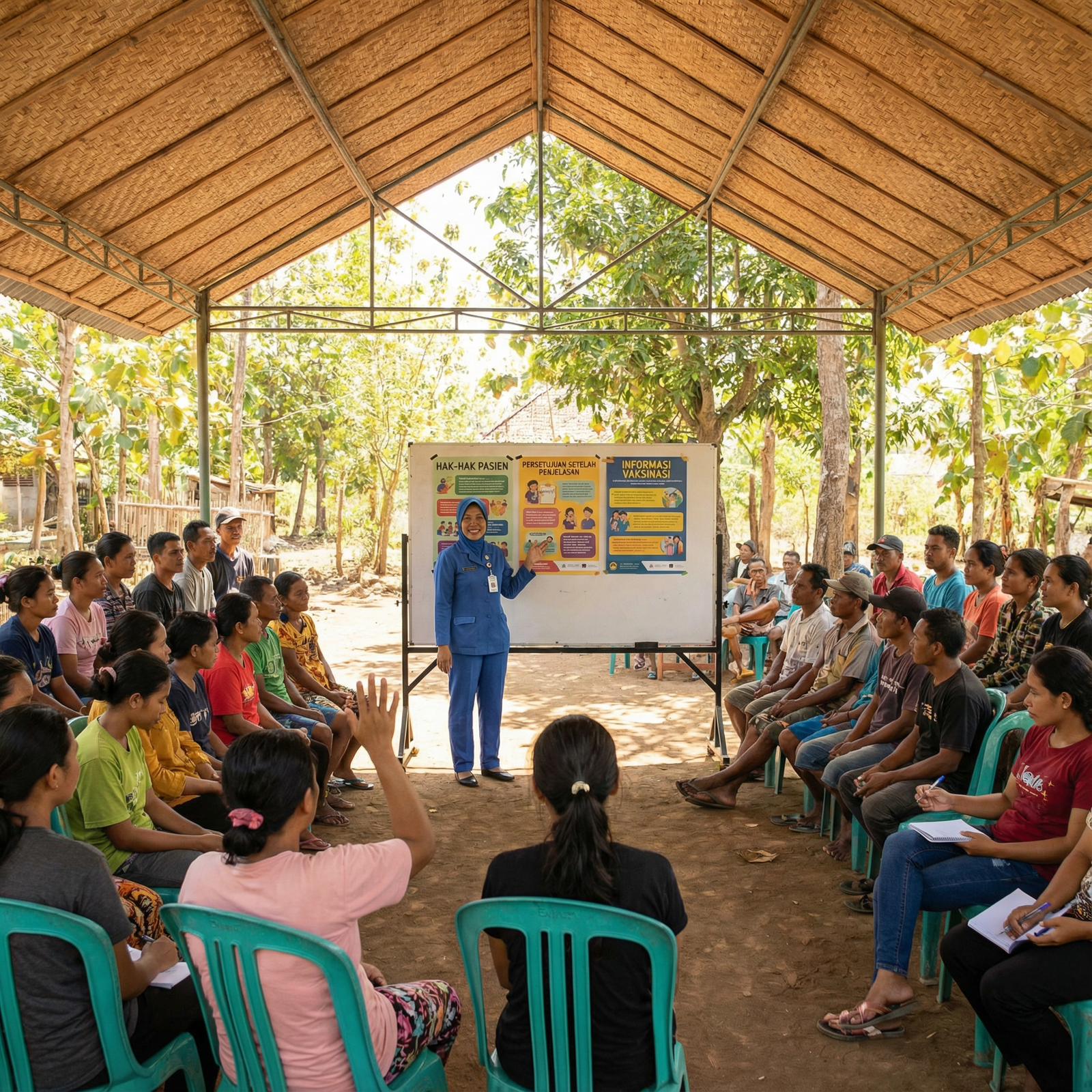
If your program encourages or even allows you to post identifiable photos of patients, especially children, on social media without robust consent processes, they are failing Ethics 101.
Common ugly patterns:
- Instagram feeds full of:
- Volunteers surrounded by local kids whose names they don’t know
- Pictures taken in patients’ homes
- “Before/after” surgical photos shared without ongoing relationship or consent
- Blogs titled:
- “What Africa Taught Me”
- “Finding Myself in the Slums”
- Photos that:
- Show faces, living spaces, or medical conditions without disguise
- Would be absolutely unacceptable to post if taken in your home hospital
Ask yourself a simple question: would I be allowed to post this exact photo if the patient were from my own hospital back home?
If the answer is no, and you’re told “things are different here,” what they mean is “we think these patients have fewer rights.” That’s the colonizer mindset in plain sight.
Programs that respect patients:
- Have strict photography policies
- Require:
- Written consent
- Explanation in the patient’s language
- Clear limits on social media
- Encourage reflection, not display
If the trip leader’s main instruction is “don’t tag the organization if anything looks bad,” that tells you all you need to know.
7. Ignoring Systems: When You Pretend You’re Just Doing “Pure Medicine”
Another trap: believing you can “just help patients” without getting involved in messy things like politics, economics, or structural inequality.
Global health is politics. Pretending it isn’t is naïve at best and complicit at worst.
Watch for programs that:
- Never mention:
- Colonial history
- Existing health policies
- Power imbalances between visiting and local staff
- Only frame things as:
- “These people are so poor”
- “They don’t have what we have”
- Avoid uncomfortable topics:
- Why medicines are unaffordable
- Why the health system is under-resourced
- How Western policies contribute to the problems
If your pre-departure orientation is:
- A packing list
- A vaccine checklist
- A cultural “fun facts” session
…and nothing about structural issues, ethics, or power, that’s a shallow program. You’re being dropped into a complex reality without tools to understand your own impact.
You’re not neutral. Your presence shifts:
- How patients behave (they may favor you over local clinicians)
- How resources are distributed
- How local staff time is used (teaching you vs seeing patients)
A good program forces you to confront that, not gloss over it with “service hours.”
8. How to Vet a Program: Questions That Reveal the Truth
You do not need to be cynical. But you should be suspicious. Healthy, disciplined suspicion.
Here’s a list of questions that will quickly separate serious global health work from mission tourism:
Who invited you?
- Was the program created because a local organization requested a specific type of help?
- Or because a group in your country thought it would be “a good experience” for trainees?
What is the role of local clinicians and staff?
- Are they in leadership?
- Do they supervise care?
- Are they paid fairly?
What exactly will you be allowed to do, and under whose supervision?
- Does it match your level of training and your home scope?
- Is there direct oversight by licensed local or long-term clinicians?
How is patient follow-up handled?
- Where do patients go the next day, week, month?
- Are records integrated into local systems?
What’s the program’s long-term presence?
- How many years has it been running?
- What has changed for the community over that time?
How is success measured—and by whom?
- Is there data beyond “number of patients seen”?
- Do local partners define what success looks like?
What training do you get before and after?
- Is there serious pre-departure education on ethics, history, and power?
- Is there structured debrief afterward that confronts harm, not just celebrates your experience?
If you get vague answers, defensiveness, or “we’ve always done it this way,” step back. Programs that can’t withstand basic ethical questions aren’t programs you should trust with your name attached.
9. Building an Ethical Path in Global Health (Without Falling for the Traps)
Let me be clear: I’m not telling you to avoid global health. I’m telling you to avoid the cheap imitations.
There are ways to do this right:
- Start with humility:
- Assume you’re not yet that useful clinically.
- Focus on learning, listening, observing, and supporting.
- Choose roles that match your training:
- Data collection
- Quality improvement projects
- Education under supervision
- Research with real local collaboration
- Commit to something longer than a vacation:
- Work with one site or partner over years, not weeks
- Return to the same place with continuity, if invited
- Be willing to say no:
- Decline “opportunities” that feel ethically wrong, even if everyone else is excited
- Push back when asked to practice beyond your scope
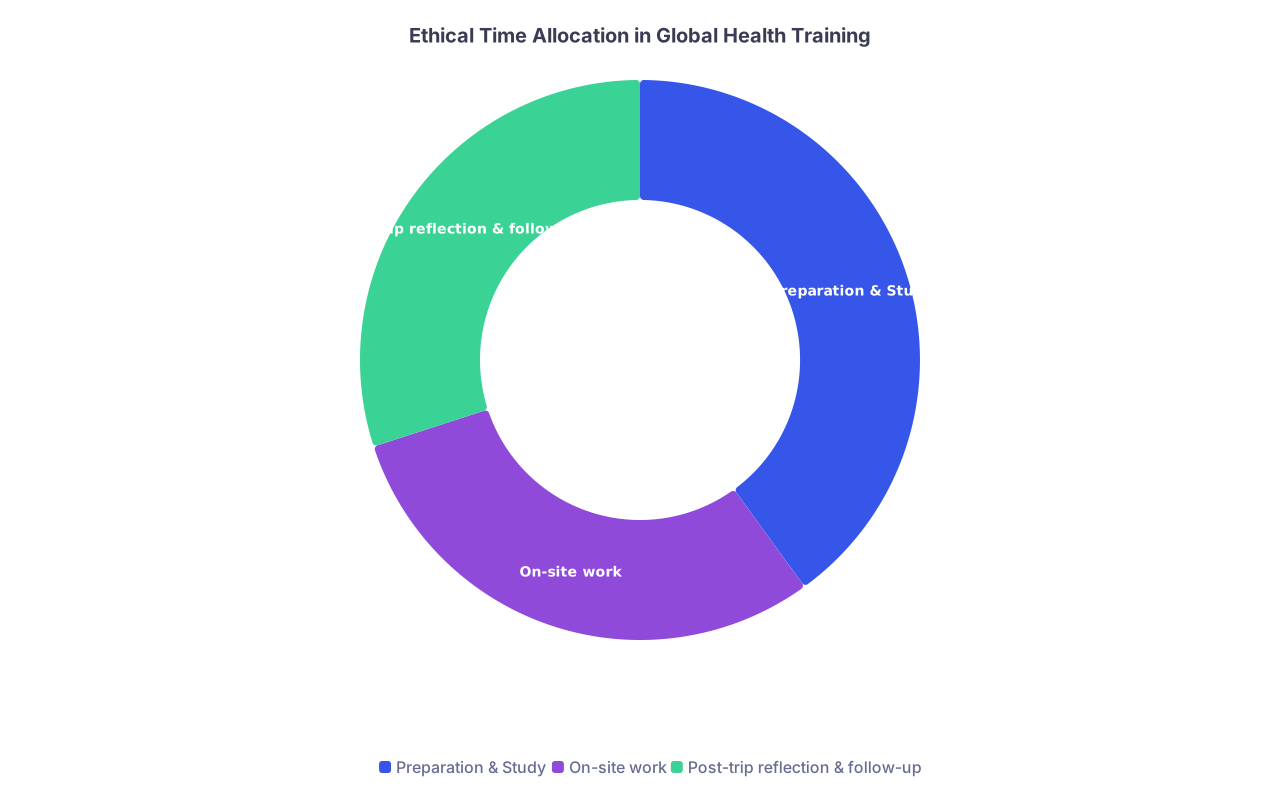
| Category | Value |
|---|---|
| Preparation & Study | 40 |
| On-site work | 30 |
| Post-trip reflection & follow-up | 30 |
The least glamorous parts—literature review, pre-departure modules, learning about colonial history, writing up outcomes, doing remote collaboration—are where most of the real value sits.
If you’re more interested in the trip than the work around it, check your motives. That’s where people slide quietly from “global health” into “mission tourism” without noticing.
10. Final Thought: Your Intent Is Not the Metric That Matters
Every harmful mission story I’ve heard started with someone saying, “But I just wanted to help.”
Your intentions will not protect patients.
Systems, ethics, supervision, and humility do.
If you remember nothing else, keep these three points front and center:
- If you wouldn’t be allowed to do it at home, you shouldn’t be doing it abroad.
- If there’s no clear local leadership, follow-up, and partnership, you’re probably part of a performance, not a solution.
- When a program centers your experience over community outcomes, that’s not global health—it’s mission tourism dressed up as virtue.
You’re allowed to want meaningful work. Just don’t buy it at someone else’s expense.


