
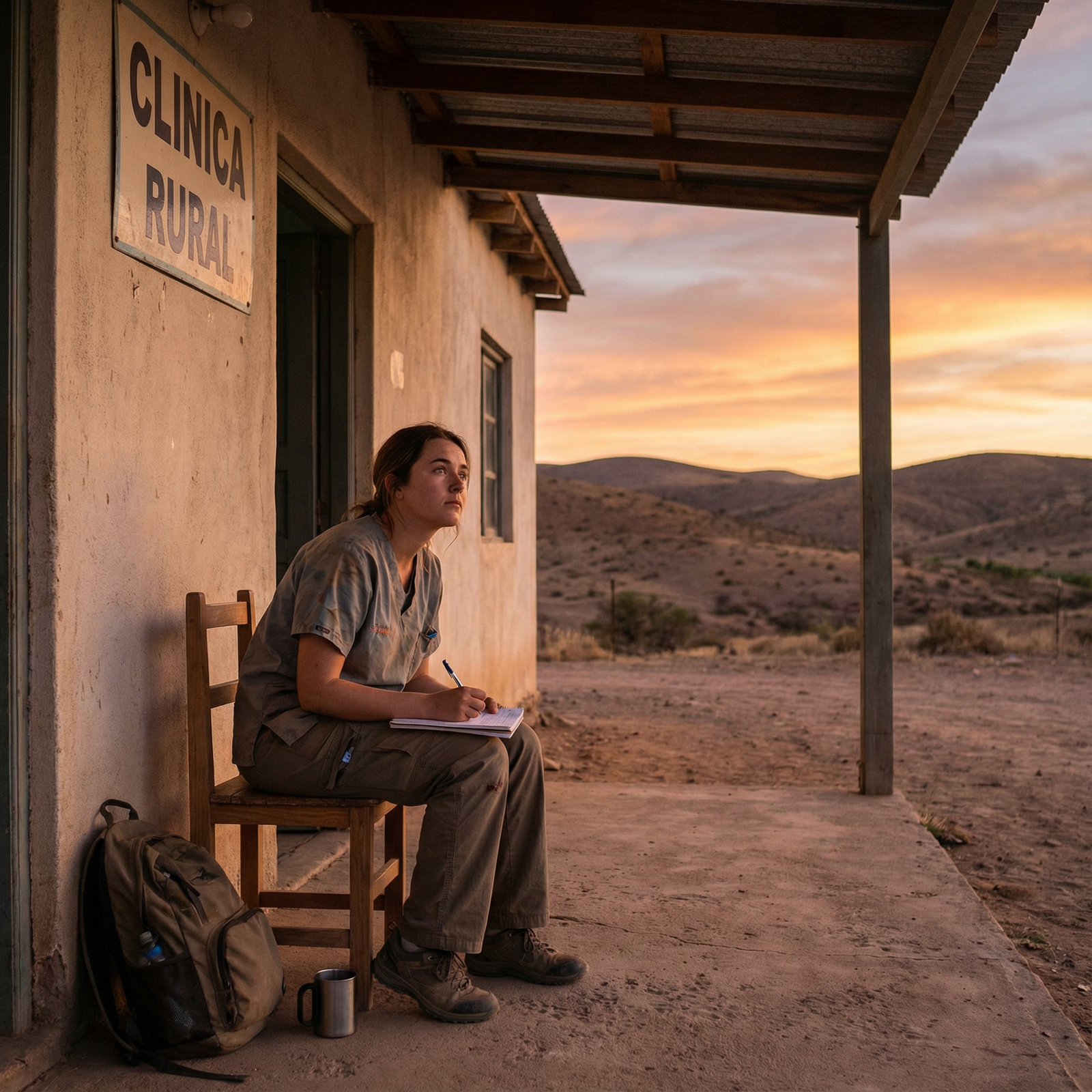
It’s a Tuesday afternoon and you’ve just clicked “submit” on an online application for a humanitarian NGO you’ve admired for years. Photos of field hospitals, cholera wards, and disaster-response teams are still open in your browser. You’re imagining yourself in a white Land Cruiser, crossing some dusty border.
Then nothing. Silence. Or you get a bland rejection three weeks later.
You start wondering: What on earth are they actually looking for? Because it clearly isn’t just “I want to help people” and “I’m a good doctor.”
Let me tell you what really happens behind closed doors when humanitarian NGOs decide which physicians they take — and which ones they quietly blacklist after a single interview.
The Myth vs. The Real Selection Criteria
Everyone thinks they know the criteria.
You probably imagine a neat, rational checklist: board certification, some global health interest, maybe a language, a couple of electives abroad. The NGO HR page talks about “commitment to equity” and “cultural sensitivity.” Sounds reasonable. Sanitized.
That’s the public-facing version.
Inside selection committees, the conversation sounds very different. I’ve sat in those meetings with medical coordinators, HR, and country directors. I’ve heard the phrases that don’t make it into brochures:
- “He’s a fantastic intensivist, but absolutely not for the field. He’ll melt down the first time something goes sideways.”
- “She knows the WHO guidelines cold, but the way she talked about ‘training the locals’… no way.”
- “Great CV. Too independent. This is not his project. It’s our project. Pass.”
- “If I send this guy to [country], he’ll pick fights with the logistics team by day three. I don’t have time for that.”
There are four big buckets NGOs are actually weighing:
- Clinical utility in that specific context
- Psychological stability and ego management
- Operational fit (can you function in a machine that is not about you)
- Ethical alignment with how they really work, not how you imagine they should work
Let’s break those down the way internal gatekeepers actually think.
1. Clinical Skills: Not What You Think Counts
NGOs do not want “the best doctor” in some abstract sense. They want the most useful doctor for their current missions.
That’s a harsh sentence, but it’s accurate.
They are asking: “Can this person manage 90% of what we actually see?”
In the field, that means:
- Bread-and-butter primary care, infectious diseases, basic emergency stabilization, maternal-child health.
- High-volume, protocol-driven work, not esoteric diagnostics.
- Comfort with good enough medicine under constraints, not “gold standard or bust.”
So when your CV screams “hyper-specialized” without evidence you can shift gears, they worry.
A vascular surgeon whose last real primary care exposure was 12 years ago? Risky.
A cardiologist who’s never managed a dehydrated toddler with diarrhea? Problem.
An academic tertiary center intensivist who has never seen a malaria smear? Not ideal for a first mission.
What quietly impresses them instead:
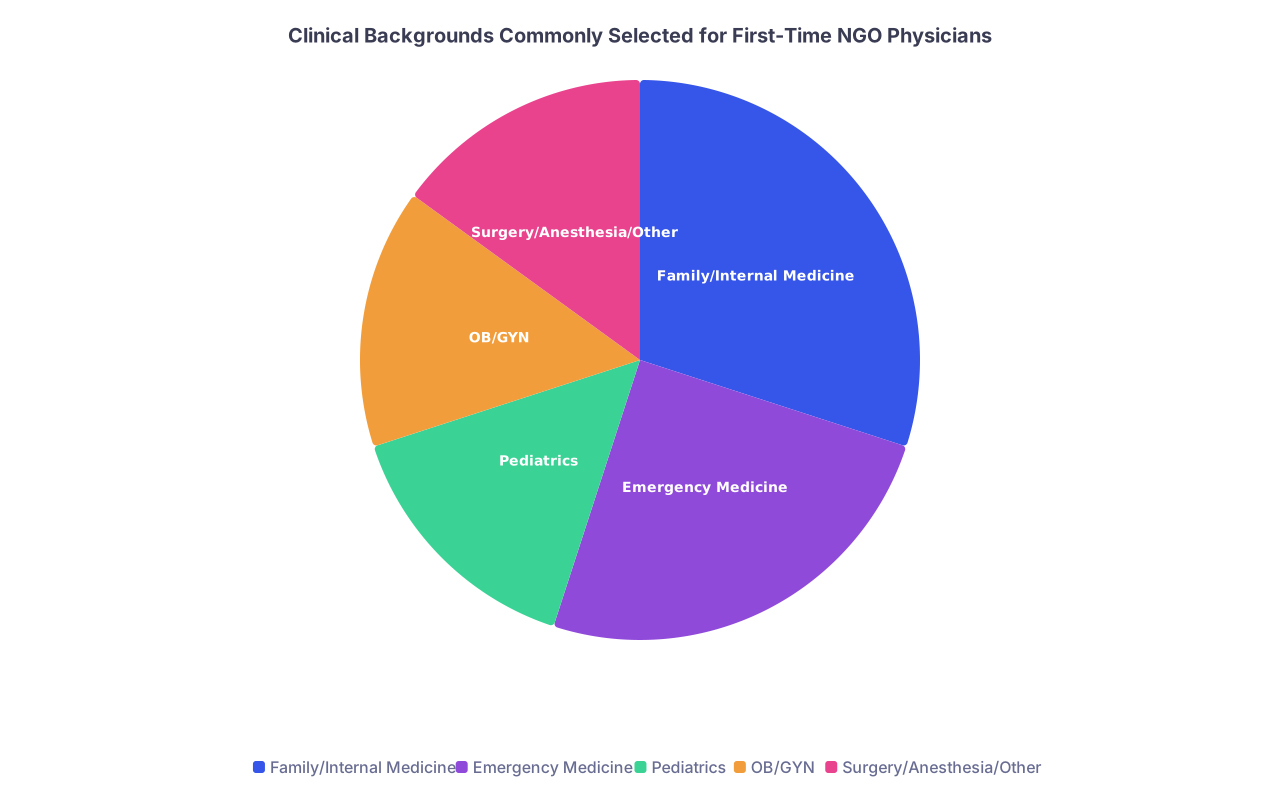
- Solid general internal medicine or family medicine foundation.
- EM with real experience in resource-limited or rural settings.
- OB/GYN who can do basic, repeatable, high-yield things: C-sections, PPH management, ectopic pregnancy.
- Pediatricians comfortable managing common high-burden conditions, not just ultra-rare syndromes.
| Category | Value |
|---|---|
| Family/Internal Medicine | 30 |
| Emergency Medicine | 25 |
| Pediatrics | 15 |
| OB/GYN | 15 |
| Surgery/Anesthesia/Other | 15 |
“But I did a global health elective…”
Here’s the inside truth: most “global health electives” are viewed with suspicion unless:
- You were clearly useful (not just shadowing).
- You weren’t a burden on local staff.
- You weren’t there to collect “interesting cases” and patient photos.
Evaluators have seen the worst of these electives. Students slowing teams down. Residents arguing with local clinicians about guidelines. People disappearing in the afternoons to “take in the culture.” If your story sounds like that, they will smell it.
What signals credibility to them is:
- Longitudinal commitment (multiple trips, increasing responsibility).
- Work in settings where you weren’t the star — rural US, Indian district hospitals, refugee clinic in Greece — and you talk about teamwork more than “I saved this patient.”
- Clear ability to adapt your usual standard of care responsibly, not recklessly.
2. Personality and Psychological Screening: Who They’re Afraid Of
Most NGOs have been burned. Repeatedly. By exactly the same physician archetypes.
So they’ve quietly developed pattern recognition. They’re not just screening for competence; they’re screening against chaos.
The three red-flag archetypes
The Cowboy
Loves “heroics,” hates protocols, thrives on chaos. Talks about “going to war zones” like it’s an adventure sport.
Inside the room, you’ll hear: “He’s going to ignore the medical coordinator and do his own thing. Hard no.”The Savior
Every paragraph of the motivation letter drips with “giving back,” “saving lives,” “they have nothing, we have everything.”
Internal reaction: “She will infantilize local staff, bulldoze over community norms, and then melt down when thanked less than she expects.”The Fragile Idealist
Brilliant, kind, but emotionally untested. Talks about “bearing witness” and “standing with the oppressed,” but has never worked a 14-day stretch of 12-hour shifts in 45°C heat.
Internal concern: “He will burn out mid-mission and my team will carry him.”
When I sat in one selection meeting for a medium-sized medical NGO, the medical director said bluntly after a video interview: “If he cries this much just talking about suffering on Zoom, what’s he going to do when a kid dies in his arms and mom is screaming? He’s not ready. Maybe later.”
What they test for in interviews (that you don’t see)
They will quietly hit you with things like:
- Ethical gray zones: “You have one ventilator and three patients. Walk me through your decision.” They’re not looking for the “right” answer — they want to see if you can make a decision without collapsing, and if you consider context and team norms.
- Authority friction: “What if the local medical director disagrees with you about using a certain antibiotic?” If your answer is basically “I’d educate them about best practice,” you’re already in trouble.
- Emotional self-awareness: “Tell us about a time you failed a patient.” If you can’t own your role without spiraling into self-flagellation or external blame, that’s noted.
The unspoken question in every part of the process is:
Will this person become a liability to the team when things go bad?
3. Operational Reality: You Are Joining a Machine, Not Leading a Mission
This is the part most physicians underestimate, especially those coming from prestigious institutions.
Humanitarian NGOs are logistics and operations machines that happen to deliver healthcare. Not the other way around.

| Step | Description |
|---|---|
| Step 1 | HQ Medical Director |
| Step 2 | Country Medical Coordinator |
| Step 3 | Project Medical Officer |
| Step 4 | Field Physician |
| Step 5 | Local Clinicians |
| Step 6 | Logistics Coordinator |
You are not being selected to “run a program.” You are being slotted into a tightly constrained system owned by people who have been there far longer than you.
What they’re reading between the lines on your CV and letter
- Have you ever worked in someone else’s system without significant autonomy?
Military medicine, Indian or African government hospitals, NHS, large US county hospitals all score surprisingly high here. - Have you worked under non-physician leadership and tolerated it?
Program managers with public health degrees. Country directors with backgrounds in logistics or security. If this makes you itchy, they pick up on it. - Do you talk about “leadership” as something you do to people, or as something you practice inside systems?
I’ve seen candidates with incredible pedigree — Ivy League, fellowship-trained, multiple languages — get passed over because every story out of their mouth was: “I saw what they were doing and I fixed it.” NGOs hear: “He will trash our local partners the second he arrives.”
The questions that secretly matter
No one writes these on the website, but they’re real:
- Will this doctor fight with logistics over vehicle use, cold chain, or pharmacy stock?
- Will they understand that security trumps clinical idealism when HQ says evacuate?
- Will they accept that their clinical judgement sits inside a hierarchy that includes country-level politics, security, and donor expectations?
The candidates who get offers tend to say things like:
- “I’ve disagreed with system policies before, but I realized I was missing context that leadership had.”
- “In my last job I worked closely with non-clinical managers; once I understood their constraints, we found good compromises.”
- “If a local protocol differs from US guidelines, my first move is to understand why it exists and what constraints it fits.”
Those answers tell selectors: this person won’t blow up the chain of command on week two.
4. Ethics: What They’re Really Afraid You’ll Do
Now we’re in your category: personal development and medical ethics. This is where NGOs are more paranoid than you realize.
They are terrified of three things:
- You harming patients because you’re out of your depth or improvising irresponsibly.
- You harming the community by disrespecting norms, taking photos, or making promises.
- You harming the organization by going rogue on social media or with journalists.
The ethics questions that separate serious candidates from naïve ones
You will get variations of:
- “Would you treat a high-profile local politician differently if it protected the project?”
- “What would you do if a journalist asked you for details about a mass casualty event?”
- “What if a local nurse suggests a treatment you think is substandard but widely accepted locally?”
They aren’t hunting for perfect textbook ethics answers. They want to know:
- Do you understand you are not a free agent? You represent the NGO 24/7.
- Do you understand that “doing the most clinically” is not always the same as “doing the most ethically in context”?
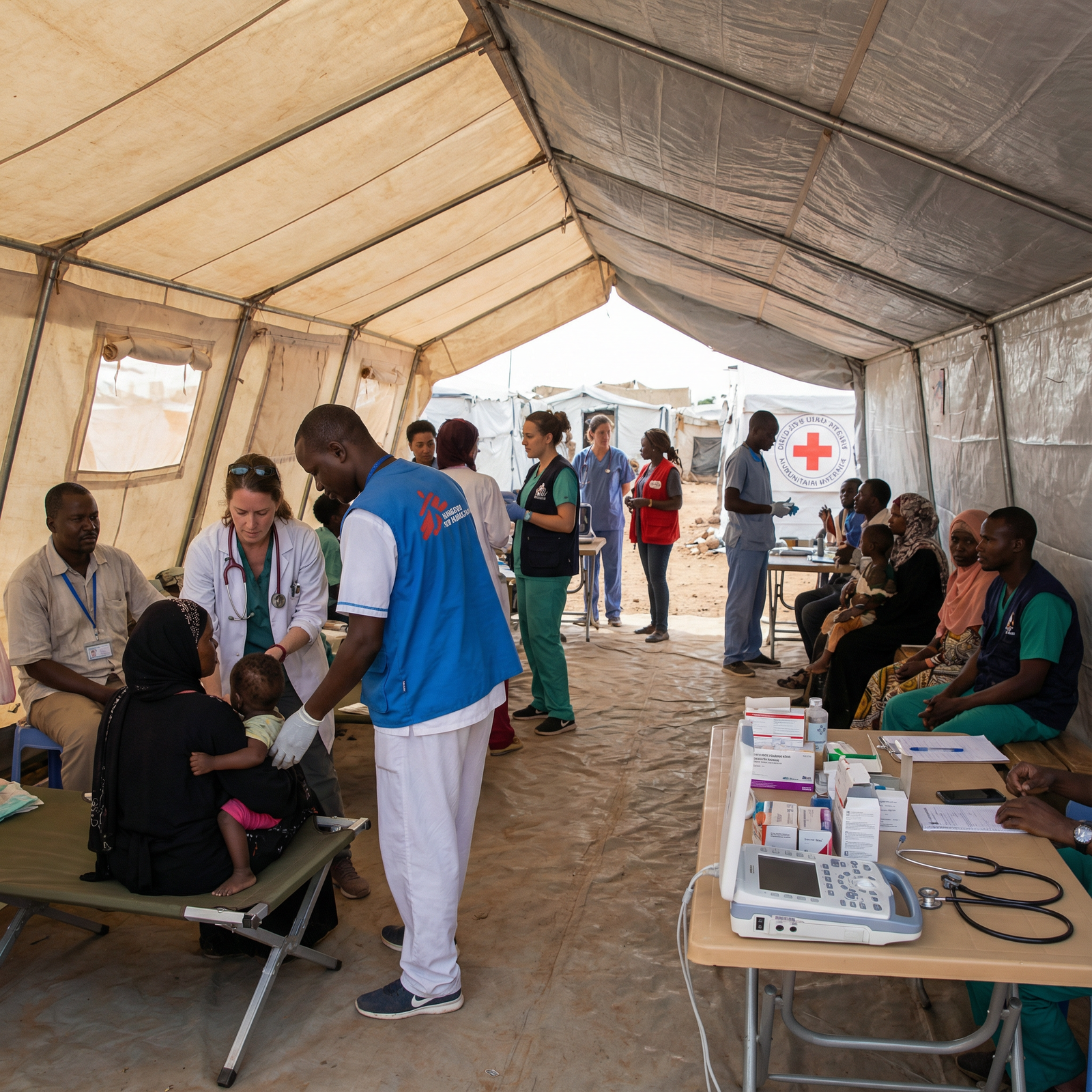
- Do you grasp power dynamics? That walking into a tent with a logo on your chest makes your words very heavy?
I’ve seen applicants sink themselves with one sentence:
“If the media could pressure local authorities to help more, I would probably talk to them anonymously.”
On paper, that sounds like advocacy. In reality, NGOs hear “security risk, messaging liability, loose cannon.”
The ethical maturity they want
You know what impresses them?
- A story where you didn’t intervene, and can clearly explain why restraint was the ethical choice.
- Instances where you respected family or community preferences even when they didn’t align with your instinct — without being passive or indifferent.
- The ability to say, “I’d follow organizational guidance and escalate internally, not publicly,” when asked about contentious issues.
They are looking not just for compassion, but for judgment. That’s rarer than you’d think.
5. How Decisions Are Actually Made in the Room
Let me walk you through what really happens after your interview.
Picture a debrief call or meeting with:
- HR or recruitment officer
- Medical pool manager or medical coordinator
- Sometimes a country or operations person
They’ll have your CV, your motivation letter, any references, and notes from the interviewer.
| Phrase Used in Meeting | What It Really Means About You |
|---|---|
| "Strong technically, needs guidance" | Safe to send, but pair with experienced team |
| "Might be challenging in the field" | Ego, rigidity, or poor teamwork concern |
| "Not ready for high-intensity mission" | Emotionally fragile, untested under chronic stress |
| "Could be a good second mission" | Skills ok, but needs more NGO experience elsewhere |
| "Let’s keep them warm in the pool" | Probably no in near term, maybe yes if desperate later |
They aren’t scoring you on a tidy grid. It’s more blunt:
- “Would you send this person to a remote project where the nearest backup is a 10-hour drive and an unreliable radio?”
- “Would you feel comfortable if they were the only international doctor on site for three weeks?”
- “If something goes wrong and ends up in the press, do you trust this person not to make it worse?”
If two people at the table say “I’m not comfortable,” you’re out. NGOs will risk being short-staffed before they’ll import a problem.
One more quiet reality: national staff opinions influence future selection.
If you go once and you’re condescending, inflexible, or sloppy, your name will circulate informally. You may never be explicitly “banned,” but your file will start to collect phrases like:
- “Difficult with local partners”
- “Did not adapt well to protocols”
- “High support needs”
That’s code for: don’t bring them back unless we’re desperate.
6. How To Actually Make Yourself the Kind of Physician They Choose
Now the part you actually care about: what you can do differently.
I’m not going to say “get more experience” and walk away. You know that already. Here’s what selection committees quietly wish more applicants had done.
Build credible, unglamorous experience
Stop chasing “global” buzzwords on your CV and start accumulating three things:
Resource-limited practice
Rural US, Indian district hospitals, county hospitals with overcrowded EDs, safety-net clinics. Anywhere protocols and reality don’t match perfectly.Systems humility
Work where you’re not in charge. Function under guidelines you didn’t write. Learn to negotiate change instead of imposing it.Stretch assignments that test your emotional load
Palliative care rotations. ICU nights. Chronic understaffing. It’s not about suffering; it’s about showing you can function when the emotional ambient temperature is high.
Clean up how you talk and write about this work
NGO people read hundreds of motivation letters. They roll their eyes at the same clichés:
- “I’ve always wanted to give back.”
- “The world is so unfair and I feel called to help.”
- “These people have nothing and we have so much.”
What makes them sit up instead:
- Concrete, specific experiences that changed how you think.
- Stories where you were not the hero.
- Examples of conflict or failure you learned from without glamorizing your own struggle.
If your letter could be copy-pasted from any medical student’s “global health interest” essay, it’s weak.
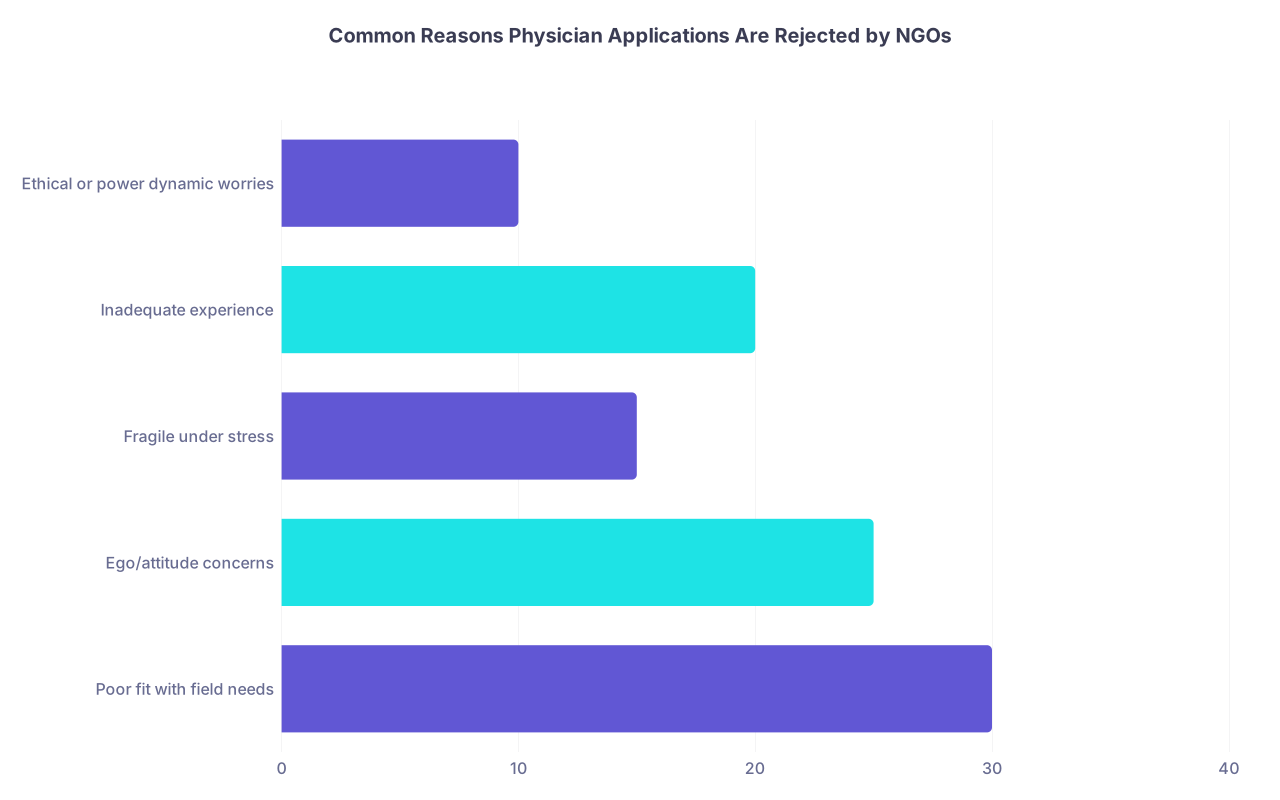
| Category | Value |
|---|---|
| Poor fit with field needs | 30 |
| Ego/attitude concerns | 25 |
| Fragile under stress | 15 |
| Inadequate experience | 20 |
| Ethical or power dynamic worries | 10 |
In interviews: underclaim, then demonstrate depth
Overconfident candidates scare them. Underprepared ones annoy them. The sweet spot is:
- “I’ve never worked in a conflict zone, so I’d rely heavily on security and logistics colleagues. In previous roles, I’ve done ___ under constraints, and I’m comfortable following systems even when I don’t agree with every detail.”
You acknowledge limits. Then calmly lay out credible prior experience adapting.
Avoid big declarations like “I thrive under pressure” or “I’m unfazed by suffering.” They’ve heard it all. Show, do not tell. One honest, specific story about a hard week in your home hospital, how you coped, and what you’d do differently next time says more than any sweeping statement.
7. The Ethical Work You Need To Do On Yourself
You can’t fake this part. Not convincingly. NGOs can tell when someone has never actually interrogated their own motives.
Ask yourself before you ever apply:
- Do I need to be the hero here?
- Will I be okay if no one from home ever sees what I did?
- Can I tolerate being one small, replaceable part of a system?
- Am I prepared to accept decisions that prioritize security or politics over what I think is best clinically?
And the hardest one:
- If every mission leader I ever work with were a national staff member, and my role was always “supporting physician,” would I still want to go?
If the answer is no, that doesn’t make you a bad person. It just means you’re not ready for this kind of work yet — or maybe it’s not for you at all. Better to realize that before you’re sweating in a 50-bed cholera tent wondering why you’re so angry all the time.
FAQ (Exactly 5 Questions)
1. Do I need prior “global health” experience to be seriously considered by major NGOs?
Not strictly, but you do need credible signals that you won’t collapse under resource constraints and culture shock. Rural or underserved work at home can carry as much or more weight than a two-week trip abroad. They care more about humility, adaptability, and systems experience than a “global health” line on your CV.
2. Are they biased toward certain specialties when selecting physicians?
Yes. For first-time field assignments, generalists win: internal medicine, family medicine, EM, pediatrics, OB/GYN. Pure subspecialists are harder to place unless they bring a second, broader skill set. A nephrologist who still does general medicine is useful; a highly procedural electrophysiologist with no recent ward work isn’t.
3. How much does language ability really matter?
More than they say publicly, but it’s not all-or-nothing. For Francophone Africa, real French helps a lot. Same with Spanish in Latin America. But they will still take monolingual English speakers if your other strengths are strong enough — and if they have enough bilingual staff on site. Just don’t pretend basic Duolingo equals “working proficiency.”
4. Can I get rejected once and still be accepted later?
Absolutely. People get turned down as residents, then accepted a few years later after they’ve built better experience and maturity. What kills you long term is being a problem in the field, not an early “not yet.” If you get a rejection, assume it means “not right now with this profile,” not “never again,” and work on the gaps.
5. Is it unethical to want adventure or interesting cases as part of my motivation?
It’s human. Everyone in those roles has some mix of curiosity, adventure-seeking, and moral drive. The problem is when your adventure outweighs their needs. If you can be honest with yourself about that mix and still choose to put patient and community welfare, plus team safety, above your own thrill-seeking, you’re in acceptable territory. Just don’t lead with “adventure” on your application.
Key points to carry with you:
- NGOs are not hunting for heroes; they’re selecting for psychologically stable, system-compatible, ethically grounded workhorses.
- Humility, resource-limited experience, and the ability to function under someone else’s protocols matter more than prestige or abstract brilliance.
- If your ethics, ego, or expectations clash with how humanitarian work actually functions, they will feel it in the interview — long before you ever see a field hospital.


