How to Prepare for Your First Humanitarian Mission Abroad
Embarking on your first humanitarian mission abroad can be transformational—professionally, ethically, and personally. For medical students, residents, and early-career clinicians, it’s often a defining experience that shapes how you understand health equity, structural determinants of health, and your own role in global medicine.
Yet meaningful impact doesn’t happen by accident. Thoughtful Volunteer Preparation, strong Cultural Awareness, and meticulous Travel Health planning are essential—not only for your safety and learning, but also to avoid unintended harm to the communities you hope to serve.
This guide walks you step-by-step through how to prepare for your first humanitarian mission abroad with a focus on medical and health-related missions, while still being relevant to other disciplines.
1. Understanding Humanitarian Missions in Global Health
Before you buy a plane ticket or pack a stethoscope, it’s important to understand what humanitarian missions are—and what they are not.
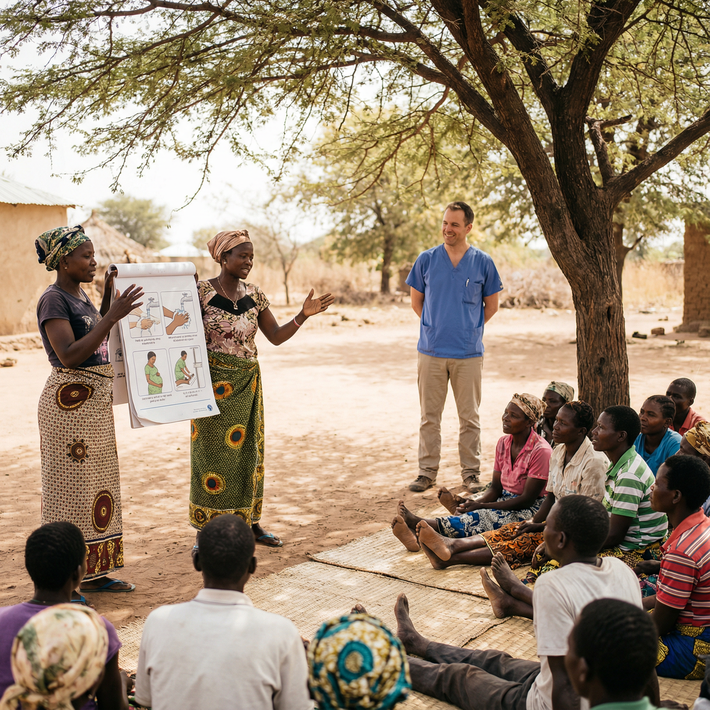
Humanitarian Missions are organized efforts to provide time-sensitive assistance and support to communities facing crises. These may be triggered by natural disasters, conflict, epidemics, or chronic poverty and under-resourcing of health systems. Medical and health-related missions sit at the intersection of clinical service, public health, ethics, and systems thinking.
1.1 Core Principles of Ethical Humanitarian Work
Ethical humanitarian engagement is guided by several core principles:
- Humanity: Alleviate suffering and protect life and health wherever it is found.
- Impartiality: Provide assistance based on need alone, without discrimination.
- Neutrality: Do not take sides in hostilities or political controversies.
- Independence: Maintain independence from political, economic, or military interests.
For medical trainees, these principles overlap with familiar ethical tenets—beneficence, non-maleficence, autonomy, and justice—but applied in cross-cultural and resource-limited contexts.
1.2 Types of Humanitarian Missions You Might Join
Understanding the type of mission you’re considering helps you prepare realistically.
Medical Missions
- Focus: Direct clinical care, surgical camps, mobile clinics, health screenings, vaccination campaigns, or health education.
- Typical participants: Physicians, residents, nurses, pharmacists, medical students (in supervised roles), public health practitioners.
- Example: A one-week mobile clinic supporting chronic disease management in a rural area where local health centers are understaffed.
Disaster Relief Missions
- Focus: Acute response to earthquakes, floods, epidemics, or conflict-related displacement.
- Typical activities: Triage, trauma care, basic primary care, mental health first aid, WASH (water, sanitation, hygiene).
- These missions demand strong flexibility, stress tolerance, and clear understanding of your scope of practice as a trainee.
Development or Capacity-Building Missions
- Focus: Long-term improvement of health systems, education, and infrastructure.
- Activities: Training local clinicians, developing protocols, strengthening surveillance, supporting quality improvement projects.
- Example: A residency-affiliated partnership that sends small teams annually to support a local teaching hospital.
Advocacy and Policy Missions
- Focus: Protecting human rights, influencing health policy, documenting violations, or amplifying local voices.
- Activities: Data collection, qualitative interviews, supporting local NGOs, writing reports.
- Particularly relevant for those interested in public health, global health policy, and health equity.
Understanding which of these best matches your skills and goals helps you prepare appropriately and set realistic expectations for your role.
2. Researching Your Destination and Mission Context
Solid preparation begins long before departure. Your goal is to learn enough about the setting to be effective, culturally respectful, and safe—without assuming you fully understand the context.
2.1 Deep Dive into Country and Regional Context
Before you go, research:
- Sociopolitical background: Learn about major historical events, conflicts, and social issues that shape the region’s health landscape.
- Health indicators: Look up maternal mortality, under-5 mortality, top causes of death, vaccination rates, and access to care. WHO, World Bank, and local Ministry of Health websites are invaluable.
- Current events and security: Monitor reputable news sources and your government’s travel advisories for updates on safety, instability, or outbreaks.
Ask your sponsoring organization for:
- Recent situation reports (sit-reps) or briefing documents.
- Clear explanation of the mission’s goals, duration, and how your role fits within local priorities.
2.2 Building Cultural Awareness and Humility
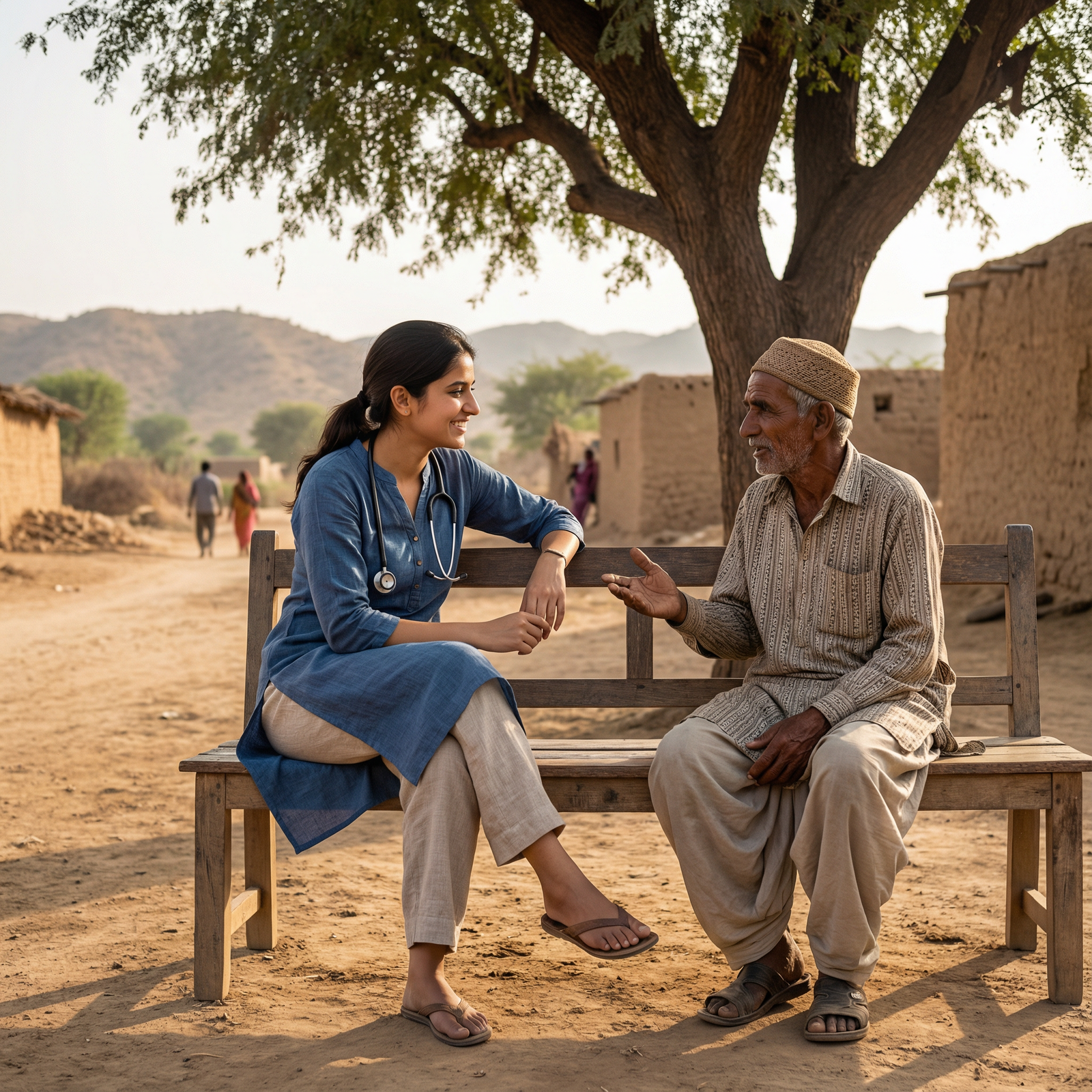
Cultural Awareness is not a checkbox—it’s a continuous process. Your goal is cultural humility: recognizing your own cultural lens and actively seeking to understand others.
Research:
- Social norms and etiquette
- Greetings and forms of address (formal vs informal).
- Gender roles and expectations in clinical encounters.
- Attitudes toward authority, hierarchy, and age.
- Health beliefs and practices
- Common traditional medicine approaches.
- Local beliefs about specific conditions (e.g., mental illness, epilepsy, HIV).
- Typical decision-making patterns (individual vs family-centered).
Practical strategies:
- Learn at least 20–30 essential phrases in the local language: greetings, thank you, “Where does it hurt?”, “Do you have pain?”, “I don’t understand.”
- Ask your organization to connect you with someone from the local community or a returning volunteer for a pre-departure conversation.
- Approach every interaction with the mindset: “I am here to learn with you, not to fix you.”
3. Assessing Your Skills, Scope, and Preparation Needs
A critical part of Volunteer Preparation is understanding exactly what you can safely and ethically do—and what you should not.
3.1 Clarify Your Role and Scope of Practice
Before departure, ask your organization explicitly:
- What is my defined role on this mission?
- What procedures or tasks will I be expected or allowed to perform?
- How will supervision work (especially for students and residents)?
- What are the local licensing or credentialing requirements?
Be honest about your skills and limitations. Practicing beyond your training—even with good intentions—can cause harm and violate ethical standards.
For trainees:
- Clarify how your role will differ from that of fully licensed clinicians.
- Confirm whether your home institution has oversight or affiliation with the mission.
3.2 Strengthen Clinical and Non-Clinical Skills
In the months before departure, consider:
- Clinical refreshers relevant to the setting:
- Tropical medicine basics (malaria, dengue, TB, neglected tropical diseases).
- Maternal and child health.
- Infectious disease management in low-resource settings.
- Public health and systems concepts:
- Social determinants of health.
- Principles of task-shifting and working with community health workers.
- Basics of outbreak response.
Helpful options:
- Online global health primers (e.g., from WHO, CDC, or reputable universities).
- Pre-departure global health courses offered by many medical schools and residencies.
- Simulation sessions for triage, disaster response, or cross-cultural communication.
4. Travel Health, Safety, and Risk Management
Your health and safety are not optional—they’re essential to being a reliable member of your team. Thoughtful Travel Health planning reduces the risk that you’ll become a patient instead of a provider.
4.1 Pre-Travel Health Evaluation
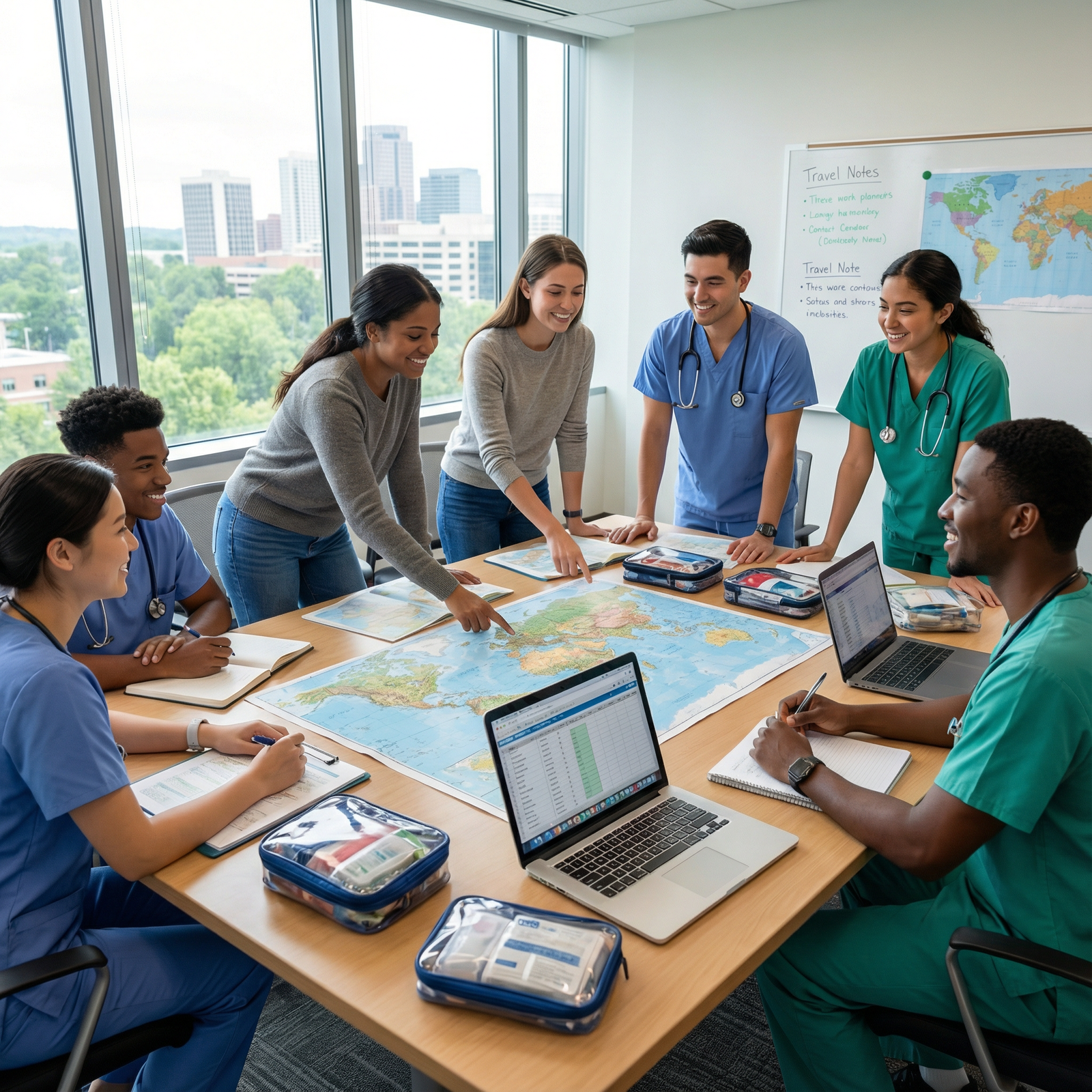
Schedule an appointment with a travel medicine clinic 6–8 weeks before departure. Discuss:
- Routine vaccinations: Ensure you’re up to date (MMR, tetanus, polio, influenza, COVID-19).
- Destination-specific vaccines: Hepatitis A and B, typhoid, yellow fever, rabies, Japanese encephalitis, meningococcal vaccines, depending on the region.
- Malaria prophylaxis: If indicated, choose an appropriate regimen and understand how to take it correctly.
- Chronic conditions: Plan for enough medications plus extras in case of delays (usually 2–4 weeks surplus).
Request:
- A printed copy of your immunization record.
- A summary letter of your medical conditions and medications (if relevant), in English and, if possible, in the local language.
4.2 Personal Medical and Safety Kit
Pack a destination-appropriate health and safety kit. Consider including:
Basic medical items:
- Personal prescription medications (in original labeled containers).
- NSAIDs, acetaminophen, oral rehydration salts.
- Antihistamines, antiemetics, antidiarrheals (e.g., loperamide).
- Small antibiotic supply if advised by travel clinic (e.g., for traveler’s diarrhea).
First aid and infection control:
- Alcohol-based hand sanitizer.
- Bandages, gauze, adhesive tape.
- Gloves, masks (including N95 or equivalent if respiratory risk).
- Small sharps container or plan for safe sharps disposal according to local protocols.
Environmental protection:
- Insect repellent (with DEET or picaridin).
- Bed net (if not provided and recommended for the area).
- Broad-spectrum sunscreen.
- Water purification tablets or filter (if safe water access is limited).
4.3 Security and Emergency Planning
Before you go:
- Register with your embassy (if your country offers this service).
- Save key contacts:
- Local mission coordinator.
- Nearest hospital or clinic.
- Embassy/consulate.
- 24-hour number for your Travel Health insurance and evacuation service.
- Review your organization’s security policy:
- Curfews or movement restrictions.
- Approved transportation options.
- What to do in case of civil unrest, natural disaster, or acute illness.
Carry photocopies (and digital copies) of:
- Passport and visa.
- Vaccination records (especially yellow fever, if required).
- Insurance policy and emergency numbers.
5. Packing Strategically for a Humanitarian Mission
Packing for a mission is not about having every comfort—it’s about being functional, respectful, and prepared.
5.1 Clothing and Personal Gear
Focus on clothing that is:
- Culturally appropriate: Avoid overly revealing or flashy attire. Ask ahead about local norms around sleeves, skirts, and head coverings.
- Climate-appropriate: Breathable fabrics for hot, humid environments; layers for high-altitude or variable climates; rain gear if in monsoon seasons.
- Professional yet practical: Scrubs or simple clinic attire plus casual clothes for off-hours.
Essentials:
- Durable, closed-toe shoes appropriate for standing long hours or walking on rough terrain.
- A light jacket or fleece even for warm climates (for chilly nights or air-conditioned spaces).
- A headlamp or small flashlight with extra batteries for power outages or nighttime work.
5.2 Clinical and Team Supplies
Coordinate with your organization before packing medical or clinical supplies—random donations can overburden local systems or be unusable.
Ask specifically:
- What supplies are actually needed locally?
- Are there import restrictions or customs regulations on medications/equipment?
Commonly useful items (when requested):
- Reusable stethoscopes and blood pressure cuffs.
- Basic wound care supplies.
- Educational materials (laminated algorithms, diagrams, or posters in the local language).
- Portable devices (e.g., pulse oximeters) if they can be maintained and used sustainably.
5.3 Digital and Documentation Essentials
Consider bringing:
- Offline-capable reference apps:
- Medical calculators.
- WHO or MSF clinical guidelines.
- Language translation tools.
- A secure method for data storage and patient privacy if collecting any data (follow your organization’s ethics and confidentiality policies).
- A small notebook or digital journal for reflection and documentation of experiences, challenges, and learning.
6. Financial Planning and Ethical Funding Considerations
Missions often come with out-of-pocket costs, even for volunteers. Planning ahead helps avoid financial stress and ethical pitfalls.
6.1 Budgeting for Your Mission
Include:
- Airfare and ground transportation.
- Visa fees and airport taxes.
- Vaccines, prophylaxis, and Travel Health clinic consultations.
- Travel insurance and medical evacuation coverage.
- Accommodation and food (if not covered by the organization).
- Local SIM card, data plan, or communication costs.
- Contingency funds for emergencies.
Create a realistic budget and build in a buffer (10–20%) for unexpected expenses.
6.2 Fundraising and Transparency
If you plan to fundraise:
- Be transparent about:
- How the money will be used (your expenses vs direct community support).
- Which organization you are partnering with.
- Avoid implying that donations go directly to patients if they are primarily funding your travel.
- Consider supporting locally led initiatives or organizations as part of your fundraising campaign.
7. Connecting with Your Organization and Local Partners
Humanitarian work is team-based by definition. Strong partnerships before you arrive enhance both impact and safety.
7.1 Pre-Mission Orientation and Training
Participate in all available:
- Pre-departure trainings on:
- Cultural competence and anti-racism.
- Global health ethics and power dynamics.
- Safety, security, and incident reporting.
- Team meetings to:
- Clarify roles and responsibilities.
- Review clinical protocols and referral pathways.
- Align expectations for work hours, days off, and decision-making processes.
If your organization does not offer robust orientation, ask for resources or suggest collaboration with your home institution’s global health office.
7.2 Building Relationships with Local Colleagues
Effective missions support, not supplant, local health workers.
Before and during your mission:
- Ask to be introduced (virtually if needed) to key local partners:
- Local physicians, nurses, and community health workers.
- Hospital leadership or clinic managers.
- Public health officials or NGO staff.
- Listen to local priorities: “What do you see as the most urgent needs right now?”
- Plan for skills exchange, not just service delivery:
- Offer teaching in your areas of strength.
- Ask to observe how they manage conditions common to the region.
8. Emotional and Mental Preparation for Humanitarian Work
Humanitarian settings can be emotionally intense. Preparing your mental and emotional toolkit is as important as your clinical one.
8.1 Setting Realistic Expectations
Common emotional challenges include:
- Moral distress: When you know what care a patient needs but cannot provide it due to resource limitations.
- Vicarious trauma: Exposure to extreme stories of suffering, violence, or loss.
- Guilt or helplessness: Feeling your contribution is too small or that you’re leaving patients behind when you go home.
Reframe your expectations:
- You are not going to “save” a community; you are one small part of a long-term process.
- Success can be:
- Managing one complicated case safely.
- Contributing to a protocol that improves care after you leave.
- Supporting and learning from local colleagues.
8.2 Coping Strategies and Emotional Support
Plan strategies to support your mental health:
- Develop a simple daily routine: brief exercise, reflection, or mindfulness practice.
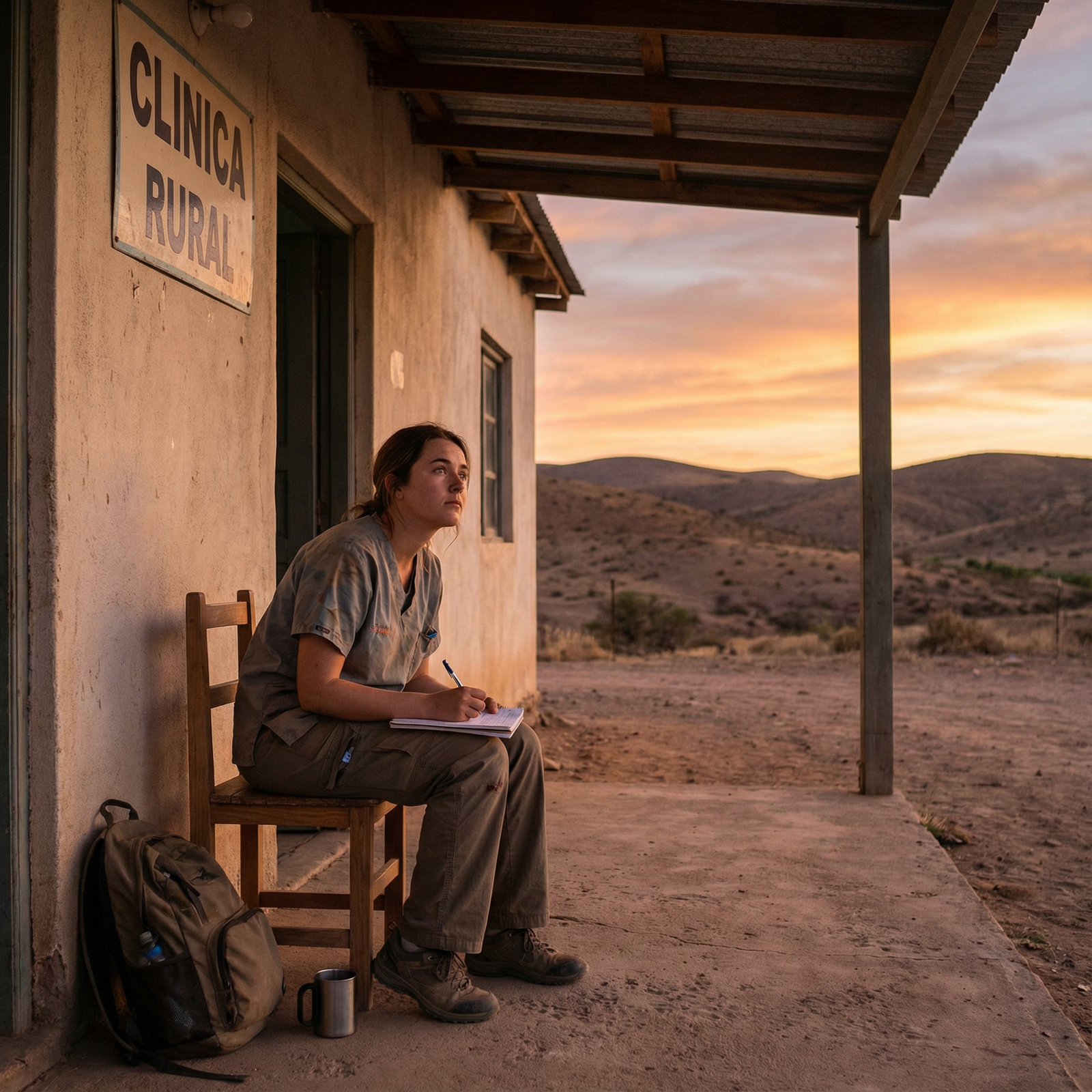
- Use journaling to process difficult encounters and ethical dilemmas.
- Identify at least one trusted colleague (on-site or remote) with whom you can debrief.
- Set boundaries:
- Accept that you cannot say yes to everything.
- Take scheduled rest days when possible.
After returning, consider:
- Participating in a formal debriefing with your organization or training program.
- Seeking counseling if you experience prolonged distress, intrusive memories, or burnout symptoms.
9. Maximizing Your Impact During the Mission
Once on the ground, your daily actions, attitude, and humility will matter more than anything in your suitcase.
9.1 Building Trusting Relationships with Patients and Communities
Core practices:
- Listen before acting: Ask patients and community members what they see as their main problems and priorities.
- Use interpreters properly:
- Speak directly to the patient, not the interpreter.
- Use short, clear sentences.
- Respect confidentiality and privacy, even in crowded or resource-limited settings.
Demonstrating respect—through punctuality, appropriate dress, and willingness to learn—builds trust more quickly than any technical skill.
9.2 Collaborating with Local Health Professionals
Avoid “parachute medicine” by:
- Coordinating care plans and decisions with local clinicians.
- Asking how you can support existing systems, rather than creating parallel ones.
- Sharing any new protocols or tools you introduce, with clear training and handover plans.
Consider:
- Co-presenting short case discussions or micro-teaching sessions.
- Asking local colleagues for feedback on your approach and communication style.
9.3 Planning for Sustainability and Handover
Before you leave:
- Ensure appropriate follow-up plans are in place for patients you’ve seen.
- Share any data, reports, or teaching materials with local partners in accessible formats.
- Discuss with your organization how your experience will inform:
- Future missions.
- Ongoing partnerships.
- Institutional learning in your home program.
FAQs About Preparing for a Humanitarian Mission Abroad
1. How long do humanitarian missions typically last, and what duration is best for a first-time volunteer?
Missions can last from a few days to over a year. For first-time volunteers, 1–4 weeks is common, especially for medical students and residents. Short missions should be part of a long-term partnership, not standalone trips. Longer stays (3–12 months) are better for deeper systems work but require more extensive planning and support.
2. What qualifications do I need to participate in a humanitarian mission as a medical trainee or early-career physician?
Requirements vary by organization and mission type, but commonly include:
- Current professional license (for independent practice roles) or active enrollment in a training program.
- Basic clinical competency in your specialty.
- Good standing with your institution.
- For students and residents: appropriate supervision plans and sometimes letters of support from your program director.
Some roles (e.g., public health, logistics, education) may welcome non-clinical volunteers with relevant skills.
3. How do I evaluate if a humanitarian organization is ethical and responsible?
Look for organizations that:
- Partner with local institutions and respect local leadership.
- Have clear, transparent goals and impact metrics.
- Emphasize capacity-building, not just one-off service.
- Provide robust pre-departure training, on-site supervision, and clear safety protocols.
- Are transparent about finances and how funds are used.
Be cautious of groups that promise unrealistic impact, focus heavily on “voluntourism,” or lack local partnerships.
4. Are my costs usually covered, and how should I plan financially?
Cost coverage varies widely:
- Some NGOs cover most expenses (travel, housing, in-country costs).
- Academic or faith-based groups may offer partial support or require participants to self-fund or fundraise.
- Independent volunteers often pay their own way.
Always clarify what is covered (e.g., flights, vaccines, insurance, meals) and create a detailed budget before committing.
5. How can I continue contributing after returning from my mission?
Sustainable impact often happens after you come home. You can:
- Stay engaged with the same organization or partner site through remote teaching, research, or advocacy.
- Present your experience at your institution to raise awareness about global health and ethics.
- Support locally led initiatives financially or through skills-sharing.
- Integrate what you learned into your future practice, especially around Cultural Awareness, health equity, and structural determinants of health.
Thoughtful preparation for your first humanitarian mission abroad sets the stage for meaningful service, deep learning, and long-term engagement in global health. By investing in careful Volunteer Preparation, prioritizing Travel Health and personal safety, cultivating Cultural Awareness, and seeking appropriate Emotional Support, you can contribute ethically and effectively—while gaining insights that will shape your career and your understanding of medicine for years to come.