Introduction: Humanitarian Work in a Complex, Interconnected World
Humanitarian work sits at the intersection of medicine, ethics, and global responsibility. For medical students, residents, and early-career clinicians, it offers a powerful avenue to translate clinical skills into meaningful change for vulnerable populations. Yet desire to “help” is not enough. Without thoughtful planning, Cultural Sensitivity, and a focus on Sustainability and Capacity Building, even well‑intentioned interventions can cause unintended harm.
The humanitarian landscape today is shaped by protracted conflicts, climate change–driven disasters, pandemics, mass displacement, and fragile health systems. These crises demand not only rapid responses, but also ethical, evidence‑based, and community‑led approaches. Whether you are planning a short-term medical trip, joining a large NGO, or working with a local community organization, your impact depends on how you design, deliver, and evaluate your work.
This article outlines practical, high‑yield strategies to maximize your impact in humanitarian work, with a particular focus on:
- Rigorous needs assessment
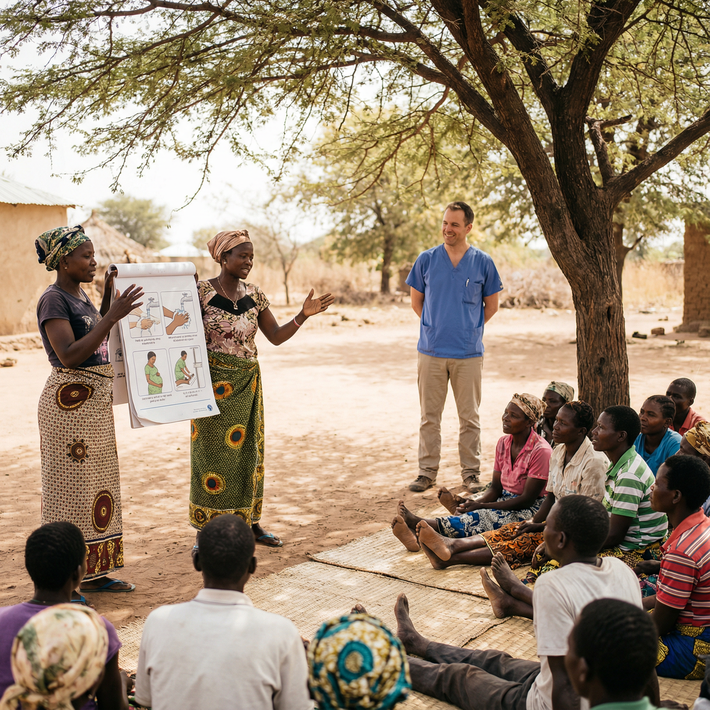
- Authentic Community Engagement
- Strategic partnerships and Capacity Building
- Cultural Sensitivity and ethical conduct
- Monitoring, evaluation, and responsible use of technology
- Long‑term Sustainability and local ownership
These principles apply across settings—from disaster zones to refugee camps, from rural clinics to urban slums—and are highly relevant to trainees and clinicians interested in global health.
Understanding the Modern Landscape of Humanitarian Work
Defining Humanitarian Work in Global Health
Humanitarian work includes organized efforts to prevent and alleviate human suffering, protect life and health, and uphold human dignity during emergencies and chronic crises. In the global health context, this often focuses on:
- Acute care after natural disasters or conflict
- Ongoing support for fragile or under-resourced health systems
- Care for displaced populations and refugees
- Public health interventions (e.g., vaccination campaigns, outbreak response)
Core humanitarian principles guide all reputable efforts:
- Humanity – Addressing suffering wherever it is found, with a focus on those in greatest need.
- Neutrality – Not taking sides in hostilities or political controversies.
- Impartiality – Providing assistance based on need alone, without discrimination.
- Independence – Maintaining autonomy from political, economic, or military objectives.
For medical trainees, internalizing these principles is as essential as learning clinical guidelines. They inform every decision—from triage in a mass casualty event to selection of research projects in a refugee camp.
Key Challenges Shaping Humanitarian Practice Today
To maximize impact, you must first understand the evolving challenges:
Escalating demand
- More frequent climate‑related disasters (floods, heat waves, cyclones).
- Prolonged conflicts and political instability.
- Growing numbers of refugees and internally displaced persons (IDPs).
Resource constraints
- Chronic underfunding of humanitarian responses.
- Limited human resources, especially specialists and trained local staff.
- Supply chain disruptions and medication shortages in crisis settings.
Cultural, social, and linguistic barriers
- Mismatched interventions that ignore local beliefs, traditional healing practices, or gender norms.
- Poor uptake of services due to mistrust or stigma.
Political and security complexities
- Restricted access to affected areas.
- Threats to the safety of humanitarian workers and local partners.
- Legal, administrative, and visa-related obstacles to deployment.
Ethical dilemmas in constrained settings
- Allocation of scarce resources (e.g., ventilators, dialysis).
- Conducting research or collecting data among vulnerable populations.
- Balancing visibility/fundraising with dignity and privacy of patients.
Recognizing these realities helps you design interventions that are realistic, ethical, and responsive to context.
Strategy 1: Conduct Rigorous Needs Assessments Grounded in Community Engagement
Effective humanitarian work starts long before you step on a plane or open a clinic. A rigorous needs assessment ensures you are responding to real priorities rather than assumptions.
Core Components of an Effective Needs Assessment
Engage directly with affected communities
- Use Community Engagement methods such as:
- Focus group discussions with patients, caregivers, and community leaders
- Key informant interviews (local clinicians, traditional healers, teachers, religious leaders)
- Household surveys to understand barriers to care, health behaviors, and unmet needs
- Prioritize listening over prescribing. Ask, “What do you see as the most urgent problems?” rather than presenting a pre‑set agenda.
- Use Community Engagement methods such as:
Leverage existing data and local expertise
- Review:
- Ministry of Health reports and local epidemiologic data
- WHO, UNHCR, and NGO situation reports
- Previous assessments or evaluations from other organizations
- Collaborate with local universities or teaching hospitals that may already have robust data.
- Review:
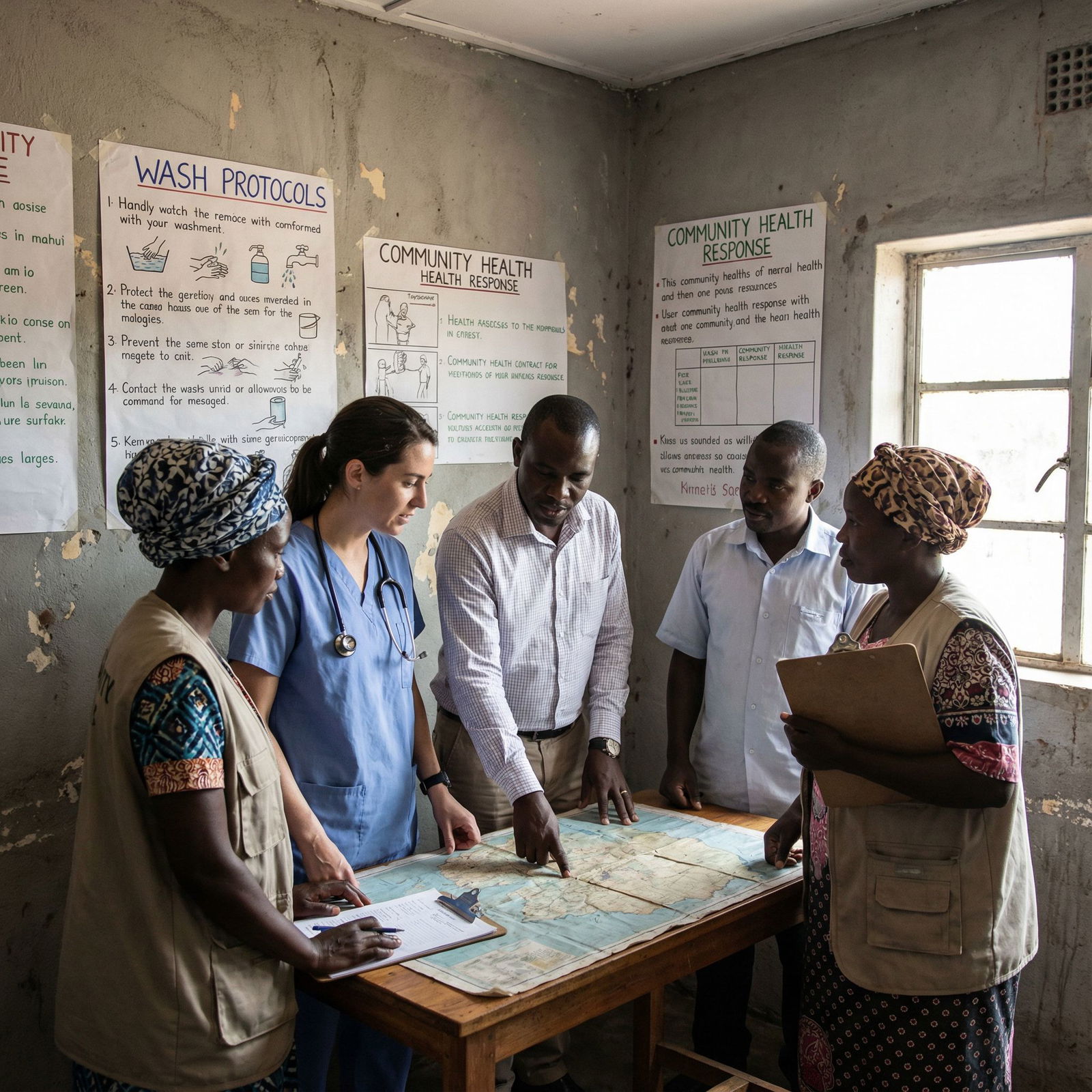
Map existing services and gaps
- Identify:
- Current health facilities, labs, pharmacies, and referral systems
- Community-based health workers and informal providers
- Ongoing programs (e.g., maternal health, HIV, TB) to avoid duplication
- Clarify what is missing: emergency obstetric care, mental health services, rehabilitation, chronic disease management, etc.
- Identify:
Prioritize based on severity, scale, and feasibility
- Consider:
- Burden of disease and potential for preventable mortality/morbidity
- Available resources, including local staff and infrastructure
- Timeframe (acute vs. protracted crisis) and security conditions
- Consider:
Example in Practice
Organizations like Médecins Sans Frontières (Doctors Without Borders) deploy assessment teams—often including clinicians, logisticians, and public health experts—before launching a project. They use standardized tools to evaluate health indicators, security, and feasibility. Medical students or residents involved in such assessments gain invaluable skills in public health, epidemiology, and ethical triage.
Thorough assessment is not a luxury; it is an ethical obligation. It reduces waste, avoids harmful duplications, and increases the likelihood that your interventions address the problems communities actually face.
Strategy 2: Build Strong, Equitable Partnerships and Networks
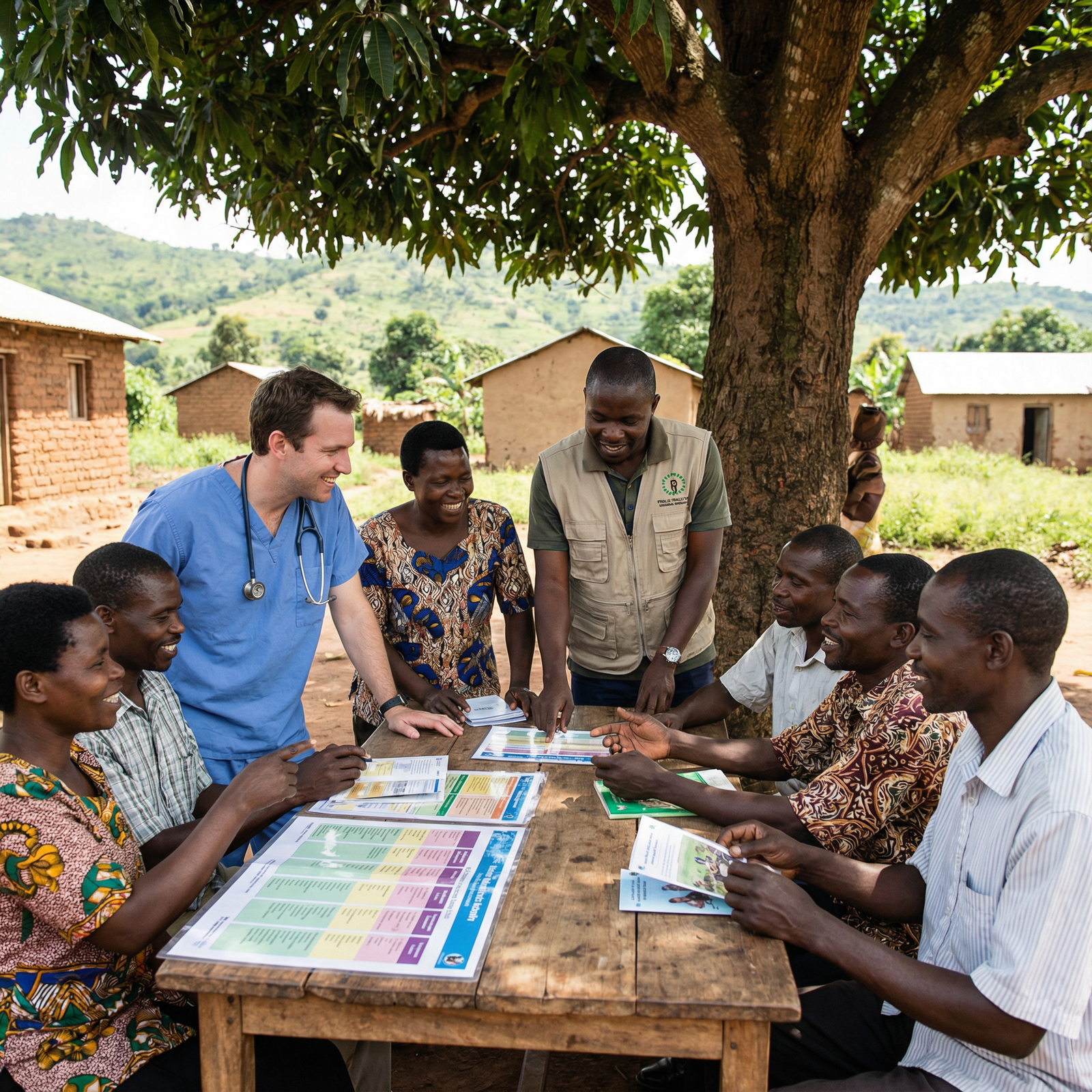
Humanitarian work is most effective when it is collaborative. The era of isolated, short‑term missions acting independently of local systems is rapidly—and appropriately—coming to an end.
Partnering with Local Organizations and Health Systems
Respect local leadership
- Identify local NGOs, community‑based organizations, and health authorities already working in the area.
- Ask how your skills can complement, not overshadow, their work.
- Invite local colleagues into leadership roles in program design and decision‑making.
Align with national and regional priorities
- Coordinate with Ministries of Health, district health offices, and professional societies.
- Ensure that your interventions fit within existing national guidelines and health strategies.
Promote shared visibility and credit
- In presentations, reports, and publications, list local partners as co‑authors and co‑investigators.
- Avoid narratives that center foreign volunteers as “saviors”; highlight local expertise and resilience.
Collaborating Across Humanitarian and Academic Sectors
For trainees, one of the most impactful ways to engage in humanitarian work is through academic–NGO partnerships:
Joint projects between universities and NGOs
- Clinical capacity‑building (e.g., training local providers in ultrasound, point‑of‑care testing).
- Operational research to answer practical implementation questions.
- Development of context-adapted guidelines and protocols.
Longitudinal engagement over one-off trips
- Residency programs can establish multi‑year partnerships with specific sites.
- Trainees rotate through a shared project under joint supervision from local and home‑institution faculty.
This approach enhances accountability, continuity of care, and Sustainability.
Case Example: Partnership for Food Security and Health
The World Food Programme (WFP) often partners with local farmers, cooperatives, and ministries of agriculture in their food distribution and nutrition programs. Such partnerships simultaneously address acute malnutrition while strengthening local markets and agricultural livelihoods—an excellent example of immediate humanitarian relief integrated with longer‑term resilience.
Strategy 3: Prioritize Capacity Building Over Short-Term Substitution
Capacity Building is a cornerstone of ethical humanitarian and global health action. The goal is not to replace local providers, but to strengthen systems so that high‑quality care continues long after external actors leave.
Forms of Capacity Building in Health and Humanitarian Systems
Training and mentorship programs
- Structured curricula for:
- Nurses, midwives, clinical officers, and community health workers
- Emergency responders and disaster preparedness teams
- Mental health and psychosocial support providers
- Use interactive methods: bedside teaching, simulation, case‑based learning, and co‑management of patients.
- Structured curricula for:
Strengthening health infrastructure and systems
- Support improvements in:
- Supply chain management for medications and consumables
- Laboratory capacity and diagnostic pathways
- Referral networks and transport systems
- Health information systems and data management
- Support improvements in:
Leadership and management development
- Train local staff in program management, budgeting, supervision, and quality improvement.
- Encourage local ownership of clinics, departments, and research agendas.
Bidirectional learning
- Recognize that Capacity Building is not one-way.
- Trainees from high‑income countries can learn:
- Resource stewardship
- Innovative, low-cost solutions
- Community-based approaches and traditional knowledge
Practical Tips for Trainees
- When on rotation in a low-resource setting, ask:
- “How can I leave this service stronger than I found it?”
- “Who can I mentor or teach in ways that fit their goals?”
- Share open-access resources (e.g., WHO guidelines, FOAMed content) and adapt them with local colleagues.
- Help co-develop simple protocols (e.g., sepsis bundles, triage algorithms) that are feasible with available resources.
Capacity Building transforms humanitarian work from a series of disconnected episodes into a pathway toward self‑reliant, resilient communities and health systems.
Strategy 4: Practice Deep Cultural Sensitivity and Ethical Engagement
Cultural Sensitivity is not optional; it is central to effective, safe, and respectful humanitarian practice. Missteps in this area can undermine trust, reduce uptake of services, and even endanger patients or staff.
Components of Cultural Sensitivity in Humanitarian Settings
Pre-departure preparation and humility
- Learn basic phrases in the local language.
- Study local history, politics, and health beliefs.
- Reflect on your own biases and positionality as a foreign clinician or volunteer.
Respect for local norms and power dynamics
- Pay attention to gender roles, hierarchy, and decision‑making patterns.
- Work with community leaders, religious leaders, and traditional healers to build trust and shared understanding.
- Avoid dismissing traditional practices; instead, explore how they might safely integrate with biomedical care.
Ethical clinical and research conduct
- Ensure informed consent is truly informed—language, literacy, and power imbalances matter.
- Be transparent about what you can and cannot provide.
- Follow international ethical guidelines for research with vulnerable populations (e.g., refugees, children, survivors of violence).
Trauma-informed, dignity-focused care
- Many patients in humanitarian settings have experienced severe trauma and loss.
- Use non‑stigmatizing language, respect privacy, and minimize re‑traumatization by avoiding unnecessary retelling of traumatic events.
- Engage local mental health and psychosocial support structures when possible.
Example: Integrating Traditional and Biomedical Practices
In some indigenous and rural communities, integrating safe traditional remedies or healing rituals with modern medicine can dramatically improve trust and adherence. For example, allowing family or community rituals around childbirth while ensuring access to skilled birth attendants and emergency obstetric care can reduce maternal mortality without eroding cultural identity.
For medical trainees, this means moving from “teaching” to “co‑creating” care plans with patients and communities.
Strategy 5: Monitor, Evaluate, and Adapt for Continuous Improvement
High‑quality humanitarian work is not static. It evolves in response to real‑time data and feedback. Robust monitoring and evaluation (M&E) are essential to understand whether you are achieving your intended outcomes—and to change course when you are not.
Building a Practical Monitoring and Evaluation Framework
Define clear objectives and indicators
- Examples:
- Reduction in under‑5 mortality in a camp over 12 months
- Increased antenatal care attendance among pregnant women
- Decreased stock‑out rates of essential medicines
- Use both quantitative (e.g., morbidity, mortality, coverage rates) and qualitative (e.g., patient satisfaction, perceived barriers) indicators.
- Examples:
Establish baselines and realistic targets
- Use your initial needs assessment to define the “starting point.”
- Set targets that are ambitious but feasible given resources and time.
Create feedback loops with communities and staff
- Regular debriefs with local staff and community representatives.
- Community scorecards or suggestion boxes to collect patient feedback.
- Adjust programs based on what you hear—not just what your metrics say.
Share findings transparently
- Report outcomes to local partners, funders, and communities.
- Highlight both successes and challenges; avoid overly polished narratives.
Leveraging Technology for M&E
- Use mobile data collection platforms (e.g., KoboToolbox, CommCare) to collect information efficiently in the field.
- Employ Geographic Information Systems (GIS) to map disease hotspots, health facilities, and service coverage.
- For trainees, learning basic data analysis and visualization skills can significantly enhance your ability to contribute to and learn from humanitarian projects.
Monitoring and evaluation are not bureaucratic burdens; they are tools for ethical stewardship of scarce resources and for maximizing patient benefit.
Strategy 6: Use Technology Thoughtfully to Extend Reach and Improve Care
Technology can dramatically enhance humanitarian responses—but only when applied thoughtfully, with attention to equity and context.
High-Impact Technological Tools in Humanitarian Health
Telemedicine and remote consultation
- Enables specialists to support local providers in remote or insecure areas.
- Particularly useful for radiology, dermatology, psychiatry, and complex case reviews.
Digital decision support tools
- Smartphone apps providing WHO guidelines, drug dosing, and clinical algorithms adapted for low-resource settings.
- Aid junior clinicians and community health workers in managing common conditions.
Drones, GIS, and logistics tools
- Drones for delivering medications, vaccines, or lab samples to hard‑to‑reach regions.
- GIS for planning evacuation routes, mapping flood zones, or optimizing clinic locations.
Communication platforms for coordination
- Secure messaging for interdisciplinary teams across organizations.
- Shared dashboards for bed availability, supply levels, and key indicators.
Ethical and Practical Considerations
- Protect patient privacy and data security, especially among vulnerable populations.
- Avoid creating tech-dependent solutions that cannot be maintained locally.
- Ensure that local staff have the training, bandwidth, and equipment to use technology effectively.
For medical trainees, familiarity with digital health tools is increasingly a core competency in global health and humanitarian medicine.
Strategy 7: Design for Sustainability, Local Ownership, and Long-Term Resilience
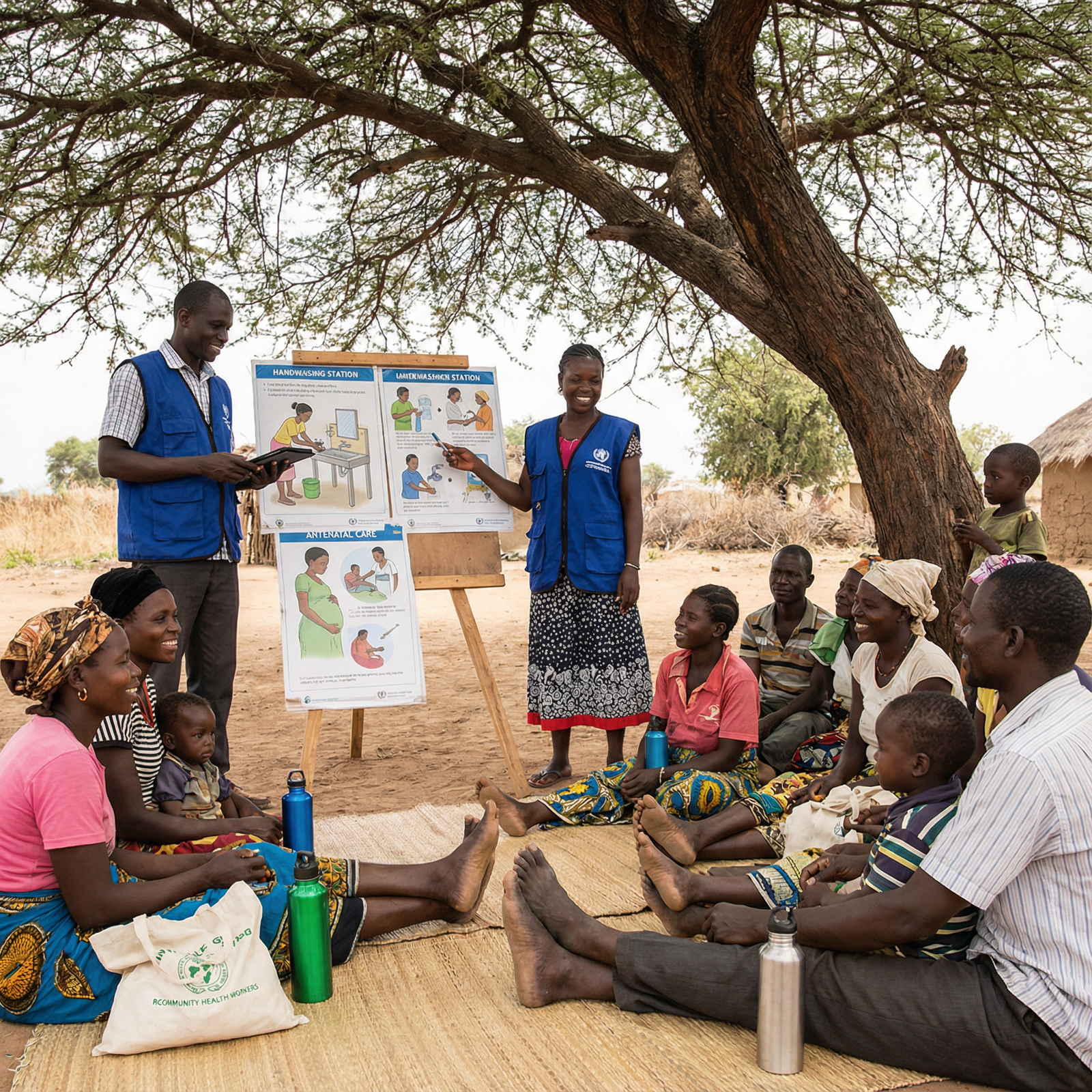
Sustainability is not just an environmental term; in humanitarian work, it refers to the ability of a community or health system to maintain and evolve services without ongoing external support.
Principles of Sustainable Humanitarian Interventions
Plan your exit strategy from the start
- Define how and when local partners will fully take over services.
- Transfer knowledge, protocols, and equipment in a stepwise manner.
- Ensure funding strategies (e.g., integration into government budgets) are considered early.
Support local economies and environmental Sustainability
- Purchase supplies and hire staff locally whenever possible to strengthen local markets.
- Use environmentally responsible strategies:
- Proper medical waste management
- Solar power or energy-efficient equipment
- Eco-friendly construction materials in reconstruction efforts
Integrate with primary care and public health systems
- Avoid creating parallel systems that compete with local services.
- Embed programs in existing clinics, hospitals, and community health worker networks.
Build resilience to future crises
- Train local emergency preparedness teams.
- Develop and practice disaster response plans.
- Support surveillance systems to detect outbreaks early.
Example: Sustainable Post-Disaster Reconstruction
After earthquakes or hurricanes, some organizations rebuild homes and clinics using locally sourced, disaster-resistant materials and include local builders and engineers in the process. This approach:
- Restores shelter and health infrastructure
- Creates jobs and skills within the community
- Reduces vulnerability to future disasters
For residents and students, asking “What happens here five years after we leave?” is a helpful litmus test for whether a project is truly contributing to long‑term resilience.
Frequently Asked Questions (FAQs)
1. How can medical students and residents get started in humanitarian work responsibly?
- Begin with education: take courses or electives in global health, public health, or humanitarian medicine.
- Seek out structured, supervised opportunities through your medical school or residency program, ideally with established, long-term partnerships.
- Avoid “surgical safaris” or unsupervised short missions that lack continuity, licensure, or integration with local systems.
- Engage in local humanitarian and Community Engagement at home (e.g., caring for refugees, migrants, or underserved communities); many skills are transferable.
2. What qualifications or skills are most valuable in humanitarian settings?
Beyond clinical expertise, high‑value skills include:
- Public health basics (epidemiology, outbreak response, vaccination strategies)
- Cross‑cultural communication and Cultural Sensitivity
- Basic logistics, supply chain awareness, and project management
- Language skills relevant to the region
- Flexibility, adaptability, and the ability to work effectively in multidisciplinary teams
Formal training (e.g., MPH, diploma in tropical medicine, certificate in humanitarian response) can be helpful but is not mandatory for all roles.
3. How do I avoid doing harm when I want to help?
- Only practice within your scope of training and local licensure regulations.
- Work under local clinical supervision when caring for patients in a new system.
- Prioritize Capacity Building and Sustainability over “numbers seen” on short trips.
- Respect local protocols and national guidelines; do not introduce treatments that cannot be continued locally.
- Continuously seek feedback from local colleagues and community members—and be willing to change your approach.
4. How can technology improve humanitarian responses without creating dependency?
- Use technology that is appropriate to the context (rugged, offline-capable, low-bandwidth).
- Train local staff comprehensively and ensure local ownership of accounts, data, and maintenance plans.
- Prioritize open-source or widely available tools to reduce costs and dependency on proprietary systems.
- Build in offline workflows and paper backups for critical processes.
5. How can I find reputable organizations and avoid exploitative or “voluntourism” programs?
- Look for organizations that:
- Have long-term, locally led programs and transparent partnerships
- Emphasize Capacity Building and Sustainability, not just short-term service numbers
- Clearly state supervision, scope of practice, and ethical guidelines for trainees
- Are registered with recognized humanitarian coordination bodies (e.g., UN clusters, national NGO networks)
- Speak with former volunteers, local partners, or faculty with experience in global health to vet opportunities.
By coupling your clinical skills with thoughtful planning, ethical reflection, and genuine partnership, you can contribute to humanitarian work that is not only compassionate, but also effective, sustainable, and just.