Building Resilience: The Untold Stories of Global Health Workers
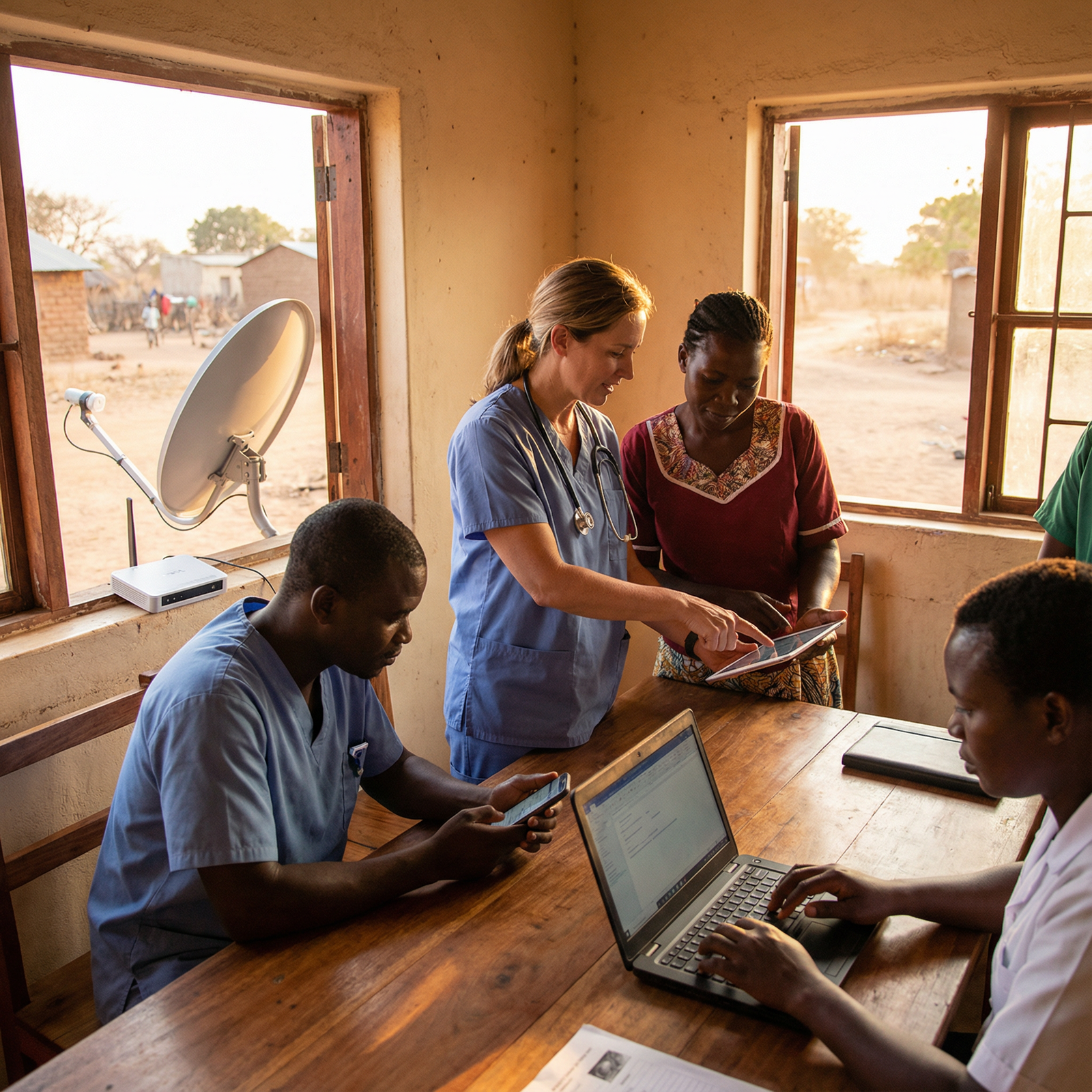
Global Health workers are among the quiet pillars of our interconnected world. They travel to remote villages, cross conflict lines, respond to epidemics, and stand alongside communities weathering climate change, political upheaval, and economic crises. Their work sits at the intersection of medicine, Public Health, social justice, and human rights.
Yet, for all their impact, their stories of Resilience often remain invisible—eclipsed by headlines about disease outbreaks, humanitarian emergencies, and failing systems. Behind every vaccination campaign, maternal health program, or mental health outreach initiative is a person facing moral distress, scarcity, uncertainty, and risk—and choosing, repeatedly, to keep going.
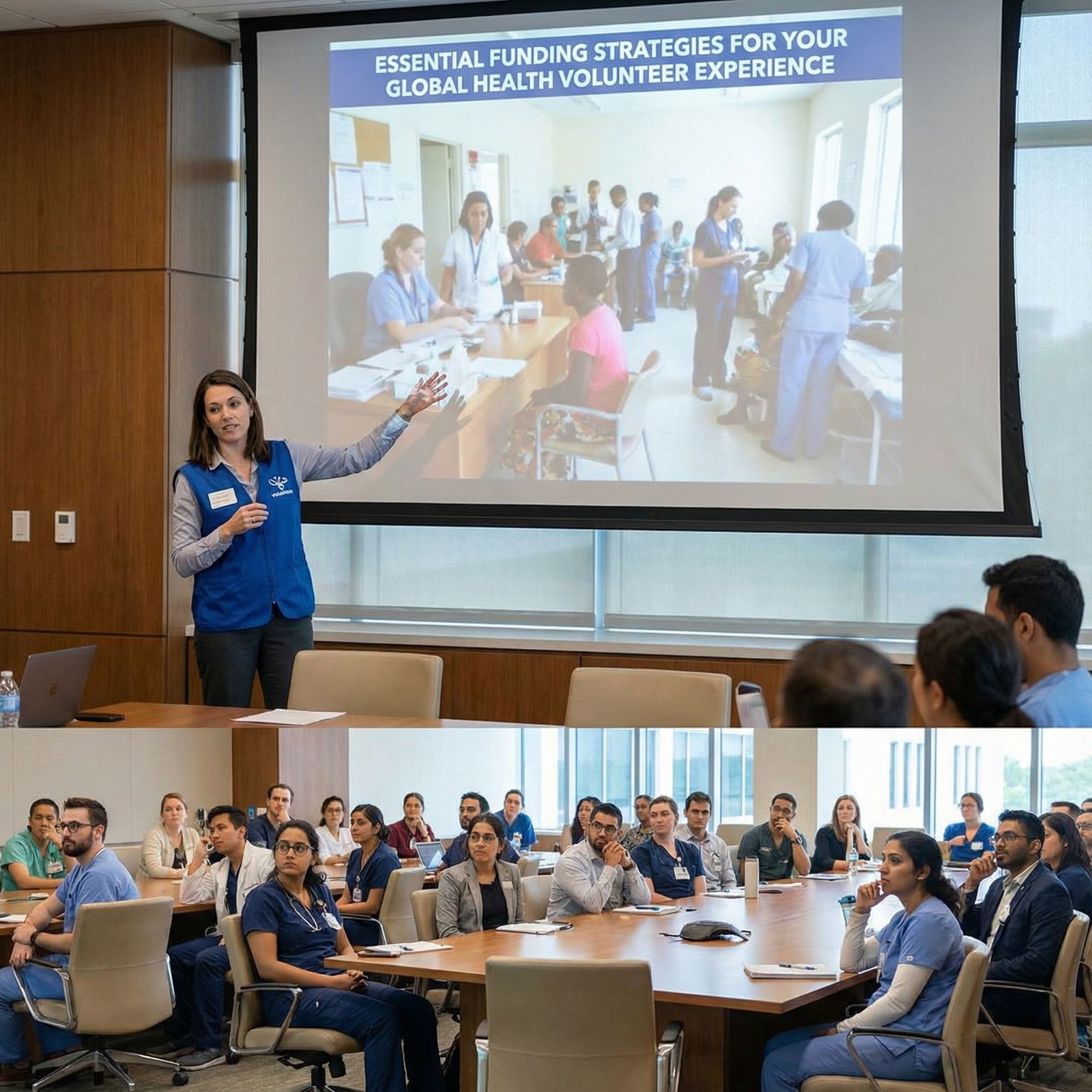
This article explores the lived experiences of Health Workers across diverse settings and examines how they build, protect, and sustain Resilience. For medical students and residents interested in Global Health or Community Engagement, these narratives and lessons offer a roadmap for developing a sustainable, ethical, and grounded career in service.
Understanding the Landscape of Global Health Work
Global Health: Beyond Borders and Specialties
Global Health is more than working “abroad” or responding to disasters. It is a multidisciplinary field that aims to improve health equity for all people worldwide, regardless of geography. It bridges:
- Infectious diseases (HIV, TB, malaria, Ebola, COVID-19)
- Maternal, neonatal, and child health
- Non-communicable diseases (cardiovascular disease, diabetes, cancer)
- Mental health and psychosocial support
- Nutrition and food security
- Water, sanitation, and hygiene (WASH)
- Health systems strengthening and policy
- Climate change and environmental health
For Health Workers on the ground, these issues rarely appear in isolation. A single patient encounter might involve malnutrition, chronic disease, trauma, displacement, and lack of clean water—all shaped by structural inequities.
Core Challenges That Test Resilience
Global Health work routinely stretches individuals and teams to their limits. Common stressors include:
Severe resource constraints
- Frequent stockouts of essential medicines and vaccines
- Limited diagnostic tools, laboratory capacity, and imaging
- Inadequate PPE, especially during outbreaks
- Shortage of trained staff, leading to overwhelming workloads
Geographical and logistical barriers
- Poor road infrastructure and limited transportation
- Remote or mountainous terrain requiring hours of travel to reach patients
- Floods, landslides, or weather extremes exacerbated by climate change
Sociocultural complexity
- Navigating diverse belief systems and traditional healing practices
- Addressing stigma (e.g., mental illness, HIV, sexual violence)
- Language barriers and the need for culturally appropriate communication
Political instability and insecurity
- Armed conflict, displacement, and targeted violence
- Sudden policy changes or restrictions on humanitarian work
- Corruption or interference with health programs
These conditions are the backdrop against which Resilience must be built—not as a heroic trait of a few individuals, but as a shared capacity of teams, systems, and communities.
Who Are Global Health Workers?
Global Health is powered by a diverse ecosystem of professionals and community members. Understanding these roles helps clarify where Resilience is needed—and how it is cultivated.
Clinical Providers on the Front Lines
Doctors and nurses
Provide acute and chronic care, emergency response, surgical services, maternal and child health, and infectious disease management. They often work with minimal equipment, high patient volumes, and complex pathologies rarely seen in high-resource settings.Midwives and obstetric teams
Support pregnancy, delivery, and postpartum care in environments where maternal mortality and morbidity remain high. Resilience for these teams often involves rapid decision-making under uncertainty, triaging with limited resources, and coping with preventable loss.
Community Health Workers: The Bridge Between Systems and People
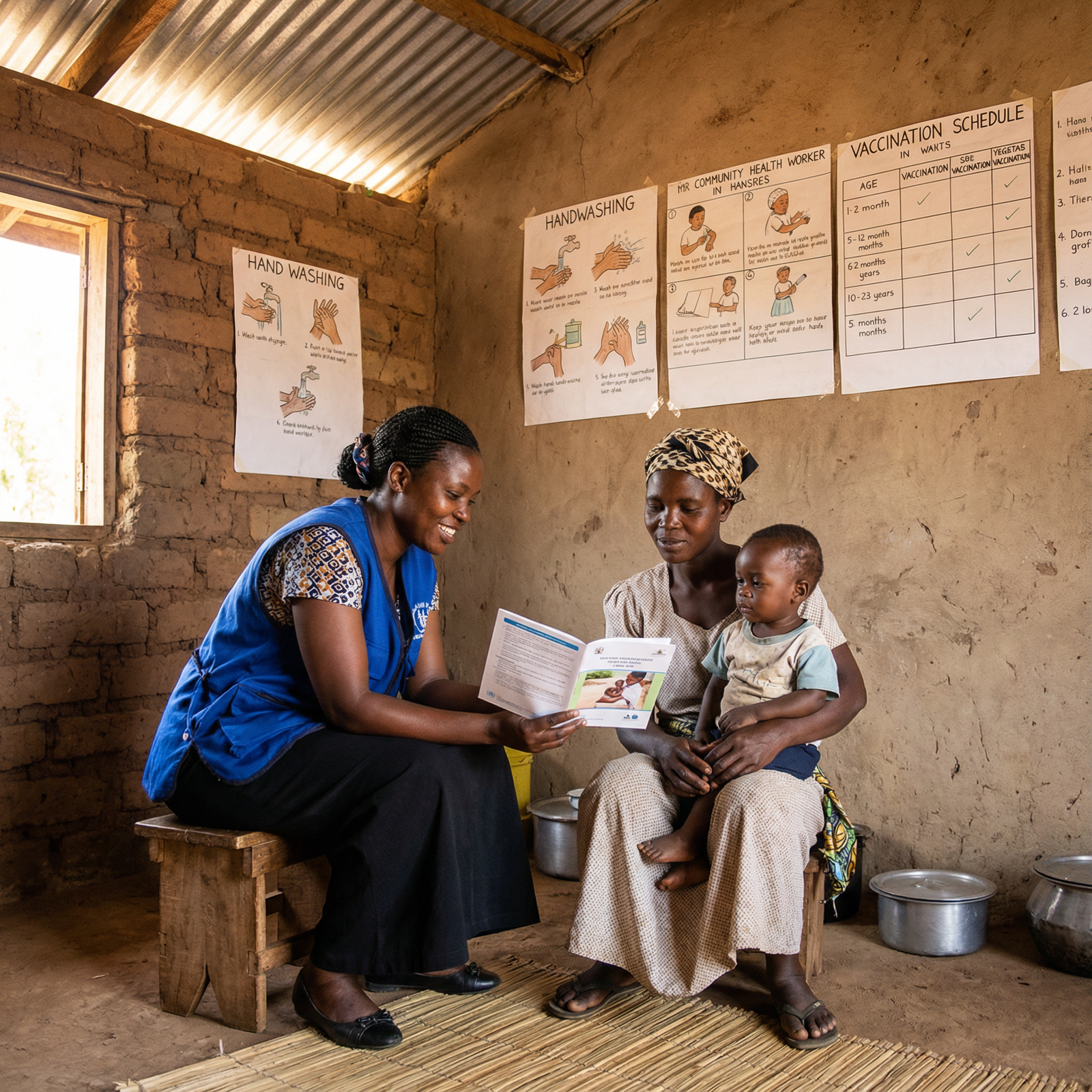
Community Health Workers (CHWs) are often the backbone of Global Health programs. They:
- Provide basic care, health education, and screenings
- Conduct home visits for antenatal care, child growth monitoring, and chronic disease follow-up
- Track immunization status and identify high-risk patients
- Build trust through shared language, culture, and lived experience
Their Resilience comes from strong social networks, Community Engagement, and the pride of seeing tangible change, even when formal recognition or pay is limited.
Public Health and Research Professionals
Epidemiologists and surveillance officers
Track disease trends, conduct outbreak investigations, and inform policy. Their work requires emotional and cognitive Resilience, as they often confront large-scale suffering through data, narratives, and field visits.Researchers and implementation scientists
Study interventions in real-world settings, evaluating what works and why. They face funding uncertainty, political barriers, and logistical complications that demand patience, adaptability, and creativity.Health educators and behavior change specialists
Translate evidence into culturally relevant messages and programs—often through schools, religious institutions, or local media. Their Resilience is tested when evidence-based messages conflict with entrenched norms or mistrust.
Advocates and Policy Makers
- Public Health advocates, program managers, and policy leaders
Navigate government structures, donor priorities, and community demands. They carry moral responsibilities for entire populations, and must sustain Resilience in the face of slow policy change and competing political agendas.
Together, these Health Workers create a web of care, data, and advocacy that underpins Global Health efforts. Their stories illustrate that Resilience is not merely personal toughness; it is also about systems, relationships, and values.
Untold Stories of Resilience in Global Health Practice
Story 1: Fiona, the Frontline Nurse in the Democratic Republic of the Congo
Background
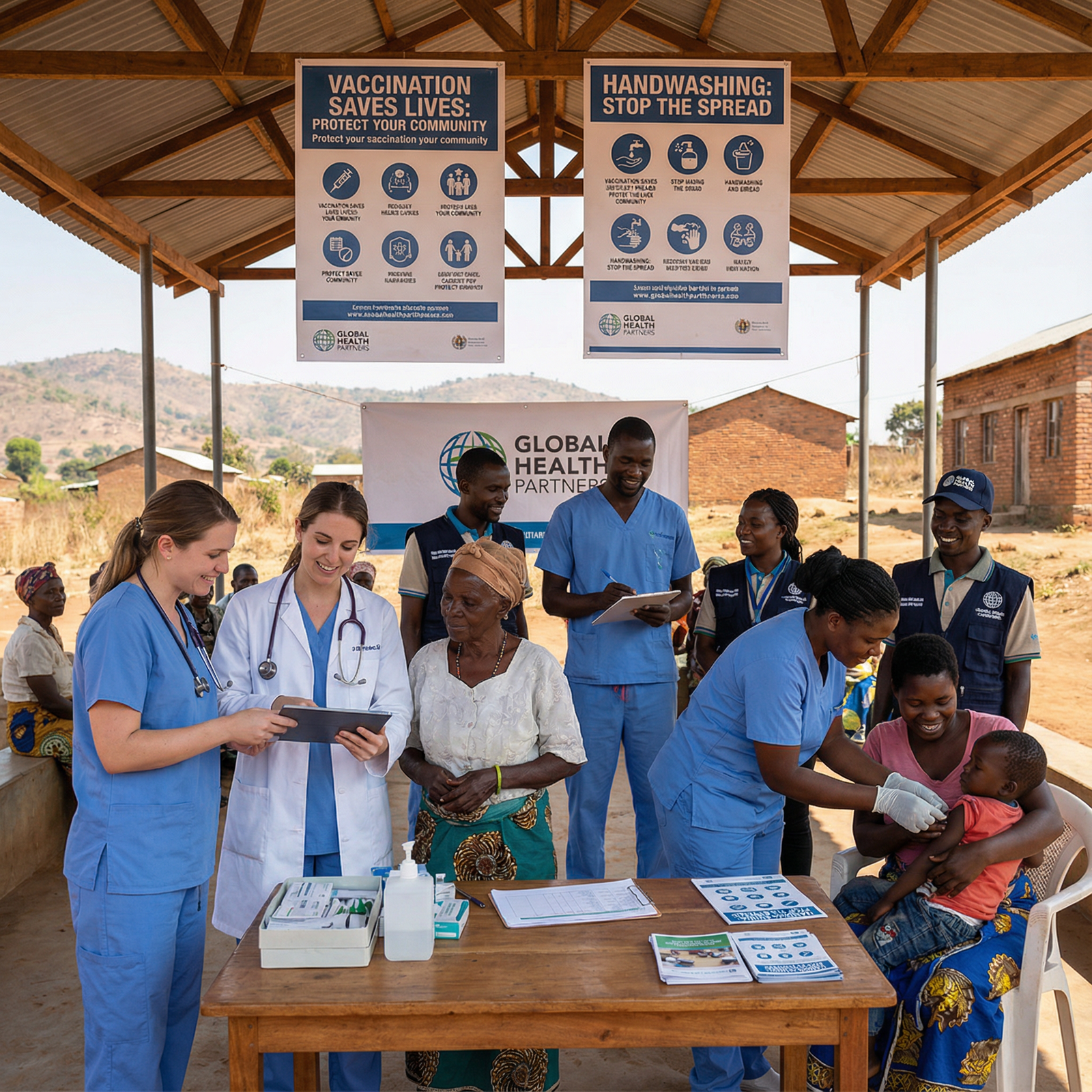
In Eastern Democratic Republic of the Congo (DRC), where conflict, displacement, and repeated disease outbreaks collide, Fiona works as a nurse in a remote clinic. Her career has spanned Ebola, measles, cholera, and COVID-19 waves in a region with fragile infrastructure and ongoing insecurity.
The Challenge
During a major Ebola outbreak, Fiona’s clinic became an epicenter of care. With limited PPE, inconsistent electricity, and community fear, she faced:
- Personal risk of infection
- Concern for her family’s safety
- Daily exposure to death and grief
- Community mistrust fueled by misinformation and past trauma
The moral weight of deciding who to prioritize for isolation beds or scarce treatments was profound. Burnout and compassion fatigue loomed daily.
Building Resilience
Fiona’s Resilience emerged from multiple sources:
Deep Community Engagement
She organized small-group discussions with village elders, religious leaders, and women’s groups to explain transmission routes, protective measures, and the importance of early care. This shifted her role from “stranger with PPE” to trusted partner.Team-based emotional support
She advocated for regular debriefing sessions, where staff could share fears, near-miss incidents, and coping strategies. Even 15-minute check-ins after shifts helped normalize distress and reduced isolation.Anchoring in purpose
Fiona kept a simple notebook where she wrote down names or short stories of patients who recovered. On the hardest days, those pages reminded her that her work had concrete, life-saving impact.
Her story illustrates that Resilience is not about never feeling fear or exhaustion; it is about having relationships, rituals, and meaning that help you continue ethically and safely.
Story 2: Dr. Amit, the Pediatrician in Rural India
Background
Dr. Amit runs a pediatric clinic serving several villages in rural India. His patients come from families facing poverty, food insecurity, and limited schooling. Malnutrition, vaccine-preventable illnesses, and neglected congenital conditions are common.
The Challenge
Beyond clinical complexity, he faces structural barriers:
- Unreliable supply chains for pediatric medications and vaccines
- Cultural beliefs that may discourage facility births or modern treatments
- Long travel times for families, leading to late presentation of serious conditions
- Limited referral options for complex cases due to distance and cost
The relentless exposure to preventable illness and death can erode a clinician’s sense of efficacy.
Building Resilience
Dr. Amit’s strategy for sustaining Resilience blends clinical care and Public Health thinking:
Prioritizing Community Engagement and health literacy
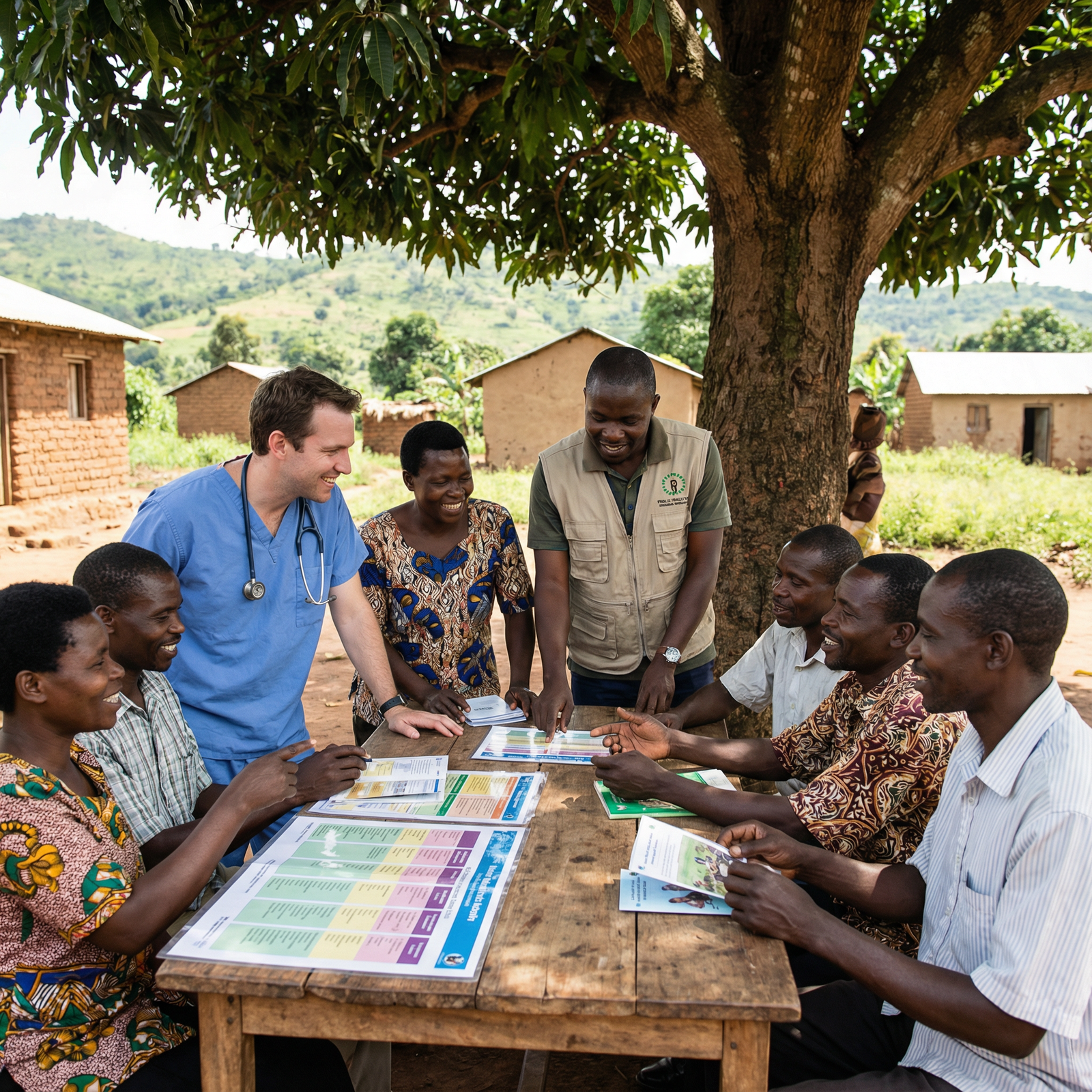
He began parent workshops under the shade of a large village tree, focusing on nutrition, handwashing, oral rehydration solution (ORS), and signs of danger in sick children. Local schoolteachers and women’s self-help groups became champions of these messages.Task-shifting and capacity building
By training CHWs to measure mid-upper arm circumference (MUAC) and recognize severe acute malnutrition, he extended his reach. This team-based approach reduced his personal burden while empowering local workers.Measuring small wins
Tracking simple indicators—such as a rise in immunization rates or reduced diarrhea admissions—gave tangible evidence that his efforts mattered. These data points became his antidote to hopelessness.
Dr. Amit’s journey demonstrates that Resilience in Global Health often grows when clinicians adopt a systems mindset and invest in community capacity rather than bearing the weight alone.
Story 3: Dr. Lila, the Climate and Public Health Researcher
Background
Dr. Lila is a Global Health researcher focusing on the impact of climate change on mosquito-borne diseases in Southeast Asia. Her work takes her from coastal communities threatened by rising sea levels to inland regions experiencing shifting rainfall patterns and new malaria hotspots.
The Challenge
Her research is essential for forecasting disease patterns and guiding policy, but she faces:
- Chronic underfunding and short grant cycles
- Political resistance to acknowledging climate change impacts
- Logistical hurdles in accessing remote sites during extreme weather events
- Emotional strain from hearing recurrent testimonies of loss—of homes, livelihoods, and loved ones
Building Resilience
Lila’s approach to Resilience relies on collaboration and shared ownership:
Local partnerships and co-creation
She partnered with local universities and health departments, training students and CHWs in data collection and basic entomology. This not only expanded her team, but also ensured her work aligned with local priorities and remained sustainable.Aligning research with community benefit
She made a commitment: every data collection trip had to include some direct benefit to the community—health education sessions, vector control demonstrations, or advocacy meetings. This reduced the sense of “extractive” research and strengthened her intrinsic motivation.Boundary setting and self-care
Lila set limits on field trips, ensuring time for rest and reflection between high-intensity periods. She sought mentorship from senior researchers who had navigated similar challenges, learning to accept uncertainty as part of rigorous science.
Her experience shows that Resilience in research is not only about enduring obstacles but also about reshaping how research is done—more ethical, participatory, and community-centered.
Story 4: Maria, the Mental Health Advocate in Venezuela
Background
In Venezuela, prolonged political and economic crisis has driven food shortages, migration, and rising rates of anxiety, depression, and trauma. Maria, a social worker turned mental health advocate, works with displaced families, survivors of violence, and youth at risk.
The Challenge
Maria’s daily work is emotionally taxing:
- Limited formal mental health services and medication
- Persistent stigma surrounding mental illness and help-seeking
- Escalating violence and insecurity, including threats to aid workers
- Vicarious trauma from hearing repeated stories of loss and suffering
Building Resilience
Maria’s story underscores the collective dimension of Resilience:
Community-based peer support
She trained local volunteers in basic psychological first aid, active listening, and recognizing red-flag symptoms. These peer supporters created informal networks of care—neighbors helping neighbors—reducing the isolation of distress.Safe spaces and narrative sharing
Maria helped establish “listening circles” in churches, schools, and community centers, where individuals could share their experiences anonymously or openly. Over time, this normalized conversations about mental health and reduced stigma.Modeling vulnerability
By openly discussing her own experiences with emotional strain and counseling, Maria reframed help-seeking as a strength rather than a weakness. Her honesty made it easier for others to step forward.
Maria’s work highlights that Resilience is not purely an individual trait. It can be built through structures and cultures that encourage connection, open dialogue, and shared responsibility for well-being.
What These Stories Teach Us About Resilience in Global Health
The experiences of Fiona, Dr. Amit, Dr. Lila, and Maria illuminate core principles that can guide students, residents, and early-career professionals aspiring to work in Global Health.
1. Community Engagement Is a Protective Factor
When Health Workers collaborate closely with communities, Resilience is reinforced on both sides:
- Trust reduces conflict and resistance during crises such as vaccination campaigns or outbreak response.
- Local ownership makes programs more sustainable, reducing the pressure on individual workers.
- Bidirectional learning helps align interventions with actual needs and cultural contexts, improving outcomes and decreasing moral distress.
Actionable step for trainees:
In any Global Health rotation or project, allocate time to listen before acting—attend community meetings, shadow CHWs, and ask local partners what they see as priorities.
2. Mental Health and Emotional Hygiene Are Non-Negotiable
Global Health comes with exposure to trauma, moral injury, and ethical dilemmas. Resilience requires proactive attention to mental health:
- Regular debriefings, peer support groups, and access to confidential counseling
- Training on recognizing burnout, secondary trauma, and compassion fatigue
- Normalizing rest, boundaries, and saying “no” when workload becomes unsafe
For medical trainees, this means treating emotional health as a core competency, not an optional extra.
3. Flexibility and Adaptability Are Essential Skills
Whether responding to an unexpected outbreak, a supply chain disruption, or a policy shift, Global Health work is defined by uncertainty. Resilient Health Workers:
- Develop multiple contingency plans
- Embrace task-shifting and interdisciplinary collaboration
- Remain open to revising strategies based on new evidence or feedback
Building these skills early—through simulation, quality improvement projects, and diverse rotations—pays dividends in the field.
4. Reconnecting With Purpose Sustains Long-Term Engagement
Burnout often reflects a gap between values and realities. Global Health Workers who remain resilient over decades frequently:
- Have a clear sense of why they chose this work (justice, faith, solidarity, curiosity)
- Revisit their purpose through reflection, mentorship, or spiritual practices
- Recognize and celebrate small victories, rather than waiting for systemic transformation
For students and residents, journaling, structured reflection sessions, and mentorship relationships can anchor this sense of purpose.
5. Storytelling Builds Collective Resilience
Sharing stories—of struggle, failure, and success—serves multiple goals:
- Humanizes the work and counters stereotypes of “heroic saviors”
- Helps teams process difficult experiences and learn from mistakes
- Inspires the next generation of Health Workers and advocates
In academic settings, this might involve reflective writing, narrative medicine workshops, or interdisciplinary case conferences that include ethical and emotional dimensions, not just clinical details.
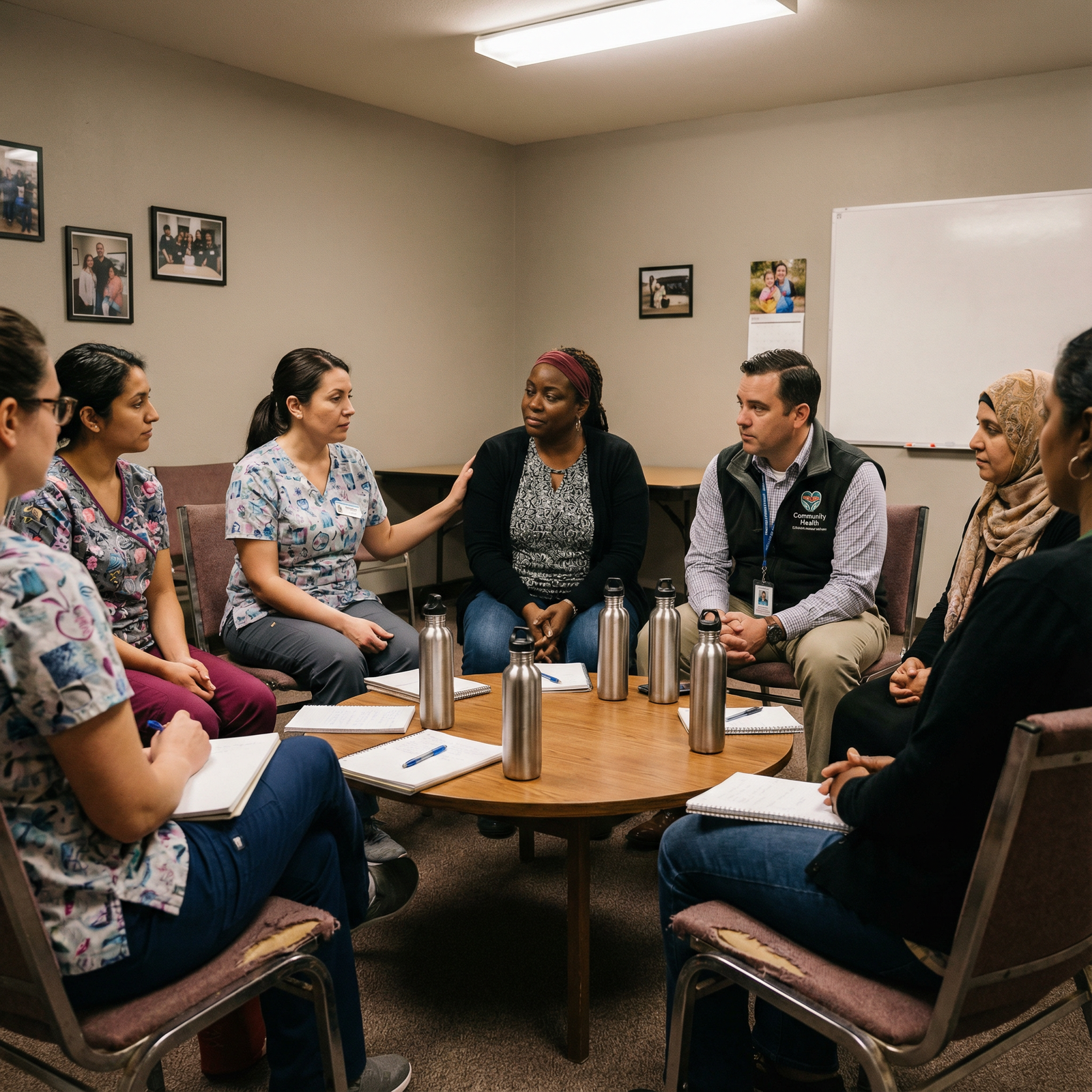
Practical Strategies for Trainees to Cultivate Resilience in Global Health
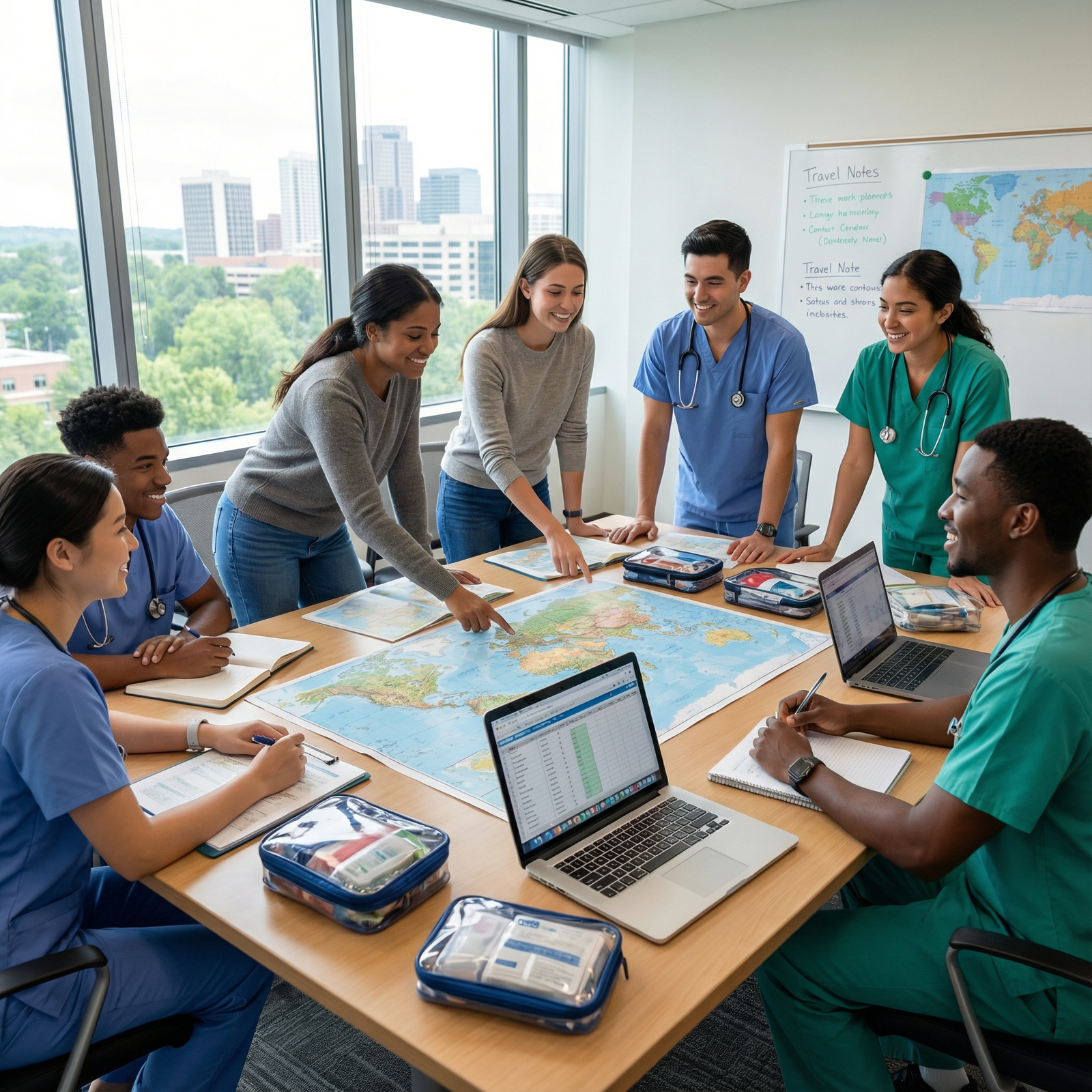
For medical students and residents considering Global Health work, Resilience is both learnable and essential. Consider integrating the following practices:
Build Strong Mentorship and Support Networks
- Seek mentors with real-world Global Health experience who can share both successes and mistakes.
- Connect with multidisciplinary teams (public health, social work, nursing, anthropology) to broaden your perspective and support system.
- Join Global Health interest groups, online communities, or professional societies.
Prepare Ethically and Culturally, Not Just Clinically
- Study the history and political context of the regions where you plan to work, including colonial legacies and power imbalances.
- Learn basic phrases in local languages and seek cultural humility training.
- Reflect on your own motivations and positionality: Why are you here? Who benefits?
Practice Sustainable Self-Care and Boundary Setting
- Establish routines that maintain sleep, nutrition, exercise, and connection with loved ones even in challenging environments.
- Recognize early warning signs of burnout or moral distress and address them early.
- Learn to advocate for safe working conditions—for yourself and for local colleagues.
Prioritize Partnership Over “Helping”
- Align your projects with locally identified priorities and existing frameworks.
- Value the expertise of local Health Workers and community members as equal to your own training.
- Aim to strengthen local capacity so that your presence is additive, not central.
FAQ: Resilience and Global Health Workers
1. What does Resilience mean in the context of Global Health work?
Resilience in Global Health refers to the capacity of Health Workers and systems to withstand, adapt to, and grow from adversity—whether that adversity is an epidemic, chronic underfunding, political instability, or personal moral distress. It is not just “toughness”; it includes:
- Emotional and psychological flexibility
- Ethical clarity and a sense of purpose
- Strong interpersonal and community connections
- The ability to learn, adjust, and innovate under pressure
2. How can individual Health Workers actively build their Resilience?
Health Workers can cultivate Resilience by:
- Engaging in regular reflection and debriefing
- Developing supportive peer networks and mentorship relationships
- Prioritizing mental health and seeking help early when needed
- Maintaining boundaries and sustainable work habits
- Continuously reconnecting with their core values and reasons for doing this work
For trainees, starting these practices early makes them easier to maintain in high-stress environments.
3. What role do communities play in supporting Resilience among Health Workers?
Communities are not just recipients of care; they are key partners in sustaining Health Workers:
- Community Engagement builds trust, reducing hostility, blame, and misinformation.
- Local leaders can advocate for Health Workers’ safety and resources.
- Peer and volunteer networks can expand support, share burdens, and reduce the isolation experienced by formal Health Workers.
When communities are empowered and engaged, Resilience becomes a shared asset, not an individual burden.
4. What are the main threats to Resilience among Global Health Workers?
Common threats include:
- Chronic under-resourcing and overwhelming caseloads
- Exposure to violence, conflict, or targeted attacks on health facilities
- Moral injury from witnessing preventable suffering or systemic injustice
- Stigma about discussing mental health or seeking support within medical cultures
- Short-term, project-based funding that undermines continuity and stability
Addressing these threats requires changes at the organizational and policy level, not just individual coping strategies.
5. How can medical students and residents prepare for ethical and emotional challenges in Global Health?
Trainees can prepare by:
- Engaging in coursework or workshops on Global Health ethics, structural violence, and decolonizing Global Health
- Seeking supervised field experiences with strong local partnerships and clear learning objectives
- Practicing narrative medicine, reflective writing, or Balint groups to process complex experiences
- Learning to ask critical questions about power, equity, and sustainability in any project or rotation
Thoughtful preparation helps turn challenging experiences into opportunities for growth rather than sources of unprocessed trauma.
By listening to and amplifying the stories of Global Health Workers, we recognize that Resilience is not an exceptional trait but an ongoing practice—rooted in Community Engagement, ethical reflection, and shared responsibility. For those entering the field, these narratives offer both inspiration and a practical blueprint for sustaining a meaningful, humane career in Global Health.