Introduction: Stepping into Your First Global Health Assignment
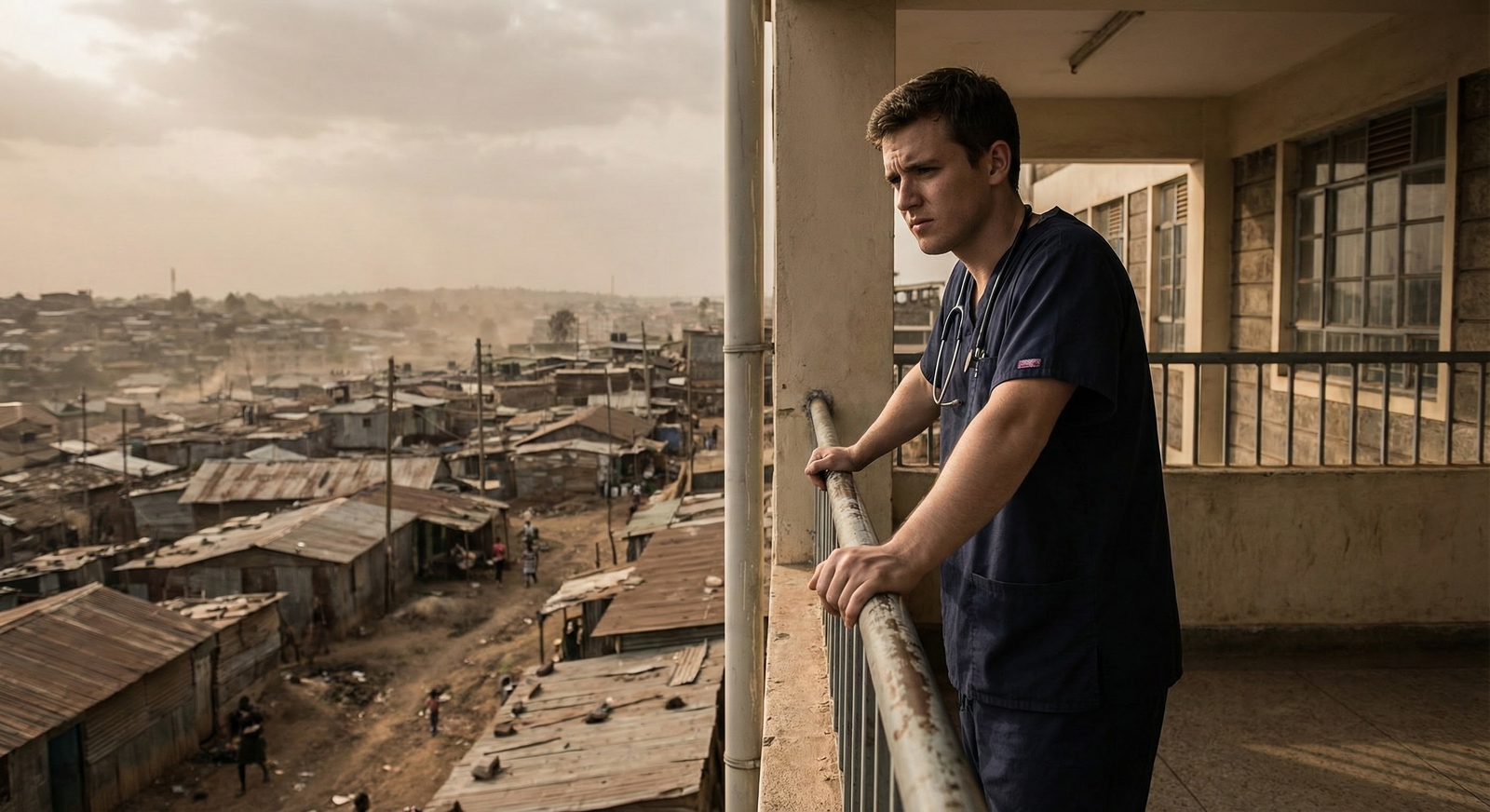
Embarking on your first Global Health assignment is both exciting and humbling. Whether you are a medical student, resident, nurse, public health trainee, or a motivated volunteer, these experiences can profoundly shape how you practice Healthcare and how you understand health equity, Travel Medicine, and Cultural Competency.
This expanded guide walks you through what to expect before, during, and after your first global health experience. It builds on the fundamentals—preparation, cultural humility, ethical engagement, and reflection—so you can contribute meaningfully while also protecting your own wellbeing and professional development.
1. Understanding Global Health Assignments and Their Impact
Global health is more than “medicine abroad.” It involves improving health and achieving equity in health for all people worldwide. Assignments may take place in low- and middle-income countries, underserved regions of high-income countries, or cross-border initiatives. They often sit at the intersection of clinical care, public health, policy, and social justice.
1.1 Types of Global Health Assignments
Assignments vary widely depending on your training level, sponsoring organization, and host community needs. Common formats include:
Clinical placements
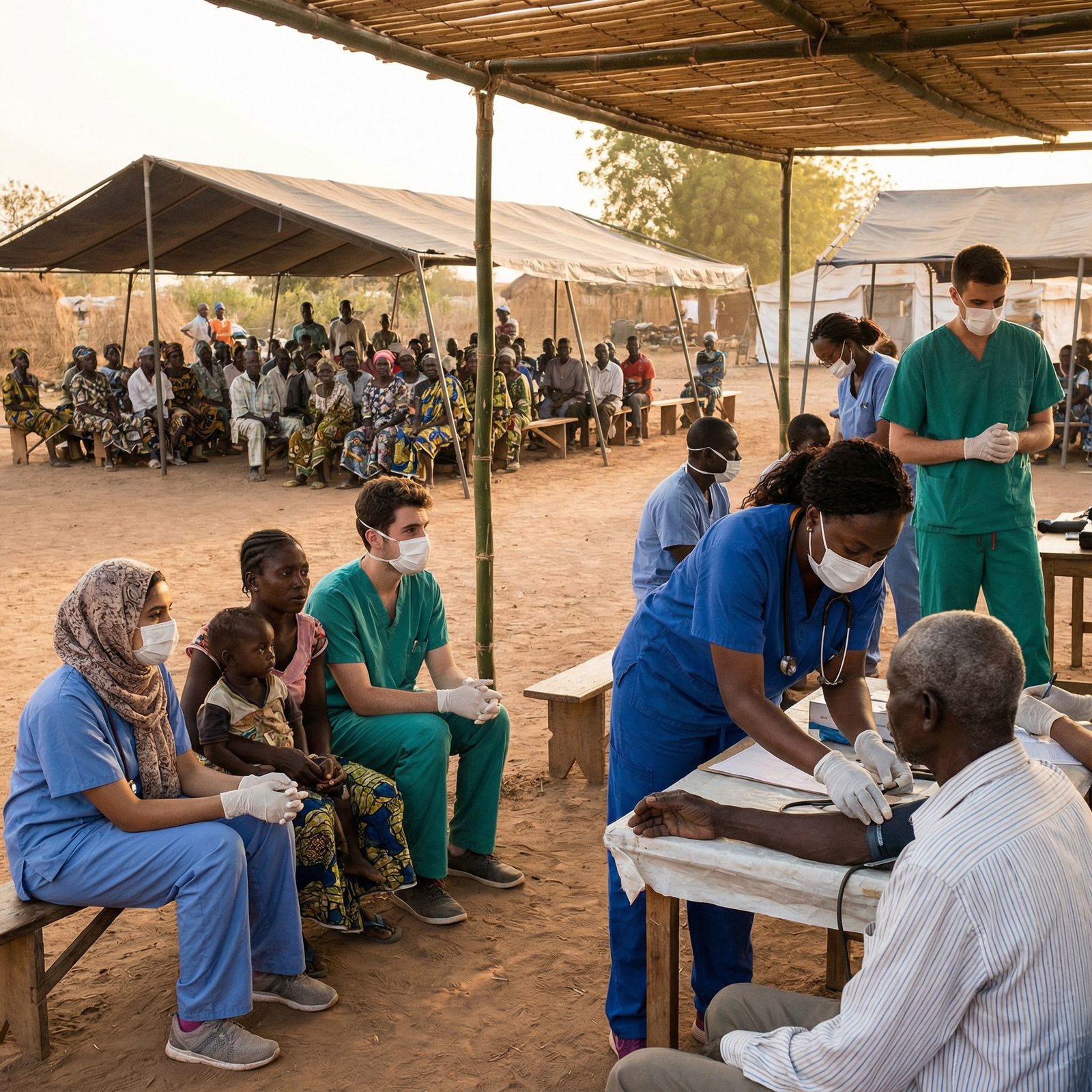
- Working in district hospitals, rural clinics, emergency departments, or mobile outreach units
- Common tasks: triage, inpatient and outpatient care, maternal–child health, chronic disease management
Public health and community projects
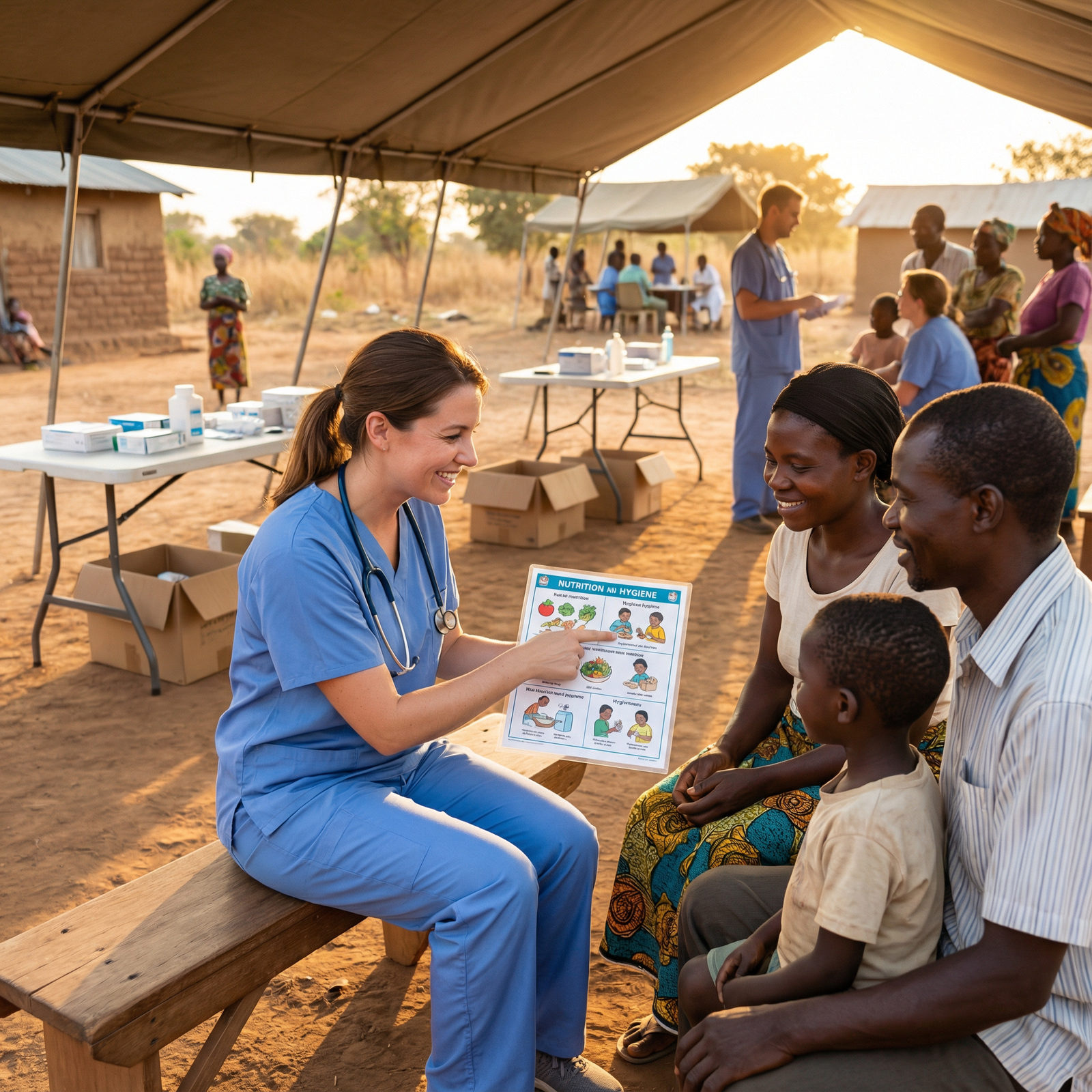
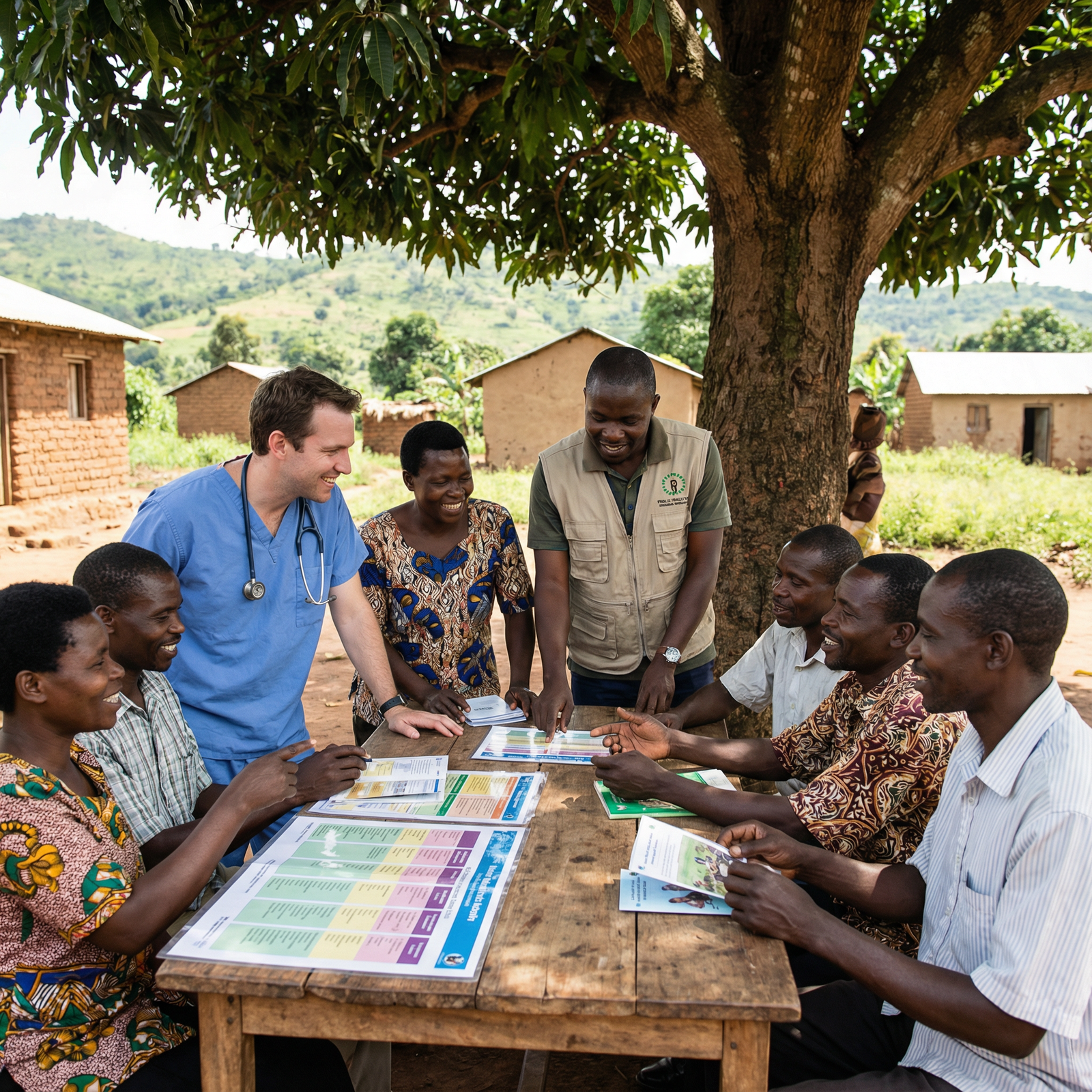
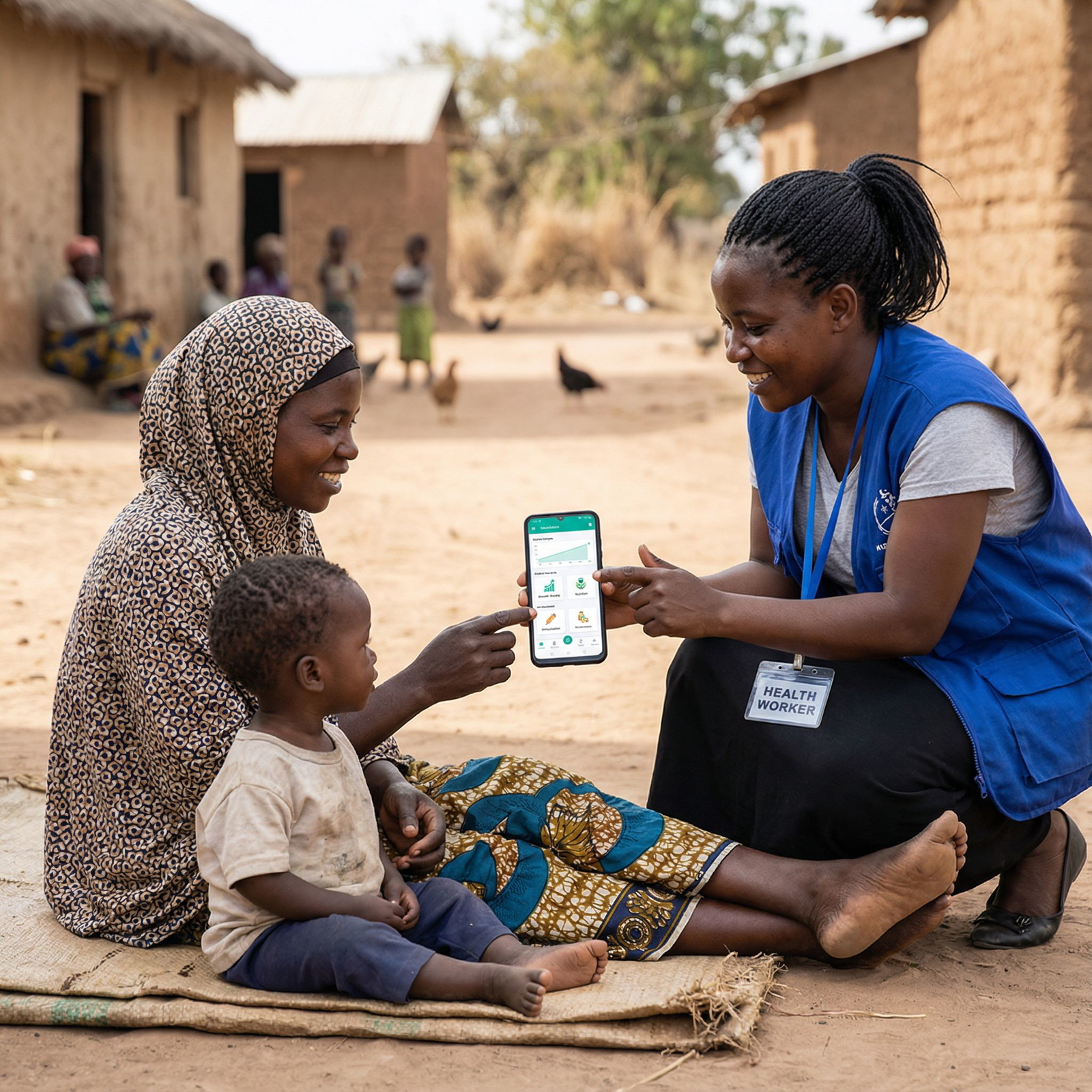
- Health promotion campaigns (e.g., sanitation, vaccine education, HIV prevention)
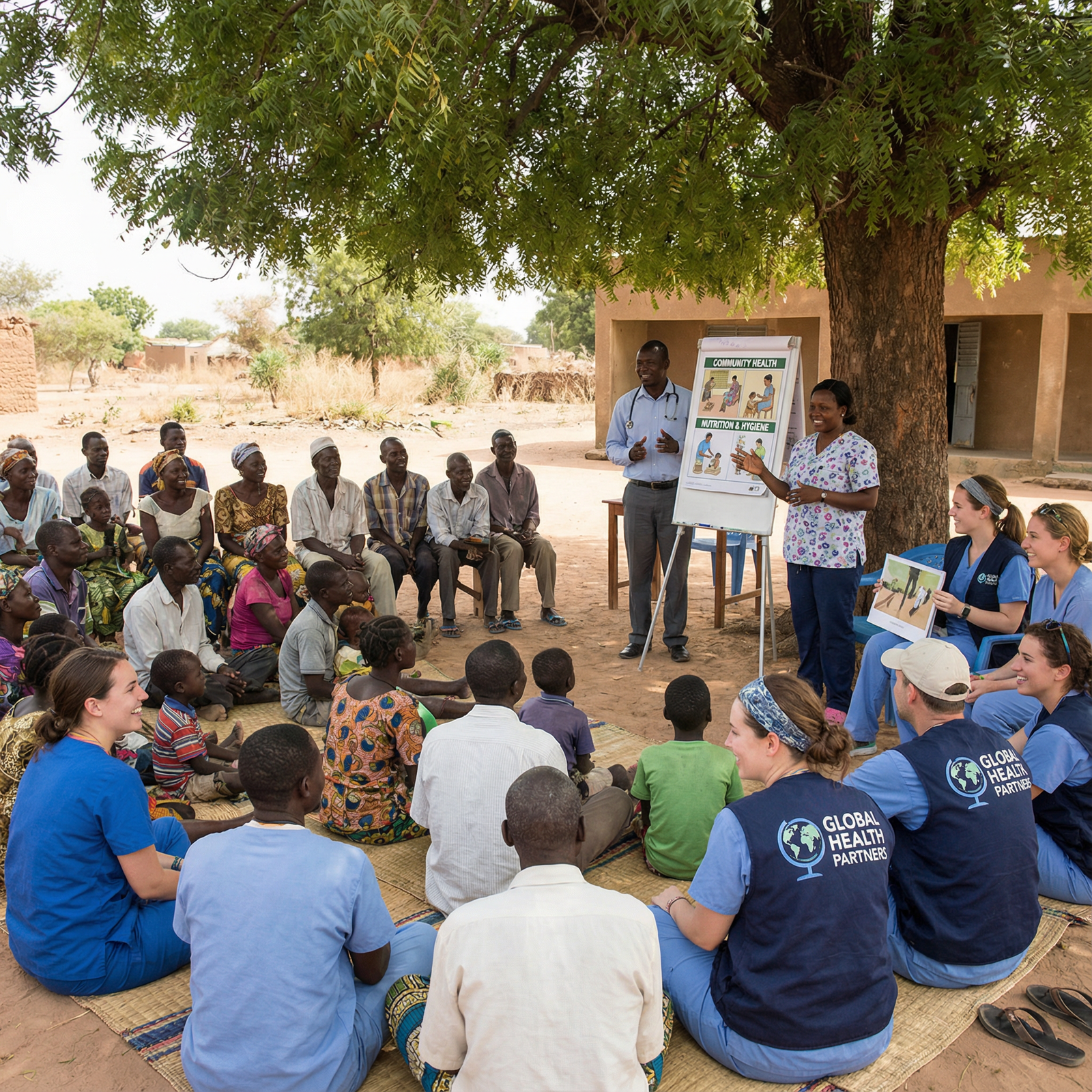
- School-based health education and nutrition programs
- Non-communicable disease (NCD) prevention (tobacco cessation, hypertension screening)
Research and implementation science
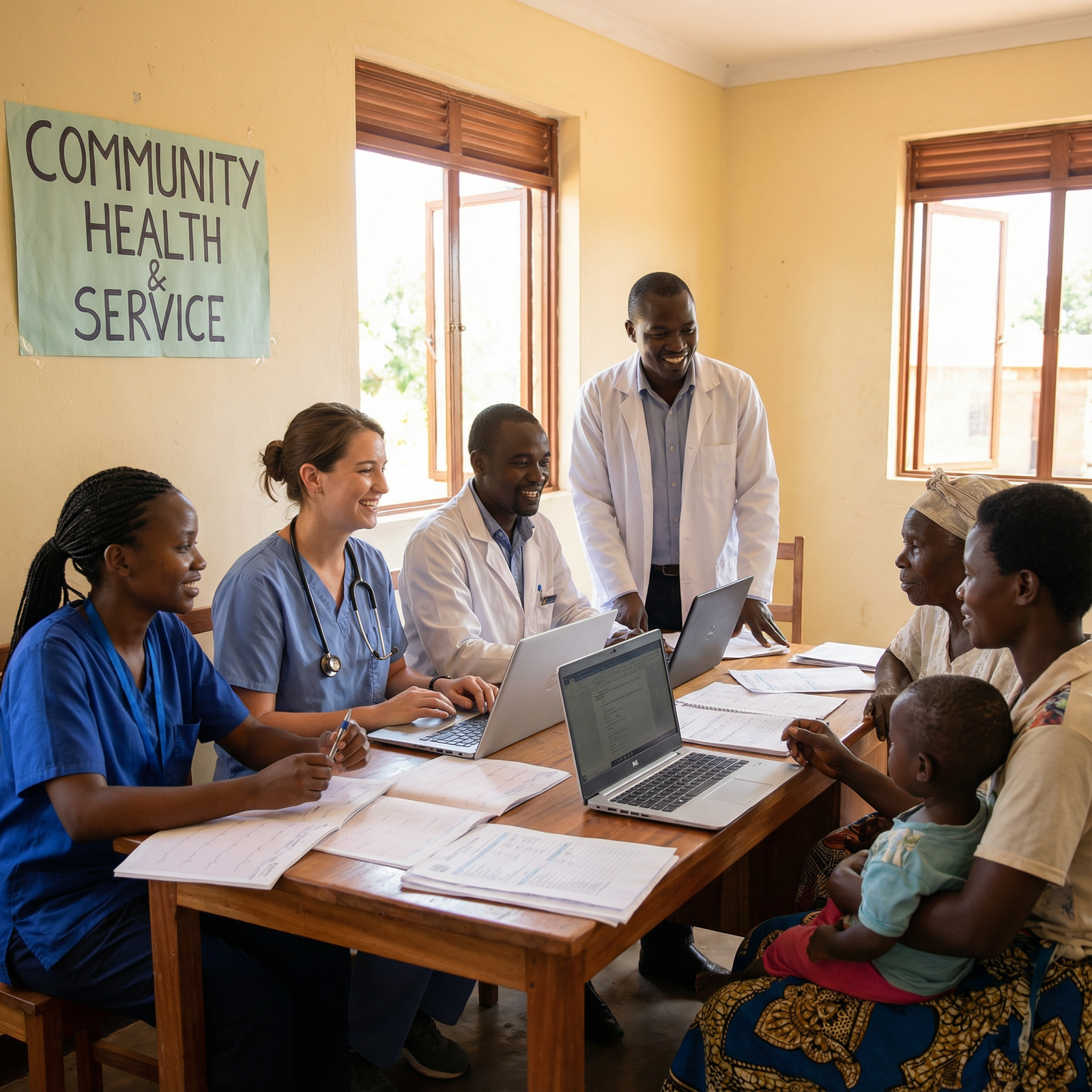
- Needs assessments, epidemiologic studies, quality improvement projects
- Data collection and analysis for local health programs
- Operational research on health systems or service delivery
Capacity building and education
- Bedside and classroom teaching for local trainees
- Development of protocols, guidelines, and training modules
- Mentorship programs in collaboration with local faculty
Administrative and systems roles
- Supporting NGO program management and monitoring & evaluation
- Assisting Ministries of Health or local health offices with policy rollouts
Volunteer Opportunities are diverse, but good programs are always locally driven, with clear goals and supervision from host-country partners.
1.2 Why Global Health Work Matters
Engaging in global health allows you to:
- Contribute to reducing health disparities and strengthening fragile systems
- Learn firsthand how social determinants of health (poverty, gender, education, conflict, climate) shape illness
- Build skills in Cultural Competency, systems thinking, and interprofessional collaboration
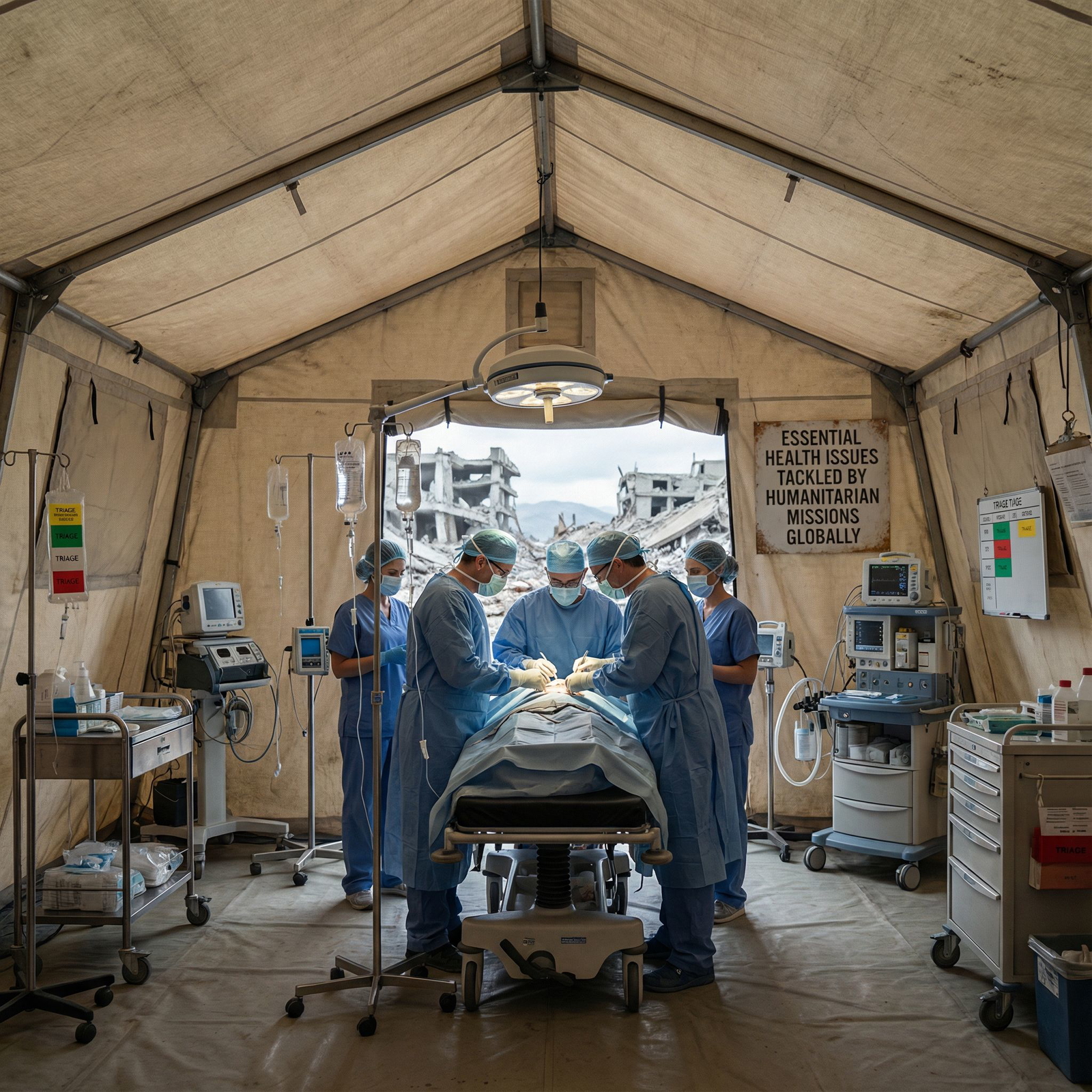
- Understand how global threats—pandemics, antimicrobial resistance, climate-related disasters—connect communities across borders
From an ethical standpoint, global health participation is not “medical tourism.” It should be:
- Reciprocal – benefiting both the host community and the visiting learner
- Sustainable – aligned with long-term local goals, not short-term external agendas
- Respectful – recognizing and deferring to local expertise, norms, and leadership
2. Preparing for Your Global Health Assignment
Thoughtful preparation is the foundation of a safe, effective, and ethical global health experience. Preparation spans academic, logistical, medical, and emotional domains.
2.1 Researching Your Destination and Health Context
Before you travel, go beyond basic tourist information and develop a structured understanding of the context in which you’ll practice.
Key areas to research
Cultural and social context
- Common languages and dialects
- Religious practices and major holidays
- Gender norms, family structures, and power dynamics
- Attitudes toward Healthcare providers, foreigners, and government systems
Health profile and epidemiology
- Major communicable diseases (e.g., malaria, HIV, TB, diarrheal diseases)
- Rising burden of NCDs (diabetes, cardiovascular disease, cancer, mental health)
- Maternal and child health indicators (maternal mortality, under-5 mortality, vaccination coverage)
- Occupational and environmental health risks (e.g., mining, agriculture, air pollution)
Healthcare system organization
- Structure of public vs private systems
- Referral pathways and levels of care (community health posts, clinics, district hospitals, tertiary centers)
- Health financing mechanisms (user fees, insurance, government funding)
- Workforce constraints (physician density, role of nurses, community health workers)
Ongoing and historical global health initiatives
- Current programs run by the Ministry of Health, NGOs, or academic partners
- Prior collaborations between your sending institution and the host site
- Any local sensitivities related to past foreign involvement in health
Practical ways to research
- Read country health profiles from WHO, World Bank, and CDC
- Ask your sponsoring institution for previous trip reports or site evaluations
- Speak with faculty and trainees who have previously worked at your site
- Review peer-reviewed articles about health issues in your host region
A few hours of targeted reading will dramatically improve your ability to understand what you see on the ground.
2.2 Travel Medicine: Vaccinations and Personal Health Precautions
Consult a clinician experienced in Travel Medicine at least 4–6 weeks before departure. They will tailor recommendations based on your destination, planned activities, and personal risk factors.
Common pre-travel interventions
Routine immunizations up to date
- MMR, polio, tetanus–diphtheria–pertussis, varicella, influenza, COVID-19
Travel-related vaccines (depending on region)
- Hepatitis A and B
- Typhoid (oral or injectable)
- Yellow Fever (some countries require proof for entry)
- Meningococcal vaccine (especially for “meningitis belt” regions)
- Rabies (for remote work with animals or limited access to post-exposure prophylaxis)
- Japanese encephalitis or cholera in specific contexts
Malaria prevention
- Chemoprophylaxis (e.g., atovaquone-proguanil, doxycycline, mefloquine)
- Education on insect precautions: bed nets, repellents (DEET or picaridin), clothing
Other key counseling points
- Food and water safety
- Prevention and self-treatment of traveler’s diarrhea
- Safe sex and bloodborne pathogen exposure prevention
- Altitude, heat, or cold-related risks as relevant
Your personal medical kit
Pack a compact but thoughtful kit:
- Basic medications: pain relievers, oral rehydration salts, antihistamines, anti-diarrheals, antiemetics
- Any chronic medications (bring more than needed, in original containers, plus copies of prescriptions)
- Simple wound care: bandages, antiseptic wipes, antibiotic ointment
- Insect repellent, sunscreen, and any prophylaxis medications
- If appropriate: personal stethoscope, pocket pulse oximeter, small penlight (confirm with host if needed)
Prioritize what you need to stay healthy and functional; the goal is not to “import a clinic” in your suitcase.
2.3 Packing Strategically for Clinical and Community Work
Pack for function, modesty, and respect for local norms.
Clothing
- Lightweight, breathable, modest clothes appropriate for climate and culture
- At least 2–3 sets of clinical attire (scrubs, collared shirts, long skirts or trousers)
- Closed-toe, comfortable shoes suitable for standing all day and walking on uneven terrain
- A light jacket or sweater for cool evenings or air-conditioned hospitals
- Rain gear or sunhat depending on season
Professional and daily essentials
- Copies of your passport, visa, medical license (if applicable), and hospital letters
- Travel and health insurance documentation, emergency contact list
- Local currency and a backup payment option (card or digital wallet, if accepted)
- Unlocked smartphone with an international plan or plan to purchase a local SIM
- Power adapters and surge protector suitable for local voltage
- Offline reference resources: translation apps, medical guidelines, drug references, first-aid apps
Ask your host site whether bringing small educational materials (e.g., laminated algorithms, teaching slides) or basic supplies is helpful, and avoid bringing anything that could disrupt local supply chains or create dependence.
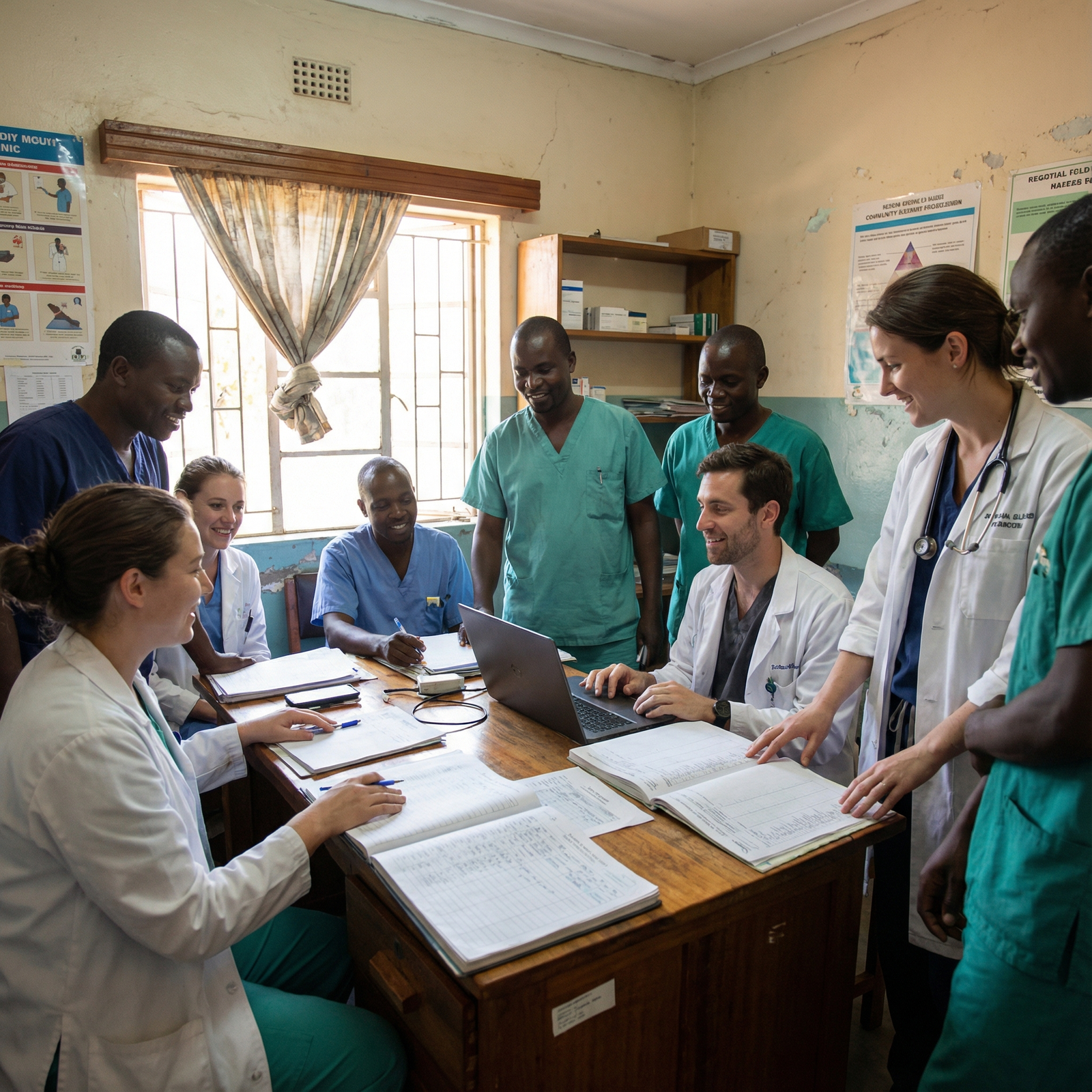
3. Clarifying Your Role and Working Ethically with Local Teams
Arriving with a clear sense of your scope of practice and responsibilities is crucial. Overstepping your skills or acting independently without supervision can cause harm despite good intentions.
3.1 Defining Your Scope and Responsibilities
Before you depart, clarify:
- Your exact role (observer, supervised clinician, educator, researcher)
- Level of clinical autonomy expected and who will supervise you
- Typical daily schedule, call responsibilities, and patient volume
- Any tasks you must not perform (e.g., independent surgery, anesthesia, unsupervised deliveries)
On arrival, have an explicit conversation with your local supervisor to:
- Reaffirm expectations and your training level
- Ask how you can be most useful without displacing local staff
- Understand local protocols for emergencies, referrals, and documentation
If you are ever asked to perform a procedure or make a decision beyond your competence:
- Be honest about your limits
- Ask for supervision or propose observing instead
- Prioritize patient safety and local standards over your desire to “help” or gain experience
3.2 Cultural Competency and Collaborative Practice
Cultural Competency in global health is less about memorizing customs and more about adopting cultural humility:
- Assume you have blind spots; ask rather than assume
- Recognize that the host team are the experts in their system
- Understand that “best practice” can look different under resource constraints
Practical strategies:
- Learn key phrases in the local language: greetings, thank you, pain, yes/no, numbers
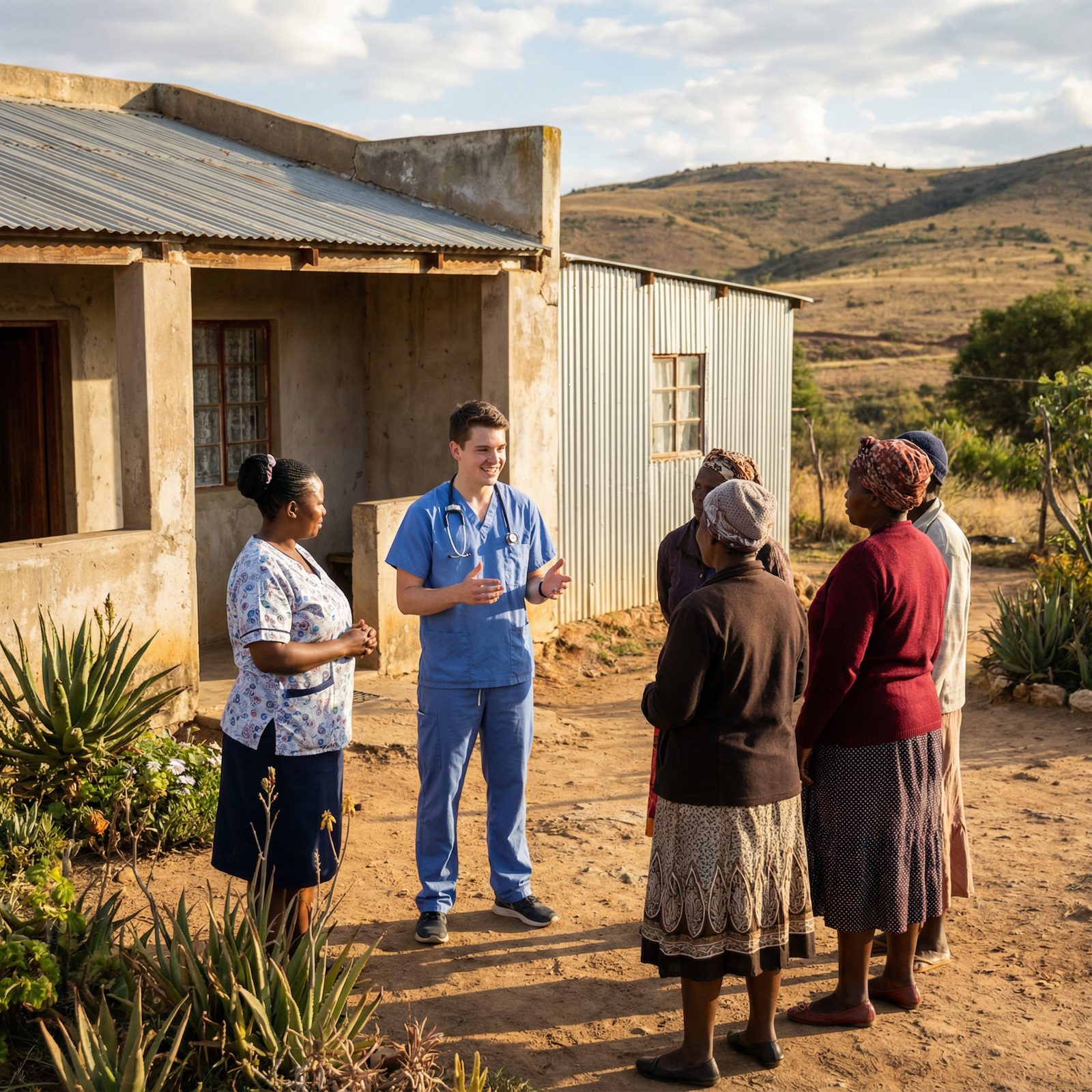
- Ask colleagues how patients prefer to be addressed and how bad news is typically shared
- Be observant: notice how local clinicians interact with patients and families
- Ask for feedback about your communication style or any inadvertent missteps
Building trust with local colleagues is often the single most valuable outcome of your assignment. It opens doors for shared learning and long-term partnerships.
3.3 Ethical Considerations in Short-Term Global Health Work
Short-term assignments raise complex ethical questions. Anchor your decisions in these principles:
- Do no harm – avoid delivering care you are not trained or licensed to provide
- Respect autonomy and local leadership – defer to local guidelines and decision-makers
- Equity – avoid strategies that favor visiting teams over local patients or staff
- Sustainability – prioritize activities that strengthen systems beyond your visit (e.g., training, protocols)
Examples of ethical practice:
- Instead of independently launching a new clinic, you support existing services by adding teaching or helping to streamline workflows
- Instead of bringing a suitcase of medications that may expire or be unfamiliar to local staff, you work with the pharmacy team to optimize use of existing formularies
- You ensure research or quality projects are co-designed with local partners and that data and authorship are shared fairly
4. On the Ground: Daily Realities, Challenges, and Growth
Once you arrive, expect a period of adjustment. Being psychologically prepared for both the inspiring and difficult aspects will help you navigate them more constructively.
4.1 Cultural Adaptation and Daily Life
You may experience culture shock: initial excitement, followed by frustration or fatigue, before settling into a more balanced outlook.
Key aspects of adaptation:
Communication styles
- In some cultures, indirect communication and avoiding open disagreement are valued
- Silence may indicate respect, not confusion
- Direct eye contact can be interpreted differently depending on age, gender, and hierarchy
Time and scheduling
- Concepts of punctuality and flexibility vary; clinics may start “late,” but run until all patients are seen
- Emergencies and resource limitations frequently disrupt daily plans
Food, water, and hygiene
- Try local foods when it’s safe, but do not feel pressured to eat anything that seems unsanitary
- Follow food safety guidelines: “boil it, cook it, peel it, or forget it”
- Prioritize hand hygiene, even when running water is limited (carry hand sanitizer)
Social structures and hierarchies
- Learn who holds authority in the clinic and community (elders, religious leaders, chiefs)
- Be respectful in dress and demeanor, particularly in religious or traditional settings
4.2 Working in Resource-Limited Settings
Many global health sites are resource-limited, but each has unique strengths—dedicated staff, strong community trust, or innovative local solutions.
Common challenges:
- Limited access to imaging, labs, or medications
- Intermittent electricity, oxygen, or water supply
- Overcrowding and high patient–clinician ratios
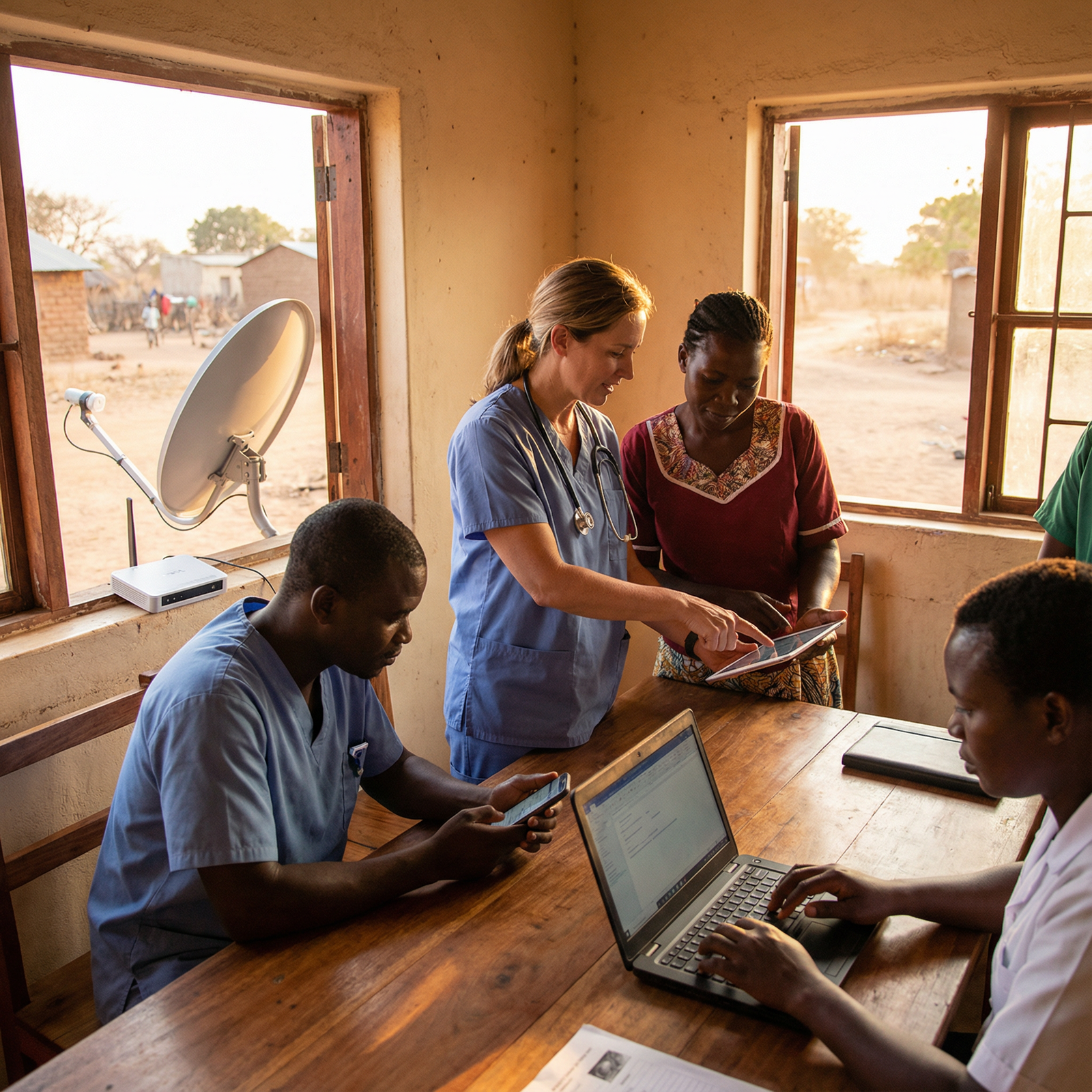
- Paper charts and fragmented records
Strategies to adapt:
- Focus on history and physical exam skills
- Use clinical decision rules adapted to the local context
- Involve local staff in problem-solving; they often have creative workarounds
- Practice rational prescribing and be transparent with patients about limitations
This environment can dramatically strengthen your clinical reasoning, improvisation, and empathy.
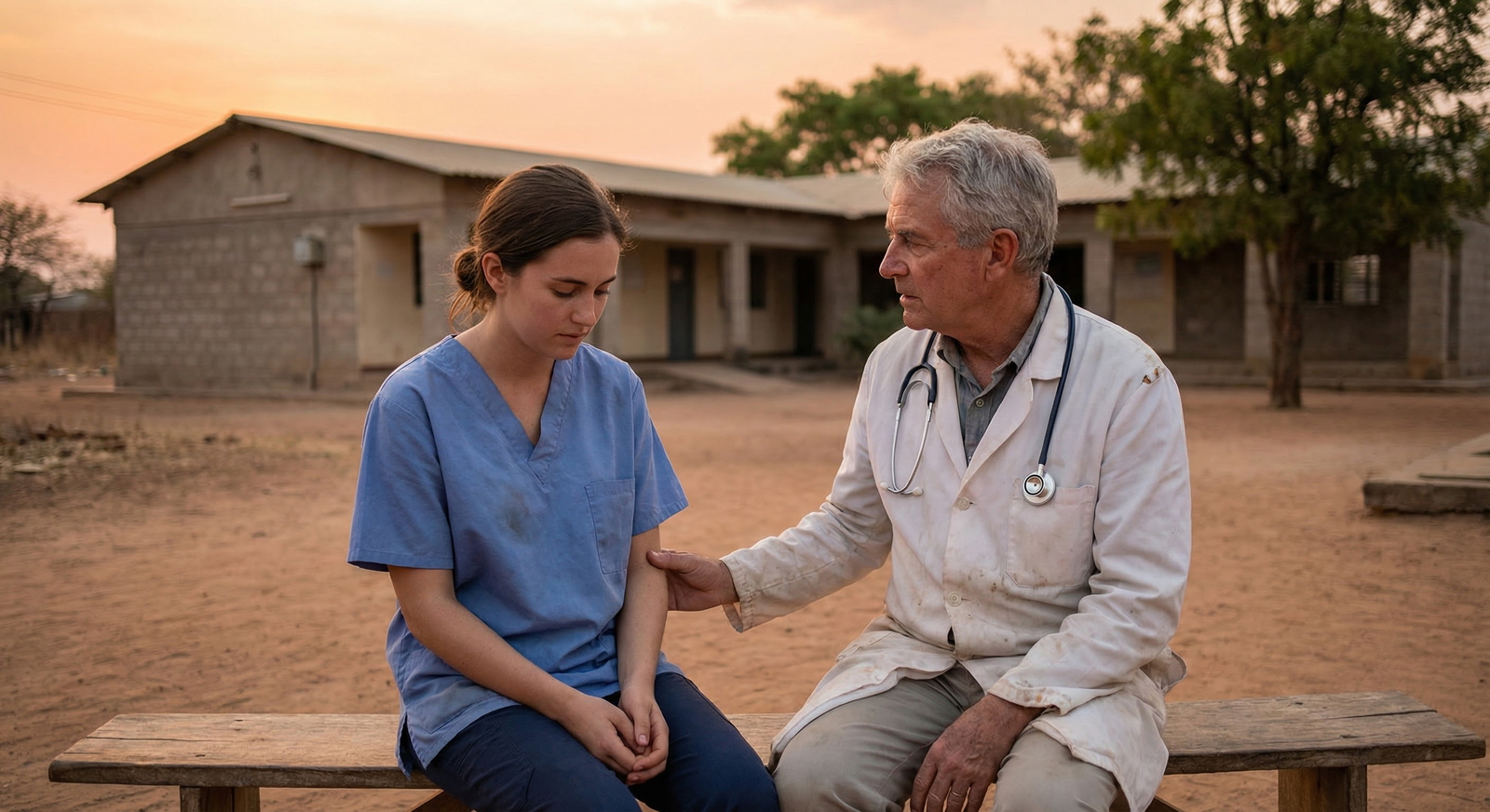
4.3 Emotional and Mental Health on Assignment
Global health work can be emotionally intense:
- Witnessing preventable deaths or suffering
- Feeling frustration at systemic barriers
- Managing guilt about privilege and power differences
- Experiencing loneliness, homesickness, or burnout
Protecting your mental health:
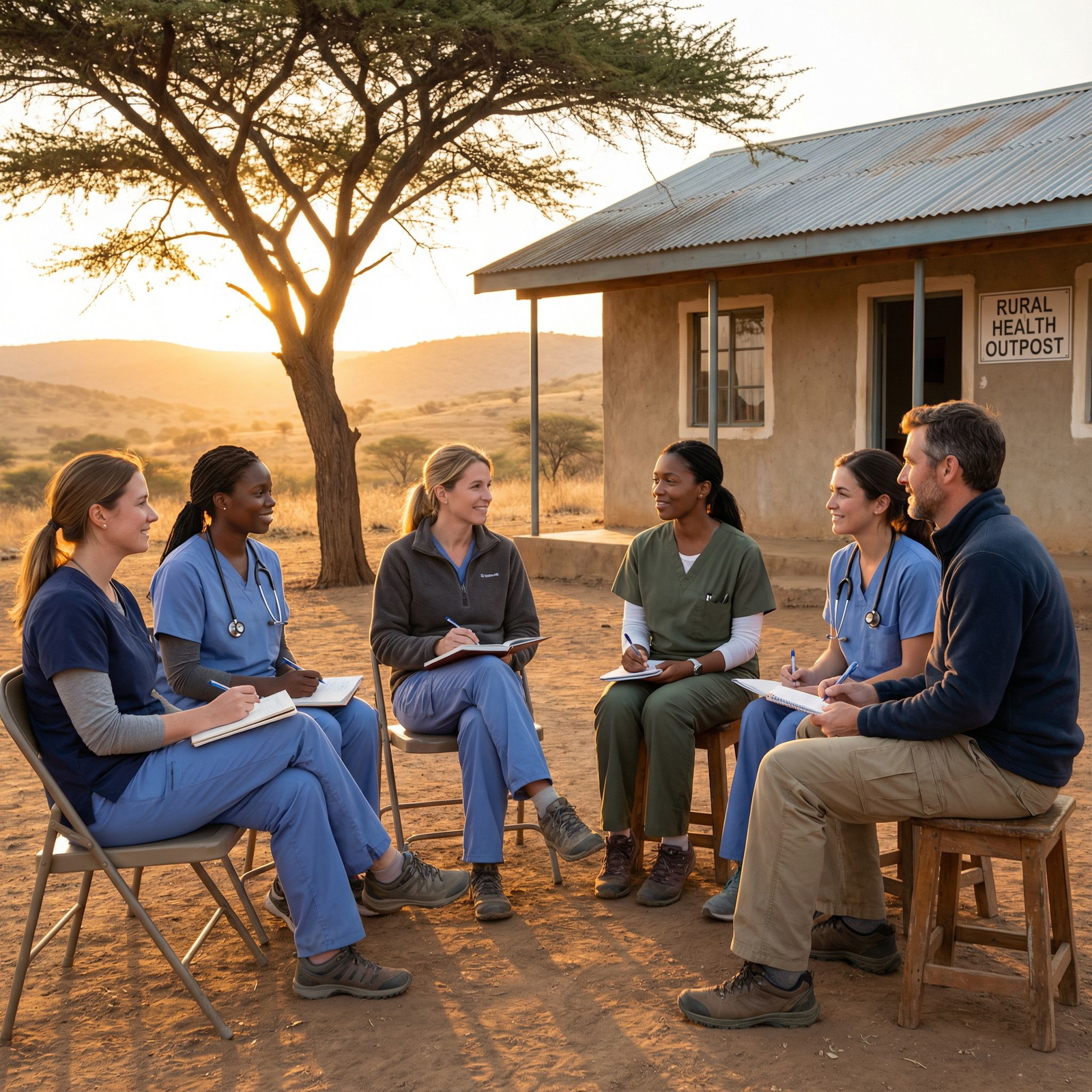
- Build or join a peer support group with colleagues at the site
- Maintain regular check-ins with a mentor or supervisor back home
- Keep a reflective journal to process experiences (protecting patient confidentiality)
- Use grounding strategies: exercise, mindfulness, prayer, music, or hobbies
- Take time off when needed—rest is part of safe, ethical practice, not a luxury
If you experience persistent sadness, anxiety, sleep disturbance, or intrusive thoughts, reach out early for professional support.
5. Learning, Networking, and Continuing Engagement
Your first global health assignment can be a powerful catalyst for your long-term career goals and ethical development.
5.1 Skill Development During Your Assignment
Global health experiences can accelerate growth in:
- Cultural Competency – caring effectively for patients from different backgrounds, understanding how culture, language, and history shape health behaviors
- Clinical adaptability – managing acute and chronic conditions with constrained resources; using guidelines judiciously when diagnostics are limited
- Public health perspective – seeing patterns of disease and recognizing how water, housing, education, and policy influence outcomes
- Leadership and teamwork – collaborating in multidisciplinary teams, often across language and professional boundaries
- Advocacy and ethics – identifying unjust systems and considering how to address them responsibly
Take an intentional approach:
- Set specific learning goals (e.g., become comfortable managing common tropical diseases, or leading small teaching sessions)
- Ask for feedback from local supervisors on your clinical skills and cultural navigation
- Offer to give short, interactive teaching sessions on topics requested by the team
5.2 Building Global Networks and Partnerships
Long-term impact comes from relationships, not short visits.
Ways to build sustainable connections:
- Exchange contact information with local colleagues and stay in touch with updates or shared learning opportunities
- Involve host partners in research, quality improvement, and publications as equal collaborators
- Invite local colleagues to conferences or online teaching sessions organized by your institution
- Advocate for institutional partnerships that include bidirectional exchanges, not just sending learners from high-income to low-income countries
These networks can shape your career, inform your practice back home, and lead to meaningful Volunteer Opportunities or research collaborations.
5.3 Returning Home: Reflection, Integration, and Next Steps
When you return home, it is common to experience reverse culture shock—feeling disoriented by the relative abundance of resources or by colleagues who don’t share your new perspective.
Structured reflection can help:
- Debrief with your global health program leaders or mentors
- Attend a formal debriefing session if your organization offers one
- Write a reflective piece, blog, or presentation (with appropriate privacy protections)
- Ask yourself:
- What surprised me most?
- What did I learn from local colleagues?
- How did this experience change the way I view healthcare systems and equity?
- How can I continue to contribute ethically, from home and in future work?
Continuing engagement might include:
- Joining a global or community health track in your training program
- Participating in remote teaching or teleconsultation with your host site (if invited)
- Engaging in advocacy work on migration health, climate change, or global access to care
- Supporting scholarships or exchanges for colleagues from your host institution
Your first assignment is often just the beginning of a lifelong commitment to more just and equitable Healthcare systems.

Frequently Asked Questions (FAQs)
1. How long should my first global health assignment be?
Many first-time assignments range from 2–8 weeks, depending on training level and program structure. Longer stays (3–12 months) often allow for deeper Cultural Competency, more sustainable contributions, and meaningful involvement in research or systems projects. However:
- Shorter, well-structured experiences with strong supervision and clear goals can still be valuable
- Very short visits (e.g., one-week “missions”) risk being ineffective or disruptive unless carefully designed with local partners
Discuss timing with both your home institution and host site to align expectations.
2. How do I find reputable global health and volunteer opportunities?
Look for programs that:
- Partner with recognized local institutions (universities, hospitals, Ministries of Health, community organizations)
- Clearly describe supervision, scope of practice, learning objectives, and ethical guidelines
- Emphasize continuity, capacity building, and mutual benefit, not just numbers of “patients seen”
- Are transparent about costs, funding, and how resources are used
Sources to explore:
- Academic global health centers at medical schools or universities
- Professional societies with global health sections (e.g., infectious disease, pediatrics, emergency medicine)
- Established NGOs with strong reputations and published evaluations
- Formal global health tracks or fellowships within residency programs
Be cautious of organizations that market experiences as “cheap ways to gain procedures” or do not mention supervision and local leadership.
3. How can I prepare for language barriers during my assignment?
- Enroll in a basic language course or online module focused on medical vocabulary
- Learn key phrases related to greetings, pain, consent, and common symptoms
- Use translation apps that function offline and respect patient privacy
- Rely on trained interpreters or bilingual staff whenever available, especially for complex discussions and informed consent
- Practice speaking slowly, using simple words, and confirming understanding with teach-back methods
Even limited effort in the local language often builds rapport and demonstrates respect.
4. What if I encounter ethical dilemmas or unsafe practices during my assignment?
Ethical dilemmas are common. Steps to handle them:
- Pause and reflect – avoid making immediate judgments; consider cultural, resource, and systemic factors
- Seek context – ask trusted local colleagues why certain practices exist
- Consult supervisors at both the host and home institution for guidance
- Prioritize patient safety while also respecting local autonomy and avoiding paternalism
- If you witness abuse, exploitation, or serious harm, follow institutional policies for reporting and seek urgent guidance
Document your concerns and conversations for later reflection and quality improvement, ensuring patient confidentiality.
5. How can I turn my first global health experience into long-term impact?
- Stay connected with your host colleagues and ask how you can continue to support them (on their terms)
- Incorporate lessons learned into your local practice, particularly around Cultural Competency and equity
- Participate in research, policy, or advocacy initiatives related to Global Health and health disparities
- Mentor junior students interested in global health, emphasizing ethical, sustainable engagement
- Consider additional training: MPH, global health fellowships, or dedicated tracks in residency
A well-prepared, ethically grounded first global health assignment can be transformative—for you, your patients, and the communities you serve. By approaching the experience with humility, curiosity, and respect for local expertise, you can practice medicine that is not only global in geography, but global in perspective, solidarity, and responsibility.