
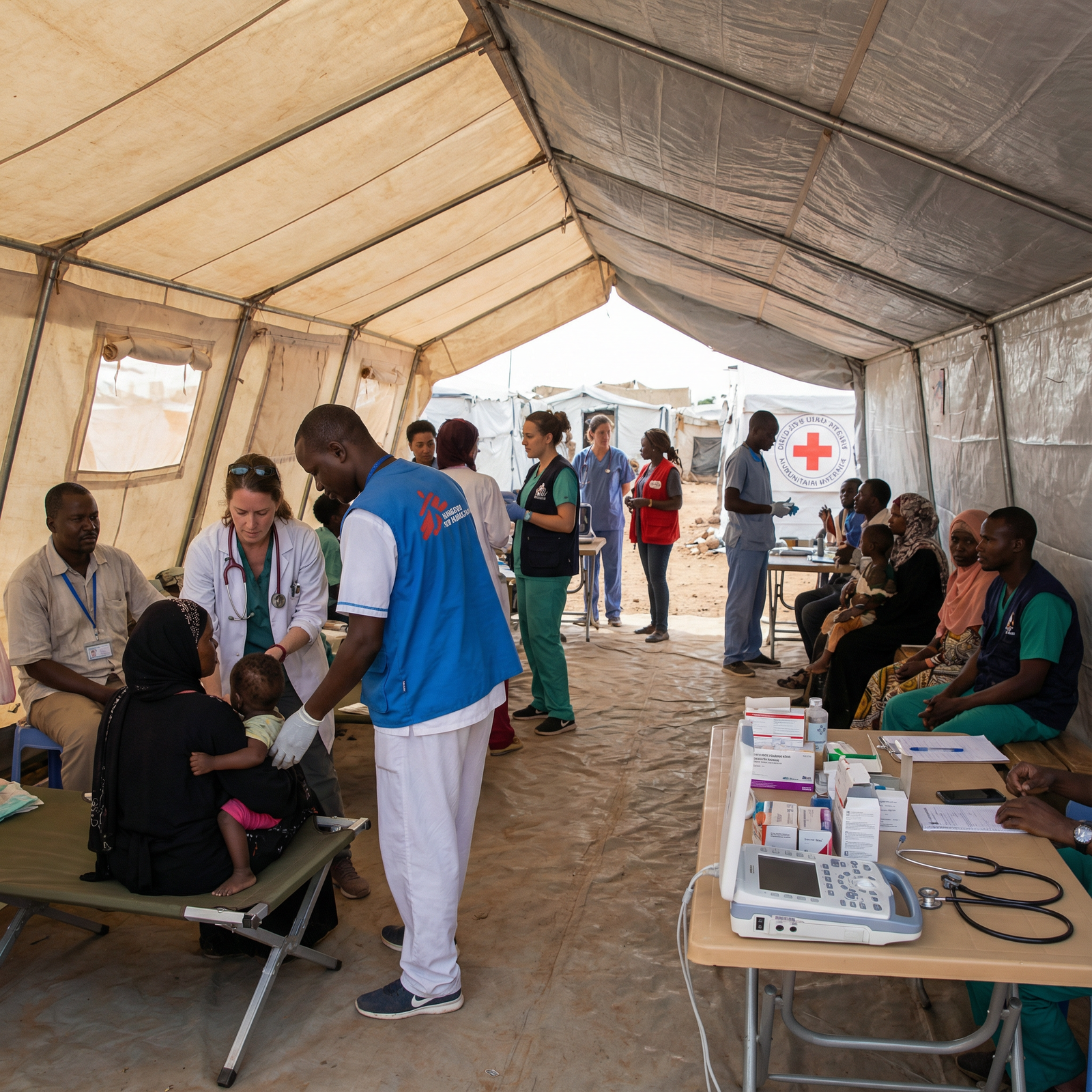
Top 7 Health Issues Addressed by Humanitarian Missions Worldwide
Humanitarian missions are often the first and sometimes the only line of defense for populations facing conflict, displacement, natural disasters, and extreme poverty. For medical students and residents interested in Global Health and Humanitarian Health, understanding the key health issues these missions address is essential both for clinical preparation and for ethical, culturally sensitive care.
Across continents and crises, similar patterns of illness and vulnerability emerge. This article explores the top seven health issues that humanitarian missions routinely confront—linking each to real-world examples, their broader impact, and practical considerations for clinicians interested in this work.
These domains intersect with infectious disease control, Nutrition, Mental Health, and Emergency Response, as well as long-term health system strengthening and medical ethics.
1. Infectious Diseases: The Frontline of Humanitarian Health
In humanitarian emergencies, infectious diseases are often the most immediate and visible threat. Overcrowding, malnutrition, disrupted sanitation systems, and collapsed healthcare infrastructure create an ideal environment for disease transmission.
Common Infectious Threats in Crisis Settings
Humanitarian teams frequently manage:
- Viral infections: Measles, COVID-19, Ebola, hepatitis, dengue, and other arboviruses
- Bacterial infections: Cholera, typhoid fever, meningitis, pneumonia
- Parasitic diseases: Malaria, leishmaniasis, schistosomiasis, intestinal parasites
- HIV/AIDS and tuberculosis (TB): Especially where ongoing treatment is disrupted
In displaced populations and refugee camps, a single measles or cholera case can rapidly escalate into an outbreak if not contained quickly.
Example: Ebola and MSF in West Africa
Médecins Sans Frontières (MSF) has become a global reference for outbreak management. During the 2014–2016 Ebola outbreak in West Africa and subsequent flare-ups, MSF:
- Established isolation and treatment centers within days
- Trained local staff in infection prevention and control (IPC)
- Implemented safe burial practices to reduce transmission
- Supported contact tracing and community education to combat fear and misinformation
These strategies demonstrated that effective Emergency Response in infectious disease crises must go beyond clinical care to include community trust-building and risk communication.
Key Strategies Used by Humanitarian Teams
- Mass vaccination campaigns (e.g., measles, cholera, polio)
- Rapid diagnostic testing and syndromic surveillance
- Vector control (mosquito nets, indoor residual spraying, environmental management)
- Ensuring treatment continuity for TB and HIV when health systems collapse
- Integrated case management: combining malaria, pneumonia, and diarrhea management in children
Impact on Global Health
By acting rapidly, humanitarian missions:
- Reduce morbidity and mortality from vaccine-preventable and treatable diseases
- Prevent local outbreaks from becoming regional or global public health emergencies
- Strengthen local capacity through training, protocols, and surveillance systems
For clinicians, skills in infectious disease management, IPC, and basic epidemiology are indispensable in humanitarian settings.
2. Malnutrition and Nutrition Insecurity
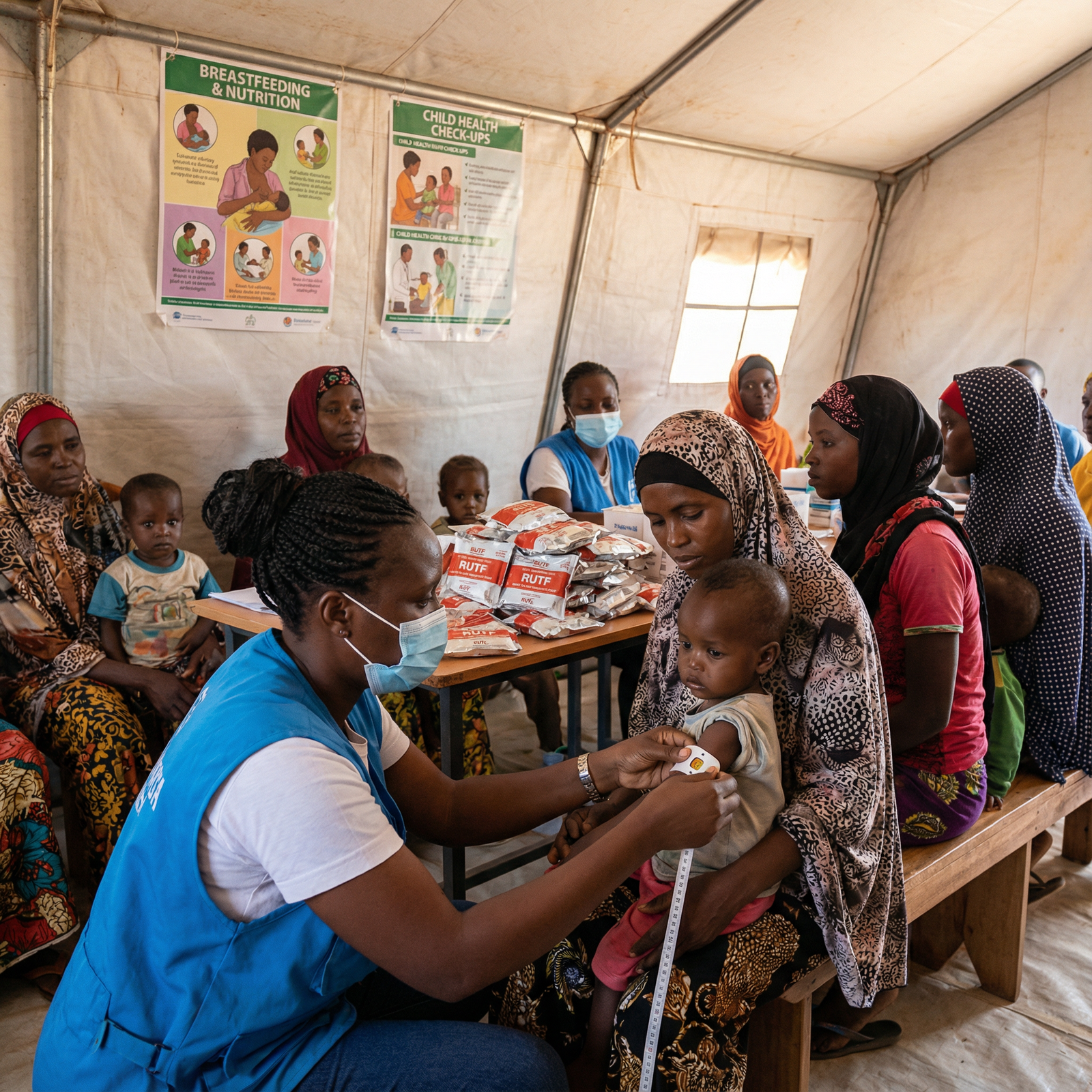
Malnutrition—including undernutrition, micronutrient deficiencies, and in some contexts obesity—remains a core focus of humanitarian work. In crises, food systems fail, prices rise, and access to nutritious foods becomes scarce. Young children, pregnant and lactating women, and older adults are particularly vulnerable.
Forms of Malnutrition in Humanitarian Contexts
- Acute malnutrition (wasting): Low weight-for-height, visible in emergencies and famines
- Chronic malnutrition (stunting): Long-term inadequate nutrition leading to impaired growth and development
- Micronutrient deficiencies: Iron, vitamin A, iodine, and zinc deficiencies common in food-insecure populations
- Overnutrition: Increasingly relevant in protracted crises and urban slums where cheap, calorie-dense but nutrient-poor foods dominate
Example: WFP in Yemen and South Sudan
The United Nations World Food Programme (WFP) operates large-scale programs in countries like Yemen and South Sudan, where conflict and economic collapse have driven widespread hunger. Their activities include:
- Targeted supplementary feeding for children with moderate acute malnutrition
- Therapeutic feeding programs for severe acute malnutrition, often using ready-to-use therapeutic foods (RUTF)
- Food vouchers or cash transfers to allow families to purchase essential staples
- School feeding programs to support education and child Nutrition simultaneously
In 2020, WFP supported around 100 million people in over 80 countries, reducing mortality from severe malnutrition and supporting growth and development among children.
How Humanitarian Missions Address Malnutrition
- Community-based screening: Using MUAC (mid-upper arm circumference), weight, and height measures
- Integrated management of acute malnutrition (IMAM) protocols
- Nutrition education: Counseling caregivers on breastfeeding, complementary feeding, and safe food preparation
- Linking nutrition with other services: De-worming, vitamin A supplementation, and vaccination integrated into outreach
Why Nutrition Matters Ethically and Clinically
For frontline clinicians, early recognition of malnutrition is critical: it increases the risk of infections, poor wound healing, and maternal and neonatal complications. Ethically, responding to malnutrition also means advocating for food security, social protection, and long-term resilience rather than temporary aid alone.
3. Maternal and Child Health: Protecting the Most Vulnerable
In fragile settings, maternal and child health indicators are often the first to deteriorate when systems break down. Limited access to antenatal care, skilled birth attendants, emergency obstetric care, and newborn services leads to preventable deaths.
Maternal Health in Humanitarian Settings
Common challenges include:
- Lack of skilled birth attendants and emergency transport
- Hemorrhage, hypertensive disorders, and sepsis without timely management
- Unsafe abortions in the absence of reproductive health services
- High rates of anemia and malnutrition in pregnancy
Child Health Priorities
- Neonatal complications: premature birth, birth asphyxia, neonatal sepsis
- Vaccine-preventable diseases: measles, polio, diphtheria
- Common childhood illnesses: diarrhea, pneumonia, malaria
- Growth and neurodevelopmental delays linked to malnutrition and chronic stress
Example: IFRC Maternal and Child Programs
The International Federation of Red Cross and Red Crescent Societies (IFRC) runs maternal and child health programs in conflict and disaster zones. In Syria and neighboring countries, initiatives have included:
- Mobile clinics offering antenatal and postnatal care
- Distribution of clean delivery kits where access to facilities is limited
- Training traditional birth attendants and community health workers in safe delivery practices
- Vaccination campaigns and well-baby clinics in displaced populations
These programs have contributed to increased skilled birth attendance, earlier detection of pregnancy complications, and reductions in maternal and neonatal mortality.
Practical Approaches for Humanitarian Clinicians
- Implement Basic and Comprehensive Emergency Obstetric and Newborn Care (BEmONC and CEmONC)
- Use simplified protocols for neonatal resuscitation and infection management
- Ensure contraception and family planning services, including post-partum options
- Collaborate with local midwives and community leaders to improve cultural acceptability
4. Mental Health and Psychosocial Support: Healing Invisible Wounds
Despite being historically neglected, Mental Health is now recognized as a core pillar of humanitarian response. Conflict, displacement, gender-based violence, loss of loved ones, and chronic instability can lead to depression, anxiety, PTSD, substance use, and profound grief.
The Mental Health Burden in Crises
- Refugees and internally displaced persons (IDPs) often face chronic stress, uncertainty, and traumatic memories
- Children may exhibit behavioral changes, developmental regression, or school difficulties
- Frontline healthcare workers and volunteers themselves risk burnout and vicarious trauma
Example: Mental Health Innovations in Refugee Settings
Mental Health Innovations (MHI) and similar organizations support refugee camps in Jordan and Lebanon, working with those affected by the Syrian civil war. Their strategies include:
- Counseling and psychosocial support groups for survivors of violence and displacement
- Digital mental health platforms (e.g., text-based or app-based support) for populations with limited access to formal care
- Community education to reduce stigma and increase help-seeking behavior
These interventions help build resilience and coping mechanisms, allowing individuals and communities to function and recover despite ongoing stressors.
Integrating Mental Health into Humanitarian Health Care
- Use the WHO’s mhGAP guidelines to train non-specialist providers in basic mental health care
- Provide psychological first aid (PFA) in the acute aftermath of crises
- Create safe spaces for women, children, and at-risk groups
- Incorporate mental health screening into routine consultations (e.g., antenatal care, primary care visits)
- Support health workers’ well-being through supervision, peer support, and reasonable workloads
For residents and students, developing basic skills in trauma-informed care, empathetic communication, and culturally sensitive mental health support is essential in humanitarian environments.
5. Access to Clean Water, Sanitation, and Hygiene (WASH)
Without clean water and sanitation, many other humanitarian health efforts are undermined. Waterborne diseases such as cholera, dysentery, and typhoid are common causes of morbidity and mortality, particularly in refugee camps and informal settlements.
Why WASH Is Fundamental for Humanitarian Health
- Prevents diarrheal diseases, a leading cause of child mortality
- Reduces risk of skin and eye infections, including trachoma and scabies
- Supports menstrual hygiene management, dignity, and girl’s school attendance
- Critical for infection prevention and control in health facilities and during Emergency Response
Example: WaterAid and the Rohingya Crisis
During the Rohingya refugee crisis in Bangladesh, WaterAid and other organizations:
- Installed boreholes, water treatment systems, and tap stands to provide safe drinking water
- Built latrines and bathing facilities designed with privacy and safety in mind
- Conducted hygiene promotion campaigns, teaching handwashing, safe water storage, and waste disposal
These efforts significantly reduced diarrheal disease burden and improved living conditions in extremely crowded camps.
Key WASH Strategies in Humanitarian Missions
- Rapid assessment of water sources and contamination risks
- Provision of chlorination, filtration, or point-of-use water treatment solutions
- Ensuring adequate number and safe placement of latrines
- Promotion of hand hygiene, including distribution of soap and hygiene kits
- Coordination between WASH, infectious disease, and nutrition teams to maximize impact
For clinicians, recognizing WASH-related disease patterns and advocating for WASH interventions can be as important as prescribing medications.
6. Chronic Diseases: The Growing Burden in Crisis Settings
Historically, humanitarian care focused on acute conditions—trauma, infections, and malnutrition. However, chronic non-communicable diseases (NCDs) such as diabetes, hypertension, cardiovascular disease, asthma, and chronic kidney disease are now widespread in low- and middle-income countries, including in conflict and displacement settings.
Challenges of NCD Management in Humanitarian Contexts
- Interrupted access to lifelong medications (e.g., insulin, antihypertensives)
- Lack of diagnostic tools (e.g., glucometers, ECGs, lab tests)
- Limited capacity for follow-up and continuity of care when populations are mobile
- Competing health priorities and limited funding
Example: Partners In Health in Haiti
Partners In Health (PIH) in Haiti and other countries has pioneered models for chronic disease care in resource-limited settings, including:
- Deploying community health workers (CHWs) to provide home visits, adherence support, and education
- Integrating NCD care into primary care clinics, rather than as specialized separate services
- Using standardized treatment protocols and simple monitoring tools
Their programs demonstrate that, even in constrained environments, structured chronic disease management can dramatically improve quality of life and prevent complications such as stroke, heart failure, and diabetic foot ulcers.
Practical Approaches for NCD Care in Humanitarian Missions
- Maintain essential medicine lists that include common NCD treatments
- Simplify treatment regimens where possible (e.g., once-daily dosing)
- Use task-shifting and CHWs to support self-management and follow-up
- Integrate NCD screening into other services (e.g., antenatal clinics, HIV clinics)
- Advocate for including NCDs in humanitarian funding and planning, not just acute care
For residents, familiarity with low-cost, guideline-based NCD management and patient education strategies is increasingly important in global humanitarian work.
7. Emergency Response and Trauma Care: Acting in the Golden Hour
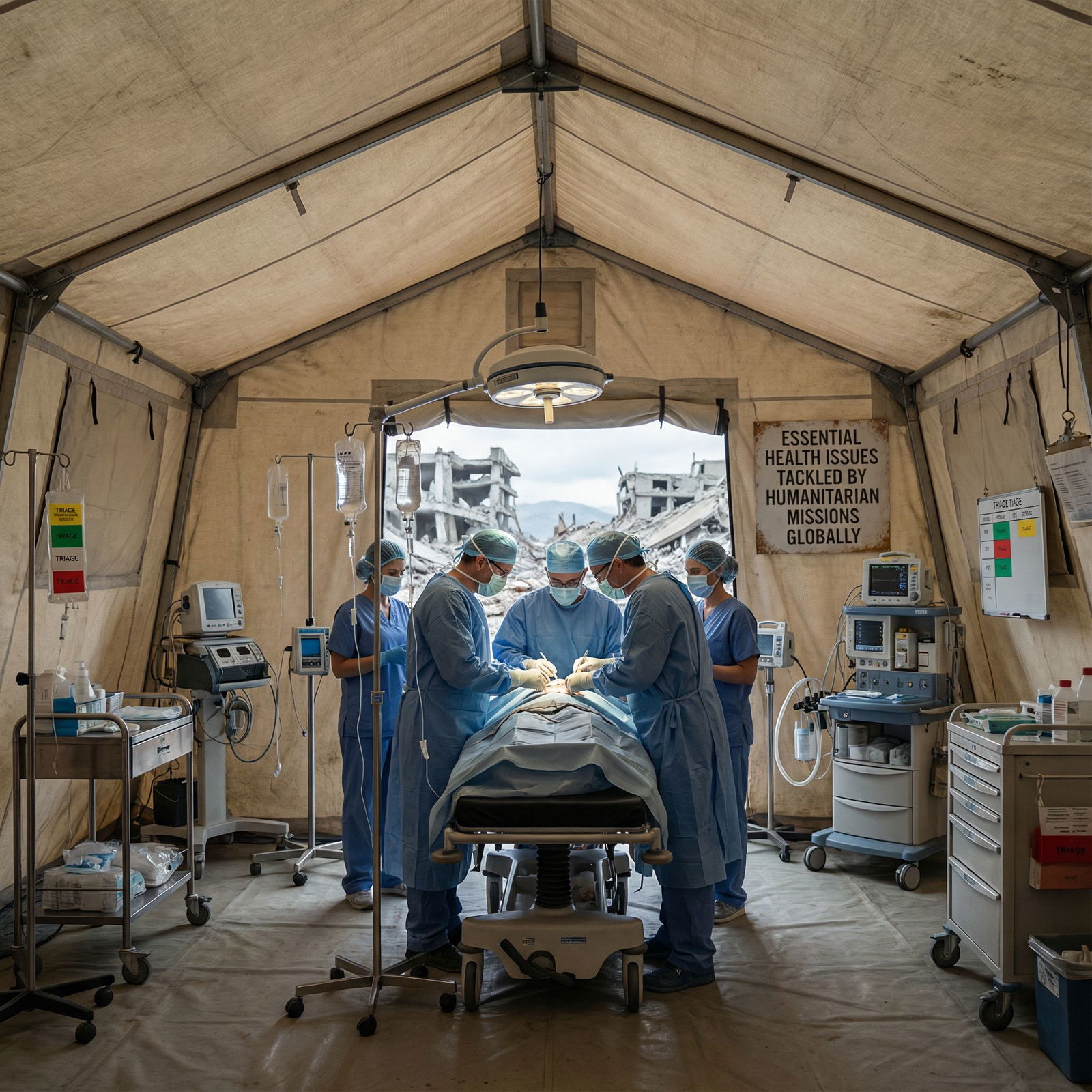
When earthquakes, floods, conflicts, or technological disasters strike, Emergency Response and trauma care become immediate priorities. Humanitarian teams are often deployed within hours to days to stabilize injuries, prevent infection, and restore basic healthcare services.
Types of Emergencies and Trauma Cases
- Natural disasters: Earthquakes, tsunamis, floods, cyclones, landslides
- Conflict-related injuries: Gunshot wounds, blast injuries, burns, crush injuries
- Mass-casualty events: Building collapses, transportation accidents, industrial accidents
Example: International Medical Corps in the Haiti Earthquake
Following the 2010 Haiti earthquake, International Medical Corps and other organizations:
- Established field hospitals and surgical units within days
- Provided triage, trauma surgery, orthopedic care, and wound management
- Coordinated with local authorities to re-establish essential health services
- Supported rehabilitation for patients with amputations and long-term disabilities
These interventions saved thousands of lives and underscored the importance of pre-positioned supplies, trained personnel, and robust coordination mechanisms.
Core Components of Effective Emergency Response
- Triage systems (e.g., START triage) to prioritize limited resources
- Basic and advanced life support skills (BLS, ATLS, PHTLS) adapted to low-resource settings
- Logistics: supply chains for medicines, blood products, and equipment
- Coordination with local health authorities, militaries, UN agencies, and NGOs
- Transition from acute response to longer-term recovery and system strengthening
Clinicians interested in humanitarian work benefit greatly from training in disaster medicine, prehospital care, and adaptable clinical decision-making when resources are scarce.
Ethical Considerations and Professional Development in Humanitarian Health
Beyond clinical skills, humanitarian work in Global Health involves complex medical ethics and professional responsibilities:
- Justice and equity: Fair allocation of limited resources
- Respect for autonomy and cultural norms in unfamiliar settings
- Do no harm: Avoiding unintended negative consequences (e.g., undermining local health systems)
- Accountability and transparency in research, data collection, and program evaluation
For medical students and residents, humanitarian missions can be powerful learning experiences—but they must be approached with humility, adequate supervision, and a focus on supporting, not replacing, local capacity.
FAQs: Humanitarian Health, Global Crises, and Clinical Practice
1. What is the role of humanitarian missions in global healthcare?
Humanitarian missions provide life-saving medical care, public health interventions, and system support in settings affected by conflict, disaster, or extreme poverty. They address Infectious Diseases, Nutrition, Mental Health, maternal and child health, WASH, chronic diseases, and Emergency Response, while also training local staff, strengthening health systems, and advocating for health equity.
2. How do humanitarian organizations address Mental Health in crisis settings?
They integrate Mental Health and psychosocial support (MHPSS) into primary care and community programs by:
- Training non-specialist providers using tools like mhGAP
- Offering counseling, support groups, and safe spaces
- Providing psychological first aid after acute events
- Using digital platforms for remote support
- Addressing stigma through community education and engagement
3. What specific health issues are most common in refugee camps and displacement settings?
Common priorities include:
- Infectious diseases: respiratory infections, diarrheal diseases, measles, cholera, malaria
- Malnutrition and micronutrient deficiencies
- Maternal and child health complications
- Poor WASH conditions leading to waterborne diseases
- Emerging concern for chronic diseases like diabetes and hypertension
- Mental Health problems related to trauma, loss, and chronic stress
4. How do humanitarian missions manage chronic diseases during emergencies?
Organizations manage chronic diseases by:
- Ensuring continued access to essential medications (e.g., insulin, antihypertensives)
- Integrating NCD care into primary health services
- Using community health workers for follow-up and patient education
- Adopting simplified treatment algorithms suitable for low-resource, unstable environments
- Coordinating referrals for more complex cases where possible
5. How can medical students and residents get involved in humanitarian and global health work responsibly?
Responsible involvement includes:
- Gaining relevant skills (e.g., infectious disease, Emergency Response, public health, Mental Health)
- Participating in structured programs with reputable organizations and proper supervision
- Engaging in pre-departure training on safety, ethics, and cultural competence
- Supporting local capacity-building, research, or telemedicine if travel is not possible
- Reflecting on personal motivations, power dynamics, and the long-term impact of short-term missions
Humanitarian missions operate at the intersection of Global Health, clinical medicine, ethics, and social justice. By understanding the **top health issues they address—Infectious Diseases, malnutrition and Nutrition, maternal and child health, Mental Health, WASH, chronic diseases, and Emergency Response and trauma care—**future and current clinicians can better prepare to contribute meaningfully, ethically, and effectively to this critical work.


