
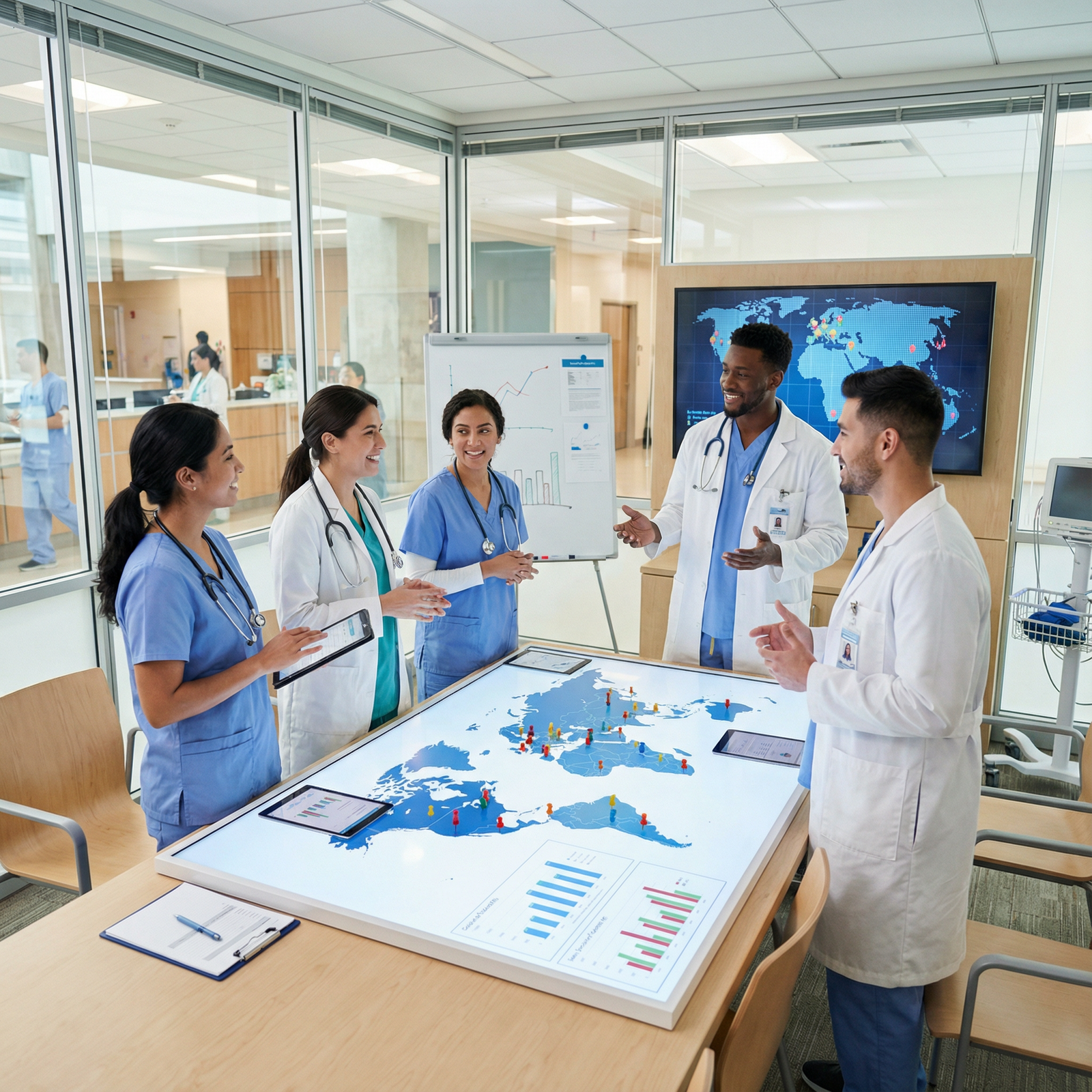
Introduction: Building the Skills to Lead in Global Health Careers
Global Health is a dynamic, rapidly evolving field focused on improving health and achieving equity for people worldwide. From pandemic preparedness and climate-related health threats to maternal and child health, non-communicable diseases, and health systems strengthening, global health careers place you at the intersection of medicine, public health, policy, and social justice.
For medical students, residents, and early-career professionals, the appeal is clear: the chance to contribute to meaningful, large-scale change. But impact in global health requires more than passion and good intentions. It demands a deliberate combination of technical expertise, Cultural Competency, Analytical Skills, strong Communication Skills, and the ability to work across disciplines and under pressure.
Whether you aim to work with international organizations (WHO, UNICEF), NGOs, academic global health programs, or ministries of health, cultivating a core set of competencies will dramatically increase both your effectiveness and your credibility. This article expands on five essential skills that can help you build a sustainable, ethical, and impactful career in global health.
1. Cultural Competency: The Foundation of Ethical Global Health Work
Cultural Competency is not a “soft extra” in global health; it is a core clinical and ethical requirement. It involves understanding, respecting, and navigating the cultural norms, values, histories, and power dynamics that shape how individuals and communities perceive health, illness, healthcare providers, and health systems.
Why Cultural Competency Matters in Global Health Careers
Understanding Local Context and Lived Realities
The same intervention can succeed in one setting and fail in another depending on cultural norms. For example:- A maternal health program that encourages facility-based deliveries may struggle in communities where childbirth is traditionally managed at home by trusted birth attendants.
- Vaccine campaigns can be hindered by historical mistrust of government or foreign actors, or by religious or cultural beliefs about injections and bodily autonomy.
Without Cultural Competency, even well-funded, evidence-based programs may be rejected by the very populations they are meant to help.
Building Trust and Long-Term Partnerships
Trust is the currency of global health. Communities are more likely to engage with screening, surveillance, or treatment programs when they feel respected and heard. Demonstrating humility, learning local customs, and recognizing previous harms or injustices (such as colonial medical practices or unethical research) are crucial steps in building genuine partnerships.Avoiding Harm and Ethical Pitfalls
Culturally insensitive approaches can reinforce stigma, increase inequities, or retraumatize communities. Cultural Competency helps prevent:- Imposing outside values without understanding local priorities
- Designing programs that conflict with community decision-making structures
- Unintentionally contributing to “medical tourism” or short-term missions that disrupt local care
How to Develop Cultural Competency as a Trainee or Early-Career Professional
Engage with Diverse Communities—Before Going Abroad
- Volunteer in local clinics serving immigrant, refugee, or minority communities.
- Join student interest groups focused on global health, health equity, or refugee health.
- Seek out rotations in diverse settings (urban safety-net hospitals, tribal health services, rural clinics).
Study History, Politics, and Power Structures
Global Health is inseparable from history and politics. Build a habit of asking:- What is the colonial history of this region?
- How have global financing mechanisms shaped this health system?
- Which groups have been marginalized or excluded from decision-making?
Use Formal Training Resources
- Enroll in Cultural Competency and global health ethics courses.
- Participate in pre-departure training programs for international electives.
- Read qualitative research, ethnographies, and local authors’ perspectives on health.
Practice Humility and Reflexivity
- Regularly reflect on your own identity, privilege, and biases.
- Ask, “Whose voice is missing from this decision?” and “Am I listening more than I’m speaking?”
This reflective practice is central to ethical global health engagement.
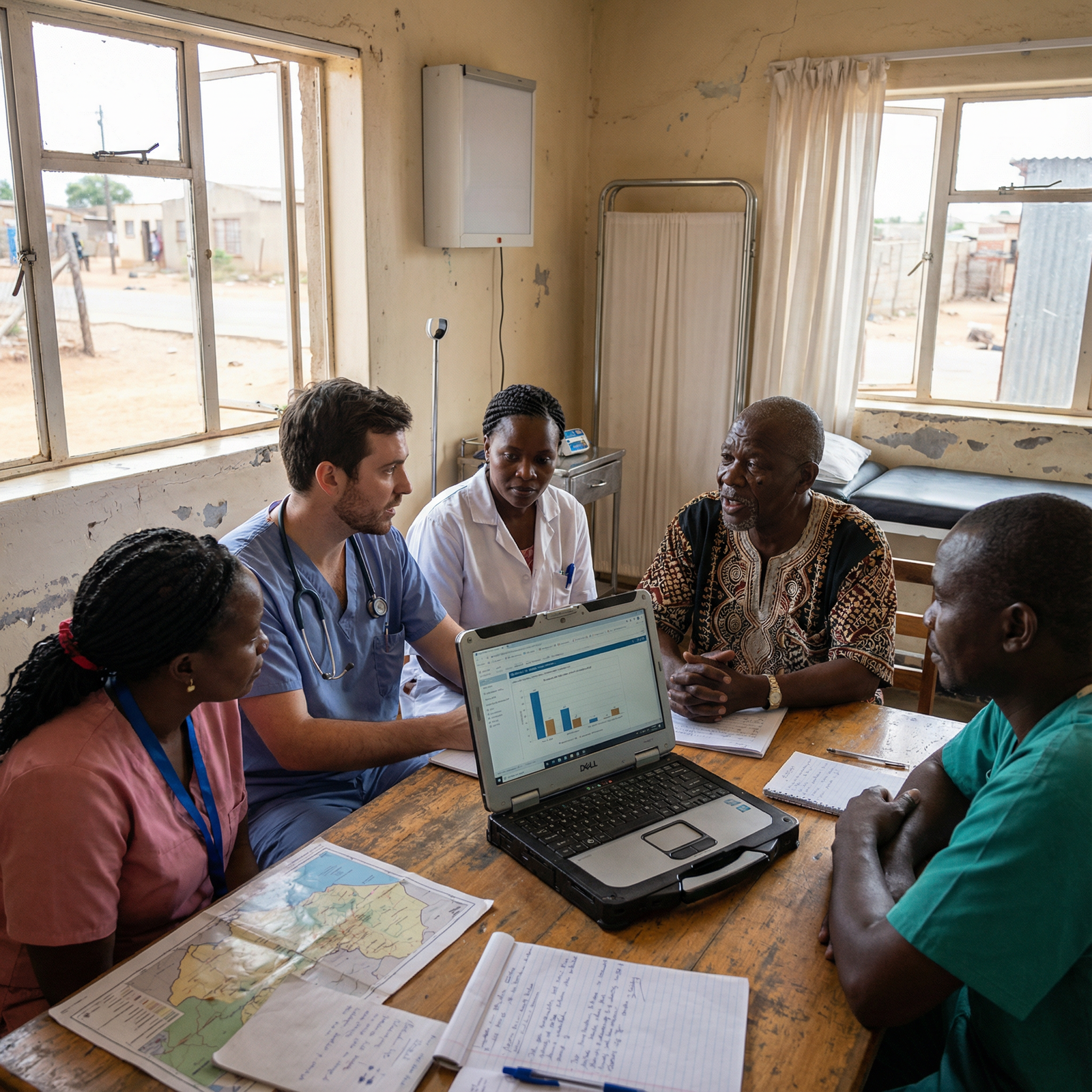
2. Analytical Skills: Turning Data Into Better Health Outcomes
Strong Analytical Skills are indispensable in Global Health careers. From measuring disease burden and evaluating intervention effectiveness to navigating health economics and implementation science, data-driven thinking allows you to translate limited resources into maximal, equitable impact.
Why Analytical Skills Are Critical in Global Health
Evidence-Based Decision-Making and Priority Setting
Global Health involves constantly asking:- Where is the need greatest?
- Which interventions give the best health return per dollar spent?
- What does the data show about disparities and inequities?
Analytical Skills allow you to:
- Interpret epidemiologic data (incidence, prevalence, DALYs, QALYs).
- Compare burden of disease across regions or populations.
- Identify high-risk groups and design targeted interventions.
Program Evaluation and Quality Improvement
Funding agencies, ministries of health, and communities all want to know: Is this working? Analytical Skills enable you to:- Design monitoring and evaluation (M&E) plans with clear indicators and timelines.
- Analyze routine data from clinics, surveys, or registries.
- Course-correct when programs are underperforming or creating unintended consequences.
Health Informatics and Digital Tools
Increasingly, global health programs rely on electronic health records, mobile health (mHealth) platforms, and real-time surveillance systems. Understanding data structures, data quality issues, and informatics tools helps you:- Use dashboards to guide frontline decisions.
- Identify gaps in reporting (e.g., under-reported maternal deaths).
- Collaborate effectively with data scientists and informaticians.
Practical Ways to Build Analytical Skills
Strengthen Quantitative Foundations
- Take or audit courses in epidemiology, biostatistics, and population health.
- Learn basic statistical software (R, Stata, SPSS) or data visualization tools (Tableau, Power BI).
- Practice interpreting real-world datasets (DHS, World Bank, WHO Global Health Observatory).
Engage in Research and Quality Improvement Projects
- Join faculty-led global health research or implementation projects.
- Work on chart reviews, cohort studies, or program evaluations.
- Present findings at regional or international conferences to refine your ability to communicate complex data clearly.
Learn Health Economics and Cost-Effectiveness Basics
- Understand terms like incremental cost-effectiveness ratio (ICER) and budget impact analysis.
- Explore case studies comparing interventions (e.g., vaccines vs. screening vs. treatment in resource-limited settings).
Critically Appraise the Literature
- Regularly read global health journals (The Lancet Global Health, BMJ Global Health, Global Public Health).
- Practice evaluating study design, bias, generalizability, and ethical considerations.
- Discuss papers in journal clubs to refine your Analytical Skills and scientific reasoning.
3. Communication Skills: From Bedside to Boardroom and Beyond
Communication Skills are a central pillar of effective global health work. You will need to speak with patients, collaborate with local health workers, present to ministries of health, write grant applications, and engage with media or community leaders—all across languages, disciplines, and cultural contexts.
Why Communication Skills Matter in Global Health Careers
Informing and Empowering Communities
Health information must be:- Accurate
- Culturally appropriate
- Actionable
Whether you are explaining TB treatment to a patient, describing vector control efforts to a village council, or leading COVID-19 risk communication, your ability to adapt language and format to the audience can determine whether behaviors change and outcomes improve.
Building Multilevel Collaborations
Global Health projects frequently involve:- Local community health workers
- Nurses, physicians, and public health officers
- NGO staff and program managers
- Government officials and donors
Miscommunication can derail partnerships; clear, respectful dialogue facilitates alignment and shared decision-making.
Advocacy and Policy Influence
Many global health challenges—such as universal health coverage, reproductive rights, or climate-related health risks—require policy change. Strong Communication Skills enable you to:- Translate evidence into compelling policy briefs.
- Speak persuasively to stakeholders with varying interests.
- Engage media responsibly to highlight critical issues without sensationalism.
How to Develop Strong, Ethical Communication Skills
Pursue Structured Training in Speaking and Writing
- Enroll in courses on scientific writing, policy communication, and health education.
- Practice presenting data to different audiences: clinicians, policymakers, community members.
- Learn to write abstracts, manuscripts, op-eds, and grant proposals.
Practice Active Listening and Shared Decision-Making
- Focus on listening more than speaking, particularly in unfamiliar settings.
- Ask open-ended questions to understand local priorities and concerns.
- In clinical settings, apply shared decision-making frameworks adapted to the local culture.
Develop Cross-Cultural and Multilingual Communication Competence
- Learn key phrases in local languages where you plan to work.
- Work with trained interpreters and community health workers; avoid using children or untrained family members as translators.
- Confirm understanding using teach-back methods rather than simply asking, “Do you understand?”
Use Visual and Storytelling Techniques
- Incorporate visuals (charts, diagrams, storyboards) that are literacy- and culture-appropriate.
- Use narratives and case examples to humanize data when presenting to policymakers or donors.
- Co-design health messages with community members rather than imposing pre-packaged materials.
4. Interdisciplinary Collaboration: Working Across Sectors for System-Level Change
Global Health problems do not respect professional boundaries. Effective solutions require Interdisciplinary Collaboration across medicine, nursing, public health, social work, economics, law, engineering, climate science, and beyond.
Why Interdisciplinary Collaboration Is Essential
Addressing Social and Structural Determinants of Health
Health outcomes are shaped by factors far beyond clinical care: housing, education, gender norms, migration, conflict, and environmental exposures. Meaningful change often requires:- Lawyers working on human rights and health laws.
- Economists modeling financial protections and health insurance.
- Engineers improving water, sanitation, and digital infrastructure.
- Social scientists understanding behavior and community dynamics.
Designing Holistic Programs and Policies
Interdisciplinary teams can:- Integrate clinical services with social support and mental health care.
- Align public health interventions with education, agriculture, or climate resilience programs.
- Ensure that policies consider economic feasibility, human rights, and local governance.
Shared Learning and Capacity Building
Working with diverse experts broadens your own perspective and skill set. It teaches you:- To speak in non-technical language across disciplines.
- To appreciate other forms of evidence (qualitative, economic, legal).
- To design programs that are more robust, realistic, and sustainable.
Building Your Interdisciplinary Collaboration Skills
Seek Out Interprofessional Training Opportunities
- Participate in global health electives that include nursing, pharmacy, public health, or social work students.
- Join interdisciplinary simulation exercises (e.g., disaster response, outbreak investigation).
- Engage in case conferences that bring together clinicians, social workers, and public health practitioners.
Network Strategically in Global Health
- Attend conferences and workshops (e.g., Consortium of Universities for Global Health, regional public health meetings).
- Introduce yourself to professionals outside your discipline and ask about their work and priorities.
- Build long-term relationships rather than one-off project contacts.
Clarify Roles, Expectations, and Power Dynamics
- At the start of a project, agree on shared goals, decision-making structures, and authorship or credit.
- Be explicit about who leads which components and how community partners are involved.
- Recognize and work to mitigate power imbalances between high-income and low- or middle-income partners.
Practice Team-Based Problem Solving
- Use structured frameworks (e.g., logic models, theory of change) to design interventions as a team.
- Encourage open dialogue and ensure quieter voices—especially local partners—are heard.
- Regularly review progress and adapt responsibilities as needed.
5. Adaptability and Resilience: Thriving Amid Uncertainty and Constraints
Global Health work often takes place in resource-limited, politically unstable, or rapidly changing environments. Adaptability and Resilience allow you to function effectively and ethically despite these challenges and to protect your own well-being over the long term.
Why Adaptability and Resilience Matter in Global Health
Responding to Crises and Rapid Change
You may encounter:- Sudden disease outbreaks
- Supply chain disruptions and medication stock-outs
- Natural disasters or conflict
- Policy shifts and funding changes
Adaptable professionals can recalibrate priorities, redesign workflows, and find creative solutions without compromising patient care or ethical standards.
Sustaining Engagement and Preventing Burnout
Global Health can be emotionally taxing: witnessing inequity, preventable death, and systemic injustice. Resilience is not about “toughing it out” but about:- Building supportive relationships and mentorship networks.
- Practicing reflection and self-compassion.
- Recognizing your limits and working in teams.
Learning from Failure and Unintended Consequences
Not every project will meet its goals. Resilient professionals:- Analyze what went wrong honestly.
- Share lessons learned with partners.
- Modify approaches, rather than abandoning communities or repeating mistakes.
How to Build Adaptability and Resilience in Your Career
Seek Diverse and Challenging Experiences Intentionally
- Rotate through different health systems (urban/rural, public/private, low- and high-resource).
- Participate in fieldwork, implementation projects, or outbreak response simulations.
- Take on roles that require you to manage uncertainty, logistics, or limited resources.
Cultivate a Growth Mindset and Reflective Practice
- View challenges as opportunities to learn new skills or perspectives.
- Keep a reflective journal during global health rotations, noting key lessons and emotional responses.
- Debrief complex experiences with mentors or peers.
Invest in Personal Well-Being and Boundaries
- Develop routines that support physical and mental health (sleep, nutrition, exercise, mindfulness).
- Set realistic expectations about your role—you are part of a system, not a solo savior.
- Recognize and manage moral distress by discussing ethical dilemmas with trusted colleagues.
Learn Basic Project and Risk Management Skills
- Understand how to create contingency plans (e.g., alternate supply routes, backup communication methods).
- Anticipate potential barriers (political, logistical, cultural) early in project design.
- Document risks and mitigation strategies transparently with your team.
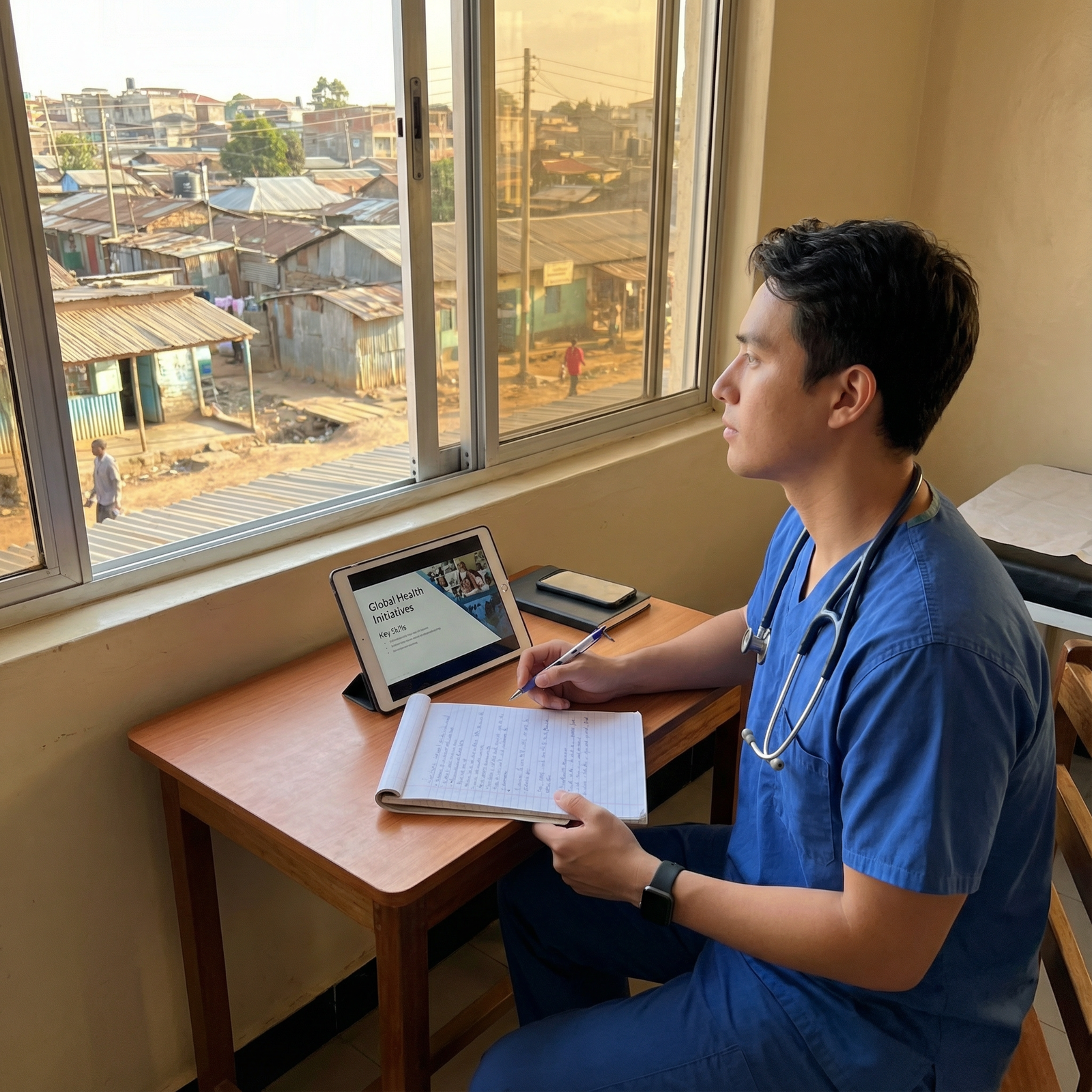
Putting It All Together: Designing Your Path in Global Health
Building a meaningful Global Health career is a long-term journey, not a single elective or short-term mission. The five skill domains—Cultural Competency, Analytical Skills, Communication Skills, Interdisciplinary Collaboration, and Adaptability/Resilience—are mutually reinforcing:
- Cultural Competency improves how you communicate and collaborate.
- Analytical Skills strengthen your advocacy and program design.
- Communication Skills help translate data and context into action.
- Interdisciplinary Collaboration broadens your impact and perspective.
- Adaptability and Resilience sustain you through complex challenges.
Practical Next Steps for Medical Students and Residents
Clarify Your Interests and Values
- Are you drawn to infectious diseases, maternal and child health, mental health, health systems, or climate and health?
- Do you prefer direct clinical care, research, policy, or program management?
Map Training Opportunities to Skill Development
- Choose electives, fellowships, or degrees (MPH, MSc Global Health) that intentionally build the five skill domains.
- Look for programs with strong local partnerships and ethical engagement frameworks.
Find Mentors and Role Models in Global Health Careers
- Identify faculty involved in global health research or programs and request informational meetings.
- Ask how they developed their skills, what they would do differently, and which opportunities they recommend.
Commit to Ethical, Long-Term Engagement
- Prioritize partnerships that center local leadership and capacity building.
- Be wary of short-term experiences that offer you more benefit than the host community.
- Learn the principles of decolonizing global health and apply them in your work.
By intentionally cultivating these competencies, you can contribute to sustainable, equitable change—whether your work is primarily clinical, research-focused, policy-oriented, or programmatic.
FAQ: Building a Career and Skill Set in Global Health
Q1: What are common job roles in Global Health for medical graduates?
Common roles include:
- Clinical global health fellow (often combining specialty training with overseas work)
- Public health officer or epidemiologist in ministries of health or WHO offices
- Global health program manager for NGOs or academic institutions
- Health policy analyst focusing on universal health coverage or health financing
- Implementation scientist or researcher on global health interventions
- Consultant for international agencies on topics like maternal health, NCDs, or health systems strengthening
Many clinicians combine domestic practice with part-time global health work, research, or teaching.
Q2: How can I gain relevant experience during medical school or residency?
- Join a university-based global health track, certificate, or scholarly concentration.
- Participate in ethically structured international electives with strong local partnerships.
- Work on research or quality improvement projects addressing global or local health disparities.
- Volunteer in clinics serving refugees, migrants, or underserved populations.
- Attend global health conferences, webinars, and journal clubs to build knowledge and networks.
Q3: What educational pathways are helpful for Global Health careers?
While there is no single “required” pathway, common options include:
- MD/DO plus an MPH (Master of Public Health), MSc Global Health, or similar degree.
- Residency or fellowship programs with a dedicated global health track or field experiences.
- PhD or DrPH in epidemiology, health systems, or implementation science for research-focused careers.
Regardless of degree, prioritize programs that emphasize Cultural Competency, Analytical Skills, Communication Skills, and Interdisciplinary Collaboration, and that partner meaningfully with institutions in low- and middle-income countries.
Q4: How can I stay informed about Global Health trends and opportunities?
- Follow major organizations (WHO, UNICEF, CDC, World Bank, MSF, USAID) and subscribe to their newsletters.
- Read key journals (The Lancet Global Health, BMJ Global Health, PLOS Global Public Health).
- Join professional networks and societies focused on global health or your clinical specialty’s global arm.
- Use curated email lists and social media accounts of reputable global health groups to track fellowships, jobs, and grants.
Q5: Are there certifications or short courses that strengthen my Global Health profile?
Yes. Consider:
- Certified in Public Health (CPH) credential for those with public health training.
- Short courses in tropical medicine, humanitarian response, outbreak investigation, or health informatics.
- Online global health courses (e.g., implementation science, health systems, global surgery, climate and health) from accredited universities.
Choose programs that provide practical skills, mentorship, and opportunities to apply learning in real-world settings rather than focusing solely on certificates.
By strategically developing these five essential competencies and aligning your training with your values, you can build a Global Health career that is not only personally fulfilling but also genuinely beneficial to the communities you aim to serve.


