Introduction: Starting Your Journey in Global Health
Global Health has become an essential part of modern medical practice and training. Whether you are a medical student, resident, or early-career clinician, you are likely encountering opportunities to engage with health issues that cross borders—geographic, cultural, and socioeconomic. From pandemic preparedness to strengthening Health Systems and addressing non-communicable diseases, Global Health work can be deeply rewarding, but it also comes with unique ethical, practical, and emotional challenges.
For newcomers, the learning curve can feel steep: unfamiliar Health Systems, different standards of care, language barriers, funding uncertainties, and the constant question of Sustainability. How do you ensure your work is ethical, impactful, and respectful of the local context? How do you avoid unintentional harm?
This guide expands on the core challenges of Global Health work and offers practical, actionable strategies to help you navigate them. It emphasizes Cultural Competence, Community Engagement, sustainability, and professional development—key pillars for a responsible and effective Global Health career.
Why Global Health Work Matters for Trainees and Early-Career Clinicians
Global Health is not just “medicine abroad.” It is a field that focuses on improving health equity, strengthening Health Systems, and addressing the structural and social determinants of health across and within countries. Many of the same issues seen in low-resource international settings are mirrored in underserved communities domestically.
Key Focus Areas in Global Health
- Infectious diseases: HIV, TB, malaria, emerging infections (e.g., Ebola, COVID‑19, Mpox).
- Maternal, newborn, and child health: Reducing preventable mortality and morbidity.
- Non-communicable diseases: Hypertension, diabetes, mental health, cancer care in resource-limited settings.
- Health systems strengthening: Workforce development, supply chains, primary care, and referral systems.
- Climate and environmental health: Vector-borne diseases, heat stress, disasters, and forced migration.
Global Health requires collaboration across disciplines—medicine, public health, nursing, social sciences, policy, and engineering. For trainees, it offers:
- Exposure to different models of care and Health Systems.
- A deeper understanding of health inequities and social determinants.
- Opportunities to strengthen leadership, adaptability, and ethical reasoning.
- Perspective that enhances your clinical practice anywhere in the world.
However, to contribute responsibly, you must understand the common pitfalls and challenges—and how to address them.
Core Challenges in Global Health Work for Newcomers
1. Cultural Differences and the Need for Cultural Competence
Cultural differences shape how people understand illness, make decisions, and engage with Health Systems. Without strong Cultural Competence, even well-designed interventions can fail or cause harm.
Common cultural challenges include:
- Different beliefs about disease causation (spiritual, environmental, social).
- Varying gender roles affecting who can seek care or make health decisions.
- Stigma around certain conditions (e.g., HIV, mental illness, reproductive health).
- Traditional healers or parallel systems of care that may conflict—or collaborate—with biomedicine.
If you arrive with rigid assumptions or try to impose external solutions, you risk undermining trust and effectiveness.
Practical strategies:
- Approach every interaction with humility and curiosity rather than certainty.
- Ask open-ended questions like, “How is this illness usually understood or treated in your community?”
- Recognize you are a guest in the Health System and the community—not the “hero” or “fixer.”
2. Limited Health System Capacity and Infrastructure
Many Global Health settings function under severe constraints:
- Shortages of trained clinicians, nurses, and allied health workers.
- Limited diagnostic tools (e.g., no CT, restricted lab testing).
- Unreliable supply chains for medications and equipment.
- Inconsistent electricity, internet, or clean water.
- Overwhelming patient volume and limited referral options.
This reality demands clinical flexibility and ethical reflection. What is standard of care in a high-resource setting may be impossible elsewhere. You must learn to think in terms of health system strengthening and long-term capacity, not just individual encounters.
Key mindset shifts:
- Move from “how can I provide the best care in this one moment?” to “how can we improve the system’s ability to provide care for many patients over time?”
- Recognize that local clinicians are experts in practicing within constraints. Listen first, adapt second.
3. Communication Barriers and Power Dynamics
Communication challenges go beyond language:
- Use of medical jargon that doesn’t translate well.
- Non-verbal communication differences (eye contact, touch, body language).
- Power dynamics between visiting clinicians and local providers, trainees, or patients.
Even with interpreters, nuances of meaning can be lost. Miscommunication may lead to errors, mistrust, or unintended offense.
Potential pitfalls:
- Assuming understanding because someone nods or remains silent.
- Giving complex instructions without checking comprehension.
- Failing to recognize that patients or trainees may be reluctant to challenge or question a foreign “expert.”
4. Funding, Resource Allocation, and Ethical Tensions
Funding in Global Health is often fragmented and disease-specific. Newcomers may encounter:
- Projects limited to “vertical” programs (e.g., HIV, TB) while primary care and mental health remain underfunded.
- Donor priorities that do not fully match community needs.
- Short-term grants that pressure teams to show rapid results, sometimes at the expense of Sustainability or integration.
Ethical tensions can arise when:
- There is pressure to prioritize “measurable outcomes” over complex, upstream determinants.
- Programs provide services that cannot be continued locally once funding ends.
- Resources may unintentionally be diverted away from local priorities.
Understanding the funding landscape—and your role within it—is crucial for responsible Global Health work.
5. Ensuring Sustainability and Avoiding “Short-Termism”
One of the most persistent challenges is Sustainability. Many Global Health programs:
- Rely heavily on external staff and funding.
- Provide services or technologies that are not locally maintainable.
- Fail to fully integrate into existing Health Systems.
- End abruptly, leaving gaps in care and disillusionment.
From the outset, your question should not be “what can we do this month?” but “what will still be functioning and locally led five years from now?”
6. Evolving Health Threats and the Need for Agility
The COVID‑19 pandemic, Ebola outbreaks, climate-related disasters, and conflict-related crises have underscored how quickly Global Health priorities can shift. Newcomers must be prepared for:
- Rapid changes in travel, safety, and program focus.
- New guidelines and protocols, often with incomplete evidence.
- Moral distress when resources cannot meet all needs.
Agility, ongoing learning, and strong local partnerships are critical to respond effectively.
Practical Tips for Newcomers to Global Health Work
1. Deepen Your Cultural Competence Intentionally
Cultural Competence is not a box to check; it is a continuous process of learning, reflection, and adaptation.
a. Prepare Before You Arrive
- Do background reading on the country’s history, politics, religions, and health indicators.
- Learn about previous Global Health initiatives in the region—successful and unsuccessful.
- Familiarize yourself with local health priorities as defined by national plans, not just external donors.
b. Listen to Community Voices
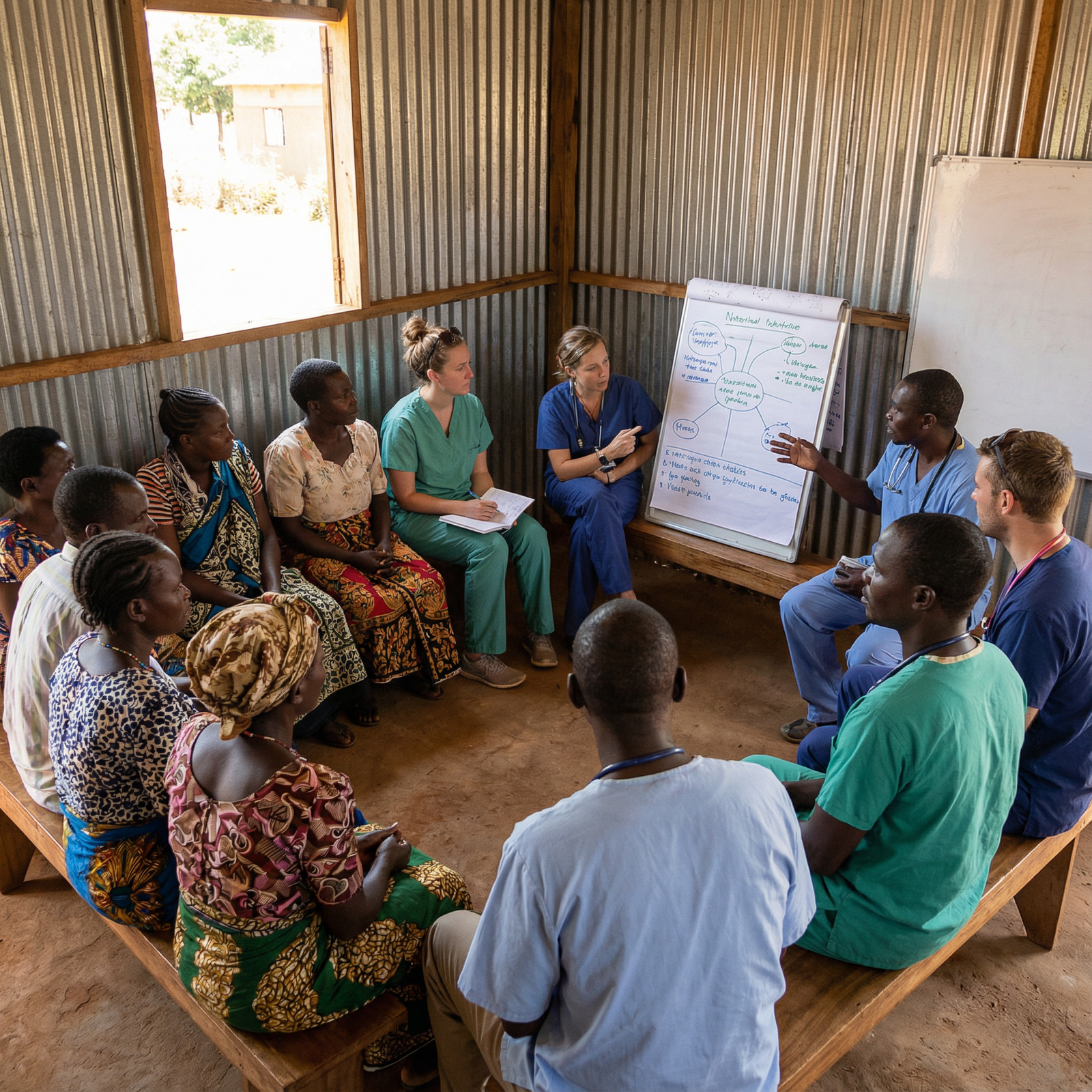
- Schedule time to meet community leaders, local clinicians, nurses, and community health workers.
- Ask what they see as their community’s top health challenges—and what solutions have worked or failed in the past.
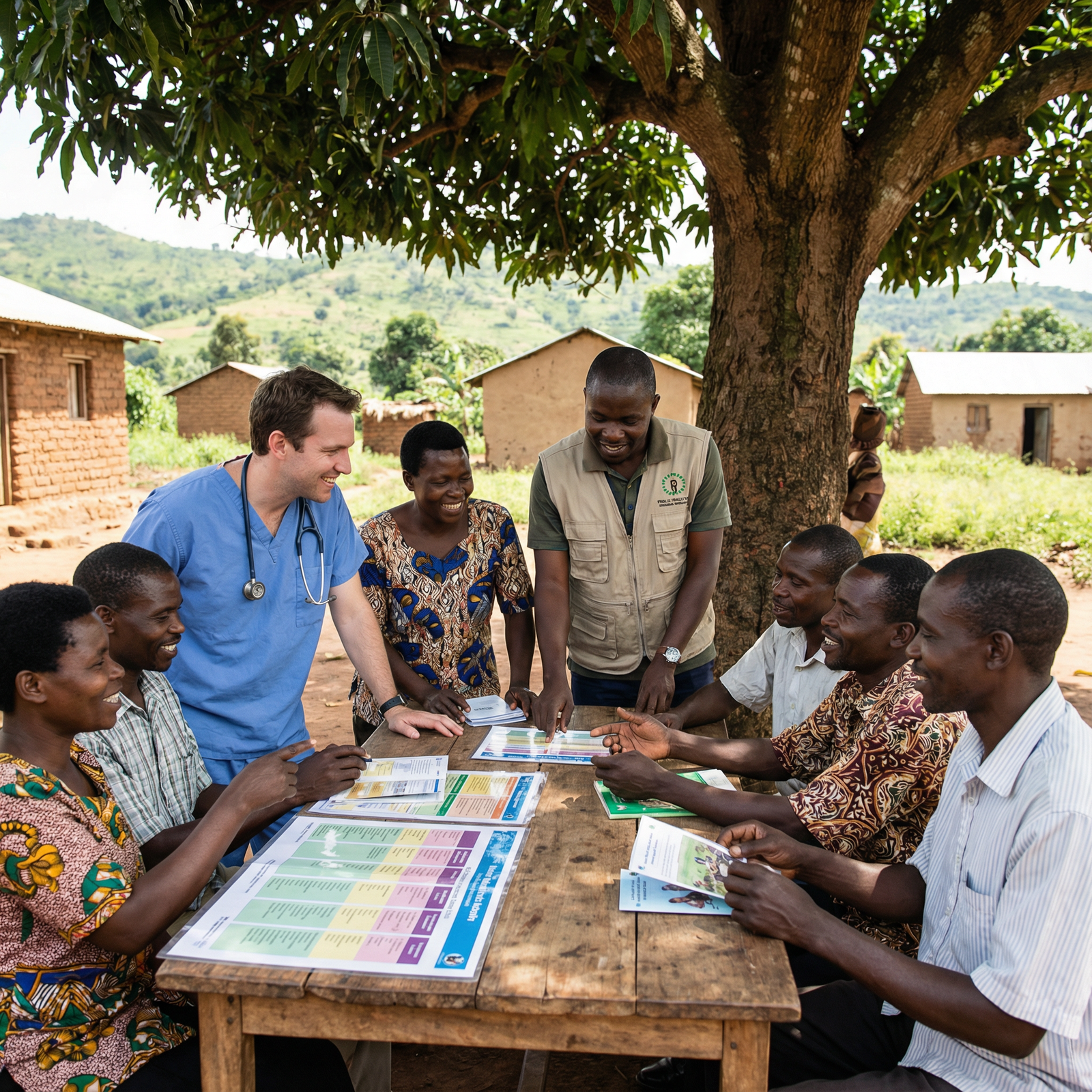
- Involve patients, families, and community advisory groups in planning and evaluation. This is central to genuine Community Engagement.
c. Reflect on Your Own Biases
- Consider how your training, culture, and privilege influence how you see patients and colleagues.
- Seek feedback from local partners—and be genuinely open to critique.
- Use debrief sessions or reflective writing to process your experiences and identify blind spots.
2. Learn the Local Health System From the Inside Out
To be effective, you need to understand how the Health System actually functions—on paper and in practice.
a. Conduct a Structured Needs and Systems Assessment
- Map the care pathway: Where do patients first present? How are they referred? What are the points of delay or dropout?
- Identify human resources: Who does what? What are training backgrounds and scopes of practice?
- Explore supply chains: Which medications and tests are consistently available? Which are unreliable?
- Ask about data systems: How is information recorded, reported, and used for decision-making?
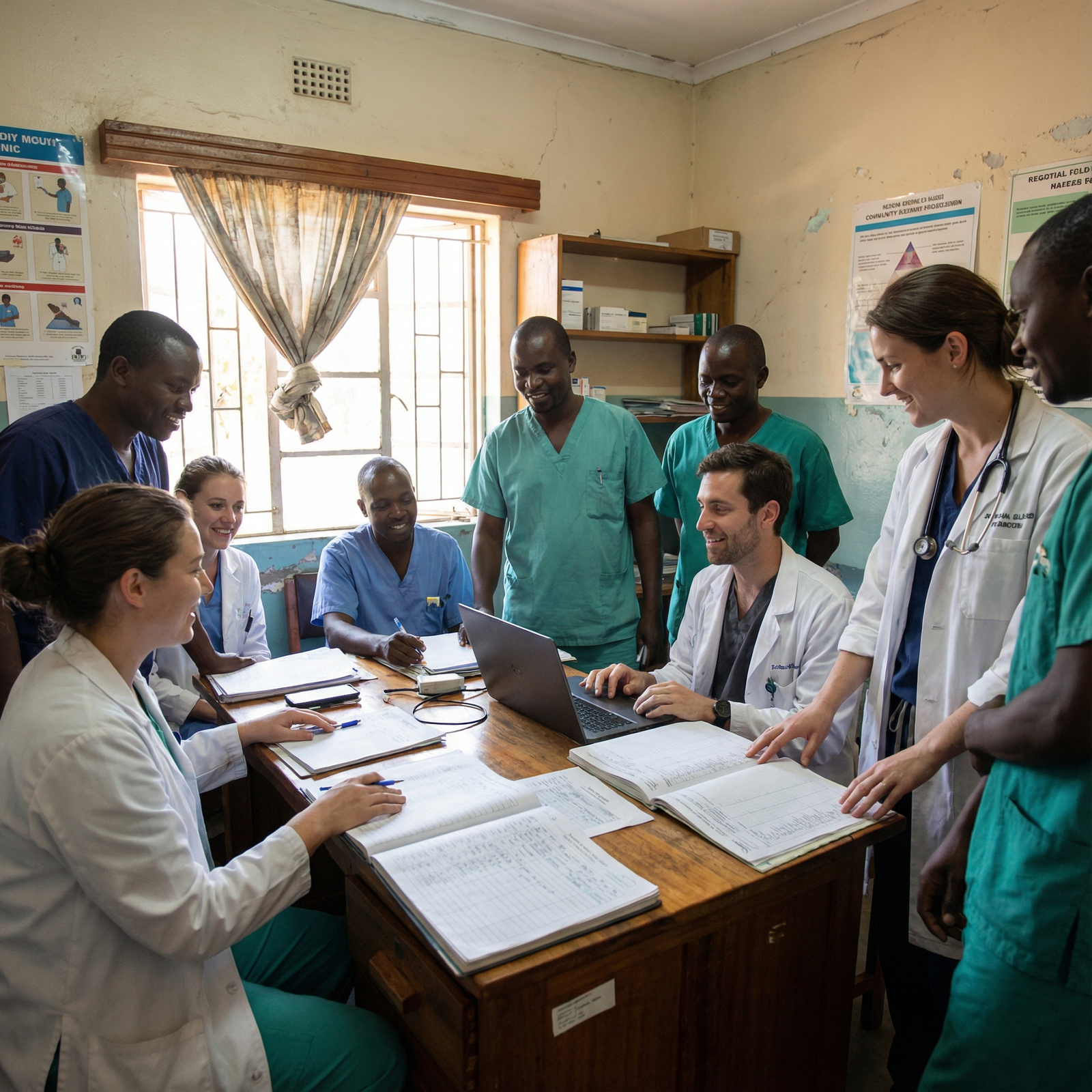
Partner with local colleagues to collect and interpret this information. Avoid “parachute assessments” done solely by visitors.
b. Build on Existing Strengths
- Recognize and amplify what is already working—task shifting, community health worker networks, local innovations.
- Align your activities with national guidelines and local priorities rather than creating parallel systems.
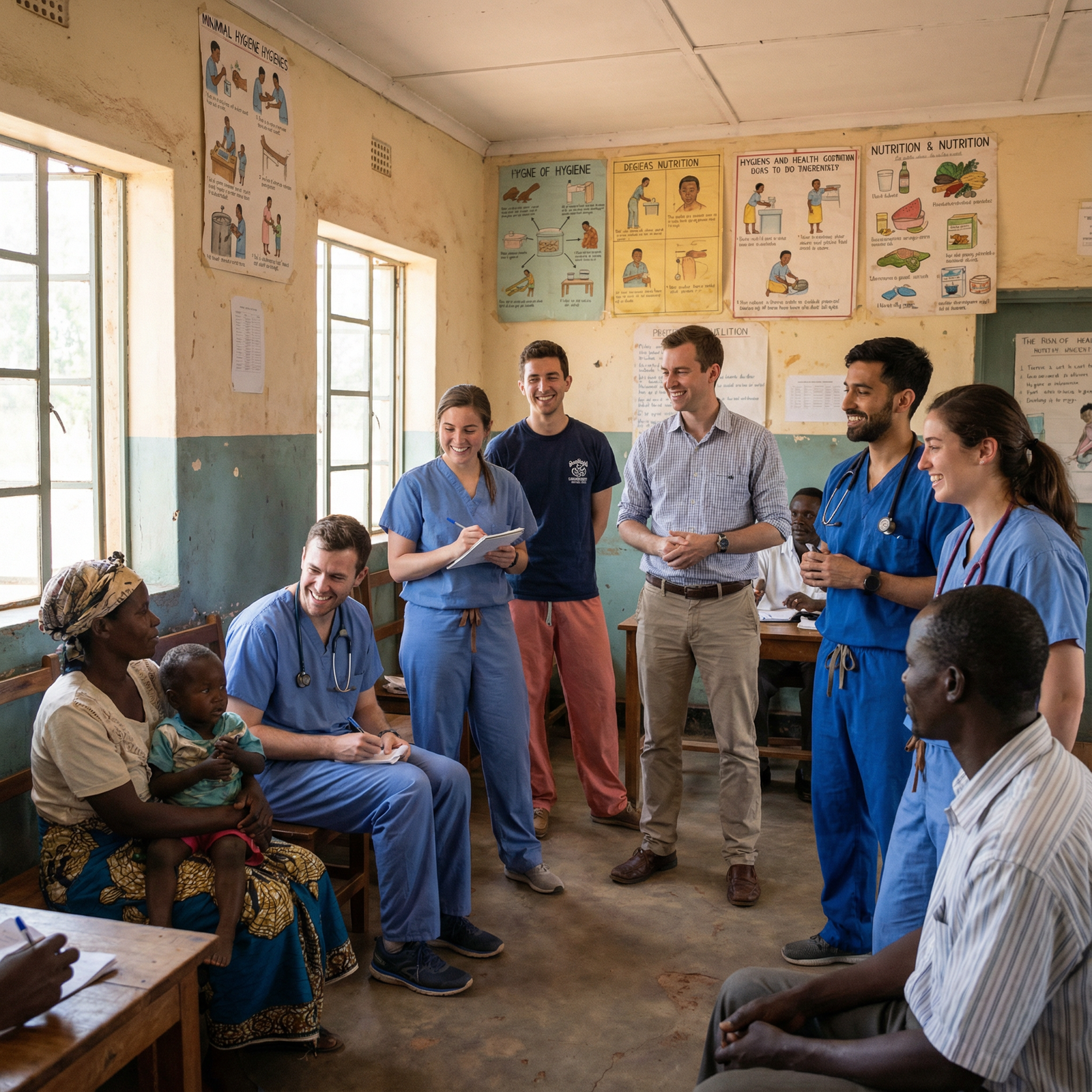
- When offering training, integrate it into existing structures (e.g., CME programs, nursing schools, residency curricula).
3. Strengthen Your Communication Skills Across Languages and Cultures
a. Invest in Language Learning and Quality Interpretation
- Learn key phrases in the local language, especially greetings and basic clinical questions.
- Whenever possible, use trained medical interpreters, not just bilingual staff pulled from other roles.
- Brief interpreters before sensitive conversations (e.g., bad news, reproductive health) and debrief afterward to address misunderstandings.
b. Use Clear, Patient-Centered Communication
- Avoid idioms, acronyms, and complex technical language when speaking to patients or non-medical community members.
- Use visual aids, demonstrations, and stories that resonate with local experiences.
- Check understanding with open-ended questions: “Can you tell me in your own words how you will take this medicine?”
c. Manage Power Dynamics
- Invite local trainees and clinicians to ask questions or disagree with you—and show that you welcome it.
- When presenting at meetings, share authorship and speaking roles with local collaborators.
- Acknowledge uncertainties and limitations instead of projecting false confidence.
4. Be Strategic and Ethical About Funding and Resources
a. Diversify and Align Funding
- Encourage partnerships that include local institutions as equal or lead applicants on grants.
- Seek funding that allows for system-wide or cross-cutting interventions (e.g., strengthening primary care, labs, or health information systems).
- Explore local or regional funding sources, not just high-income country donors, to promote ownership.
b. Demonstrate Value Responsibly
- Collect data that matter to both communities and funders: clinical outcomes, patient satisfaction, equity metrics, and capacity-building indicators (e.g., number of local staff trained who now train others).
- Use stories and testimonials ethically—always with consent and without exploiting patient narratives.
- Be transparent about limitations, setbacks, and lessons learned; this builds credibility and supports better future investments.
5. Build Sustainability From Day One
Sustainability must be a design principle, not an afterthought.
a. Prioritize Capacity Building Over Direct Service
- Focus on training local clinicians, nurses, and community health workers to independently deliver and adapt services.
- Co-develop protocols, guidelines, and educational materials with local stakeholders in the local language.
- Structure your role so that you are working with local providers, not in place of them.
b. Monitor, Evaluate, and Adapt Collaboratively
- Set realistic, context-appropriate metrics from the outset (e.g., improved follow-up rates, increased task-shifting, strengthened supply chains).
- Use local data systems where possible, and improve them rather than creating parallel databases.
- Schedule periodic reviews with local leadership to decide what to scale up, modify, or retire.
c. Plan for Transitions
- Have a clear plan for how responsibilities and leadership will transfer to local teams over time.
- Avoid introducing equipment, medications, or technologies that cannot be maintained, repaired, or supplied locally.
- Document processes, protocols, and training materials so that work continues even with staff turnover or visiting team changes.
6. Stay Agile, Informed, and Ethically Grounded
a. Keep Up With Evolving Evidence and Policy
- Follow updates from WHO, national ministries of health, and regional professional societies.
- Subscribe to Global Health journals and listservs focused on your clinical area.
- Attend virtual or in-person Global Health conferences to stay current and build a network.
b. Prepare for Rapid Change
- Develop contingency plans with local partners (e.g., how to maintain essential services during outbreaks or political instability).
- Train in basic outbreak response principles and risk communication.
- Practice self-care and peer support strategies to manage moral distress and burnout in crisis situations.
Real-World Case Examples: Lessons for Newcomers
Case 1: The Ebola Virus Disease Response (2014–2016)
In West Africa, the Ebola outbreak revealed how deeply Cultural Competence and Community Engagement affect outbreak control. Burial practices, mistrust of authorities, and rumors about foreign health workers initially impeded containment.
What worked better:
- Collaborating with local leaders, religious figures, and traditional healers to adapt safe burial practices that still respected cultural norms.
- Recruiting and training community members as health educators and contact tracers.
- Communicating transparently about risks, protective measures, and what to expect at treatment centers.
Key takeaway for newcomers: Technical expertise is necessary but insufficient. Building trust through cultural understanding and communication is central to effective Global Health work.
Case 2: The One Million Community Health Workers Campaign
This initiative sought to scale up Community Health Workers (CHWs) across multiple low-income countries to improve access to essential services.
Success factors:
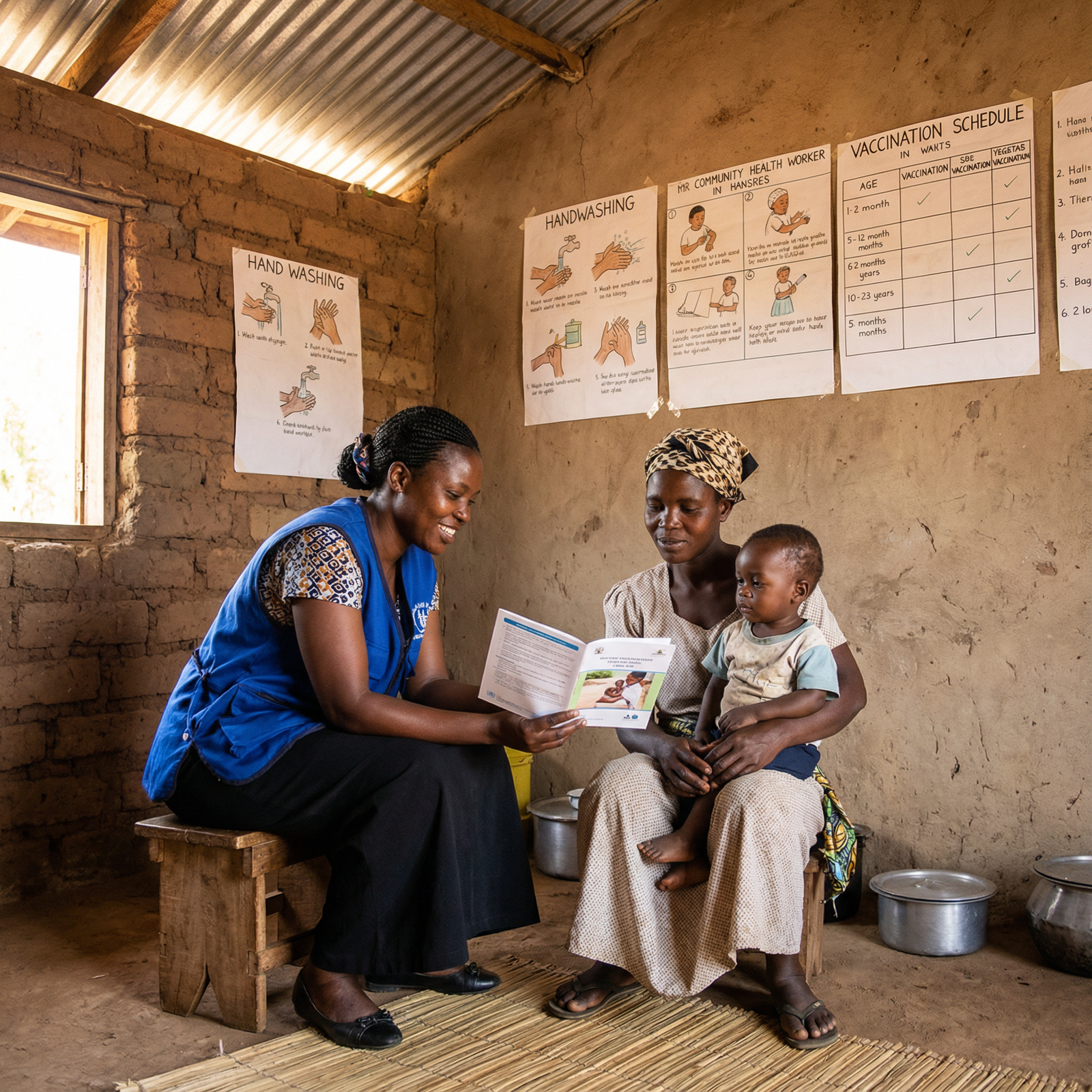
- CHWs were selected from their own communities, enhancing trust and Cultural Competence.
- Training curricula were aligned with national guidelines and integrated into Health Systems.
- CHWs provided preventive, promotive, and basic curative services, linking households to formal care.
Key takeaway: Community Engagement and alignment with national Health Systems are crucial for scale and Sustainability. As a newcomer, look for ways to support existing CHW programs rather than starting parallel structures.
Case 3: IFRC and Community Engagement in Disaster Response
The International Federation of Red Cross and Red Crescent Societies (IFRC) has developed robust approaches to community-based preparedness and response.
Effective practices:
- Involving communities in hazard mapping and risk assessment.
- Training local volunteers to lead preparedness drills and health education.
- Developing communication strategies that are linguistically and culturally tailored.
Key takeaway: Sustainable Global Health work in humanitarian settings hinges on local capacity, trust, and inclusive planning—not just short-term external interventions.

FAQs: Getting Started and Staying Grounded in Global Health
1. What background or training is most helpful for a career in Global Health?
A wide range of backgrounds can contribute meaningfully to Global Health, including:
- Medicine, nursing, midwifery, pharmacy, or allied health.
- Public health, epidemiology, or biostatistics.
- Social sciences (anthropology, sociology, economics).
- Health policy, law, or international relations.
For clinicians, combining your primary specialty (e.g., internal medicine, pediatrics, OB/GYN, psychiatry, surgery) with additional training in public health, Global Health, or Health Systems can be particularly valuable. Look for:
- MPH or Global Health certificates.
- Residency tracks or fellowships with a strong Global Health component.
- Courses in implementation science, ethics, and health equity.
Practical experience, Cultural Competence, and strong ethical grounding are just as important as formal degrees.
2. How can I find reputable Global Health organizations or opportunities?
Consider the following strategies:
- Explore established organizations such as WHO, Médecins Sans Frontières (MSF), Partners In Health, IFRC, and reputable academic Global Health partnerships.
- Talk with faculty involved in Global Health at your institution; many have long-standing collaborations.
- Attend Global Health conferences or webinars (e.g., Consortium of Universities for Global Health) and network with presenters and participants.
- When evaluating opportunities, look for:
- Long-term partnerships with local institutions.
- Clear commitment to capacity building and Sustainability.
- Ethical guidelines for trainees and visiting faculty.
- Evidence of local leadership and decision-making.
Avoid “voluntourism” programs that prioritize short-term experiences for visitors over community benefit.
3. Are there meaningful Global Health opportunities that do not require international travel?
Yes. Global Health is as much about health equity and Health Systems as it is about geography. You can:
- Work with immigrant, refugee, or marginalized communities in your own country.
- Contribute to telehealth, remote education, or research collaborations with international partners.
- Join advocacy efforts focused on climate change, pandemic preparedness, or access to essential medicines.
- Support data analysis, protocol development, or curriculum design for partners abroad.
These experiences build relevant skills in Cultural Competence, Community Engagement, and system-level thinking, often with lower cost and carbon footprint.
4. How important are language skills in Global Health work?
Language skills can significantly enhance your effectiveness and relationships:
- They improve trust and rapport with patients and colleagues.
- They reduce reliance on interpreters and the risk of miscommunication.
- They demonstrate respect and commitment to the local context.
However, you do not need to be fluent to contribute meaningfully. Start with:
- Learning basic greetings and clinical phrases.
- Using trained interpreters whenever possible.
- Being patient and humble about your limitations.
If you plan multiple trips or long-term work in a specific region, investing in more intensive language training is highly worthwhile.
5. What ethical considerations should I keep in mind as a newcomer to Global Health?
Key ethical principles include:
- Do no harm: Do not perform clinical tasks beyond your training or without appropriate supervision and local authorization.
- Respect local expertise: Local clinicians and communities are the primary experts on their context. Your role is to support, not override.
- Prioritize Sustainability: Avoid interventions that cannot be maintained locally once you leave.
- Ensure fair authorship and credit: Share recognition with local partners in publications, presentations, and reports.
- Protect patient dignity: Obtain informed consent for photos, stories, and case reports; avoid exploiting patients or communities for social media or marketing.
Seek mentorship from experienced Global Health practitioners, and make space for ongoing ethical reflection—individually, with peers, and with local collaborators.
For those interested in deepening their understanding of Global Health, consider exploring related topics such as how research impacts patient care and how different training environments influence your ability to work in diverse Health Systems and communities.
As you step into Global Health work, remember: sustainable change is built through humility, partnership, and a long-term commitment to equity. Every thoughtful effort—no matter how small it seems at first—can contribute to stronger systems, healthier communities, and a more just global health landscape.