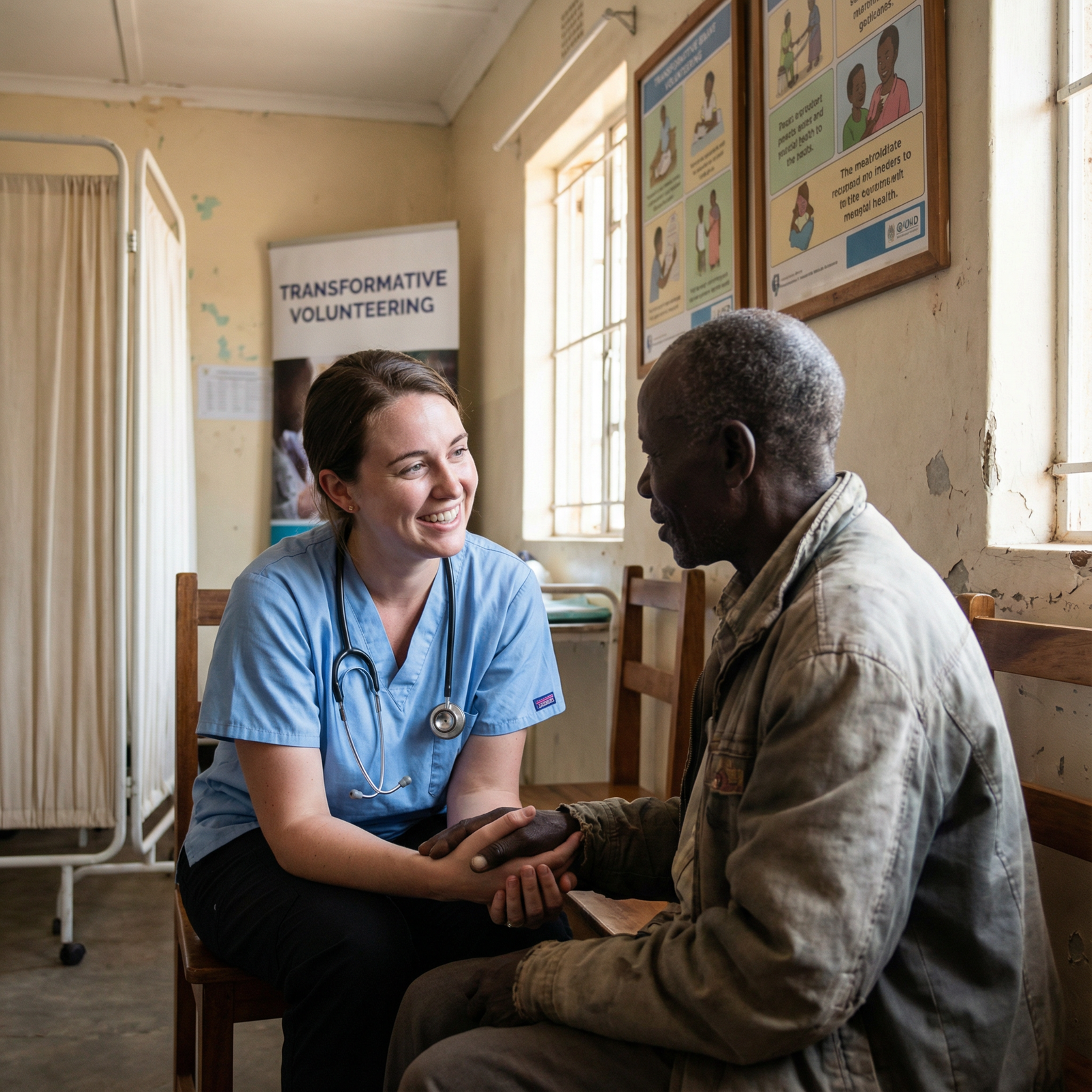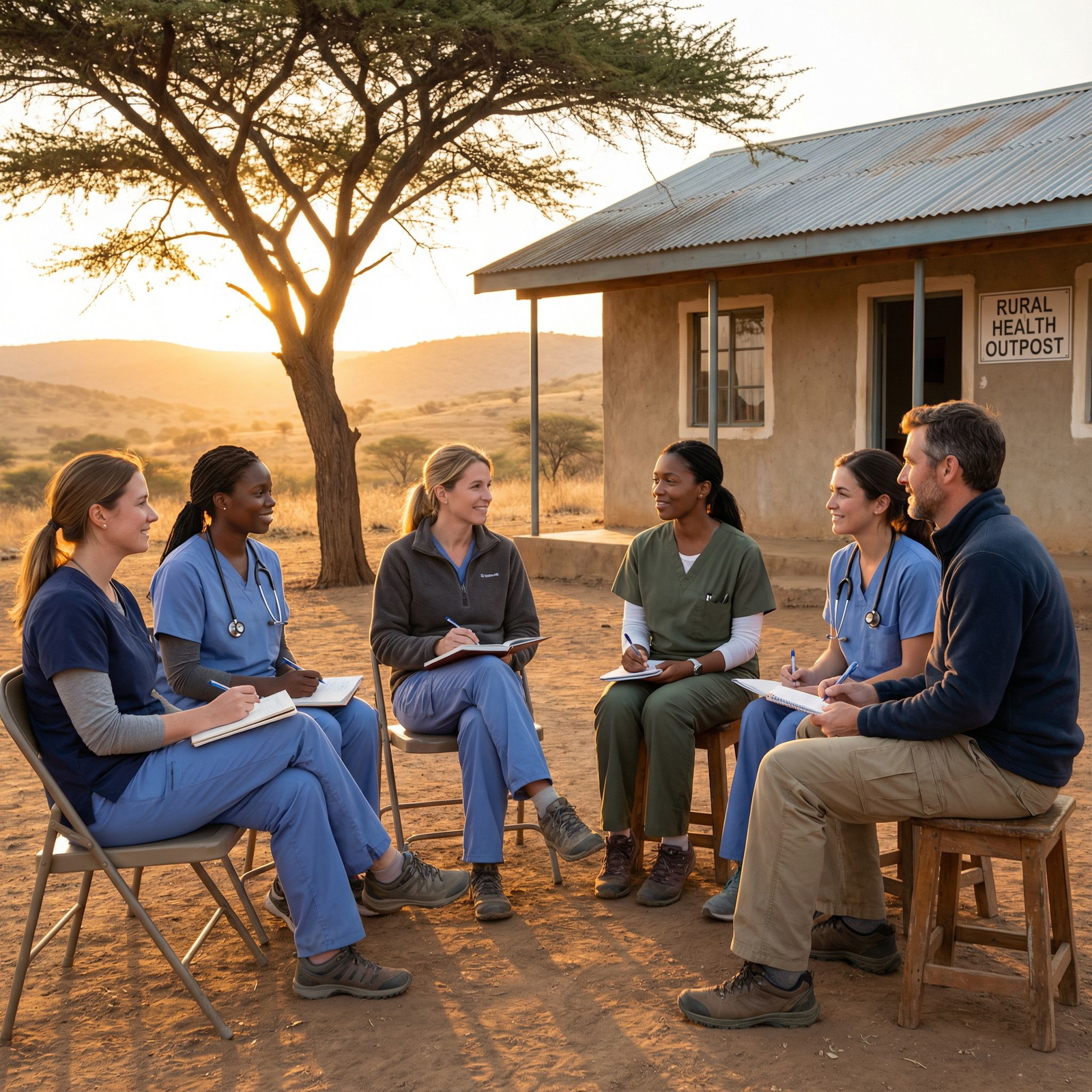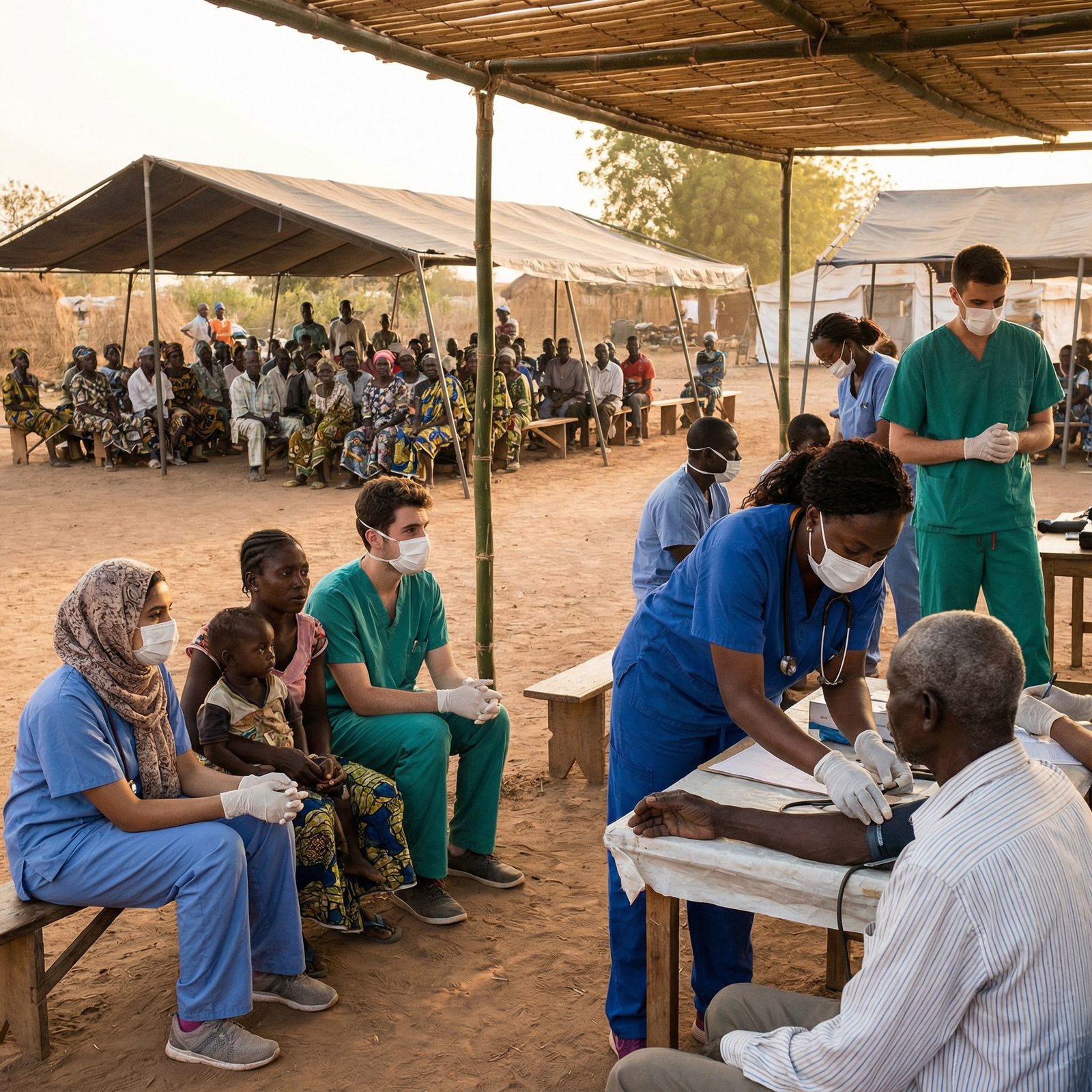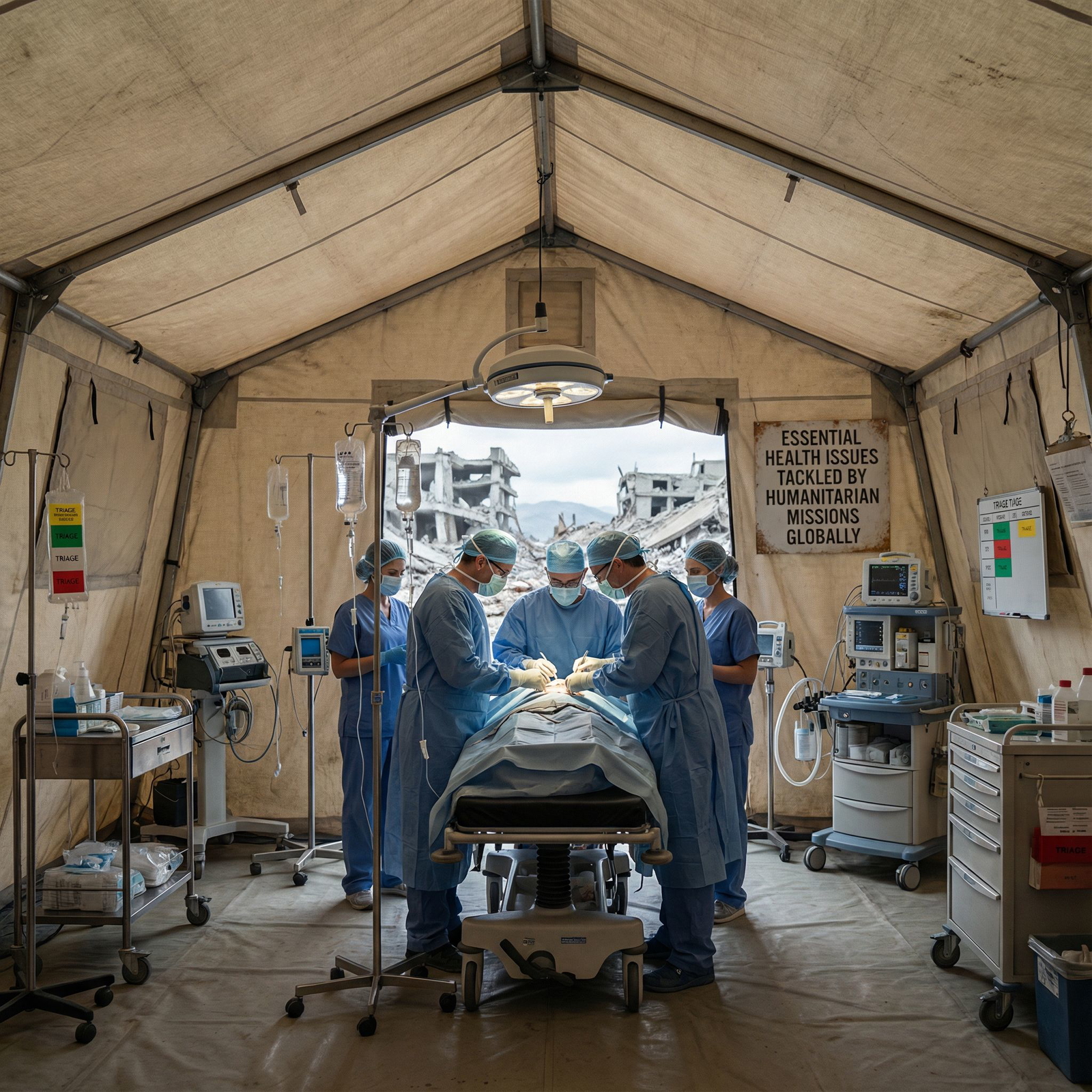
Introduction: Technology as a Catalyst in Modern Global Health Missions
Technology is reshaping how global health missions are planned, delivered, and evaluated. From remote telemedicine consults during humanitarian crises to Artificial Intelligence (AI)–driven diagnostics in rural clinics, digital tools now sit at the heart of many successful interventions.
Global health teams today face complex, overlapping challenges: emerging infectious diseases, non-communicable disease burdens, migration and displacement, conflict, and the health impacts of climate change. At the same time, health systems in low‑ and middle‑income countries often operate with limited workforce, infrastructure, and funding. Against this backdrop, technology offers practical, scalable ways to extend care, generate high‑quality data, and support ethical, patient‑centered decision-making.
This enhanced overview explores how key technologies—Telemedicine, Mobile Health (mHealth), Electronic Health Records (EHR), Data Analytics, and Artificial Intelligence—are transforming global health missions. It also addresses the ethical implications and practical challenges for medical students and residents interested in global health, and provides examples you can learn from or participate in.
Telemedicine in Global Health: Extending Care Across Distance
Telemedicine—delivering clinical care at a distance via digital communication—has evolved from an experimental concept to a core component of many Global Health programs.
Enhancing Access to Quality Care
In remote or fragile settings, specialist care may be hundreds of kilometers away. Telemedicine helps bridge that gap, enabling timely diagnosis, triage, and consultation where none previously existed.
Key benefits for global health missions:
- Specialist support in real time: Rural clinicians can share clinical details, images, and test results with specialists elsewhere for joint decision-making.
- Continuity for chronic diseases: Patients with HIV, diabetes, hypertension, or mental health conditions can receive follow-up care without repeated long-distance travel.
- Emergency triage: During outbreaks or disasters, tele-triage platforms help prioritize transport and lifesaving interventions.
Real-world example: African TeleHealth Initiative (expanded)
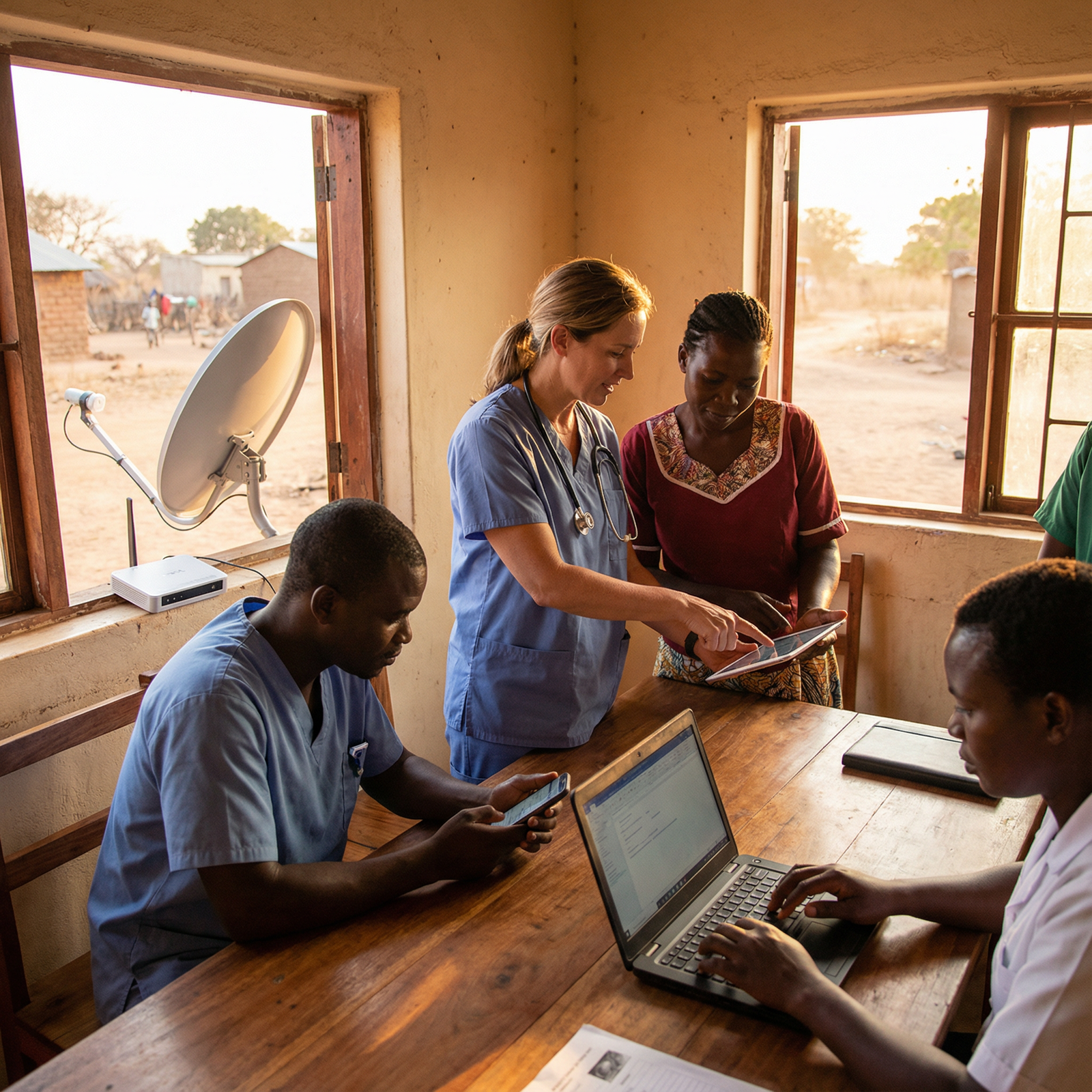
Programs across sub-Saharan Africa link district hospitals and rural health centers to urban referral centers via secure video conferencing and messaging platforms. For instance:
- Maternal-fetal medicine specialists review ultrasound images from remote clinics, guiding the management of high-risk pregnancies.
- Pediatric cardiologists interpret echocardiograms transmitted from regional hospitals, guiding decisions about transfer and surgery.
- Local teams gain ongoing mentorship, upskilling over time rather than depending solely on visiting missions.
This model not only improves immediate patient outcomes but also promotes capacity-building—an ethical cornerstone of sustainable global health work.
Cost-Effective, Scalable Solutions
Telemedicine is often more cost-effective than traditional referral models, especially where transport is challenging and expensive.
Cost and efficiency advantages:
- Reduced travel costs for patients and families (transport, lodging, lost wages).
- Optimized use of specialists, who can support multiple sites without leaving the hub hospital.
- Lower infrastructure requirements than building fully staffed specialist units in every rural area.
For global health organizations and NGOs, integrating telemedicine into mission design can reduce reliance on short-term, fly-in missions and support more continuous, context-sensitive care.
Ethical and Practical Considerations for Trainees
For medical students and residents participating in telehealth-based missions:
- Scope of practice: Ensure supervision and clear protocols when providing remote advice across borders.
- Licensing and regulation: Understand legal requirements for cross-border teleconsultations.
- Cultural competence: Tailor communication to local languages and cultural norms, often via trusted local partners or interpreters.
- Digital professionalism: Maintain the same standards for consent, privacy, and documentation as in face-to-face care.
Mobile Health (mHealth) Innovations: Care and Education in Every Pocket
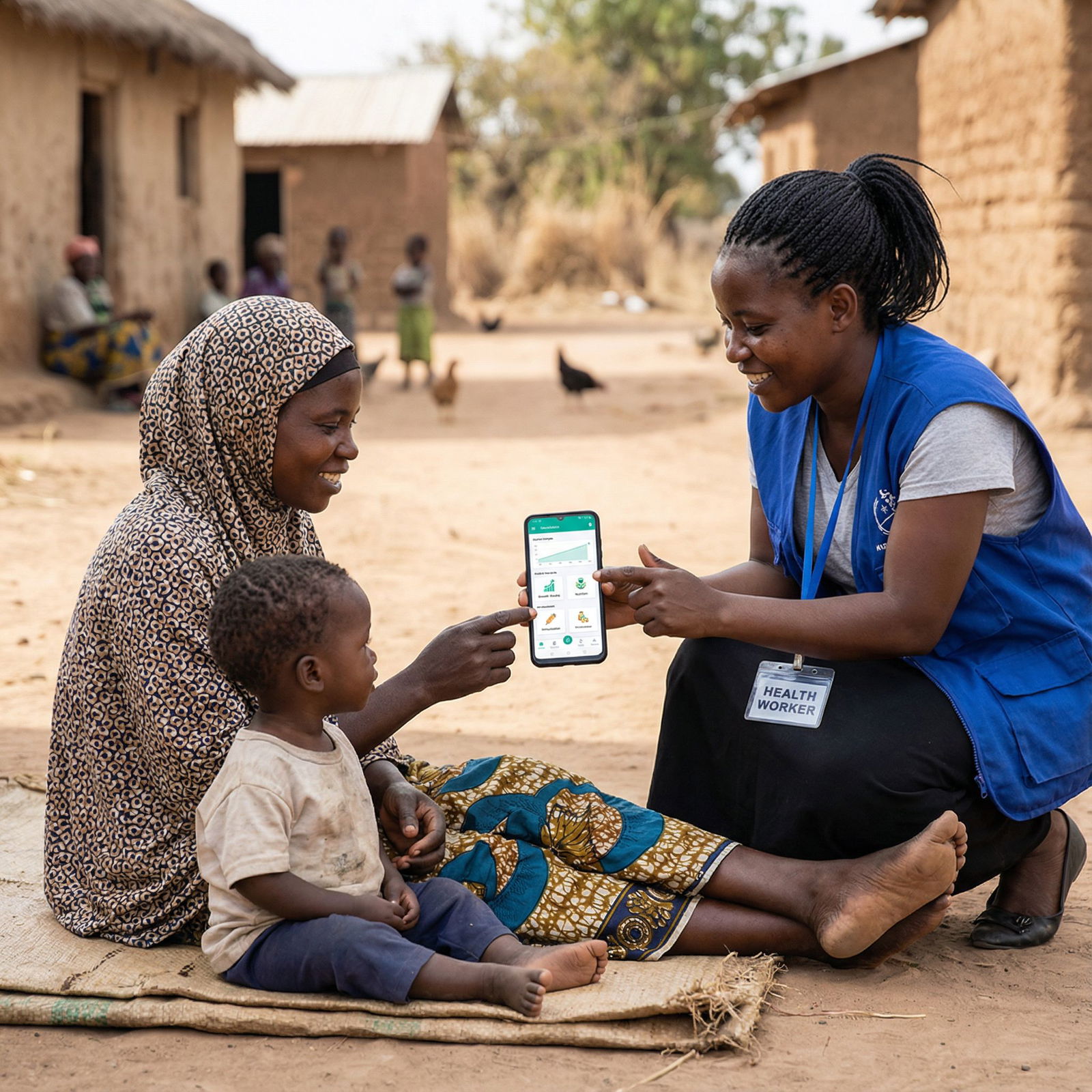
Mobile Health, or mHealth, uses mobile phones, tablets, and wearable devices to deliver health information and services. With mobile phone penetration high even in low-resource settings, mHealth has become one of the most impactful tools in Global Health.
Health Education, Behavior Change, and Empowerment
A core strength of mHealth is its ability to deliver consistent, culturally adapted health education at scale.
Common mHealth strategies:
- SMS campaigns for vaccination reminders, antenatal care visits, or medication adherence.
- Interactive voice response (IVR) systems for low-literacy populations.
- Smartphone apps providing visual counseling tools for community health workers.
- Chat-based counseling for mental health, sexual and reproductive health, and chronic disease self-management.
Example: Mobile tools for family planning
In India and other countries, SMS-based calculators and simple mobile apps:
- Remind women when to take oral contraceptives.
- Explain different contraceptive methods in local languages.
- Correct myths around side effects and fertility.
- Direct users to nearby health facilities for long-acting methods.
For trainees, participating in such programs offers a chance to see how tailored health literacy interventions can improve autonomy and shared decision-making—core aspects of ethical care.
mHealth for Disease Surveillance and Outbreak Response
mHealth has become essential for rapid data collection and real-time surveillance, especially in fragile settings.
Functional roles:
- Case reporting: Health workers submit standardized digital forms from remote clinics via smartphone apps.
- GIS mapping: Reported cases are geo-tagged to visualize spread and hotspots.
- Supply chain monitoring: Stock levels for essential medicines and vaccines can be updated in real time.
- Community alerts: SMS and app notifications disseminate outbreak warnings and protective measures.
Case Study: mHealth during the West Africa Ebola outbreak
- Frontline workers used simple mobile forms to record suspected and confirmed Ebola cases.
- Data synced to central servers whenever network was available, feeding real-time dashboards for decision-makers.
- SMS campaigns informed communities about safe burial practices, early symptom recognition, and where to seek care.
These tools helped reduce reporting delays, guided resource allocation (isolation units, PPE, staff), and supported more targeted public health messaging.
Practical Tips for Global Health Learners Engaging in mHealth
- Learn basic principles of user-centered design: Understand how end-users (often community health workers) will realistically use and maintain the technology.
- Consider literacy and language: Ensure content is locally understandable and accessible.
- Plan for offline use: Many settings have intermittent connectivity; apps must function offline with sync capabilities.
- Address ethics and privacy: Clearly explain what data is collected, how it will be used, and how confidentiality is protected.
Electronic Health Records (EHR): Strengthening Systems and Continuity of Care
While EHR systems are well established in high-income countries, they are increasingly critical in Global Health contexts, particularly where patients frequently move between sites or levels of care.
Data Management and System-Level Insight
Digital records improve the accuracy and completeness of patient data, support continuity of care, and generate population-level information.
System-wide benefits:
- Reliable patient histories: Fewer lost paper charts and less duplication of tests.
- Integrated care pathways: HIV, TB, maternal health, and NCD care can be coordinated in a single record.
- Quality improvement: Aggregated data identify gaps in screening, follow-up rates, and treatment adherence.
- Policy planning: Ministries of Health can track disease trends and service utilization to guide resource allocation.
Example: WHO Global Health Observatory (GHO)
By harmonizing data from EHRs, surveys, registries, and surveillance systems, the GHO:
- Monitors global targets (e.g., maternal mortality, vaccination coverage).
- Helps countries benchmark themselves against regional peers.
- Guides international investments and technical assistance.
For medical trainees, learning to interpret and critically appraise such aggregated data is an essential global health competency.
EHRs for Continuity in Vulnerable Populations
In humanitarian settings and migrant populations, continuity of care is often fragmented. EHRs can help mitigate this.
Case Study: EHR integration in Kenyan primary care (INHEALTH model)
- Clinics introduced a low-bandwidth EHR platform with unique patient identifiers.
- Prior visits, lab results, and medication histories became accessible across multiple clinics.
- ART adherence, TB treatment completion, and NCD management improved because providers could see complete care histories.
For clinicians in training, working with such systems:
- Reinforces the value of good documentation and follow-up.
- Highlights how technology can support equity by preventing “lost” patients.
- Raises ethical questions around data ownership and cross-border data sharing when patients migrate.
Data Analytics and Decision-Making: Turning Information into Impact
Data Analytics underpins evidence-based Global Health. With growing digital data from telemedicine, mHealth, and EHRs, the challenge shifts from data scarcity to using data wisely and ethically.
Enhanced Decision Support for Programs and Policy
Modern Global Health relies on analyzing large, complex datasets to prioritize interventions and measure impact.
Core applications:
- Burden of disease estimation: Identifying which conditions cause the greatest loss of life and disability.
- Cost-effectiveness analysis: Determining which interventions yield the best health outcomes per dollar spent.
- Targeting interventions: Identifying high-risk groups by geography, age, or socioeconomic status.
Example: Global Burden of Disease (GBD) Study
- Uses sophisticated statistical models to synthesize mortality, morbidity, and risk factor data from around the world.
- Helps countries understand leading causes of death and disability, often revealing the rising importance of NCDs and mental health.
- Informs national health strategies, donor priorities, and training needs.
For residencies emphasizing Global Health, familiarity with epidemiology, biostatistics, and basic data visualization is increasingly important.
Predictive Modeling and Preparedness
Predictive analytics uses historical and real-time data to anticipate future health events.
Key uses in Global Health:
- Outbreak prediction: Modeling how infectious diseases may spread under different scenarios.
- Resource forecasting: Anticipating demand for ICU beds, oxygen, or vaccines.
- Vector-borne disease control: Using climate, environmental, and population data to predict malaria, dengue, or Zika risk.
Case Study: Predictive modeling for malaria control
- Models integrated rainfall, temperature, mosquito density, and historical case data.
- Health officials identified “hotspot” villages and timed bed net distribution and indoor residual spraying before peak transmission.
- Limited resources were focused where they would save the most lives.
For trainees, participating in such work promotes a systems-level understanding of health—beyond individual patients—to population-level ethics and justice.
Artificial Intelligence in Global Health: From Diagnostics to Workforce Support
Artificial Intelligence (AI) and Machine Learning (ML) are rapidly moving from pilot projects to field-ready tools, especially where trained specialists are scarce.

Improving Diagnostic Accuracy and Speed
In many low-resource settings, radiologists, pathologists, and subspecialists are in extremely short supply. AI tools can help fill some of these gaps.
Key AI diagnostic applications:
- Radiology: Algorithms that analyze chest X-rays for TB, pneumonia, or COVID-19 features.
- Dermatology: Smartphone-based tools that classify skin lesions and identify suspicious features.
- Ophthalmology: Screening for diabetic retinopathy using portable fundus cameras plus AI.
- Pathology: Automated analysis of digital slides in remote labs.
Example: AI in TB screening
- Portable X-ray units paired with AI software can analyze images in seconds.
- Suspected TB cases are flagged for confirmatory testing, even in areas without on-site radiologists.
- Programs in Asia and Africa have demonstrated high sensitivity, enabling mass screening in high-burden communities.
For medical students and residents, these tools highlight how AI can augment, but not replace, clinical judgment, especially in complex social and ethical contexts.
Addressing Workforce Shortages and Burnout
AI can also automate repetitive administrative tasks, allowing clinicians to focus more on patient care and less on bureaucracy.
Common AI-enabled supports:
- Chatbots and virtual assistants: Provide basic triage, appointment booking, and health FAQs.
- Decision support tools: Suggest guideline-based management options, flag drug interactions, and prompt preventive care.
- Natural language processing: Transcribe and structure clinical notes, potentially easing documentation burdens.
Case Study: WHO’s AI-powered COVID-19 chatbots
- Deployed through messaging platforms (e.g., WhatsApp) in multiple languages.
- Answered millions of queries about symptoms, testing, quarantine, and vaccines.
- Helped counter misinformation and reduced pressure on hotlines and clinics.
Ethical Considerations of AI in Global Health
AI in Global Health raises significant ethical and justice questions:
- Bias and equity: Models trained on data from high-income countries may perform poorly or unfairly in other populations.
- Transparency: Black-box models challenge informed consent and trust.
- Accountability: Who is responsible when AI-driven suggestions lead to harm?
- Data governance: Ensuring that communities benefit from algorithms built using their data.
For trainees, engaging with AI offers a powerful opportunity to deepen skills in medical ethics, critical appraisal, and advocacy for fair and transparent technology use.
Challenges and Ethical Considerations in Technology-Driven Global Health Missions
Despite enormous potential, technology is not a cure-all. Poorly designed or unethical digital interventions can worsen inequities or undermine trust.
Persistent Barriers to Implementation
Infrastructure limitations
- Unreliable electricity, limited bandwidth, and fragile hardware.
- Need for low-power devices, offline functionality, and local repair capacity.
Data security and privacy
- Safeguarding sensitive health information in contexts with limited regulation.
- Implementing encryption, secure authentication, and clear consent processes.
Cultural acceptability and trust
- Concerns about remote care, data use, or AI “deciding” about treatment.
- The importance of engaging community leaders and adapting tools to local norms.
Integration with existing health systems
- Avoiding siloed pilot projects that don’t communicate with national systems.
- Aligning with national digital health strategies and standards.
Sustainability and local ownership
- Ensuring projects do not collapse when external funding ends.
- Training local teams and gradually shifting leadership and governance to local institutions.
Ethical Principles for Trainees in Tech-Enabled Global Health
When you engage in Global Health missions involving Telemedicine, mHealth, AI, or Data Analytics, consider:
- Respect for autonomy: Transparent communication about what technologies are being used and why.
- Beneficence and non-maleficence: Ensuring technologies are safe, evidence-based, and do not unintentionally exclude vulnerable groups.
- Justice: Prioritizing interventions that reduce—not widen—health disparities.
- Partnership and humility: Working with, not over, local health professionals and communities.
Integrating these principles into your practice and project design is as important as mastering the technical tools themselves.
Conclusion: Preparing Future Clinicians for a Digitally Enabled Global Health Landscape
Technology is fundamentally transforming Global Health missions—from Telemedicine and Mobile Health to Electronic Health Records, Data Analytics, and Artificial Intelligence. These tools expand access to care, support better clinical and policy decisions, and create new opportunities for collaboration across borders.
For medical students and residents, engaging with these technologies is not optional; it is increasingly core to practicing ethically and effectively in a globalized world. Building competencies in digital tools, data literacy, and ethics will equip you to:
- Design and evaluate tech-enabled interventions.
- Advocate for equitable, patient-centered deployment of new tools.
- Collaborate respectfully with local teams to strengthen health systems rather than create parallel structures.
As technology continues to evolve, the central challenge for the next generation of global health professionals will not be simply adopting new tools—but using them wisely, ethically, and in genuine partnership with the communities they are meant to serve.
Frequently Asked Questions (FAQs)
Q1: How can medical students or residents get involved in technology-based Global Health projects?
You can seek electives or research rotations with Global Health departments, NGOs, or international organizations running Telemedicine, mHealth, or data-focused projects. Look for opportunities involving digital health evaluations, EHR implementation, or AI feasibility studies. Participating in multidisciplinary teams—alongside engineers, data scientists, and public health experts—is especially valuable.
Q2: What skills should I develop if I’m interested in Global Health and technology?
Beyond clinical competence, aim to build:
- Basic data literacy (epidemiology, statistics, data visualization)
- Understanding of digital health tools (EHRs, Telemedicine platforms, mHealth apps)
- Foundations in data ethics, privacy, and AI fairness
- Cultural competence and community engagement skills
Short courses in global digital health, implementation science, or health informatics can be excellent preparation.
Q3: How does Telemedicine compare to in-person care in terms of quality and safety?
When carefully implemented with clear protocols and adequate infrastructure, Telemedicine can provide high-quality, safe care—especially for follow-up visits, chronic disease management, and triage. However, it cannot fully replace physical exams or procedures. Hybrid models that combine in-person local care with remote specialist support typically offer the best outcomes in Global Health settings.
Q4: What are the main privacy risks with mHealth and EHR systems in low-resource settings?
Risks include unauthorized access to sensitive health data, unencrypted data transmission over insecure networks, device theft, and unclear data-sharing policies. Mitigation strategies include strong authentication, encryption, role-based access, regular security training for staff, and transparent communication to patients about data use and protections.
Q5: Will Artificial Intelligence replace clinicians in low-resource settings?
AI is far more likely to augment than replace clinicians. In Global Health, AI can help compensate partially for workforce shortages, especially in tasks like screening and triage. However, it lacks the holistic judgment, contextual understanding, and ethical reasoning required for complex clinical decisions. The most effective and ethical models involve clinicians using AI as a decision-support tool within strong local care systems.
By understanding both the potential and the limitations of these technologies, you can contribute to Global Health missions that are not only innovative, but also equitable, sustainable, and deeply grounded in medical ethics.