
Picture this. Third-year medical student. Laptop open. Browser tabs: PubMed, a half-finished IRB application, three global health fellowship pages, and a Reddit thread titled "Is research required for MSF?" She has solid clinical grades, Spanish at a conversational level, two years volunteering at a free clinic, and zero publications. She closes the laptop convinced she is already behind.
That belief is wrong. And it is costing the field good people.
Academic culture sells a simple story: publish or you do not count. Residency applications amplify it. Mentors who live inside university global health centers repeat it without noticing. The result is a pipeline of talented students who stall, over-invest in low-yield papers, or abandon global health entirely because they never "qualified."
I have watched this play out repeatedly. Strong clinicians with real field experience lose confidence to classmates who published a case report no one will ever cite. That is backwards. Fix the mindset first. Then build the resume that actually opens doors.
This article is for educational purposes only. It is not financial advice, not legal advice, and not tax advice. Figures vary by individual circumstances, so consult a qualified professional before acting.
The Myth: 'I Need Published Research to Work in Global Health'
The myth thrives because academic global health and operational global health look identical from the outside. They are not.
Academic global health lives in universities, NIH grants, and conference abstracts. Publications are currency there. Operational global health lives in clinics, refugee camps, district hospitals, and NGOs that need people who can run a ward, train local staff, and stay functional when the generator fails. Those employers hire for competence under pressure. A first-author paper does not prove that.
Many professionals who now lead programs for Partners In Health, MSF, IRC, and national ministries of health started with empty PubMed pages. What they had instead: clinical reliability, language skills, cultural humility, and documented time with underserved patients. The publication obsession is a filter invented by academic admissions culture and then misapplied to an entire field.
This myth does real damage. It pushes students into rushed, poorly mentored projects that consume nights better spent in language classes or free clinics. It creates imposter syndrome in people who already demonstrate the values global health claims to prize. And it quietly selects for students with research infrastructure access rather than students with the grit and adaptability the work demands.
Stop treating a blank research section as a disqualifier. Treat it as neutral data. Then build what employers actually rank higher.
What Global Health Organizations Actually Require
Hiring in operational global health is competency-based. Period. Publications sit near the bottom of most rubrics once you leave pure academic tracks.
Here is the practical hierarchy I see across job descriptions and hiring conversations:
Clinical skills come first. Can you manage common presentations with limited diagnostics? Can you supervise junior staff? Can you make decisions when the referral hospital is six hours away? Field experience follows closely, time in underserved settings, even local ones, signals you understand resource constraints rather than romanticizing them.
Cultural competency and language proficiency separate candidates who last from candidates who burn out or alienate partners. Leadership shows up as the ability to organize, train, and solve logistics problems without constant supervision. Grades matter less than people expect. Publications matter least of all for clinical and program roles.
Distinguish the two career tracks clearly:
- Operational global health: clinical service, program implementation, NGO field roles, ministry partnerships. Experience and skills dominate.
- Academic global health: university faculty, research consortia, grant-funded epidemiology or implementation science. Publications become necessary later, and only if that is the path you choose.
Most students conflate the two and then over-optimize for the academic track by default. Wrong move if your goal is to work in the field.
Alternatives That Matter More Than Publications
If publications are not the gate, what is? Concrete, transferable assets you can start building this month.
Direct patient care in underserved settings. Free clinics, street medicine, rural rotations, refugee health programs. This is the single strongest signal. It proves you show up for populations the system neglects.
Language skills. Spanish, French, Portuguese, and Mandarin open more doors than any mid-tier paper. Conversational fluency plus medical vocabulary beats tourist phrases. Schedule deliberate practice during clinical years instead of waiting for "more time."
Volunteer continuity. One-off mission trips look thin. Sustained work with the same clinic or refugee program over months or years looks serious. Continuity demonstrates reliability, the trait field teams need most.
International clinical rotations. Done through your school's vetted partnerships, not freelancing. Structure, supervision, and ethical framing matter. Document what you learned about health systems, not just case volume.
Public health coursework and certificates. A global health certificate, trop med short course, or MPH electives give you vocabulary and frameworks. They also create peer and mentor networks.
Leadership in health equity organizations. Running a student clinic shift schedule, organizing a refugee vaccination drive, or leading a health equity interest group shows you can execute. Titles are less important than outcomes you can describe.
Pick a pathway and stack experiences inside it. Dabbling across all three without depth reads as unfocused. Depth in clinical underserved care will carry most students farther than scattered research attempts.
How to Build Your Global Health Resume Without Waiting for Publication
Here is the protocol. No waiting for the perfect paper. No permission required.
Start locally this semester. Identify one free clinic, refugee health initiative, or community health program near your school. Commit to a regular shift. Treat it like a longitudinal rotation. Learn the population's barriers, not just their diagnoses.
Secure one short-term international rotation through official channels. Use your school's global health office. Avoid independent "voluntourism." Ask for roles with clear clinical or public health objectives and local supervision.
Add a second language with a medical focus. Use medical Spanish/French courses, language exchange partners who work in healthcare, and deliberate vocabulary drills tied to common chief complaints. Track progress with concrete milestones (history-taking, consent, counseling).
Find mentors early, two kinds. One academic global health faculty member for guidance and letters. One operational professional (NGO clinician, returned fellow, ministry partner) for reality checks on what the work actually requires. Informational interviews beat cold email blasts.
Document with a quality-improvement mindset. After each experience, write a short reflection: what system gap did you observe, what did you try, what changed, what would you do differently. These notes become interview gold and, if you later want them, the seed of a case report or QI poster.
Build organizational relationships before you need a job. Follow and engage with groups you respect. Attend open webinars. Volunteer for remote tasks if offered. When positions open, you want to be a known quantity, not a cold CV.
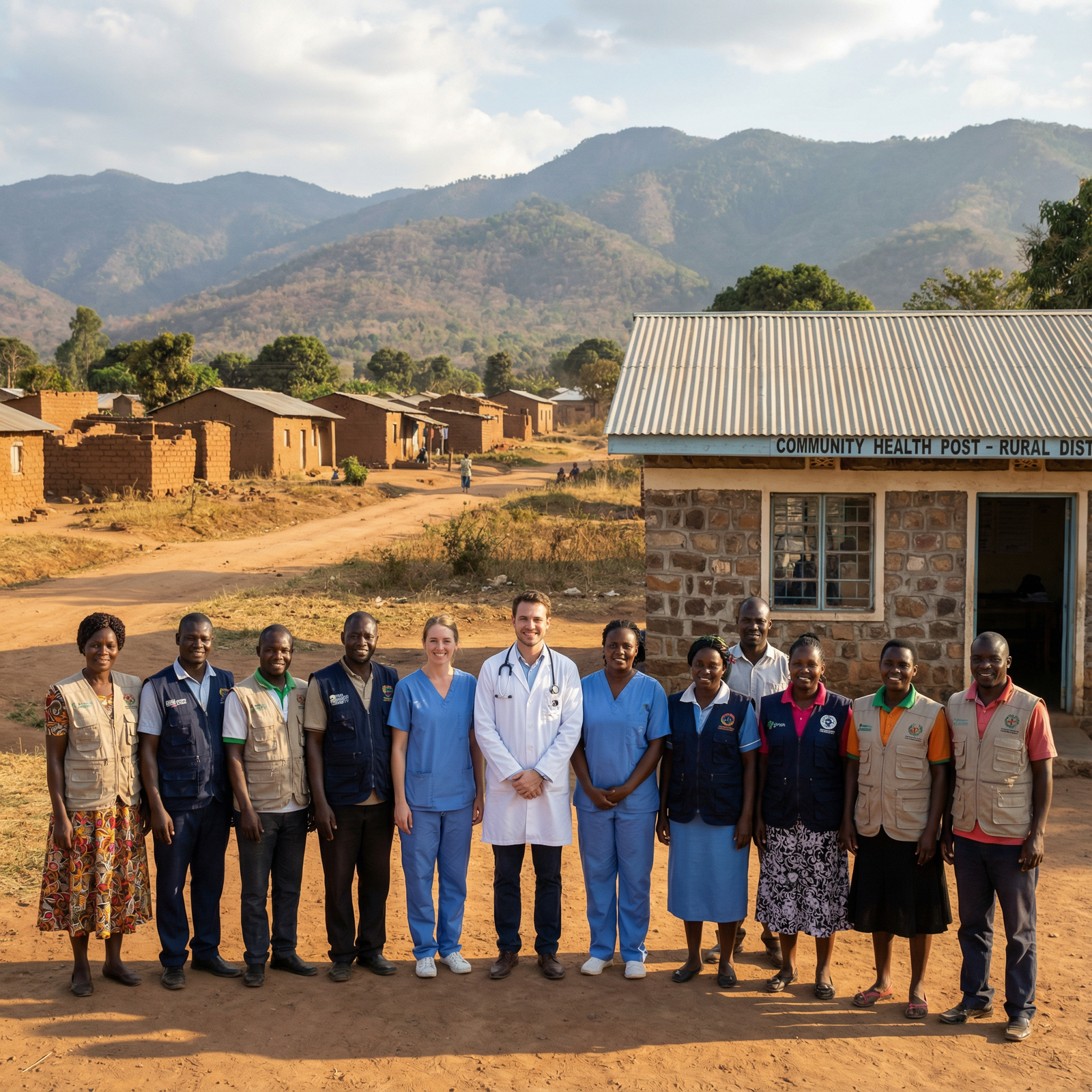
Do these in parallel during medical school. You will graduate with a resume that reads as committed and capable. That combination beats a thin publication list every time for operational roles.
When Research Publications Actually Help
I am not anti-research. I am anti-wasted motion.
Publications matter when you aim for academic global health faculty roles, research-heavy fellowships, or certain residency tracks that score scholarly output heavily. If that is your target, pursue research deliberately, not as insurance.
Useful moves:
- Seek mentorship early in implementation science, health systems, or epidemiology relevant to low-resource settings. Random basic science projects will not translate.
- Treat case reports and quality improvement projects as legitimate output. They are faster, clinically grounded, and often more relevant to global health audiences than sprawling multi-year studies you barely touch.
- Choose residencies with formal global health tracks. Those programs already value field work and are less likely to punish a lighter traditional research portfolio.
- Balance ruthlessly. Clinical skill decay is harder to reverse than a missing abstract. Do not sacrifice ward competence for another poster.
If you do not want an academic career, stop forcing publications to satisfy an imaginary requirement. Your time has higher-yield uses.
Summary: Your Path to Global Health Is Open
Publications are not mandatory for a global health career. Competency, cultural humility, language, and real experience with underserved populations matter more, especially outside pure academic tracks.
The field needs clinicians who can deliver care and strengthen systems first. Researchers second. Build the skills that transfer. Start locally so your commitment is visible and sustained. Use international rotations and language training to expand range. Connect with mentors who do the work you want to do.
Stop waiting for a perfect publication record that most operational employers will barely skim. Take the next concrete step this month: a clinic shift, a language block, an email to a mentor, a vetted rotation application.
Your path is open. Walk it with evidence of service, not just citations.