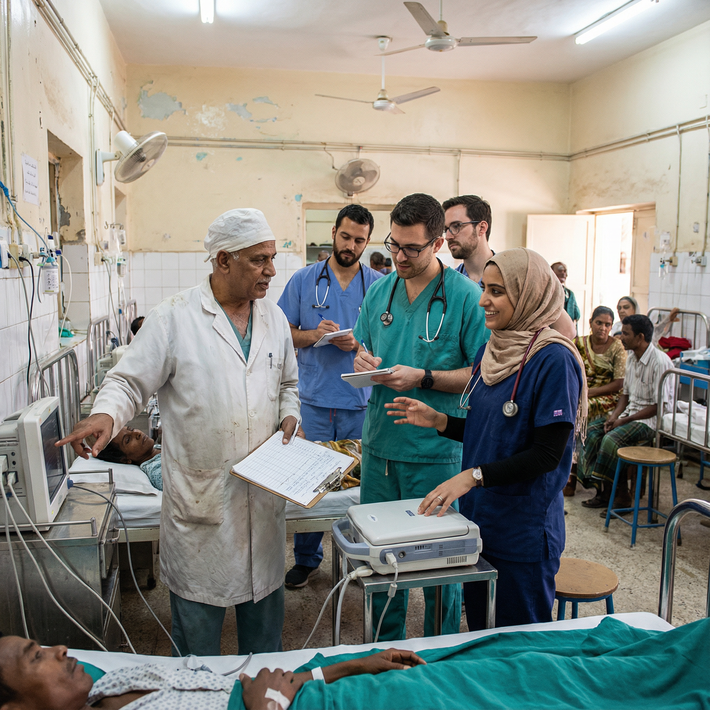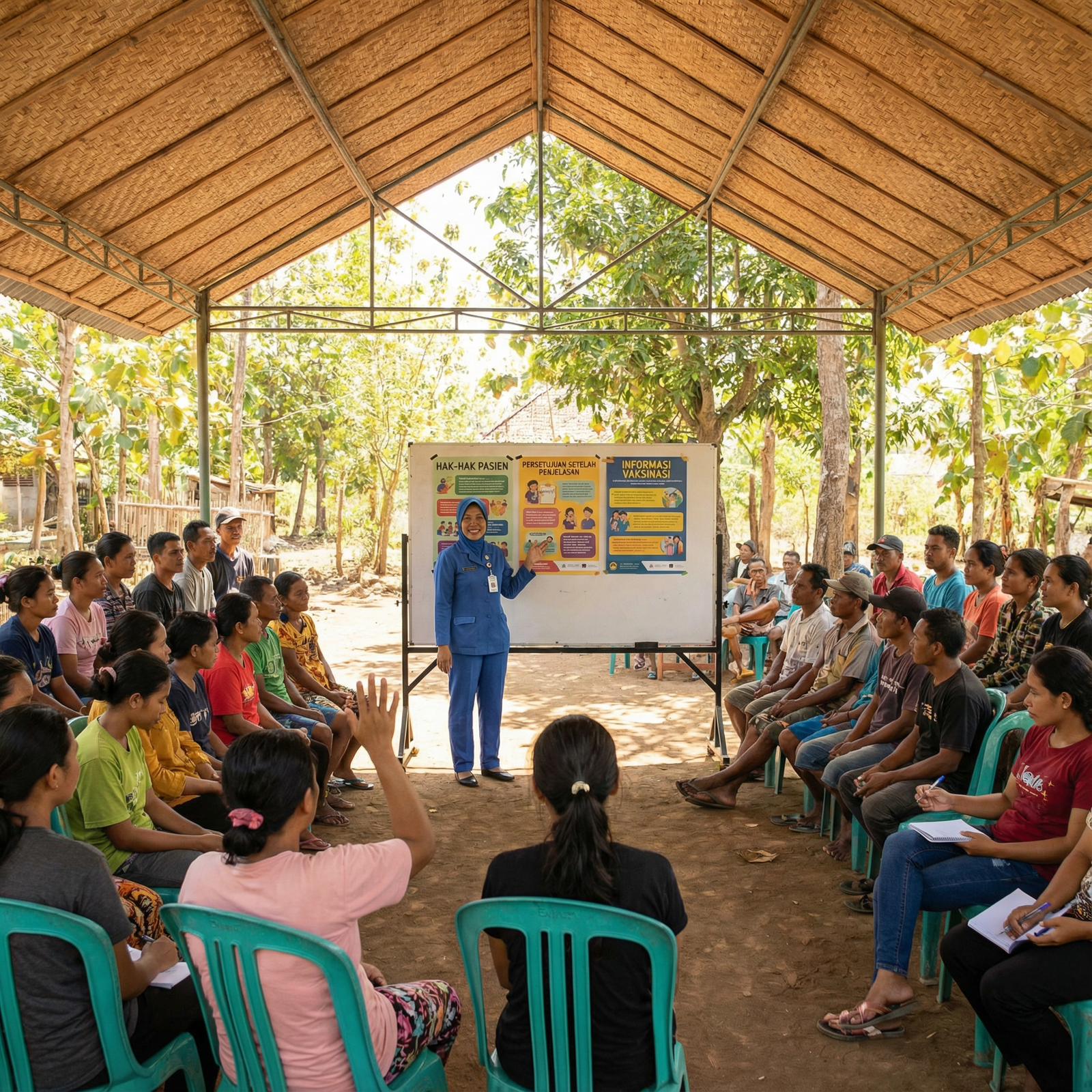
The biggest myth about global health careers is that you “figure it out later.” You do not. If you do not plan deliberately, global health becomes a side hobby, not a real career.
You want a 10‑year roadmap from pre‑med to attending. Stage by stage. Here it is.
Years 0–2: Pre‑Med Foundation – “Prove You Can Show Up”
At this point you should stop collecting random “international experiences” like passport stamps and start building a coherent story.
Semester‑by‑Semester (Pre‑Med)
Freshman Year
Fall
At this point you should:
- Lock down academics and basic credibility.
- Sample global health without committing to anything dumb.
Do this:
- Aim for a strong GPA trajectory (≥3.6). Global health jobs do not excuse weak grades.
- Join one campus global health or public health group. Examples:
- GlobeMed
- Partners in Health Engage chapter
- AMSA global health committee
- Start clinical exposure locally:
- Hospital volunteer shifts
- Free clinic or mobile clinic in underserved communities
- Read 2 serious global health books this year:
- “Reimagining Global Health” (Farmer et al.)
- “An Introduction to Global Health Delivery”
Avoid:
- Overseas “medical mission” trips where pre‑meds “take vitals” with zero supervision. Ethically lazy and unimpressive to people who know this field.
Spring
At this point you should:
- Test whether global health is a real interest or just aesthetics.
Do this:
- Add one service role with a clear underserved focus:
- Refugee resettlement tutoring
- ESL teaching
- Homeless outreach programs
- Start a basic language track that matches your likely region of interest:
- Spanish or French are the most pragmatic for global health.
- Seek a faculty mentor in:
- Global health
- Infectious disease
- Public health / epidemiology
Send a short email, ask for a 15–20 minute meeting.
Sophomore Year
Fall
At this point you should:
- Move from “volunteer” to “contributor.”
Do this:
- Apply to a research assistant role:
- Example: HIV cohort study, tuberculosis outcomes, maternal health registry.
- Deepen language learning (formal course + consistent practice).
- Stick with one longitudinal service activity. Longevity matters more than variety.
Ethics to start wrestling with:
- Power dynamics when outsiders design interventions.
- Consent and confidentiality in low‑resource settings.
- The difference between “helping” and “learning on patients.”
Spring
At this point you should:
- Build credibility on paper and in your head.
Do this:
- Present a poster at a campus research day if possible.
- Take an intro bioethics or global health ethics course.
- Shadow clinicians who serve:
- Migrant farmworkers
- Urban safety‑net hospitals
- Indian Health Service / tribal clinics (where appropriate and invited)
Summer after Sophomore Year
This is the first moment where an international experience might make sense.
At this point you should:
- Choose substance over geography.
Do this:
- Apply for structured, mentored programs, such as:
- NIH‑funded global health internships
- Fogarty‑linked programs through your university
- Long‑standing university partnerships (e.g., with hospitals in Uganda, Haiti, Peru)
- Minimum bar:
- Clear supervision structure
- Education‑focused, not service‑driven
- You are not performing clinical tasks beyond your training
Years 3–4: Applying to Medical School – “Signal Seriousness”
By now, your global health interest should show a coherent trajectory, not scattered trips.
Junior Year
Fall
At this point you should:
- Decide how global health will appear in your application.
Do this:
- Clarify your rough regional or thematic focus:
- Region: East Africa, Latin America, South Asia, etc.
- Theme: infectious disease, maternal health, health systems, migration.
- Continue or deepen research:
- Aim for a publication or at least an abstract.
- Take:
- Epidemiology
- Global public health
- Anthropology of health (if available)
Spring
At this point you should:
- Translate experiences into a story.
Do this:
- Prepare for the MCAT. A weak score kills options, and you need strong training environments for serious global health work.
- Draft a personal statement that:
- Connects your global health interest to sustained work
- Shows you understand ethics and humility, not just “wanting to help”
- Build a school list that truly matches your goals.
| School | Formal Global Health Track | MPH During MD | Funded Global Electives |
|---|---|---|---|
| UCSF | Yes | Yes | Yes |
| Duke | Yes (Sabes) | Yes | Yes |
| Harvard | Yes (HMS Global Health) | Yes | Yes |
| University of Washington | Yes | Yes | Yes |
| University of Pennsylvania | Yes | Yes | Yes |
Summer (Application Summer)
At this point you should:
- Apply early and intentionally.
Do this:
- In AMCAS activities, cluster global health work:
- One entry for research
- One for local underserved work
- One for any responsible international partnership
- In secondaries:
- Be explicit about global health interests without sounding naïve.
- Show you understand partnership, capacity building, and systems, not charity tourism.
Years 5–8: Medical School – “Turn Intent into Skill”
Now you are in. This is where most “global health” interest evaporates into exam stress and generic CV building. You will not let that happen.
MS1: Orientation Year – “Learn to See Systems”
At this point you should:
- Protect your grades and Step performance.
- Quietly build your global health spine.
Do this:
- Join the global health or ethics student group.
- Attend departmental global health talks and take notes on who funds what and which faculty actually go abroad.
- Take an elective in health policy, social medicine, or medical ethics if scheduling permits.
- Start or continue language training.
Ethical development now:
- Read case studies on:
- Short‑term medical trips
- Trials in low‑income countries
- Allocation of scarce resources (ICU beds, dialysis, ventilators)
MS1 Summer
At this point you should:
- Get your first serious global health research or field exposure as a medical trainee.
Do this:
- Apply early (Dec–Feb MS1) for:
- NIH Fogarty‑linked fellowships
- Doris Duke International Clinical Research Fellowship (if your school participates later)
- School‑funded global health summer research
- Priority:
- Projects with clear mentorship
- Data or systems work you can continue remotely during MS2
MS2: Consolidation – “Build a Track Record”
Fall
At this point you should:
- Tighten the link between your clinical education and global health interests.
Do this:
- Maintain:
- 1 research project
- 1 consistent service role
- Study for Step 1/Level 1 seriously. Global health does not excuse poor exam performance.
- Ask a faculty mentor:
- “What outcomes matter for someone who wants to do clinical global health in 10 years?”
Spring
At this point you should:
- Set up future opportunities.
Do this:
- Plan an MS3/MS4 global health elective with your school’s office of global health.
- Clarify which specialties align with your evolving interest:
- Internal medicine / ID
- Pediatrics
- OB/GYN
- Surgery / anesthesia (if you like systems and procedures)
- Psychiatry (for migration, conflict, trauma)
MS2 Summer = Step Study / Transition. Do not stack major global health projects here. You are playing the long game.
Years 7–8: Clinical Years – “Test Reality”
MS3: Core Clerkships – “Will You Actually Like the Work?”
At this point you should:
- Learn to be a good doctor. Without that, your “global” impact is fantasy.
Do this:
- On every rotation, mentally map:
- What would this look like in a resource‑limited setting?
- Which parts rely on tech and which rely on reasoning?
- Keep field notes:
- Times when system failures harm patients.
- Disparities you see in your own hospital. These become the backbone of future essays, talks, and eventually program design.
Late MS3
At this point you should:
- Decide on specialty.
Think hard about:
- Do you want acute care (surgery, EM, anesthesia, critical care)?
- Or longitudinal systems work (IM, peds, family, psych, OB)?
MS4: Electives + Applications – “Align Specialty With Global Health”
At this point you should:
- Use your final year to:
- Confirm specialty fit
- Get at least one legitimate global health elective done as an actual clinician‑in‑training.
Do this:
- Schedule a 4–8 week global health elective where:
- Your school has a formal MOU (memorandum of understanding).
- There is local faculty leadership.
- Objectives are written and realistic (you are there to learn and assist, not run a ward).
- In your residency personal statement:
- Tie your global health interest to specific experiences and systems thinking.
- Make it clear you are not using global health as a buzzword.
Residency program selection:
- Prioritize programs with:
- Established global health tracks or pathways.
- Faculty with years (not weeks) of in‑country work.
- Actual funding for resident rotations abroad, not “maybe we can support it.”
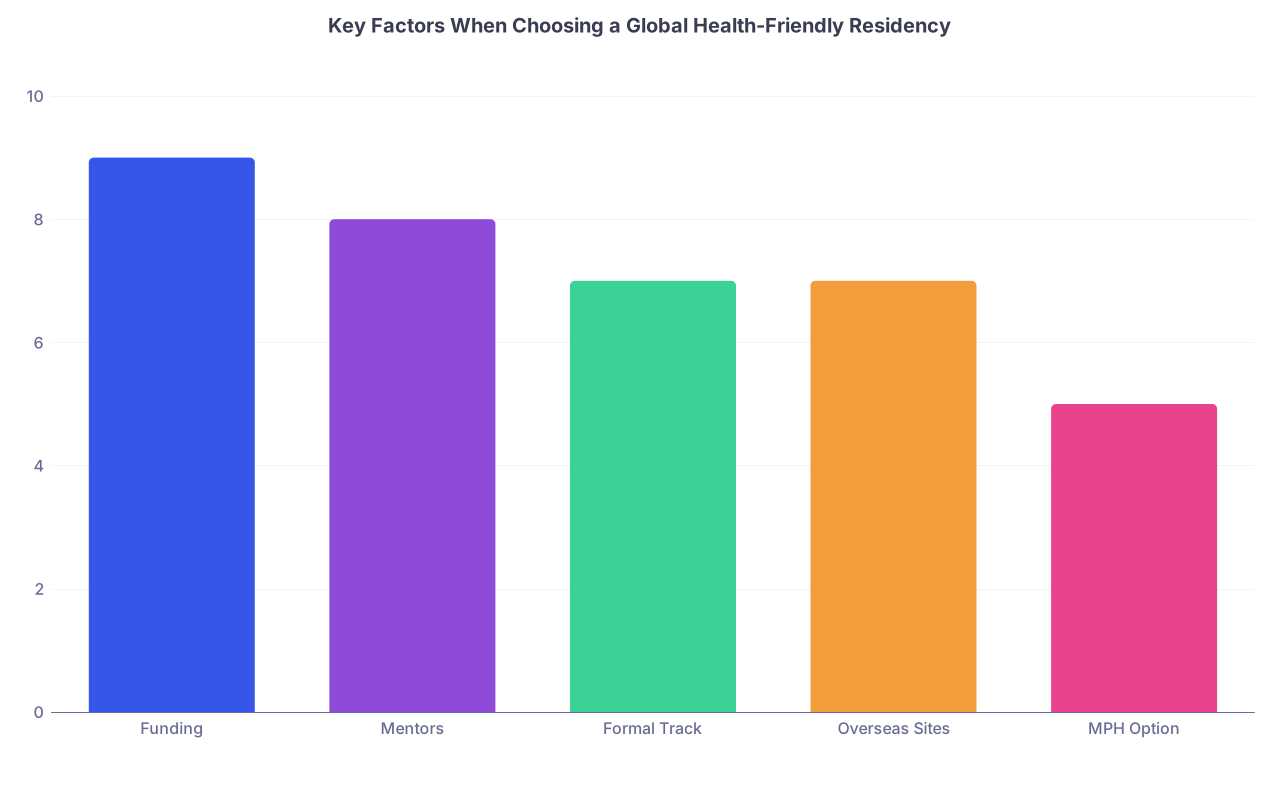
| Category | Value |
|---|---|
| Funding | 9 |
| Mentors | 8 |
| Formal Track | 7 |
| Overseas Sites | 7 |
| MPH Option | 5 |
Years 9–11: Residency – “Become Dangerous (In a Good Way)”
This is where global health careers are either cemented or quietly abandoned.
PGY‑1 (Intern Year) – “Competence First”
At this point you should:
- Become clinically solid in your context. No one wants an incompetent “global health” doctor.
Do this:
- Focus on:
- Efficient notes
- Safe admissions
- Solid differential diagnoses
- Join your residency’s global health track if available.
- Identify:
- One senior resident
- One attending
who actually does global work. Ask them directly: - “What did you do in residency that mattered most later?”
Do not:
- Go on long, unsupervised international rotations as a PGY‑1.
- Use global health as an excuse to avoid core training.
PGY‑2 – “Structured Global Health Training”
At this point you should:
- Add global health activities without jeopardizing your growth as a core specialist.
Do this:
- Enroll in:
- A global health or humanitarian response certificate program if your institution offers one.
- Short courses (e.g., London School of Hygiene & Tropical Medicine short courses, MSF course on humanitarian response).
- Participate in:
- At least one structured elective in a partner site (4–8 weeks) if your program supports it and you are ready.
- Sharpen ethics:
- Who benefits from your presence?
- How are complications and handovers handled when you leave?
PGY‑2–3: Consider an MPH or MSc
If your program supports a dedicated research year or part‑time degree:
At this point you should:
- Decide if an MPH actually serves your plan (it often does for serious global health work).
Best use of MPH:
- Learn:
- Biostatistics
- Epidemiology
- Program evaluation
- Implementation science
- Complete a thesis tied to a long‑term partner site.
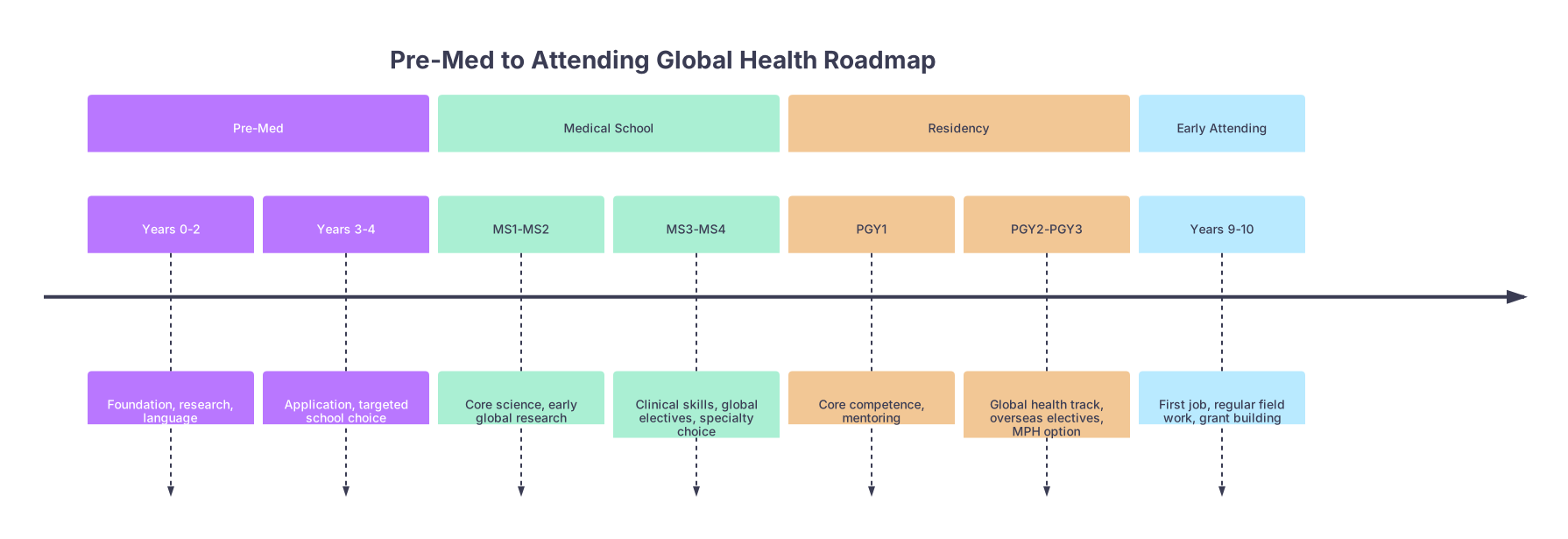
| Period | Event |
|---|---|
| Pre-Med - Years 0-2 | Foundation, research, language |
| Pre-Med - Years 3-4 | Application, targeted school choice |
| Medical School - MS1-MS2 | Core science, early global research |
| Medical School - MS3-MS4 | Clinical skills, global electives, specialty choice |
| Residency - PGY1 | Core competence, mentoring |
| Residency - PGY2-PGY3 | Global health track, overseas electives, MPH option |
| Early Attending - Years 9-10 | First job, regular field work, grant building |
PGY‑3 (and PGY‑4 if applicable) – “Position Yourself for Attending Life”
At this point you should:
- Convert scattered experiences into a recognizable niche.
Do this:
- Define yourself by:
- Topic (e.g., HIV/TB co‑infection, obstetric emergencies, trauma systems)
- Or region with long‑term engagement (e.g., rural Rwanda, northern India, Guatemalan highlands)
- Build:
- One or two first‑author papers or major QI projects from your global work.
- Network:
- Present at at least one relevant conference:
- Consortium of Universities for Global Health (CUGH)
- ASTMH (for tropical medicine/infectious disease focus)
- Specialty‑specific global health meetings
- Present at at least one relevant conference:
Ethical maturity check:
- You should be able to clearly articulate:
- Why short‑term mission work is usually problematic.
- How you handle consent, language, and follow‑up in low‑resource settings.
- How you avoid displacing local trainees and clinicians.
Years 11–13: Early Attending – “Build a Sustainable Global Health Career”
Now you are finally an attending. The trap here is simple: full‑time domestic job, “global health” becomes one trip per year, career stagnates.
You are going to structure this.
Year 1–2 Attending – “Lock In a Real Job Structure”
At this point you should:
- Choose a job that structurally supports global health work, not just “allows” it.
Your options:
- Academic position with:
- Protected academic time (≥20–30%).
- Clear expectations for global health research, teaching, or program building.
- Hybrid clinical job:
- 0.6–0.8 FTE in a domestic hospital
- 0.2–0.4 FTE funded through a global health center, NGO, or grant.
When evaluating offers, ask explicitly:
- How many faculty are actually funded for global work?
- What percentage of their salary comes from:
- Clinical work
- Grants
- Institutional support
At this point you should also:
- Formalize your home base partnerships:
- 1–2 institutions or regions where you will invest years, not weeks.
- Commit to:
- Regular trips (e.g., 2–3 times per year for 2–4 weeks).
- Continuous remote work:
- Case discussions
- Data analysis
- Curriculum development
Year 2–4 Attending – “Scale Responsibly”
At this point you should:
- Stop acting like a trainee and start acting like a builder.
Do this:
- Lead:
- Training programs (e.g., ultrasound curriculum, ICU fundamentals, maternal emergency response)
- Research projects that answer locally–defined questions, not just your interests.
- Mentor:
- Local junior clinicians or trainees.
- Residents and med students from your home institution, making sure their presence is ethical and useful.
- K awards (for US academics) with global components.
- Foundation grants (e.g., Gates, ELMA, regional foundations).
- Collaborative grants where local institutions are lead or co‑lead, not just “partners.”
Ethics at this stage:
- Co‑authorship and credit:
- Local colleagues should be senior authors when work is driven locally.
- Authorship order should reflect true intellectual contribution, not passport.
- Exit strategy:
- If you left tomorrow, what would remain?
- If the answer is “almost nothing,” you have vanity projects, not global health.
Putting It All Together: The 10‑Year Arc
To see the time distribution more concretely:
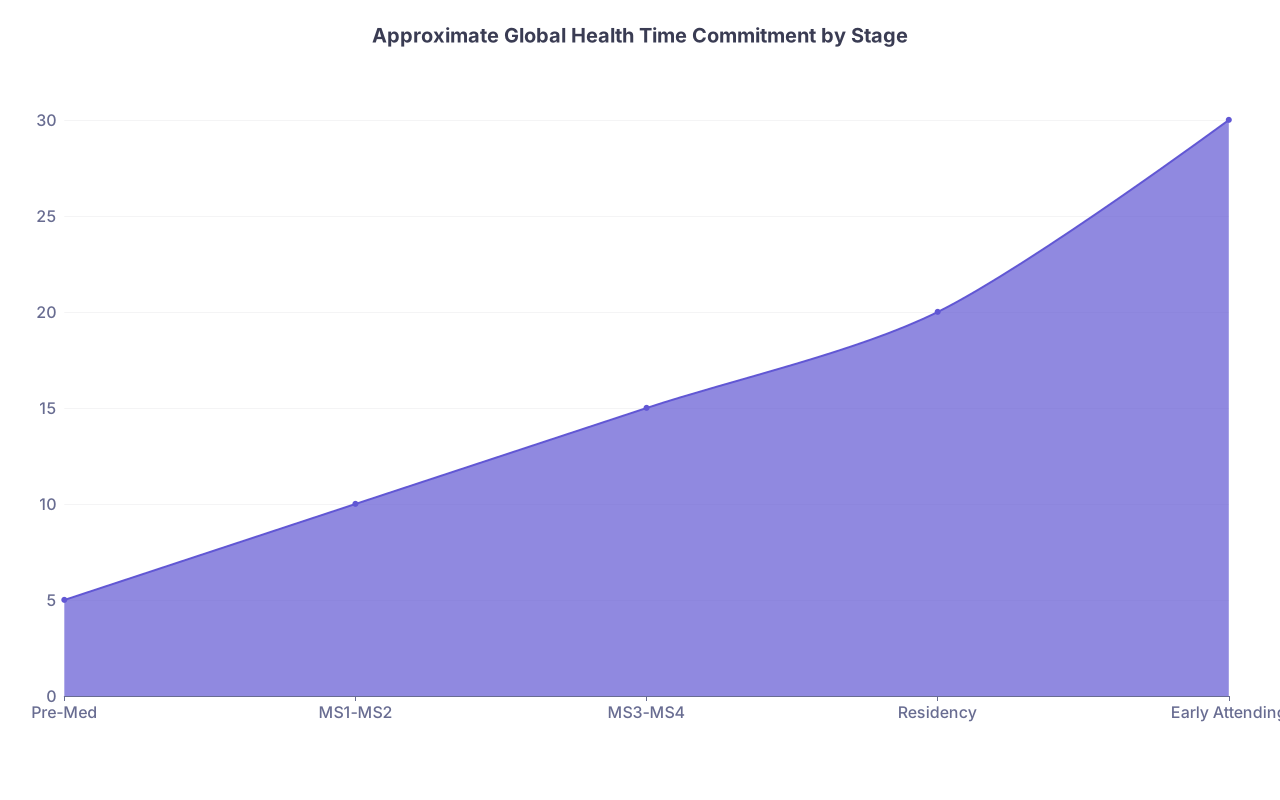
| Category | Value |
|---|---|
| Pre-Med | 5 |
| MS1-MS2 | 10 |
| MS3-MS4 | 15 |
| Residency | 20 |
| Early Attending | 30 |
Percentages are rough “time/energy” devoted directly to global health work and preparation. Notice the ramp. It is deliberate.
What You Should Do Today
You do not need to solve the next 10 years tonight. You do need to take the next concrete step.
Today, do this:
- Open a blank document and write three headers:
- “Experiences I already have related to global health”
- “Skills I need to build in the next 2 years”
- “People I should talk to in the next 3 months”
- Fill in each section with at least three bullets.
- Then pick one person from that last list and draft the email asking for a 15‑minute conversation.
That small, boring step is how a real 10‑year global health career actually starts.