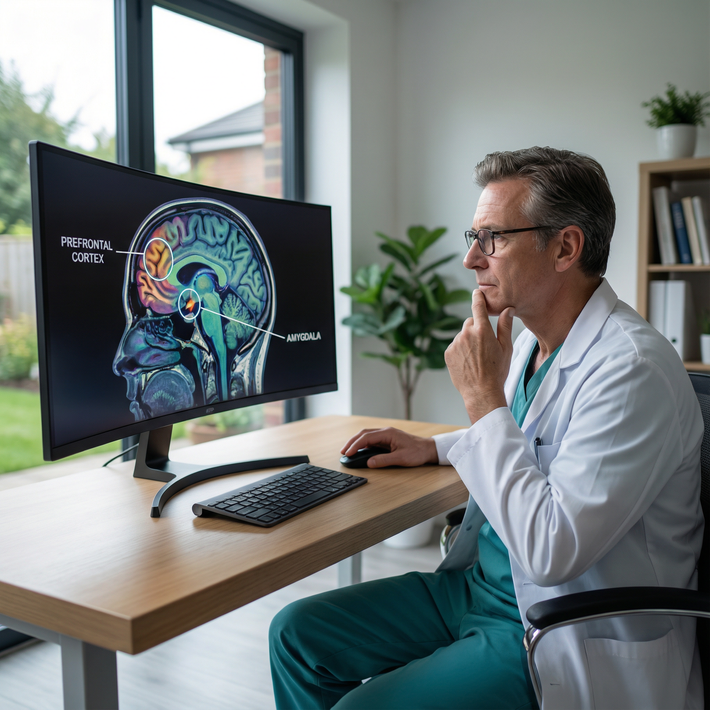
Integrating Mindfulness into Daily Rounds: A Game Changer for Doctors
In modern healthcare, clinicians are expected to move at relentless speed—reviewing labs, fielding pages, completing electronic documentation, coordinating with consultants, and supporting anxious patients and families. It’s no surprise that many physicians, residents, and medical students feel overwhelmed, emotionally exhausted, and disconnected from the very purpose that drew them to medicine.
Mindfulness offers a practical, evidence‑based way to protect your emotional well‑being, enhance patient care, and make daily rounds more humane and sustainable. Rather than adding “one more thing” to an already packed schedule, integrating mindfulness into daily rounds can subtly change how you move through tasks you are already doing—bringing more clarity, presence, and meaning to your work.
This guide explores what mindfulness is, why it matters in medicine, and how you can realistically incorporate simple, high‑yield practices into your rounding routine without extending your workday.
Understanding Mindfulness in the Medical Context
What Is Mindfulness?
Mindfulness is the skill of deliberately paying attention to the present moment—your thoughts, emotions, bodily sensations, and surroundings—with curiosity rather than judgment. It is not about emptying your mind or being perfectly calm. It is about noticing what is happening right now and responding rather than reacting automatically.
Jon Kabat-Zinn, founder of Mindfulness-Based Stress Reduction (MBSR), defines mindfulness as “the awareness that arises from paying attention, on purpose, in the present moment, non-judgmentally.” For healthcare professionals, that means:
- Noticing your fatigue rather than ignoring it
- Recognizing frustration before it turns into impatience
- Being fully attentive to a patient’s story instead of mentally composing your note
- Staying grounded during a code, difficult family meeting, or high-acuity situation
Mindfulness vs. Relaxation: A Key Distinction
Mindfulness can be relaxing, but relaxation isn’t the primary goal. In healthcare:
- Relaxation aims to decrease tension and promote calm.
- Mindfulness aims to increase awareness and wise response, whether the moment is calm or intense.
On rounds, you may not be able to eliminate stress, but you can cultivate the awareness and emotional regulation needed to meet stressful situations more skillfully.
Why Mindfulness Is Particularly Relevant in Healthcare
Healthcare is a perfect storm of factors that erode emotional well-being:
- Long hours and sleep deprivation
- Constant exposure to suffering, uncertainty, and death
- High cognitive load and multitasking demands
- Administrative burden and documentation overload
- Moral distress and ethical complexity
Mindfulness does not fix systemic problems, but it can:
- Help you detect early signs of burnout and overwhelm
- Improve emotional regulation and decision-making under pressure
- Strengthen your capacity for compassion—toward patients and yourself
- Make daily rounds a structured opportunity for presence and connection
By integrating mindful awareness into rounds, you transform a routine clinical task into a daily anchor for resilience and meaningful patient care.

Why Mindfulness Matters: Impact on Burnout, Resilience, and Patient Care
Stress Reduction and Burnout Prevention for Clinicians
Burnout in healthcare—characterized by emotional exhaustion, depersonalization, and reduced sense of accomplishment—has reached crisis levels. Surveys have found that roughly half of physicians report at least one symptom of burnout. Protective strategies are crucial for long-term sustainability in practice.
Mindfulness is one of the best-studied individual-level tools for burnout prevention:
Enhanced Emotional Regulation
Regular mindfulness practice changes how the brain processes stress. Clinicians who practice mindfulness report:- Less reactivity during critical events
- Fewer episodes of irritability toward staff or patients
- Better ability to “reset” between emotionally demanding encounters
Decreased Anxiety and Depressive Symptoms
Mindfulness-based interventions have been shown to reduce symptoms of anxiety and depression in clinicians and trainees. For busy physicians, even brief, consistent practices integrated into the workday (e.g., mindful breaths between patients) can help “turn down the volume” on chronic stress.Increased Resilience and Self-Compassion
Mindfulness encourages noticing your own limitations and needs without harsh self-criticism. This is especially powerful in a culture where perfectionism and self-sacrifice are often rewarded but ultimately unsustainable.
Strengthening Patient Care Through Presence
Mindfulness is not just about clinician wellness; it has direct implications for patient care and clinical excellence.
Improved Communication and Active Listening
When you are truly present:- You pick up subtle verbal and nonverbal cues
- Patients feel less rushed and more respected
- You are more likely to elicit the “real reason” for the visit or admission
Mindful listening during rounds may decrease misunderstandings, reduce unnecessary tests, and improve adherence because patients feel heard.
Enhanced Empathy and Compassion
Emotional Well-Being is central to sustaining empathy over the long term. Mindfulness supports:- Perspective-taking: briefly imagining what this experience feels like for the patient
- Compassionate response: a natural desire to help, instead of emotionally shutting down
Studies link clinician mindfulness with higher patient satisfaction and perceptions of empathy.
Sharper Clinical Reasoning
A mindful, focused mind is better at integrating complex information. When you’re not mentally multitasking or ruminating about the last patient:- You are more accurate in your assessment
- You notice discordant findings and red flags
- You make fewer errors linked to distraction or cognitive overload
Mindfulness, therefore, is not “soft” or optional—it is a performance enhancer for high-stakes, complex patient care.
Practical Strategies: How to Integrate Mindfulness into Daily Rounds
You do not need long meditation sessions to bring mindfulness into your work. The goal is to weave brief, intentional practices into actions you already perform during rounds. Below are practical, realistic strategies tailored to busy clinical environments.
1. Mindful Breathing Before Each Patient Encounter
What it is: A 10–30 second pause to anchor your attention with your breath.
How to do it (micro-practice):
- As you sanitize your hands or stand outside the patient’s door:
- Gently bring your attention to your breath.
- Inhale slowly through the nose for a count of 4.
- Exhale slowly through the mouth or nose for a count of 4–6.
- Notice the sensation of air moving, the rise and fall of your chest.
- Let thoughts come and go without chasing them.
Why it helps:
- Activates the parasympathetic nervous system, lowering physiological arousal
- Provides a clean mental “reset” between patients
- Reduces the carryover of frustration or anxiety from the previous encounter
Even 2–3 conscious breaths can shift you from autopilot to presence.
2. Setting Intentions at the Start of Rounds
What it is: A brief, deliberate choice about how you want to show up, rather than just what you want to accomplish.
Sample intentions for rounds:
- “May I be fully present with each patient, even briefly.”
- “Today I will listen without interrupting for at least 30 seconds.”
- “I will treat each patient and team member with respect, regardless of how busy we are.”
- “I will notice moments of stress and respond with one deep breath before speaking.”
How to implement as a team:
- At the start of morning rounds (even in ≤1 minute):
- The attending or senior resident invites: “Let’s each silently set one intention for how we want to show up on rounds today.”
- Optionally, one person can share a short intention aloud to model the practice.
Benefits:
- Creates a shared culture of mindful, respectful Patient Care
- Aligns your mindset with your core values, not just the task list
- Protects against slipping into depersonalized, rushed interactions
3. Mindful Listening During the Encounter
What it is: Bringing all available attention to the patient and the present interaction.
Practical tips for mindful listening:
Start with presence:
On entering the room:- Make eye contact
- Use the patient’s name
- Briefly orient yourself: “This is Ms. Lopez, admitted for heart failure exacerbation.”
Single-task for short intervals:
For at least the first 30–60 seconds, do nothing but listen:- Put down the computer or stop typing briefly
- Mentally bracket your to-do list
- Notice tone, facial expressions, body language
Validate and summarize:
- Reflect back: “It sounds like you’re most worried about…”
- This demonstrates understanding and clarifies the main concern.
Why it matters:
- Builds trust and rapport
- Reduces conflict and frustration
- Enhances diagnostic accuracy by inviting critical details
Mindful listening is one of the most powerful, immediate ways to bring Mindfulness into Healthcare.
4. Brief Body Scan Between Patients
What it is: A fast check-in with your body to reduce physical tension and prevent stress from accumulating over the course of rounds.
30–60 second body scan:
- While waiting for an elevator, walking the hallway, or riding between floors:
- Start at your feet: Are you gripping the floor or standing rigidly?
- Scan up through legs, hips: Notice any tightness.
- Jaw, shoulders, neck: Gently loosen and drop them.
- Hands: Are you clenching your fists or gripping your pager?
- With each out-breath, deliberately soften one area of tension.
Benefits:
- Prevents mounting physical stress that feeds emotional exhaustion
- Helps you maintain posture and physical comfort over long shifts
- Signals to your nervous system that you are safe in this moment
This simple practice supports both physical and Emotional Well-Being during long days.
5. Mindful Documentation and Order Entry
Even data entry can become an opportunity for presence instead of frustration.
Strategies:
- Before opening the EHR:
- Take one intentional breath and mentally name your next step: “I’m documenting Ms. Patel’s visit.”
- While typing:
- Focus on one patient at a time—avoid toggling constantly between multiple charts.
- Notice if your mind is racing; gently bring your attention back to the current note.
Why this matters:
- Reduces errors caused by distraction and multitasking
- Makes documentation feel slightly less draining by engaging with it deliberately
- Supports sustained attention over long periods of computer work
6. Gratitude and Reflection at the End of Rounds
What it is: A brief reflection to consolidate the day’s experiences and reinforce positive meaning.
Personal practice (1–3 minutes):
At the end of rounds, or before moving on to your next block of work, ask yourself:
- “What is one interaction I’m grateful for today?”
- “Where did I feel most connected to a patient or team member?”
- “What did I do today that aligned with the kind of clinician I want to be?”
Optionally, jot a quick note in a phone app or small notebook.
Team-based practice:
- As rounds conclude, the attending might invite:
- “Let’s each name one positive moment or one thing that went well.”
- Keep it brief and specific (e.g., “The way Mr. K smiled when he understood his plan.”)
Benefits:
- Counters negativity bias (the tendency to remember only what went wrong)
- Reinforces purpose, meaning, and professional identity
- Supports long-term Burnout Prevention by anchoring you to what is still working
Real-World Applications: Mindfulness in Clinical Settings
Case Example 1: A Teaching Hospital’s Mindfulness Initiative
A large academic medical center with rising burnout rates among residents introduced a structured mindfulness curriculum integrated into daily workflows rather than standalone lectures.
Program elements:
- 10-minute guided mindfulness sessions once weekly embedded into morning report
- Brief “mindful moment” prompts built into sign-out and start-of-rounds huddles
- Peer-led discussion groups on emotional challenges in patient care
Outcomes over 12 months:
- Approximately 20% reduction in self-reported burnout symptoms among participants
- Improved patient satisfaction scores in units where teams adopted mindful communication practices
- Residents reported:
- Greater sense of control over their responses to stress
- More meaningful connections with patients during bedside rounds
- Less emotional numbing and depersonalization
While systemic issues like workload still needed addressing, Mindfulness became an important tool for fostering resilience in the existing environment.
Case Example 2: A Family Physician’s Personal Mindfulness Routine
Dr. Emily, a mid-career family physician, found herself emotionally drained and considering cutting her clinic hours. She decided to trial small, structured mindfulness practices integrated into her workflow rather than adding external activities.
Her changes:
- Morning: 3 minutes of mindful breathing before opening the EHR
- Between patients: 2–3 mindful breaths at the door, plus a brief body scan
- During visits: Committed to 30 seconds of uninterrupted listening at the start
- End of day: Wrote down one meaningful patient moment and one thing she did well
Results after several months:
- Felt less irritable with staff and more patient with complex cases
- Noticed earlier when she was approaching emotional overload and took short breaks
- Reported deeper rapport with patients, who commented that she “seemed more present”
- Clinic satisfaction scores improved, particularly around “doctor listened carefully”
Her experience reflects how even modest mindfulness practices can substantially shift the experience of daily Patient Care without changing the schedule.
Common Barriers and How to Overcome Them
1. “I Don’t Have Time for This.”
Time is the most frequent objection in Healthcare. But the practices described here are designed as micro-practices—usually under a minute and embedded in what you already do.
Strategies:
- Start with one practice only (e.g., two mindful breaths before each room) for a week.
- Combine mindfulness with required behaviors (hand hygiene, walking between rooms, logging into the EHR).
- Remember that a single 10-second pause can prevent a costly mistake or a regretted interaction.
Over time, these seconds can save minutes by reducing rework, conflict, and mental fatigue.
2. Skepticism and Cultural Resistance
Some clinicians view mindfulness as “soft,” “unscientific,” or irrelevant to “real medicine.”
Ways to address this:
- Emphasize the evidence:
- Mindfulness-based interventions have been studied in resident and physician populations, showing reduced stress and improved well-being.
- Frame it in clinical language:
- “Attentional training,” “cognitive de-loading,” or “emotional regulation skills” may resonate more than spiritual language.
- Model it quietly:
- You do not need to label what you are doing as “mindfulness.” Simply pausing to take a breath, listening fully, and reflecting at the end of rounds are powerful in themselves.
3. Fear of Being Overwhelmed by Emotions
Some clinicians worry that becoming more aware of their internal world will be destabilizing, especially in a demanding environment.
Reassurances and strategies:
- Mindfulness does not mean wallowing in emotions. It means noticing them and choosing how to respond.
- Start gently:
- Focus on physical sensations (breath, posture, tension) before exploring more emotionally charged content.
- Seek support:
- Pair mindfulness work with supervision, peer discussion, mentorship, or institutional wellness resources when possible.
4. Difficulty Maintaining Consistency
Like any skill, mindfulness strengthens with repetition.
Suggestions:
- Link practices to strong existing habits (e.g., starting your car, washing your hands, logging in).
- Use environmental cues:
- A small dot sticker on your ID badge or EHR monitor can remind you to pause and breathe.
- Start extremely small (10 seconds), then build up gradually.
Consistency, not duration, is the key to long-term impact on Emotional Well-Being and Burnout Prevention.
FAQs: Mindfulness, Rounds, and Medical Practice
1. How long does it take to see benefits from practicing mindfulness?
Many clinicians notice small shifts—slightly more calm, fewer reactive comments, a bit more patience—within 1–2 weeks of brief daily practice (5–10 minutes total, even in micro-fragments). More substantial changes in stress levels, emotional regulation, and overall Emotional Well-Being typically emerge over 6–8 weeks of consistent, though not necessarily intensive, practice.
Remember that even on days when you feel “too busy,” a single mindful breath outside each patient’s room still counts and still helps.
2. Can mindfulness realistically fit into a busy physician’s schedule?
Yes. The key is integration, not addition. You are not required to schedule a 30-minute meditation session during clinic. Instead, you:
- Take 2–3 mindful breaths as you sanitize your hands
- Pay full attention for the first 30 seconds of each patient encounter
- Do a 30-second body scan while waiting for labs to load
- Reflect for one minute at the end of rounds
These small, embedded practices support focus, efficiency, and Burnout Prevention without extending your workday.
3. Is mindfulness difficult to learn for someone with a very analytical, “scientific” mindset?
Not at all. Mindfulness is a trainable cognitive skill, not a personality trait or belief system. It can be approached in a very practical, “brain-based” way:
- You are training your attention (like a muscle) to stay focused.
- You are learning to recognize automatic thoughts and emotions without being hijacked by them.
- You are deliberately cultivating curiosity instead of reactivity.
Many scientifically minded clinicians appreciate that mindfulness is backed by growing empirical research and can be operationalized in concrete ways.
4. How can I encourage my colleagues or trainees to practice mindfulness?
- Lead by example: Quietly integrate simple practices into rounds and conversations.
- Share outcomes: Mention how a brief pause helped you handle a difficult conversation or prevented a rushed decision.
- Normalize it: Propose a 30-second “arrival breath” at the start of team rounds or handoff.
- Offer options, not mandates: Invite, don’t force—mandating mindfulness can backfire in already stressed teams.
If your institution has wellness or faculty development resources, suggest brief, optional sessions on mindfulness tailored to clinical realities.
5. Is there evidence that clinician mindfulness improves patient outcomes?
While research is ongoing, several lines of evidence suggest positive impact:
- Mindfulness training in clinicians is linked to:
- Improved patient satisfaction scores
- Higher ratings of clinician empathy and communication
- Reduced medical errors associated with distraction and cognitive overload
- Patients often report feeling more heard, respected, and involved in decisions when clinicians are attentive and present.
Even if outcomes are multifactorial, it is clear that mindful presence enriches the quality of Patient Care and strengthens the therapeutic relationship.
Integrating mindfulness into daily rounds is not about becoming a different kind of physician; it is about aligning how you move through the day with the values that brought you into medicine. Through small, practical shifts—mindful breaths, clear intentions, attentive listening, brief reflection—you can protect your own well-being, improve your interactions with patients and colleagues, and practice medicine in a way that is both effective and sustainable.