Introduction: Why Mindfulness Matters in Modern Medicine
Medicine today moves at an intense pace—overbooked clinics, endless documentation, high-acuity patients, and constant information overload. In this environment, it is easy for healthcare professionals to function on autopilot: rushing through encounters, reacting rather than responding, and slowly drifting toward burnout.
Mindfulness offers a practical, evidence-based way to interrupt that cycle.
For clinicians, mindfulness is far more than a wellness trend. It is a trainable mental skill that can improve focus, emotional regulation, and communication—directly impacting patient care, safety, and professional satisfaction. For patients, it can support mental well-being, treatment adherence, and coping with illness.
This guide is designed specifically for healthcare professionals—medical students, residents, nurses, advanced practice providers, and attending physicians—who want to integrate mindfulness into their personal lives and daily patient care. You will learn:
- What mindfulness is (and is not)
- The scientific evidence for mindfulness in healthcare
- Concrete benefits for both clinicians and patients
- A step-by-step roadmap to build a sustainable practice
- Practical examples of mindfulness in clinical encounters
- How to teach basic mindfulness skills to patients safely and appropriately
By approaching mindfulness as a professional competency—just like communication or clinical reasoning—you can use it strategically to enhance patient care and prevent burnout, while also supporting your own mental well-being.
Understanding Mindfulness in the Context of Healthcare
What Is Mindfulness?
Mindfulness is the intentional practice of paying attention to the present moment with openness, curiosity, and without judgment.
In a clinical context, this means:
- Noticing your own thoughts, emotions, and bodily sensations as they arise
- Staying present with the patient in front of you rather than getting lost in your to-do list
- Recognizing automatic reactions (annoyance, anxiety, frustration) without immediately acting on them
- Creating a small pause between stimulus and response—especially in high-stress situations
Mindfulness is not about:
- Emptying your mind
- Becoming constantly calm or detached
- Ignoring problems or “thinking positive” at all costs
- Adopting any particular belief system
Instead, it is a mental capacity that can be strengthened through systematic practice—similar to how you built your physical examination or differential diagnosis skills.
The Science Behind Mindfulness and Its Role in Medicine
Over the past 30+ years, mindfulness has transitioned from a niche interest to a mainstream, research-backed tool used across healthcare systems worldwide.
Key findings from clinical and neuroscientific research:
Stress reduction and burnout prevention
- Mindfulness-based stress reduction (MBSR) programs consistently show decreased perceived stress and improved resilience among healthcare professionals.
- Multiple studies link mindfulness practice to reduced emotional exhaustion and depersonalization—two core components of burnout.
Improved mental well-being
- Randomized controlled trials demonstrate benefits for depression, anxiety, and chronic pain.
- Mindfulness-based cognitive therapy (MBCT) has strong evidence for preventing relapse in recurrent depression.
Physiological changes
- Lowered cortisol and inflammatory markers in some populations
- Improved autonomic balance (e.g., heart rate variability), suggesting better stress regulation
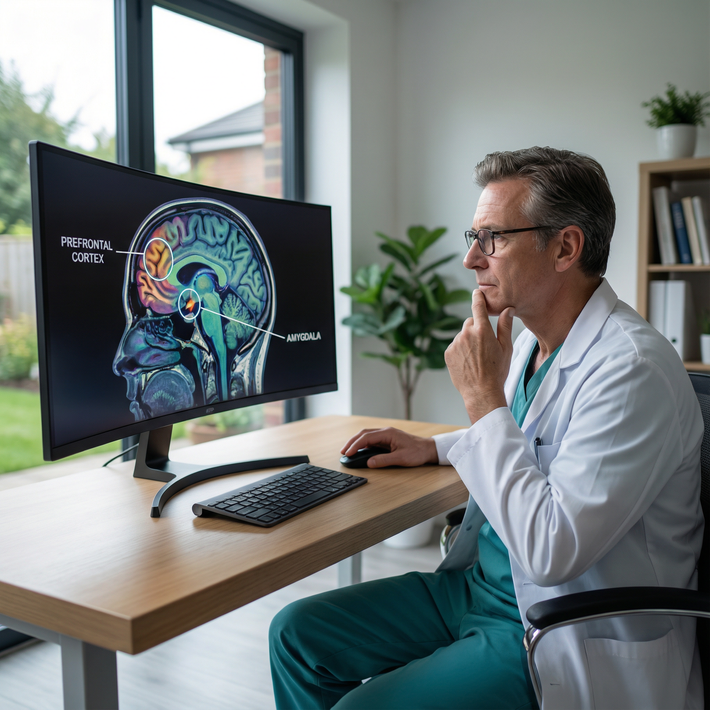
- Brain imaging studies show structural and functional changes in regions related to attention, emotion regulation, and self-awareness.
Enhanced cognitive and interpersonal functioning
- Improved working memory and sustained attention—critical in high-stakes clinical environments
- Greater empathy and compassion, without increasing emotional exhaustion when grounded in mindful awareness
- Better error recognition and decision-making under pressure
Leading medical journals and organizations increasingly recognize mindfulness-based interventions as legitimate tools for enhancing patient care and clinician well-being, particularly for burnout prevention and mental health support.
Core Benefits of Mindfulness for Healthcare Professionals and Patients
1. Enhanced Patient Care and Therapeutic Alliance
Mindfulness strengthens the clinician–patient relationship in several ways:
- Deepened presence: Patients feel heard when you maintain full attention, make eye contact, and allow pauses without rushing to the next question.
- Improved listening: Mindful listening helps you detect subtle cues—nonverbal distress, hesitations about treatment adherence, or unspoken fears.
- More compassionate communication: By noticing your own internal reactions (e.g., frustration with a “non-compliant” patient), you can respond with curiosity instead of judgment.
Example:
A patient with uncontrolled diabetes repeatedly misses follow-up appointments. Instead of reacting with irritation, a mindful clinician notices rising frustration, takes a mental breath, and asks, “Can you help me understand what makes it hardest to come in or check your sugars right now?” This shift opens space for honest discussion about transportation, finances, or fear—all critical to effective patient care.
2. Burnout Prevention and Emotional Resilience
Burnout in healthcare is pervasive and multifactorial. While systemic changes are essential, individual-level tools like mindfulness can help clinicians cope more effectively with daily stressors.
Mindfulness supports burnout prevention by:
- Creating micro-moments of recovery throughout the workday
- Helping you recognize early signs of overwhelm before they escalate
- Supporting healthier boundaries between work stress and personal life
- Allowing you to experience difficult emotions without being consumed by them
Rather than erasing stress, mindfulness changes your relationship to it—moving from constant reactivity to more flexible, deliberate responses.
3. Improved Focus, Attention, and Clinical Decision-Making
In busy settings, cognitive overload is a real risk. Mindfulness training has been shown to:
- Improve sustained attention and reduce mind-wandering
- Enhance working memory—especially under stress
- Support more deliberate, less impulsive clinical decisions
For patient safety, these benefits matter. Being fully present can reduce errors from miscommunication, distraction, or premature closure in diagnostic reasoning.
4. Support for Mental Well-being and Compassion Satisfaction
Many clinicians enter healthcare to alleviate suffering, yet constant exposure to trauma, grief, and complex social issues can erode that initial sense of purpose.
Mindfulness can:
- Help you process emotional experiences more effectively
- Protect against compassion fatigue by combining empathy with balanced awareness
- Reconnect you with a sense of meaning in your work—known as “compassion satisfaction”
Clinicians who practice mindfulness often report feeling more grounded, more aligned with their values, and more capable of being present with patients facing serious illness or end-of-life situations.

Step 1: Laying a Mindfulness Foundation as a Clinician
Clarifying Your Motivation and Goals
Start by asking yourself:
- What brings me to mindfulness now?
- Is it primarily burnout prevention, better patient care, personal mental well-being, or curiosity?
- What would “success” look like three months from now?
Common goals for healthcare professionals include:
- Feeling less overwhelmed during busy days
- Being more patient and present with complex or demanding patients
- Sleeping better and “turning work off” at home
- Reducing irritability with colleagues or loved ones
- Supporting mental well-being in the face of difficult clinical situations
Write down 2–3 specific goals. This helps sustain motivation when your schedule gets intense.
Educating Yourself: Evidence-Based Mindfulness Resources
Approach mindfulness like any clinical skill: start with reputable, evidence-based sources.
Recommended starting points:
Books for clinicians
- Jon Kabat-Zinn – Full Catastrophe Living (foundational for MBSR)
- Ronald Epstein – Attending: Medicine, Mindfulness, and Humanity
- Paul Gilbert – The Compassionate Mind (for understanding compassion and self-criticism)
Online courses and programs
- Mindfulness-Based Stress Reduction (MBSR) – widely available online
- Mindful practice programs designed for physicians and trainees
Professional societies
- Some medical associations and hospitals now offer in-house mindfulness or resilience training. Explore wellness resources within your institution.
Building Community: Mindfulness Groups and Peer Support
Practicing with others makes it easier to stay consistent. Options include:
- Hospital-based mindfulness or wellness groups
- Online meditation groups for healthcare professionals
- Peer-led brief mindfulness huddles before rounds or clinic sessions
- Virtual communities focusing on physician mental well-being and burnout prevention
If nothing exists in your institution, consider starting a small, low-pressure group: a weekly 10–15-minute guided practice during lunch or after sign-out.
Step 2: Developing a Sustainable Personal Mindfulness Practice
A key principle: aim for consistency over intensity. Five minutes daily is more powerful than 40 minutes once a week.
Core Practices for Busy Healthcare Schedules
2.1 Breath Awareness Meditation
Duration: 3–10 minutes to start
- Sit comfortably, spine upright but not rigid.
- Gently close your eyes or soften your gaze.
- Bring your attention to the sensation of breathing—air moving in and out of your nose, or your chest or abdomen rising and falling.
- When the mind inevitably wanders (to work, tasks, worries), notice it without judgment, and gently return attention to the breath.
Clinical tip: Practice for a few minutes before starting clinic, night shift, or pre-rounding. This can set a grounded tone for the day.
2.2 Body Scan for Tension and Burnout Prevention
Duration: 5–15 minutes
- Lie down or sit comfortably.
- Move your attention slowly from head to toe (or vice versa), noticing sensations in each area—tension, warmth, pulsing, discomfort, or neutrality.
- Instead of trying to change anything, just observe what is present.
- If you find significant tension (e.g., jaw, shoulders, lower back), breathe gently into that area and allow it to soften if it naturally can.
Use the body scan at the end of a long shift to transition from work mode to home life and support mental well-being.
2.3 Mindful Movement (Yoga, Walking, Stretching)
Not all mindfulness is done sitting still:
- Yoga or tai chi integrate breath, movement, and attention, beneficial for both physical and mental health.
- Mindful walking between wards, from parking lot to hospital, or on stairs:
- Notice the feeling of the ground under your feet
- Observe the rhythm of your steps and your breath
- Redirect attention back when your mind jumps to upcoming tasks
These practices are realistic even in demanding healthcare environments.
Informal Practices: Bringing Mindfulness into Everyday Tasks
You can practice mindfulness during:
- Handwashing or scrubbing in: Feel the water, notice the sensations, take three intentional breaths before entering a patient room or OR.
- Charting: Periodically pause, feel your feet on the ground, relax your shoulders, and take one slow, deliberate breath.
- Eating: Take the first few bites of any meal or snack mindfully—smell, taste, texture—without scrolling on your phone.
These micro-practices build your “mindfulness muscle” without requiring extra time.
Step 3: Integrating Mindfulness into Patient Care and Clinical Encounters
Mindful Listening and Communication
Mindful listening is a core skill for improving patient care:
- Before entering a room, take one slow breath and set an intention: “For the next few minutes, I will be fully with this patient.”
- During the encounter:
- Make eye contact and allow short pauses.
- Notice urges to interrupt or jump to conclusions; gently return to listening.
- If your mind wanders to labs, pages, or documentation, acknowledge it and return to the patient.
This more present style of communication can:
- Improve diagnostic accuracy by uncovering key information
- Increase patient satisfaction and trust
- Enhance efficiency by reducing misunderstandings and repeated explanations
Using Brief Mindfulness in Acute or Emotional Situations
In emergencies or emotionally charged encounters:
- Practice a 10-second reset:
- Notice your feet on the floor.
- Soften your jaw and drop your shoulders.
- Take one slow, steady breath.
- Then proceed with the next task or communication.
This tiny pause can prevent reactive comments, reduce errors, and keep you grounded while still acting quickly.
Mindfulness-Based Interventions for Patients
For patients, integrating mindfulness should be:
- Evidence-informed
- Matched to their clinical condition and preferences
- Framed as an optional tool, not a cure-all
Examples:
- Chronic pain: Introduce the idea that noticing pain sensations with curiosity (rather than bracing against them) can change the experience of pain and improve function. Consider referral to MBSR or pain-specific mindfulness programs.
- Anxiety and depression: Briefly explain MBCT or MBSR as structured programs that support mental health alongside medications or psychotherapy.
- Insomnia and stress-related symptoms: Offer simple breath exercises or recommend reputable mindfulness apps as adjuncts.
Always validate the reality of patients’ symptoms and avoid implying their distress is “just in their head.”
Teaching Simple Mindfulness Skills to Patients
You can safely teach very basic techniques in just a few minutes:
One-minute breath practice:
“Would you be open to trying a one-minute breathing exercise that some patients find helpful when they feel overwhelmed?”
Guide them through:- Noticing the breath
- Slowing the exhale slightly
- Counting 4 in, 6 out (or any comfortable ratio)
Grounding exercise:
“Look around and name silently: 5 things you see, 4 things you feel (chair, feet on floor), 3 things you hear, 2 things you smell, 1 thing you taste.”
Provide handouts or patient portal messages with clear instructions and referrals when appropriate.
Creating a Mindful Clinical Environment
Your physical and cultural environment can support or undermine mindfulness:
- Use soft, non-harsh lighting when possible.
- Minimize unnecessary noise—silence nonessential device alerts.
- Ensure privacy and reduce interruptions during sensitive conversations.
- Consider placing brief reminders at workstations:
- “Pause. Breathe. Proceed.”
- “Listen fully before responding.”
Even small changes can promote a more mindful, compassionate clinic or ward culture.
Step 4: Sustaining Your Mindfulness Journey Over a Career
Reflective Practice and Self-Assessment
At regular intervals (weekly or monthly), ask:
- When have I felt most present with patients this week?
- When was I most reactive or overwhelmed?
- Did mindfulness practices help in specific situations?
- What small adjustment can I make for the coming week?
Brief written reflections—just a few lines—help integrate learning and maintain awareness of your growth.
Seeking Feedback from Colleagues and Patients
Mindfulness is an internal practice, but its effects are observable. Invite feedback:
- From colleagues: “Have you noticed any changes in how I handle stressful situations or difficult conversations?”
- From patients (informally): Notice if they comment on feeling “heard,” “not rushed,” or “more comfortable” with you.
Use this feedback not as judgment, but as data to refine your practice.
Committing to Lifelong Learning and Ethical Practice
Mindfulness in medicine intersects with professionalism and medical ethics:
- Avoid using mindfulness to convince yourself to tolerate unsafe workloads or systemic injustice; it should not replace advocacy for better working conditions.
- Be cautious about teaching mindfulness beyond your level of training; refer patients to licensed mental health professionals or certified mindfulness instructors when appropriate.
- Stay updated on research about mindfulness-based interventions, especially regarding trauma, severe mental illness, and cultural considerations.
Consider periodic “refreshers” through retreats, workshops, or advanced courses to deepen your practice over time.
Real-World Applications: Mindfulness Transforming Clinical Practice
Case Example: A Resident Regaining Control Amid Burnout
Dr. L., a second-year internal medicine resident, found herself snapping at nurses, dreading her shifts, and struggling with sleep. She enrolled in an 8-week MBSR course tailored for trainees and began a 10-minute daily meditation practice.
Within two months, she noticed:
- She paused before reacting to frustrating pages, often responding with more curiosity and less defensiveness.
- She could leave work at work more often, reducing rumination at night.
- A patient with frequent ED visits for pain remarked, “You’re the first doctor who really listened to me.”
Her schedule did not change—but her relationship to stress and patient care did.
Mindfulness Across Medical Specialties and Settings
Mindfulness practices are being integrated into:
- Primary care: To improve communication, address lifestyle and mental well-being, and support chronic disease management.
- Surgery and procedural specialties: As a way to maintain focus, manage performance anxiety, and reduce preoperative stress.
- Psychiatry and psychology: Through MBCT, ACT (Acceptance and Commitment Therapy), and trauma-informed mindfulness techniques.
- Palliative care and oncology: To support presence with suffering and complex emotions while protecting against compassion fatigue.
Across these diverse contexts, the goal is the same: improve patient care and safeguard clinician mental well-being.

Frequently Asked Questions About Mindfulness in Medicine
1. What exactly is “mindfulness in medicine”?
Mindfulness in medicine is the intentional use of present-moment, nonjudgmental awareness by healthcare professionals in both personal and clinical contexts. It includes:
- Clinicians cultivating their own mindfulness practice to support mental well-being and burnout prevention
- Applying mindful attention during patient interactions to improve listening, empathy, and clinical judgment
- When appropriate, introducing evidence-informed mindfulness techniques to patients as an adjunct to standard care
It is not a replacement for medical treatment, psychotherapy, or systemic changes—but a powerful complement that can enhance patient care and professional fulfillment.
2. How does mindfulness help prevent burnout in healthcare professionals?
Mindfulness supports burnout prevention by:
- Increasing awareness of early signs of stress and exhaustion, so you can respond before reaching crisis
- Building skills to relate differently to difficult thoughts (“I’m failing,” “I can’t handle this”) and emotions (anger, fear, sadness)
- Offering brief, in-the-moment tools—such as mindful breathing and grounding—that can be used between patients, in the call room, or before bed
- Helping you reconnect with meaning and values in your work, which buffers against depersonalization
While mindfulness alone cannot fix systemic causes of burnout, it can significantly improve how you navigate a demanding healthcare environment.
3. Can I safely teach mindfulness to my patients without being a certified instructor?
You can introduce basic mindfulness-informed strategies (like simple breathing exercises or grounding techniques) and recommend reputable resources, provided you:
- Present them as optional tools, not cures
- Avoid overstepping into complex trauma or psychiatric treatment if you are not trained in that area
- Screen for conditions where certain practices may need modification (e.g., severe PTSD, psychosis)
- Collaborate with mental health professionals when more structured mindfulness-based therapy is indicated
For more in-depth instruction, refer patients to certified MBSR/MBCT teachers, psychologists, or psychiatrists experienced in mindfulness-based interventions.
4. Are there recommended apps or digital tools to support mindfulness for clinicians and patients?
Yes, several apps have been studied or are widely used in healthcare contexts, including:
- Headspace – General mindfulness training, some clinician-specific content
- Calm – Guided meditations, sleep stories, short stress-reduction practices
- Insight Timer – Large library of free meditations and talks
- Ten Percent Happier – Practical, skeptical-friendly approach, including content for busy professionals
For institutional or research use, check whether your organization has preferred or subsidized tools, and consider privacy and data security when recommending apps to patients.
5. How can I realistically start a mindfulness practice with an already overloaded schedule?
Begin small and specific:
- Choose one anchor time per day (before first patient, after sign-out, before sleep).
- Commit to 3–5 minutes of practice—breath awareness, body scan, or mindful stretching.
- Add micro-practices: one deep breath before entering each patient room, mindful handwashing, or a 10-second reset during charting.
- Use guided meditations from a reputable app to lower the barrier to starting.
Over time, you can gradually increase practice length or integrate more formal training, but the priority is consistency and compassion for yourself—not perfection.
By intentionally cultivating mindfulness in your life and clinical practice, you invest in your own mental well-being, enhance the quality and safety of your patient care, and help create a more humane culture in healthcare. Mindfulness does not remove the challenges of medicine, but it changes how you meet them—steadier, more present, and more aligned with the reasons you chose this profession in the first place.