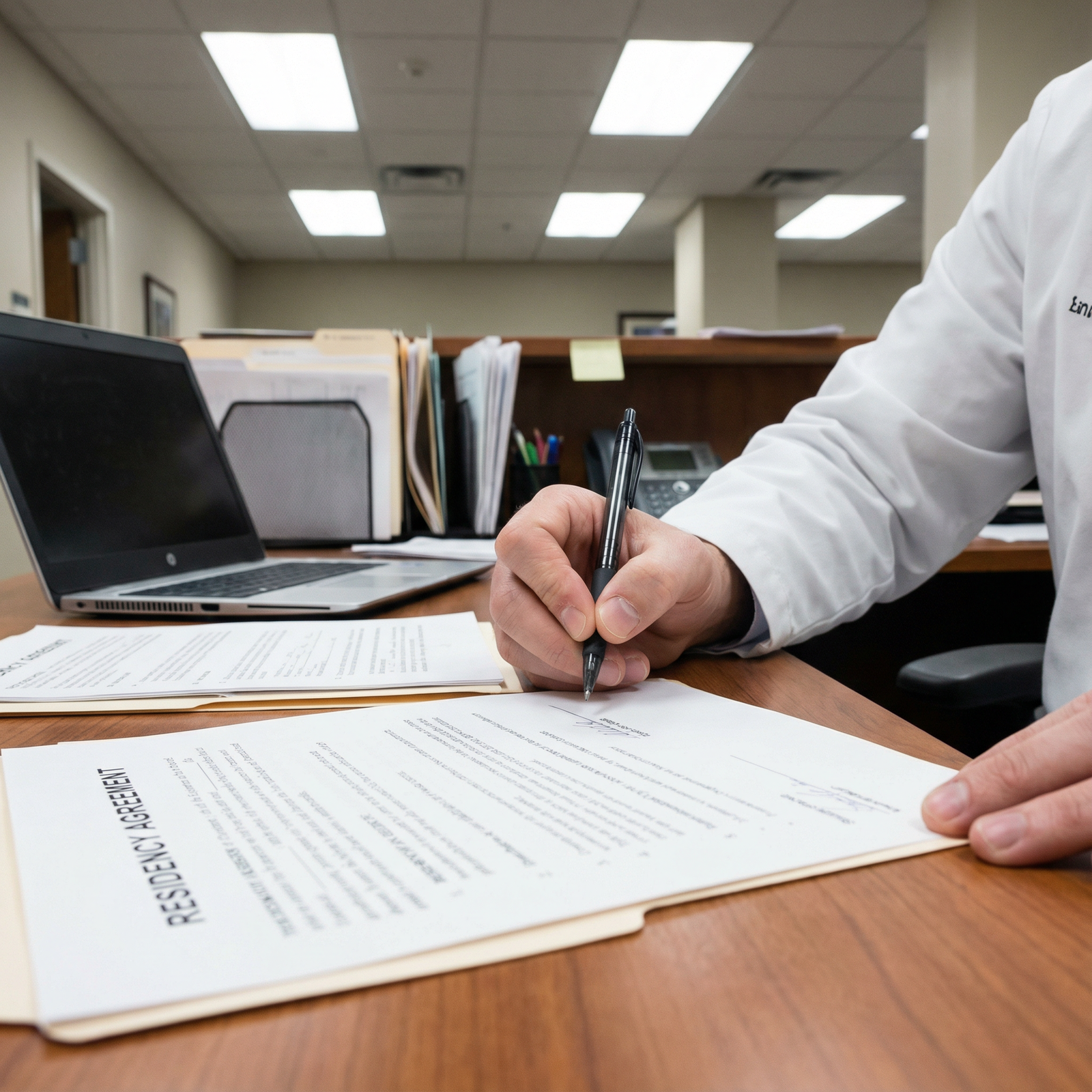
The Consequences of Ignoring NRMP Match Rules: Don’t Risk Your Future
Navigating residency applications is one of the most high‑stakes phases of a medical career. After years of exams, clinical rotations, and interviews, the National Resident Matching Program (NRMP) becomes the gateway to graduate medical education. The NRMP Match is designed to be fair, transparent, and structured—but only if everyone follows the rules.
Violating NRMP Match rules is not a minor technicality. Even unintentional missteps can trigger serious consequences that may derail your residency plans, delay your medical career, and damage your professional reputation. Understanding the expectations and staying in full compliance is as critical to your future as your USMLE/COMLEX scores or letters of recommendation.
This guide explains why NRMP rules matter, what can happen if you ignore them, which rules are most commonly misunderstood, and how to protect yourself as you move through the residency Match process.
Understanding the NRMP and the Match Process
Before you can comply with NRMP policies, you need a clear understanding of the organization and its role in residency applications.
What Is the NRMP?
The National Resident Matching Program (NRMP) is a nonprofit organization that coordinates the placement of medical students and graduates into residency and fellowship programs across the United States. It does not evaluate your credentials, run your interviews, or decide your rank. Instead, it provides a standardized framework and a matching algorithm that pairs:
- Applicants – medical students and graduates seeking residency or fellowship positions
- Programs – accredited residency and fellowship programs seeking trainees
Through the NRMP’s algorithm, both sides submit rank order lists (ROLs), and the system produces the best possible “stable” matches based on those preferences.
The NRMP Match as a Contractual System
Participating in the Match is not casual—it is contractual. When you register with the NRMP, you agree to the Match Participation Agreement. This is a binding contract that governs the behavior of:
- Applicants
- Residency and fellowship programs
- Medical schools
- Institutions sponsoring graduate medical education
By clicking “I agree,” you’re not just checking a box—you are entering into a legal agreement with clear rules, expectations, and consequences.
How the NRMP Fits into Residency Applications
The residency application landscape includes multiple entities:
- ERAS (Electronic Residency Application Service) – application submission
- NRMP – matching process and rules for offers/contracts
- ACGME – accredits programs
- State medical boards – licensure
While ERAS helps you send applications, the NRMP is where your Match participation lives—and where rule violations can be investigated and sanctioned. Understanding that distinction helps you know where rules apply and what behavior can trigger NRMP actions.
Why Strict Adherence to NRMP Match Rules Matters
NRMP rules are not optional guidelines; they are the backbone of a fair and predictable Match system. Breaking them can affect not only your current Match cycle, but your entire medical career.

1. Risk of Disqualification From the Match
One of the most severe and immediate consequences of ignoring NRMP Match rules is disqualification from the Match, either temporarily or permanently.
Possible disqualification scenarios
You may face NRMP investigation or sanctions if you:
- Enter into a binding agreement outside the Match (e.g., promising to accept a position in exchange for being ranked first)
- Provide false or misleading information to the NRMP or a program (e.g., fabricated research, misrepresented scores, altered transcripts)
- Fail to honor a Match commitment, such as refusing to start the residency position where you matched without an NRMP-approved waiver
- Arrange to hold multiple positions in the same Match cycle (e.g., attempting to secure more than one residency slot)
Sanctions can include:
- Removal from the current Match cycle
- Prohibition from participating in future NRMP Matches for one or more years
- Annotation in the NRMP Registration, Ranking, and Results (R3) system visible to programs
A disqualification is not just a one‑year inconvenience; it can close doors long-term. A gap in training, difficulty securing letters, and questions from licensing boards can compound the damage.
2. Loss of Training Opportunities and Desired Programs
Residency programs care deeply about professionalism, integrity, and reliability. NRMP rule violations strongly signal that an applicant may not embody those values.
Consequences can include:
- Rescinded interviews or offers
- Removal from a program’s rank order list
- Loss of opportunities at institutions that are highly interconnected (e.g., across a large health system)
Example:
If you misrepresent your exam status (e.g., claiming to have passed Step 2 when you have not), a program that discovers this discrepancy may:
- Notify the NRMP
- Report the issue to your medical school
- Decline to rank you—even if you were a strong candidate academically
This not only affects your chance at that specific program but can lead to broader scrutiny of your application and behavior.
3. Legal and Licensing Consequences
Because the Match Participation Agreement is a binding contract, serious violations may have legal implications.
Potential consequences:
- NRMP investigations and formal findings documented in your record
- Required disclosure of NRMP violations when applying for:
- State medical licenses
- Hospital privileges
- Fellowship programs
- Possible civil/legal repercussions in cases of fraud or misrepresentation
State medical boards and credentialing committees look closely at honesty and ethics. A documented NRMP violation can raise red flags about your professionalism and trustworthiness, factors that weigh heavily in licensure decisions.
4. Damage to Professional Reputation and Relationships
Medicine is built on trust, mentorship, and reputation. Word moves quickly through departments, specialties, and even across institutions.
Ignoring NRMP Match rules can:
- Undermine your faculty advocates if they feel misled or embarrassed by your actions
- Strain relationships with deans, clerkship directors, and advisors who supported your application
- Create informal “whisper networks” where your name is associated with unprofessional behavior
These effects can follow you:
- When seeking fellowship positions
- When applying for academic or leadership roles
- When requesting references later in your career
In a small, interconnected community like medicine, one major lapse can echo far beyond the Match.
5. Emotional and Psychological Toll
Beyond the professional risks, NRMP violations can carry a heavy personal cost:
- Acute stress and anxiety during an investigation
- Fear about career loss or temporary derailment
- Shame and isolation if peers match while you face sanctions
- Prolonged burnout, depression, or self-doubt if your path to residency is delayed
The Match is already emotionally intense. Adding a formal NRMP violation or disqualification amplifies that strain and can impact your mental health for years. It is far easier—and far safer—to stay compliant from the beginning than to rebuild after a serious misstep.
Key NRMP Match Rules Every Applicant Must Know
Most Match problems occur not because applicants intend to cheat the system, but because they misunderstand the rules. Knowing these core principles will help you stay compliant throughout your residency applications.
1. Rank Order Lists (ROLs): Accuracy, Integrity, and Deadlines
The ROL is central to the NRMP process.
Key expectations:
- Submit by the deadline: Late ROLs are not accepted. Missing the deadline means you will not participate in that Match cycle.
- Rank programs in your true order of preference: Do not try to “game” the algorithm based on where you think you’re most likely to match. The algorithm already works in your favor if you rank honestly.
- Only rank programs where you are willing and able to train: Ranking a program you would refuse to attend if matched is unprofessional and potentially sanctionable if you then decline to honor the match.
Action tip:
Put multiple reminders in your calendar (2 weeks, 1 week, and 48 hours before the ROL deadline). Double-check your list with a trusted advisor or dean before certification.
2. No Multiple Matches or Duplicate Positions
The NRMP governs a single binding commitment:
- You may not accept or arrange more than one residency position for the same start date and training level in the same Match cycle.
- Once you match, you are expected to begin training in that program unless you receive an official NRMP waiver.
This rule protects applicants and programs by preventing double‑booking and backdoor deals.
3. Truthful, Complete, and Accurate Information
Honesty is non-negotiable in residency applications.
You must:
- Provide accurate personal and academic information in ERAS and to programs (scores, graduation status, leaves of absence, disciplinary history, etc.)
- Avoid misrepresenting publications, research roles, leadership positions, or awards
- Update programs if there is a major change that affects your eligibility (e.g., failing Step 2 after submitting your application)
NRMP considers intentional falsification or omission of relevant information a serious violation of professional conduct.
4. Respect for Confidentiality and Communication Rules
The NRMP has strict guidelines about how programs and applicants may interact before, during, and after ranking.
Key points:
- Programs cannot demand that you reveal your rank list or force a “verbal commitment.”
- You should not attempt to manipulate programs by making false assurances (“You’re my number one”) if that is not true.
- Post‑interview communication is allowed, but coercive or misleading behavior from either side can be reportable.
If you feel pressured:
- Document the interaction (date, time, who said what).
- Discuss with your dean’s office.
- Contact the NRMP if you believe rules have been violated.
5. Honoring the Match and Post‑Match Commitments
When the Match results are released, the outcome is binding for both applicants and programs.
You are expected to:
- Start your residency at the matched program on the agreed date
- Complete at least the first year unless you obtain an NRMP‑approved waiver
Breaking this commitment without an approved waiver can lead to:
- NRMP investigation
- Sanctions that limit your participation in future Matches
- Negative annotations that programs see when considering you later
In rare circumstances (e.g., significant personal hardship, program closure, major life changes), you may apply for a waiver. However, waivers are not guaranteed and are evaluated carefully.
How to Stay Compliant and Protect Your Medical Career
NRMP rules may seem intimidating, but there are clear steps you can take to stay safe while navigating residency applications and the Match.
1. Read the NRMP Match Participation Agreement—Fully
Most applicants click “agree” without reading the document. Don’t. Set aside time to:
- Review the Match Participation Agreement relevant to your role (Main Residency Match, Supplemental Offer and Acceptance Program [SOAP], or fellowship Match)
- Note especially:
- Definitions of violations
- Sanction categories
- Your responsibilities and timelines
If any part is unclear, bring questions to your dean’s office or career advisor before proceeding.
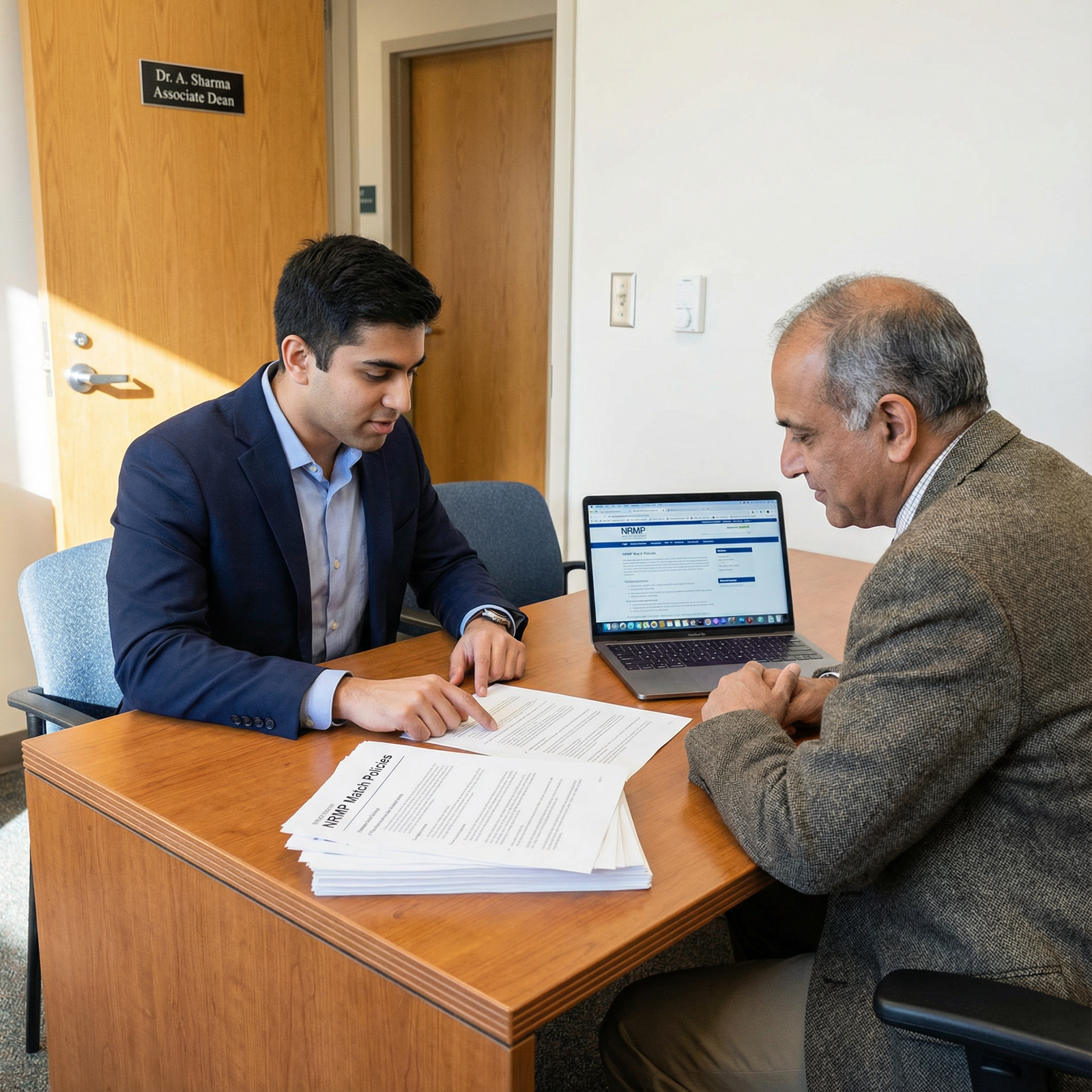
2. Use Your Medical School and Institutional Resources
Leverage the experience of people who have guided many cohorts before you:
- Student affairs deans and advisors – can clarify gray areas and help with difficult communication situations
- Residency preparation workshops – often include NRMP compliance information
- Official NRMP webinars and guides – updated annually and highly reliable
When in doubt—ask. A five‑minute conversation can prevent a months‑long investigation.
3. Document Important Interactions
Keep a simple log of:
- Interview dates and contacts
- Any unusual requests (e.g., being asked to reveal your rank list)
- Verbal promises or “informal offers” made by programs
This documentation can be helpful if you ever need to clarify events with your school or NRMP.
4. Be Conservative With Informal Promises
Avoid language that suggests binding commitments outside the Match, such as:
- “I promise I will definitely rank you first.”
- “If you rank me, I guarantee I’ll come.”
- “Let’s make an agreement that you take me and I’ll withdraw everywhere else.”
You may genuinely feel a program is your top choice—but communicate honestly and ethically:
- “You are one of my top choices.”
- “I am very enthusiastic about your program and could see myself thriving here.”
Never offer or agree to something that conflicts with NRMP Match rules.
5. Seek Help Immediately if You Think You Made a Mistake
If you believe you may have violated an NRMP rule:
- Do not panic, but act quickly.
- Contact your dean’s office or designated NRMP advisor.
- Gather relevant documents and emails.
- If appropriate, your school can help you communicate with the NRMP.
Self-reporting and early transparency often look better than waiting for a problem to be discovered by others.
Frequently Asked Questions About NRMP Match Rules and Consequences
Q1: What happens if I don’t submit my Rank Order List (ROL) by the deadline?
If you miss the ROL certification deadline:
- You will not participate in that year’s NRMP Match.
- You will not receive a Match outcome on Match Day.
- Your options may be limited to:
- Attempting to secure a position outside the NRMP system (where allowed), or
- Waiting until the next Match cycle.
Action tip: Treat the ROL deadline as firm and non‑negotiable. Submit early and confirm that your list is certified in the NRMP portal.
Q2: Can I rank the same residency program more than once on my Rank Order List?
No. You cannot list the same program more than once on your ROL. The NRMP algorithm does not allow duplicate entries, and attempting to do so could create confusion or be flagged as an error.
Instead, focus on:
- Accurately ranking different programs in your true order of preference
- Ensuring each entry reflects a valid program-code combination
Q3: What should I do if I think I may have violated NRMP rules?
If you suspect a violation:
- Stop any ongoing behavior that may be problematic.
- Consult your medical school (student affairs dean, NRMP advisor, or designated official) as soon as possible.
- Collect relevant records (emails, messages, notes from calls).
- With guidance from your school, consider contacting the NRMP for clarification or self‑reporting, if appropriate.
Trying to conceal a violation is more likely to lead to serious sanctions than addressing it honestly and promptly.
Q4: Is there an appeal or review process if I am sanctioned or disqualified by the NRMP?
The NRMP has formal policies for investigations and sanctions. While there is not a simple “appeal form” that reverses decisions at will, there is a structured process that may include:
- Notification of alleged violations
- Opportunity to provide your account and supporting documentation
- Review by the NRMP for final decision and sanction determination
However, once a final decision is made, it is rarely modified. This is why early compliance and honest communication are so important.
Q5: How can I make sure I stay compliant with NRMP Match rules throughout my residency application process?
To stay compliant:
- Read the Match Participation Agreement at the start of the season.
- Attend your school’s residency and NRMP info sessions.
- Regularly check the NRMP website for updated policies or deadlines.
- Keep your application materials accurate and up to date.
- Avoid side deals, verbal contracts, or any arrangement that contradicts the NRMP’s binding Match commitment.
- When in doubt, ask for guidance from your dean or advisor before acting.
Understanding and following NRMP Match rules is not simply about avoiding trouble; it is about protecting your medical career, demonstrating professionalism, and entering residency on solid ethical footing. By approaching the Match with integrity, transparency, and respect for the system, you not only safeguard your own future but also contribute to a fair and trustworthy process for your peers, your programs, and ultimately your patients.