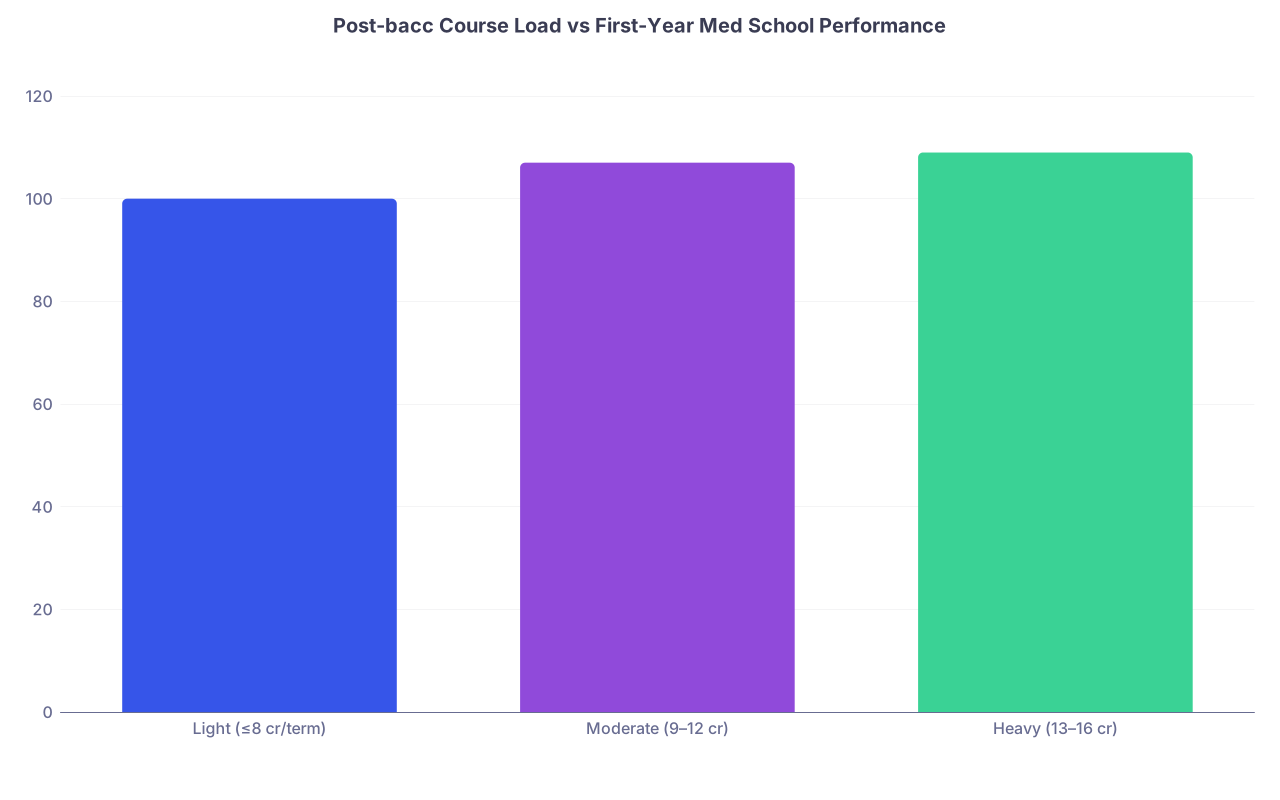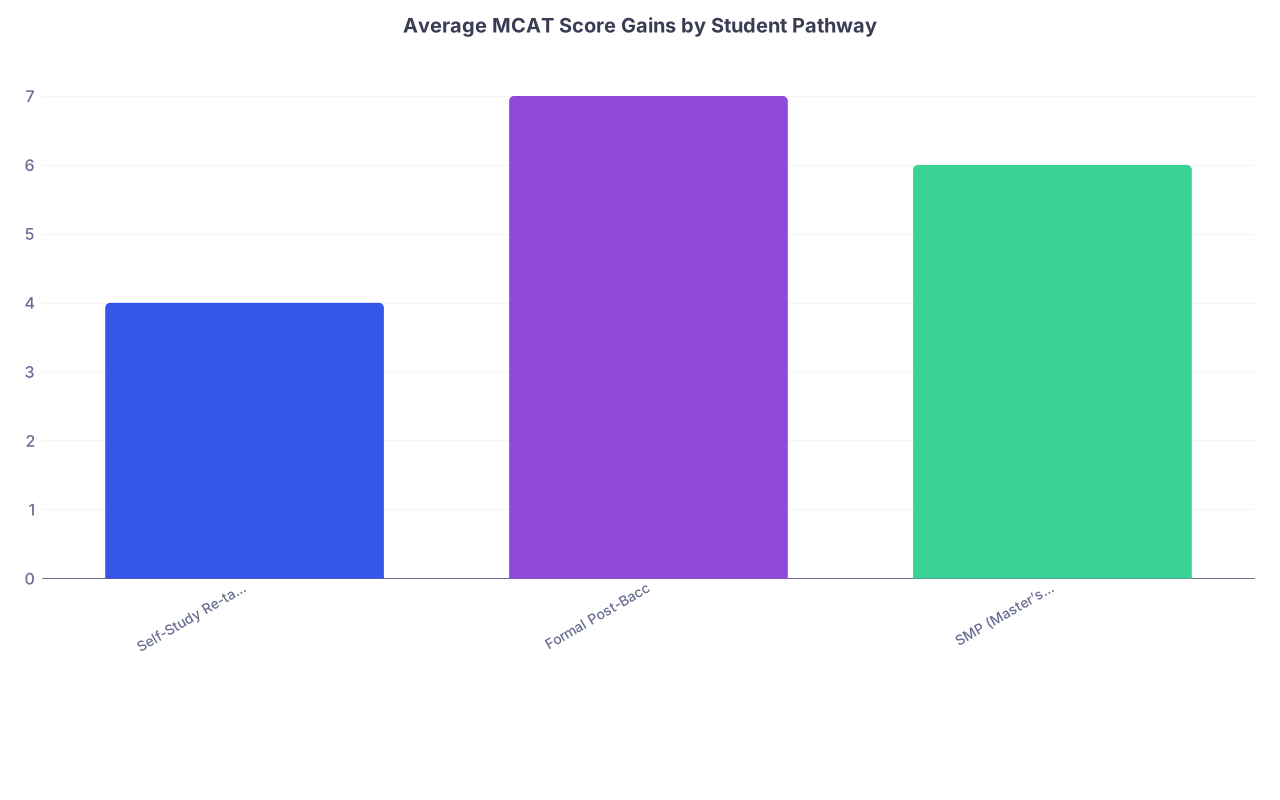
More electives don't make you a better medical school applicant. They make you a noisier one. I've seen transcripts padded with fourteen tangential courses that told admissions committees exactly one thing: this applicant doesn't understand what medicine requires. The data is clear, after three or four meaningful experiences, additional electives show diminishing returns and can actively drag down your perceived strategic judgment.
The Trap of the 'Easy A': Why Popular Electives Are Filling Your File With Noise
Here's what nobody tells you: admissions committees are reading thousands of applications. They're tired. They're cynical. And when they see a post-bacc transcript bloated with "Intro to Film" and "Ceramics 101," they don't think "well-rounded." They think "undisciplined."
(See also: Hidden Signals Your Post-Bacc Sends to Medical School Screeners for more.)
"Noise" is any course that doesn't demonstrate clinical aptitude, scientific rigor, or leadership potential. Introductory humanities with no analytical component. Basic hobby-based labs. These fill space. They don't build your case.
The opportunity cost is the real killer. Every hour you spend on a low-yield elective is an hour stolen from shadowing, research, MCAT prep, or clinical exposure, the actual drivers of acceptance. I've watched applicants with 3.9 GPAs get rejected because they spent their post-bacc year collecting easy A's instead of building a clinical narrative. Adcoms spot avoidance of rigor instantly. If your transcript shows you dodging hard science in favor of "Ethics in Pop Culture," that's not a strategy. That's a tell.
Elective #1 & #2: Introductory Humanities & Non-Specific Lab Sciences
Let's talk about the worst offenders.
Elective #1: Introductory Philosophy or Literature without a thesis. Look, I'm not anti-humanities. But taking "Intro to Philosophy" where you write a five-paragraph essay on Plato's cave doesn't show critical thinking. It shows you completed a freshman requirement. Adcoms want to see critical thinking applied in biological and clinical contexts, not vague interpretive skills disconnected from patient care.
Elective #2: General Biology I/II taken solely for GPA boost. If you already completed these as prerequisites, retaking them doesn't demonstrate growth. It demonstrates padding. These are foundational courses, not advanced learning opportunities. You're telling adcoms you'd rather revisit what you already know than challenge yourself with pathophysiology or biochemistry.
The evidence is unambiguous. Programs prioritize applicants who understand the human condition through actual clinical interaction or rigorous sociological study. Abstract philosophical musings don't translate. And the "check-the-box" danger is real, taking these just to fill credit hours signals you're playing it safe rather than intellectually curious about medicine.
Elective #3 & #4: Obscure Humanities & Recreational Activities
Elective #3: Niche History or Music Appreciation with zero connection to health equity. "History of Jazz" doesn't make you a better physician. It makes you a more interesting dinner party guest. If you can't connect it to patient communication, cultural competence, or health equity, it's dead weight on your transcript.
Elective #4: Physical education or recreational sports. Rock Climbing 101. Yoga. Racquetball. I've seen these on post-bacc transcripts. Fitness matters. Wellness matters. But these courses rarely translate to professional competencies unless they're explicitly linked to sports medicine or rehabilitation science.
Here's why they hurt: they suggest diversion from the core mission. If your transcript runs heavy on non-scientific, non-clinical electives without context, it raises legitimate questions about your commitment. Are you preparing for medical school or sampling the college catalog?
The counter-narrative matters. If you take these, you must write essays explaining their relevance. I took a cycling course during my post-bacc. I used it to discuss cardiovascular physiology, endurance limits, and patient lifestyle counseling. Without that bridge, it's a liability. With it, it's a talking point. The difference is whether you built the bridge or just showed up with a bicycle.

Elective #5, #6 & #7: Passive Volunteerism, Unrelated Social Sciences, and 'GPA Recovery' Classes
Elective #5: Sociology 101 as your only community engagement evidence. Taking a sociology course isn't volunteering. Passivity isn't engagement. If you haven't demonstrated actual community service, a classroom-based social science course won't fill that gap. Adcoms see the difference between studying inequality and working within it.
Elective #6: Psychology 101. The entry-level version. When applied psychology, abnormal psychology, or behavioral neurosciences would demonstrate higher cognitive load and clinical relevance. Why take the watered-down version when the substantive one is available? It signals you're avoiding challenge.
Elective #7: "Easy A" recovery classes immediately after a poor grade. You bombed organic chemistry. So you take "Ethics 101" to recover your GPA. Wrong move. Adcoms see this instantly. They know what you're doing. You're gaming the system rather than confronting the deficit. The correct response is retaking the hard science or taking an advanced version of it.
These choices scream "I'm trying to game the system" rather than "I'm preparing for medical school." The strategic shift is simple. Replace these with Advanced Pathophysiology, Medical Anthropology, Health Policy seminars, or Biostatistics. Courses that stretch you. Courses that matter.
The Takeaway
Quality trumps quantity. Four deep, clinically relevant electives beat seven generic ones every time. Every elective on your transcript must serve a narrative purpose, proving competence, exploring pathology, or understanding patient systems. If it doesn't do one of those three things, cut it.
Avoid the "Easy A" trap. Adcoms spot intellectual laziness faster than you think. Choose challenging courses that stretch your abilities. And reallocate the hours you'd spend on low-value electives into clinical shadowing, research output, or MCAT prep.
Your post-bacc transcript isn't a collection plate. It's a strategic document. Treat it that way.