Introduction: Policy Reform as a Tool for Equitable Healthcare Access
Healthcare Access is not just a service issue—it is a matter of justice, ethics, and public health. Despite dramatic advances in diagnostics, pharmaceuticals, and digital health technologies, millions of people in the United States and globally remain unable to obtain timely, affordable, and culturally appropriate care. These gaps are not random; they follow familiar lines of income, race and ethnicity, geography, immigration status, disability, and language proficiency.
For medical students, residents, and early-career clinicians, understanding these structural barriers and the role of Policy Reform is now a core professional competency. Clinical excellence alone is not enough when patients cannot reach you, afford their medications, or trust the institutions meant to serve them.
This expanded guide breaks down:
- The major barriers to accessing care in the current system
- How specific policy reforms—from Medicaid Expansion to Telemedicine and Cultural Competency standards—are beginning to close these gaps
- Real-world case studies that illustrate what works
- Practical steps for trainees and clinicians to engage in advocacy and systems-level change
By the end, you should be able to connect individual patient struggles with broader policy levers—and see where your voice and leadership fit in.
Understanding the Major Barriers to Healthcare Access
Improving Healthcare Access starts with recognizing that barriers are multifactorial and interlocking. Patients rarely face just one obstacle; instead, cost, geography, culture, and policy intersect to create compounded disadvantage.
1. Financial Barriers: When Cost Overrides Medical Need
Financial barriers are among the most visible and distressing for both patients and clinicians.
Key challenges include:
- High premiums, deductibles, and copays
- Surprise medical bills and out-of-network charges
- Lack of coverage for essential services such as mental health, dental, vision, and reproductive care
- Underinsurance—having a plan but still facing unaffordable out-of-pocket expenses
Data consistently show that roughly 1 in 3 adults in the U.S. report delaying or skipping care due to cost, including diagnostic tests, medications, and follow-up visits. Even insured patients often skip physical therapy, specialist referrals, or imaging when copays accumulate.
For trainees in clinic:
- The patient who “lost” their inhaler may actually be unable to pay for a refill.
- The patient with uncontrolled diabetes may be stretching insulin doses to last the month.
- The “no-show” may be avoiding follow-up because they fear another bill.
These financial dynamics are a primary driver of preventable hospitalizations, emergency department (ED) use, and long-term complications.
2. Geographic Barriers: Where You Live Shapes Your Care
Geography strongly predicts health outcomes, often summarized in the phrase: “Your ZIP code can matter more than your genetic code.”
Rural and underserved communities frequently face:
- Few or no primary care clinicians
- Shortages of specialists (e.g., psychiatry, OB/GYN, endocrinology)
- Hospital closures, especially obstetric and critical care units
- Long travel distances for basic services such as dialysis or chemotherapy
Rural residents are more likely than urban residents to experience:
- Higher rates of chronic diseases (e.g., COPD, diabetes, cardiovascular disease)
- Lower life expectancy
- Delayed diagnoses due to fewer screening and preventive services
Urban “healthcare deserts” also exist, particularly in low-income neighborhoods where hospitals and clinics have closed or never been established. Geographic isolation compounds other barriers such as lack of transportation and limited broadband, affecting access to both in-person care and Telemedicine.
3. Cultural and Language Barriers: When Care Does Not Fit the Patient
Even when patients reach a clinic and can pay for services, communication and trust can still break down.
Common obstacles include:
- Limited English proficiency and lack of professional medical interpreters
- Cultural misunderstandings around pain, mental health, reproductive choices, or end-of-life care
- Historical and ongoing mistrust of the medical system among marginalized communities (e.g., due to racism, discrimination, or prior negative experiences)
- Inadequate Cultural Competency training among clinicians and staff
Patients who feel judged, misunderstood, or dismissed are less likely to return, follow through with treatment, or share critical information. This leads to missed diagnoses, lower adherence, and poorer outcomes, especially in chronic disease management and mental health.
Developing Cultural Competency is therefore not “optional soft skills”—it is central to quality care and equitable outcomes.
4. Policy-Related Barriers: Coverage Gaps and Administrative Complexity
Policy design directly shapes who can access care, what is covered, and how easy or hard it is to navigate the system.
Key policy-related barriers include:
- States that have not implemented Medicaid Expansion, leaving millions in a “coverage gap”
- Restrictive eligibility criteria or frequent reauthorization requirements for public programs
- Fragmented mental health and substance use coverage
- Complex paperwork, documentation, and prior authorization processes
As of recent counts, tens of millions of Americans remain uninsured or underinsured. Even for those with coverage, administrative burdens function as a hidden barrier: long hold times, lost forms, confusing denial letters, and opaque appeals processes.
From the clinician perspective, policy barriers often show up as time lost to insurance battles rather than patient care.
5. Transportation and Logistical Barriers: Getting There and Back
Logistics are often underestimated as a barrier, yet they can be decisive for vulnerable patients.
Common issues:
- No personal vehicle and poor public transportation
- Long distances to specialty clinics or tertiary centers
- Inability to afford gas, parking, or rideshares
- Mobility limitations or caregiving responsibilities
- Inflexible work schedules and lack of paid sick leave
Missed appointments are frequently labeled as “noncompliance,” but for many patients, each visit requires a complex balancing act of child care, shift work, and transportation coordination. Policy solutions must address these real-world constraints.

How Policy Reform Can Transform Healthcare Access
Policy Reform is one of the most powerful tools for addressing structural barriers to care. Below are key domains where legislative and regulatory changes are already reshaping access, along with lessons for future reform.
1. Strengthening Coverage Through Medicaid Expansion and Medicare Innovation
Why Medicaid Expansion is Central
Medicaid Expansion under the Affordable Care Act (ACA) extended eligibility to low-income adults who previously fell into a “coverage gap”—earning too much for traditional Medicaid but too little for subsidized marketplace plans.
Evidence from expansion states shows:
- Significant reductions in uninsured rates, especially among low-income adults and racial/ethnic minorities
- Increased use of preventive services (cancer screening, vaccinations, chronic disease monitoring)
- Lower rates of medical debt and catastrophic health expenditures
- Improved access to mental health and substance use treatment
Case Example: Kentucky
Following Medicaid Expansion, Kentucky saw:
- Roughly a 20% drop in uninsured rates
- Expanded access to primary care, behavioral health, and specialty services
- Enrollment of hundreds of thousands of adults who had previously delayed or avoided care due to cost
These changes translated into higher rates of cancer screening, improved diabetes management, and earlier treatment of mental health conditions.
Medicare Policy Reforms
For older adults and people with disabilities, Medicare remains foundational—but gaps exist, especially in:
- Long-term care
- Dental, vision, and hearing services
- Out-of-pocket costs for prescriptions
Ongoing Medicare reforms, including efforts to cap out-of-pocket prescription drug costs and expand preventive services, directly enhance Healthcare Access and protect against financial hardship.
Actionable Insight for Trainees:
When discussing affordability with older patients, understanding Medicare Part D coverage gaps, supplemental plans, and new caps on medication costs can help you suggest realistic options and refer appropriately to social workers or financial navigators.
2. Moving Toward Universal Healthcare Models
While the U.S. relies on a patchwork of coverage types, several high-performing systems globally demonstrate the potential of Universal Healthcare models.
Why Universal Coverage Matters
Universal coverage systems:
- Guarantee access to a defined package of services for all residents
- Dramatically reduce the rate of uninsured and underinsured individuals
- Simplify administrative processes for both patients and providers
- Emphasize primary care, prevention, and population health
These features tend to produce:
- Better health outcomes (e.g., lower infant mortality, longer life expectancy)
- Lower per-capita healthcare costs
- More predictable and transparent patient expenses
Case Example: Canada’s Publicly Funded System
Canada provides a frequently cited model of a publicly financed system where core medical services are covered through provincial plans.
Key strengths include:
- Universal access to hospital and physician services
- Strong emphasis on primary care and continuity
- Lower rates of medical bankruptcy compared to the U.S.
While challenges such as wait times for elective procedures exist, the Canadian experience shows that decoupling basic access from employment status or income can yield more equitable outcomes.
Implication for U.S. Policy Reform:
Even without full-scale system redesign, incremental steps—like standardized essential benefits, tighter regulation of cost-sharing, or public options—can move the system closer to universal, equitable coverage.
3. Expanding and Regulating Telemedicine for Equity
The rapid growth of Telemedicine during the COVID-19 pandemic offered a proof-of-concept: virtual care can meaningfully improve access, especially for patients facing geographic, mobility, or time barriers.
Telemedicine as an Access Tool
Telehealth can:
- Reduce travel time and transportation costs
- Bring specialty care to rural and underserved communities
- Allow patients with disabilities or caregiving responsibilities to access care from home
- Expand mental health and addiction treatment capacity
However, equitable Telemedicine requires thoughtful policy and infrastructure.
Key Telehealth Policy Reforms
Effective reforms include:
- Payment parity laws: Requiring insurers (including Medicaid and Medicare in some contexts) to reimburse Telemedicine visits at rates comparable to in-person visits when clinically appropriate.
- Licensure flexibility: Allowing cross-state practice or compacts for Telemedicine to address specialist shortages.
- Technology access initiatives: Subsidizing broadband and devices in underserved areas to avoid widening the digital divide.
Case Example: California’s Telehealth Reform
California passed legislation requiring equal payment for many Telehealth services compared with in-person visits. Outcomes included:
- Significant increases in virtual behavioral health visits
- Improved follow-up rates for chronic disease management
- Reduced no-show rates among patients who previously faced transportation or childcare barriers
For trainees, Telemedicine skills—from effective “webside manner” to assessing what can and cannot be managed virtually—are now core competencies.
4. Building Cultural Competency and Language Access Into Policy
Cultural Competency is essential for safe, respectful, and effective care. Policy can support this in several ways:
Elements of Culturally Competent Care
- Mandatory training for clinicians and staff on implicit bias, communication skills, and cross-cultural care
- Requirement for qualified medical interpreters and translated materials in common languages
- Support for recruiting a diverse workforce that reflects the communities served
- Integration of community health workers and patient navigators who share cultural and linguistic backgrounds with patients
Case Example: Massachusetts Cultural Competency Initiatives
Massachusetts has implemented Cultural Competency training initiatives tied to professional licensure and institutional accreditation. Reported outcomes include:
- Improved patient satisfaction scores among diverse populations
- Increased adherence to treatment plans
- Better understanding of patients’ health beliefs and social context
In practice, culturally competent care might mean:
- Exploring how cultural or religious beliefs shape attitudes toward medications, diet, or end-of-life decisions
- Acknowledging historical trauma and systemic racism when engaging with marginalized groups
- Using trained medical interpreters rather than relying on family members or ad-hoc solutions
For residents and students, investing in Cultural Competency is both an ethical responsibility and a clinical skill that improves diagnostic accuracy and follow-through.
5. Transportation and Social Support Initiatives
Transportation and other social determinants of health can be addressed through targeted policies and innovative partnerships.
Policy levers include:
- Medicaid-covered non-emergency medical transportation (NEMT)
- Partnerships between health systems and rideshare companies or local transit authorities
- Grants for community-based transportation programs for seniors and people with disabilities
- Flexible scheduling, extended clinic hours, and mobile health units
Case Example: Ohio’s “HealthLine” Initiative
In Ohio, a program known as “HealthLine” collaborated with rideshare services to provide free or low-cost rides to clinical appointments for low-income patients. Results included:
- A roughly 40% increase in appointment attendance
- Fewer missed follow-ups after hospital discharge
- Better continuity of care for patients with chronic conditions
For clinicians, documenting transportation challenges in the chart and working closely with case managers or social workers can help activate these resources when available.

The Clinician’s Role: Advocacy, Ethics, and Personal Development
Policy Reform may seem distant from day-to-day patient care, but clinicians—especially early in their careers—are uniquely positioned to drive change.
Integrating Health Policy into Professional Identity
For medical trainees, understanding public health policy is part of both Personal Development and Medical Ethics:
- Ethically, clinicians have a duty to advocate for systems that do not systematically exclude or harm vulnerable groups.
- Professionally, knowledge of health policy improves your ability to navigate systems, support patients, and participate in institutional decision-making.
Ways to build this competency include:
- Electives in health policy, public health, or advocacy during medical school and residency
- Joining hospital committees focused on quality improvement, health equity, or community benefit
- Participating in local or national professional organizations’ advocacy efforts
Practical Advocacy Actions for Trainees and Residents
You do not need a policy degree to influence healthcare reform. Possible actions:
- Patient-level advocacy: Connect patients to financial assistance, transportation resources, social services, and language support. Document barriers to influence institutional awareness.
- Institutional-level advocacy: Work on quality improvement projects that address missed appointments, readmissions, or disparities. Present data to leadership and propose targeted interventions.
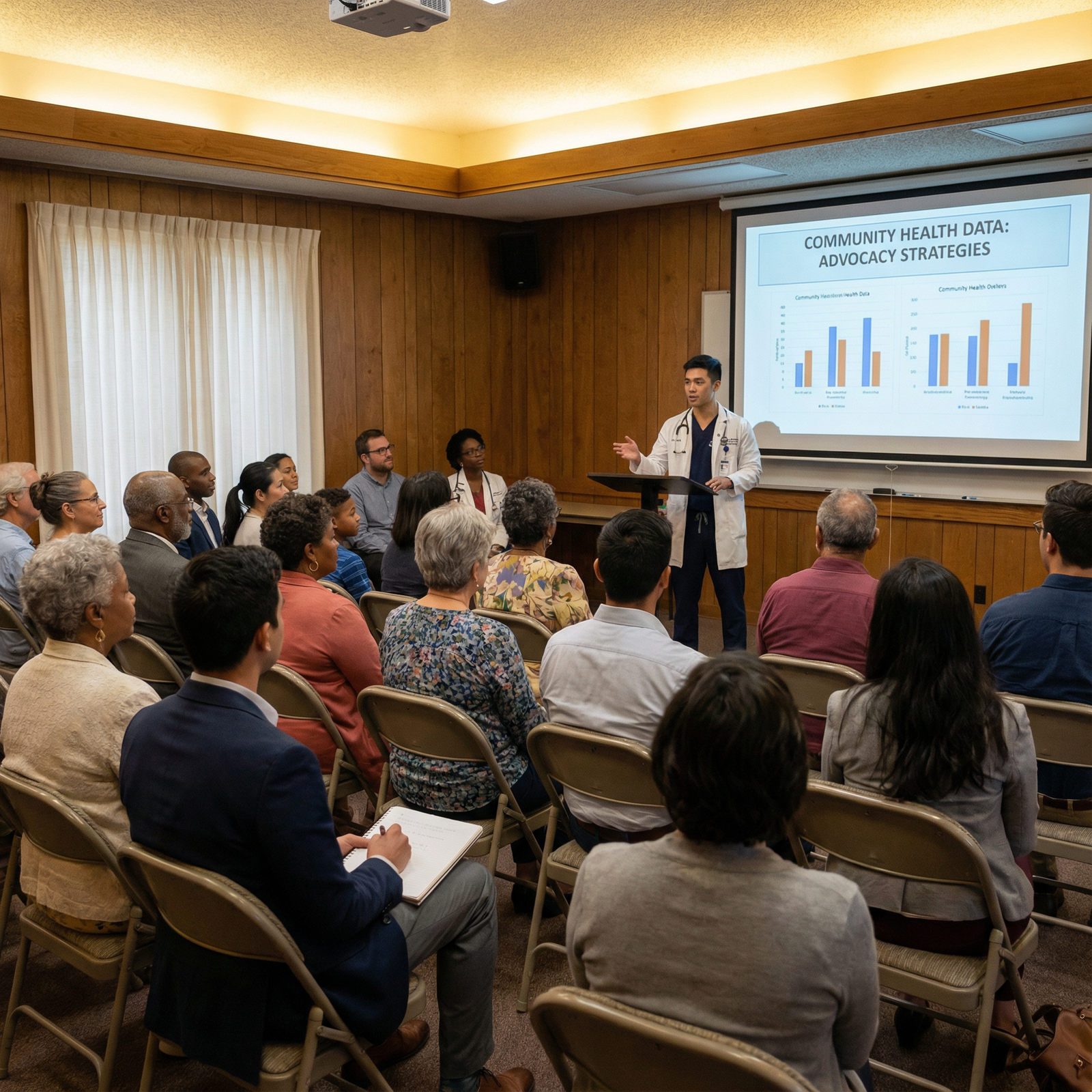
- Community-level engagement: Partner with community organizations on screening events, health education, or Telemedicine outreach in underserved neighborhoods.
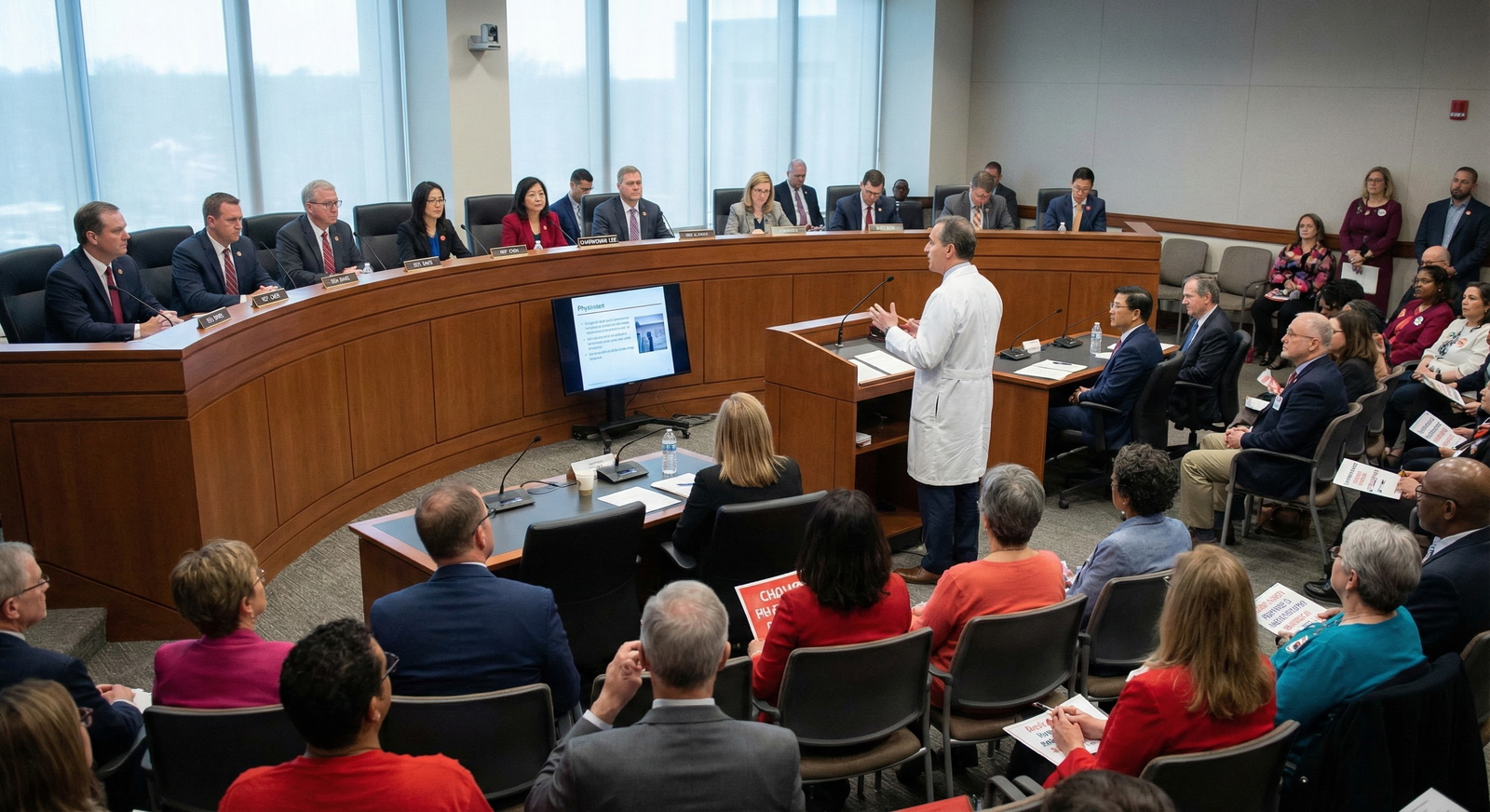
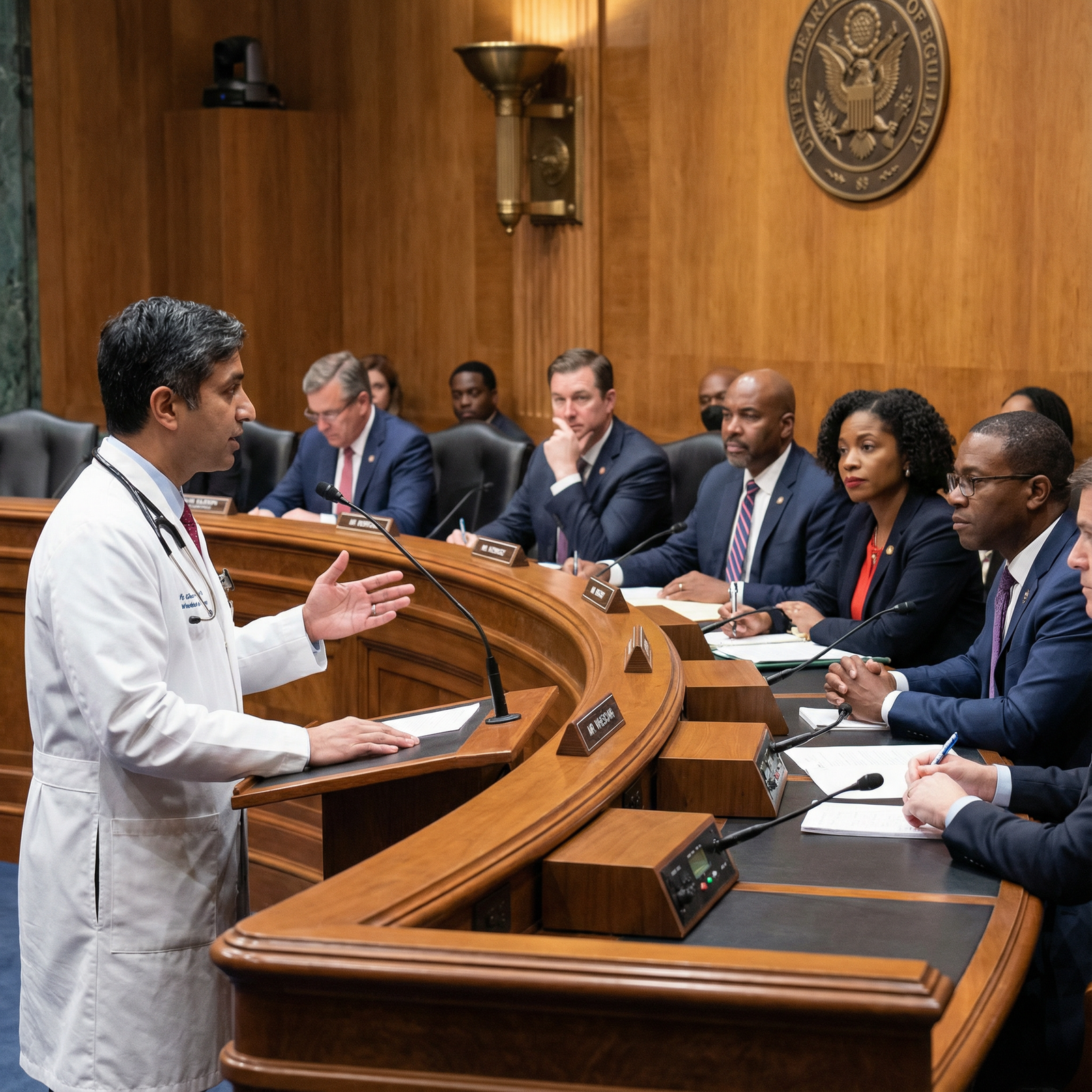
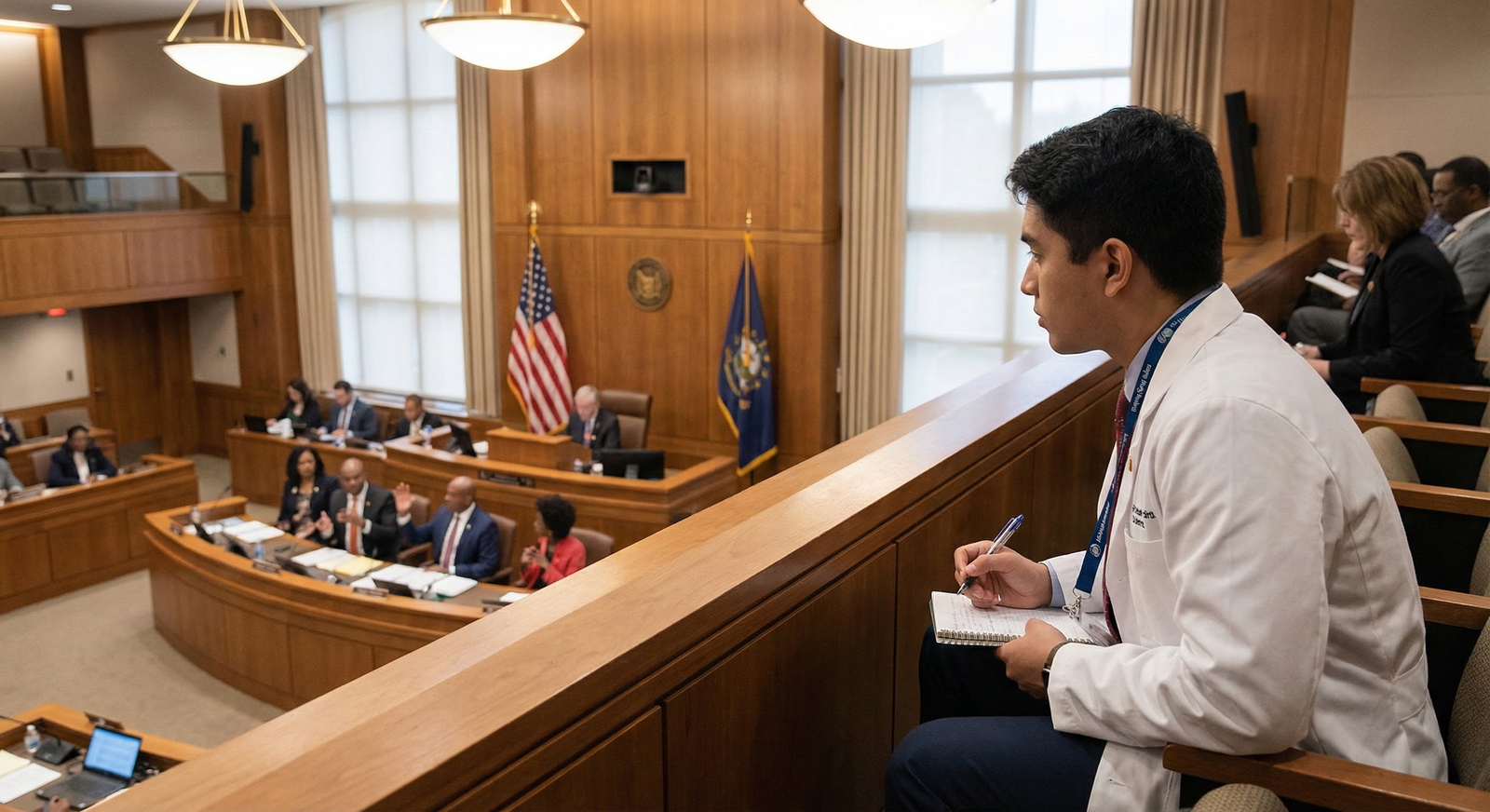
- Policy-level involvement: Testify at local hearings, submit comment letters on proposed regulations, or participate in advocacy days through professional societies.
Framing your clinical observations in policy terms—“We are seeing repeated hospitalizations due to lack of insurance and medication affordability”—can make your voice especially powerful.
FAQs: Policy Reform and Healthcare Access
1. What are the most significant barriers to Healthcare Access today?
The major barriers include:
- Financial barriers: High out-of-pocket costs, underinsurance, and medical debt
- Geographic barriers: Provider shortages and long distances to care, especially in rural areas
- Cultural and language barriers: Limited Cultural Competency, lack of interpreters, mistrust of institutions
- Policy-related barriers: Gaps in coverage due to limited Medicaid Expansion, restrictive eligibility, and complex administrative requirements
- Transportation and logistical barriers: Lack of reliable transportation, inflexible work schedules, and caregiving demands
These factors often overlap, especially for low-income patients, racial and ethnic minorities, immigrants, and people with disabilities.
2. How does Medicaid Expansion improve access and outcomes?
Medicaid Expansion:
- Increases the number of insured individuals, particularly among low-income adults
- Enhances access to primary care, preventive services, mental health care, and chronic disease management
- Reduces avoidable ED visits and hospitalizations by enabling earlier, outpatient-level care
- Decreases medical debt and financial hardship related to healthcare costs
Studies from expansion states consistently show improved Healthcare Access, better self-reported health, and in some analyses, reduced mortality.
3. What role does Telemedicine play in enhancing access to care?
Telemedicine:
- Removes geographic and transportation barriers by allowing patients to connect from home or work
- Expands access to scarce specialists, including mental health providers, in rural and underserved areas
- Supports chronic disease management through regular, low-burden follow-up visits
- Can reduce no-shows and improve appointment flexibility for patients with complex schedules
For Telemedicine to enhance equity rather than worsen disparities, policies must support broadband access, digital literacy, and payment parity, especially in Medicaid and Medicare populations.
4. Why is Cultural Competency crucial for equitable healthcare?
Cultural Competency:
- Improves communication and trust between patients and providers
- Reduces misdiagnoses and inappropriate treatment plans that arise from misunderstandings or bias
- Encourages adherence by aligning recommendations with patients’ beliefs, values, and social realities
- Helps address systemic inequities by making institutions more responsive to diverse communities
Policies that require training, interpreter services, and diverse workforce recruitment are key to embedding Cultural Competency into everyday care.
5. How do transportation and social support initiatives increase Healthcare Access?
Transportation and social support programs:
- Help patients overcome logistical barriers to attending appointments, especially for chronic care, prenatal visits, and cancer treatment
- Reduce missed appointments and preventable complications following hospital discharge
- Address broader social determinants of health (like housing, food security, and employment) that influence patients’ ability to prioritize their health
Examples include Medicaid-funded non-emergency medical transportation, rideshare partnerships, mobile clinics, and dedicated care coordinators or community health workers.
Enhancing Healthcare Access through targeted Policy Reform is both a public health imperative and an ethical mandate. For clinicians and trainees, understanding these policy levers—and engaging with them—transforms you from a passive participant in a flawed system into an active contributor to a more just, inclusive, and effective model of care.