The Intersection of Medicine and Policy: Why Physicians Must Get Involved
In today’s rapidly changing healthcare environment, medicine and policy are deeply intertwined. Clinical decisions at the bedside are increasingly shaped by choices made in legislatures, health departments, hospital boards, and insurance companies. As a result, physicians are no longer simply clinicians; they are critical stakeholders in Healthcare Policy, Public Health, and systems-level decision-making.
When physicians remain absent from policy conversations, decisions about payment models, scope of practice, public health priorities, and access to care are frequently made without the people who best understand patient needs and real-world clinical realities. When they engage, policies are more likely to be grounded in Evidence-Based Medicine and aligned with better Health Outcomes.
This article explores why physician involvement in policy and advocacy is essential, how it benefits patients and the profession, and practical steps for medical students, residents, and practicing clinicians to become effective advocates and leaders.
How Policy Shapes Everyday Medical Practice
The Hidden Architecture of Care: What Policy Actually Does
Even if you never step into a legislative office, policy shapes almost every aspect of your clinical day. Healthcare Policy is the architecture behind the scenes that determines how—and for whom—care is delivered.
Policy decisions influence:
- Who gets care and who does not
- What services are covered and reimbursed
- Where care is available, including the viability of rural or safety-net clinics
- How clinicians practice, through regulation, licensing, and quality metrics
- Which public health interventions are prioritized and funded
Understanding this landscape is not a luxury; it’s part of being an effective, ethical physician.
Key Policy Domains That Affect Physicians and Patients
1. Funding Allocations and Resource Distribution
Resource allocation is fundamentally a policy decision. It affects:
- Hospital and clinic capacity (e.g., number of beds, staffing ratios, ICU resources)
- Technology and equipment (e.g., MRI availability, telehealth infrastructure)
- Public health programs (e.g., vaccination campaigns, harm-reduction services, maternal health programs)
- Research grants and training programs (e.g., funding for residency slots, clinical trials, health disparities research)
Example: A state’s decision to expand (or not expand) Medicaid directly impacts hospital financial stability, uncompensated care burden, and whether vulnerable patients can afford basic medications and preventive visits.
2. Regulation, Quality Standards, and Scope of Practice
Policies define:
- Licensing and credentialing requirements
- Standards for malpractice and liability
- Infection control and patient safety mandates
- Scope-of-practice rules for nurses, PAs, pharmacists, and other health professionals
- Reporting requirements for infectious diseases, abuse, and adverse events
These regulations aim to protect patients, but poorly designed or outdated rules can create unnecessary administrative burden and obstruct high-quality care.
3. Insurance Design and Coverage Policies
Insurance legislation and payer policies determine:
- Which medications and procedures are covered (formularies, prior authorizations)
- Levels of copays and deductibles for patients
- Networks and referral patterns
- Access to mental health, reproductive health, and substance use treatment
A single policy change—such as including insulin on a preferred formulary or eliminating copays for preventive screenings—can substantially shift Health Outcomes at a population level.
In short, health policy is not an abstract concept. It’s the invisible framework that directly shapes what you can offer your patients, how long you spend with them, and what treatments are realistic for their circumstances.
Evidence-Based Policy: Why Physician Expertise Is Essential

From Evidence-Based Medicine to Evidence-Informed Policy
Physicians are trained to practice Evidence-Based Medicine: integrating clinical expertise, best available research, and patient values. This same mindset is urgently needed in policymaking.
Evidence-informed policy:
- Uses high-quality data and rigorous methods
- Evaluates risks, benefits, and unintended consequences
- Considers cost-effectiveness and resource constraints
- Prioritizes interventions that improve Health Outcomes and reduce disparities
Without physician input, policy discussions may be driven more by politics, anecdotes, or financial interests than by science and patient welfare.
How Physicians Contribute Unique Value to Policy
1. Real-World Clinical Data and Insight
Physicians see the daily impact of policies on patients:
- A patient hospitalized because they rationed insulin
- A missed cancer diagnosis due to lack of insurance and delayed screening
- A preventable overdose when treatment for substance use disorder was unavailable
These cases are not just stories; they are data points illustrating where the system fails. When aggregated and communicated effectively, they can powerfully shape Public Health agendas and legislative priorities.
2. Research and Translational Expertise
Many physicians participate in:
- Clinical trials
- Health services research
- Quality improvement and implementation science
- Population health and epidemiology studies
This work generates evidence that can:
- Inform coverage decisions (e.g., which screening programs to fund)
- Guide pandemic response strategies
- Shape guidelines for chronic disease management
- Evaluate effectiveness of new payment models or care pathways
When physicians translate research into policy recommendations, they help close the gap between knowledge and practice at a system level.
3. Bridging Communication Between Science and Policy
Policymakers often struggle to interpret complex scientific findings. Physicians can:
- Explain evidence in clear, accessible language
- Highlight what is known, what is uncertain, and where caution is warranted
- Identify potential harms of ignoring data (e.g., vaccine hesitancy, antibiotic resistance)
- Promote balanced, nonpartisan approaches centered on patient and Public Health needs
This role became especially visible during the COVID-19 pandemic, where effective physician communicators helped guide communities through fast-changing evidence and rapidly evolving guidance.
Why Physician Advocacy Improves Health Outcomes
Physicians as Advocates for Public Health and Prevention
Physicians have credibility and lived experience that make them powerful advocates for Public Health measures, such as:
- Vaccination policies and school-entry requirements
- Tobacco control, vaping regulations, and taxation
- Road safety, firearm injury prevention, and violence reduction
- Environmental health (air quality, climate change-related health risks)
- Access to reproductive health and family planning services
Example: Pediatricians advocating for stronger vaccine mandates have helped maintain high immunization rates, preventing resurgences of measles and other preventable diseases.
Addressing Health Inequities and Social Determinants of Health
Policy is one of the most potent tools to address inequities that no amount of individual clinical care can solve. Physicians can draw attention to how social and structural factors—such as housing, food insecurity, structural racism, or immigration status—affect patient health.
Advocacy can target:
- Expansion of insurance coverage and safety-net services
- Language access and culturally appropriate care
- Transportation and telehealth access for rural and underserved communities
- Funding for community health workers and integrated behavioral health
- Structural reforms addressing racism, gender inequity, and discrimination
By highlighting patterns across their panels and communities, physicians can help policymakers understand where structural changes are needed to improve Health Outcomes at scale.
Educating Policymakers with Clinical Reality
Many lawmakers have limited exposure to the day-to-day realities of clinical care. Physicians can:
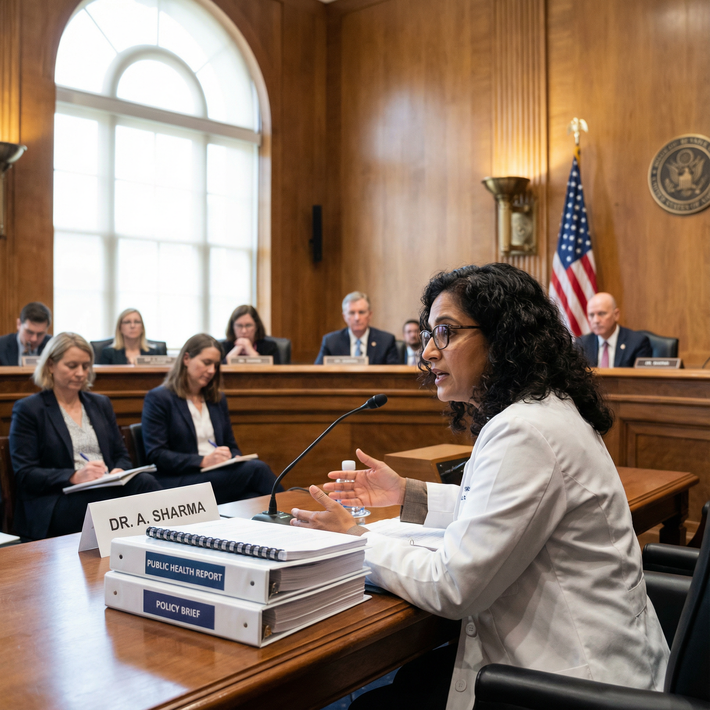
- Testify at legislative hearings
- Host policymakers for clinic or ED shadowing visits
- Provide written or oral expert testimony
- Participate on governmental advisory boards, task forces, or commissions
When decision-makers see firsthand how policy translates into care delays, uncompensated care, or preventable suffering, they are more likely to support reforms that genuinely improve systems.
How Advocacy Strengthens the Physician–Patient Relationship
Building Trust Through Visible Commitment to Patients’ Interests
When patients see their physicians speaking out on issues like medication affordability, insurance coverage, and social justice, it reinforces the perception that:
- Their doctor understands their challenges beyond the exam room
- Their concerns are being heard at higher levels
- The healthcare system, through its clinicians, is trying to work in their best interest
This visible Physician Advocacy can increase trust—not just in individual clinicians, but in healthcare institutions more broadly.
Empowering Patients Through Policy-Informed Care
Physicians who understand health policy can:
- Help patients navigate insurance and coverage barriers
- Inform them of their rights regarding privacy, disability, and workplace protections
- Connect them with community resources (e.g., food assistance, legal aid, housing services)
- Encourage civic engagement, such as participating in community forums or supporting Public Health initiatives
By integrating policy literacy into clinical encounters, physicians help patients become informed, empowered partners in their own care.
Policy Engagement as a Path to Professional Fulfillment
Counteracting Burnout Through Systems-Level Impact
Burnout often stems from moral distress and systemic dysfunction—physicians know what their patients need but are blocked by bureaucracy, financial barriers, or unsafe workloads. Advocacy offers a path from frustration to constructive action.
Engaging in policy can:
- Transform anger or helplessness into purposeful effort
- Create a sense of agency over systemic problems
- Connect physicians to like-minded colleagues and interprofessional allies
- Lead to tangible changes (e.g., reduced administrative burden, better staffing ratios)
Many physicians report that advocacy and leadership roles restore a sense of meaning, aligning their daily work with their deeper values.
Leadership, Career Development, and Professional Identity
Policy engagement opens doors to:
- Leadership positions in hospitals, medical schools, and health systems
- Roles in governmental agencies, NGOs, or global health organizations
- Academic careers in health policy, bioethics, or Public Health
- Consulting and advisory work with industry or think tanks
For residents and early-career physicians, developing policy skills (communication, negotiation, systems thinking) can differentiate them professionally and shape a career trajectory that blends clinical work with broader impact.
Real-World Examples of Physician-Policy Impact
Dr. Vivek Murthy – National Leadership in Public Health
As U.S. Surgeon General, Dr. Vivek Murthy has:
- Elevated mental health and loneliness as public health crises
- Addressed the opioid epidemic through evidence-based strategies
- Advocated for vaccination and science-based COVID-19 response
His work demonstrates how a physician can mobilize clinical experience and scientific evidence to influence national Healthcare Policy and Public Health strategies.
Dr. Atul Gawande – Reform Through Writing and Implementation
Dr. Atul Gawande has shaped policy and public perception by:
- Writing influential essays and books on medical error, cost, and end-of-life care
- Leading initiatives to improve surgical safety worldwide (e.g., WHO surgical checklist)
- Participating in efforts to redesign care delivery and insurance models
He exemplifies how physicians can use narrative, data, and program design to influence both legislation and clinical practice norms.
These examples illustrate that physician advocacy can occur through multiple channels—government leadership, writing, research, implementation science, or grassroots organization—and still create substantial impact.
Practical Ways Physicians and Trainees Can Get Involved in Policy

1. Start Locally: Your Hospital, Clinic, and Community
- Join hospital or clinic committees (quality improvement, ethics, utilization review, EHR optimization)
- Participate in community boards or coalitions focused on Public Health issues (e.g., homelessness, opioid use, maternal health)
- Collaborate with local health departments on vaccination, screening campaigns, or emergency preparedness
- Engage in school boards or local government when health issues (school nursing, COVID policies, nutrition, physical education) are on the agenda
Local policy often moves faster than national legislation and can have immediate impact.
2. Engage Through Professional Organizations
National and specialty societies provide structured pathways to Physician Advocacy:
- Join committees for government relations, ethics, or public policy
- Participate in organized “lobby days” or legislative visits
- Contribute to policy position statements and clinical guidelines
- Use advocacy toolkits and letter templates to contact representatives
Examples: AMA, ACP, AAFP, AAP, ACEP, and many subspecialty organizations all maintain robust advocacy arms.
3. Develop Policy Literacy and Skills
Consider:
- Taking electives in health policy, Public Health, bioethics, or economics (many are available online)
- Pursuing certificates, MPH, or policy fellowships (e.g., Robert Wood Johnson Foundation programs, health policy fellowships)
- Attending conferences or workshops focused on Healthcare Policy and Physician Advocacy
- Reading policy-oriented journals and newsletters to stay current (e.g., Health Affairs, NEJM Perspective, JAMA Viewpoints)
Skillsets to cultivate include:
- Clear writing for non-medical audiences
- Public speaking and testimony
- Media communication (op-eds, interviews, social media)
- Basic understanding of legislative and regulatory processes
4. Participate in Politics and Legislative Processes
Engagement can be nonpartisan and issues-focused:
- Meet with your elected officials (local, state, federal) to discuss specific health policy issues
- Submit public comments on proposed regulations (e.g., CMS rules, state health department policies)
- Testify at hearings or serve on advisory boards
- Support or oppose specific bills based on their likely impact on patient care and Health Outcomes
Some physicians choose to run for office themselves, serving as legislators, health commissioners, or school board members.
5. Grassroots and Community Advocacy
Not all policy influence happens in formal spaces:
- Organize letter-writing campaigns or petitions with colleagues
- Partner with community organizations and patient groups on shared priorities
- Use social media platforms responsibly to share evidence, combat misinformation, and highlight health inequities
- Develop community-based projects that can later inform and support policy proposals
Even small-scale efforts—like improving access to naloxone in a single county—can serve as models for broader change.
Conclusion: Policy Engagement Is a Core Professional Responsibility
The boundary between clinical medicine and Healthcare Policy is increasingly porous. Each policy decision—from reimbursement structures to Public Health mandates—shapes what you can offer your patients and how they experience the healthcare system.
When physicians actively participate in policy:
- Health Outcomes improve through better-aligned, evidence-informed systems
- Patients gain trust in a profession that visibly advocates for their needs
- Health inequities are more likely to be recognized and addressed
- Physicians can find renewed meaning and leadership opportunities in their careers
Advocacy is not an optional add-on to clinical care; it is an extension of medical ethics and professionalism. As a physician, your voice carries unique authority. Using it thoughtfully in the policy arena is one of the most powerful ways to fulfill your commitment to patients and to Public Health.
Frequently Asked Questions (FAQ)
1. I’m a medical student or resident. How can I realistically start engaging in health policy now?
You don’t need to wait until attending status to get involved:
- Join your school’s or residency program’s advocacy or health policy interest group
- Attend a state medical society lobby day or legislative visit
- Seek out mentors involved in advocacy or Public Health and ask to observe or assist their work
- Write a brief op-ed or letter to the editor on a health issue you see affecting your patients
- Choose a quality improvement or scholarly project with a policy-relevant angle (e.g., access barriers, social determinants)
Small, early experiences build knowledge, confidence, and networks.
2. How much time does policy work require, and how can I balance it with clinical responsibilities?
Engagement can be scaled to your capacity:
- Micro-engagement: signing letters, responding to action alerts, sharing accurate information on social media
- Moderate engagement: attending occasional meetings, joining a committee, participating in an annual advocacy day
- Intensive engagement: serving in leadership, pursuing fellowships, or dedicating part of your FTE to policy work
Many physicians start with small, manageable steps and gradually expand their role as interest and opportunities grow.
3. Do I need formal training (like an MPH) to contribute meaningfully to health policy?
Formal training can be valuable but is not required. What matters is:
- Understanding the basics of how laws and regulations are made
- Being able to communicate clearly with non-clinical audiences
- Grounding your advocacy in Evidence-Based Medicine and accurate data
You can gain substantial skills through short courses, mentorship, organizational workshops, and on-the-job experience.
4. How can I stay nonpartisan while engaging in what feels like a political space?
Focus on:
- Patient-centered outcomes and Public Health benefits, not party affiliations
- Data and evidence, clearly distinguishing facts from opinion
- Values-based framing (e.g., safety, fairness, access, dignity) that resonate across political lines
- Collaborating with diverse stakeholders who share specific health-related goals
It’s entirely possible—and often more effective—to advocate around specific issues rather than partisan identities.
5. What types of policy issues should physicians prioritize if they’re just getting started?
Good entry points include topics you encounter frequently in your own practice, such as:
- Access to medications and affordability of care
- Insurance coverage barriers and prior authorization burdens
- Public Health issues in your community (e.g., vaccination, overdoses, maternal mortality, heat-related illness)
- Health equity concerns you observe (e.g., language barriers, discrimination, rural access)
Starting with what you know best—your patients and your clinical environment—makes your advocacy more authentic, targeted, and impactful.