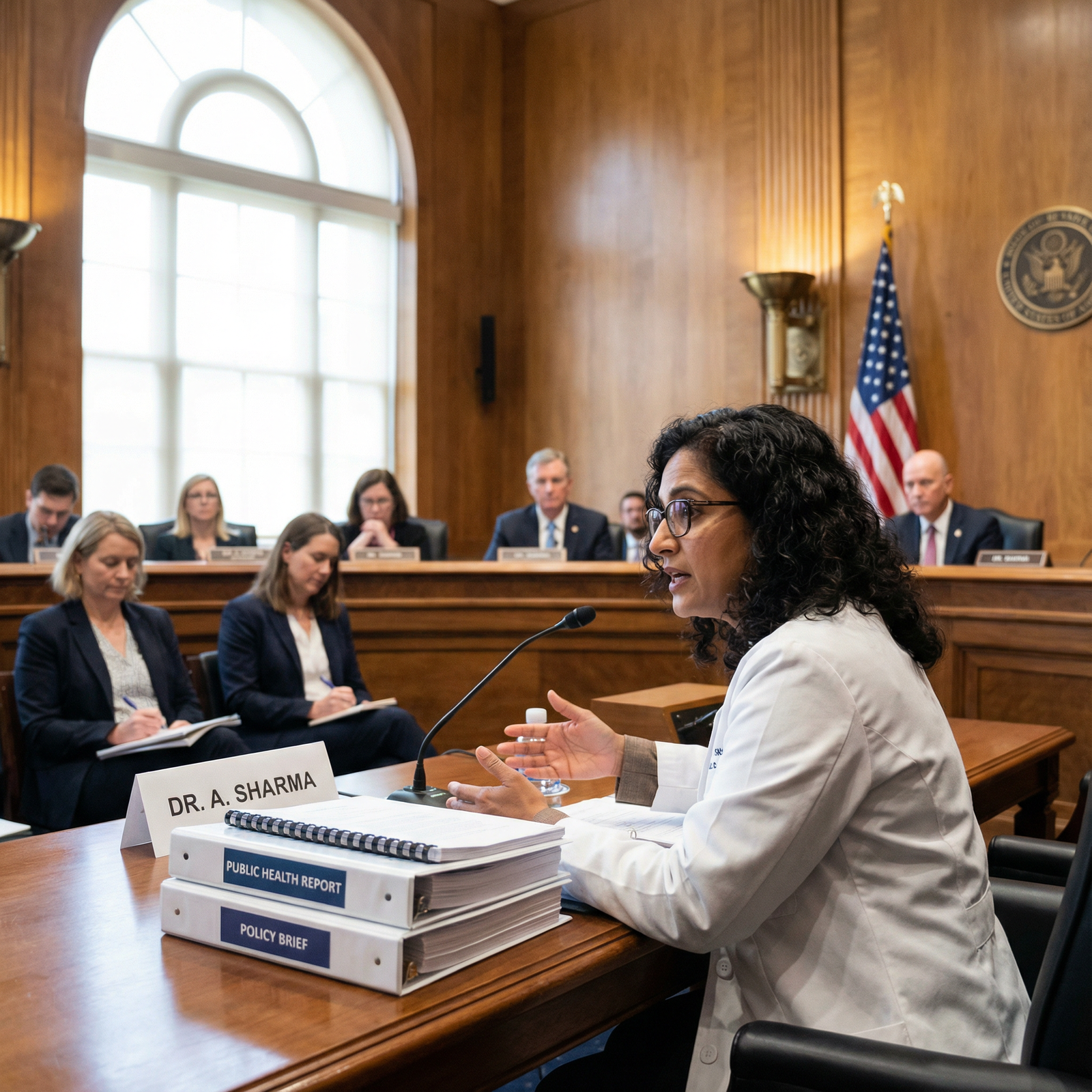
From the Clinic to the Capitol: How Healthcare Professionals Can Influence Health Policy
Healthcare Advocacy is no longer optional for clinicians who care about the broader determinants of health. Every day in Clinical Practice, you see the consequences of policy decisions—who gets access to care, which medications are covered, how long patients wait, and which public health programs are funded. Moving “from the clinic to the Capitol” means learning how to translate your frontline experience into meaningful Health Policy change.
This expanded guide is designed for medical students, residents, and practicing healthcare professionals who want to engage in Public Health and Health Policy without giving up their clinical identity. It outlines practical steps, real-world examples, and ethical considerations to help you become an effective advocate for your patients and communities.
Why Health Policy Matters to Everyday Clinical Practice
Health Policy is not an abstract concept reserved for politicians and think tanks—it shows up on every ward, in every clinic session, and in every emergency department shift.
How Health Policy Shapes Care at the Bedside
Health Policy influences:
- Access to care: Insurance coverage, Medicaid expansion, telehealth regulations, and clinic funding determine who can be seen and when.
- Quality and safety: National guidelines, accreditation standards, and quality metrics shape how you diagnose, treat, and document.
- Cost of care: Reimbursement rules, drug pricing policies, and value-based payment models affect which treatments are feasible.
- Public Health infrastructure: Vaccination programs, harm reduction services, and disease surveillance are all products of policy choices.
For example, a resident caring for a patient with uncontrolled diabetes may recognize that the underlying issue is not “noncompliance,” but lack of insurance coverage for glucose monitors and medications—an explicit result of state and federal policy decisions.
Why Clinicians Are Uniquely Positioned to Influence Policy
Healthcare professionals bring essential strengths to Health Policy and Healthcare Advocacy:
- Credibility and trust: Surveys consistently rank physicians and nurses among the most trusted professionals.
- Clinical insight: You see, in real time, how policies succeed or fail for individual patients.
- Data and outcomes orientation: You are trained to interpret evidence and to think in terms of risk, benefit, and impact.
- Ethical framework: Medical ethics—beneficence, non-maleficence, autonomy, and justice—provides a strong foundation for evaluating policy proposals.
The challenge is learning how to translate these strengths from a one-on-one clinical encounter to a population-level policy conversation.
Core Foundations: Understanding Health Policy and the Policy Process
Before advocating effectively, you need a working understanding of what Health Policy is and how it is made.
Types of Health Policy Relevant to Clinicians
Health Policy spans multiple domains that intersect with Clinical Practice and Public Health:
1. Public Health Policy
Public Health Policy focuses on populations rather than individuals. Examples include:
- Vaccination mandates and immunization schedules
- Tobacco control laws and vaping regulations
- Injury prevention (seat belt and helmet laws)
- Environmental health protections (air quality standards, lead regulations)
- Pandemic preparedness and emergency response plans
Clinicians see the clinical manifestations of these policies: fewer motor vehicle injuries, reduced COPD exacerbations, or outbreaks of vaccine‑preventable diseases when immunization rates drop.
2. Clinical Health Policy and Health Systems Policy
This category covers policies that govern healthcare delivery and payment:
- Hospital and clinic protocols and quality measures
- Scope of practice laws (e.g., what nurse practitioners or pharmacists can do)
- Reimbursement models (fee-for-service vs. value-based care)
- Telehealth coverage and licensure rules
- Electronic health record requirements and documentation standards
These policies often determine your workflow, what services you can offer, and how much time you can realistically spend with each patient.
3. Global Health Policy
Global Health Policy extends beyond national borders and addresses:
- Pandemic control and surveillance (e.g., WHO regulations, international reporting)
- Global vaccine distribution and pricing
- Health workforce migration (e.g., international medical graduates)
- International funding for HIV, TB, malaria, and maternal health
Even if you practice domestically, global Health Policy influences drug availability, supply chains, and the movement of healthcare workers.
Key Stakeholders in Health Policy and Advocacy
To influence Health Policy, you must understand who makes decisions and who shapes the conversation:
- Elected officials: Local council members, state legislators, members of Congress, and executive branch leaders.
- Regulatory agencies: Departments of health, CMS, FDA, CDC, NIH, WHO, and others that implement and enforce policy.
- Healthcare organizations: Hospitals, academic medical centers, health systems, payers, and professional societies (e.g., AMA, ACP, APHA).
- Advocacy and community groups: Patient advocacy organizations, public health coalitions, grassroots groups, unions, and civil rights organizations.
- The public and media: Voters, journalists, and community leaders who shape the narrative and political will.
Identifying which stakeholders are most relevant to your issue (e.g., state Medicaid office vs. city council vs. Congress) helps you target your advocacy efforts efficiently.
The Policy Making Cycle: Where Clinicians Can Engage
The policymaking process is usually described as a cycle:
Agenda Setting
- Issues gain attention through data, crises, media coverage, and advocacy.
- Clinician role: highlight emerging problems (e.g., overdose trends, maternal mortality), frame them in human terms, and propose why they deserve priority.
Policy Formulation
- Specific options are developed, debated, and drafted into bills or regulations.
- Clinician role: provide clinical expertise, evidence summaries, and feasibility assessments; serve on task forces or advisory committees.
Policy Adoption
- Laws are passed, regulations are issued, or institutional policies are approved.
- Clinician role: testify at hearings, meet with legislators, submit public comments, mobilize colleagues and patients to support evidence-based solutions.
Implementation
- Agencies and institutions translate policy into programs, workflows, and enforcement mechanisms.
- Clinician role: help design implementation plans, identify barriers, pilot interventions, and provide feedback.
Evaluation and Revision
- Outcomes are monitored, unintended consequences identified, and policies refined.
- Clinician role: participate in quality improvement projects, research policy impact, and advocate for needed modifications.
You do not need to be involved in every stage; even focusing on one point in the cycle can have meaningful impact.

Practical Strategies: Moving from Clinical Practice to Policy Influence
1. Educate Yourself in Health Policy Basics
Start by building a foundational understanding without needing a formal degree.
Learn the Landscape
- Follow trusted sources:
- Health Affairs, The BMJ, JAMA Health Forum, New England Journal of Medicine (Perspective and Policy sections)
- Reputable Public Health agencies (CDC, WHO, local/state health departments)
- Subscribe to policy newsletters:
- Kaiser Family Foundation (KFF) Health News
- State medical society or specialty society policy updates
- Academic health policy center newsletters
Take Advantage of Formal and Informal Training
- Electives and rotations: Many medical schools and residency programs offer Health Policy or Public Health electives, including legislative rotations.
- Short courses and certificates: Look for weekend courses or online certificates (e.g., in Health Policy, Public Health, or Healthcare Administration).
- Grand rounds and conferences: Attend sessions on Health Policy, Healthcare Advocacy, ethics, and health equity.
Early in your career, even a basic familiarity with terms like “prior authorization,” “value-based care,” “block grants,” or “social determinants of health” will dramatically improve your advocacy effectiveness.
2. Build a Strategic Network for Health Policy Engagement
Policy is a team sport. Relationships matter as much as expertise.
Connect Within Your Profession
- Join professional organizations:
- National groups (e.g., American Public Health Association, ACP, AAFP, ACEP, specialty societies)
- State and local medical or nursing associations
- Engage with their advocacy arms:
- Advocacy committees or councils
- Legislative action centers (often with pre-written letters and alerts)
- Committee work on quality, ethics, or Public Health
These organizations often have lobbyists and policy staff who can turn your on-the-ground observations into concrete policy proposals.
Partner With Community and Public Health Leaders
- Collaborate with:
- Community-based organizations (e.g., FQHCs, shelters, harm reduction programs)
- Faith-based and civic groups
- Patient and caregiver organizations (e.g., diabetes, cancer, rare disease groups)
Clinical experience plus community insight creates compelling, credible policy arguments.
Build Relationships With Policymakers
You do not need to be a political insider to start:
- Attend town halls, listening sessions, and community forums
- Introduce yourself as a healthcare professional in their district
- Offer to serve as a nonpartisan resource on health issues
- Send short follow-up emails with a concise summary of a key issue you discussed
Over time, you can become the “go-to” clinician when health questions arise.
3. Leverage Your Clinical Experience as Powerful Evidence
Your daily work is your strongest asset.
Use Stories Ethically and Effectively
- Share de-identified patient stories that illustrate a broader pattern:
- A patient rationing insulin due to cost
- A pregnant person traveling hours for prenatal care due to workforce shortages
- An older adult readmitted because they lacked safe housing
- Connect each story to:
- The specific Health Policy problem (e.g., drug pricing, workforce distribution, housing policy)
- A proposed solution (e.g., prescription caps, loan repayment incentives, supportive housing programs)
Always protect patient confidentiality and avoid any identifying details without explicit informed consent.
Pair Stories With Data
Narratives open hearts; data changes policy:
- Cite local or state-level statistics on:
- Mortality and morbidity
- Access to care and wait times
- Insurance coverage and out-of-pocket costs
- Health inequities by race, income, or geography
- Use data visualizations or one-page fact sheets when meeting with policymakers.
Clinicians who can link a compelling narrative to clear data and a realistic policy ask are highly influential.
4. Take Concrete Advocacy Actions
You can scale your involvement to your time and comfort level.
Start Small and Local
- Write or call your representatives:
Brief, respectful messages about a specific bill or issue can make a difference, especially at the local and state levels. - Join “Lobby Days”:
Many professional organizations organize annual or semi-annual “day at the Capitol” events with training and scheduled legislator meetings. - Provide public comment:
For proposed rules or local ordinances (e.g., zoning for a new clinic or harm reduction site), submit written or in-person testimony.
Volunteer With Advocacy Organizations
Look for groups working on issues that intersect with your Clinical Practice and ethical commitments, such as:
- Mental health and substance use
- Maternal and child health
- Environmental health and climate change
- Health equity and anti-racism
- Gun violence prevention
- Immigrant and refugee health
Your expertise can strengthen their policy briefs, testimony, and campaigns.
5. Use Digital Platforms for Modern Healthcare Advocacy
Digital tools amplify your reach beyond the clinic and committee room.
Social Media as a Policy Tool
- Platforms: X (Twitter), LinkedIn, and sometimes Instagram or TikTok for targeted audiences.
- Ways to engage:
- Share evidence-based perspectives on new policies
- Live-tweet hearings or conferences (respecting confidentiality rules)
- Correct misinformation about Public Health topics
- Support advocacy campaigns with concise, educational posts
Maintain professionalism, avoid partisan attacks, and disclose conflicts of interest when relevant.
Create and Share Longer-Form Content
- Blogs or op-eds:
Write about how a specific policy affects your patients and what should change. Local newspapers and online outlets are often receptive to clinician voices. - Webinars and podcasts:
Collaborate with colleagues or community organizations to discuss key policy issues and practical solutions.
These platforms help you translate complex Health Policy issues into accessible language for both the public and decision-makers.
6. Contribute to Policy-Relevant Research and Quality Improvement
Policy decisions should be grounded in evidence. Clinicians are well positioned to generate that evidence.
Engage in Health Services and Policy Research
Examples include:
- Studying the impact of Medicaid expansion on hospital admissions
- Evaluating how a new clinic workflow affects readmission rates
- Examining racial and ethnic disparities in treatment outcomes
- Assessing the effects of Public Health interventions (e.g., naloxone distribution, mobile clinics)
Publishing or presenting these findings gives you a stronger foundation when advocating for or against policies.
Translate QI Work Into Policy Lessons
Quality improvement (QI) projects often reveal system-level barriers that policy can address, such as:
- Inadequate staffing and burnout
- Lack of after-hours care driving ED overuse
- Fragmented care transitions and poor communication
Summarize lessons learned and share them with institutional leaders, local health departments, or legislative staff working on health systems reform.
Case in Point: Clinicians and the Movement for Universal Healthcare
A prominent example of clinical voices influencing Health Policy is the ongoing debate over universal health coverage in the United States.
Clinician-Led Advocacy for Coverage Expansion
- Grassroots organizing: Physicians, nurses, medical students, and Public Health professionals have formed advocacy organizations focused on expanding coverage, such as state-based coalitions or national groups advocating for “Medicare for All” or similar models.
- Clinical testimony: Healthcare professionals have:
- Testified before Congress and state legislatures
- Published op-eds and commentaries describing patients losing coverage or care due to insurance gaps
- Presented comparative data on outcomes and costs in countries with universal coverage
Policy Impact and Ongoing Debate
Advocacy has not yet resulted in a single universal model, but it has:
- Elevated Health Policy and coverage expansion as central political issues
- Led to incremental reforms (e.g., Affordable Care Act expansions, Medicaid expansions in many states, protections for pre-existing conditions)
- Normalized clinician involvement in discussions about cost, access, and equity
This example illustrates how sustained, coordinated Healthcare Advocacy from clinicians can shift the Overton window and make ambitious policies politically discussable—even if implementation is gradual and contested.

Professionalism, Ethics, and Sustainability in Health Policy Engagement
As you move into Health Policy and Public Health Advocacy, maintaining professional integrity and balance is essential.
Ethical Considerations for Clinician Advocates
- Patient confidentiality:
Always de-identify stories or obtain written consent if any risk of identification exists. - Non-exploitation:
Use patient stories to advocate for systemic improvement, not personal recognition. - Conflict of interest disclosures:
Be transparent about financial ties, grants, or organizational affiliations. - Respect for diverse perspectives:
Policy debates are often polarized. Ground your contributions in evidence, ethics, and a commitment to health equity rather than partisan identity.
Balancing Clinical Work and Advocacy
You do not have to choose between being a clinician and a policy advocate:
- Start with small, time-limited commitments:
- One lobby day per year
- One op-ed or blog post on an issue you know well
- Serving on a hospital committee focused on quality or equity
- Integrate advocacy into what you already do:
- Include policy implications in morbidity and mortality (M&M) conferences
- Add advocacy goals to your scholarly or QI activities
- Mentor students or residents interested in Health Policy
Over time, you may choose to expand your role—through leadership positions, part-time Public Health roles, or additional training—but meaningful contributions are possible at every career stage.
FAQs: Clinicians and Health Policy Advocacy
Q1: I’m a busy resident/clinician. What is the most realistic way to get started in Health Policy?
Begin with low-time-commitment activities that align with your daily work. Sign up for your specialty society’s advocacy alerts, send a personalized email to your representatives once a month about a relevant bill, and attend a single local or state advocacy day. Even a few targeted actions per year can make a measurable impact.
Q2: Do I need a formal degree in Public Health or Health Policy to be effective?
No. Formal training (e.g., MPH, MPP) can be helpful, especially if you plan to work primarily in policy, but it is not required. Policymakers value your frontline experience, clear communication, and ability to explain how policy affects real patients. Short courses, reading, mentorship, and experience are often sufficient for impactful advocacy.
Q3: How can I communicate with lawmakers if I’m not comfortable with public speaking?
Written communication is powerful. You can:
- Send concise, evidence-based emails or letters
- Co-author op-eds or blog posts with colleagues
- Participate in smaller meetings with legislative staff rather than large hearings
You can also request media or advocacy training from your institution or professional society to build confidence over time.
Q4: How do I avoid crossing professional or institutional boundaries when advocating?
Clarify whether you are speaking as a private individual or on behalf of an organization. When in doubt:
- Use personal contact information for advocacy not endorsed by your employer.
- Include a brief disclaimer (e.g., “Views are my own and not those of my institution.”).
- Review your institution’s policies on political activity and media engagement.
Maintaining professionalism, avoiding partisan attacks, and grounding statements in evidence and ethics usually keeps you within appropriate bounds.
Q5: What are some high-impact issues for clinician advocacy right now?
Impactful areas will vary by region, but commonly include:
- Expanding insurance coverage and reducing underinsurance
- Addressing health inequities and structural racism
- Mental health and substance use treatment access
- Reproductive health and maternal mortality
- Climate change and environmental health
- Gun violence prevention and injury control
Choose an issue that you see regularly in your Clinical Practice—your firsthand experience will make your advocacy more compelling and sustainable.
By understanding the basics of Health Policy, building strategic relationships, and leveraging your clinical experience, you can help shape a healthcare system that better serves your patients and communities. Influencing policy is a natural extension of ethical, patient-centered Clinical Practice—and your voice as a healthcare professional is not only welcome at the Capitol, it is urgently needed.