In the modern healthcare landscape, physicians are more than diagnosticians and procedural experts—they are critical voices in shaping Health Legislation and Public Health Policy. Decisions made in committee rooms and legislative chambers directly affect what happens in exam rooms, operating rooms, and emergency departments every day.
Yet, many medical students, residents, and practicing clinicians underestimate their influence in this space. Their training, daily patient encounters, and ethical commitment to Medical Professionalism uniquely position them to advocate for healthier, more equitable systems.
This expanded guide explores how physicians at all career stages can influence health policy, the importance of sustained Physician Engagement, and practical, realistic strategies to integrate advocacy into a busy clinical life.
Why Physician Engagement in Health Legislation Matters
Medicine and Public Health Policy Are Inseparable
Every aspect of clinical care is shaped by policy:
- Insurance coverage determines which treatments patients can access.
- Scope-of-practice rules affect team-based care.
- Reimbursement structures influence which services are prioritized.
- Public health regulations shape vaccination, screening, and prevention programs.
Physicians are on the front lines of seeing how Health Legislation works—or fails—in real life. They see which policies improve outcomes, which widen disparities, and which create unintended barriers for vulnerable patients. That perspective is rarely visible to policymakers unless clinicians actively share it.
When physicians step into health advocacy roles, they:
- Translate complex clinical realities into clear, actionable policy proposals
- Help legislators anticipate real-world impacts of proposed laws
- Protect patient safety and promote health equity
- Uphold core principles of Medical Professionalism, including social responsibility and advocacy for patients and populations
Bridging the Gap Between Law and Lived Experience
Policy language can appear neutral on paper yet have dramatically different consequences in the clinic. For example:
- A “prior authorization” requirement may sound like a simple utilization safeguard but can delay life-saving treatments for cancer or chronic disease.
- Telehealth reimbursement rules can either expand access for rural and underserved patients—or abruptly cut off essential follow-up care.
- Mental health parity laws can remain ineffective if not designed and enforced based on how care is actually delivered.
Physicians are essential translators here. When they bring forward concrete patient stories, clinical data, and operational insights, they:
- Make abstract policy debates real and urgent
- Help distinguish between well-intended but impractical proposals and truly effective ones
- Ensure Health Legislation aligns with current evidence and standards of care
For instance, psychiatrists and primary care physicians who described months-long wait times for mental health appointments—and backed that up with data—strengthened arguments for legislation to expand mental health workforce capacity and parity enforcement.
Pathways for Physicians to Influence Health Legislation
Physicians do not need to be policy experts or hold advanced degrees in public health to be effective. There are multiple entry points, each requiring different time commitments and skills.

1. Advocacy Through Professional Organizations and Coalitions
Joining and Participating in Professional Societies
Major medical organizations—such as the American Medical Association (AMA), American College of Physicians (ACP), American Academy of Pediatrics (AAP), and specialty-specific societies—maintain robust advocacy arms focused on Health Legislation and Public Health Policy.
These organizations:
- Develop formal policy positions on issues like health equity, firearm injury prevention, reproductive health, climate change, and payment reform
- Organize “advocacy days” where physicians meet with legislators
- Provide talking points, policy briefs, and legislative updates
- Offer mentorship and training in advocacy skills
Actionable steps:
- Join the advocacy or governmental affairs committee of your specialty society.
- Sign up for legislative alerts and respond with emails or calls when a key vote is approaching.
- Volunteer to participate in “Hill Day” or state capitol visits—many societies sponsor travel or provide scripted agendas for first-timers.
Example:
In 2020–2021, coalitions of primary care physicians, infectious disease experts, and pediatricians worked through their professional organizations to advocate for evidence-based COVID-19 vaccination policies. Their unified messaging helped shape state-level vaccine prioritization and school reopening guidelines.
Building Issue-Specific Coalitions
Not all advocacy needs to flow through large national groups. Physicians can also:
- Join or form local coalitions around specific issues (e.g., maternal mortality, harm reduction, housing as health, environmental justice)
- Collaborate with nurses, pharmacists, social workers, public health officials, and community organizations
- Present a united, multidisciplinary front to legislators
This collaborative approach often carries more weight than single-voice advocacy and reflects the interprofessional reality of healthcare delivery.
2. Testifying, Lobbying, and Advising Policymakers
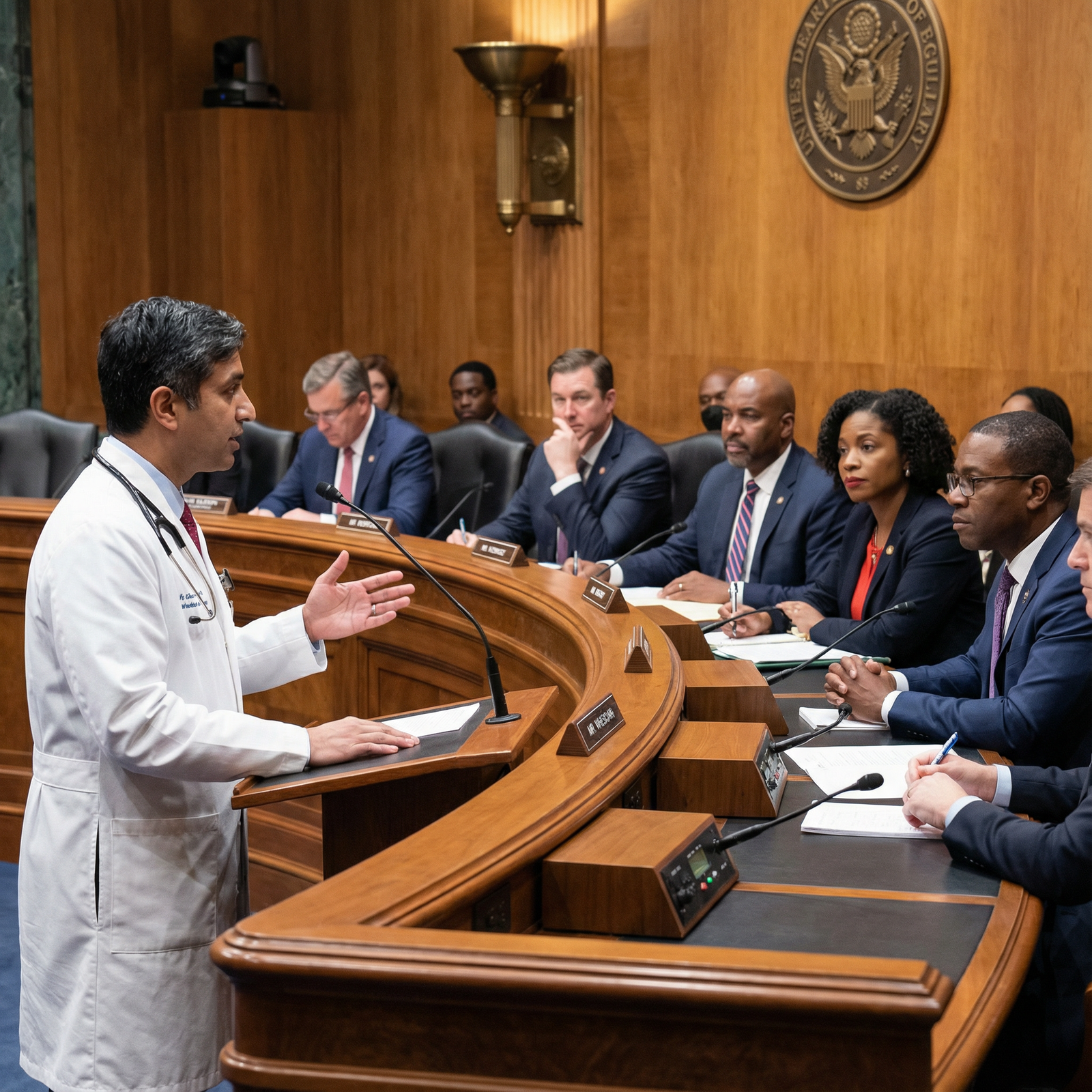
Testifying at Legislative Hearings
Public hearings are a powerful venue for amplifying clinical experience. Physicians can:
- Provide oral testimony on bills affecting health services, public health programs, or vulnerable populations
- Submit written testimony summarizing evidence and clinical implications
- Offer expert opinions on safety, feasibility, and cost-effectiveness
Best practices for effective testimony:
- Lead with a brief patient story (de-identified) that illustrates the issue.
- Clearly state your role and expertise.
- Present 2–3 key evidence-backed points rather than exhaustive detail.
- Offer specific recommendations, not just general opposition or support.
Example:
During debates on gun violence prevention, emergency physicians and trauma surgeons testified in multiple states about treating firearm injuries. Their descriptions of clinical realities, combined with data on mortality and long-term disability, reframed gun violence as a public health crisis—not solely a criminal justice issue—shaping the “Not One More Life” campaign and related legislation.
Direct Lobbying and Legislative Meetings
“Lobbying” simply means educating policymakers about how proposed Health Legislation will affect patients and clinicians. Physicians can:
- Schedule meetings with their local, state, or federal representatives
- Participate in structured lobbying days organized by professional associations
- Serve as ongoing informal advisors to legislators on health-related topics
Tips for successful meetings:
- Know the legislator’s priorities and committee assignments.
- Bring a concise, one-page brief with key points and asks.
- Be respectful, non-partisan, and solutions-focused.
- Follow up with an email summarizing the discussion and providing additional resources.
Residents and fellows can also join attendings or mentors for these meetings, building skills and confidence over time.
3. Writing, Research, and Policy Communication
Physicians wield considerable influence through their writing—both in academic contexts and in public-facing media.
Conducting Policy-Relevant Research
Research can drive Health Legislation when it:
- Quantifies the clinical consequences of current policy (e.g., coverage gaps, social determinants of health, legal restrictions)
- Evaluates the impact of new laws or regulations on health outcomes
- Identifies disparities across race, ethnicity, geography, or income
Examples:
- Studies on the impact of Medicaid expansion on mortality and hospitalizations have been central to state-level decisions about joining or expanding programs.
- Pediatricians who linked school lunch quality to childhood obesity published evidence used to justify reforms in federal and local nutrition standards.
Clinicians interested in research can:
- Partner with health services researchers or public health faculty
- Use quality improvement or population health projects as a springboard to policy-relevant scholarship
- Translate institutional data (e.g., readmissions, ED visits) into policy insights
Writing Op-Eds, Commentaries, and Policy Briefs
Public and policymaker awareness is often shaped by opinion pieces and short-form commentary. Physicians can:
- Publish op-eds in local or national newspapers about pressing health issues
- Submit commentaries to medical journals that explicitly address policy implications
- Collaborate with hospital communication teams to share stories tied to legislative debates
Effective policy writing:
- Begins with a compelling story or vivid clinical scenario
- Clearly states the policy problem and proposed solution
- Uses accessible language for non-clinical audiences
- Includes a clear “call to action” for legislators or the public
For example, during the opioid crisis, addiction medicine specialists and primary care physicians wrote widely-read columns explaining why punitive approaches worsened outcomes and advocating for harm reduction, treatment access, and evidence-based prescribing guidelines.
4. Community Engagement and Local Health Governance
Health Advocacy is not only national or state-level—it happens in neighborhoods, schools, and local government.
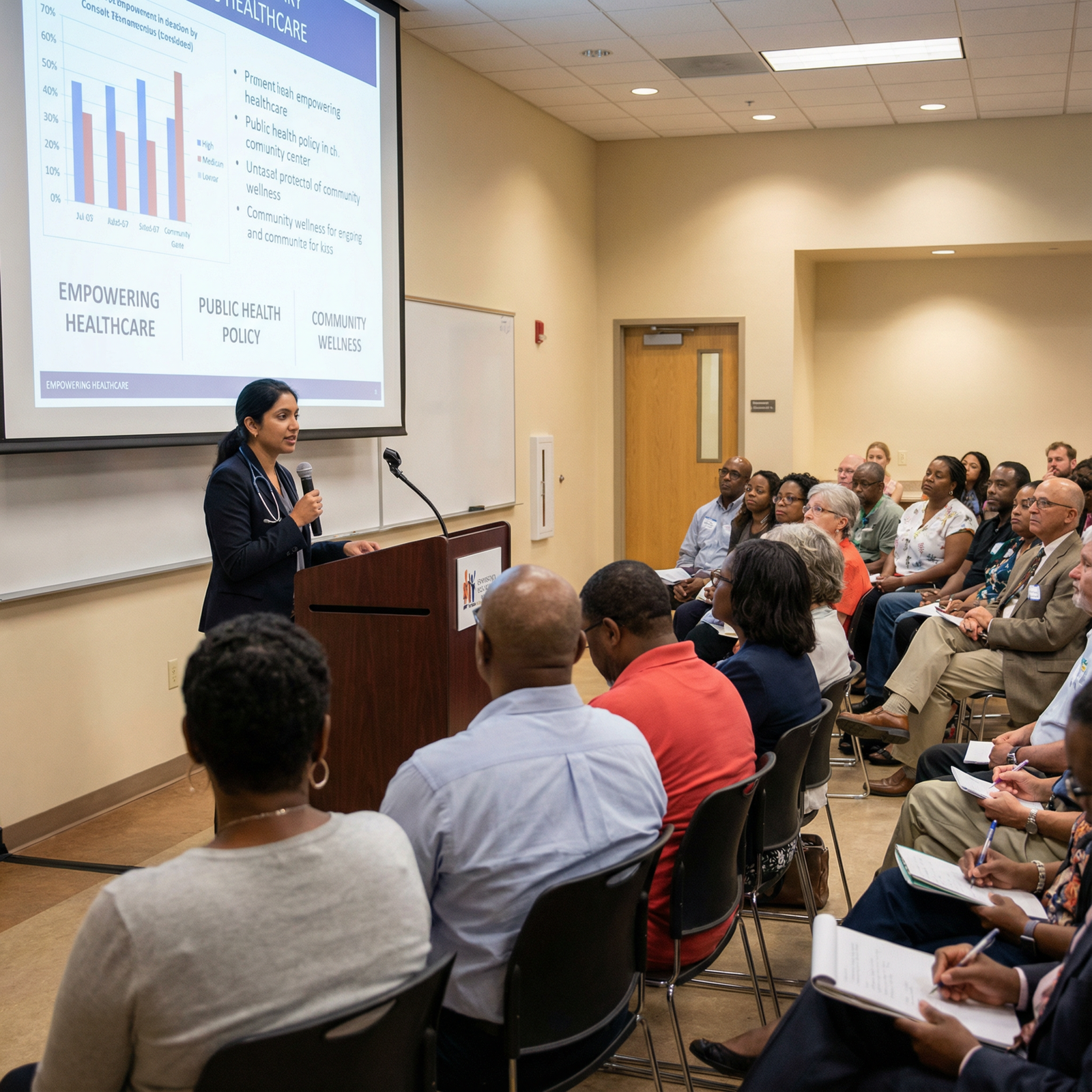
Educating and Mobilizing Communities
Physicians can:
- Offer community talks on topics like chronic disease prevention, mental health, vaccinations, reproductive health, or environmental exposures
- Partner with faith-based organizations, schools, or community centers to host health forums
- Support community health workers and local leaders with medical expertise and data
These activities help:
- Build trust between medical professionals and communities
- Empower patients as advocates for their own health interests
- Generate grassroots support for health-promoting policies
Example:
Dr. Uché Blackstock and other physicians focusing on racial health equity have engaged directly with Black and Brown communities to discuss structural racism in healthcare, advocate for equitable care, and support policy changes around maternal health, policing, housing, and access to primary care.
Serving on Boards, Commissions, and Local Government
Physicians can also impact Health Legislation and policy by:
- Serving on hospital or health system boards
- Joining local boards of health or public health commissions
- Running for school board, city council, or even state legislature
- Advising local health departments on emergency preparedness, environmental health, and prevention strategies
These roles integrate clinical insight directly into governance and can shape resource allocation, zoning decisions (e.g., around pollution or food deserts), and emergency response planning.
5. Leveraging Social Media and Digital Platforms
In an era where public opinion can shift rapidly, digital platforms are a powerful extension of medical advocacy.
Using Social Media for Health Advocacy
Platforms like X (Twitter), LinkedIn, Instagram, and even TikTok allow physicians to:
- Provide real-time commentary on health crises or emerging policies
- Debunk misinformation with evidence-based explanations
- Share patient-centered stories (with proper consent and de-identification)
- Amplify campaigns for Health Legislation and public health measures
Best practices for professional, ethical use:
- Maintain patient confidentiality rigorously (no identifiable details).
- Clearly distinguish personal views from institutional positions.
- Avoid partisan attacks; focus on evidence and patient impact.
- Use threads or short videos to explain complex issues in accessible ways.
Example:
During the COVID-19 pandemic, clinicians like Dr. Sandro Galea and many front-line physicians used social media to clarify evolving evidence, explain the rationale for public health restrictions, and advocate for mask mandates, vaccine access, and paid sick leave—informally shaping both public understanding and policy discourse.
Building a Digital Advocacy Strategy
For sustained impact:
- Choose 1–2 platforms you can maintain consistently.
- Develop a clear “lane” (e.g., mental health advocacy, maternal mortality, climate and health, immigrant health).
- Collaborate with colleagues using shared hashtags or campaigns.
- Engage respectfully with journalists, policymakers, and community organizations online.
Common Barriers to Physician Advocacy—and How to Overcome Them
Even highly motivated clinicians face real obstacles when trying to engage in Health Advocacy and Public Health Policy.
Time Constraints and Burnout
Physicians, residents, and students are already stretched thin. Advocacy can feel like “one more thing” on an overflowing plate.
Strategies:
- Start small: one letter, one meeting, one event per quarter.
- Integrate advocacy into existing activities (e.g., turning a QI project into policy recommendations, adding a policy slide to a grand rounds).
- Share workload through teams or committees so no one person carries the full burden.
- Seek institutional support—some departments now recognize advocacy work in promotion criteria or offer protected time for it.
Lack of Training or Confidence
Most medical curricula still provide limited structured education in Health Legislation, policy analysis, or advocacy skills.
Solutions:
- Enroll in short advocacy workshops from professional societies or academic centers.
- Join a health policy elective, track, or fellowship during medical school or residency.
- Find mentors already involved in policy and ask to shadow them at hearings or meetings.
- Read introductory texts on health policy to build vocabulary and context.
Fear of Repercussions or Politicization
Some physicians worry that speaking out on policy will be viewed as “too political” or could alienate patients, employers, or colleagues.
Approaches:
- Frame your advocacy explicitly around patient welfare, ethics, and Medical Professionalism.
- Focus on evidence and health outcomes rather than partisan framing.
- Understand your institution’s policies on public communication and be transparent about when you speak in a personal capacity.
- Start with lower-visibility activities (e.g., written testimony, research briefs) if public advocacy feels risky.
Aligning Advocacy with Medical Professionalism and Career Development
Health Advocacy is not an “extra” to your professional identity; it is embedded in contemporary definitions of Medical Professionalism.
Professional codes (e.g., from the AMA, ACP, Royal College frameworks) explicitly call on physicians to:
- Advocate for individual patients and for populations
- Address social determinants of health and health inequities
- Use their expertise to influence Public Health Policy
For trainees and early-career physicians, advocacy can:
- Differentiate your residency or fellowship application
- Lead to leadership roles in hospital committees or professional societies
- Open doors to academic careers in health policy, population health, or public health
- Strengthen your sense of purpose and reduce moral distress when structural issues harm patients
Align your advocacy portfolio with your clinical interests—whether that is addiction medicine, oncology, pediatrics, geriatrics, emergency medicine, or another field—and build a coherent narrative over time.
Practical First Steps for Students, Residents, and Attendings
Regardless of career stage, you can begin contributing to Health Legislation and advocacy with manageable, concrete steps.
For Medical Students
- Join your school’s health policy or advocacy interest group.
- Participate in voter registration or civic engagement drives focused on health issues.
- Write a short article or blog post on a topic you care about and share it through student or institutional channels.
- Seek a mentor who is active in policy and schedule a meeting to learn about their path.
For Residents and Fellows
- Integrate policy discussions into morbidity and mortality conferences or journal clubs.
- Participate in state medical society advocacy days; bring specific stories from your training program.
- Turn your QI or research projects into short policy briefs to share with institutional leaders.
- Co-author an op-ed with an attending on an issue you see repeatedly (e.g., prior authorization delays, barriers to mental health care).
For Attending Physicians
- Join your specialty society’s advocacy committee or local health board.
- Offer to serve as a medical expert for your local representative on specific issues.
- Build a longitudinal advocacy project that aligns with your academic or clinical niche (e.g., maternal health, chronic disease management, LGBTQ+ health).
- Mentor trainees in advocacy, normalizing it as part of clinical practice.
FAQ: Physicians and Health Legislation
Q1: I’m not trained in policy—can I still be an effective health advocate?
Yes. Your clinical experience is your greatest asset. Policymakers often need real stories and practical perspectives more than dense policy jargon. You can increase your impact by pairing your experience with basic policy literacy through short courses, mentorship, or society resources, but you do not need a degree in public policy to begin.
Q2: How can a busy physician realistically integrate advocacy into a full clinical schedule?
Start with small, time-bounded actions: respond to a legislative alert with a personalized email, attend one virtual advocacy training, or join a single advocacy day per year. Collaborate with colleagues so that tasks are shared, and whenever possible turn existing work (research, QI, teaching) into policy-relevant outputs like briefs or testimony.
Q3: Will engaging in Health Legislation make my practice seem partisan to patients?
If you ground your advocacy in evidence, patient welfare, and ethical principles—rather than party politics—many patients will perceive it as an extension of your duty to care. Be transparent that your focus is on health outcomes and fairness, and avoid endorsing specific candidates in your professional role. Keep the emphasis on policies, not parties.
Q4: What organizations or resources can help me get started in health advocacy?
Major professional bodies like the AMA, ACP, AAP, ACOG, and specialty societies offer advocacy toolkits, legislative updates, and training. Academic medical centers may have health policy institutes or advocacy electives. Local public health departments and non-profit organizations can also be valuable partners and mentors in community-based advocacy.
Q5: How can I protect patient confidentiality when using stories in testimony or on social media?
Always remove or alter any identifiable details (name, age, location, specific dates, rare conditions) and combine elements from multiple encounters when possible. Focus on the pattern or type of problem rather than one unique case. If there is any doubt about identifiability, change more details or skip the story. Institutional policies and HIPAA guidelines should always guide your approach.
Physicians occupy a powerful intersection between lived patient experience and the arenas where Health Legislation and Public Health Policy are made. By stepping beyond the exam room—through advocacy, testimony, writing, community engagement, and digital communication—clinicians can help build a more just, effective, and humane healthcare system. Even modest, consistent efforts can accumulate into meaningful change, one policy, one community, and one patient at a time.