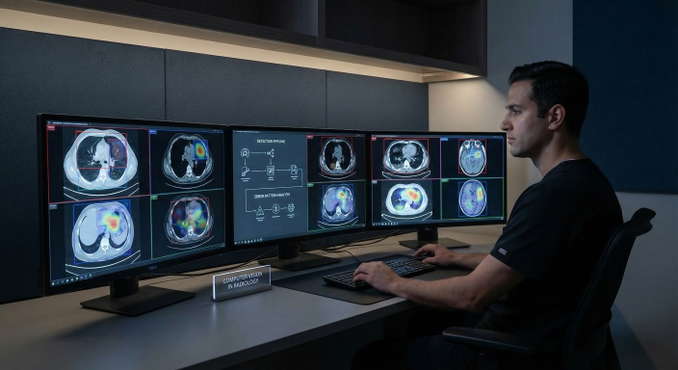
Explore computer vision in radiology: how detection pipelines work, common preprocessing and ingestion failures, and practical tips to prevent AI error patterns.
30 articles found in 1.60s
Explore computer vision in radiology: how detection pipelines work, common preprocessing and ingestion failures, and practical tips to prevent AI error patterns.
Compare night float vs 24-hour call in residency: regional patterns, effects on continuity, error risk, and burnout, with insights for applicants and programs.
Compare night float vs 24-hour call for residents: time use, sleep patterns, and error rates, learn which schedule lowers fatigue-related medical errors.
Double Q-banking feels efficient, but it can cause false confidence and shallow review. Learn how to fix error patterns for Step 2 CK.
Learn when to use tutor vs timed Q-bank modes for USMLE/COMLEX. Build accuracy fast early, boost test-day scores later, use the right mode.
Avoid Step 1 readiness misreads: learn 7 common data mistakes, how to use practice exam trends, and track gaps to study smarter.
Fix Step 3 weak domains in the last 14 days with NBME-style scoring patterns. Targeted drills, timed reps, and repair loops.
Data-driven summary of intern sleep patterns and call schedules, showing effects on performance, errors, and patient safety to improve residency scheduling.
Compare night float vs 24-hour call burnout: learn how each duty-hour model affects residents and practical fixes to reduce fatigue and errors.
Understand how resident work hours and night-shift fatigue cause medication errors, spot high-risk patterns, and use practical countermeasures.