Introduction: Why Residency Interviews Matter So Much
Residency interviews are often the most decisive stage of your residency application strategy. Your USMLE scores, clinical grades, letters of recommendation, and personal statement may open the door—but the interview usually determines how high you will be ranked. For many programs, once you are invited to interview, the playing field levels, and your performance on interview day can significantly shift your position on a rank list.
The residency interview is your chance to:
- Transform your application from a list of accomplishments into a compelling, human story
- Demonstrate your communication, professionalism, and emotional intelligence
- Show that you are a good fit for a specific program’s culture, mission, and training style
- Clarify your goals and how the program will support your long-term career in medicine
This guide expands on essential principles of interview preparation and performance, adding practical tools, examples, and strategies to help you stand out and strengthen your overall residency application.
Understanding the Residency Interview Process
What Is the Residency Interview and What Are Programs Looking For?
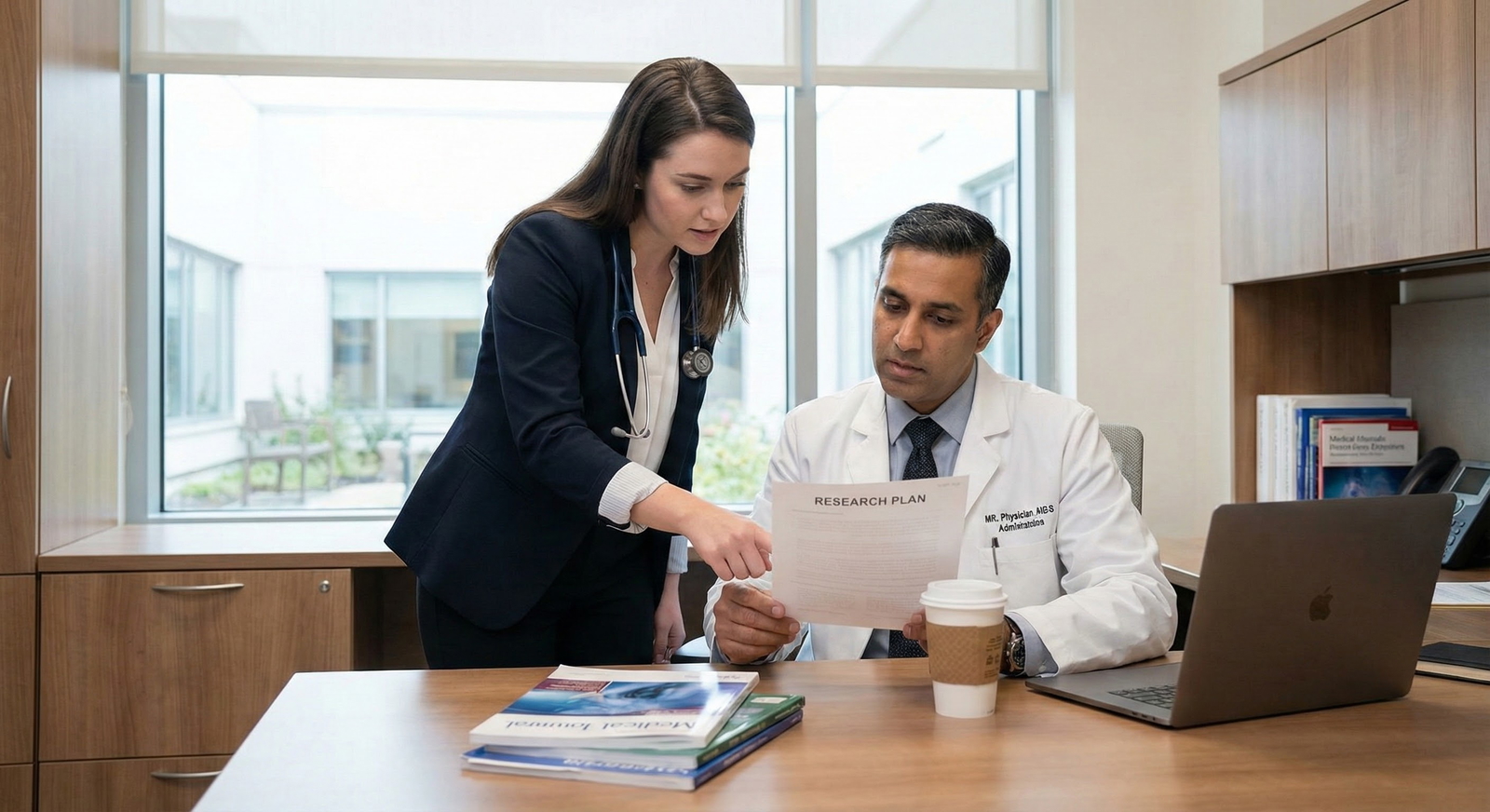
A residency interview is a structured conversation between you and members of the residency program—typically the program director, associate program directors, faculty members, chief residents, and sometimes current resident interviewers. Depending on the specialty and institution, the format may include:
- One-on-one interviews (faculty or resident)
- Panel interviews
- Multiple mini-interviews (MMI)
- Virtual interviews via Zoom or similar platforms
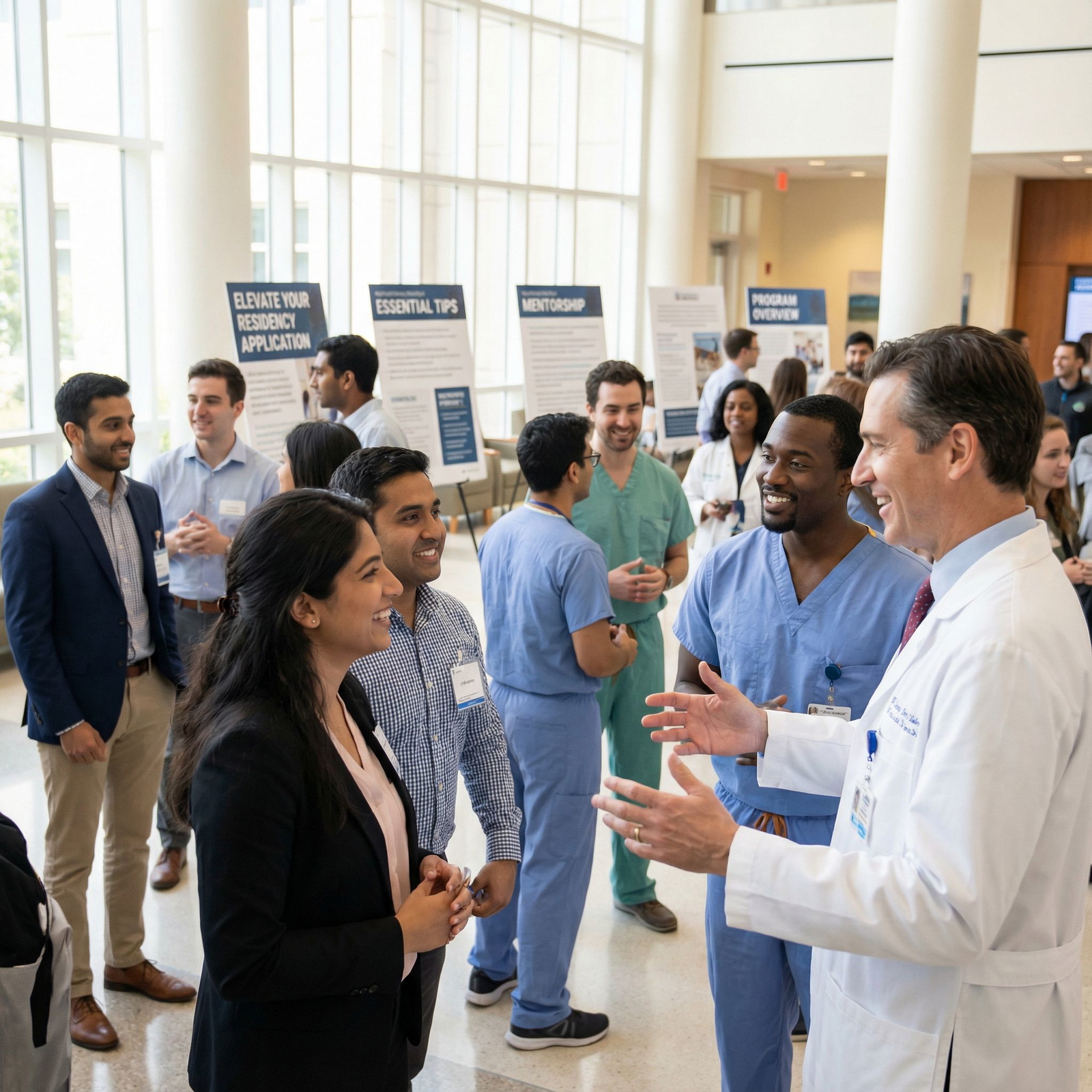
- Informal resident-only sessions or social hours
Beyond your academic metrics, programs use these interviews to assess:
- Professionalism and maturity
- Interpersonal and communication skills
- Self-awareness and capacity for growth
- Motivation for the specialty and their specific program
- Teamwork, reliability, and potential to be a safe, independent physician
From the program’s perspective, they are asking, “If I have to work with this person at 3 a.m. in the ICU, do I trust them? Will they be a good colleague? Will they learn and thrive here?”
Why Interviews Are Critically Important in Medical Training Selection
Interviews play a central role in shaping both your immediate match outcome and your long-term career in medicine:
Assessment of Soft Skills and Professionalism
Clinical medicine is deeply interpersonal. Programs want evidence that you can:- Communicate clearly with patients and families
- Collaborate with nurses, consultants, and teammates
- Handle emotionally charged and high-stress situations with composure
Evaluating Cultural and Training Fit
Each program has a distinct culture—academic vs. community focus, research-heavy vs. clinically intense, highly structured vs. flexible. Interviewers are assessing whether:- Your values, learning style, and goals align with their training philosophy
- You would contribute positively to the resident community
Clarifying Your Career Trajectory
Programs consider whether they can support your aspirations (e.g., fellowship, academic medicine, global health, primary care, leadership roles). A clear, thoughtful narrative about your future career in medicine reassures programs that you will use their training well.Personal Connection and Advocacy on Rank Day
Faculty and residents who connect with you during the interview may become your advocates in ranking discussions:- “This candidate was especially thoughtful about feedback.”
- “They have exactly the interests our program is trying to grow.”
Strong personal impressions can tip the balance when programs finalize their rank lists.
Strategic Preparation: Laying the Foundation for a Strong Interview
Thorough, intentional interview preparation is one of the highest-yield ways to strengthen your residency application.
Researching Programs with Purpose
General research is not enough; programs can easily tell who has done a superficial review of the website. Aim for targeted, meaningful understanding of each program.
Start with:
Program Website:
- Review mission and values statements
- Identify unique tracks (research, global health, primary care, leadership)
- Note call structure, patient population, affiliated hospitals
- Look at resident profiles and recent graduates’ career paths
Social Media and Online Presence:
- Program Twitter/X, Instagram, or YouTube channels
- Virtual open houses, webinars, or Q&A sessions
- Departmental or program newsletters
Word-of-Mouth and Alumni:
- Talk to your school’s alumni at the program
- Reach out to current residents through official contacts or networking events
- Ask about culture, workload, wellness initiatives, and mentorship
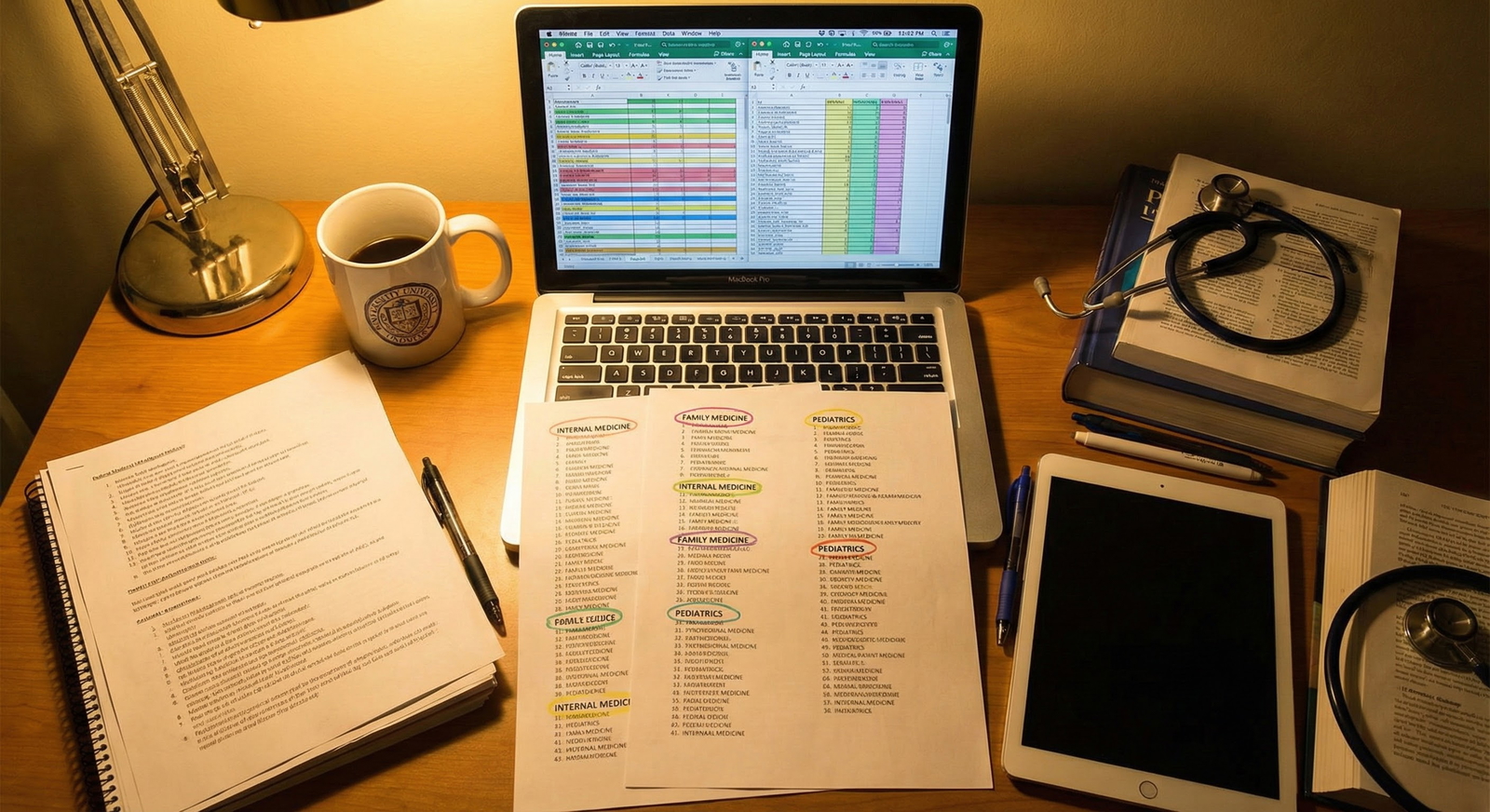
Organize what you learn in a simple table or document:
- What genuinely excites me about this program?
- How does it support my goals (fellowship, community practice, research, etc.)?
- What questions do I still have for interview day?
This deeper understanding allows you to:
- Give specific, credible answers to “Why this program?”
- Ask insightful questions that demonstrate serious interest
- Identify whether the program truly fits your training and life priorities
Crafting Your Professional Narrative
A strong residency interview hinges on a coherent narrative: who you are, what drives you, and where you’re headed.
Elements of a Compelling Narrative
Your “Why Medicine” Story
Move beyond generic statements (“I like helping people”). Instead:- Describe a formative experience (clinical, personal, family)
- Reflect on what you learned about patient care, resilience, or systems of care
- Connect that learning to how you approach medicine today
Why This Specialty
Programs want to know you are genuinely committed to their field:- Tie in specific clinical rotations, role model physicians, or cases
- Highlight aspects of the specialty that fit your personality and strengths
- Address long-term goals (e.g., “I love longitudinal patient relationships” for primary care; “I’m drawn to critical decision-making under pressure” for EM/ICU)
Your Professional Identity and Strengths
Think in terms of patterns: What have multiple people commented on during your training?- Are you a natural educator, systems thinker, advocate, or team organizer?
- Provide brief, concrete examples rather than vague claims.
Future Direction in Your Career in Medicine
You don’t need a perfectly defined plan, but you should have a thoughtful trajectory:- Fellowship interests, academic vs. community goals
- Interest in medical education, quality improvement, health equity, or research
Practice Without Sounding Scripted
- Outline key points and stories, but don’t memorize word-for-word.
- Practice aloud with:
- Peers or mentors
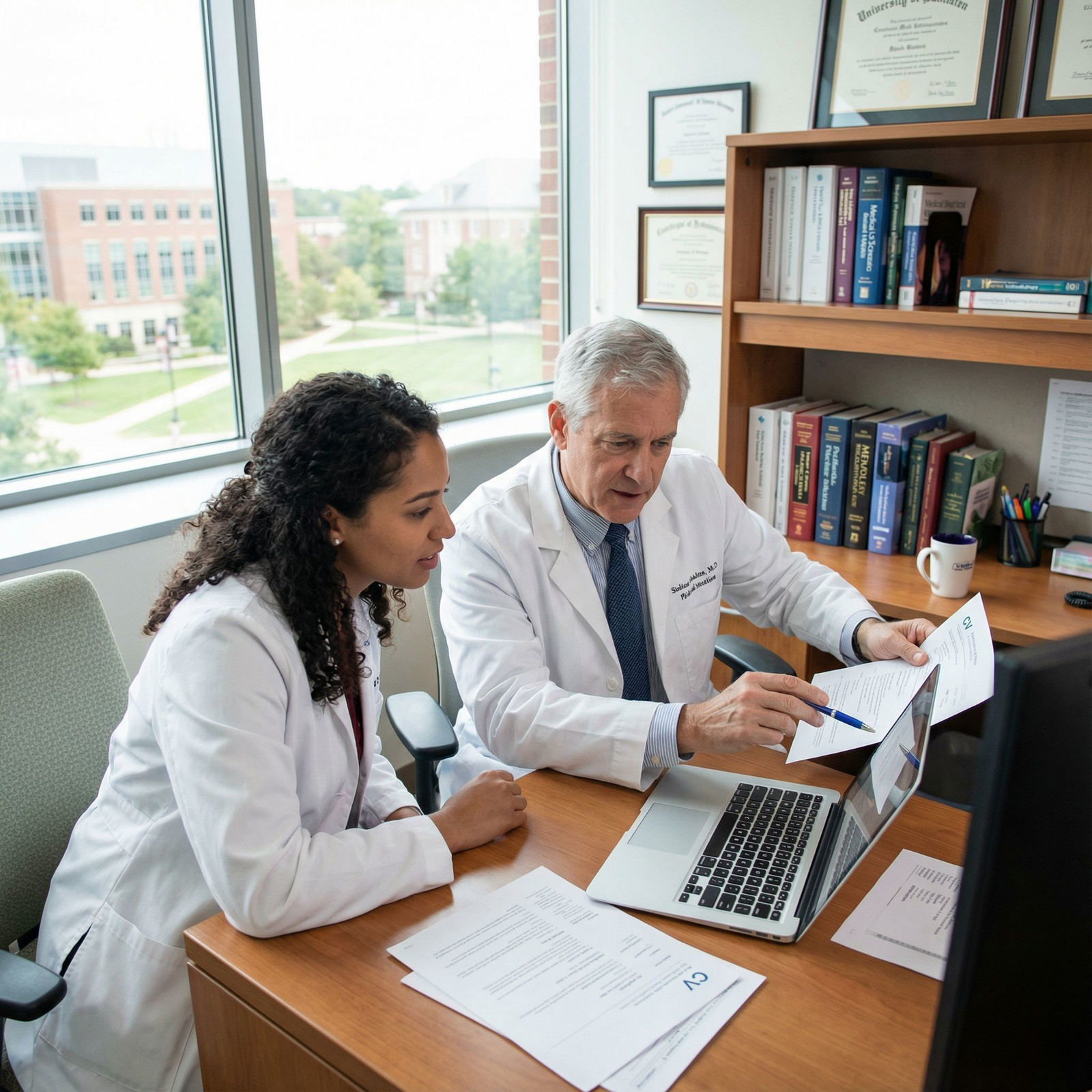
- Your school’s career office or mock interview services
- Video recording for self-review (watch posture, tone, pacing)
The goal is conversational fluency—confident but natural.
Preparing for Common and High-Yield Questions
Certain questions appear in almost every residency interview. Prepare flexible, authentic answers to:
“Tell me about yourself.”
- Start with where you are now (senior med student, interest in X specialty)
- Weave in 2–3 themes (e.g., leadership, advocacy, research, teaching)
- Connect to why you’re excited about this program or specialty
“What are your strengths?”
- Choose 2–3 strengths supported by specific examples
- Relate them to residency success (reliability, teachability, resilience)
“What are your weaknesses or areas for growth?”
- Share a genuine but non-catastrophic weakness (e.g., difficulty delegating)
- Describe concrete steps you’ve taken to improve and what you’ve learned
“Describe a challenging clinical situation and how you handled it.”
- Use the STAR format (Situation, Task, Action, Result)
- Emphasize teamwork, communication, and reflection
“Why do you want to join this residency program specifically?”
- Reference 2–3 program-specific features (e.g., curriculum structure, patient population, mentorship model)
- Connect each feature directly to your goals and interests

Performing on Interview Day: Professionalism, Presence, and Engagement
The day of your residency interview is where your preparation becomes performance. Both in-person and virtual formats require attention to detail.
Professional Appearance and First Impressions
Your attire and grooming should signal that you take the interview—and the role of physician—seriously.
General guidelines:
- Formality: Aim for business formal (suits, blazers, conservative dress or skirt/pants with jacket).
- Colors: Neutral tones (navy, black, gray) with simple shirts or blouses.
- Fit and Comfort: Choose something you can sit in for hours without fidgeting.
- Accessories: Minimal, professional jewelry; avoid strong fragrances.
- Virtual Interviews:
- Ensure good lighting (face lit from the front, not from behind)
- Neutral background, stable internet, tested microphone and camera
- Position camera at eye level for natural eye contact
Your goal is to make your professionalism the focus, not your outfit.
Mastering Body Language and Non-Verbal Communication
Programs consistently note that non-verbal cues heavily influence their impressions.
- Eye Contact: Maintain steady but relaxed eye contact with each interviewer. In virtual settings, look at the camera periodically, not only the screen.
- Posture: Sit upright but not rigid. Slight forward lean communicates engagement.
- Hands and Fidgeting: Rest hands lightly on the table or in your lap. Avoid pen-clicking, hair-twirling, or repeated adjustments.
- Facial Expression: A genuine, warm expression goes a long way. Nodding while listening signals understanding and interest.
Responding to Behavioral and Situational Questions
Residency interviews increasingly use behavioral and situational questions to evaluate decision-making and professionalism.
Behavioral Questions (Past-Based)
Examples:
- “Tell me about a time you had a conflict with a team member.”
- “Describe a time you made a mistake in patient care.”
Use the STAR approach:
- Situation: Brief context
- Task: What you were responsible for
- Action: What you did
- Result: Outcome and what you learned
Key points:
- Own your decisions—do not blame others.
- Emphasize growth, reflection, and what you’d do differently now.
Situational or Ethics-Based Questions (Hypothetical)
Examples:
- “What would you do if a patient refused a life-saving treatment?”
- “How would you handle seeing a senior resident behaving unprofessionally?”
Focus on:
- Patient autonomy and informed consent
- Safety and professionalism
- Chain of command and seeking help appropriately
- Collaborative problem-solving
You are not expected to know every policy, but you should show sound ethical reasoning and a patient-centered, team-based mindset.
Active Listening and Conversational Engagement
Strong interviews feel like professional conversations, not interrogations. Demonstrate:
- Attentive Listening: Don’t jump to answer before the interviewer finishes.
- Clarification: If a question is unclear, ask—“Just to clarify, are you asking about…?”
- Concise, Focused Responses: Avoid long tangents. Aim for structured, 1–2 minute answers unless prompted to elaborate.
- Professional Warmth: Programs are looking for colleagues, not just test-takers. It’s okay to laugh, connect, and share appropriate personal insights.
Asking Insightful Questions That Strengthen Your Application
Your questions signal what you value in your training. Aim for depth, not quantity.
Examples of thoughtful questions:
- “How does your program support residents seeking fellowships in [subspecialty]?”
- “Can you describe how feedback is given to residents and how often formal evaluations occur?”
- “What changes has the program made in response to resident feedback in the past few years?”
- “How are residents involved in quality improvement or education initiatives?”
- “How does the program support resident wellness and work-life balance?”
Avoid questions that are easily answered by the website (e.g., “How many residents do you take each year?”) unless you’re asking for deeper context.
After the Interview: Maintaining Professionalism and Maximizing Impact
Your efforts to strengthen your residency application don’t end when you log off Zoom or leave the hospital.
Structured Post-Interview Reflection
Within 24 hours of each interview, jot down:
- People you spoke with (names, roles, key points of discussion)
- Your overall impression of the culture and resident camaraderie
- Program strengths and potential concerns
- How the program aligns with your goals and values
- Memorable details you could reference in a thank-you note or future communication
These notes are invaluable when you create your rank list weeks later and all programs begin to blend together.
Writing Effective and Professional Thank-You Notes
Thank-you notes are not mandatory everywhere, but they are often appreciated and can reinforce your interest.
Basic structure for a thank-you email:
- Subject line: “Thank you – [Your Name], [Specialty] Residency Interview”
- Opening: Express gratitude for their time and the opportunity to learn about the program.
- Specific Reference: Mention one or two details from your conversation (e.g., a case they described, a project they mentioned, an aspect of the curriculum).
- Fit and Interest: Briefly restate why you feel you would be a strong fit and what excites you about the program.
- Professional Closing: “Sincerely” or “Best regards” with your full name, contact information, and AAMC ID if appropriate.
Send thank-you notes within 24–48 hours of your interview. Keep them concise and sincere.
Communication, Follow-Up, and Professional Boundaries
Be mindful of NRMP and program policies regarding post-interview communication:
- You are allowed to express genuine interest (e.g., “Your program remains one of my top choices”).
- Do not pressure programs to reveal ranking decisions, and do not make promises you are not prepared to keep (e.g., “I will rank you #1” unless you are certain).
- Always maintain a respectful, professional tone; any communication may be shared among faculty.
Thoughtful, ethical communication reinforces your professionalism—a critical component of your overall residency application strategy.
Frequently Asked Questions (FAQ) About Residency Interviews
1. How many residency interviews should I aim to attend?
The “right” number depends on your specialty competitiveness and the strength of your application, but general ranges are:
- Highly competitive specialties (e.g., dermatology, plastic surgery): often 10–15+
- Moderately competitive specialties (e.g., radiology, EM, anesthesia): around 10–14
- Less competitive or larger specialties (e.g., internal medicine, family medicine): often 8–12
Your school’s advising office and specialty-specific organizations often publish match statistics that can help tailor your strategy. Factors like visa status, US vs. international graduate status, and geographic preferences also play a role.
2. What should I bring (or prepare) for an in-person or virtual residency interview?
In-person:
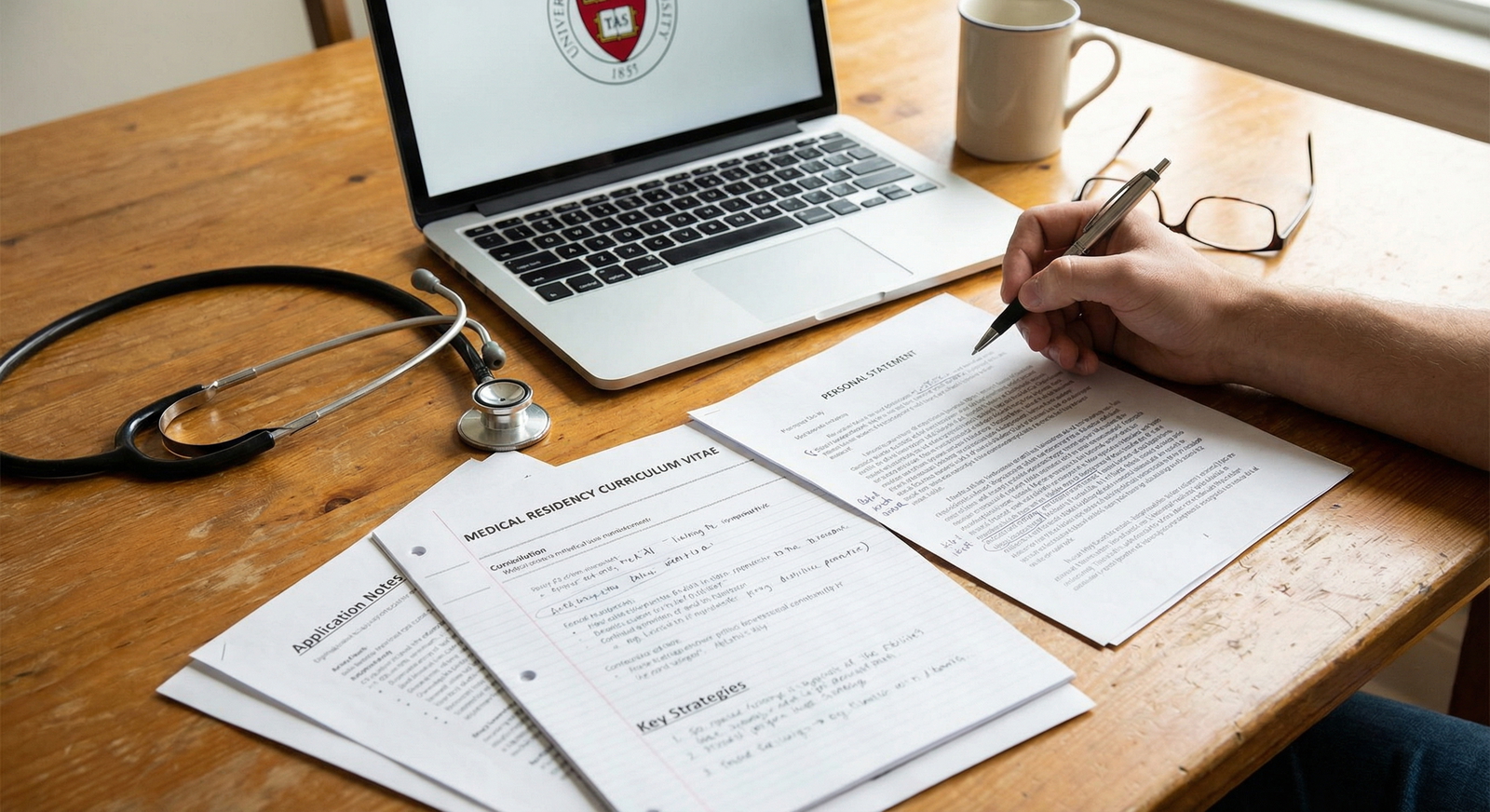
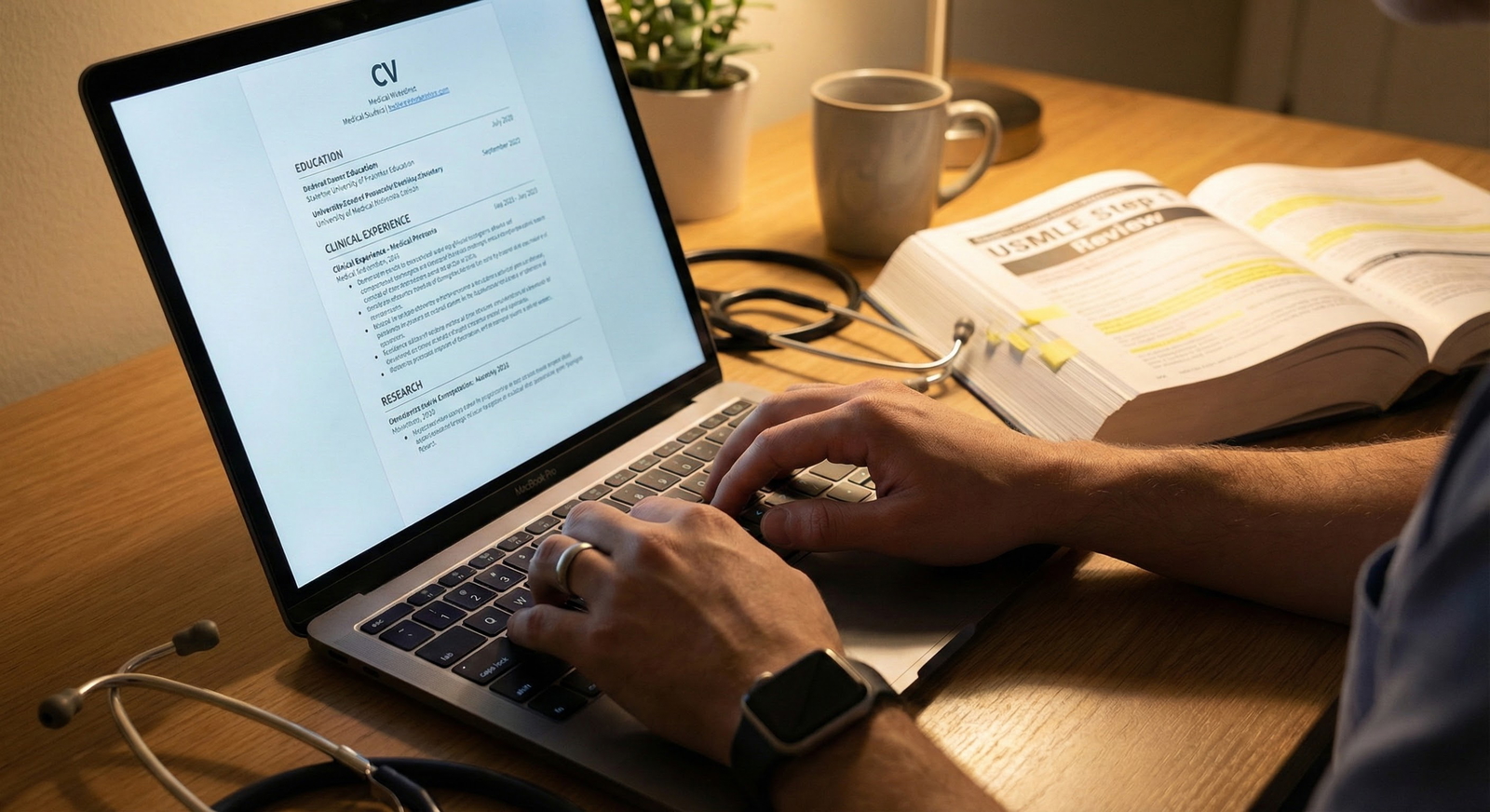
- Several copies of your CV and ERAS application
- A small notepad and pen
- A simple folder or portfolio (avoid large bags or backpacks)
- A list of prepared questions for the program
- Directions, parking information, contact numbers in case of delays
Virtual:
- Tested microphone, camera, and stable internet connection
- Printed or digital copy of your CV and personal statement
- Short bullet list of key points about the program you want to mention
- Backup device or hotspot if possible
Having these items ready reduces stress and allows you to focus entirely on the interview.
3. How can I best prepare for challenging or unexpected interview questions?
- Practice with mock interviews, especially with mentors in your specialty.
- Review potential ethical, conflict-resolution, and “tell me about a time…” questions.
- Use structured frameworks like STAR (Situation, Task, Action, Result) to organize your thoughts.
- When truly surprised, it’s acceptable to pause and say, “That’s a great question; let me think for a moment.” A brief pause is better than a rushed, unfocused answer.
Over time, you’ll find that most “unexpected” questions are variations on common themes: professionalism, resilience, teamwork, and reflection.
4. How soon should I send thank-you notes after my residency interview, and what if I don’t have all email addresses?
Aim to send thank-you emails within 24–48 hours. If you don’t have an interviewer’s direct email:
- Check your interview day materials—programs often list contact info.
- If unavailable, send a single thank-you email to the program coordinator expressing appreciation to the entire team and asking that it be forwarded.
Focus on a small number of targeted, personalized thank-yous rather than generic mass messages.
5. How important is body language during residency interviews, really?
Body language is a major component of how interviewers perceive you. It often shapes whether you come across as:
- Confident vs. insecure
- Engaged vs. disinterested
- Respectful vs. dismissive
Good posture, eye contact, and attentive listening can significantly elevate an otherwise average interview. Conversely, slouching, looking away frequently, or appearing distracted can undermine even strong verbal answers. Consider doing a practice video interview specifically to evaluate and refine your non-verbal communication.
Residency interviews are a pivotal bridge between your medical school training and your future career in medicine. With deliberate preparation, clear self-reflection, and professional execution on interview day, you can transform your interviews into powerful opportunities—not only to impress programs, but to find the training environment where you will truly thrive.