The Power of Extracurricular Activities in a Strong Residency Application
In today’s increasingly competitive residency match environment, excellent grades and high USMLE/COMLEX scores are necessary but rarely sufficient on their own. Program directors consistently emphasize that a standout Residency Application reflects not just academic performance, but also character, professionalism, leadership, and alignment with the specialty’s values.
Thoughtful, sustained extracurricular activities are one of the most powerful ways to demonstrate these qualities. When chosen and presented strategically, they can:
- Differentiate you from applicants with similar scores
- Highlight your maturity, resilience, and teamwork
- Show your genuine commitment to medicine and patient care
- Demonstrate your capacity for growth and Professional Development
This guide explores how to intentionally use extracurriculars to strengthen your residency application, what types of activities are most impactful, and how to present them effectively to residency programs.
Why Extracurricular Activities Matter in the Residency Match
Extracurriculars are not “nice-to-haves” or box-checking exercises; they are concrete evidence of who you are outside the exam room and lecture hall.
1. Differentiation in a Competitive Applicant Pool
Residency programs routinely receive hundreds – sometimes thousands – of applications from students with similar board scores and class rankings. Extracurricular Activities give programs a reason to remember you.
Examples of how extracurriculars can differentiate you:
- You led a longitudinal quality improvement (QI) project that reduced clinic no-show rates.
- You co-founded a free community hypertension screening program that now runs yearly.
- You developed a peer-mentoring program for first-year students and measured its impact on exam performance and wellbeing.
These are the kinds of activities that create a compelling “hook” in your application and during interviews—stories that communicate impact, not just participation.
2. Development of Essential Non-Clinical Skills
Modern medicine requires far more than diagnostic knowledge. Programs are explicitly looking for evidence of:
- Leadership and initiative
- Teamwork and interprofessional collaboration
- Communication and teaching skills
- Adaptability and problem-solving
- Cultural humility and empathy
Extracurriculars are often the most visible arena where these abilities develop and can be clearly described. For example:
- Running a student organization’s budget builds organizational and negotiation skills.
- Coordinating volunteers for a health fair develops delegation, communication, and conflict resolution.
- Serving on a diversity and inclusion task force shows advocacy and systems thinking.
3. Strategic Networking and Professional Relationships
Your extracurricular involvement can expand your Networking opportunities significantly:
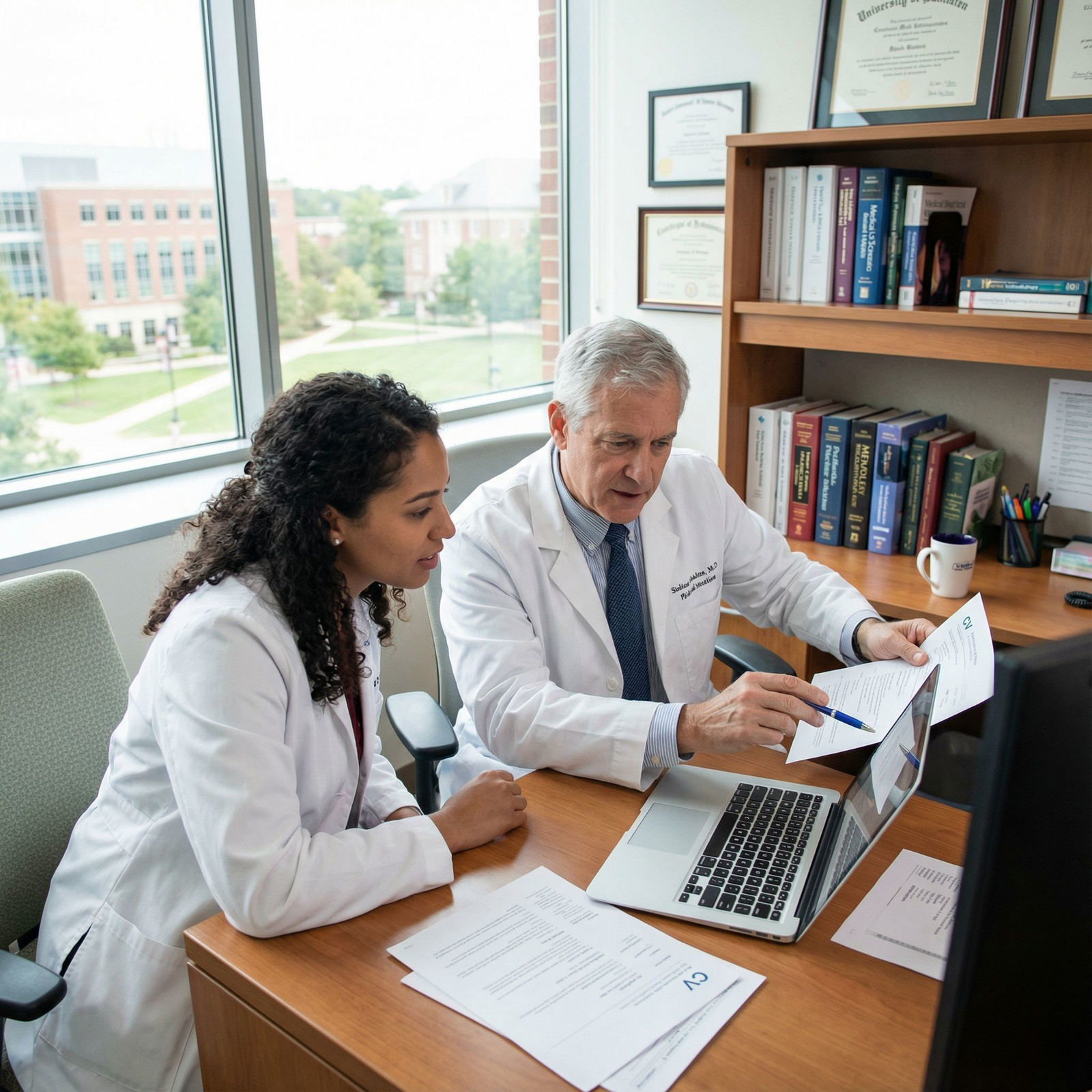
- Faculty mentors you meet through research, advocacy, or community projects may later become strong letter writers.
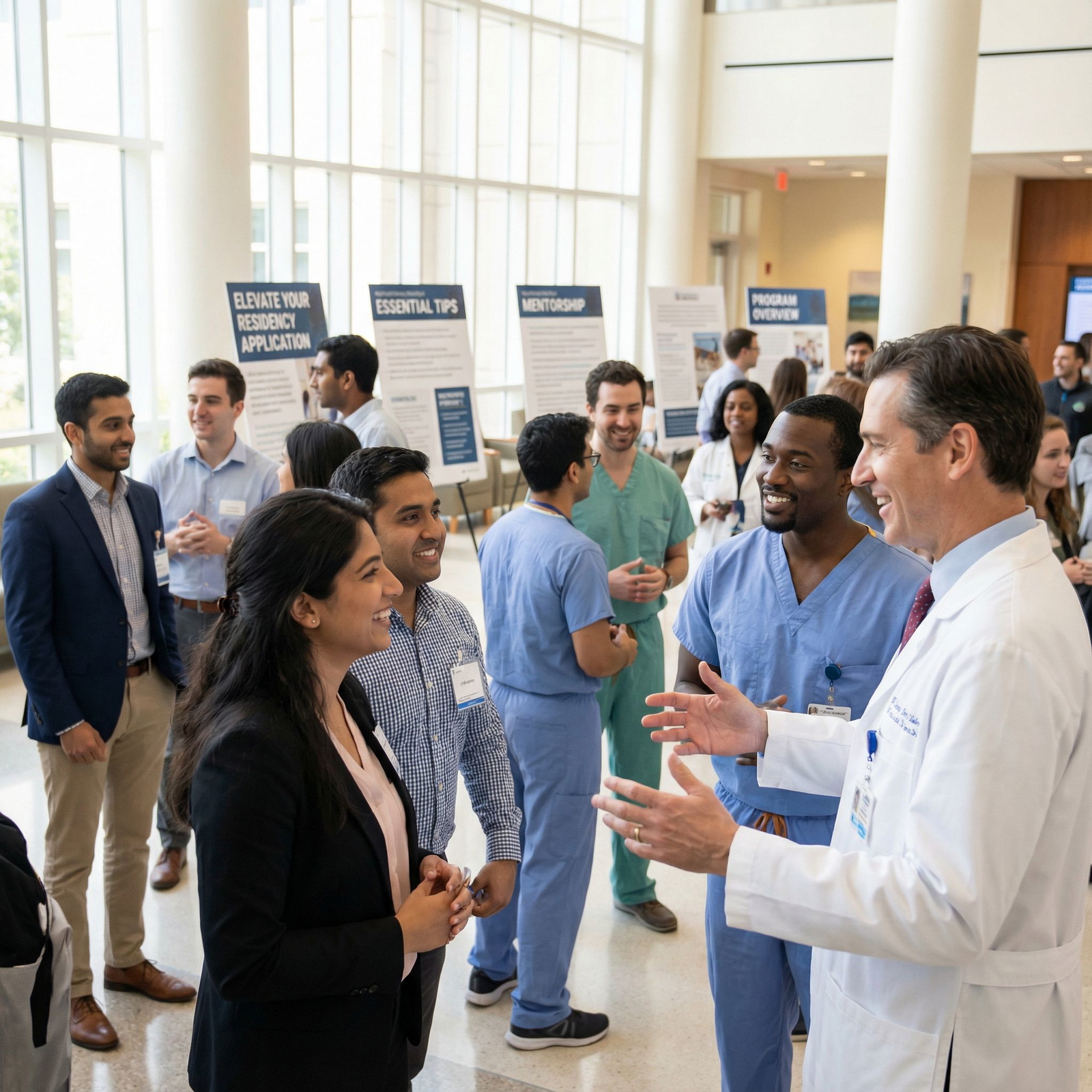
- National organizations (e.g., specialty societies) connect you with leaders who can advise you on the Residency Application process and upcoming Professional Development opportunities.
- Working closely with residents on projects can provide inside perspectives on specific programs and specialties.
These relationships often translate into better guidance, more targeted applications, and occasionally direct referrals or advocacy for you within programs.
4. Demonstrating Passion, Purpose, and Sustainability
Residency is demanding. Programs want reassurance that you have:
- A sustainable, authentic motivation for your chosen specialty
- Interests that help prevent burnout and support long-term resilience
- A track record of consistent engagement rather than short-lived, superficial involvement
Longitudinal extracurricular activities—spanning multiple years or phases of training—signal that you can commit deeply to something beyond immediate academic requirements.
High-Impact Types of Extracurricular Activities
Not all activities carry the same weight. Programs especially value experiences that show initiative, sustained involvement, and measurable impact. Below are high-yield categories, with practical examples and how they can strengthen a residency application.
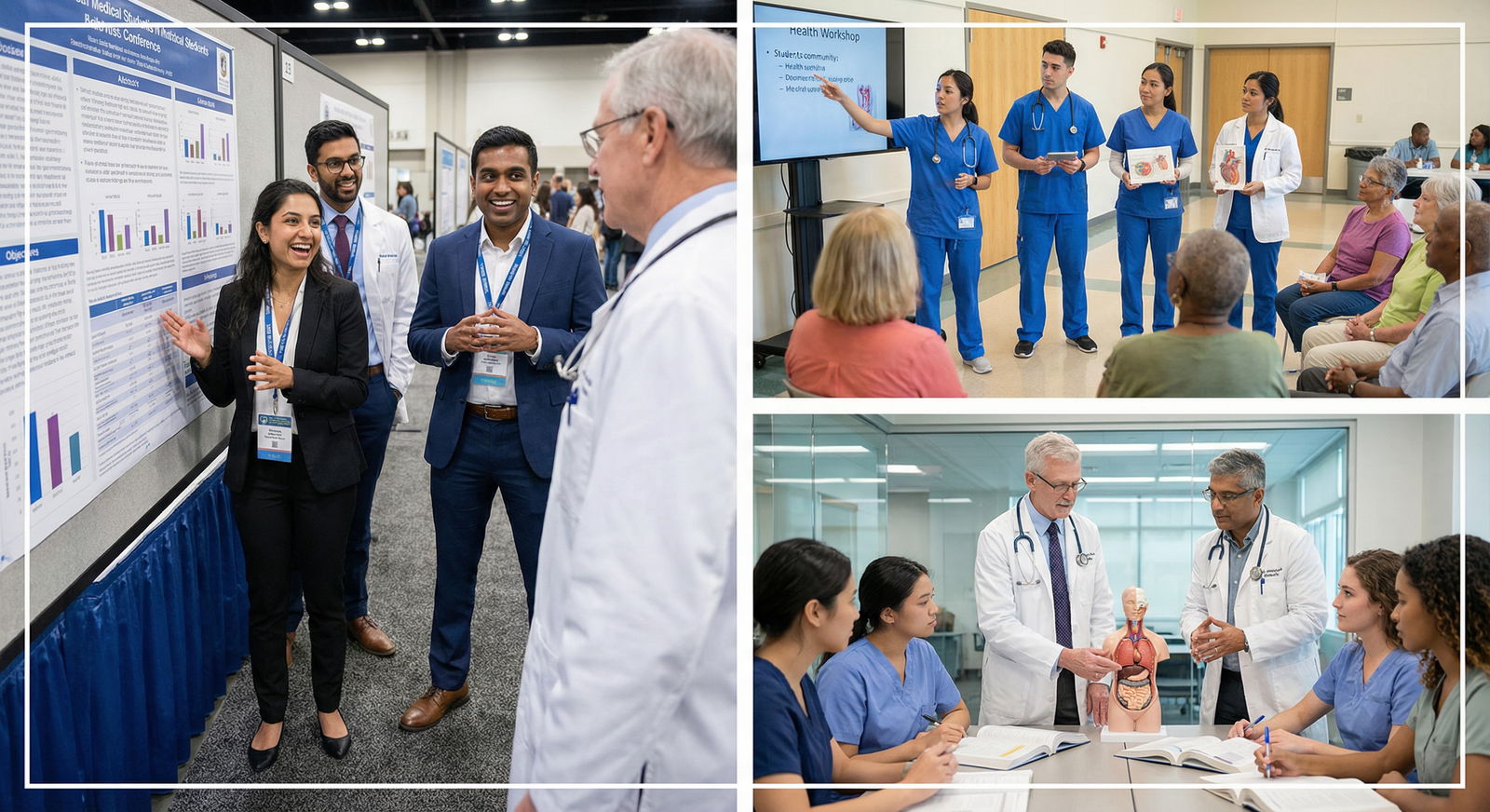
1. Volunteering and Community Service
Why it matters: Demonstrates empathy, social responsibility, and awareness of health disparities. Programs increasingly value applicants who understand social determinants of health and can work effectively with diverse populations.
Examples:
- Volunteering regularly at a free clinic or mobile health unit
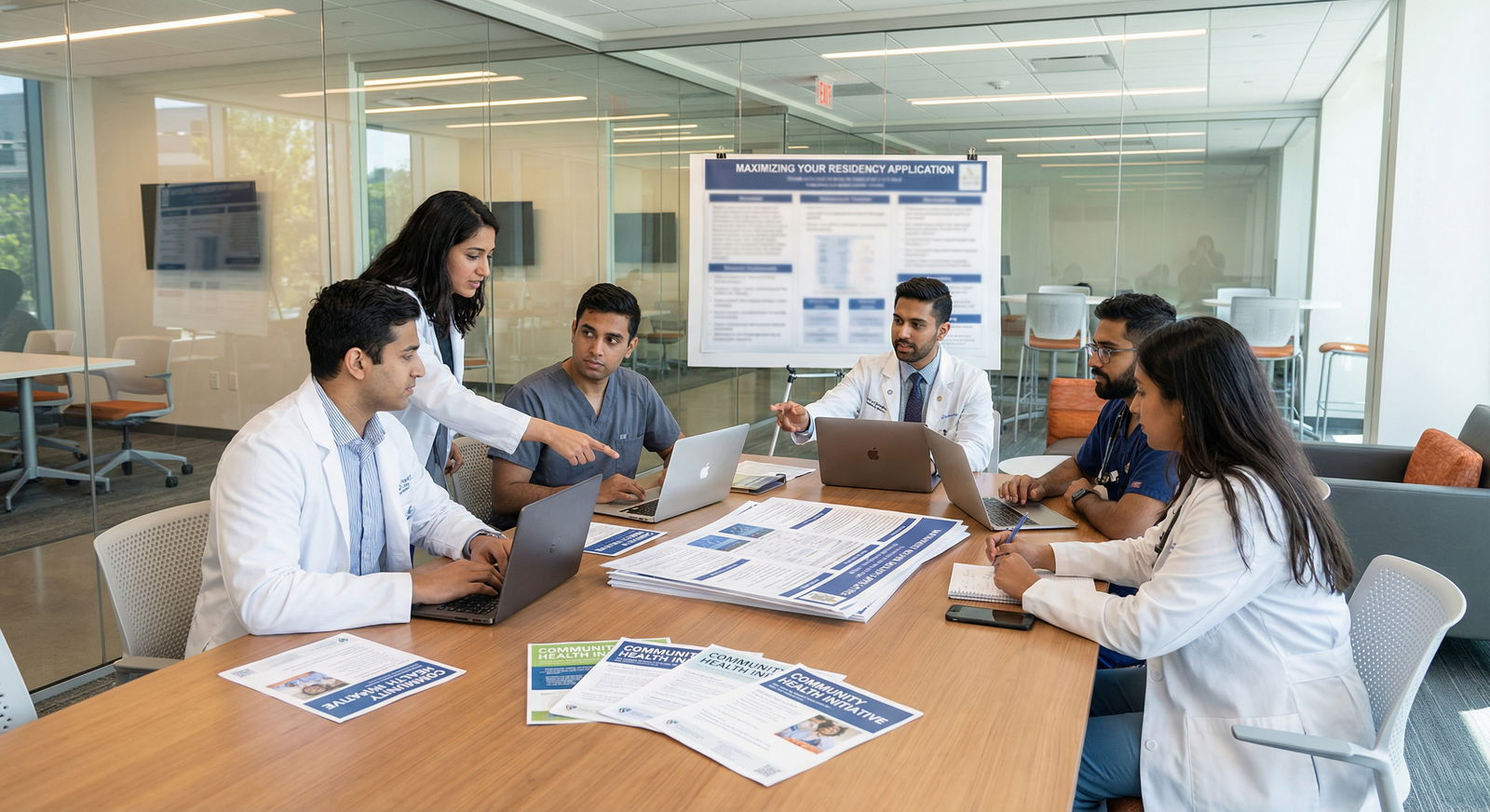
- Organizing blood drives, vaccination campaigns, or health fairs
- Participating in outreach to unhoused populations or immigrant communities
- Running chronic disease education workshops (e.g., diabetes, asthma, smoking cessation)
How to make it impactful:
- Aim for consistent, long-term involvement rather than isolated, one-time events.
- Take on progressively more responsibility—transition from volunteer to coordinator or committee member.
- If possible, measure outcomes (e.g., number of patients served, repeat attendance, changes in screening rates).
For specialties like family medicine, internal medicine, pediatrics, and psychiatry, meaningful community engagement can strongly reinforce your fit.
2. Research and Scholarly Projects
Why it matters: Shows intellectual curiosity, critical thinking, and the ability to ask and answer clinical questions—core skills in any specialty.
Examples:
- Clinical or basic science research leading to abstracts, posters, or publications
- Quality improvement initiatives within clinics or hospital settings
- Systematic reviews/meta-analyses in areas aligned with your specialty
- Educational research (e.g., studying outcomes of a new curriculum or simulation program)
Tips for leveraging research:
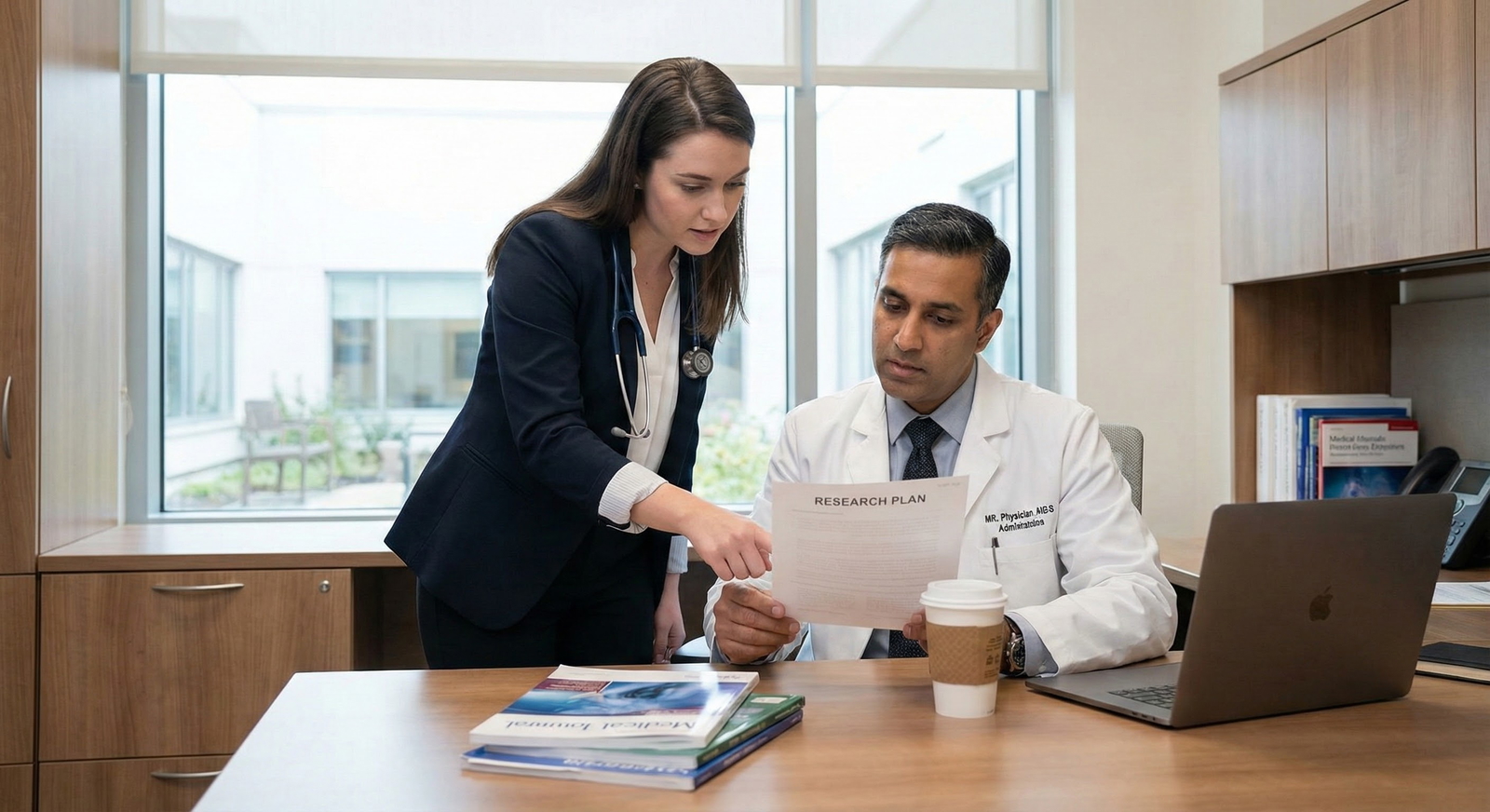
- Try to see at least one project through to completion and dissemination (poster, publication, or presentation).
- Be prepared to explain your precise role: design, data collection, analysis, writing.
- Align at least some research with your intended specialty when possible (though good research in any field is still valuable).
For highly competitive specialties (dermatology, radiology, orthopedics, neurosurgery, ENT), research productivity can be particularly important.
3. Leadership Roles and Organizational Involvement
Why it matters: Programs need residents who can lead teams, run committees, and eventually shape healthcare systems.
Examples of leadership roles:
- President or officer of a specialty-specific interest group
- Class representative or student government officer
- Organizer for diversity, wellness, or curriculum advocacy initiatives
- Founder of a new student organization, clinic, or mentorship program
How to show leadership effectively:
- Highlight concrete initiatives you started or improved.
- Describe changes you implemented (e.g., new programs, increased membership, policy changes).
- Mention measurable achievements: “Increased participation by 40%,” “Secured $5,000 in grant funding.”
Leadership is valuable across all specialties but is especially scrutinized in program cultures that emphasize administration, QI, or academic careers.
4. Teaching, Tutoring, and Mentoring
Why it matters: Residents teach constantly—students, colleagues, patients, and families. Programs want evidence that you can educate effectively and enjoy it.
Examples:
- Teaching assistant (TA) for pre-clinical courses
- Peer tutor for anatomy, physiology, or board prep
- Mentor in pipeline programs for high school, undergraduate, or pre-med students
- Leading skills workshops (e.g., suturing, ultrasound, ECG interpretation)
Strengthening your application with teaching:
- Document the structure and intensity: “Facilitated weekly small groups,” “Developed new teaching materials,” “Created OSCE practice sessions.”
- Highlight feedback systems: if learners completed evaluations, mention positive themes.
- If you developed a new curriculum or resource, consider presenting it at an education conference or publishing an educational piece.
5. Sports, Wellness, and Creative Pursuits
Why it matters: Residency programs care about wellbeing and work-life balance. Sustained hobbies suggest resilience, time management, and a life outside medicine.
Examples:
- Participation in a university or community sports team (soccer, basketball, running club)
- Leading wellness initiatives (yoga sessions, mindfulness groups, fitness challenges)
- Artistic pursuits: music, visual arts, photography, writing, theater
How to present these:
- Emphasize discipline, teamwork, and stress management.
- If you played at a competitive level or held leadership roles (team captain, organizer), mention it.
- Connect your hobby to skills relevant to residency when appropriate (e.g., discipline, perseverance, creativity, fine motor skills for certain surgical specialties).
6. Cultural, Diversity, and Inclusion Activities
Why it matters: Cultural humility and the ability to work across differences are central to high-quality care.
Examples:
- Leadership or active involvement in cultural or identity-based student organizations
- Organizing multicultural health events or language-concordant clinics
- Advocacy and policy work related to equity, diversity, and inclusion in healthcare
Making this stand out:
- Highlight initiatives that improved inclusion or access (e.g., establishing interpreter services for a student-run clinic).
- Describe collaborative work with community partners, not just campus-based events.
- Link these efforts to your understanding of patient-centered care.
7. Professional Medical Organizations and Conferences
Why it matters: Signals early engagement with your specialty community and commitment to ongoing Professional Development.
Examples:
- Membership and active involvement in organizations like AMA, ACP, AAFP, AAP, ACS, specialty interest societies
- Attending or presenting at regional/national conferences
- Serving on committees (student or trainee sections, advocacy or education committees)
How it helps your Residency Application:
- Shows you are already integrating into your future specialty’s network.
- Provides opportunities for mentorship and letters of recommendation.
- Enables you to contextualize your career goals with current issues in the field.
Strategically Integrating Extracurriculars into Your Residency Application
Having strong experiences is only half the battle; you must present them in a way that clearly communicates value to selection committees.
Crafting a Cohesive Professional Narrative
Think about your extracurriculars as supporting chapters in your professional story, not as a random list of accomplishments.
Ask yourself:
- What themes connect my activities? (e.g., health equity, medical education, global health, quality improvement)
- How do these experiences support my interest in a specific specialty?
- What trajectory do they show—growth in responsibility, depth of involvement, or evolving interests?
Use these themes to shape:
- Your personal statement
- Supplemental essays or program-specific questions
- How you answer “Tell me about yourself” or “Why this specialty?” in interviews
Using Clear, Action-Oriented Descriptions
When filling out ERAS or CV sections, avoid vague language like “helped” or “participated.” Instead:
- Start with strong action verbs: led, organized, developed, implemented, analyzed, mentored, coordinated.
- Quantify impact whenever possible:
- Hours involved: “Committed ~5 hours/week over two years”
- Scale: “Coordinated 30 volunteers to serve 400+ patients annually”
- Outcomes: “Improved screening rates by 25% over 6 months”
This style helps programs quickly see your level of engagement and responsibility.
Reflecting on Growth and Future Application
Programs are not only interested in what you did, but what you learned and how it changed you as a future physician.
In your essays and interviews, reflect on:
- How an activity changed your understanding of patients, systems, or yourself
- Specific moments that challenged you or pushed you to grow
- How you will carry these lessons into residency and your long-term career
Reflection shows maturity and self-awareness—qualities strongly associated with success in residency.
Tailoring Emphasis to Your Specialty
While you should never “invent” interests, you can strategically highlight aspects of your background that best support a particular field.
For example:
- Pediatrics: Emphasize work with children, education, advocacy, community health, and family-centered care.
- Internal Medicine: Highlight longitudinal patient care, research, QI, and interest in complex adult medicine.
- General Surgery: Focus on procedural skills workshops, surgical interest group leadership, OR-based research, and resilience/teamwork experiences.
- Psychiatry: Emphasize mental health advocacy, crisis hotline volunteering, psychology research, or work with vulnerable populations.
- Emergency Medicine: Highlight fast-paced community outreach (e.g., EMS ride-alongs, disaster response volunteering, event medical coverage).
Leveraging Letters of Recommendation from Extracurricular Mentors
Not all letters must come from clerkship attendings. Strong letters can also come from:
- Research mentors
- Faculty advisors of student organizations
- Supervisors at clinics or community programs
These writers can:
- Speak to your professionalism, character, and reliability over time
- Describe your leadership, initiative, and teamwork in-depth
- Provide concrete anecdotes that support your personal narrative
Choose recommenders who know you well and can describe your contributions with specific examples—not just your name and role.

Practical Tips for Balancing and Choosing Extracurriculars
Prioritize Depth Over Breadth
Residency programs prefer sustained commitment to a few meaningful activities over brief involvement in many.
- Aim for 2–4 core activities that span at least one year.
- Show progression: member → coordinator → leader.
- Add short-term or one-time events as supplemental, not central, activities.
Protect Your Academic Foundation
No extracurricular involvement can compensate for failing courses or poor clinical evaluations.
- Be realistic about your time and energy.
- Use scheduling tools or time-blocking to preserve study time.
- If you’re struggling academically, temporarily scale back extracurriculars and seek support.
Start Where You Are and Build
If you feel “behind”:
- Join an existing project or group that aligns with your interests rather than starting from scratch.
- Look for roles that can grow into leadership over time.
- Even a late-started activity can be meaningful if you show strong engagement and reflection.
Be Authentic
Programs can sense when activities are performed solely for optics.
- Choose experiences you genuinely care about; your enthusiasm will show in interviews.
- Allow for some activities that simply bring you joy and balance—even if they’re not obviously “medical.”
FAQ: Extracurricular Activities and the Residency Application
1. Do I need a large number of extracurricular activities to match successfully?
No. Quality and depth matter far more than quantity. A few well-chosen, longitudinal experiences—with increasing responsibility and clear impact—are more compelling than a long list of superficial or short-lived involvements. Aim to show:
- Consistency over time
- Clear roles and accomplishments
- Reflection on what you learned
2. How can I realistically balance extracurriculars with demanding coursework and clinical rotations?
Effective time management and boundary setting are key:
- During pre-clinical years, you may have more flexibility; this is a good time to explore and commit to long-term projects.
- During clinical rotations, scale back to the most essential commitments and avoid taking on major new leadership roles.
- Use calendars, task lists, and weekly planning to allocate specific blocks for study, rest, and activities.
- Be willing to say “no” to opportunities that do not align with your goals or that risk your academic performance.
3. Is research mandatory for every specialty?
Research is beneficial for all specialties because it demonstrates critical thinking and engagement with evidence-based medicine, but its importance varies:
- Highly competitive, academic, and procedurally oriented specialties (e.g., dermatology, radiology, orthopedics, neurosurgery) often expect some research experience and may strongly favor applicants with publications.
- For primary care specialties, substantive research is helpful but not mandatory; strong clinical performance and meaningful community or advocacy work can be equally valuable.
If you have no research background, consider at least one small, manageable project (QI, chart review, or educational project) to demonstrate basic scholarly engagement.
4. Can I include non-medical hobbies and interests in my residency application?
Absolutely—and you should. Thoughtfully presented hobbies:
- Help programs see you as a whole person
- Provide memorable talking points during interviews
- Signal resilience and healthy coping strategies
Describe them briefly in your application and be prepared to speak about how they contribute to your wellbeing, discipline, or perspective on life.
5. What if I started medical school late or had significant life responsibilities that limited my extracurricular involvement?
Programs recognize that applicants have diverse backgrounds and obligations (family care, employment, military service, health issues). In these cases:
- Emphasize the responsibilities you managed and the skills you developed (time management, resilience, empathy).
- Highlight the depth of involvement in the few activities you could realistically sustain.
- If appropriate, briefly explain context in your personal statement or in ERAS “other impactful experiences” sections.
Your life experience itself is often a powerful asset when framed thoughtfully.
By intentionally selecting, cultivating, and presenting your extracurricular activities, you can transform them from “extra” elements of your schedule into central pillars of a strong Residency Application. When aligned with your authentic interests and specialty goals, these experiences demonstrate not only that you are academically prepared for residency, but also that you are a reflective, collaborative, and resilient future physician ready to contribute meaningfully to your program and to the profession.