Unlocking a strong Residency Application doesn’t depend only on scores, grades, and research. Increasingly, Medical Networking and genuine Professional Relationships can be what tips your application from the maybe pile into the interview list—and from “ranked” to “matched.” This article explores how to strategically build, nurture, and leverage relationships to strengthen your residency application and accelerate your Career Development.
Why Networking Matters for a Strong Residency Application
Networking in medicine is often misunderstood. It’s not about collecting business cards or sending mass emails before ERAS opens. It’s the long‑term process of building authentic, professional relationships with people who can:
- Teach you
- Advocate for you
- Collaborate with you
- Help you grow as a physician
Residency programs are not just selecting scores; they are selecting colleagues they will work with for years. When someone respected in the field knows you well and can vouch for your character, work ethic, and fit for the specialty, it makes your application far more compelling than numbers alone.
How Programs Quietly Use Networking Information
Program directors and faculty routinely:
- Ask colleagues, “Do you know this applicant?”
- Reach out informally for backchannel impressions
- Weigh strong, personal Letters of Recommendation more heavily than generic ones
- Pay attention to students they have met on rotations, at conferences, or through shared projects
In a competitive match environment, the applicants who have invested in Professional Relationships often have a noticeable edge—even when their metrics aren’t the highest.
Key Benefits of Medical Networking for Your Residency Application
1. Access to Unadvertised or Late‑Breaking Opportunities
Not every opportunity is posted on a website or listserv. Networking can give you:
- Early awareness of away rotation openings in highly sought‑after programs
- Research or quality improvement projects that arise suddenly and need student involvement
- Preliminary or new positions that open unexpectedly in the months before Match
- Post‑Match or SOAP opportunities, where a mentor tips you off to a program’s specific needs
Example:
A student interested in internal medicine regularly attends department grand rounds and introduces herself to speakers. When a faculty member learns about a last‑minute opening in a competitive sub‑internship, he emails her first because he already knows her interests and work ethic.
2. Stronger, More Persuasive Letters of Recommendation
Residency programs can quickly distinguish between:
- A generic LOR: “This student was punctual and performed adequately.”
- A personalized, detailed LOR: “I supervised this student for 8 weeks on our ICU rotation and for 6 months on a sepsis QI project. They consistently demonstrated initiative, humility, and outstanding communication with families.”
Strong networking gives potential letter writers:
- Time to get to know you in multiple contexts (clinical, research, teaching)
- Specific stories and examples they can reference
- Confidence to advocate for you against a competitive pool
Actionable steps:
- Start connecting with potential letter writers 1–2 years before applications
- Volunteer for meaningful responsibilities (data collection, teaching sessions, protocol development)
- Schedule regular brief check‑ins so they follow your progress
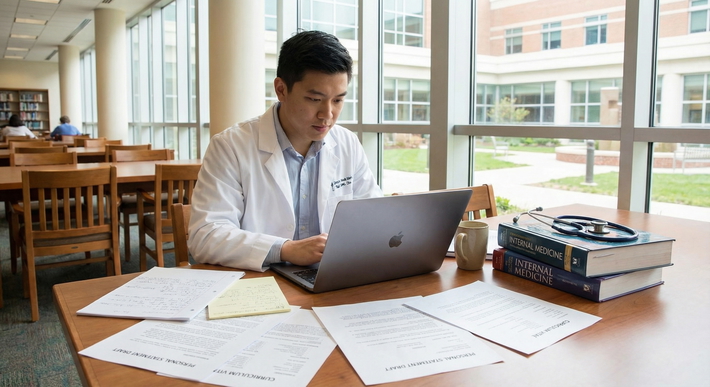
- Provide a CV and personal statement draft when requesting letters to help them write detailed endorsements
3. Insider Knowledge About Programs and Specialties
Networking offers nuanced information you won’t find on program websites:
- Actual day‑to‑day culture (“Supportive?” “Malignant?” “Heavy on scut?”)
- How often residents successfully match into certain fellowships
- Faculty who are particularly supportive of residents’ career goals
- Hidden strengths (e.g., outstanding ultrasound curriculum, strong global health connections)
You can use this information to:
- Target programs that truly fit your goals and personality
- Tailor your personal statement and ERAS experiences to reflect what the program values
- Ask more informed questions at interviews, which signals serious interest and maturity
4. Emotional Support and Confidence During the Process
Residency application season is stressful and vulnerable. A strong network provides:
- Mentors who can review your specialty choice, application strategy, and rank list
- Peers and near‑peers who can normalize setbacks and share real‑time advice
- Residents and fellows who can help you rehearse interviews and navigate tough questions
This support can significantly improve your performance in interviews and help you stay resilient when things don’t go exactly as planned.
5. Collaboration That Strengthens Your CV and Skills
Networking frequently leads to:
- Research collaborations (chart reviews, clinical trials, systematic reviews)
- Quality improvement initiatives
- Educational projects (curriculum design, simulations, teaching sessions)
- Committee work (diversity, wellness, curriculum committees)
Each of these:
- Enhances your Residency Application content
- Helps you develop leadership, communication, and project management skills
- Provides talking points for interviews and personal statements
Remember: Programs value evidence that you can collaborate, follow through on commitments, and contribute to their academic community—not just your USMLE or COMLEX scores.

How to Build Your Medical Network: Practical Steps for Students and Graduates
You don’t need to be extroverted or “naturally good at networking” to build meaningful relationships. What you do need is consistency, professionalism, and genuine curiosity.
1. Start with Your Immediate Environment: School and Hospital
Join Specialty Interest Groups and Student Organizations
- Attend interest group meetings for your target specialties (e.g., Internal Medicine, EM, Surgery)
- Volunteer for leadership roles—program directors like to see initiative
- Help organize speaker events or skills workshops; this puts you in direct contact with faculty and residents
Engage in Departmental Educational Activities
- Go to grand rounds, morbidity and mortality conferences, and journal clubs
- Introduce yourself briefly after talks:
- “Thank you for that presentation, Dr. X. I’m a third‑year student interested in neurology and really appreciated your case discussion. I’d love to learn more about how you got into stroke research.”
- Follow up by email within 24–48 hours to keep the connection alive
2. Seek Out and Develop Mentorship
Effective mentorship is the backbone of Career Development in medicine.
Identifying Potential Mentors
Look for individuals who:
- Work in your specialty (or a specialty you’re considering)
- Have a reputation for being approachable and supportive
- Share some aspect of your interests (research topic, patient population, advocacy, education)
These might include:
- Clerkship directors
- Residency program leadership
- Research PIs
- Senior residents or fellows
- Faculty you’ve impressed on rotations
Initiating the Relationship
When you reach out:
- Use a concise, professional email
- Mention how you know them (lecture, rotation, conference)
- Be specific about your request: advice on specialty choice, feedback on CV, help finding a project
Example:
“I’m a fourth‑year student considering pediatrics and was inspired by your talk on chronic disease management. I’d be grateful for a brief meeting to get your advice on aligning my experiences with a career in pediatric endocrinology and strengthening my residency application.”
Nurturing the Relationship Over Time
- Show up prepared to meetings with questions and updates
- Take notes and follow through on their suggestions
- Share progress: “I followed your advice and joined the QI project. We’re now submitting an abstract—thank you for the guidance.”
- Ask how you can help them (data collection, literature searches, teaching sessions)
Mentorship should be mutually beneficial: you gain guidance, they gain a motivated learner and collaborator.
3. Use Online Platforms Strategically for Professional Relationships
Digital networking is now a core part of Medical Networking, but it must be done thoughtfully.
LinkedIn for Medical Students and Residents
Optimize your LinkedIn to support your Residency Application:
- Headline: “Fourth‑Year Medical Student | Aspiring Internal Medicine Resident | Interested in Cardiology and Medical Education”
- About section: Brief professional summary highlighting your interests, values, and goals
- Experience: Clinical roles, research, leadership, volunteer work
- Featured section: Link posters, presentations, or publications
- Connect with:
- Classmates, alumni, faculty, and residents
- People you meet at conferences or rotations
- Engage:
- Comment thoughtfully on posts related to your specialty
- Share reflections on conferences or interesting (de‑identified) learning experiences
Academic Twitter / X and Other Networks
Many specialties have strong communities on X (“MedTwitter”), Instagram (for procedural fields), and specialty‑specific forums.
Best practices:
- Use your real name and professional photo
- Follow leaders in your specialty, major organizations, and relevant journals
- Participate in hashtag discussions (#MedEd, #FOAMed, #Match202X, #MedTwitter)
- Avoid unprofessional content; assume programs can see everything you post or like
Done right, social media can:
- Expose you to cutting‑edge research and educational content
- Help you meet mentors and peers across institutions
- Give programs a glimpse of your authentic professional interests
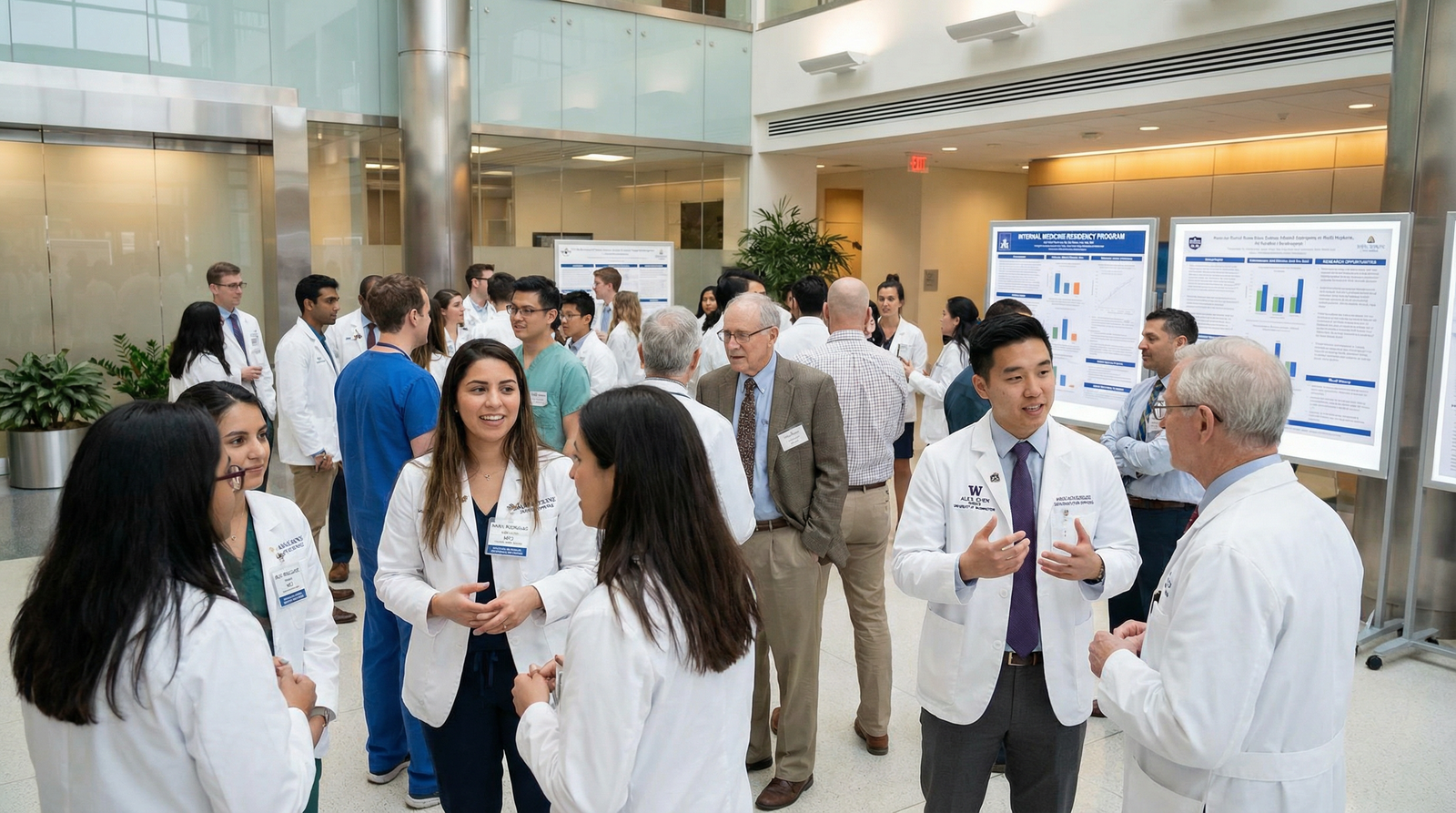
4. Make the Most of Conferences and Academic Meetings
Conferences are high‑yield networking environments when approached with a plan.
Before the Conference
- Review the program and identify:
- Sessions related to your interests
- Faculty or residents from programs you’re targeting
- Schedule brief meetings if possible:
- “I’ll be attending the national EM conference and saw you’re on the trauma panel. Would you have 10 minutes for a quick chat about EM training at your institution?”
During the Conference
- Attend relevant talks and introduce yourself to speakers afterward
- Wear your name badge clearly; have a simple, comfortable self‑introduction ready
- Visit residency program booths and ask specific questions, e.g.:
- “How do residents interested in global health get involved at your institution?”
- If you’re presenting:
- Include your contact information on the poster or slides
- Invite interested viewers to connect later for collaboration
After the Conference
- Email contacts within 48–72 hours:
- Thank them for their time
- Reference a specific part of your conversation
- Suggest a next step if appropriate (sharing a CV, scheduling a follow‑up call, etc.)
5. Follow Up and Sustain Your Network Over the Long Term
A contact you don’t follow up with is essentially a lost opportunity.
Practical habits:
- Keep a simple spreadsheet or note with:
- Names, roles, institutions
- How you met
- Topics you discussed
- Last contact date
- Every 3–6 months, send brief updates to key mentors and contacts:
- Share milestones (Step scores, publications, sub‑I evaluations)
- Ask for targeted advice when appropriate
- Send thank‑you messages when:
- Someone writes a letter for you
- You match successfully
- They provide key guidance or introductions
Always look for opportunities to give back:
- Share useful resources or articles
- Connect people in your network who might benefit from knowing each other
- Offer to mentor junior students once you are in residency
Building a Strong Personal Brand as an Aspiring Resident
Your “personal brand” is the consistent impression others have of you across settings and over time. In medicine, this is less about marketing and more about professional identity.
Clarify Your Professional Identity and Value Proposition
Ask yourself:
- What patient populations or clinical problems am I most passionate about?
- What roles do I naturally take on in groups (organizer, educator, problem‑solver)?
- What values do I want people to associate with me (reliability, empathy, curiosity, leadership)?
Then articulate a simple “value statement,” for example:
- “I’m a future family physician dedicated to improving primary care in underserved communities through quality improvement and patient education.”
- “I’m an aspiring surgeon who cares deeply about surgical education and mentoring learners.”
Use this to guide:
- The projects you choose
- What you highlight in your CV and personal statement
- How you introduce yourself to new contacts
Maintain Professionalism Across All Touchpoints
Your brand is shaped by:
- Email etiquette: Clear subject lines, respectful greetings, concise content, timely replies
- Appearance and behavior: On rotations, in conferences, on Zoom calls
- Online presence: Photos, posts, and comments that reflect maturity and respect
Programs want residents who are:
- Reliable
- Easy to work with
- Safe with patients
- Emotionally intelligent
Your consistent professionalism in every interaction reinforces that perception.
Share Your Journey Authentically
People remember stories more than lists of achievements.
Ways to (appropriately) share your story:
- During mentor meetings: explain why you chose your specialty and what experiences shaped you
- In personal statements and interviews: use specific examples to illustrate your values
- On professional platforms: share reflections on a meaningful patient encounter (de‑identified), a research challenge you overcame, or a lesson from a difficult rotation
Authenticity builds trust. When people believe they understand who you are and what drives you, they are far more likely to advocate for you strongly.

Putting It All Together: Networking as a Core Part of Residency Career Development
To integrate Medical Networking intentionally into your Residency Application strategy:
- Start early: First and second year are not “too early”—they’re ideal for exploring specialties and building relationships without the pressure of immediate applications.
- Diversify your network: Include faculty, residents, fellows, peers, and non‑physician professionals (nurses, administrators, coordinators can be invaluable allies).
- Be consistent, not transactional: Don’t only reach out when you need a letter or a favor. Invest in genuine relationships over months and years.
- Document and reflect: Periodically review your network and identify gaps—do you know anyone in your top‑choice specialty? In your dream city? In community vs academic programs?
- Use your network ethically: Never ask mentors to misrepresent your abilities. Instead, ask for honest feedback and support in areas where you are truly ready.
Networking is not “cheating” or getting unfair advantages. It is an essential element of how modern medicine functions—through collaboration, mentorship, and professional community. Learning to navigate that community thoughtfully is part of becoming an effective physician.
Frequently Asked Questions About Networking and Residency Applications
1. How do I start networking in medical school if I’m introverted or feel awkward?
You don’t need to be the loudest person in the room to build strong Professional Relationships. Focus on:
- 1:1 or small‑group interactions (office hours, mentor meetings, small conferences)
- Asking thoughtful questions rather than making big impressions
- Following up by email after positive encounters
- Volunteering for roles that naturally involve interaction (note‑taker, project coordinator)
Aim for one small networking action per week—attend a talk, introduce yourself to a speaker, or email a potential mentor. Consistency beats intensity.
2. What should I include in my LinkedIn profile specifically for residency networking?
For Residency Application purposes, your LinkedIn should highlight:
- A professional photo and clear headline (year in training + specialty interest)
- A short “About” section summarizing your goals and passions
- Education details, including medical school and degrees
- Key experiences: research, leadership roles, volunteer work, teaching
- Skills relevant to medicine (e.g., data analysis, teaching, quality improvement)
- Links to posters, publications, or presentations in the “Featured” section
Keep it updated, and share it with mentors or contacts who ask for more information about your background.
3. How can I maintain relationships with mentors without feeling like I’m bothering them?
Most mentors appreciate engaged mentees. To maintain relationships respectfully:
- Email 2–4 times per year with concise, specific updates or questions
- Share progress on items they previously advised you about
- Respect their time: ask for short meetings and come prepared
- Offer help where you can (literature reviews, data entry, student teaching)
- Express genuine gratitude for their support
If they are too busy, they will typically let you know or suggest a better contact—this is not a rejection, just time management.
4. Are conferences really worth the time and money for networking?
They can be—especially large national meetings in your specialty—if you:
- Present research or a poster (this dramatically increases your visibility)
- Target programs or faculty you specifically want to meet
- Plan your schedule to attend key sessions and networking events
- Follow up afterward with people you met
If travel costs are a concern, look for:
- Student discounts or travel grants
- Virtual conference options
- Regional or local meetings with lower costs
5. Should I only network with people in my chosen specialty?
No. While specialty‑specific connections are crucial, broad networking is valuable because:
- Cross‑specialty mentors can offer objective advice about your strengths and fit
- Career paths sometimes change; a broad network keeps options open
- Interdisciplinary collaboration is increasingly important in modern healthcare
- Program directors value applicants who can work effectively across specialties
Aim for a core network in your chosen specialty plus a supporting network across fields (primary care, hospital medicine, surgery, psychiatry, etc.).
By understanding the central role of networking and investing intentionally in your professional relationships, you can significantly strengthen your residency application and lay the foundation for a rewarding medical career. The colleagues and mentors you connect with now may become the people who open doors, support you through challenges, and collaborate with you for decades to come.