
Unlocking what truly makes a strong Residency Application can transform how you plan your final years of Medical School. Beyond scores and transcripts, programs are looking for specific Successful Traits that predict who will become an excellent resident and future colleague.
Below are ten core attributes shared by highly successful residency applicants—plus practical strategies to help you deliberately develop and showcase each one in your CV, personal statement, and interviews.
1. Strong Academic Performance That Tells a Story
Academic performance remains one of the first filters programs use when reviewing residency applications. But it’s not only about raw numbers; it’s about the pattern, context, and growth those numbers represent.
Why Academic Performance Matters
- Signals knowledge base and work ethic: Good grades and solid exam scores show that you can master complex material and maintain consistency over time.
- Helps you clear screening thresholds: Many programs use minimum USMLE/COMLEX or GPA cutoffs to manage large applicant pools.
- Correlates with board pass rates: Programs are accountable for their residents’ board outcomes, so your track record matters.
How to Strengthen Academic Performance
Aim for consistency, not perfection
- Focus on strong performance in core clinical rotations (Internal Medicine, Surgery, Pediatrics, OB/GYN, Psychiatry, Family Medicine).
- If you had a rough preclinical year, show upward trends in later coursework and clerkships.
Strategically prepare for Step/Level exams
- Start early with a realistic study plan and dedicated question-bank time.
- Use performance analytics (NBME, UWorld, COMBANK, etc.) to target weak areas.
- Connect with residents or recent grads from your specialty of interest for score expectations.
Address academic challenges proactively
- If you had a leave of absence, remediation, or exam failure, reflect on what changed—study strategy, mental health support, time management—and be ready to articulate that improvement clearly in your personal statement or interview.
How to Showcase This in Your Application
- Highlight honors, AOA/GHHS, or clerkship awards where appropriate.
- Emphasize trends (e.g., “Significant improvement in clinical evaluations after revising my study and feedback integration systems”).
- Ask letter writers who directly observed your growth and clinical reasoning to discuss it in detail.
2. Meaningful Clinical Experience and Specialty Exposure
Solid clinical experience demonstrates that you understand what the day-to-day of a resident actually looks like—and that you’ve seen your target specialty up close.
Forms of Valuable Clinical Experience
- Core and elective clerkships
- Sub-internships/acting internships in your chosen specialty
- Away/audition rotations where appropriate and feasible
- Shadowing and observerships (particularly important for IMGs)
- Volunteer clinical work in free clinics, global health trips, or mobile health units
How to Maximize Clinical Learning
Be intentional with elective choices
- Choose electives that complement your primary specialty (e.g., ICU or anesthesia for EM applicants; radiology or cardiology for internal medicine).
- If undecided, select rotations that broaden your clinical foundation and expose you to different practice environments (community vs. academic, urban vs. rural).
Act like a sub-intern early
- Take ownership of patient lists, follow up labs and imaging, and anticipate next steps.
- Ask for feedback mid-rotation and adjust based on what you hear.
Seek out underserved settings
- Work in community clinics, VA hospitals, rural rotations, or safety-net hospitals.
- These settings provide rich patient diversity and often strong stories for your personal statement about why you chose your specialty.
How to Highlight Clinical Experience
- In your personal statement, describe 1–2 specific clinical encounters that:
- Shaped your career goals
- Demonstrated your growth in clinical reasoning, empathy, or teamwork
- Ask clinical supervisors who saw you regularly to write letters focusing on:
- Ownership of patients
- Reliability and follow-through
- Ability to function at an intern level by the end of the rotation

3. Leadership Ability and Team Contribution
Residency is inherently team-based. Programs look for individuals who can lead when appropriate and support others consistently.
What Leadership Looks Like in Medical School
Leadership is broader than holding a formal title. It can include:
- Serving as class representative, student government member, or club president
- Leading quality improvement (QI) or patient safety projects
- Organizing free clinics, health fairs, or advocacy events
- Coordinating research teams or mentoring junior students
- Leading interprofessional projects with nursing, pharmacy, or PA students
How to Build Leadership Skills
Step into responsibility, not just titles
- Volunteer to manage logistics, communication, or implementation for a project.
- Take ownership of problems and work toward solutions: scheduling issues, workflow inefficiencies, or student well-being initiatives.
Develop practical leadership competencies
- Conflict resolution: practice addressing disagreements calmly and constructively.
- Delegation: learn to share responsibilities realistically and trust your team.
- Feedback: get comfortable giving and receiving feedback regularly.
How to Showcase Leadership
- In your ERAS experiences section, use action verbs and quantifiable outcomes:
- “Coordinated a team of 10 students to run a weekly free clinic, increasing patient volume by 30% over 12 months.”
- Highlight leadership examples during interviews when asked:
- “Tell me about a time you led a team”
- “Tell me about a time you managed a conflict”
4. Strong Interpersonal Skills and Emotional Intelligence
Interpersonal Skills are consistently cited by program directors as one of the most important Successful Traits in residency selection. They affect patient care, team culture, and your ability to learn under pressure.
Core Components of Interpersonal Excellence
- Clear, concise communication with patients and teams
- Empathy and emotional awareness
- Cultural humility and respect for diverse backgrounds
- Ability to give and receive feedback
- Conflict management and de-escalation
How to Build and Demonstrate Interpersonal Skills
Practice patient-centered communication
- Use open-ended questions and reflective listening.
- Consistently check understanding using teach-back methods.
- Tailor explanations to each patient’s health literacy level and cultural context.
Seek feedback specifically on communication
- Ask attendings and residents: “What’s one thing I could do to improve my communication with patients or the team?”
- Integrate this feedback and show visible improvement across rotations.
Engage in roles that require teamwork
- Interprofessional simulation labs
- Student-run clinics
- Code/rapid response simulations where closed-loop communication is essential
How to Highlight Interpersonal Skills
- Ask letter writers with direct observation of your bedside manner to comment on:
- Your ability to build rapport quickly
- How you handle difficult conversations
- Your contribution to team morale
- In interviews, use examples that show:
- How you navigated miscommunication or disagreement
- How you helped a struggling teammate or comforted a distressed patient
5. Resilience, Adaptability, and Wellness Insight
Residency is demanding. Programs want learners who can adapt, recover, and grow from challenges—not those who never faced any.
What Programs Look For
- Resilience: Ability to bounce back from setbacks (exams, personal loss, challenging feedback).
- Adaptability: Flexibility with changing schedules, workflows, and teams.
- Insight: Awareness of your own limits and willingness to seek help.
How to Develop Resilience and Adaptability
Build sustainable habits now
- Sleep, nutrition, and exercise routines that can be adjusted but not abandoned during busy rotations.
- Simple, portable coping strategies: brief mindfulness exercises, journaling, walking, or reaching out to trusted peers.
Frame challenges as growth opportunities
- Reflect on difficult experiences: what skills did you gain in time management, prioritization, or communication?
- Use structured reflection tools (e.g., Gibbs’ reflective cycle) after stressful events.
Know when to ask for help
- Use counseling services or wellness resources if needed.
- Understand that proactive support-seeking is viewed positively, not as weakness.
How to Present Resilience in Your Application
- In your personal statement or interviews, describe:
- A challenge (academic, personal, or clinical)
- What specifically you changed (study strategy, communication patterns, coping skills)
- How this change led to durable improvement
- Avoid dramatizing or oversharing; focus on growth, insight, and actionable change.
6. Commitment to Service, Equity, and Advocacy
Modern residency programs increasingly emphasize social responsibility, health equity, and community engagement. A sustained commitment to service reflects your values and long-term career vision.
Types of Meaningful Service and Advocacy
- Long-term volunteer work in:
- Free clinics
- Homeless shelters
- School-based health programs
- Harm-reduction or addiction services
- Health policy or advocacy:
- Involvement in local or national medical organizations
- Op-eds, testimony, or campaigns on public health issues
- Community-based research or outreach:
- Projects that address social determinants of health or health literacy
- Partnerships with community organizations
How to Make Your Service Impactful
- Prioritize depth over breadth
- A 2–3 year commitment to a single clinic or project is often more meaningful than multiple short-term activities.
- Connect service to your specialty choice
- Example: Working in a teen clinic for years may shape an application to Pediatrics, Family Medicine, or OB/GYN.
- Collaborate with communities, not just serve them
- Listen to community leaders and patients about their priorities.
- Co-create projects rather than imposing solutions.
How to Showcase Service and Advocacy
- In ERAS, clearly describe:
- Your role (organizer vs. participant)
- Population served
- Concrete outcomes (patients reached, policies influenced, curricula developed)
- In your personal statement, link:
- How these experiences informed your understanding of health systems and patient barriers
- How they shaped your long-term Career Development goals
7. Enthusiasm for Lifelong Learning and Career Development
Medicine changes rapidly. Programs want residents who are curious, self-directed learners with a clear sense of evolving Career Development goals.
Ways to Demonstrate Lifelong Learning
Participation in conferences and workshops
- Specialty-specific national meetings (e.g., ACP, AAFP, ACEP, ACOG)
- Local or regional academic meetings
- Resident teaching conferences you attend as a student
Supplemental learning
- Online courses (Coursera, edX, or specialty societies) on EKGs, ultrasound, quality improvement, leadership, or global health.
- Self-initiated reading, podcasts, and journal clubs.
Teaching and mentoring
- Tutoring junior medical students or pre-med students
- Leading anatomy labs, OSCE prep, or peer teaching sessions
How to Highlight Lifelong Learning
- Mention specific examples in your personal statement:
- “After recognizing that I struggled with EKG interpretation, I completed a 12-week focused curriculum and practiced daily, which later allowed me to teach this skill to my peers.”
- Draw a clear line between:
- Your current interests (e.g., fellowships, research areas, QI)
- How residency training in their program will support these goals
8. Strong Research or Scholarly Activity
Not every applicant must have a PhD or numerous publications, but almost all programs value some exposure to scholarly work—especially for academic or competitive specialties.
Types of Scholarly Activity That Count
- Clinical research studies
- Basic science research
- Quality improvement (QI) projects and implementation science
- Case reports, posters, and oral presentations
- Educational projects (curriculum development, teaching tools)
How to Engage in Research Effectively
Start early and be realistic
- Identify mentors who are actively publishing and have a track record of involving students.
- Aim for 1–3 meaningful projects rather than spreading yourself too thin.
Seek visible outputs
- Abstracts and posters at local, regional, or national meetings
- Co-authorship on manuscripts
- Presentations at your school’s research day
Choose projects aligned with your specialty when possible
- Cardiology research for Internal Medicine applicants
- Trauma outcomes research for Surgery applicants
- Simulation education projects for Emergency Medicine applicants
How to Showcase Research
- In your CV and ERAS:
- Use proper citation format and list your role clearly (e.g., “First author,” “Data analyst,” “Co-investigator”).
- In interviews:
- Be prepared to briefly explain each project’s question, methods, key findings, and what you learned about yourself and the field.
9. Excellent Time Management and Organizational Skills
Time management is one of the strongest predictors of residency success. You must balance patient care, documentation, studying, research, and personal life.
Practical Time Management Strategies
Use a structured planning system
- Digital calendar plus task manager (e.g., Notion, Todoist, or simple paper planner).
- Block schedule your week: dedicated time for studying, research, exercise, and rest.
Prioritize ruthlessly
- Use frameworks like “must do / should do / nice to do.”
- During busy rotations, identify high-yield tasks and eliminate low-value ones.
Batch similar tasks
- Group emails, administrative tasks, and reading into focused blocks to avoid constant switching.
Reflect and adjust
- At the end of each week, ask: What worked? What didn’t? What can I change next week?
How to Demonstrate Time Management
- In your experiences descriptions:
- Show how you successfully balanced multiple roles (clinical duties, leadership, research, and personal responsibilities).
- In interviews:
- When asked about a time you were overwhelmed, describe:
- How you prioritized
- What system you used to stay organized
- What changes you implemented going forward
- When asked about a time you were overwhelmed, describe:
10. Professionalism, Integrity, and Reliability
Professionalism and integrity are absolute requirements. Programs will not overlook concerns in this area, regardless of academic strength.
Dimensions of Professionalism
- Reliability: Being on time, prepared, and responsive
- Ethical behavior: Respecting patient autonomy, confidentiality, and informed consent
- Accountability: Owning mistakes and working to correct them
- Respect: For patients, peers, staff, and institutional policies
- Digital professionalism: Appropriate use of social media and electronic communication
How to Uphold and Demonstrate Professionalism
Be consistently dependable
- Show up early, finish tasks, and follow through on commitments.
- Communicate proactively if you anticipate delays or conflicts.
Handle errors with integrity
- Acknowledge mistakes to your supervisors.
- Learn the proper channels for reporting safety concerns or near-misses.
Maintain professional boundaries
- Understand policies on patient interaction, social media, and documentation.
- Be mindful of what you share online; assume program directors can see it.
Seek and respond to feedback respectfully
- Demonstrate that you can take constructive criticism without defensiveness.
- Actively implement suggestions and circle back to share your progress.
How Programs Evaluate Professionalism
- MSPE (Dean’s letter) professionalism narratives
- Clinical evaluations and narrative comments
- Conduct records or professionalism committee notes
- What letter writers say (or do not say) about reliability and integrity
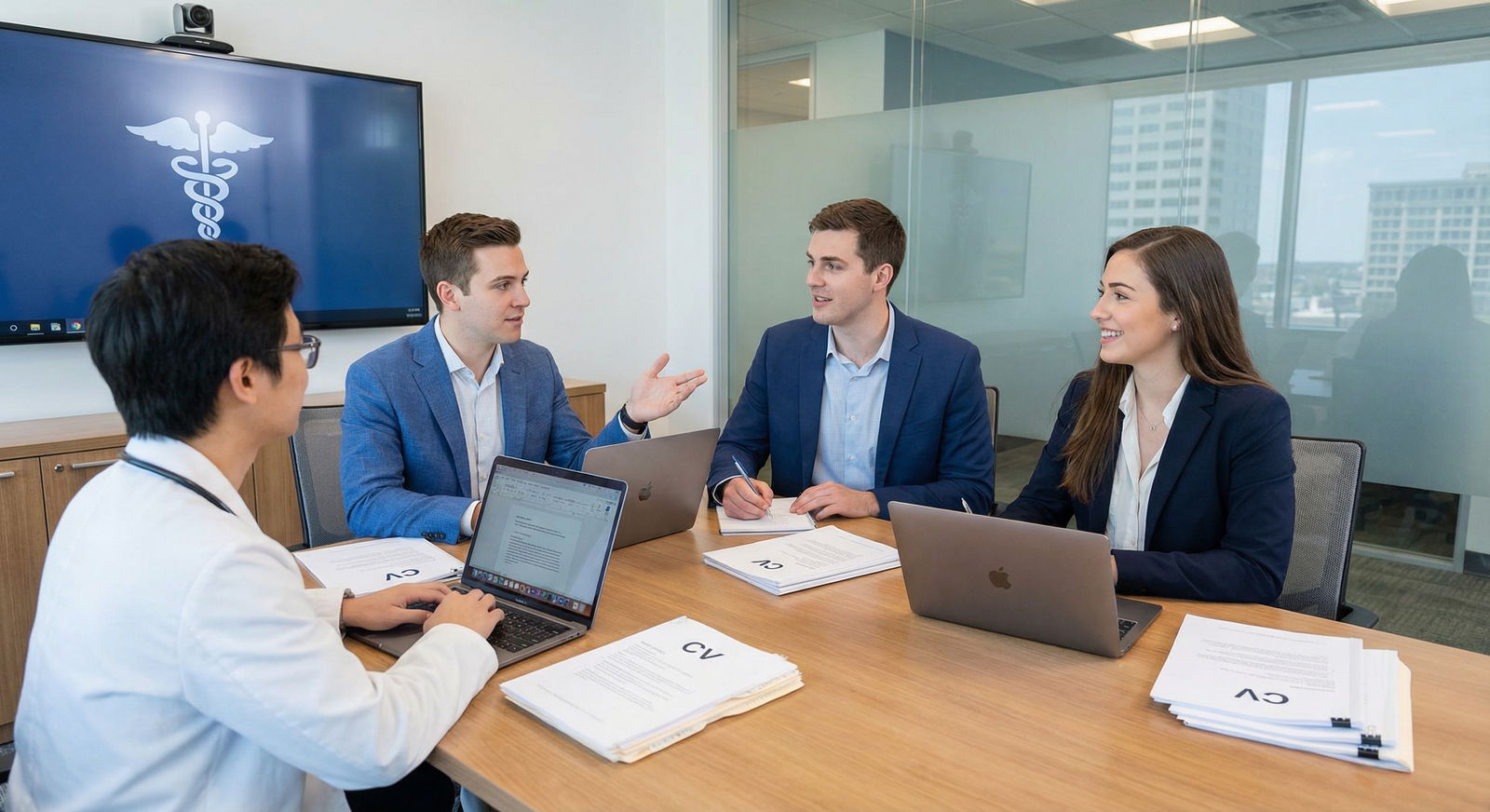
Putting It All Together: Building a Strong, Coherent Residency Application
To build a truly competitive Residency Application, you don’t need to be perfect in all ten areas. Instead, aim to:
- Meet or exceed the academic and exam benchmarks for your target specialty.
- Demonstrate clear, consistent interest in your field through clinical experiences and electives.
- Show a track record of teamwork, leadership, and service that fits your long-term vision.
- Highlight 2–3 standout strengths (e.g., research, advocacy, teaching) that help define your professional identity.
- Address any red flags transparently with insight and evidence of growth.
When these elements are aligned, your application tells a compelling story: not just that you are qualified, but that you are a thoughtful, reliable, and collegial future resident who will contribute meaningfully to the program and its patients.
FAQ: Traits and Strategies for a Strong Residency Application
Q1: If my Step/Level score is below average, can I still build a strong residency application?
Yes. While exam scores are important, many programs take a holistic view. Strengthen other domains: outstanding clinical evaluations, strong letters of recommendation, sustained service, and clear specialty commitment. Use your personal statement and interviews to highlight growth, insight, and the concrete steps you took to improve your knowledge and performance.
Q2: How much research experience do I really need for residency?
It depends on the specialty and type of program:
- Highly competitive or academic specialties (e.g., Dermatology, Neurosurgery, Radiation Oncology) usually expect multiple research experiences and preferably publications or presentations.
- Primary care and less research-heavy specialties value research but may place more emphasis on clinical performance, service, and interpersonal skills. Even one well-executed project with a presentation can significantly strengthen your application, especially if you can discuss it thoughtfully.
Q3: What is the best way to demonstrate interpersonal skills and professionalism to programs?
The most powerful evidence comes from your clinical evaluations and letters of recommendation. Focus on:
- Being consistently reliable and respectful on rotations
- Communicating clearly with patients and colleagues
- Seeking and integrating feedback
Additionally, use interviews and personal statements to share concise stories that show how you handled conflict, supported a teammate, or navigated a difficult patient encounter.
Q4: How can I show commitment to service without overloading my schedule?
Prioritize depth over volume:
- Choose one or two meaningful projects or clinics and commit to them longitudinally (e.g., 1–2 years).
- Integrate service with your career goals (e.g., working with immigrant populations if you’re interested in primary care or OB/GYN).
- Focus on impact and reflection—what you learned, how it changed your practice, and what you hope to continue doing as a resident.
Q5: I don’t have major leadership titles. Will this hurt my chances?
Not necessarily. Programs care more about what you actually did than the title itself. Leadership can be:
- Organizing a peer tutoring group
- Coordinating schedules for a free clinic
- Leading a QI project on your clerkship
Describe your responsibilities and outcomes clearly in your application. Concrete stories of initiative, teamwork, and problem-solving often matter more than formal positions.
By intentionally developing these ten Successful Traits throughout Medical School and clearly showcasing them in your Residency Application, you significantly boost your chances of matching into a program where you will thrive—clinically, academically, and personally.