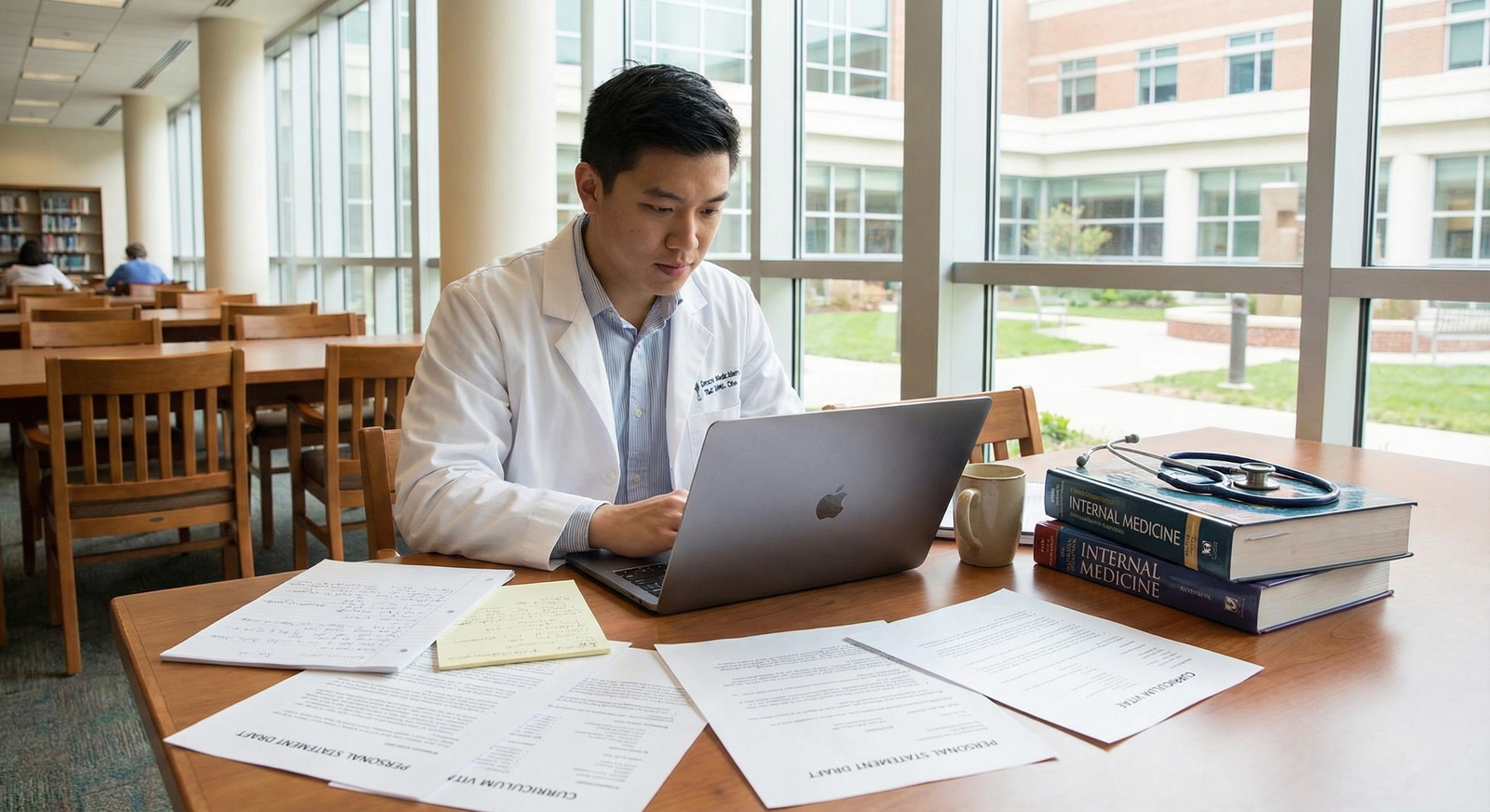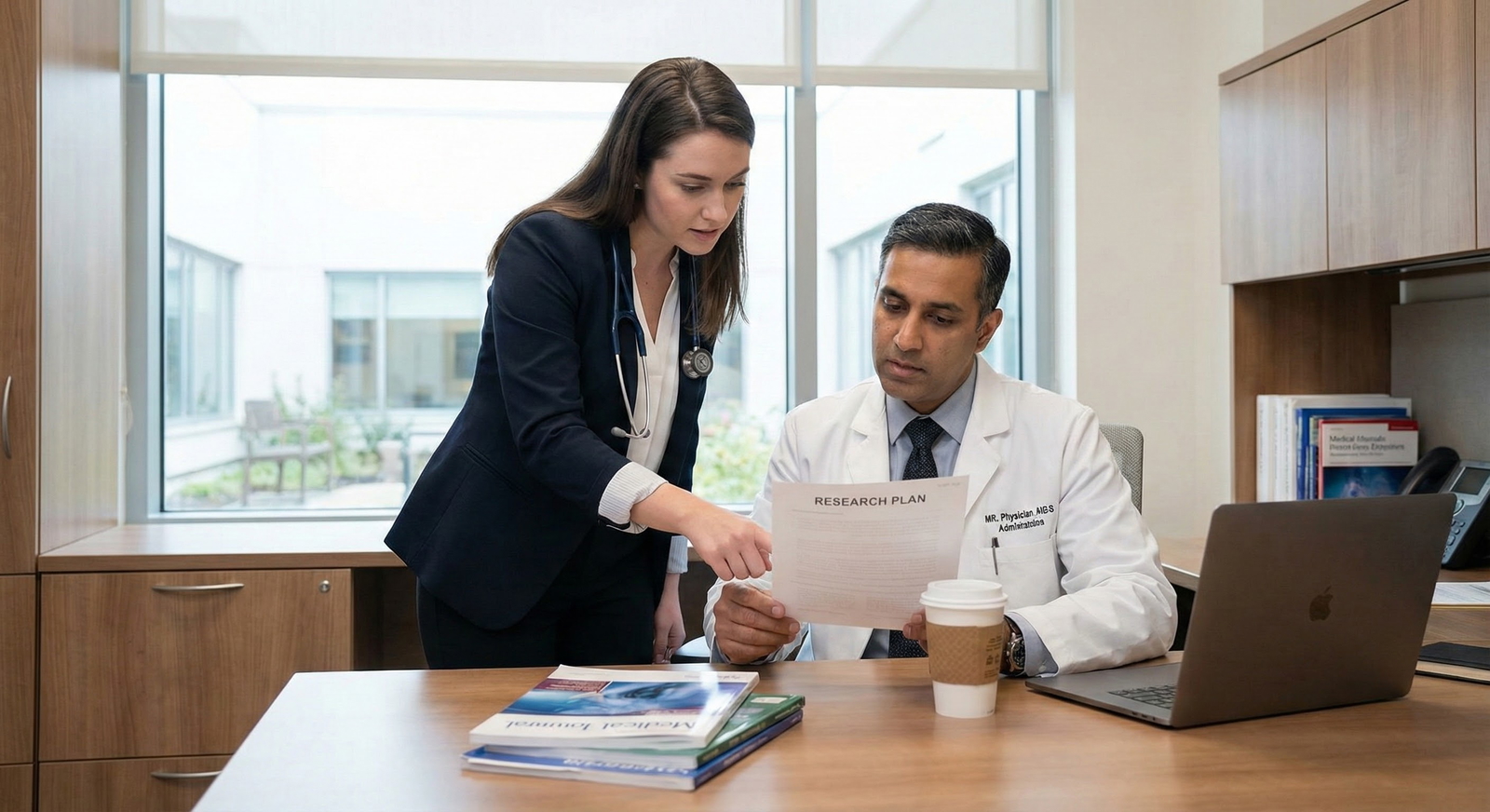
Building a Strong Foundation: Key Elements of a Successful Residency Application
The transition from medical school to residency is one of the most defining steps in your medical career. A well-constructed, thoughtful residency application does more than list your accomplishments—it tells a coherent story about who you are, what kind of physician you aim to become, and why you would be a strong fit for a given program.
This guide breaks down the essential components of a strong residency application and provides practical, step-by-step strategies to help you stand out in a competitive Residency Match.
Understanding the Residency Application Process
The residency application process typically centers on ERAS (Electronic Residency Application Service) and the NRMP Match, though details can vary by specialty and country. Regardless of system, similar core elements determine how programs evaluate you:
- ERAS/centralized application (demographics, education, experiences)
- Academic record (USMLE/COMLEX, transcript, clerkship performance)
- Personal Statement
- Letters of Recommendation (LoRs)
- Curriculum Vitae (CV)
- Clinical and research experiences
- Interview performance
Each part of the application should work together to present a consistent, compelling narrative about your interests, skills, and potential.
Why a Strong Residency Application Matters
Residency programs often receive hundreds to thousands of applications for a limited number of positions. Program directors typically spend only a few minutes per application during the initial screen. In that brief window, your materials must:
- Demonstrate you meet the program’s academic and professionalism standards
- Communicate genuine interest in that specialty and type of program
- Show evidence that you will be a reliable, collegial resident who enhances the team
- Indicate your potential for long-term success in the field
A strong residency application does not require perfection. It does require thoughtful strategy: highlighting your strengths, providing context for any weaknesses, and aligning your story with the programs you are targeting.
Academic Record: The Backbone of Your Residency Application
Program directors consistently report that academic metrics remain among the most important screening tools. While you are more than your scores and grades, these data points are often the first impression your residency application makes.
USMLE/COMLEX Scores and Board Performance
Even with Step 1 moving to Pass/Fail, standardized exams still matter:
- USMLE Step 2 CK / COMLEX Level 2-CE
- Often the most heavily weighted score in the current landscape
- Demonstrates your ability to apply clinical knowledge and problem-solving
- Strong performance can significantly strengthen applications, especially if other areas are average
Actionable tips:
- Time your exam so your score is available when programs begin reviewing applications.
- If you underperformed on Step 1/Level 1, aim to demonstrate significant improvement on Step 2/Level 2; address this briefly and maturely in your Personal Statement or, if needed, in an additional explanation section.
- For lower scores, strengthen other parts of your residency application (research, strong letters, clinical excellence, school leadership) and apply strategically to a range of programs.
Medical School Transcript and Class Performance
Programs use your transcript and Medical Student Performance Evaluation (MSPE) to evaluate:
- Overall academic trajectory
- Trends (upward vs. downward)
- Performance in core clerkships
- Professionalism or concerns noted in evaluations
Key points:
- Honors or strong evaluations in clerkships related to your chosen specialty are highly valuable.
- Programs recognize that not all grading systems are equal; narrative comments in the MSPE can carry as much weight as grades themselves.
- A clear upward trend—especially in clinical years—can reassure programs if early preclinical performance was weaker.
Specialty-Relevant Coursework and Rotations
Align your academic record with your target specialty:
- Prioritize excelling in rotations directly related to your chosen field (e.g., Internal Medicine for Cardiology aspirations, Surgery for general surgery or subspecialties).
- Perform well in adjacent fields that inform your specialty (e.g., ICU for Anesthesiology or Emergency Medicine).
Example:
A student applying to Pediatrics with average Step scores but outstanding evaluations in Pediatrics core and sub-internships, along with strong narrative comments about empathy and communication, can be highly competitive.

Crafting a Compelling Personal Statement
Your Personal Statement is the narrative core of your residency application. It explains why you’ve chosen your specialty and helps programs understand you as a person, not just a set of metrics.
Goals of a Strong Personal Statement
A powerful Personal Statement should:
- Convey your authentic motivation for your chosen specialty
- Demonstrate reflection and insight—not just a list of experiences
- Show alignment between your values and the specialty’s demands
- Provide a sense of what you will bring to a residency program
- Address, when appropriate, significant red flags with maturity and accountability
Structuring an Effective Residency Personal Statement
A common, effective structure:
Engaging Opening (But Not Gimmicky)
- Start with a focused vignette or moment that truly influenced your path.
- Avoid clichés (“Ever since I was a child…”) unless you can offer a fresh, specific perspective.
Exploration of Your Motivation
- Explain what drew you to this specialty: patient population, types of problems, procedures, intellectual challenges, or continuity of care.
- Show, don’t just tell—use brief, concrete examples.
Evidence of Preparedness and Fit
- Highlight key experiences: clerkships, sub-internships, electives, leadership, or research that strengthened your interest.
- Emphasize skills relevant to the specialty (e.g., teamwork and communication for Emergency Medicine, attention to detail for Pathology, procedural interest for Surgery).
Future Goals and Vision
- Share your long-term career aspirations: academic medicine, community practice, underserved care, research, global health, hospital leadership, etc.
- Programs appreciate applicants with a sense of direction, even if specific plans may evolve.
Conclusion That Ties Your Story Together
- Reaffirm your enthusiasm and readiness for residency.
- Avoid restating your CV; instead, leave the reader with a memorable, cohesive sense of who you are.
Example of Effective Storytelling
In the original article, Jennifer described a medical mission trip to an underserved area. To make this powerful in a Personal Statement:
- She doesn’t just list the trip. She describes a specific patient encounter that shifted her view of access to care.
- She connects this experience to later involvement in a free clinic and advocacy work.
- She ties these threads to her decision to pursue Family Medicine with a focus on underserved communities.
This approach transforms a common experience (mission trips are frequent in applications) into a unique, reflective narrative about her growth, values, and chosen path.
Common Personal Statement Pitfalls to Avoid
- Overly dramatic or exaggerated stories
- Generic statements that could fit any specialty (“I like working with people”)
- Repeating information already obvious from your CV
- Neglecting to mention the specialty explicitly and why you chose it
- Inadequate proofreading—typos and grammatical errors signal lack of attention to detail
Actionable tip:
Ask at least two trusted people (e.g., a faculty advisor and a resident in your chosen specialty) to review your Personal Statement for clarity, tone, and specialty fit.
Letters of Recommendation: External Validation of Your Potential
Strong Letters of Recommendation (LoRs) often tip the balance between similar applicants. They provide an external, trustworthy assessment of your clinical skills, professionalism, and growth potential.
Choosing the Right Recommenders
Strategic selection matters more than title alone:
- Prioritize faculty who know you well, even if they are not the most famous name in the department.
- Aim for:
- At least one letter from your chosen specialty (often 2–3, depending on specialty norms)
- At least one from a core clinical rotation where you performed strongly
- A department or chair letter if common in your specialty (e.g., Surgery, Internal Medicine)
Consider these questions when deciding:
- Did this attending see me care for multiple patients over time?
- Did they comment positively on my initiative, communication, or teamwork?
- Can they speak to concrete examples of my performance?
How to Ask for Strong Letters of Recommendation
Approach attendings with a clear, respectful, and specific request:
- Ask: “Would you feel comfortable writing me a strong letter of recommendation for [specialty] residency?”
- This wording gives them an opportunity to decline if they cannot be enthusiastic.
- Provide:
- Your CV and Personal Statement draft
- A brief summary of cases you worked on with them or ways you contributed
- A list of programs or types of programs you’re applying to, if known
- Give at least 4–6 weeks’ notice before deadlines whenever possible.
What Makes a Letter Strong?
High-impact LoRs typically:
- Include specific examples of your clinical reasoning, patient care, professionalism, and teamwork
- Compare you favorably to peers (“among the top 10% of medical students I have taught”)
- Address your potential as a resident in that specialty
- Demonstrate the recommender knows you as an individual, not just a rotating student
Actionable tip:
Cultivate relationships early—engage in teaching sessions, ask for feedback, and seek opportunities to take responsibility. Many strong letters grow from months of consistent performance and professionalism.
Clinical Experience: Demonstrating Readiness for Residency
Your clinical experiences show programs how you function in real patient care environments and how ready you are for the demands of residency.
Core Clerkships and Sub-Internships
Core clerkships (Internal Medicine, Surgery, Pediatrics, Psychiatry, OB/GYN, Family Medicine, etc.) are central to your residency application:
Strive for consistent, high-level performance:
- Be punctual, prepared, and proactive
- Ask to present more patients when comfortable
- Volunteer for procedures and follow through on tasks
Sub-internships (Sub-Is) or Acting Internships (AIs) are particularly important:
- These rotations simulate intern-level responsibilities.
- They often lead directly to Letters of Recommendation.
- Strong performance here signals your readiness to step into a resident role.
Electives and Away Rotations
Thoughtful choice of electives and away rotations can:
- Demonstrate commitment to your specialty
- Expose you to different practice environments (academic vs. community, urban vs. rural)
- Showcase your abilities directly to programs you might rank highly
When to consider away rotations:
- Highly competitive specialties (e.g., Orthopedics, Dermatology, Neurosurgery)
- If you are from a school without a home program in your chosen specialty
- When you are targeting a specific geographic region or institution
Volunteer Work and Longitudinal Involvement
Volunteer and extracurricular activities are most impactful when:
- They are sustained over time rather than one-off events
- You take on increasing responsibility (e.g., coordinator, project lead, mentor)
- They align with your values or interests (e.g., underserved care, health education, advocacy)
Examples:
- Coordinating a student-run free clinic
- Developing a quality improvement project in a hospital ward
- Running a longitudinal community health education series
These experiences can strengthen both your Personal Statement and Interview Preparation, providing rich stories that demonstrate your initiative and commitment to patient care.
Research and Scholarly Activity: Adding Depth to Your Profile
Research is not mandatory for every specialty, but it can significantly enhance your residency application—especially in competitive fields or academic-focused careers.
Types of Research and How They Help
You can gain value from diverse scholarly activities:
- Clinical research (chart reviews, clinical trials, outcomes studies)
- Basic or translational science
- Quality improvement (QI) projects
- Educational research or curriculum development
- Case reports and case series
These experiences demonstrate:
- Intellectual curiosity
- Ability to work within a structured project
- Skills in data analysis, critical thinking, and scholarly writing
Maximizing the Impact of Research
To make your research matter:
- Seek roles where you contribute meaningfully (data collection, analysis, drafting abstracts or manuscripts).
- Aim for tangible outputs:
- Abstracts and posters at local, regional, or national conferences
- Peer-reviewed publications
- Presentations at institutional research days
- Be prepared to discuss your project at a conceptual level in interviews:
- What was the research question?
- Why was it important?
- What role did you play?
- What did you learn from the experience?
If you have limited time left before application season, consider shorter-term scholarly projects like case reports or QI initiatives that can realistically be completed and presented.
Interview Preparation: Converting Interviews into Match Success
Once you secure interviews, your focus shifts to interview preparation. At this stage, your goal is to demonstrate that you are someone programs would trust and enjoy working with for years.
Preparing for Common Interview Formats
Most interviews now occur virtually, though some programs may incorporate in-person components. Be ready for:
- One-on-one or panel interviews
- Multiple mini interviews (MMI) for some programs
- Informal interactions with residents and faculty (e.g., virtual social hours)
Technical preparation for virtual interviews:
- Ensure a reliable internet connection.
- Use a neutral, uncluttered background and good lighting.
- Test your audio, camera, and interview platform ahead of time.
- Dress professionally as you would for an in-person interview.
Anticipating Common Residency Interview Questions
Prepare concise, honest answers for core topics:
- “Tell me about yourself.”
- “Why this specialty?”
- “Why our program?”
- “Describe a challenging clinical situation and how you handled it.”
- “Tell me about a time you received critical feedback.”
- “What are your strengths and areas for growth?”
- “How do you handle stress or burnout?”
Use structured approaches such as the STAR method (Situation, Task, Action, Result) to answer behavioral questions with clear, specific examples.
Demonstrating Program Fit
Before each interview:
- Review the program’s website, mission statement, and any unique features.
- Identify at least 2–3 specific aspects of the program that genuinely appeal to you (e.g., curriculum structure, patient population, research opportunities, wellness initiatives, mentorship).
- Prepare thoughtful questions to ask faculty and residents that show you have done your research.
Examples of focused questions:
- “How does your program support residents interested in [research/global health/teaching]?”
- “How would you describe the culture of feedback and mentorship here?”
- “What recent changes have you made to improve resident wellness or education?”
Strategic Planning and Professionalism Throughout the Process
Beyond the specific components of the residency application, several overarching habits can significantly affect your success.
Time Management and Early Planning
- Begin planning at least a year before you apply:
- Identify target specialties and backup options if appropriate.
- Map out remaining rotations, potential research, and away rotations.
- Track deadlines for exams, ERAS submission, and Letters of Recommendation.
- Use a spreadsheet or checklist to monitor progress on:
- ERAS entries
- Personal Statement drafts
- LoR requests and submissions
- Program research and application list
Seeking Feedback and Mentorship
- Involve mentors early—faculty advisors, residents, career counselors.
- Request honest feedback about:
- Specialty choice and competitiveness
- Strengths and weaknesses of your portfolio
- Target range of programs (reach, match, and safety)
Mentors can help you tailor your application strategy, refine your Personal Statement, and practice interview skills.
Professionalism and Gratitude
Professional conduct influences your reputation and Letters of Recommendation:
- Respond promptly and respectfully to emails.
- Meet deadlines and follow through on responsibilities.
- Thank your recommenders with a sincere note or email once letters are submitted and again after Match Day to share your results.
- During interviews and socials, treat everyone—from coordinators to residents to faculty—with consistent respect.
Reputation travels quickly in medical communities; professionalism can either quietly enhance or quietly undermine a residency application.

FAQs About Building a Strong Residency Application
1. When should I start preparing for my residency application?
Ideally, begin deliberate planning at least 12–18 months before your intended Match:
- Third-year (or equivalent):
- Explore specialties through rotations.
- Start identifying mentors and potential letter writers.
- Begin or continue research or long-term involvement in activities that interest you.
- 6–9 months before ERAS opens:
- Finalize specialty choice and consider whether you need a backup option.
- Plan any away rotations and capstone electives.
- Draft your Personal Statement and CV.
- 3–4 months before submission:
- Request Letters of Recommendation.
- Refine Personal Statement and experiences section based on feedback.
- Build and refine your list of programs with mentors.
Starting early reduces stress, improves the quality of each component, and gives you time to address any gaps.
2. Are research publications mandatory for a strong residency application?
No—research publications are not mandatory for all specialties. Their importance varies:
- Highly competitive and academic specialties (e.g., Dermatology, Radiation Oncology, Neurosurgery) often expect some research or scholarly activity.
- Many core specialties (e.g., Internal Medicine, Pediatrics, Family Medicine, Psychiatry) consider research a helpful bonus but not a requirement.
- Quality and relevance often matter more than quantity. Being able to clearly explain your role and what you learned can be more impactful than listing many minor contributions.
If you don’t have research, focus on demonstrating excellence in clinical performance, Letters of Recommendation, and meaningful service or leadership roles.
3. How many Letters of Recommendation should I obtain, and from whom?
Most programs require 3–4 Letters of Recommendation:
- Aim for:
- 2–3 letters from physicians in your chosen specialty (if feasible)
- 1 strong letter from another core specialty or a mentor who knows you well
- Some specialties or programs may require a departmental or chair letter; check specialty-specific guidelines and program websites carefully.
A smaller number of highly personalized, enthusiastic letters is better than a larger number of generic ones.
4. Can volunteer work significantly influence my residency application?
Yes, especially when:
- It is sustained and meaningful rather than short-term or superficial.
- You take on responsibility or leadership (organizing events, coordinating teams, developing new initiatives).
- It aligns with your values and specialty choice (e.g., homeless outreach for Psychiatry or Family Medicine; STEM education for Pediatrics).
Volunteer work alone will not compensate for consistently weak academics, but it can strongly differentiate otherwise similar applicants and provide rich stories for your Personal Statement and interview answers.
5. What should I emphasize during my residency interview?
During Interview Preparation and on interview day, emphasize:
- Your motivation for the specialty
- Be able to articulate clearly and concisely why you chose it and what you enjoy about it.
- Your fit with the specific program
- Reference features that genuinely appeal to you (curriculum, patient population, location, research, culture).
- Your readiness for residency
- Provide examples of times you handled responsibility, teamwork, conflict, and feedback.
- Your future goals
- Share realistic, thoughtful aspirations that show you’re thinking beyond residency.
Above all, be authentic, professional, and engaged. Programs are looking not just for capable physicians, but for colleagues they trust and want on their teams.
By thoughtfully strengthening each element of your residency application—academic record, Personal Statement, Letters of Recommendation, clinical and research experiences, and Interview Preparation—you create a coherent, compelling picture of yourself as a future resident. Approach the process with reflection, strategy, and integrity, and let your genuine passion for medicine guide how you present your story.