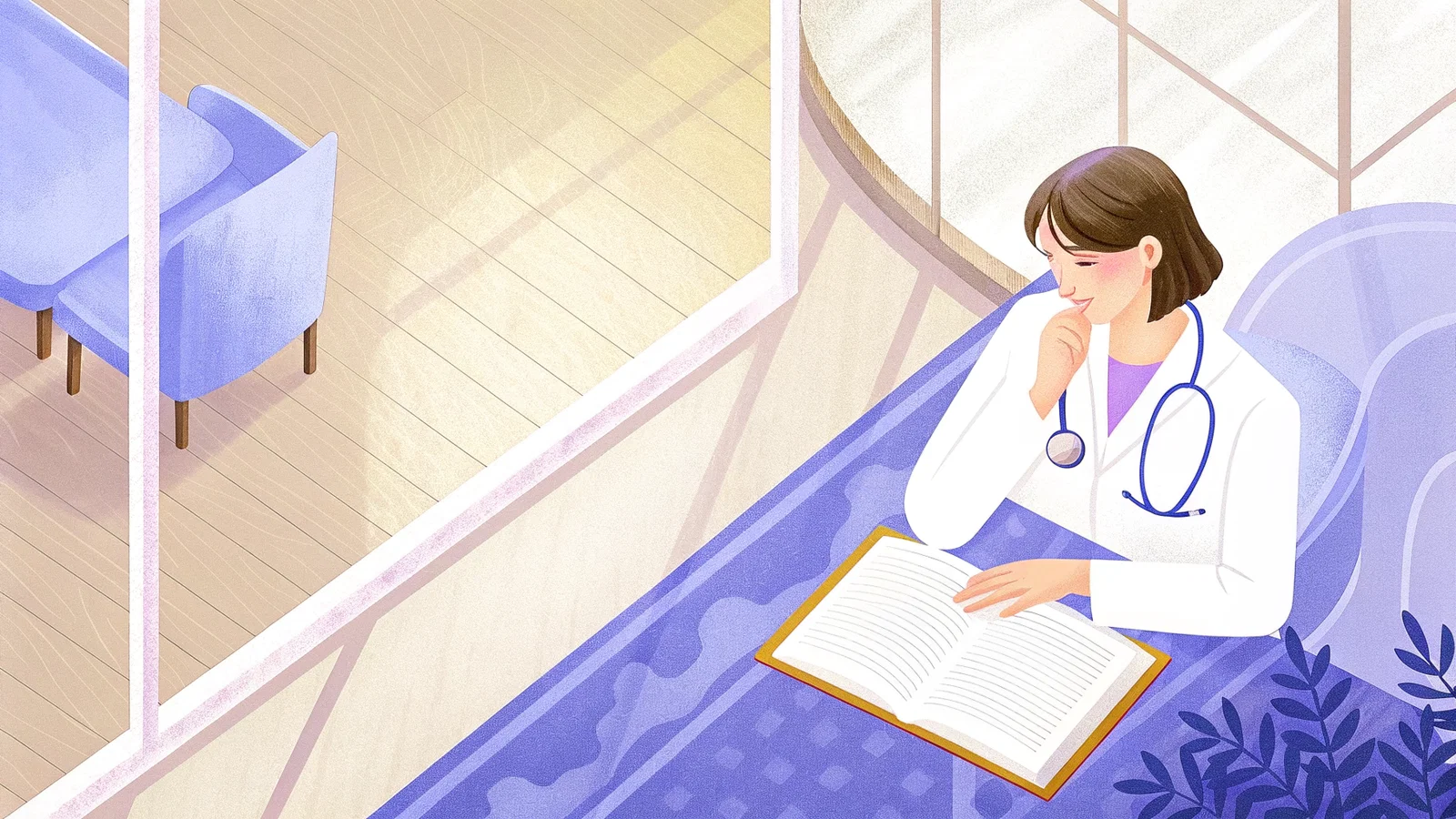
The 2 AM Panic: Am I Doomed?
It's 2:14 AM. I know this because I've checked my phone six times in the last ten minutes. The ceiling fan is clicking, and I'm staring at the plaster, replaying every single therapy session I've ever had. My chest is tight. The imposter syndrome is deafening.
If I check a box on ERAS, will a blind algorithm auto-reject me before a human even sees my name? Will my application get tossed in the digital trash because I dared to admit I'm not a flawless, sleep-deprived robot? I feel like I'm hiding a fatal flaw. A dark secret that makes me entirely unworthy of the white coat I've bled for.
I know I'm not the only one losing sleep over this. Half my cohort is quietly terrified of the exact same thing. We smile in the hospital hallways, but behind closed doors, we're spiraling. We're convinced that our mental health history is a ticking time bomb for our Match chances. But after obsessively researching this, talking to attendings, and digging into the actual data, I've found a reality check that finally let me breathe. The dread is real, but the worst-case scenario in our heads? It's mostly fiction.
(For more on interview dynamics, see also: PD Scoring of Mental Health Disclosures vs. Strict Professionalism.)
The Myth of the 'Perfect' Candidate vs. Program Director Reality
Let's kill the "gold standard" myth right now. The internet, especially those toxic, anonymous residency forums, wants you to believe that Program Directors are hunting for flawless cyborgs with 260+ Step scores and zero human vulnerabilities. It's garbage. No one has a perfect record. Everyone has gaps, breaks, bad rotations, or health issues.
PDs are humans, not algorithms. When I finally worked up the courage to ask my own PD about this, she laughed. She told me she cares about clinical competence, reliability, and whether you play well in the sandbox. She doesn't care if you take an SSRI.
Look at what actually keeps PDs awake at night. It's poor clinical performance and bad professionalism. A resident who yells at nurses or hides medical errors is a massive liability. A resident who manages their depression with therapy and medication is just a functional adult.
There is zero public data suggesting mental health disclosures lead to automatic rejection. It doesn't happen systematically. But we need to distinguish between types of disclosure. Taking a documented medical leave for severe burnout is different from casually mentioning you see a therapist for mild anxiety in your personal statement. One shows a historical gap that needs explaining; the other is just oversharing. PDs want to know you can do the job safely today, not audit your entire psychological timeline.
Navigating ERAS: To Disclose or Not to Disclose?
ERAS is a beast. I've read the instructions a hundred times, looking for the trapdoor. Here is the truth: ERAS doesn't actually have a glaring red box that says, "List your psychiatric diagnoses." Mental health fits into the application exactly where it impacts your training timeline, nowhere else, unless it caused a disruption.
When is disclosure actually necessary? Only when you have gaps in training, semester extensions, or when a specific secondary application asks about safety and fitness to practice. And even then, you don't need to hand over your DSM-5 code.
Strategic phrasing is everything. If you took time off, frame it neutrally. "I took a medical leave of absence to address a health challenge, implement effective management strategies, and return to my studies with renewed focus." That's it. Focus on the resolution and your return to baseline function, not the pathology.
Legally, we are protected. The ADA and HIPAA are very clear about what must be disclosed upfront. You are not legally obligated to volunteer your private medical history just to satisfy your own anxiety. Protect your peace. Protect your privacy.
The Interview: Turning Vulnerability into Strength
The interview. The ultimate interrogation. My biggest fear? A PD looking me in the eye and asking, "Tell me about a time you struggled with your mental health."
If they ask directly, don't freeze. And don't trauma-dump. This is where you build a narrative arc. Show them your resilience, your self-awareness, and your coping mechanisms. "I recognized I was burning out, so I proactively sought counseling, established strict boundaries around my sleep, and developed a sustainable routine. It made me a more empathetic and safer physician." That's a mic drop.

This is especially critical for women in medicine. We face astronomically higher rates of burnout and an unfair societal expectation to be perfect, self-sacrificing caregivers while entirely neglecting ourselves. When we speak honestly about managing our health, we shatter that toxic trope.
Using honesty to demonstrate emotional maturity builds massive trust. PDs know residency is a pressure cooker. They want residents who know their limits and ask for help before a patient gets hurt. Showing you know how to manage your own mind proves you have the emotional intelligence required for complex team dynamics and patient safety.
Your Next Steps: Taking Back Control
Stop doom-scrolling. Close the tabs. You need to take back control of this narrative right now.
First, talk to a trusted mentor or career advisor who actually knows you. Not an anonymous internet stranger. Someone who has seen you clinically and can vouch for your competence.
Second, treat your self-care as a strategic priority. Prioritizing your mental health today is the absolute best way to ensure you don't crash during intern year. It's not a weakness; it's preventative maintenance for your career.
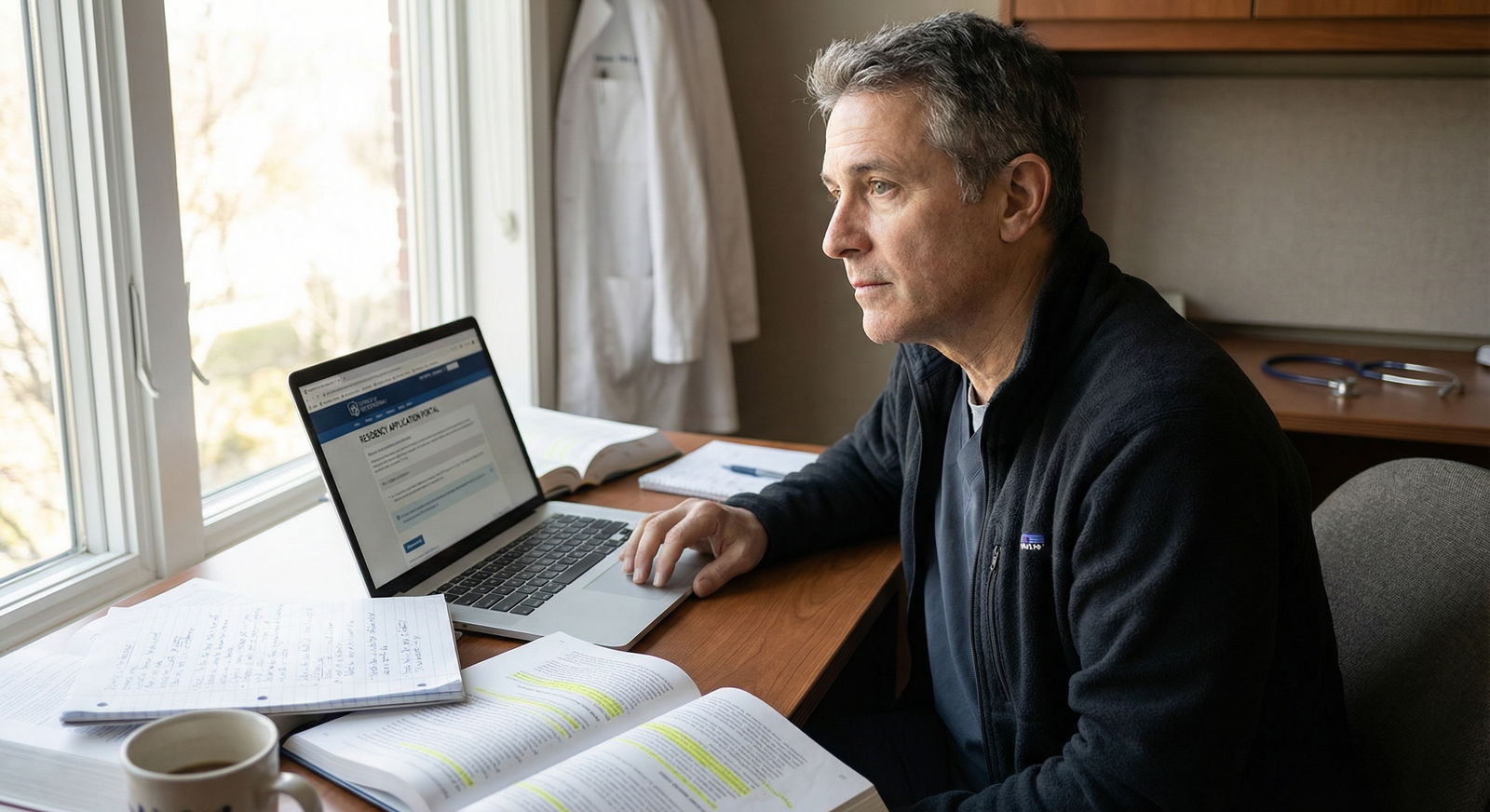
Reframe your identity. You are not your patient history. You are a physician who knows how to manage health, starting with your own. Thousands of successful, brilliant, empathetic doctors have walked this exact path, managed their mental health, and matched into incredible programs. You are not alone, and you are not doomed. Now, go to sleep. You have a career to build.
Key Takeaways
- Program Directors prioritize clinical competence and professionalism; a mental health history is rarely an automatic disqualifier if managed appropriately.
- Disclosure decisions should be strategic, focusing on gaps in training or accommodations needed, rather than forced confessions of past diagnoses.
- Narratives of resilience and recovery can actually strengthen an application by demonstrating maturity, self-awareness, and coping skills.