
Your letters arrive late because you treat the request like a polite afterthought instead of a hard deadline on a fixed calendar. That's the entire problem. Program directors open ERAS applications the second the system unlocks, and anything that dribbles in after that window gets skimmed, or ignored. I've watched strong applicants drop interview invites simply because three of their four letters hit the portal in December. Chronological precision is non-negotiable for MS4 success. Miss the sequence and the rest of your application package starts looking sloppy.
This article is for educational purposes only. It is not financial advice, not legal advice, and not tax advice. Figures vary by individual circumstances, so consult a qualified professional before acting.
The Timeline Trap: Why Timing Matters More Than You Think
Define "late" right now: any letter that lands more than four weeks before ERAS opens is already fighting an uphill battle. Most PDs batch-review early. They form first impressions from the complete files that are sitting ready on day one. A letter that appears three days after they started ranking candidates signals one of two things, poor organization or half-hearted engagement with the Match. Neither helps you.
I've sat with residents who still remember the exact week their strongest letter finally uploaded. Too late. The PD had already moved on. Psychology matters here. Late letters don't just inconvenience staff; they create a quiet bias that you're not fully locked in. You can have glowing prose and a perfect Step score, but if the packet feels incomplete at the critical moment, you pay for it.
My core philosophy is simple: treat every month from May onward as a fixed checkpoint. No "I'll ask later." No "they're busy, I'll wait." You reverse-engineer from ERAS opening day and work backward. That single habit separates the applicants who interview at their top three programs from the ones who scramble in January.
Phase 1: The Summer Before MS4 (May-August)
This is the only window that actually matters for away-rotation and elective letters. Everything after August is damage control. At this point you should already know which three faculty members are your strongest potential writers before you finish the last day of the rotation.
Action steps, in order:
- Week one of any away or elective: identify the attending who actually watched you work. Not the one who smiled the most, the one who saw you manage a hard case or present cleanly at rounds.
- Week two: have the direct conversation. "I'm applying in X specialty. Would you feel comfortable writing a strong letter?" If they hesitate, move on immediately. No second chances.
- Same conversation: ask how they prefer to submit, ERAS portal, LoR service, or paper. Hand them your CV and a one-page personal-statement draft right then. Don't wait for the final day.
- Last day: confirm the exact date they plan to upload. Put that date in your own calendar with a two-week buffer.
I've seen students leave a stellar surgical rotation without asking, then panic in October when they realize they have zero Surgery letters. Don't be that student. The summer is your only clean shot at high-yield writers who still remember your name and face.
Phase 2: Early MS4 (September-October)
September hits and the clock gets louder. At this point you should be sending gentle, specific reminders if any promised letter is still missing. One email: "Just checking that my letter is still on track for the mid-October upload we discussed." Attach the CV again. Keep it short.
Coordinate with your dean's office this month. Institutional letters and MSPE logistics drag if you wait. Get every school-required form signed and filed by the first week of October. I've watched entire applications stall because one dean's letter sat unsigned for three weeks.
Core clerkships become non-negotiable now. If you still lack a solid Medicine or Surgery letter, intervene this week. Those two specialties appear on almost every program's preferred list. A late or missing core letter tanks your odds more than a missing elective one. Call the attending. Offer to meet. Bring coffee if that's what it takes. Do not let October end without those locked.
Submission peaks follow a clear pattern. Surgery letters cluster earliest; Psychiatry drifts latest. Know where you sit.
Phase 3: Pre-ERAS Opening (November-December)
The Golden Window is mid-November. Every letter must already sit inside the Letter of Recommendation portal or ERAS by then. November 1 is my personal hard cutoff for uploads. Anything later and you're gambling.
Risk management starts here. Identify your weakest letter writer by name. Have a backup faculty member already primed by October 15. If the primary writer ghosts, you activate the backup within 48 hours. I've had students lose a top-choice interview because they had no alternate ready when their star letter never arrived.
Final review checklist before ERAS opens (currently around November 9):
- Every letter correctly assigned to the right specialty
- Author name and title exact
- No placeholder or "pending" status
- Confirmation emails saved in one folder
Print the confirmation screenshots. You'll thank yourself later.
Summary: Fix the Timeline or Accept the Cost
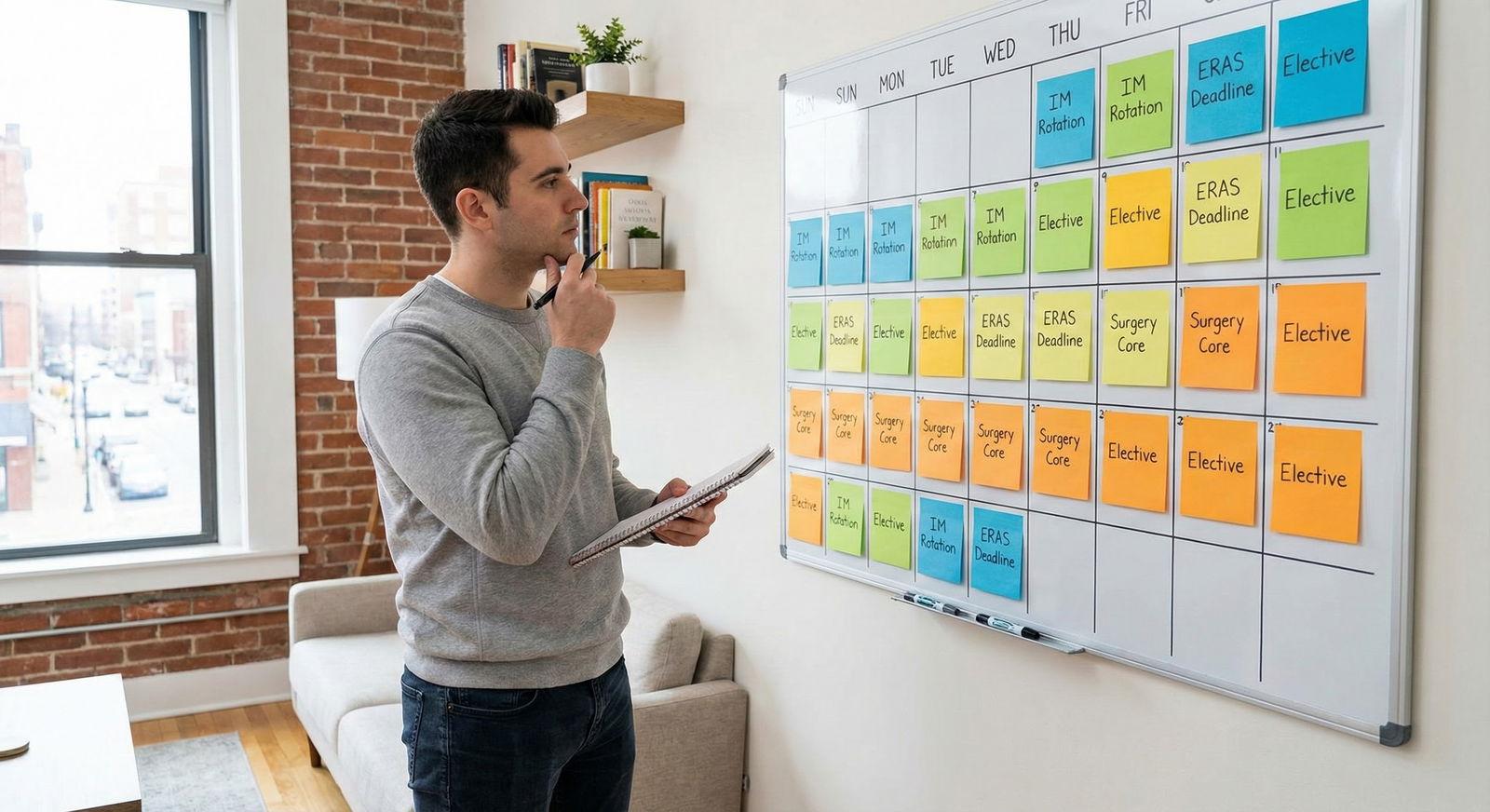
Letters that arrive less than two weeks before ERAS opens quietly cut your interview chances. The only reliable fix is a proactive chronological approach that starts in May and June, not September. Backup plans for missing letters must be locked by October, no exceptions.
Work the phases in order. Request early. Remind on schedule. Verify before the system opens. Do that and your letters stop being a liability and start doing the job they were meant to do: get you interviews.