
Most applicants think an away rotation is a checkbox. Show up, learn something, get a letter, move on. That's the public script. Here's what actually happens behind the closed doors of residency programs during SOAP week.
When a program is scrambling to fill a slot in March, they're not reading your personal statement for the fourth time. They're not admiring your research posters. They're asking one question internally: Can this person show up on July 1st and not break the team? An away rotation, if you played it right, already answered that question. That's the secret. The away rotation isn't about exposure anymore. It's pre-vetted evidence of who you are under real clinical pressure.
Let me tell you what really happens during SOAP, because the people running the room aren't the same people who interviewed you in October. Different priorities. Different timelines. Different risk tolerance. And somewhere in that new equation sits the program that watched you for four weeks last summer, the one that already knows whether you make their team better or worse. That's your lifeline. Most applicants never even realize it's there.
The Hidden Power of an Away Rotation in SOAP Season
You flew across the country for that audition rotation thinking the worst-case scenario was getting a mediocre letter. That's not the worst case. The worst case is that you did the rotation fine, fine enough, and then weeks later, SOAP hits, and the program that hosted you quietly remembers everything. The late arrival. The missed follow-up. The awkward handoff. The moment you froze on a question you should have owned.
SOAP changes the rules. In the regular Match, programs are betting on a curated version of you, your application, your interview energy, your carefully rehearsed answers. In SOAP, they're betting on Monday morning. Can this person function in our system, with our nurses, under our attendings, on day one? That bet gets a lot smaller when they already have data.
Here's the behind-the-scenes reality: program directors don't want a star. They want a low-risk, ready-to-hire candidate who won't generate complaints, won't crash on intern-level tasks, and won't make the chief resident regret the phone call. An away rotation that went well gives them exactly that proof. It moves you from claim to evidence. And evidence, in SOAP, is everything.
So no, your away rotation was never just an elective. It was the only audition that didn't have a curtain in front of it. And now, when the regular Match didn't work out, that transparency is the most valuable thing on your application.
Why Program Directors Notice Away Rotators Differently During SOAP
Let me show you what's happening inside the SOAP meeting when your name comes up.
That flowchart isn't theory. That's how the conversation actually goes, except it's not a flowchart, it's a chief resident saying, "Yeah, she rotated here. She was solid. Didn't cause problems. Closed her loops." Then the program director nods, and your application moves up two rows on the spreadsheet.
The unspoken evaluation lens during SOAP is brutally simple. Faculty remember three things: who needed hand-holding, who adapted fast, and who made the team easier to run. They don't remember your exam scores. They don't remember your board percentile. They remember whether you were the student who made the attending's Wednesday better or worse.
And here's the trust shortcut that nobody talks about publicly: a strong away rotation beats a generic interview because it offers evidence instead of claims. In SOAP, where programs are calling your references anyway, where coordinators are phoning past attendings, where the entire process is built around de-risking a candidate, a program that already lived with you for a month has nothing to verify. They already know.
The traits that quietly move you up the list aren't glamorous. Reliability. Humility. Responsive feedback. Low-friction communication. Showing up ten minutes early and leaving ten minutes after the team does. None of that is impressive on paper. All of it is unforgettable in person.
I've watched SOAP meetings where two candidates had identical Step scores, identical research output, identical interview scores, and the away rotator got the slot. Not because of favoritism. Because nobody wanted to take a chance on the unknown when the known was sitting right there.
Turning Day-to-Day Performance into a SOAP Advantage
The habits that get remembered aren't dramatic. They're boring on purpose.
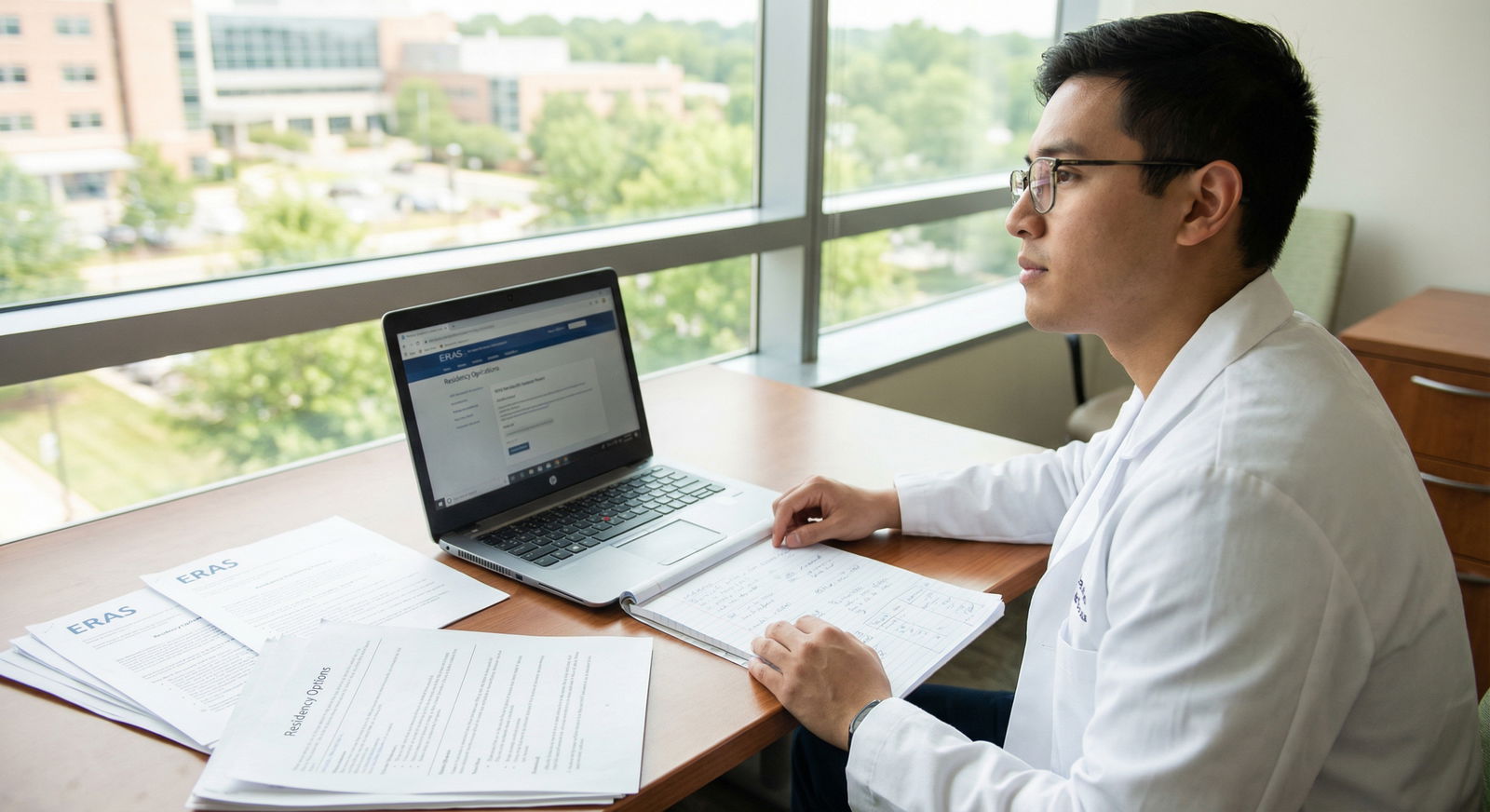
Arriving early. Anticipating the next task instead of waiting to be told. Closing loops on labs you said you'd follow up on. Never disappearing after rounds ended. Showing up to optional didactics. Answering pages within minutes, not hours. Saying "I'll take that" before anyone asks.
None of that looks impressive in the moment. All of it looks like a future intern who won't need babysitting.
Here's where applicants sabotage themselves: they treat the away rotation like a networking campaign. They hover near the attending. They pitch their research at every opportunity. They ask for letters on day three. They become a performance instead of a presence. The team sees through it instantly. The residents, who are usually the informal gatekeepers, clock the difference between someone who's genuinely there to work and someone who's there to be seen.
The social mechanics matter more than the clinical mechanics. Residents talk. Coordinators talk. Nurses talk. The medical student who asked the charge nurse how to actually enter orders in this hospital's system, that student gets remembered. The student who introduced themselves to the unit clerk on day one and remembered the clerk's name on day twenty-eight, that student gets remembered. The student who asked a tired intern at 6 PM if they needed help with notes, that student becomes someone the team actively wants to keep.
You don't have to be the smartest person on the rotation. You have to be the easiest person to have on the rotation. That's the entire game.
One more thing: the mistakes that wreck an otherwise strong rotation are always the same. Overexplaining. Acting entitled. Treating the team like they're lucky to host you. Gossiping about another service. Disappearing on a Friday afternoon. Reading your phone during rounds. Any of those, and your SOAP lifeline turns into a SOAP liability. The faculty won't write you that advocacy email. The chief resident won't take your call. The program that watched you will quietly go quiet.
The Exact Moments to Ask for Support, Feedback, and a Lifeline Letter
Timing is everything. Ask for feedback too early and the attending doesn't have enough data. Ask too late and they've already mentally closed the file on you. The sweet spot is around week three of a four-week rotation, after you've accumulated enough daily reps that the feedback is grounded in pattern, not anecdote.
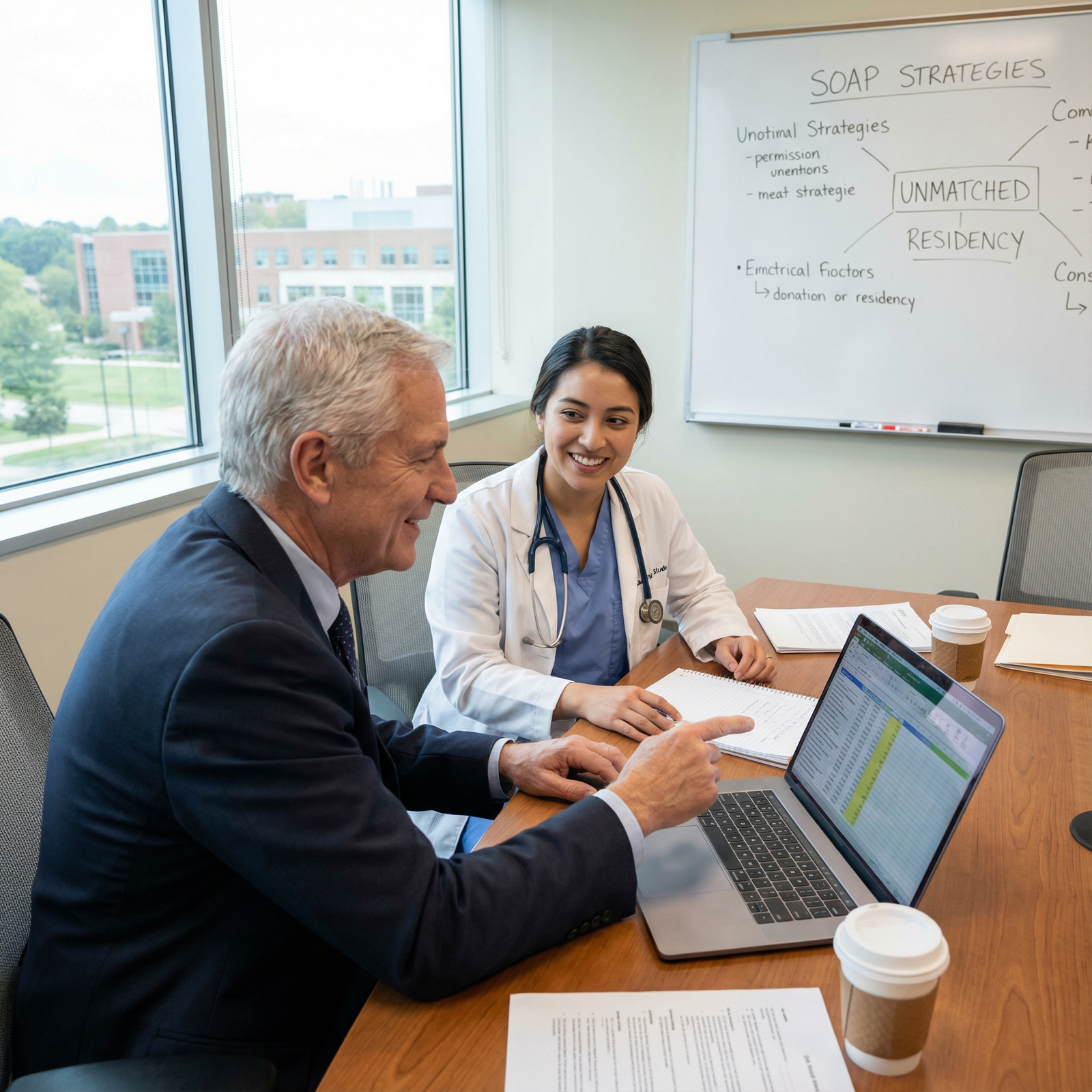
The request itself should sound like this: "I'm four weeks in now and I want to make sure I'm growing. Is there anything you've noticed that I should be working on before this ends?" Short. Specific. Free of desperation. The attending gets to feel like a mentor instead of a gatekeeper, which is the role they actually want to play.
The letter, or, more accurately, the SOAP advocacy email, should be requested after you've demonstrated consistency. Not after one good day. Not after you nailed a single presentation. After two or three weeks of being quietly excellent. The ask: "If something changes with my match situation, would you be willing to reach out to the program on my behalf, or serve as a reference if they call you?" That's it. Don't ask them to predict the future. Ask them to confirm the present.
Insider truth: most supportive letters and SOAP emails aren't dramatic. They're not three-paragraph declarations of your brilliance. They're two or three sentences that say, "She rotated here. She was reliable. She fit the team. I'd take her." That kind of note from a respected attending moves mountains during SOAP. A long, effusive letter from someone who barely knows you moves nothing.
And if you didn't nail the rotation? If your performance was average, your letter will be average, and average is death during SOAP. That's why the work has to happen before the ask, not after.
How to Use the Away Rotation After It Ends
The follow-up is where most applicants either seal the deal or lose the thread.
Read that chart carefully. Generic networking ranks last. A thoughtful follow-up email ranks higher than most candidates realize. Here's why: SOAP is short. Programs are making decisions in 48 to 72 hours. The attending who gets a clean, professional update from you in early March, "Wanted to let you know I'm entering SOAP and your program is at the top of my list. If it's helpful, I'm happy to share updated information or hop on a quick call", that attending picks up the phone. The applicant who disappears after the rotation and reappears in panic mode during SOAP week gets politely passed over.
Keep the relationship warm without being clingy. A thank-you email the week after the rotation ends. A brief update at the two-month mark. A short note when SOAP opens with a specific, dignified ask. None of this should read like you're begging. It should read like a professional keeping a professional connection alive.
If the program contacts you during SOAP, answer fast, sound prepared, and don't oversell. Confirm what they already know. Reference specific moments from the rotation. "When I worked with Dr. [Name] on the [service] rotation, the team ran a tight handoff process and I tried to fit into that rhythm from day one." That's a callback that proves you remember, you listened, and you're still that same low-friction candidate.
If the program doesn't contact you, you can absolutely reach out. But do it once, do it short, and do it with grace. Not twelve emails. Not a desperate voicemail at midnight. One clear, professional touch.
Here's the encouragement: a rotation that went well is not just a line on your CV. It's a living asset. It can become the phone call that lands you the slot. It can become the email that flips a program's ranking. It can become the reason a chief resident tells the program director at 11 PM on a SOAP Wednesday, "Yeah, we know her. She was good. Take the call."
You did the rotation. You put in the work. You earned the trust. Now, in the worst week of the match cycle, that trust is the most valuable currency you own. Don't waste it by going quiet. Don't waste it by panicking. Use it.
The SOAP isn't a second chance at the same process. It's a different process, faster, colder, more honest. And the candidates who survive it are the ones who walk in with proof instead of promises. Your away rotation, if you built it right, is that proof.
Make the call. Send the email. Trust the work.