
Ever met a residency program where the residents were hilarious, warm, instantly welcoming, and you walked away thinking, That's it. That's my place?
Careful. This is where applicants make one of the dumbest ranking mistakes in surgery.
I get why it happens. You spend years grinding through exams, sub-Is, research, travel, and awkward interview dinners. Then one program finally feels easy. The residents joke around. They text you back. They seem normal. Suddenly you're not evaluating a training environment anymore, you're chasing relief. You're ranking the place where you'd most like to hang out.
That's the trap.
Friendly residents are a nice bonus. They are not the foundation of a rank list. Not in surgery. Not when the next five to seven years will shape your technical ability, judgment, confidence, fellowship options, letters, and career ceiling.
I've seen applicants rank a weak program highly because the residents felt like future friends. I've also seen residents stay in bad programs far too long because they liked their co-residents. Same story. Same mistake. Social comfort disguising professional danger.
If you're building a rank list based on who you'd grab tacos with after call, you're thinking like a tourist, not a future surgeon.
This article is for educational purposes only. It is not financial advice, not legal advice, and not tax advice. Figures vary by individual circumstances, so consult a qualified professional before acting.
The 'Vibe Check' Trap: Why Social Media Stalking is Dangerous
Instagram is not residency. TikTok is definitely not residency.
What you see online is a curated performance of culture. That doesn't make it fake in every case, but it does make it incomplete in exactly the ways that matter most. Nobody posts the attending who humiliates interns in the OR. Nobody makes a cute Reel about unsafe autonomy, weak ICU exposure, or a chief resident crying in the stairwell after a 28-hour call.
Applicants keep making the same mistake: they confuse visible fun with invisible quality.
A residency social media account is built to recruit. Period. It highlights:
- retreats
- themed OR costume days
- wellness events
- food
- inside jokes
- smiling faces after Match Day
It does not highlight:
- case volume gaps
- poor operative teaching
- malignant call dynamics
- excessive service burden
- attrition
- weak board prep
- burnout hidden behind sarcasm
That's why "vibe checking" a program online is dangerous. You're evaluating the marketing department's version of reality.
The bigger problem? Once you like the vibe, your brain starts protecting that conclusion. You downplay red flags. You tell yourself:
- "They seem happy, so the training must be fine."
- "Everyone looked close, so the call schedule can't be that bad."
- "If residents are joking around, burnout can't be serious."
Wrong. Some of the most burned-out residents I've met were also the funniest. Humor is survival in surgery. Don't confuse coping with thriving.
And here's the specific error that really hurts people: assuming that "fun" residents are the same as "competent" residents.
They are not the same metric. At all.
You need to ask harder questions:
- Are graduates technically confident by chief year?
- Do residents get real operative autonomy?
- Are complication reviews honest or performative?
- Do graduates land the fellowships or jobs they want?
- How many residents struggle, transfer, or quietly disappear?
A resident can be charismatic, socially smooth, and great at making applicants feel welcome, while being poorly trained, chronically unsupported, and functionally unsafe in the OR. I've seen this exact mismatch. Great dinner. Bad training. Smiling people. Hollow program.
Don't rank a surgical residency because the residents look fun online. That's not due diligence. That's consumer behavior.
The 'Nice Guy' Syndrome: Why Being a People Pleaser Fails in Surgery
Let's say you match at the "super nice" program. Everyone is pleasant. Everyone gets along. Sounds great. Until you realize surgery punishes people-pleasing.
Being "too nice" is not a virtue when the job requires directness, correction, escalation, and occasionally making someone uncomfortable to keep a patient safe.
This is where applicants fool themselves. They think, I want supportive co-residents. Fair. You should. But if what you really mean is I want people who never challenge me and whom I never have to confront, that's a liability.
A people-pleaser in surgery tends to do three damaging things:
- avoids asking "stupid" questions to preserve social comfort
- avoids admitting confusion because they don't want to look weak
- avoids correcting peers because they don't want to seem harsh
That combination is poison for surgical growth.
I've watched junior residents skip critical questions after rounds because they didn't want to "bother" a senior they liked. I've seen residents notice a bad plan, hesitate, and say nothing because the person making the mistake was a friend. I've seen soft personalities get chewed up, not because they were kind, but because they confused kindness with passivity.
Kindness is good. Passivity is dangerous.
The ugly irony? Excessive niceness doesn't even preserve friendships. It often destroys them.
Why? Because the resident who never speaks up becomes:
- the one who stays confused
- the one who needs rescuing
- the one who repeats preventable mistakes
- the one others stop trusting on call
That creates resentment fast.
And don't ignore the groupthink problem. If the culture prizes harmony over honesty, bad habits spread. Maybe nobody wants to call out the disorganized senior. Maybe nobody wants to admit the trauma handoff was sloppy. Maybe everyone keeps pretending the educational conference is "fine" when it's useless. That's how weak programs stay weak, through collective politeness.
When you're interviewing and residents seem extremely agreeable, ask yourself a sharper question: Can these people give and receive hard feedback?
You don't need future best friends. You need co-residents who will:
- tell you when your knot is bad
- say the consult was mishandled
- push you to read more
- wake you up before an error reaches a patient
The resident who protects your feelings over your development is not doing you a favor.
The PD's Secret: They Know You're Friends, and They Don't Care
Here's the part applicants hate hearing: program directors can usually tell when you're ranking with your emotions.
Not because they have magical powers. Because they've watched this play out for years.
They know applicants get dazzled by:
- energetic pre-interview dinners
- charming residents
- flattery
- texting and social media follow-backs
- the fantasy of "I could really see myself with these people"
And they also know that none of that predicts whether you will function at 3:17 a.m. with a crashing patient, an angry consult, and no safety net.
That's what they care about.
Your "friendship" with residents is irrelevant to the Match algorithm and mostly irrelevant to how programs rank. Programs don't build rank lists around who seemed fun at dinner. They build them around who appears:
- reliable
- coachable
- resilient
- technically promising
- academically solid
- safe under pressure
If you think a resident liking you socially means the program will rank you highly, stop right there. Don't make that mistake. Residents can advocate. Sure. But no decent PD is saying, "This applicant would be weak in the OR, but everybody wants to get drinks with them, so let's move them up."
That is not how serious programs think.
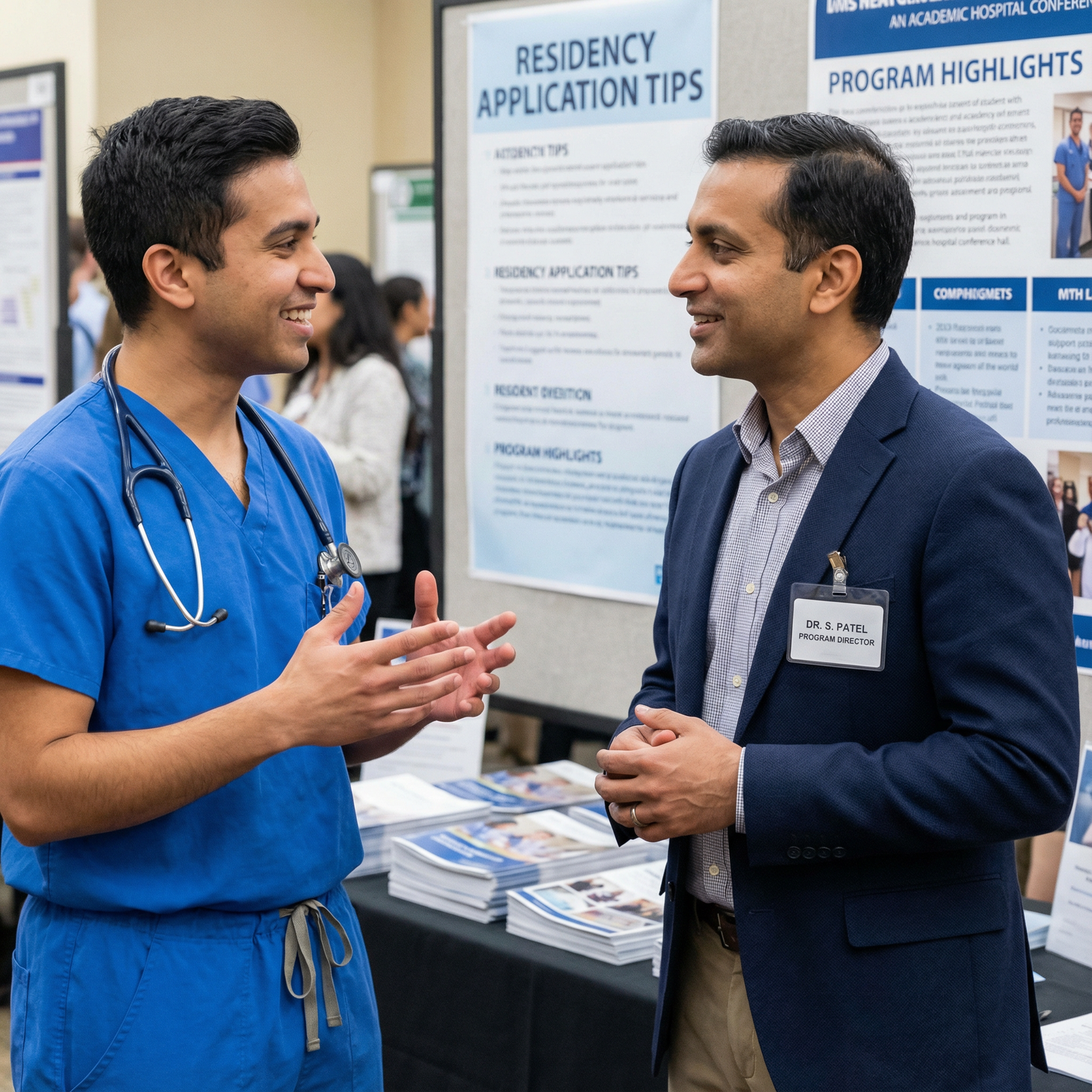
And here's another ugly truth: some residents are socially magnetic because they spend too much energy socializing and not enough energy developing independence. That's a red flag, not a selling point.
Watch for the resident who:
- always talks about the group hangout scene
- cannot clearly describe what they actually operate on
- dodges questions about autonomy
- laughs off serious workload concerns
- seems deeply invested in being liked
That person may be surviving residency by attachment, not competence.
Program directors notice that too.
The strongest residents in a good surgical program are often warm but grounded. They can have fun, yes, but they can also tell you:
- how feedback works
- who gets autonomy and when
- where the program is weak
- what they wish were different
- how graduates perform
That kind of answer matters more than chemistry.
Don't confuse access with endorsement, and don't confuse friendliness with institutional quality. The residents may genuinely like you. Great. That still tells you very little about how well the program will train you.
The Silent Suffering: Why You'll Stay in a Toxic Environment
This is the most dangerous part of all.
If you choose a program mainly because you like the people, you are much more likely to stay too long once the truth comes out.
And it often does.
Maybe six months in you realize:
- the operative experience is thin
- attendings teach inconsistently
- the call burden is brutal
- the chiefs are covering up system failures
- everyone is "close" because they're trauma-bonded, not because the place is healthy
But now you're attached. You have friends there. People who welcomed you. People you don't want to "betray." So instead of naming the problem, you rationalize it.
You say:
- "Every program has issues."
- "At least I like my co-residents."
- "I can tough it out."
- "Maybe it's just intern year."
- "I don't want to leave everyone hanging."
That's how silent suffering starts.
I've seen residents remain in bad environments because friendship made the dysfunction feel tolerable. Not good. Tolerable. That's a dangerous standard to build a career on.
Friendship can become a prison if it keeps you from acknowledging abuse, incompetence, or educational neglect.
And yes, leaving a residency is hard. Transfers are hard. Starting over is hard. But graduating from a subpar program because you were socially comfortable can do long-term damage:
- weaker operative confidence
- fewer fellowship options
- poorer letters
- shaky job readiness
- normalization of toxic behavior
- years spent unlearning bad habits
Comfort is expensive when it costs you growth.
The strongest rank lists are built around training quality first, culture second. Not because culture doesn't matter, it absolutely does, but because culture without competence is a trap. You can't friend-group your way into being a well-trained surgeon.
So if a program feels warm, ask the follow-up question that applicants avoid: Warm for what?
Warm and rigorous? Excellent.
Warm and honest about weaknesses? Good sign.
Warm but evasive, overcurated, and thin on specifics? That's the kind of place people regret ranking too high.
If you want to avoid this mistake, use a stricter framework before finalizing your rank list.
1. Separate "Would I enjoy dinner with them?" from "Will they train me well?"
Make two columns. Force yourself to score them separately. Social ease should never be the main category.
2. Ask competence questions, not vibe questions
Use questions like:
- When do residents get operative autonomy?
- What cases are residents short on?
- How does the program respond when a resident struggles?
- Have any residents left recently, and why?
- What do graduates wish they had more exposure to?
3. Trust specific answers over charming energy
Concrete details beat smooth personalities every time.
4. Look for residents who can criticize their own program intelligently
If every answer sounds polished and perfect, you're hearing recruitment, not honesty.
5. Watch for burnout hidden as humor
Funny residents may still be drowning. Listen for exhaustion, cynicism, and vague answers about support.
6. Rank for the surgeon you want to become
Not the social life you want next July. Short-term comfort is a weak compass.
7. Red-flag your own emotions
If you're saying:
- "I just loved the vibe"
- "They felt like my people"
- "I could totally see myself hanging with them"
pause and ask: What did I actually learn about the training?
Friendly residents are nice. Truly. But they are not the point.
Your rank list is not a friend draft. It's a career decision. Treat it with that level of seriousness.