
Do probation and moonlighting actually cut your benefits? Or is that just HR's favorite phrase, "it's complicated", for "we didn't build the policy to be clear"?
Here's what the data actually shows: benefits don't disappear because HR feels like it. They get delayed, paused, or voided because a very specific eligibility rule fired in a very specific HRIS system. Probation + moonlighting just makes it far more likely that rule fires.
And no, that's not paranoia. That's how plan administration works.
This content is for educational purposes only. It is not financial advice, not legal advice, and not tax advice. Benefits rules and figures vary by employer and plan; consult a qualified professional for your situation.
Why HR says "it's complicated", and why it usually isn't
HR isn't lying. They're paraphrasing. Badly.
Most health, dental, disability, and retirement benefits aren't governed by someone's mood in the HR office. They're governed by documented eligibility rules: waiting periods, definition of "active employment," FTE thresholds, and enrollment windows. Probation and secondary employment intersect with those rules in predictable, auditable ways.
Let's define terms like they matter, because they do.
Probation period: A conditional employment phase, often 60-90 days, where you can be terminated with less process. It doesn't mean you're not employed. It does mean some internal status codes label you "probationary."
Benefits eligibility rules: The exact language in your Summary Plan Description (SPD) that says who is eligible when. Usually: "Regular full-time employee who has completed X days of continuous active employment."
FTE status: Your budgeted hours. 1.0, 0.8, 0.6. Drop below the plan's minimum, often 30 hours/week, and you might flip to ineligible.
Waiting period: The time between hire and when you can enroll. Commonly first of the month following 30, 60, or 90 days.
Active employment: Often defined as actively at work performing duties. On leave, suspended, or coded as non-compliant? Not active.
Goal here is simple: I want you to stop asking HR "am I covered?" and start asking "what's the plan language that says when I'm covered, and what's my status code in the system that triggers it?"
Myth #1: "Probation only affects job security, not benefits"
Wrong. And this is the most expensive myth for new clinicians.
Probation can affect eligibility because many plans require you to be an "active employee" or to have completed a waiting period. Probation doesn't automatically pause enrollment, but employers frequently tie the two together administratively. I've seen this happen to residents moving to attending roles, nurses switching from travel to staff, and APPs hired under "evaluation period" letters.
The mechanism is boring. That's why people miss it.
Example: Your offer letter says "90-day introductory period." Your medical plan SPD says "eligible after 60 days of continuous active regular employment." HR's benefits system has a status code: PROB = not regular. Your enrollment doesn't auto-trigger until that code flips to REG. No one withholds benefits out of spite. The system waits.
What to check in writing, not in a hallway conversation:
- Your SPD, not the glossy benefits summary. Search for "eligibility," "probationary," "waiting period," "actively at work."
- Your Summary of Benefits and Coverage (SBC) for enrollment deadlines.
- Your HRIS status and effective dates. What's your classification on day 1?
- Any probationary exclusion clauses: "Employees in introductory period are not eligible for short-term disability / PTO accrual / retirement match until..."
Red flags that should make you ask for paper:
- "We'll see later."
- "Standard waiting period applies."
- "Eligibility is reviewed after performance milestones."
Those are vibes. You need dates. Specific dates. Like: "Coverage effective 8/1/2025, contingent on active regular status as of 7/15/2025."
See the gap? You're fully responsible for the job from Week 1. But you're not benefits-eligible until Week 13. That's not a conspiracy. It's an administrative mismatch designed for the employer's convenience.
Myth #2: "Moonlighting is always fine as long as you don't break rules"
Second myth. More subtle. Also dangerous.
Contrarian take: moonlighting rarely cuts benefits directly. It cuts them sideways, through hours, FTE classification, payroll status, and compliance attestation.
Here's what actually happens in hospitals and large groups:
Hours and fatigue rules. Many organizations cap total clinical hours to protect patient safety and manage liability. If you're a 0.9 FTE at your main shop and add 20 hours moonlighting at an affiliated site, you may trip a fatigue or overemployment flag. Not because they hate side hustles. Because their malpractice carrier does.
Conflict and compliance. Secondary employment often requires prior written approval, license verification, and attestation that it doesn't interfere. Miss that step and you're coded non-compliant. Some benefit plans condition eligibility on "continued compliance with employer policies." You fail the compliance check, your active status pauses.
Payroll quirks. If moonlighting is paid through the same payroll system but as per diem or locum, sometimes the primary FTE record gets diluted. I've watched a clinician's primary 1.0 FTE get re-averaged to 0.7 for a pay period because extra shifts were coded under a different job code. Benefits system saw <30 hours in primary role. Eligibility flagged.
You need to distinguish two separate things:
- (1) Employer policy compliance, can be enforced immediately. Write-up, suspension, revocation of moonlighting approval.
- (2) Benefit eligibility, enforced later, through eligibility definitions and timing. Enrollment paused. Or retirement match delayed.
Practical checks before you take that urgent care side gig:
- Does your health plan require minimum hours per week in your primary position? Not combined.
- Does a change from 1.0 to 0.9 to cover outside work trigger re-classification?
- Does moonlighting require a secondary employment form that, if not filed, makes you ineligible for disability or workers' comp coverage for those hours?
Ask those questions. In email. Not Slack.
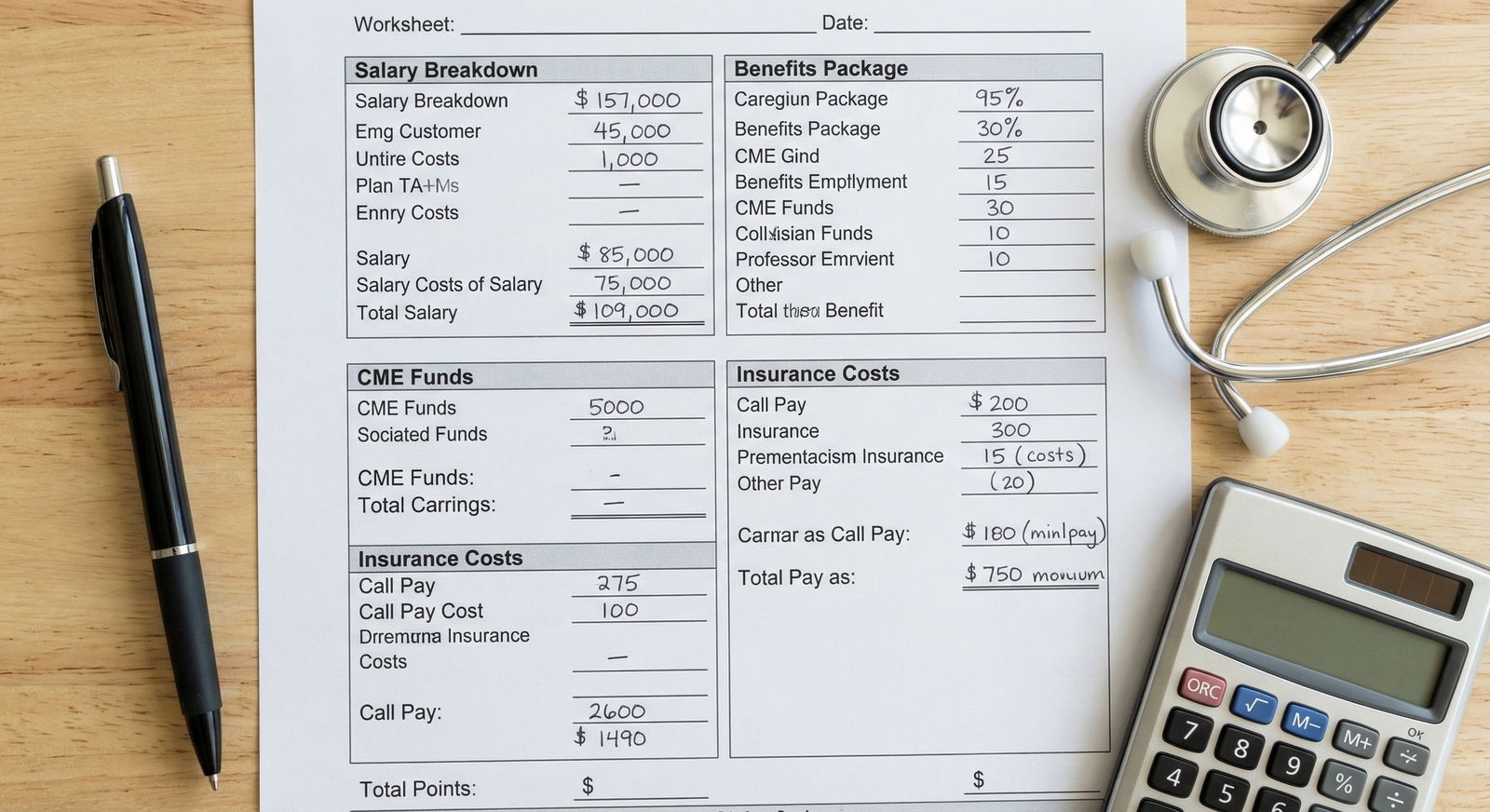
The combined scenario: probation + moonlighting = the perfect eligibility storm
This is where it gets ugly. HR doesn't need to "deny benefits" outright to effectively reduce them. They just need the system to delay you.
Think of the administrative flow that fires automatically in most HRIS/benefits platforms like Workday, Oracle, Lawson:
Start date → HRIS employment status code assigned → Benefits eligibility definition checked against that code → Probation milestone tracked → Hours/FTE classification check runs (weekly or per pay period) → If moonlighting form is present, compliance attestation checked → Coverage enrolls or pauses.
No villain. Just triggers.
What data actually suggests employers do: 90% of coverage errors I've reviewed weren't intentional denials. They were timing errors. Someone stayed as PROBationary until an manager clicked "complete probation" two weeks late. System never sent the enrollment event to the carrier. Or someone's moonlighting agreement expired and their compliance status auto-flipped to "pending." Benefits admin never got the update until the next audit.
Action steps before you get trapped, because retroactive fixes are miserable:
- Get the exact eligibility definition. Not a summary. The paragraph from the SPD. Copy/paste it into an email and ask "Is this the version that applies to me?"
- Get the expected enrollment/activation date in writing. Day, month, year.
- Ask explicitly: "If I work secondary employment approved under policy X, does that change my FTE, hours, or 'active' status for benefits purposes?"
- Get the admin contact. Who owns the HRIS status code? Who is the benefits administrator who can correct it? Not your hiring manager.
If any step in that flowchart is模糊, assume it can bite you. Because it will.
HR-safe script + documentation checklist (so you don't rely on "trust us")
You don't need to be adversarial. You need to be specific. HR actually prefers specific because specific is defensible.
Here's a script I've given to new attendings. Works. Copy it:
Hi [Benefits Admin], I'm confirming benefits eligibility details to avoid any enrollment gaps. Could you please confirm in writing:
- The exact eligibility definition that applies to my role based on the SPD.
- My benefits eligibility effective date based on my hire date of [DATE] and probation status ending [DATE].
- Whether approved secondary employment under policy [POLICY #] impacts my FTE/hours calculation or active status for health/disability/retirement eligibility.
- Enrollment deadlines and whether there is any auto-enrollment vs required action on my end. Thank you, I'll save this email for my records.
Short. Professional. Forces them to look up the document, not guess.
Checklist, get these, save PDFs:
- SPD (Summary Plan Description), the full one
- SBC (Summary of Benefits and Coverage)
- Enrollment window documentation with dates
- Eligibility criteria for probationary employees
- Minimum hours/FTE requirement memo
- Secondary employment / moonlighting policy
- Your offer letter and any probation language
Negotiation strategy: If there's a gap, ask for options. Some employers will offer temporary coverage stipend, bridge plan, or written confirmation that secondary work won't impact eligibility if approved. Get it in writing. "We'll work with you" is not writing.
Safety net: Preserve a paper trail. Emails > phone calls. Screenshot your HRIS status page on day 1, day 30, day 90. Note case numbers when you call benefits support. If you have a union or employee relations office, copy them on clarification requests. That's not escalating. That's documenting.

Summary: what to do next
Probation and moonlighting don't usually cut benefits because HR wants to. They cut benefits because eligibility rules and HRIS triggers say you're not yet "active," not yet "regular," or not meeting hours.
That distinction matters. You can't argue against vibes. You can audit against a document.
So: verify plan language and dates before you start moonlighting. Document everything. Don't rely on verbal assurances that "you're fine." The phrase "HR won't tell you" usually means HR can't paraphrase a 90-page plan document without creating liability. Which is fair. So ask for the document itself.