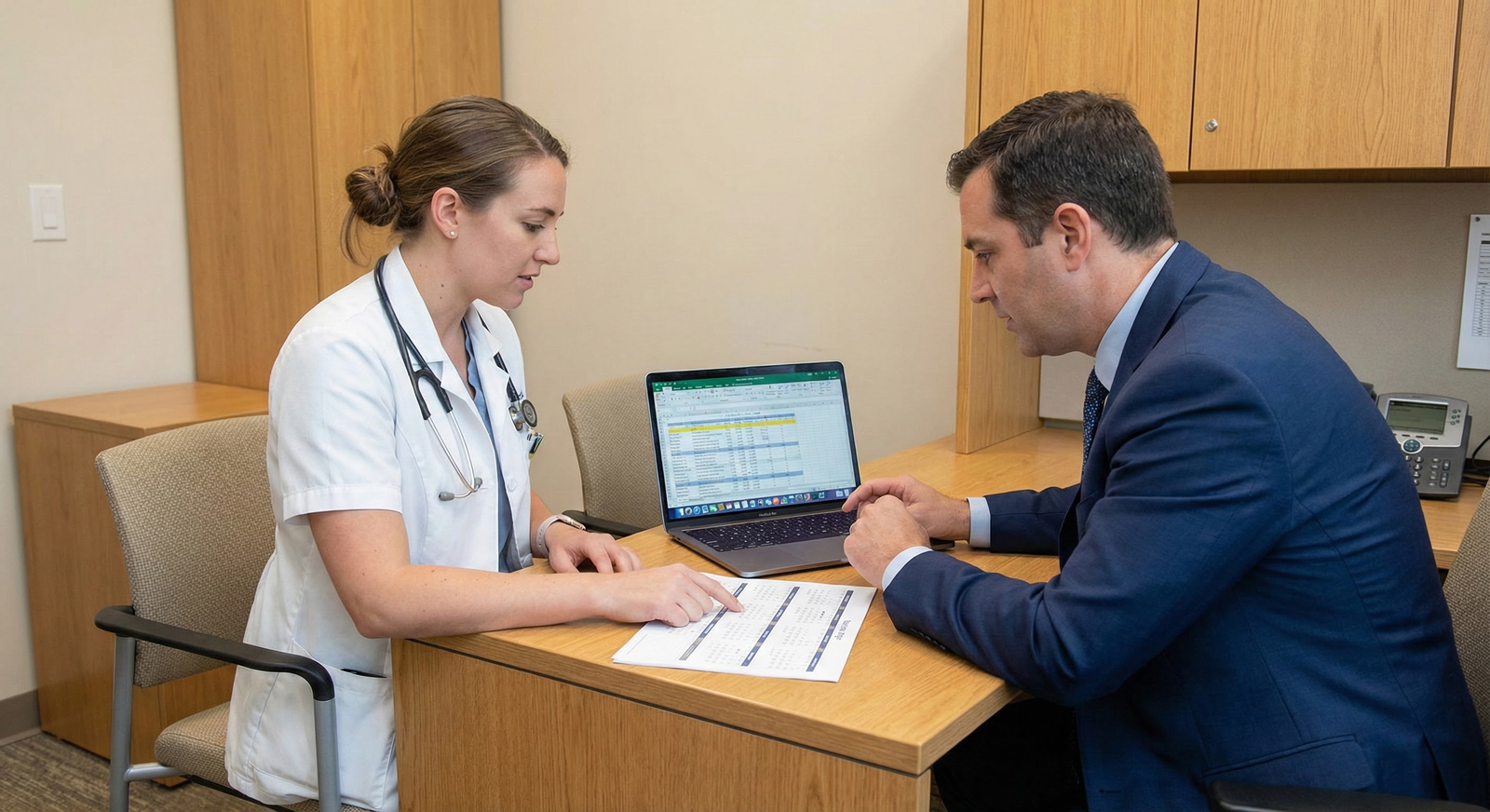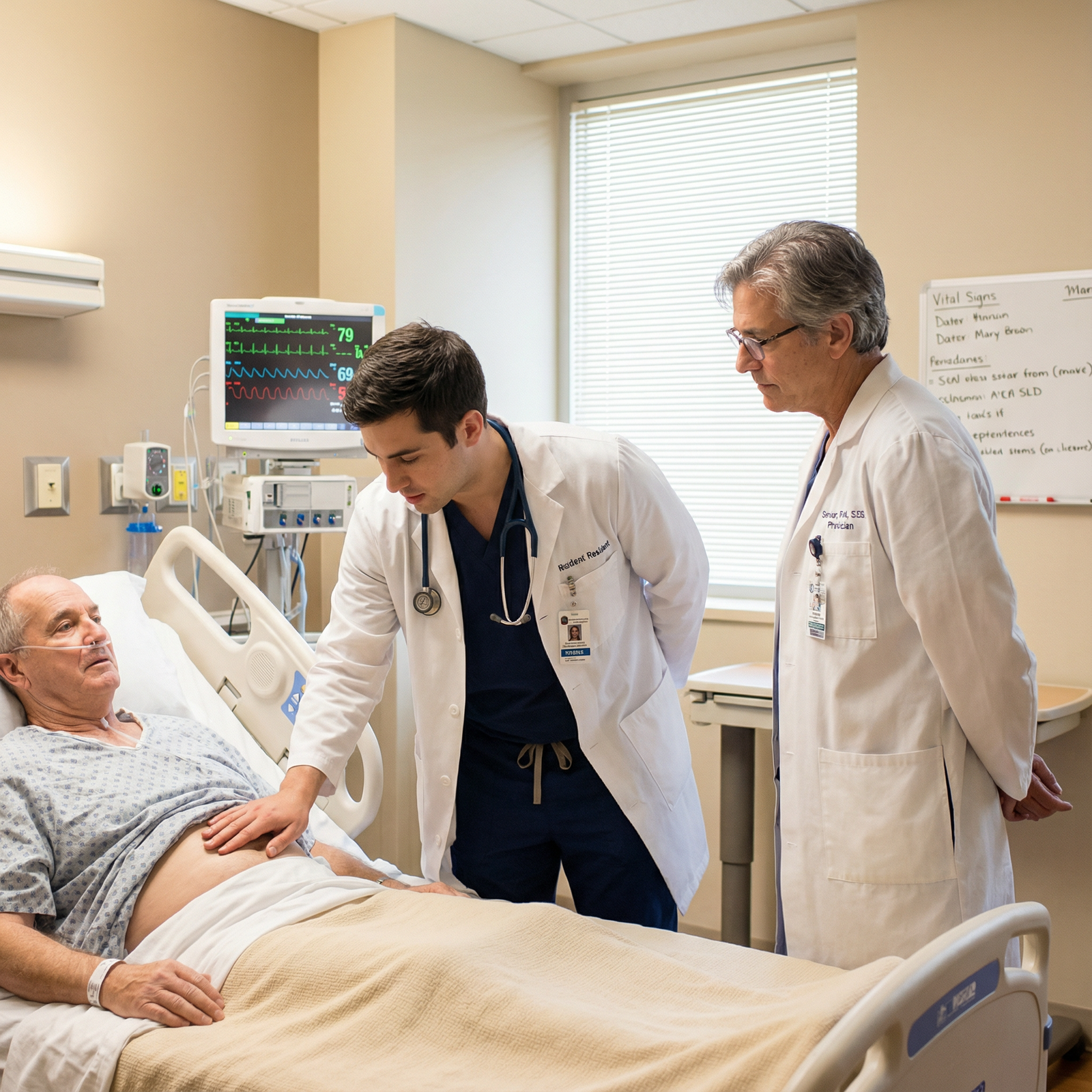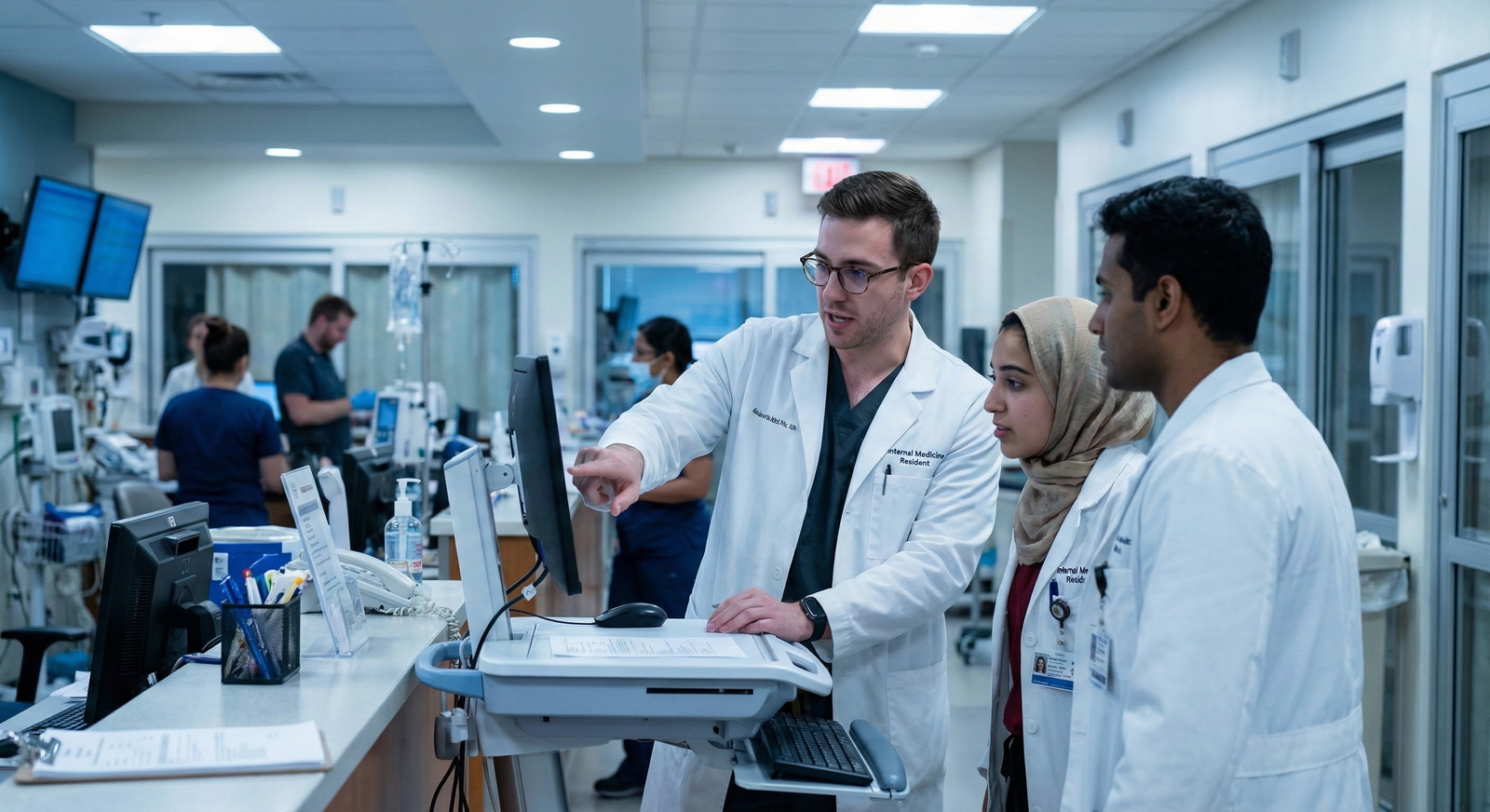
Introduction: How a Preliminary Year Shapes Your Specialty Training
The path from medical school to independent practice runs through residency, where you transform from student to physician. For many specialties, that journey begins with a preliminary year—often called an intern year or transitional year.
Understanding how this year fits into your long‑term specialty training is essential for planning your career, strengthening your residency applications, and getting the most out of your early clinical experiences.
This guide explains what a preliminary year is, how it differs from a categorical residency, and how it impacts your clinical skills, confidence, competitiveness, and ultimate career trajectory. It is designed for medical students and early residents navigating the residency match and applications process.
What Is a Preliminary Year in Medical Residency?
A preliminary year is a 12‑month accredited residency program that typically serves as the first year of graduate medical education (GME) for physicians entering certain specialties. Unlike a categorical position—where you match directly into a complete multi‑year program—preliminary or transitional years are usually one‑year positions that precede your advanced specialty training.
You will see these positions labeled in ERAS and NRMP as:
- Preliminary (Prelim) Medicine
- Preliminary Surgery
- Transitional Year (TY)
- Sometimes, Preliminary in other specialties (less common)
In most cases, a preliminary year is required for:
- Advanced specialties (e.g., dermatology, radiology, anesthesiology, ophthalmology, radiation oncology, PM&R, neurology at some institutions)
- Some highly specialized surgical fields (e.g., neurosurgery, plastic surgery at certain programs)
- Candidates who are still clarifying their career direction and want broad exposure before committing
Preliminary vs Categorical Positions
Categorical position
- You match directly into a full training program (e.g., Internal Medicine PGY‑1–3, General Surgery PGY‑1–5).
- Your first year is integrated into your core specialty.
- No need to reapply for PGY‑2 if you remain in good standing.
Preliminary or Transitional position
- You match into a one‑year program (PGY‑1 only).
- You must also match separately into an advanced (PGY‑2+) position for your chosen specialty, either in the same cycle (linked) or later.
- You may use this year to meet prerequisite requirements, strengthen your application, or explore career options.
Who Typically Does a Preliminary Year?
Common pathways where a separate preliminary year is needed or common include:
- Dermatology – typically requires a PGY‑1 in medicine, surgery, or transitional year.
- Diagnostic Radiology & Interventional Radiology – often require a PGY‑1 in internal medicine, surgery, or transitional year.
- Anesthesiology – many programs require or prefer a medicine or transitional year.
- Ophthalmology – requires a PGY‑1 year, often in medicine or transitional year.
- Radiation Oncology, PM&R, Neurology – may require a separate PGY‑1 year at some institutions.
- Some surgical subspecialties – may accept or require a preliminary surgery year.
In addition, a preliminary year can serve as:
- A bridge year for unmatched applicants improving their portfolio.
- A career exploration year for students who are uncertain about long‑term specialty choice.
Types of Preliminary Years and How They Differ
Not all preliminary years are created equal. Understanding the structure and expectations of each type is crucial for choosing the right path.
1. Preliminary Internal Medicine Year
A Preliminary Medicine year is heavily focused on internal medicine rotations and is often associated with:
- Neurology
- Radiology
- Radiation oncology
- Dermatology
- Anesthesiology
- Ophthalmology
- PM&R (at some programs)
Typical Features:
- High volume of inpatient ward rotations
- Night float or call
- ICU exposure (medical ICU, sometimes step‑down units)
- Consult services (cardiology, nephrology, oncology, etc.)
Advantages for Specialty Training:
- Strong foundation in managing complex medical patients.
- Broad exposure to chronic disease management and acute decompensation.
- Excellent preparation for any specialty that relies on strong general medicine knowledge.
2. Preliminary Surgery Year
A Preliminary Surgery year is structured within a general surgery department and is common for:
- Applicants targeting categorical general surgery positions later
- Prospective surgical subspecialists (e.g., neurosurgery, urology, orthopedics) if they do not initially match
- Some specialties that accept a surgery‑based PGY‑1 as prerequisite training
Typical Features:
- High volume of operating room (OR) exposure
- Intensive inpatient surgical floor work
- Trauma surgery, acute care surgery, and subspecialty rotations
- Early development of procedural skills and perioperative management
Advantages for Specialty Training:
- Ideal for future surgeons: operative skills, familiarity with surgical culture.
- Deep understanding of pre‑ and post‑operative care.
- Strengthens applications to surgery and surgical subspecialties.
3. Transitional Year (TY)
A Transitional Year is generally the broadest form of PGY‑1 training and is frequently used by candidates entering:
- Dermatology
- Radiology (diagnostic/interventional)
- Anesthesiology
- Ophthalmology
- PM&R
Typical Features:
- Mix of internal medicine, emergency medicine, and electives.
- Often considered more flexible, sometimes with somewhat lighter call schedules (program‑dependent).
- Can include rotations in surgery, pediatrics, ICU, and subspecialties.
Advantages for Specialty Training:
- Ideal for those who want broad exposure before diving into a highly specialized field.
- Can be tailored with electives to support your future specialty (e.g., derm clinic, radiology, ICU).
- Allows exploration and confirmation of career interests.

How a Preliminary Year Is Structured: Rotations, Duties, and Learning
While each institution designs its own curriculum, most preliminary year programs share common structural elements and core rotations.
Core Clinical Rotations
Internal Medicine
- Inpatient ward teams (general medicine)
- Possible subspecialty services: cardiology, GI, oncology, nephrology, pulmonology
- Focus: diagnostic reasoning, management of acute and chronic illness, discharge planning, interdisciplinary care
Surgery
- General surgery wards
- Trauma/acute care surgery
- Potential subspecialties: vascular, colorectal, surgical oncology, orthopedics
- Focus: perioperative care, post‑op complications, basic procedural skills
Emergency Medicine
- High‑acuity, undifferentiated complaints
- Focus: triage, rapid assessment, stabilization, initial management, interprofessional communication with consultants
Pediatrics
- Inpatient pediatrics, nursery, or outpatient clinics (varies)
- Focus: growth and development, pediatric emergencies, preventive care
Critical Care (ICU)
- Medical, surgical, or mixed ICUs
- Focus: ventilator management, hemodynamic support, shock, sepsis care, end‑of‑life communication
Electives
- Depending on program type: dermatology, radiology, anesthesia, neurology, outpatient clinics, subspecialty consults
- Opportunity to align PGY‑1 experience with long‑term goals
Typical Schedule and Responsibilities
- Rotations: 2–4 weeks each, with some longer core blocks (4–12 weeks).
- Hours: Governed by ACGME duty hour rules (maximum 80 hours/week averaged over 4 weeks); specific workload varies widely by program and service.
- Duties:
- Admit and manage inpatients under supervision.
- Write notes, place orders, call consults.
- Communicate with patients and families.
- Present cases on rounds.
- Participate in didactics, morbidity and mortality (M&M), and case conferences.
- Perform procedures appropriate to the rotation (e.g., IV access, arterial lines, lumbar punctures, basic suturing).
Impact of a Preliminary Year on Your Specialty Training and Career
A well‑chosen and thoughtfully approached preliminary year can significantly shape your physician education, clinical skills, and competitiveness for advanced training.
1. Strengthening Core Clinical Skills
The most immediate benefit of a preliminary year is the rapid development of core clinical competencies.
Key skills that are sharpened include:
History‑taking and physical exams
Repeated exposure to varied patient populations allows you to:- Identify subtle exam findings
- Tailor histories to specific clinical questions
- Develop efficient, patient‑centered interviewing styles
Diagnostic reasoning and decision‑making
You learn to:- Formulate accurate problem lists and differentials
- Prioritize investigations
- Interpret labs, imaging, and consult recommendations
- Make time‑sensitive management decisions
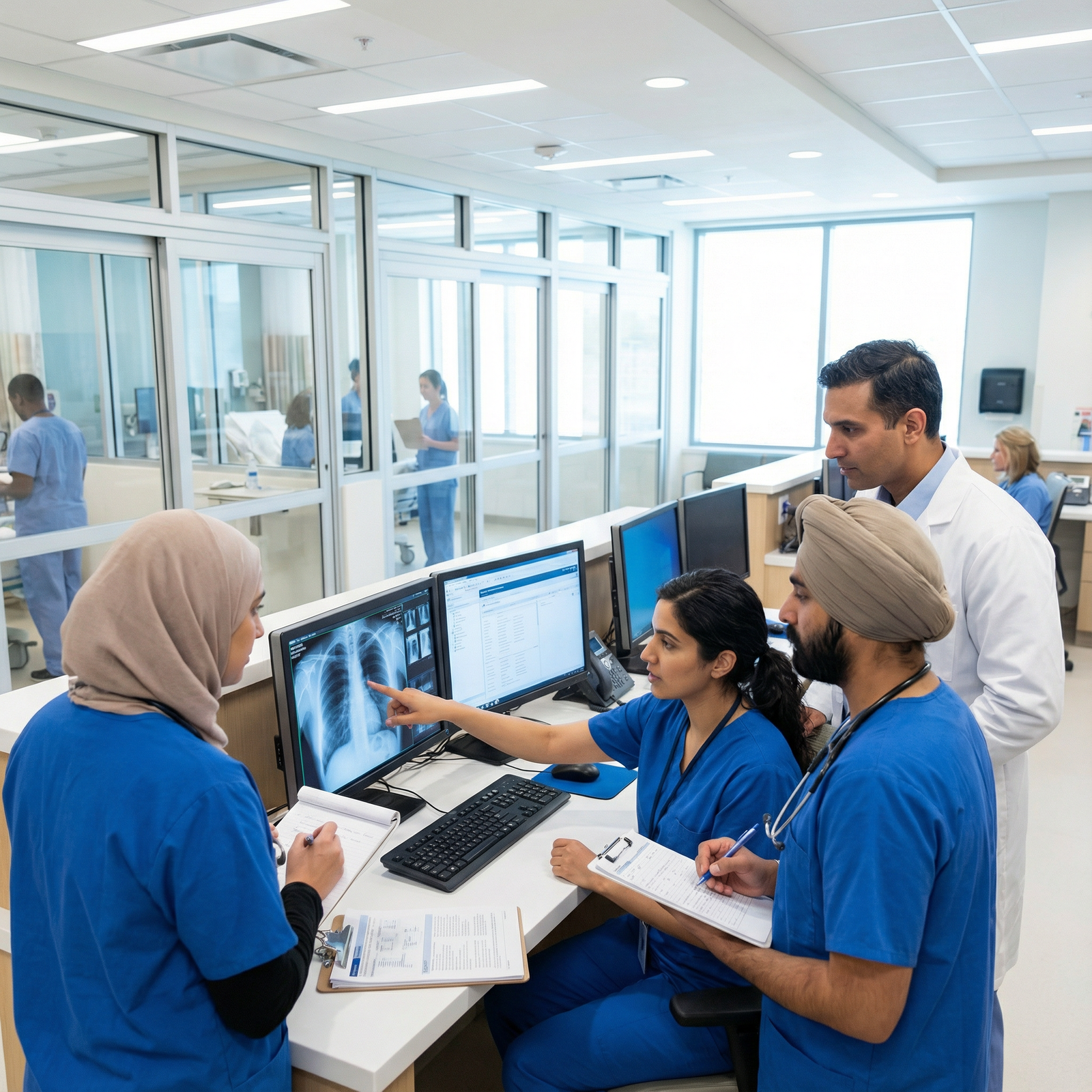
Communication and teamwork
Daily collaboration with nurses, consultants, pharmacists, case managers, and social workers trains you in:- Clear sign‑outs and handovers
- Effective consult requests
- Leading family meetings and goals‑of‑care discussions
Procedural competence (depending on program)
- Central and arterial line placement
- Intubation exposure (especially in ICU/emergency/surgery)
- Lumbar punctures, paracenteses, thoracenteses
- Basic surgical skills: suturing, incision and drainage, wound care
These experiences translate directly into improved performance and confidence when you enter your advanced specialty.
Actionable Advice:
- Track your procedures and notable cases in a clinical log—helpful for applications, credentialing, and self‑reflection.
- Ask for direct feedback regularly on notes, presentations, and clinical reasoning to accelerate growth.
2. Building Confidence Before Entering a Highly Specialized Field
Starting residency is a major transition. A preliminary year gives you a buffer and bridge between medical school and a narrow specialty.
You enter your advanced program:
- More comfortable managing sick patients.
- Familiar with real‑world hospital systems (EMRs, order sets, call structure).
- Better equipped to handle stress, uncertainty, and clinical complexity.
This is particularly valuable if you are going into highly specialized, procedure‑heavy, or outpatient‑focused fields (e.g., dermatology or radiology) where internal medicine or inpatient exposure might otherwise be limited.
Example:
A future dermatologist who has managed septic shock in the ICU, decompensated heart failure on the wards, and acute allergic reactions in the ED will be far better prepared to recognize and triage systemic disease in dermatologic patients.
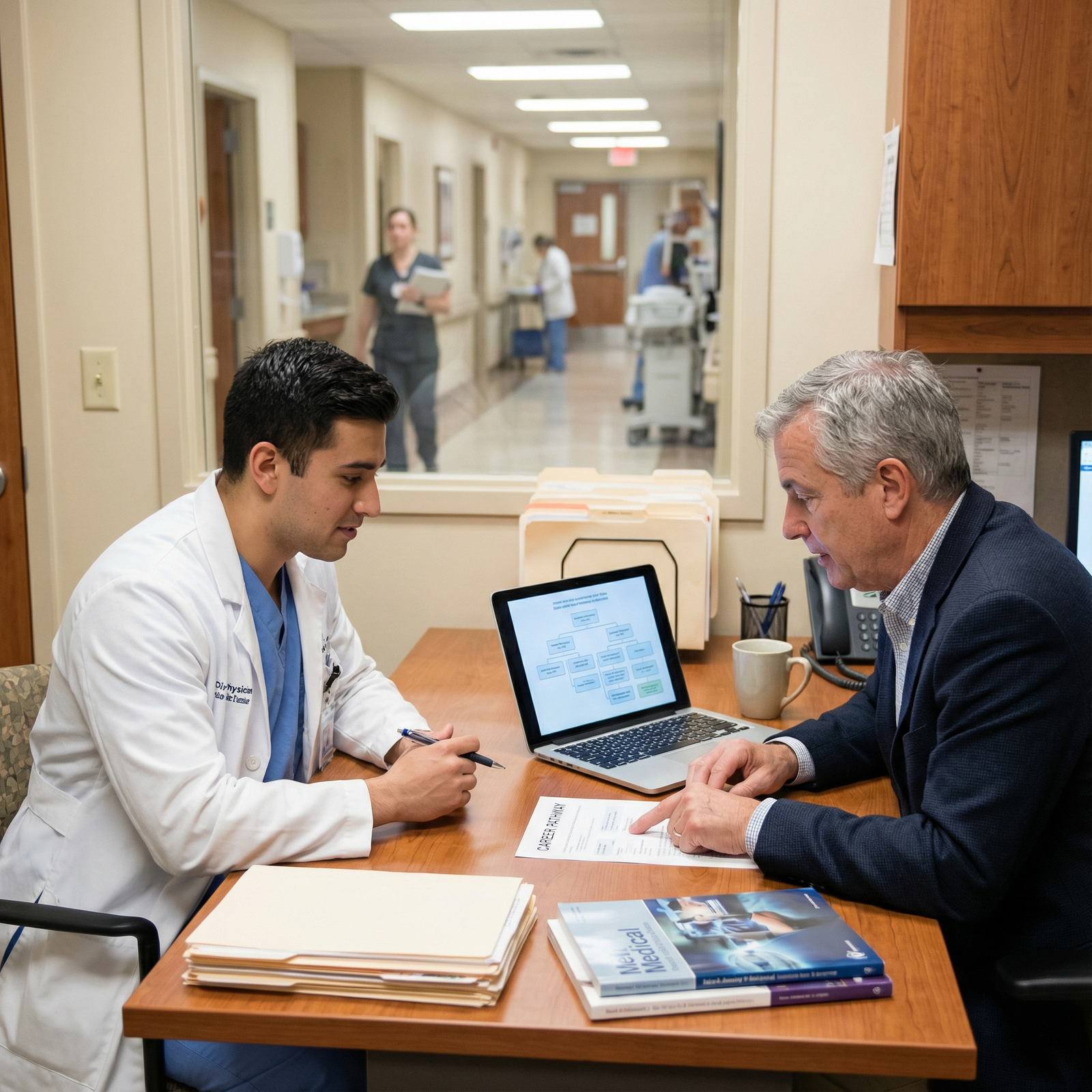
3. Expanding Professional Networks and Mentorship
Your preliminary year places you in daily contact with:
- Attendings across multiple specialties
- Senior residents and fellows
- Program directors and departmental leaders
These relationships can:
- Lead to letters of recommendation that highlight your work ethic and clinical abilities.
- Connect you with research or quality improvement projects.
- Provide mentorship for long‑term career planning.
For those who:
- Are reapplying after not matching, or
- Plan to pursue extremely competitive specialties
…relationships and strong advocacy from faculty during your preliminary year can make a decisive difference.
Actionable Advice:
- Identify 1–2 potential mentors by mid‑year and schedule brief meetings to discuss your goals.
- Volunteer for department projects (QI, education, small research) that align with your specialty interests.
4. Clarifying or Confirming Your Specialty Choice
Even if you think you are certain about your specialty, a preliminary year can either validate or refine that decision.
You may find that:
- You love inpatient medicine more than expected and consider internal medicine or hospitalist careers.
- You thrive in the OR and confirm a surgical pathway.
- You’re drawn to specific subspecialty populations (e.g., oncology, critical care, pediatrics).
- You value work‑life balance and outpatient‑oriented specialties more than you anticipated.
For those who are unsure, a Transitional Year or Preliminary Medicine program with diverse rotations is a structured way to explore options while still progressing in your training.
Informed Decision‑Making:
Exposure across multiple disciplines allows you to answer essential questions:
- Do I enjoy acute care or long‑term continuity?
- Do I prefer procedures or cognitive work?
- How important are predictable hours vs. high acuity?
This clarity leads to more aligned, satisfying career choices and more targeted future applications.
5. Addressing Gaps in Medical Knowledge and Experience
Not all medical school experiences are equal. Some students may have:
- Limited inpatient exposure.
- Fewer opportunities in ICU, ER, or key subspecialties.
- Gaps in procedural skills or independent clinical decision‑making.
A strong preliminary year can level the playing field by ensuring solid grounding in:
- Common medical emergencies (sepsis, ACS, stroke, COPD exacerbations).
- Chronic disease management (diabetes, hypertension, heart failure).
- Core inpatient workflows (admissions, discharges, order sets).
This becomes particularly important for:
- IMGs (International Medical Graduates) adapting to new health systems.
- Graduates from schools with fewer tertiary‑care or inpatient opportunities.
- Candidates switching specialties who need exposure in their new field’s foundation.
6. Enhancing Competitiveness for Advanced and Categorical Positions
For some applicants, especially in highly competitive specialties, a preliminary year functions as a strategic career step:
- Demonstrating you can excel in demanding clinical environments.
- Improving USMLE/COMLEX performance (if taken during gap year before prelim, or aligning improved clinical experience with Step 3).
- Building a stronger academic portfolio (case reports, QI projects, department presentations).
- Earning glowing letters of recommendation that speak to your real‑world performance.
This can be particularly helpful if:
- You did not initially match into your desired specialty.
- You are aiming for a more competitive program or location in a second application cycle.
- Your medical school record had weaknesses (e.g., low Step score, gap in training) that you can now offset with strong residency performance.
Challenges During the Preliminary Year—and How to Manage Them
While a preliminary year offers major benefits, it is also intense and demanding. Being realistic about the challenges helps you prepare and succeed.
1. Workload, Fatigue, and Work‑Life Balance
Common stressors include:
- Long shifts and night float.
- Frequent cross‑cover responsibilities.
- Emotional toll of caring for critically ill patients.
- Balancing clinical duties with studying for boards (often Step 3), research, and applications for advanced positions.
Strategies to Cope:
- Set non‑negotiable self‑care habits (sleep minimums when off, basic exercise, nutrition).
- Learn to prioritize tasks and be efficient with documentation.
- Use commuting or downtime for podcasts or board‑style question review instead of passive scrolling.
- Communicate with your support system about your schedule and stressors.
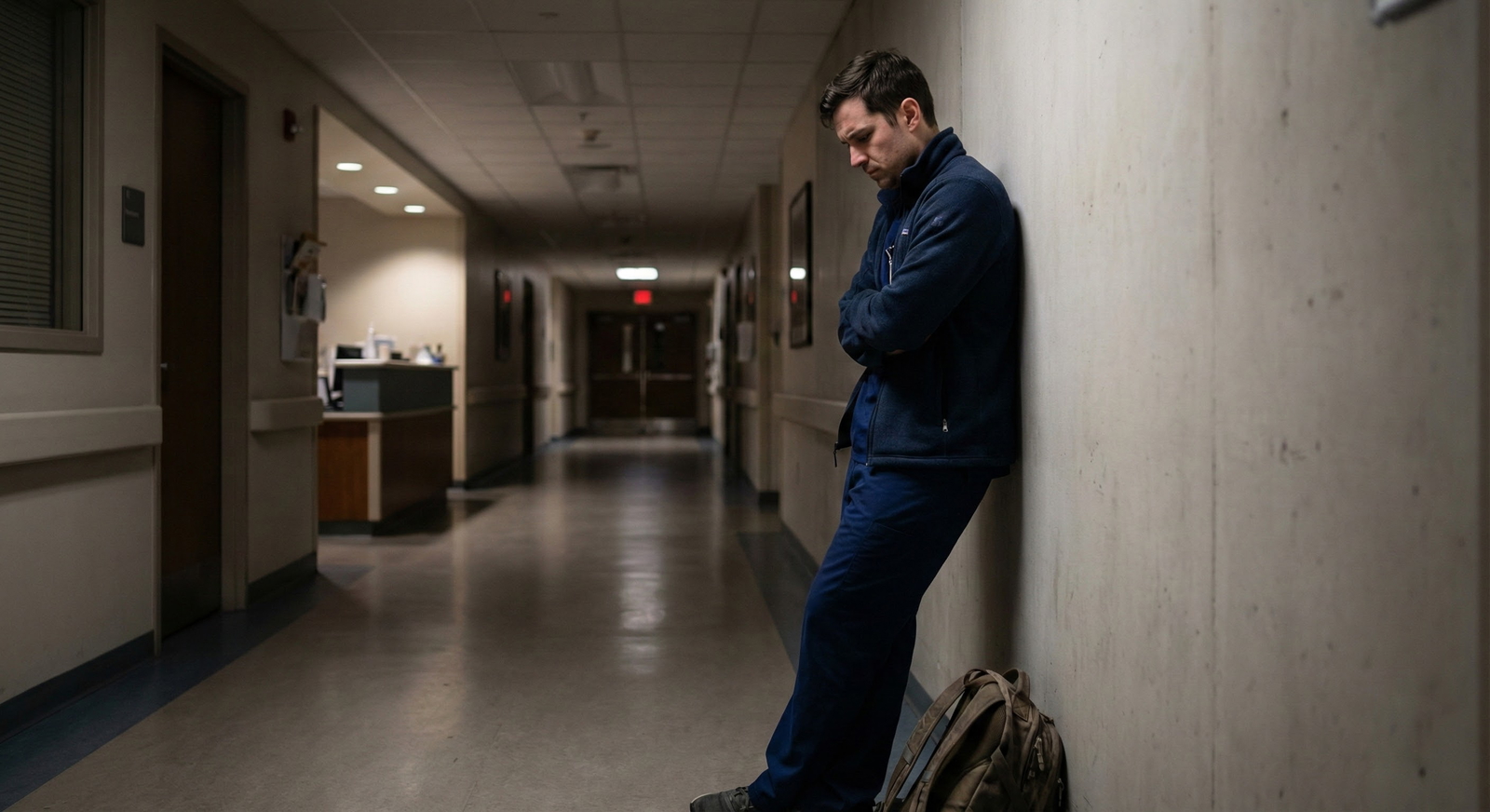
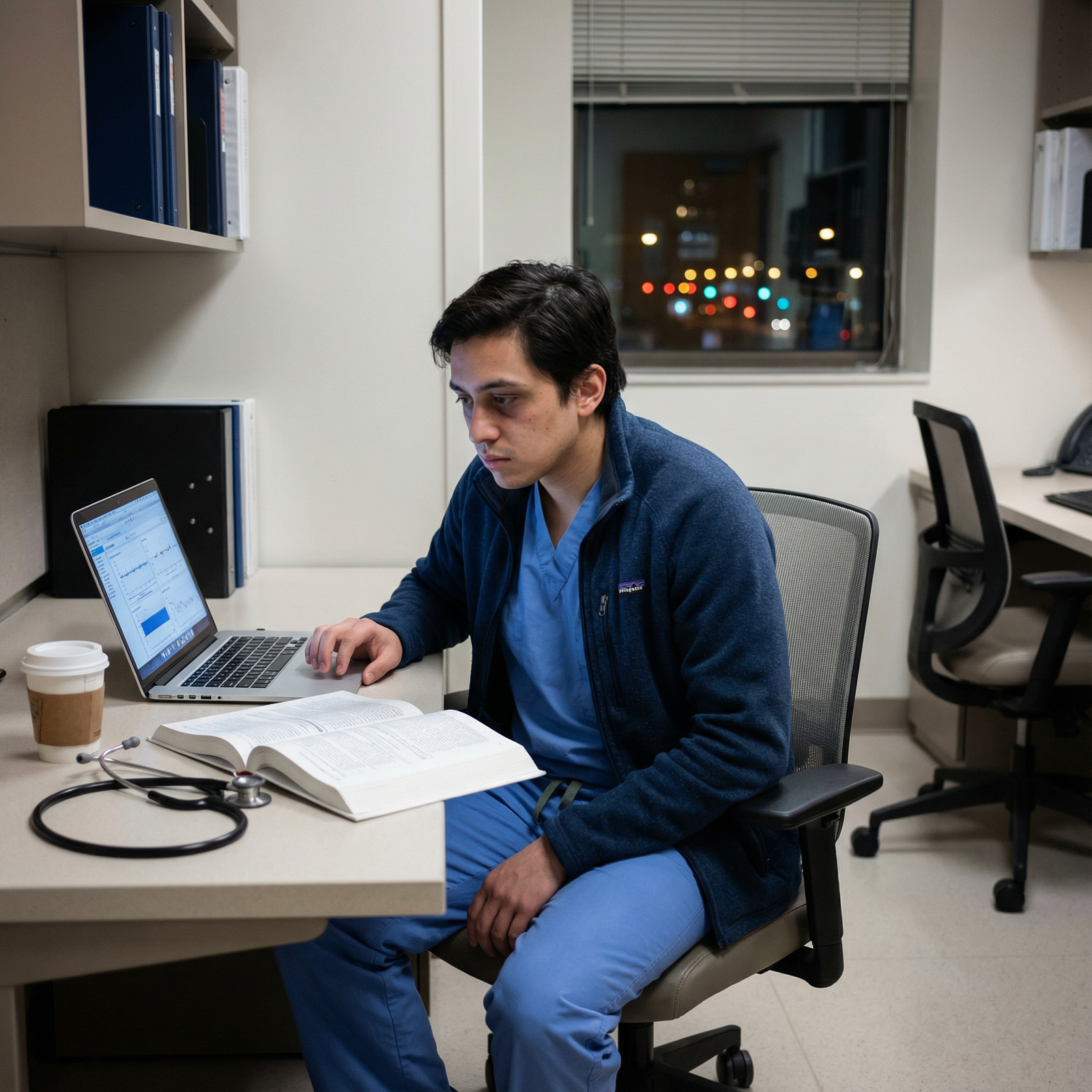
2. Emotional Strain and Burnout Risk
Intern year is a major emotional transition:
- You are suddenly responsible for real patients.
- You will experience patient deaths, difficult family encounters, and moral distress.
- Imposter syndrome is extremely common.
Protective Strategies:
- Use institutional resources: counseling, wellness programs, peer support groups.
- Debrief difficult cases with co‑residents and mentors.
- Normalize asking for help—from seniors, attending physicians, and support services.
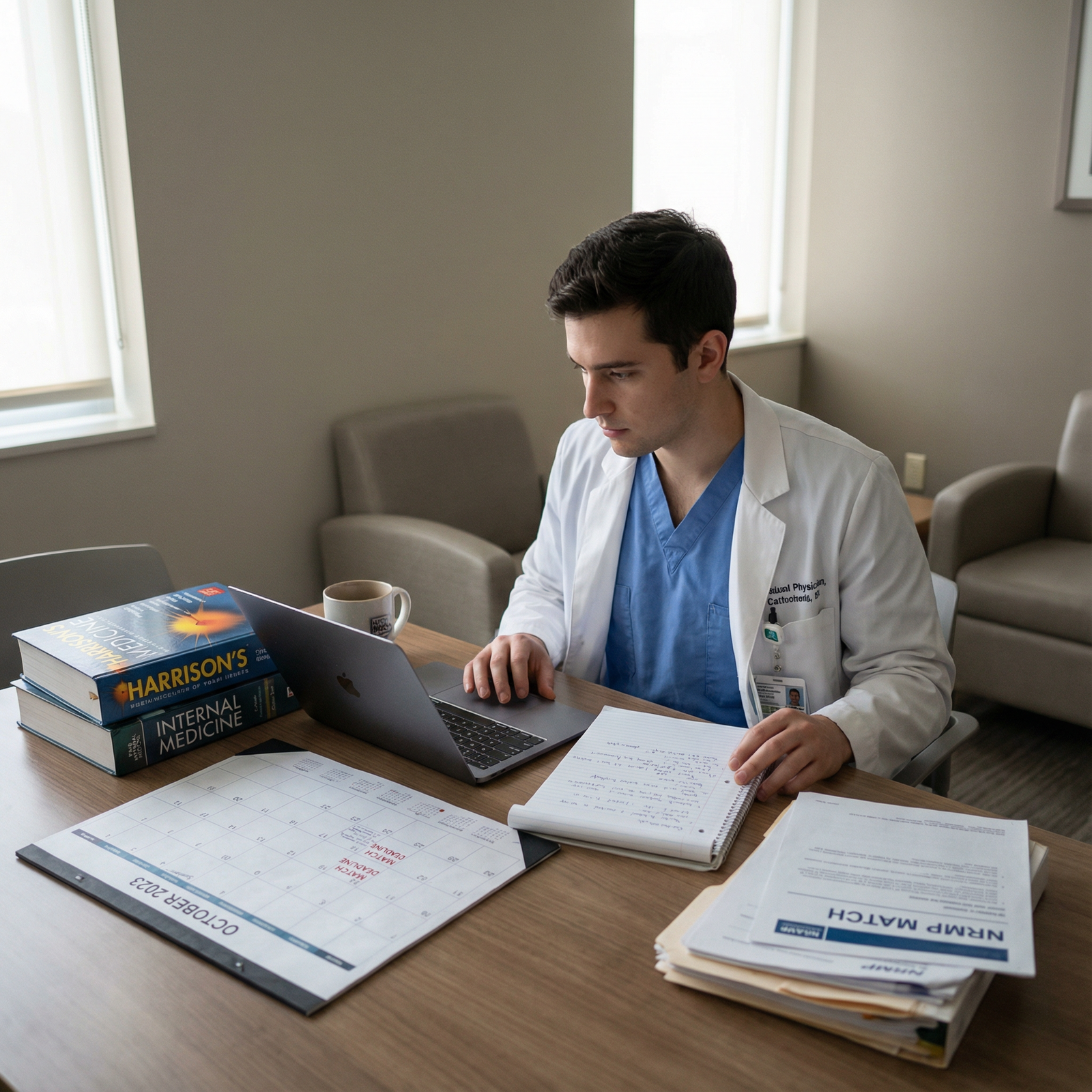
3. Uncertainty About the Next Step
If you are in a standalone preliminary program, you may face added pressure of:
- Applying to advanced positions during your PGY‑1 year.
- Managing interviews, personal statements, and letters while balancing call.
- Navigating the possibility of not matching again.
Practical Advice:
- Start planning your application timeline early (even before intern year starts).
- Identify letter writers early and update them with your CV and goals.
- Work closely with your program director and advisors; they often have invaluable connections and advice for the match.
Maximizing the Value of Your Preliminary Year
To ensure your preliminary year meaningfully advances your specialty training, be intentional from day one.
Set Clear Goals
Before starting:
- Define 3–5 specific goals, such as:
- Improve efficiency in managing inpatient teams.
- Master core procedures relevant to your future specialty.
- Secure 2–3 strong letters of recommendation.
- Confirm or refine your specialty choice.
Revisit these goals mid‑year and adjust as needed.
Align Rotations with Your Future Specialty
Where possible:
- Choose electives that overlap with your desired field (e.g., ICU for anesthesia or radiology; rheumatology for dermatology; neurology consults for radiology or ophthalmology).
- Talk to your chief residents or program coordinators early about schedule preferences that support your long‑term path.
Be Deliberate About Reputation and Professionalism
Your preliminary year may be short, but its impact on your reputation can be long‑lasting.
Focus on:
- Reliability: show up prepared, on time, and ready to work.
- Teamwork: support co‑interns and nursing staff; be known as someone who “has others’ backs.”
- Humility and teachability: respond to feedback with action, not defensiveness.
- Patient‑centered care: treat every patient encounter as if someone is watching and evaluating you—because often, they are.
Document Your Achievements
Keep a simple running document with:
- Procedures performed
- Notable cases (for future teaching or case reports)
- Presentations or QI projects
- Compliments or informal positive feedback from faculty (these inform letters later)
- Reflections on what you’re learning and areas for growth
This will make future applications and self‑evaluation much easier and more accurate.
FAQ: Preliminary Year and Specialty Training
1. What is the difference between a preliminary year and a transitional year?
A preliminary year usually has a more focused structure, often within internal medicine or surgery, to meet specific prerequisites for advanced or categorical programs. Rotations are more tightly linked to that discipline (e.g., heavy inpatient medicine or surgery).
A transitional year (TY) is typically broader and more flexible, offering a mix of internal medicine, emergency medicine, surgery, and electives across multiple specialties. TYs are particularly common for future radiologists, anesthesiologists, dermatologists, and ophthalmologists who want broad exposure before narrowing their focus.
2. Do all medical residents have to complete a separate preliminary year?
No. Many specialties—such as categorical internal medicine, pediatrics, family medicine, and many general surgery programs—offer integrated PGY‑1 positions as part of a multi‑year training pathway. In those cases, you match directly into a categorical program and your “intern year” is included.
A separate preliminary year is generally required for:
- Advanced programs that begin at PGY‑2 (e.g., dermatology, diagnostic radiology, ophthalmology, some anesthesiology and neurology programs).
- Applicants who are reapplying or changing specialties and need prerequisite training.
3. How do I choose the best preliminary year program for my goals?
Consider the following factors:
Alignment with your future specialty
- Does the program provide rotations or electives related to your chosen field?
- Do graduates commonly match into the specialties or programs you’re targeting?
Curriculum balance
- What is the mix of inpatient vs outpatient?
- Are there ICU, emergency medicine, and elective opportunities?
Program culture and support
- How do current and former residents describe the environment?
- Are preliminary residents integrated and supported, or treated as peripheral?
Location and lifestyle
- Can you realistically handle the call schedule and cost of living?
- Will you have enough time and flexibility to interview for advanced positions if needed?
Mentorship and outcomes
- Are there faculty in your target specialty who can mentor and advocate for you?
- What are the typical career paths of recent graduates?
4. What specialties most commonly require or benefit from a preliminary year?
Specialties that frequently require or are enhanced by a preliminary year include:
- Dermatology
- Diagnostic Radiology & Interventional Radiology
- Anesthesiology
- Ophthalmology
- Radiation Oncology
- Physical Medicine & Rehabilitation (PM&R)
- Many Neurology programs
- Some surgical subspecialties and urology programs, depending on structure
These fields value the strong clinical skills, inpatient experience, and professional maturity developed during PGY‑1.
5. Can I apply for a preliminary year if I am unsure about my specialty?
Yes. A preliminary—especially a Transitional Year or Preliminary Internal Medicine program—can be an excellent pathway if you are undecided. It allows you to:
- Gain broad exposure across disciplines.
- Confirm what kind of clinical environment and patient population you enjoy.
- Strengthen your application profile with real‑world performance.
- Make a more informed choice when applying to categorical or advanced positions later.
However, you should be strategic:
- Seek programs with flexible electives.
- Communicate honestly with advisors and program leadership about your uncertainty and desire for mentorship and career guidance.
A thoughtfully chosen and intentionally approached preliminary year can be one of the most formative stages in your medical training. It not only fulfills requirements but also expands your clinical skills, sharpens your professional identity, and sets the stage for a more confident and successful transition into advanced specialty training and lifelong practice.