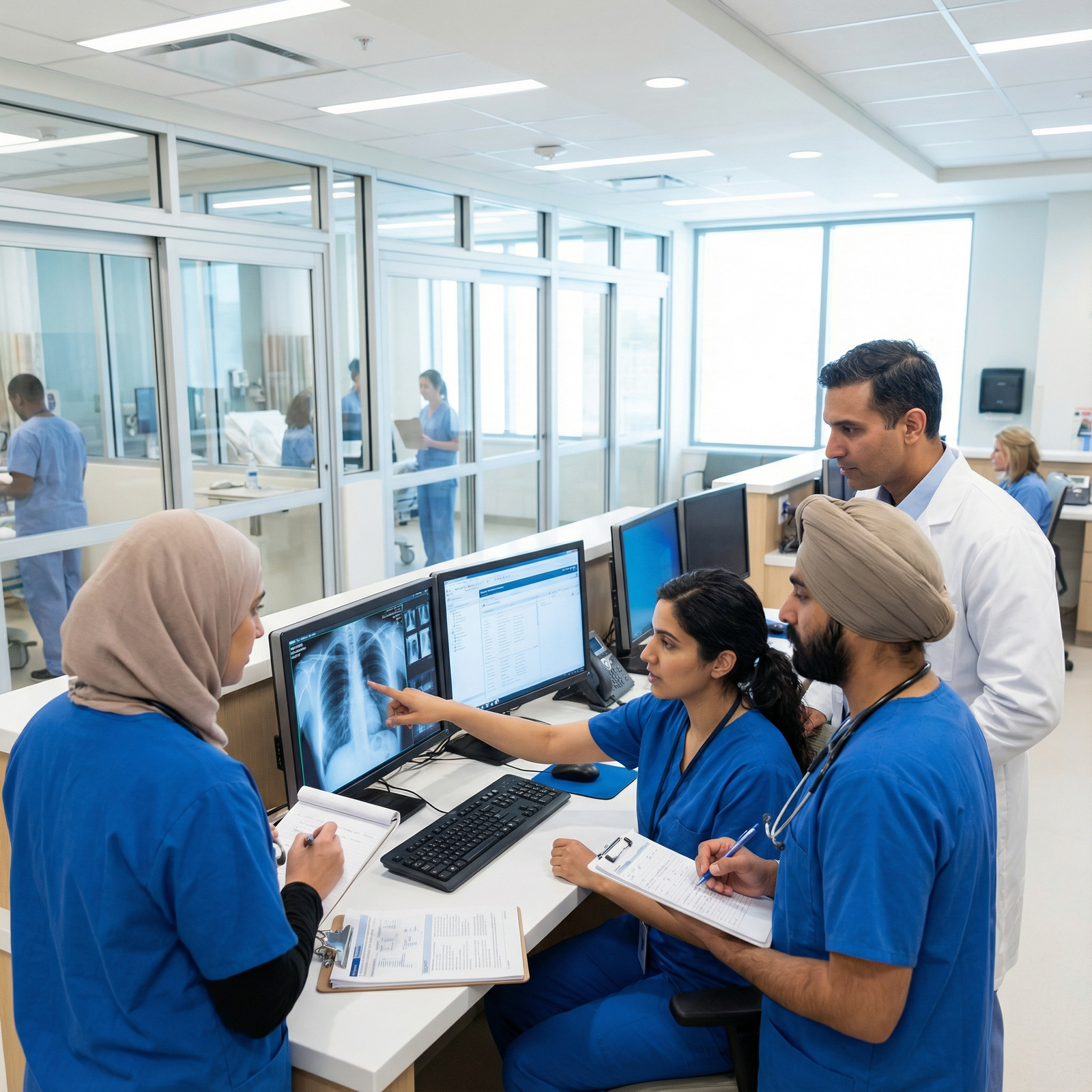
Introduction: Why the Preliminary Year Matters in Medical Training
For many future physicians, the path from medical school to independent practice includes an important but sometimes confusing step: the preliminary year. Whether you are planning to pursue neurology, dermatology, radiology, anesthesiology, PM&R, ophthalmology, or a surgical subspecialty, understanding this year is crucial to planning your residency training and long‑term healthcare career.
This guide explains what a preliminary year is, how it fits into U.S. graduate medical education, and how to get the most out of it. We’ll explore its purpose, structure, benefits, challenges, and real-world impact—with practical tips aimed at medical students and early residents looking to strengthen their clinical skills and position themselves for a successful match and beyond.
Understanding the Preliminary Year in Residency Training
What Is a Preliminary Year?
A preliminary year (often called a “prelim year” or “preliminary internship”) is a one‑year, non-categorical residency position that fulfills the first year of clinical training required before entering certain advanced specialty programs. It is most commonly completed in:
- Internal Medicine (Preliminary Medicine)
- General Surgery (Preliminary Surgery)
- Transitional Year (TY) – a broader, more flexible track, where available
Unlike a categorical residency (e.g., categorical Internal Medicine or categorical General Surgery), a preliminary year does not guarantee continuation in that specialty beyond the first year. Instead, it is designed to provide:
- Broad, supervised clinical exposure
- A foundation of core patient-care skills
- The required PGY‑1 training year for advanced positions (e.g., Neurology, Radiology, Anesthesiology, Dermatology, Ophthalmology, PM&R, Radiation Oncology)
Key Categories of Preliminary Years
From a residency application perspective, you’ll most often encounter three relevant PGY‑1 options:
1. Preliminary Medicine Year
A Preliminary Internal Medicine year typically includes:
- General inpatient Internal Medicine
- Subspecialty rotations (e.g., Cardiology, GI, Infectious Disease, Pulmonology)
- Night float or call shifts
- Possible electives in related areas (e.g., ICU, Emergency Medicine)
This track is popular among applicants planning to enter:
- Neurology
- Anesthesiology
- Radiology (Diagnostic or Interventional)
- Radiation Oncology
- PM&R
- Certain subspecialty fellowships after IM
You’ll gain strong skills in:
- Managing complex adult inpatients
- Interpreting labs and imaging
- Coordinating multidisciplinary care
- Communicating with consultants and families
2. Preliminary Surgical Year
A Preliminary Surgery year focuses on:
- Inpatient surgical services (e.g., General Surgery, Trauma, Surgical Oncology)
- Assisting in the operating room
- Pre- and postoperative care
- Frequent call or night float schedules
This is most relevant for those aiming for:
- Categorical General Surgery (if using the year to reapply)
- Surgical subspecialties (e.g., Urology, Neurosurgery, Orthopedics, ENT, Plastic Surgery)
- Occasionally as a stepping stone for applicants regrouping after a non-match
You’ll develop:
- Comfort with perioperative management
- Basic procedural and technical skills
- Familiarity with OR workflow, sterile technique, and surgical emergencies
3. Transitional Year (TY) Programs
Though not always formally branded as “preliminary,” Transitional Year programs serve a similar purpose and are highly sought after for their:
- Broader rotation mix (Internal Medicine, Surgery, Emergency Medicine, electives)
- Often more flexible and sometimes lighter call structure
- Opportunities to tailor rotations to your eventual specialty interests
These are common for fields like:
- Diagnostic Radiology
- Radiation Oncology
- Dermatology
- Ophthalmology
- Anesthesiology (depending on program requirements)
Transitional Years can be highly competitive, so strategizing early during the residency application process is essential.
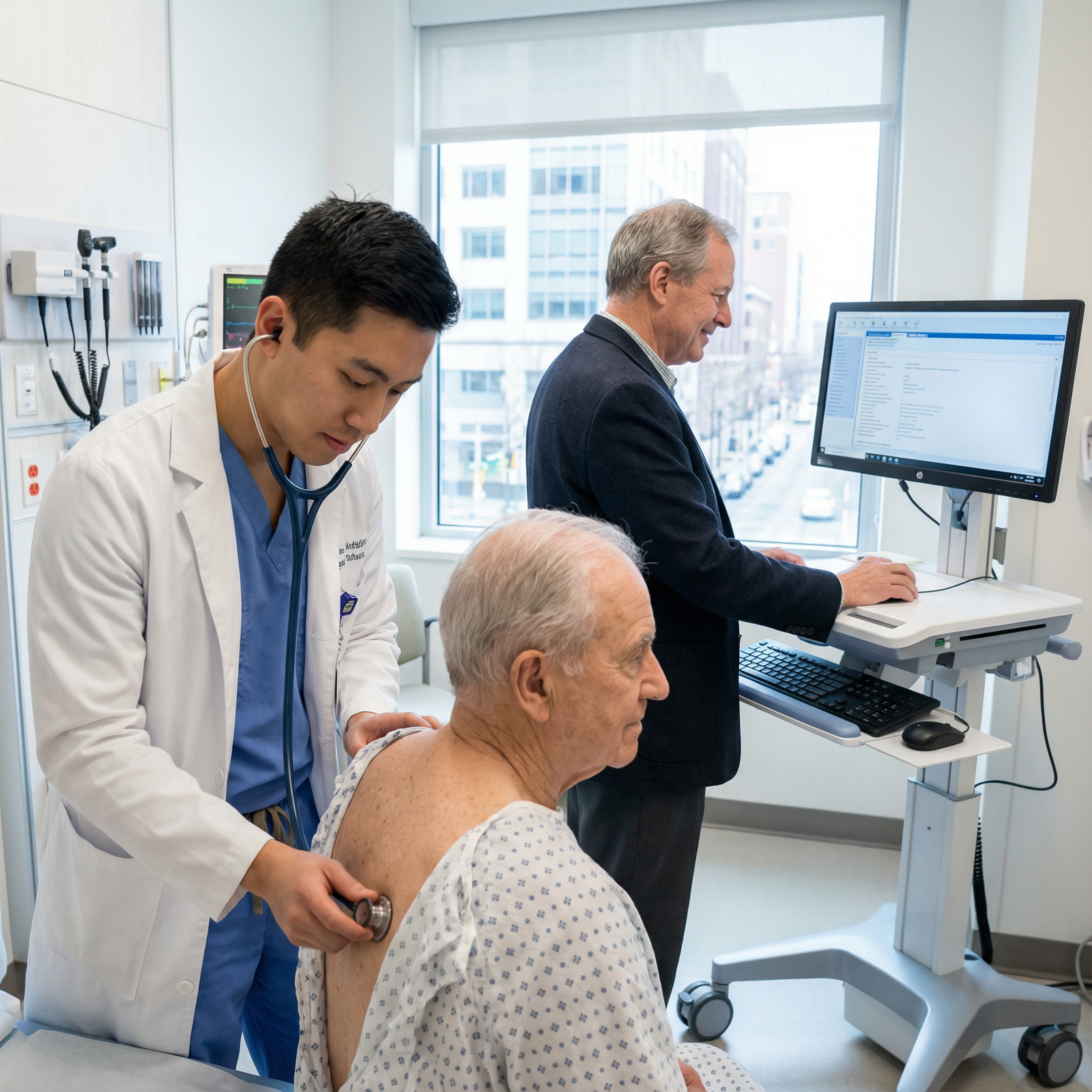
Core Purposes and Benefits of the Preliminary Year
1. Broad Exposure to Clinical Medicine
The preliminary year is often your first sustained period of responsibility for real patients. This exposure is crucial for:
- Understanding the inpatient system: admissions, discharges, consults
- Seeing a high volume of common and rare conditions
- Developing a sense of what type of patients and workflow you enjoy
For students who feel uncertain about their final specialty choice, this can be eye-opening. Even if you are already committed to an advanced specialty, seeing diverse pathology will make you a more well-rounded physician.
Actionable Tip:
Keep a running list of “interesting cases” and what you learned from them. This helps with:
- Personal statement writing
- Future fellowship or job interviews
- Clinical reasoning growth and pattern recognition
2. Intensive Development of Clinical Skills
Regardless of your eventual specialty, your preliminary year is where core clinical skills are stress-tested and refined:
- History-taking and physical exam under time pressure
- Formulating assessment and plan independently, then reviewing with seniors
- Writing concise, accurate notes and discharge summaries
- Calling consults and handoffs efficiently and professionally
- Managing acute changes in patient status (e.g., sepsis, chest pain, delirium)
These are foundational for:
- Neurologists interpreting systemic issues in stroke patients
- Radiologists understanding the clinical question behind each scan
- Anesthesiologists optimizing perioperative risk
- Dermatologists recognizing systemic disease presenting in the skin
Actionable Tip:
At the start of each rotation, identify 1–2 concrete skills to improve (e.g., “master managing DKA,” “improve cross-cover handoff quality”) and ask your senior or attending to give you specific feedback on those items.
3. Building Clinical Confidence and Professional Identity
The shift from student to resident is dramatic. The preliminary year helps you:
- Learn what it feels like to be the first person called for a problem
- Practice clinical decision-making with backup, rather than as an observer
- Build your identity as a physician, not just a trainee
Over time, you’ll notice that situations which initially felt overwhelming become routine. This confidence is crucial when you transition into your advanced program, where expectations may be higher and orientation shorter.
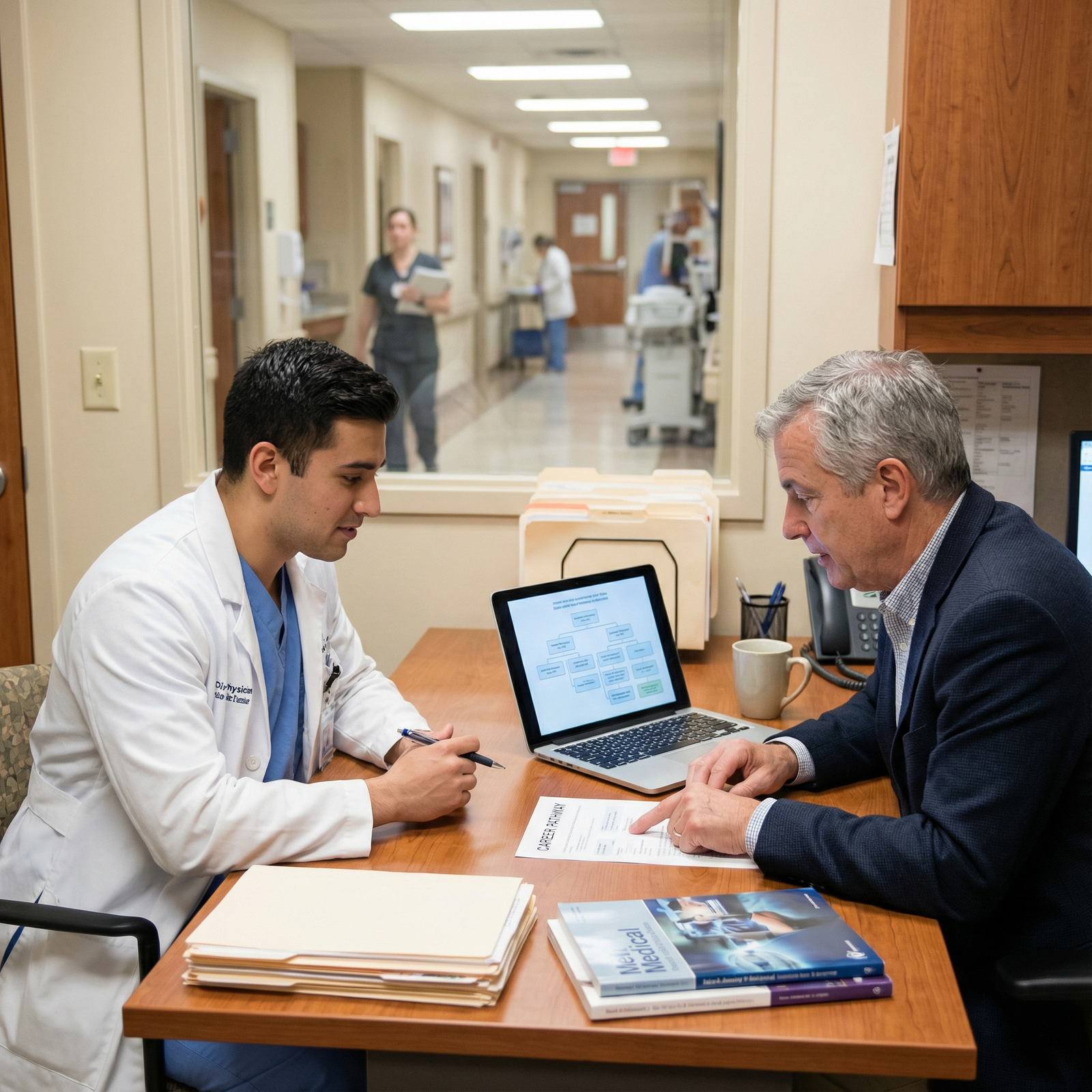
4. Networking and Mentorship for Your Healthcare Career
The relationships you build during your preliminary year can meaningfully impact your long-term career trajectory:
- Attending physicians who can write strong letters of recommendation
- Fellows who may help you explore subspecialties or research projects
- Co-residents who become future collaborators and referral sources
These mentorship and peer networks can help with:
- Fellowship applications
- Job opportunities
- Research and scholarly activity
- Emotional support and work–life balance strategies
Actionable Tip:
Identify at least two potential mentors by the midpoint of the year—ideally one in your eventual specialty area and one in general medicine or surgery. Schedule brief meetings to discuss your goals and ask how to best leverage the remainder of your preliminary year.
5. A Structured Transition from Medical School to Residency Training
The preliminary year acts as a bridging phase between the relative structure and protection of medical school and the increasing responsibility of advanced residency training:
- You are supervised, but you are also truly responsible for patient care.
- You’re learning to balance clinical duties with exams (e.g., Step 3), research, and personal life.
- You experience the culture, hierarchy, and workflow of clinical teams.
This transitional environment lets you practice:
- Time management under real constraints
- Setting boundaries and self-advocacy
- Using institutional wellness and support resources effectively
Structure and Day-to-Day Realities of a Preliminary Year
Duration and Basic Requirements
Most preliminary programs:
- Last 12 months (PGY‑1)
- Are accredited by the ACGME
- Include a minimum number of months in core disciplines as specified by specialty requirements
- Require participation in didactics, morbidity & mortality conferences, and other educational activities
You will typically:
- Work 60–80 hours/week (depending on specialty and institution)
- Take night float or overnight call
- Have 3–4 weeks of vacation spread throughout the year
Common Rotations and Experiences
While specifics vary across institutions, a typical preliminary Internal Medicine schedule might include:
- 4–6 months of general inpatient wards
- 1–2 months of ICU
- 1 month of Emergency Medicine
- 1–2 months of subspecialty consult services
- 1–2 months of electives (depending on program)
A preliminary Surgery schedule might include:
- 6–8 months of General Surgery or subspecialty services
- 1–2 months of ICU/Trauma
- 1 month of Emergency Medicine or Night Float
- Limited elective time (often less than IM or TY)
Regardless of track, you can expect to:
- Admit and manage your own cohort of patients
- Present on rounds daily
- Participate in bedside procedures when applicable
- Attend didactics and simulation sessions
- Participate in quality improvement or patient safety projects
Supervision, Feedback, and Evaluation
Throughout the year, you will be supervised by:
- Attending physicians
- Senior residents or fellows
- Interdisciplinary team members (e.g., pharmacists, APPs)
Your performance is typically assessed based on:
- Clinical reasoning and medical knowledge
- History and physical exam skills
- Professionalism and reliability
- Teamwork and communication
- Responsiveness to feedback and ability to improve
Evaluations may influence:
- Renewal of contracts (for certain prelim positions)
- Letters of recommendation for your advanced specialty
- Competency milestones reported to accrediting bodies
Actionable Tip:
Ask to review your mid-rotation or mid-year evaluations and request specific, behavior-based suggestions you can implement in the next block (e.g., “structure your presentations using problem-based format,” “call consultants earlier in the day”).
How the Preliminary Year Shapes Your Future Residency Training
Informing or Confirming Specialty Choice
Even applicants who believe they are “100% certain” about a specialty can shift their plans once exposed to day-to-day realities:
- Some discover they love inpatient medicine more than expected and switch to categorical Internal Medicine.
- Others realize they crave procedures and may pursue a surgical path.
- Still others confirm their passion for their advanced specialty, now informed by broader clinical context.
If you are uncertain, a prelim year can function as a built-in exploration period—but be proactive:
- Seek electives in fields you are considering.
- Meet with program leadership early if you think you may want to switch tracks.
- Keep your ERAS application materials updated and gather new letters.
Building a Strong Clinical Foundation for Any Specialty
Your preliminary training will support your advanced program in direct and subtle ways:
- Neurologists interpreting systemic contributors to neurologic disease
- Radiologists correlating imaging with clinical presentation and understanding urgency
- Dermatologists recognizing drug eruptions and systemic manifestations
- Anesthesiologists managing complex comorbidities in the perioperative period
Program directors often value candidates who have:
- Completed a demanding preliminary year successfully
- Demonstrated reliability and strong work ethic
- Earned positive evaluations in high-acuity rotations (ICU, ED, Night Float)
Enhancing Professionalism, Leadership, and Teamwork
Preliminary years are formative for your professional identity:
- You learn how to lead a team of students and coordinate multidisciplinary care.
- You gain experience managing conflict, communicating with families, and handling difficult conversations (e.g., goals of care).
- You begin to see yourself as a future attending, not just a learner.
These attributes are crucial during advanced residency and beyond, particularly when supervising others or leading quality improvement initiatives.
Common Challenges During the Preliminary Year and How to Manage Them
1. Stress, Fatigue, and Burnout
Factors contributing to burnout include:
- Long hours and frequent call
- Emotional strain from caring for very ill or dying patients
- Steep learning curve and fear of making mistakes
Strategies to Cope:
- Use institutional wellness resources (counseling, peer support groups)
- Protect at least one regular non-work activity (exercise, hobby, religious service)
- Develop micro-habits: short walks, hydration, brief mindfulness during breaks
- Normalize seeking help; speak to chief residents or program leadership early if struggling
2. Time Management and Workload Prioritization
You’ll juggle:
- Patient care tasks (notes, orders, follow-ups)
- Didactics and conferences
- Exam prep (e.g., USMLE/COMLEX Step 3)
- Personal obligations
Practical Tips:
- Start each day with a to-do list organized by urgency and importance.
- Learn efficient note templates that emphasize clear assessment and plan.
- Batch tasks when possible (e.g., call several consultants in one block of time).
- Use sign-out tools effectively to minimize overnight pages for non-urgent issues.
3. Navigating Hierarchy and Team Dynamics
The hierarchy in medical training can feel intimidating:
- Interactions with attendings, fellows, nurses, and consultants require diplomacy.
- It may be hard to speak up when you’re uncertain or disagree.
Skills to Develop:
- Use structured communication (e.g., SBAR) when calling consults or reporting issues.
- Ask clarifying questions respectfully: “Can you help me understand the rationale for…?”
- Recognize that psychological safety improves patient care—your input matters.
4. Balancing Your Preliminary Year with Future Plans
Many preliminary residents are also:
- Finalizing their advanced match (for those in separate match processes)
- Completing Step 3 or other licensing exams
- Preparing fellowship applications or research projects
Actionable Strategies:
- Set a realistic exam timeline with your program’s chief residents or advisors.
- Use lighter rotations (if available) to focus on research or application writing.
- Communicate transparently with mentors about your career goals and timeline.
Real-World Experiences: How a Preliminary Year Shapes Careers
Case Study 1: Sarah – From Preliminary Surgery to Orthopedic Residency
Sarah started a Preliminary Surgical Year aiming for Orthopedics. Her schedule included:
- Trauma Surgery
- General Surgery
- Orthopedic consult coverage
- ICU
Through intensive OR exposure and late-night trauma cases, Sarah:
- Developed technical confidence with basic procedures
- Learned to manage hemodynamically unstable patients
- Built strong relationships with orthopedic faculty
Her performance during the prelim year, coupled with strong letters and a clear growth narrative, helped her successfully match into a competitive Orthopedic Surgery residency on her second application cycle.
Case Study 2: Mark – Discovering a Passion for Internal Medicine
Mark entered a Preliminary Medicine year still leaning toward Pediatrics. Rotations in:
- General Medicine
- Cardiology
- Infectious Diseases
exposed him to complex adult pathology and longitudinal care of chronic disease. Key turning points:
- A mentor on Cardiology rounds who involved him deeply in decision-making
- Satisfaction from managing multi-morbidity and complex pharmacotherapy
- Realization that he enjoyed adult inpatient and outpatient continuity
By mid-year, Mark shifted his plan, applied to categorical Internal Medicine, and leveraged internal letters and strong evaluations to secure an IM residency spot. His prelim year became the launchpad for a career he had not initially imagined.
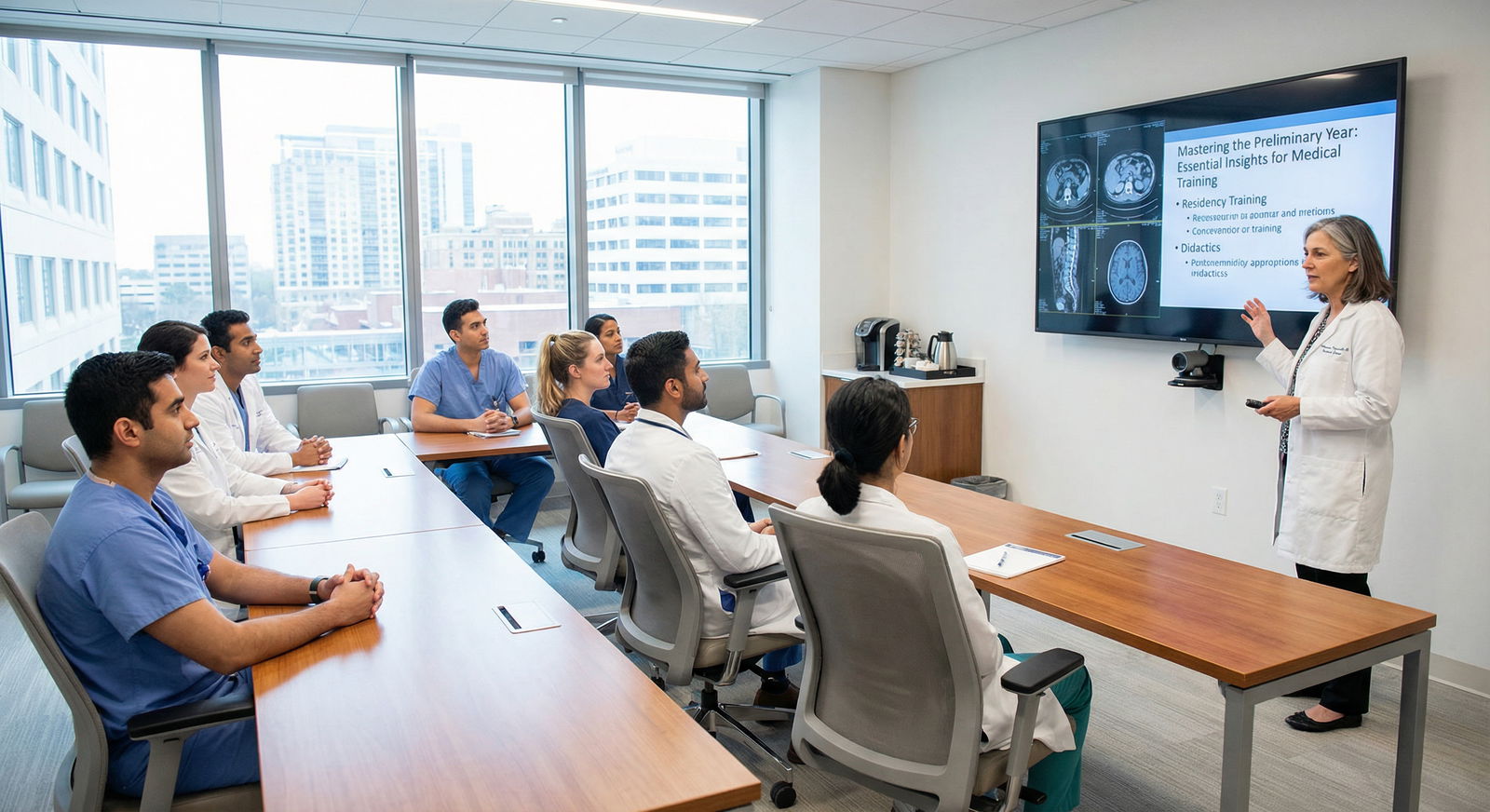
Frequently Asked Questions About the Preliminary Year
1. What is the typical length of a preliminary year in medical training?
A preliminary year is almost always 12 months of full-time clinical residency training (PGY‑1). It usually starts in late June or early July and ends the following June. During this period, residents:
- Complete a series of 4–8 week rotations
- Participate in call or night float
- Attend required didactics and conferences
Completion of this year may fulfill the PGY‑1 requirement for many advanced residency training programs (e.g., Neurology, Radiology, Anesthesiology, Dermatology).
2. How does a preliminary year differ from a categorical residency position?
Key differences include:
Duration & Guarantee:
- Preliminary: 1 year only; no guarantee of continuation in that specialty.
- Categorical: Full-length program (3–7 years, depending on specialty), culminating in board eligibility.
Purpose:
- Preliminary: Often serves as a required clinical base year before an advanced specialty or as an interim year while reapplying.
- Categorical: Designed to train you completely in one specialty (e.g., Internal Medicine, Pediatrics).
Long-term Relationship with Program:
- Preliminary: Short-term; less continuity with faculty and patients after the year ends.
- Categorical: Multiple years of continuity and opportunity for leadership roles within the program.
3. Can a preliminary year change or influence my choice of residency specialty?
Yes. Many residents find that the realities of daily practice shape or refine their career plans:
- Some switch from a planned advanced specialty to categorical training in Medicine or Surgery.
- Others confirm their original interest but develop more nuanced preferences (e.g., choosing a subspecialty later).
- A strong performance in your prelim year can help when reapplying to a different specialty or a more competitive program.
If you are considering a change:
- Talk early with program leadership and the GME office.
- Seek rotations in the field you are exploring.
- Request updated letters of recommendation that reflect your growth and current goals.
4. What support systems are available for residents during their preliminary year?
Most institutions recognize the stress of early residency and offer multiple layers of support:
- Faculty mentorship and formal advising
- Chief residents who can help with scheduling, conflict resolution, and career planning
- Wellness programs, including counseling services, peer support groups, and resilience workshops
- Employee assistance programs (EAPs) for confidential mental health support
- GME office resources for policy, remediation, or leave-related issues
Residents are strongly encouraged to use these resources early, before stress becomes unmanageable.
5. What key skills should I focus on developing during my preliminary year?
Regardless of your final specialty, emphasize:
- Core clinical skills: History, physical examination, differential diagnosis, and management plans
- Acute care competence: Recognizing and stabilizing decompensating patients
- Communication: Clear handoffs, consult calls, and family updates
- Professionalism: Reliability, punctuality, integrity, and respectful behavior
- Teamwork: Collaborating effectively with nurses, pharmacists, therapists, and other physicians
- Self-directed learning: Identifying your knowledge gaps and systematically closing them
Intentionally cultivating these skills will not only help you thrive during your preliminary year, but also set you up for success in your advanced residency training and long-term healthcare career.
By understanding the structure, opportunities, and challenges of the preliminary year—and approaching it with clear goals and intentional strategies—you can transform this transitional year into a powerful foundation for your future as a physician.