
What if your “no-name” prelim program quietly kills your chances at a competitive advanced spot later—and no one tells you until it’s too late?
Let’s talk about that, because I know exactly how that spiral goes:
“I only got interviews from community prelim medicine programs, not the big academic names.”
“My advanced program list is ambitious—will they judge me for doing intern year at Some Regional Medical Center instead of Big Name University?”
“Are people going to see my ERAS and immediately think: couldn’t match anywhere better, must be weak?”
You start wondering if you should scramble for ANY categorical spot. Or reapply. Or take a research year. Or basically rebuild your whole life because your prelim doesn’t have ‘Hospital of the Famous’ in its name.
Let me be blunt: prestige matters less here than you think, and the things that actually matter are probably not what you’re stressing about at 2 a.m.
But there are ways a prelim year can hurt you. Just not usually the way your anxiety is telling you.
First: What Even Is a Prelim Year (And Why Does It Feel Like a Trap)?
A preliminary year is a 1-year residency position, usually in internal medicine, surgery, or transitional year, that’s separate from the rest of your residency training.
You do it when:
- You’re going into an advanced specialty (like radiology, anesthesia, derm, PM&R, neuro, ophtho, rad onc) that starts at PGY-2
- Or you didn’t match categorical and took a prelim to stay in the game, get experience, and reapply

| Step | Description |
|---|---|
| Step 1 | Med School |
| Step 2 | Prelim Year PGY1 |
| Step 3 | Advanced Residency PGY2 |
| Step 4 | Fellowship or Practice |
Here’s where the fear kicks in. You imagine program directors sitting around a table like:
“Prelim at Mayo? Great.”
“Prelim at ‘Community Hospital I’ve Never Heard Of’? Meh, pass.”
That’s not how it usually works.
For most advanced specialties, the prelim year is:
- A box that must be checked
- A year to not implode, not get written up, and hopefully get strong clinical letters
- A place to show you can function as an actual doctor, not just a Step score
The name on the badge? Honestly, it’s secondary.
Unless:
- The program is so disorganized you’re drowning in work with no support
- You get terrible evaluations
- You have no time or opportunity to build relationships or get letters
- Or it has an awful reputation in the region/specialty you’re applying into
So yes, the prelim year matters. But not as “prestige branding.” More as: does this place let you become a competent, sane PGY-1 who can then move on?
How Much Do Advanced Programs Actually Care Where Your Prelim Is?
Here’s the thing nobody tells you directly: advanced programs care way more about who you are as an applicant before the prelim plus how you perform in that prelim, not what logo is on your white coat.
Your “competitiveness” for an advanced spot is built mainly from:
- Med school record (grades, class rank if applicable, AOA, etc.)
- Step scores or pass/fail performance + narrative comments
- Research in that specialty (especially for derm, rad onc, ophtho, some neuro and PM&R spots)
- Letters of recommendation—from their people or respected names in the field
- Fit, personality, interview, personal statement, and story
The prelim year sits on top of that. It can help or hurt. But it’s rarely the star of the show.

When prestige really matters for a prelim
It matters more when:
- You’re applying to the most cutthroat specialties (derm, plastics, neurosurgery-level competitiveness)
- You’re trying to break into a very academic niche (like physician-scientist track, heavy research departments)
- You’re relying on big-name letters to rescue a weaker Step/med school record
But even there, a “less famous” prelim can still work if:
- You get outstanding letters from people who are respected, even if not at mega-brand institutions
- You crush the year (strong evals, trusted with responsibility, known as reliable and sharp)
- You did most of your heavy academic lifting before intern year and you’re just not blowing it now
For radiology, anesthesia, PM&R, and most neurology? A solid, workmanlike prelim is totally fine. They want someone stable, not someone who matched a glam TY and coasted.
The Real Nightmares: How a Bad Prelim Fit Can Hurt You
Here’s where your anxiety is right to be on guard—but for different reasons.
Your worst-case scenario is not: “My prelim is at a mid-tier community hospital.”
It’s: “My prelim sets me up to fail.”
These are the real problems:
You’re so overworked you can’t function
Constant Q3 call, 80+ hours (or more, if they actually lie about reporting), no support, constant fear of making dangerous mistakes. You don’t sleep, you’re behind on notes, constantly scrambling.
Result? Weak evaluations, burned-out demeanor, maybe even professionalism flags.No mentorship, no letters, no advocacy
Small program, attendings don’t care, no one knows your name. You finish the year and your LORs are all: “They did their job.”
Translation for PDs: forgettable. Nothing special.Toxic culture
Residents thrown under the bus, attendings humiliate you in front of patients, any mistake is a federal case. You’re too scared to ask questions, and that shows.
You don’t grow—you just survive.No track record with your target advanced specialty
Example: You want PM&R. Your prelim IM program has literally never sent anyone into PM&R, no PM&R connections, no idea how to help.
Not impossible, but it means you’re building from scratch with no built-in network.
None of these things has anything to do with prestige. I’ve seen benign, “average” community programs with incredible teaching and culture. I’ve also seen fancy “top” institutions where prelims are treated like disposable labor.
Does a Community Prelim Close Doors? Let’s Be Specific.
Let’s say you’re staring at this choice:
- Transitional year at “MidState Community Hospital”
- Prelim medicine at “Famous Academic University Hospital”
- You’re going into radiology
| Factor | Community TY | Academic Prelim IM |
|---|---|---|
| Prestige signal | Lower | Higher |
| Workload | Often lighter | Often heavier |
| Research access | Limited | Stronger |
| Letters from big names | Less likely | More likely |
| Quality of life | Often better | Often worse |
If you already have:
- Good scores
- Research in radiology
- Strong letters from med school radiology faculty
Then the community TY may actually be better for you. Why?
Because your main job is not to impress anyone brand new—it’s to not burn out, not get in trouble, and show you can be a normal functioning doctor so you can start PGY-2 radiology relatively intact.
On the other hand, if you:
- Are applying after not matching advanced on the first cycle
- Don’t have strong specialty letters yet
- Need time and support to rebuild your file
Then the academic prelim could be more helpful, even if it’s brutal, if they have a history of helping prelims match advanced spots.
“Prestige” alone is too shallow a metric. You want:
- A program that’s not malignant
- Enough structure and reputation that your letters carry some weight
- A PD who will advocate for you if needed
Those can exist in both community and academic spaces.
What Programs Actually Look For From Your Prelim Year
Here’s what PDs actually care about from that year, based on what I’ve heard them say outright in committee meetings:
Did you show up and do the work?
No disappearing acts, no unexcused absences, no chronic lateness.Can you be trusted with patients?
Did people mention your judgment, reliability, ability to ask for help when appropriate?How are your interpersonal skills?
Are nurses complaining about you? Did multiple letters say “team player” and actually mean it?Any big red flags?
Remediations, unprofessional behavior, patient safety concerns, probation, or vague hints like “we had some challenges that we discussed with the resident.”Letters that actually say something
“Hardworking, self-directed, humble, careful with details, excellent communication” beats “pleasant and punctual” every time.
No one is sitting there comparing: “Hmm, this prelim is at Hospital Ranked #32 versus Hospital Ranked #78.” That level of obsessing is… that’s an applicant brain thing, not a PD thing.
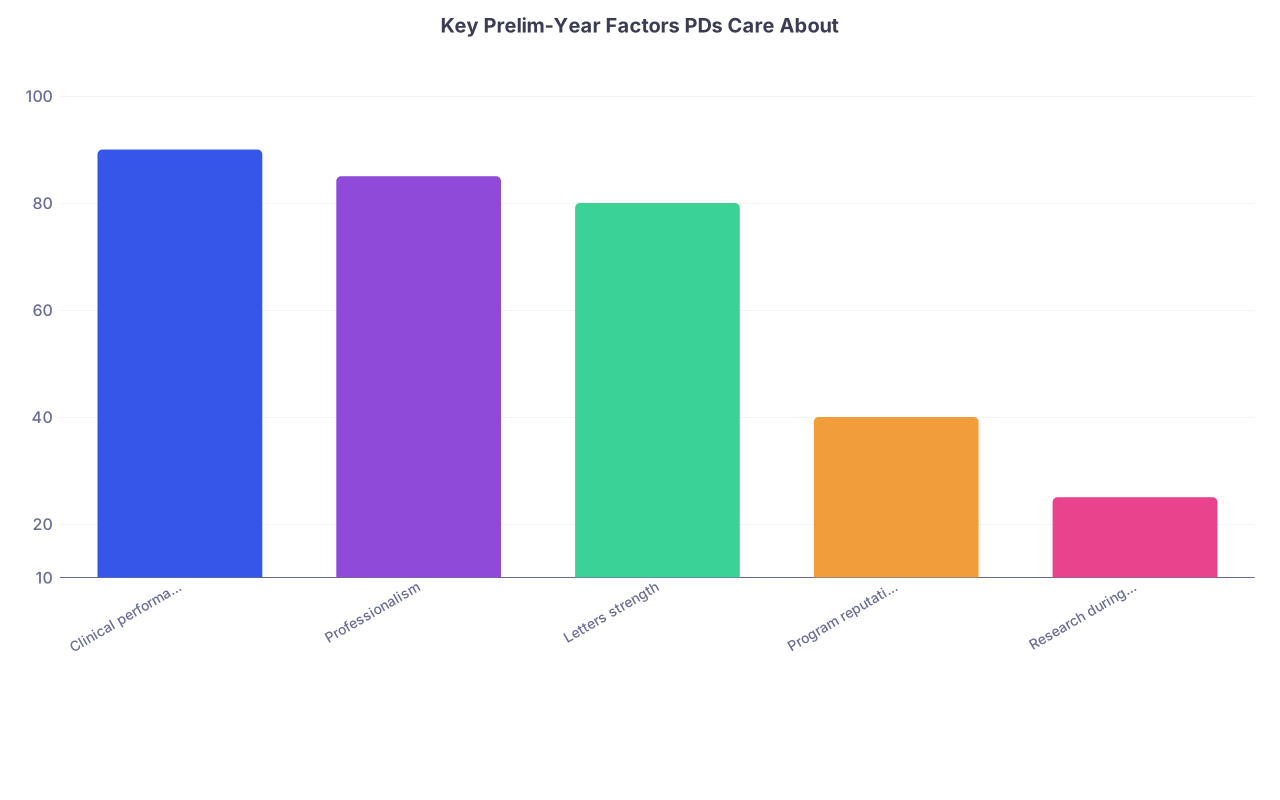
| Category | Value |
|---|---|
| Clinical performance | 90 |
| Professionalism | 85 |
| Letters strength | 80 |
| Program reputation | 40 |
| Research during prelim | 25 |
Look at that distribution in your head: program reputation exists, sure, but it’s not the star. You are.
The Quiet Upsides of a “Non-Prestigious” Prelim
You know what applicants rarely admit out loud? Sometimes the “average” program is the better life.
You might get:
- Attendings who actually know you and care about you as a human
- Co-residents who aren’t in constant competition mode
- Reasonable call schedules that let you sleep, eat, and function
- More hands-on responsibility instead of just scut work
That last one matters. I’ve seen people from big-name prelims who spent a year writing notes and clicking orders in the shadows, never really owned patients. They hit PGY-2 in their advanced field and felt oddly hollow clinically.
At many community prelims, you actually practice medicine. You’re the one getting called. You’re the one making decisions (with supervision). You come out strong.
And PDs notice that.
Red Flags That Matter More Than “Is This Program Famous?”
If you’re still choosing a prelim or deciding whether to rank a “less prestigious” place high, worry about these things instead:
- Residents say: “We’re just bodies to fill the schedule.”
- Nobody can explain who supports prelims in applying to advanced positions.
- They have frequent resignations or people transferring out.
- PGY-1 schedules look like a punishment, not training.
- Leadership seems disorganized, evasive, or dismissive when you ask specific questions.
Those are the things that wreck people. Not the absence of a shiny brand name.
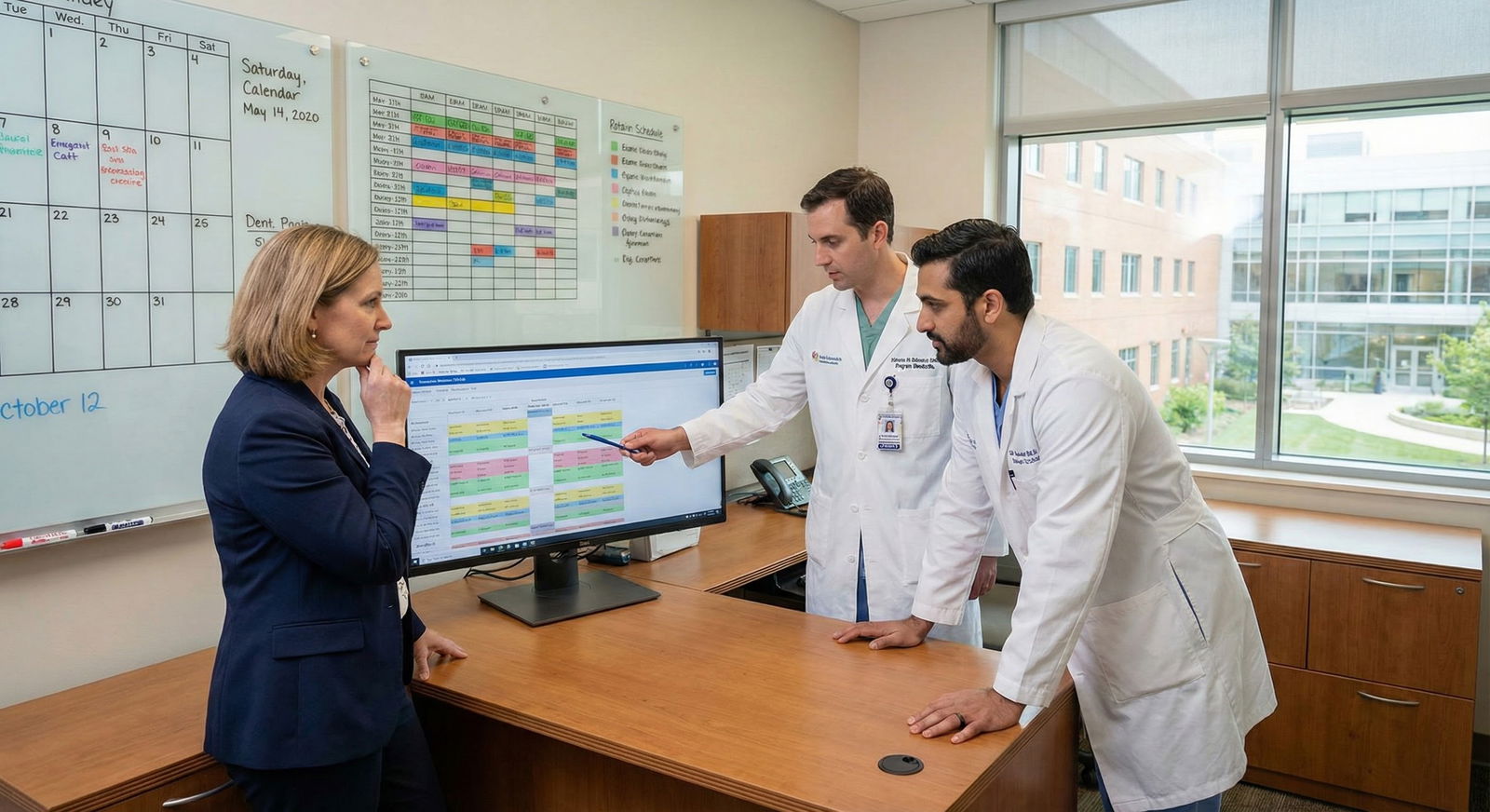
What If You Already Matched a Non-Prestigious Prelim and You’re Freaking Out?
Okay, here’s the part where your brain is screaming, “Too late, I’m stuck, I ruined my career, I should have done XYZ differently.”
Take a breath.
If you’ve already matched:
Accept that the match is binding.
You’re going there. The only question now is how you’ll use it.Start planning how to win at that program:
- Identify who might be your strongest potential letter writers
- Figure out which rotations will showcase your strengths
- Decide early that you’ll be the reliable one—notes done, calls answered, no drama
Reach back to your specialty mentors (from med school or elsewhere):
- Tell them where you matched for prelim and advanced (or that you’re reapplying)
- Ask how to maximize this year from their perspective
- Keep them updated—they can advocate for you when the time comes
Don’t let shame make you small.
The worst thing you can do is walk in already feeling “less than” because the hospital logo isn’t glamorous. Patients don’t care. Most colleagues don’t either. Show up like you belong—because you do.
Bottom Line: Does the Prestige of Your Prelim Really Matter?
Sometimes. But not in the exaggerated, career-ending way you’re picturing.
It matters IF:
- The program is toxic and tanks your performance or reputation
- You need high-power academic letters and the place just can’t provide that
- You’re aiming for ultra-competitive, research-heavy paths and this prelim gives you zero access to that world
It matters a lot less IF:
- You already have a strong application in your chosen specialty
- The program is solid, supportive, and lets you grow
- You come out of PGY-1 as a competent, well-reviewed, reliable physician
Most of the time, what you do in that year matters more than where you do it.
FAQ (Exactly 6 Questions)
1. Will a community prelim hurt my chances at matching a competitive advanced specialty (like radiology or anesthesia)?
Not automatically. If your underlying application (scores, med school performance, research, prior letters) is strong, a community prelim is usually fine. Advanced programs mainly want to see that you functioned well clinically, avoided red flags, and got solid evaluations and letters. If you crush your prelim year, they’ll notice that more than whether your badge said “Community” or “University.”
2. Do program directors think less of applicants who didn’t get a big-name prelim?
Not in the caricatured way applicants imagine. PDs know the prelim match is chaotic: geography, couples match, visa issues, timing, random luck. They’re not ranking you by how flashy your PGY-1 hospital is. They’re looking at how people at that program describe you: do they trust you, respect you, and want you back? If yes, that often outweighs any lack of prestige.
3. Is a transitional year (TY) better than a prelim medicine or surgery year?
“Better” depends on your plans. TYs often have lighter schedules and more electives, which can be amazing for quality of life and flexibility. But some advanced programs (especially those that value strong general medicine skills) like seeing a solid prelim IM year. For radiology and anesthesia, many PDs are fine with either, as long as you’re clinically competent and did not coast. A cushy TY where you learn almost nothing can backfire when you hit PGY-2 and feel lost.
4. Can I still get strong letters from a non-prestigious prelim program?
Yes—if you’re intentional. Make yourself known early, volunteer for responsibility (within reason), show up prepared, and ask for feedback. Attendings at community programs can write phenomenal, detailed letters that carry real weight because they’ve seen you actually manage sick patients, not just take notes in the background. A heartfelt, specific letter from “Dr. Smith at Regional Medical Center” often beats a vague, generic one from “Professor Famous at Elite Hospital.”
5. What if I want to reapply to a more competitive field after a prelim at a small hospital?
Then you need to be strategic. Keep or rebuild ties with academic mentors in the target specialty, even if they’re not at your prelim hospital. Use electives (if available) to do away rotations or short stints at institutions in that field. Make sure your prelim PD knows your plan and is on your side. A community prelim does not disqualify you—but you can’t just do the year passively and hope your file magically transforms.
6. I already matched a “low-tier” prelim and feel sick about it. What should I do today?
First, stop punishing yourself for something that’s already decided. Second, get proactive: email one mentor in your chosen specialty, tell them where you matched for prelim, and ask for one concrete piece of advice on how to turn that year into a strength. Then, look up your prelim program’s rotation schedule and identify the rotations most likely to generate strong letters. Your goal isn’t to glamorize the program; it’s to make sure you come out of it as the kind of resident advanced programs want.
Open your prelim program’s website right now and write down the names of three attendings or chiefs you want to impress next year. That’s where your energy should go—not into obsessing over how shiny the hospital’s name looks on paper.