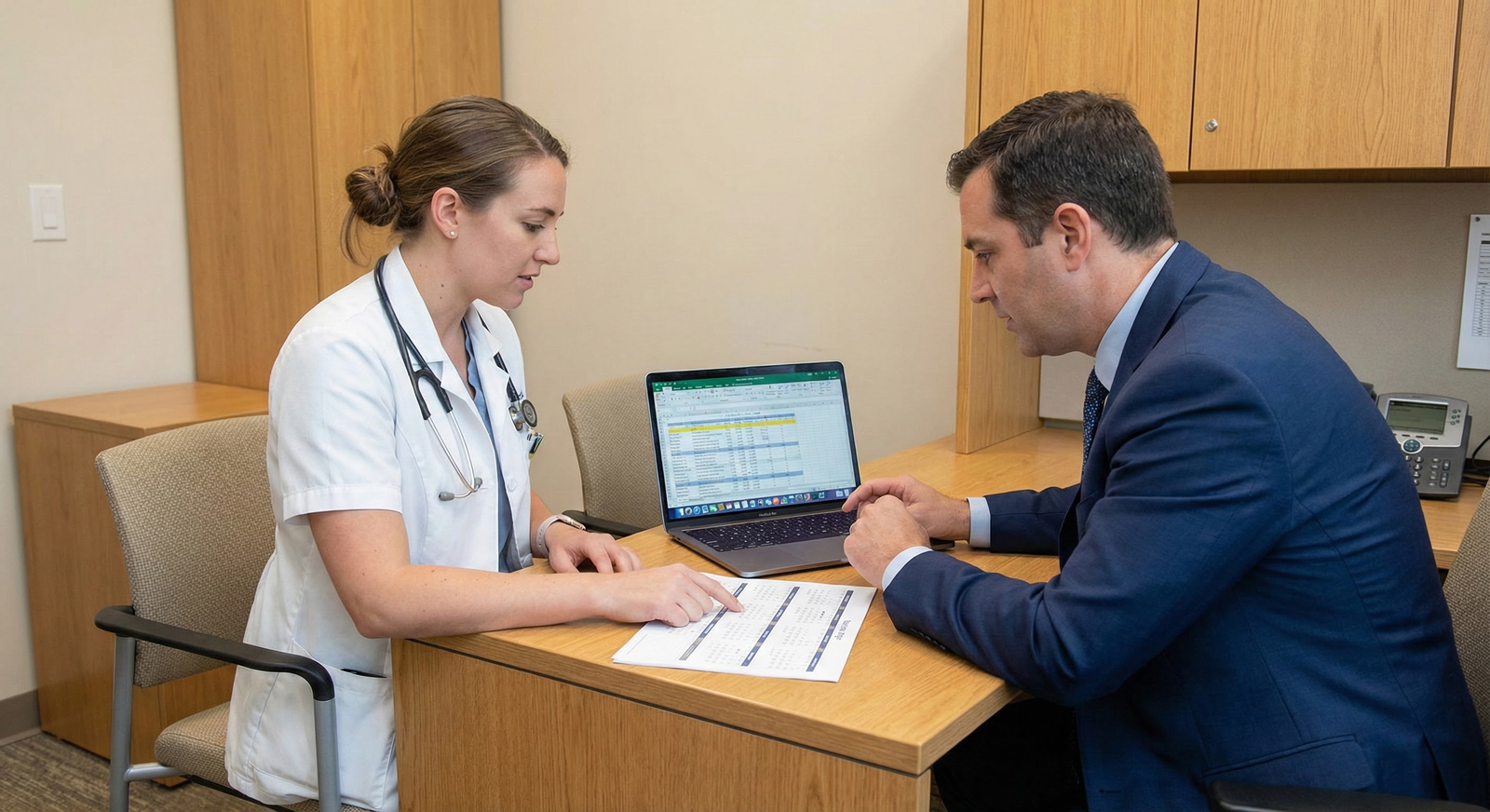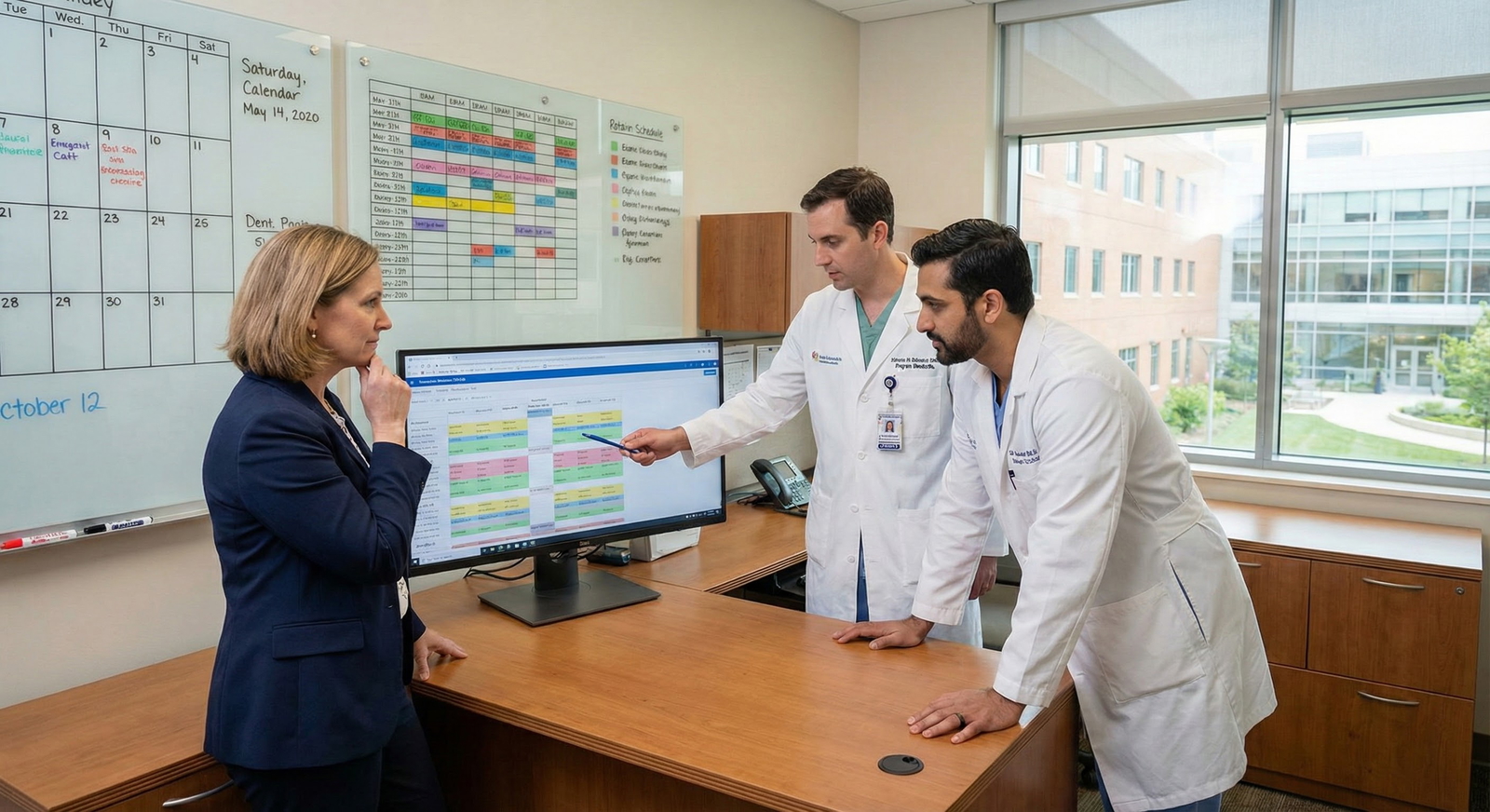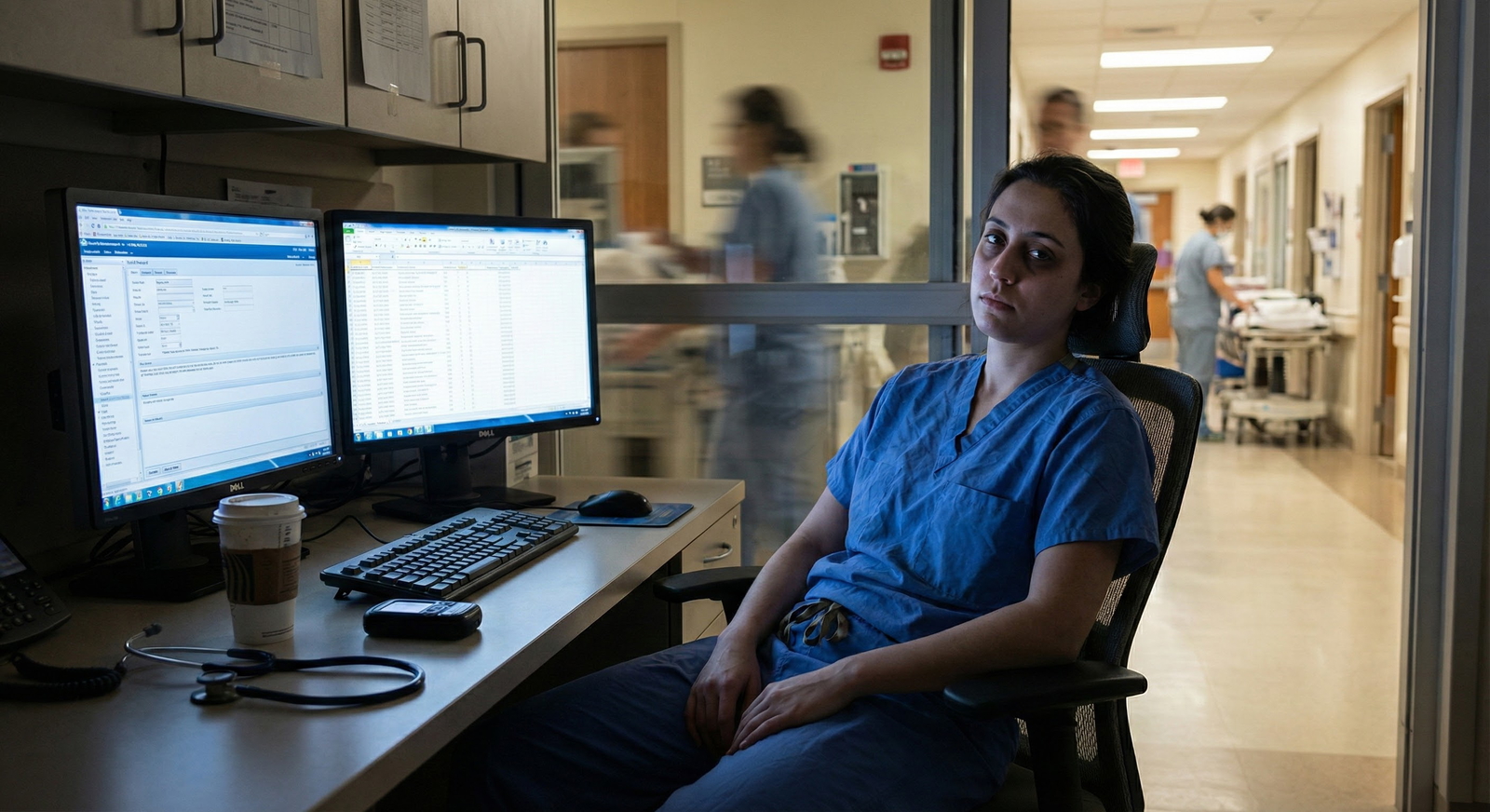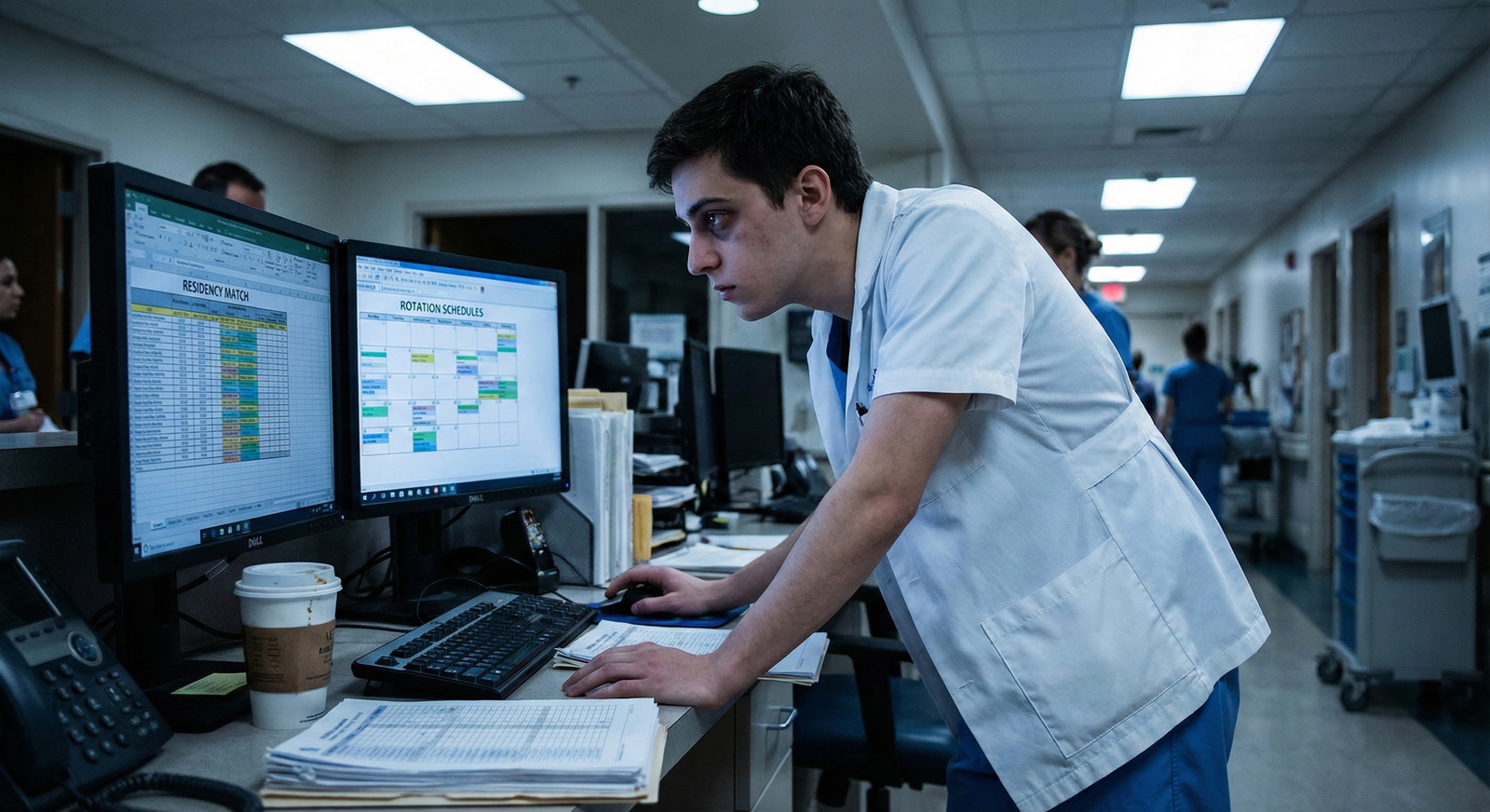
Introduction: Why the Preliminary Year Matters More Than You Think
The journey to becoming a physician is long, complex, and full of defining transitions. One of the most pivotal—and often misunderstood—phases is the preliminary year of residency training. Frequently overshadowed by more “prestigious” advanced specialties or the excitement of Match Day, this year quietly shapes clinical habits, professional identity, and long-term career satisfaction.
Whether you are applying to residency, already matched into an advanced program, or still exploring your options, understanding the role of the preliminary year in Medical Education can help you approach it strategically instead of just “getting through it.”
This guide explains:
- What a preliminary year is and how it differs from categorical training
- Typical structure, rotations, and expectations
- Key benefits for Clinical Skills and professional development
- Common challenges and how to manage them
- How this year informs Specialty Selection and future Residency Training
- Real examples of how the preliminary year has reshaped careers
By the end, you should be able to see the preliminary year not as a placeholder, but as a powerful foundation for whatever medical path you choose.
What Is a Preliminary Year in Residency Training?
In the context of U.S. graduate medical education, a preliminary year (often called “intern year” or PGY-1) is a one-year training program that provides broad-based clinical experience, typically in internal medicine, surgery, or a transitional year format.
Unlike a categorical residency, which is a full multi-year program in one specialty (e.g., categorical internal medicine, categorical pediatrics), a preliminary year:
- Lasts 12 months (PGY-1 only)
- May be followed by a separate, advanced residency (e.g., neurology, dermatology, ophthalmology, anesthesiology, radiology, PM&R)
- Is sometimes completed at a different institution from your advanced program
- May be required or strongly preferred by certain specialties
Types of Preliminary Year Programs
Most preliminary programs fall into one of these structures:
Preliminary Internal Medicine Year
- Heavy focus on inpatient medicine
- Rotations may include general wards, ICU, cardiology, oncology, night float
- Common for future neurologists, ophthalmologists, dermatologists, radiologists, and some subspecialties
Preliminary Surgery Year
- Primarily inpatient surgical services
- Exposure to general surgery, trauma, surgical ICU, and subspecialty services
- Common for future urologists, neurosurgeons (in some pathways), and some competitive surgical fields
Transitional Year (TY)
- Broader mix of rotations across internal medicine, emergency medicine, ambulatory care, electives, and sometimes limited surgery
- Often considered more flexible and “well-rounded,” with more elective time
- Popular among applicants who value variety, lifestyle balance, or targeted preparation for a specific advanced specialty (e.g., radiology, anesthesia, dermatology)
Regardless of format, the core purpose is the same: to consolidate medical school knowledge, solidify fundamental clinical skills, and transition from student to practicing physician-in-training.
Structure and Objectives of the Preliminary Year
Typical Rotation Structure
While programs vary, a typical preliminary year might include:
Inpatient Internal Medicine Wards
Managing common conditions like heart failure, COPD, pneumonia, sepsis, and diabetes; coordinating multidisciplinary care.Intensive Care Unit (ICU)
Exposure to critical care—ventilator management, hemodynamic support, complex decision-making.Emergency Medicine
Acute presentations, triage decisions, rapid assessment, and stabilization.Surgery and Surgical Subspecialties (especially in prelim surgery/TY) Pre-op and post-op care, basic procedures, OR exposure, surgical consults.
Ambulatory / Continuity Clinics
Outpatient medicine, chronic disease management, preventive care, longitudinal relationships.Electives
Specialty-focused experiences tailored to career interests—neurology, anesthesia, radiology, cardiology, dermatology clinics, palliative care, etc.
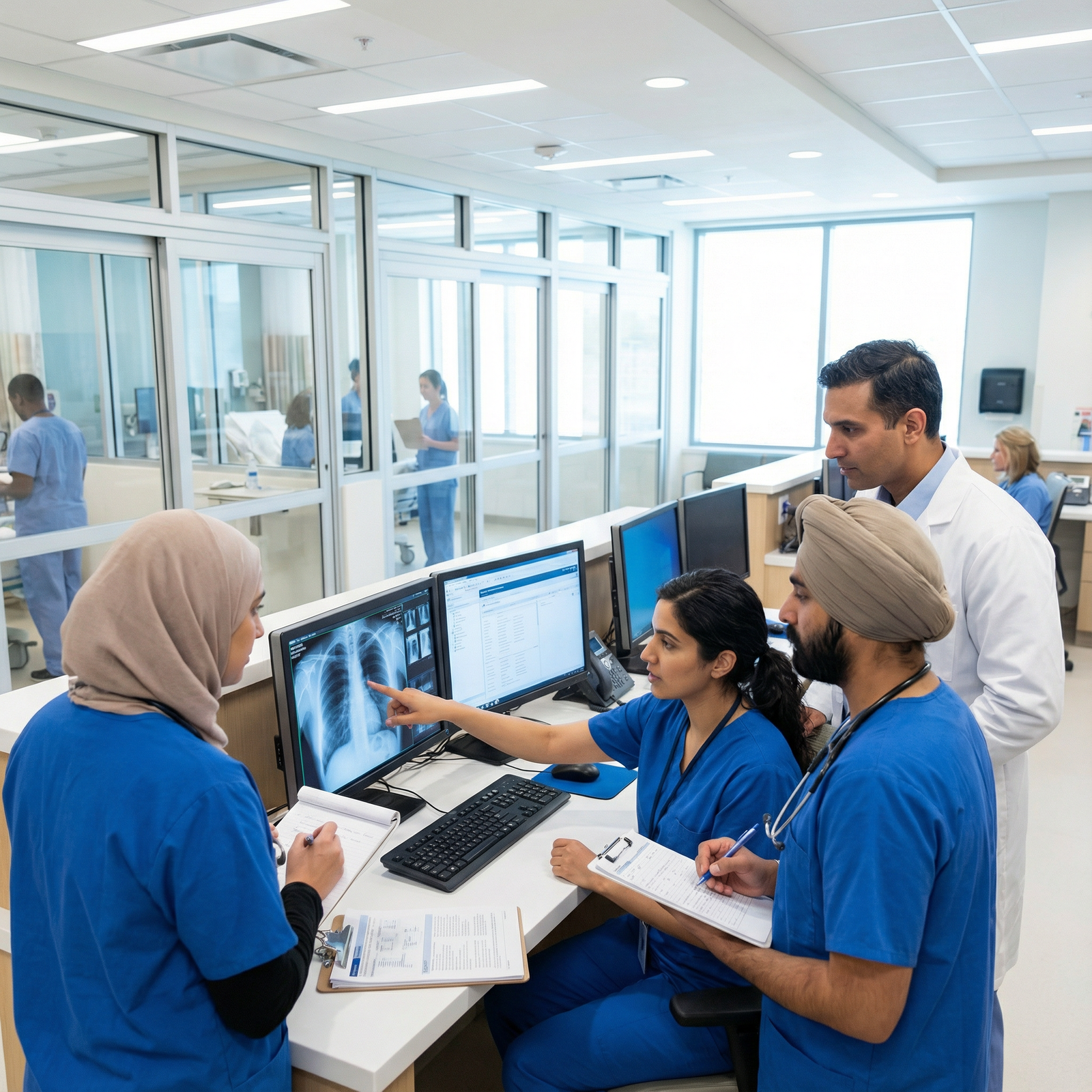
Across these rotations, you will be expected to:
- Admit and manage patients under supervision
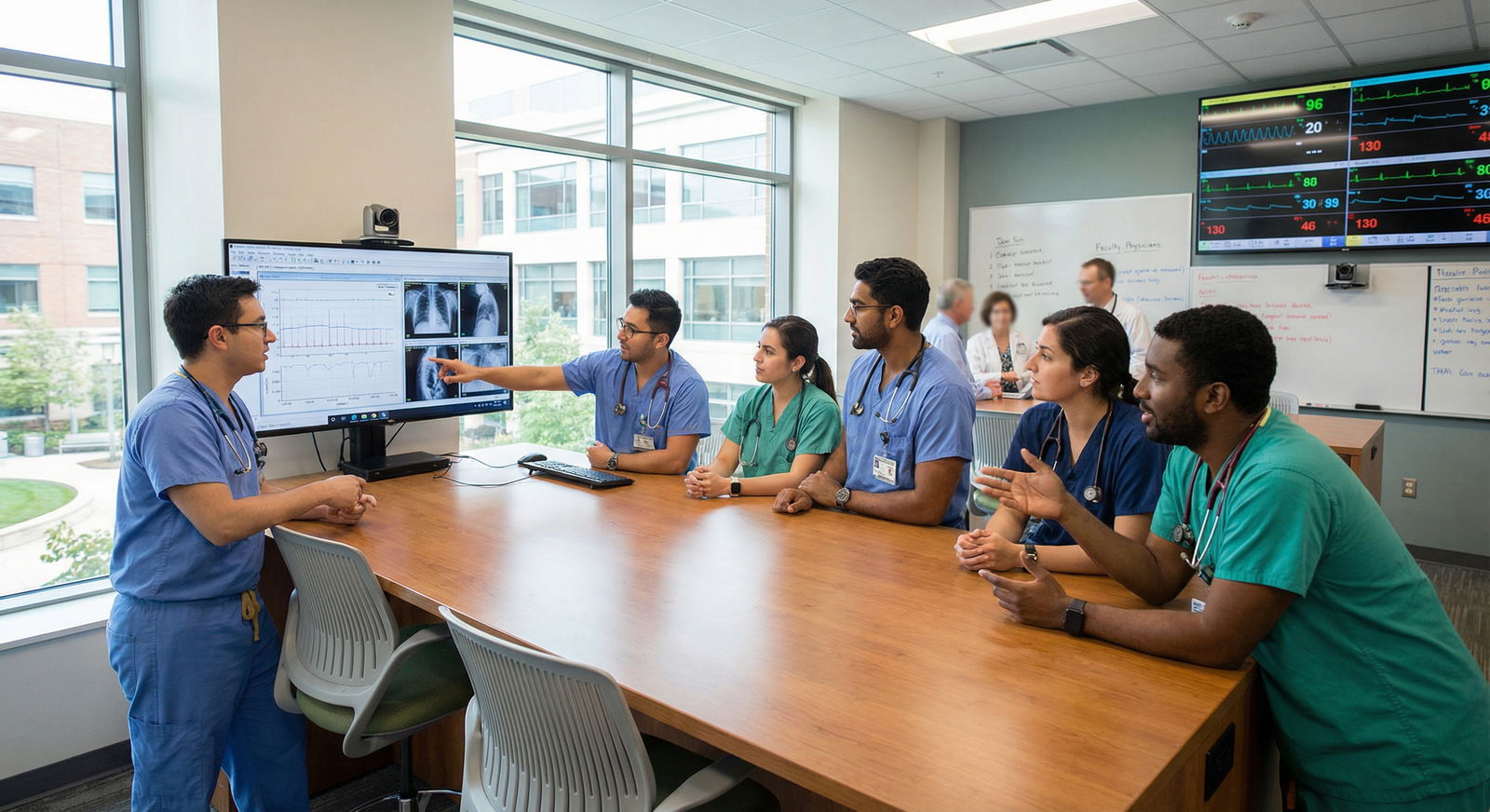
- Present on rounds clearly and concisely
- Participate in procedures (as permitted)
- Communicate with families and consultants
- Document thoroughly and efficiently in the EMR
- Carry out evidence-based patient care
Core Objectives of the Preliminary Year
The preliminary year may look different depending on program type, but its educational objectives are consistent across institutions:
Build Foundational Clinical Knowledge
- Deepen understanding of pathophysiology and disease processes
- Learn guideline-based management of common inpatient and outpatient conditions
- Recognize and respond to deteriorating patients
Develop Essential Clinical Skills
- Perform comprehensive histories and physical examinations efficiently
- Construct prioritized differential diagnoses
- Formulate and refine daily assessment and plan
- Hone procedural skills as appropriate (e.g., IVs, arterial lines, lumbar punctures, central lines in some programs)
Strengthen Professional Behaviors and Communication
- Communicate effectively with patients, families, nurses, and consultants
- Disclose errors and difficult news professionally and compassionately
- Demonstrate reliability, accountability, and integrity
Explore and Refine Specialty Interests
- Experience different disciplines at a deeper level than in medical school
- Clarify what kind of patients, acuity, and workflow you enjoy
- Generate meaningful letters of recommendation and mentorship relationships
Learn Systems-Based Practice
- Navigate hospital systems, electronic medical records, and order sets
- Understand discharge planning, care transitions, and resource utilization
- Appreciate interprofessional teamwork and coordination of care
Key Benefits: How the Preliminary Year Builds Clinical Skills and Professional Identity
1. Intensive Clinical Skills Development
The preliminary year accelerates your growth from “student thinking” to “resident thinking.” Daily repetition and responsibility sharpen:
History-taking and physical exams
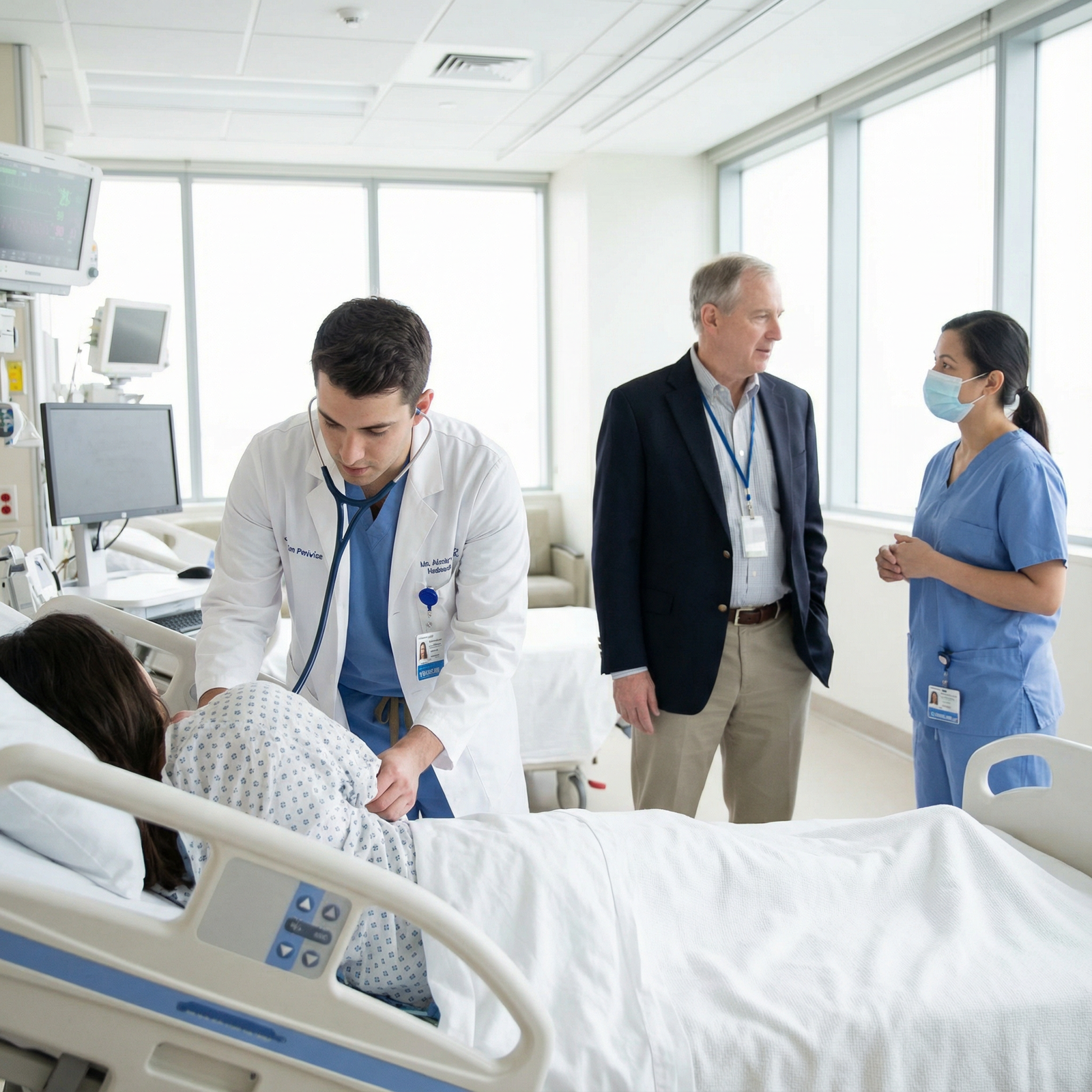
You learn to prioritize questions relevant to the chief complaint, synthesize complex histories, and perform focused but thorough exams.Clinical reasoning and decision-making
Over time, you transition from listing differential diagnoses to prioritizing them, integrating labs and imaging, and tailoring management plans to specific patients.Procedural competence
Depending on your program, you may become comfortable with:- Venipuncture and IV insertion
- Arterial blood gas sampling
- Central venous catheters
- Paracentesis and thoracentesis
- Lumbar punctures
- Basic surgical techniques (for prelim surgery residents)
These core Clinical Skills are transferrable regardless of your ultimate specialty.
2. Formation of Professional Identity
The preliminary year is also about becoming the kind of physician you want to be:
Owning the pager
You are no longer “just observing”—you are now the first contact for nursing concerns, overnight changes, and patient questions.Learning your role on the team
You practice balancing autonomy with appropriate supervision, understanding when to escalate concerns and how to collaborate with attendings and senior residents.Building your reputation
Reliability, thoroughness, and how you handle stress will shape how colleagues view you—and these impressions often lead to research projects, leadership opportunities, and strong letters of recommendation.
3. Critical Exposure for Specialty Selection
Even if you already matched into an advanced specialty, your preliminary year can:
- Clarify which subspecialty niches interest you (e.g., stroke vs. epilepsy in neurology, interventional vs. diagnostic within radiology later on).
- Highlight what aspects of medicine you deeply value—procedures, longitudinal care, critical care, communication-heavy fields, etc.
- Reveal lifestyle realities and work styles that align or conflict with your expectations.
For those in a preliminary year still deciding on a long-term path (e.g., reapplying or exploring), the year provides:
- Real-world data on what daily life in different fields actually looks like
- Opportunities to spend electives in potential specialties
- Concrete examples and experiences to discuss in personal statements and interviews
Challenges of the Preliminary Year—and How to Manage Them
While the preliminary year is formative, it is also demanding. Recognizing the common challenges and preparing strategies can make a major difference.
1. Long Hours and Fatigue
Preliminary residents often work:
- Extended shifts, including nights and weekends
- Rotations with high patient volume and frequent cross-cover responsibilities
- Schedules that push against ACGME duty hour limits
Strategies:
- Optimize your sleep: Protect pre-call and post-call sleep aggressively; use blackout curtains, white noise, and consistent wind-down routines.
- Be efficient on the wards: Pre-chart when possible, prioritize sickest patients, and batch tasks.
- Nutritional planning: Keep portable, high-protein snacks and hydrate regularly to maintain energy.
2. Emotional and Psychological Stress
Common sources of stress include:
- Caring for critically ill or dying patients
- Making time-sensitive decisions with incomplete information
- Dealing with medical errors or near-misses
- Imposter syndrome—feeling unprepared or inadequate compared to peers
Strategies:
- Normalize your experience: Talk openly with co-residents about shared struggles.
- Seek mentorship: Identify attendings or senior residents who are approachable and willing to debrief difficult cases.
- Access support services: Many institutions offer confidential counseling, wellness resources, or peer support programs.
3. Work–Life Balance Challenges
Personal milestones often collide with intern year: relationships, family responsibilities, financial strain, and relocation stress.
Strategies:
- Boundary-setting: When off duty, truly disconnect when you can. Protect at least one regular self-care activity (exercise, time with friends, hobbies).
- Time management: Use digital calendars, shared schedules with partners/family, and block protected time for essential personal tasks.
- Communication: Be honest with loved ones about your schedule and stressors. Short but high-quality interactions can maintain strong relationships.
4. Navigating Uncertainty About the Future
Some preliminary residents face additional pressure because they:
- Are reapplying to a different specialty
- Have not yet matched into an advanced program
- Are worried about research productivity, board performance, or competitiveness
Strategies:
- Create a focused plan: Early in the year, meet with program leadership or mentors to outline steps: research, letters, exam timing, away rotations, etc.
- Use electives strategically: Align rotations with your target specialty and programs; seek meaningful projects or case reports.
- Document your growth: Keep track of interesting cases, key feedback, and evolving interests—this will enrich your personal statement and interviews.
Transitioning from Preliminary Year to Specialty Training
As you near the end of your preliminary year, the focus shifts to the next stage of Residency Training—either starting your advanced program or securing your next position.
Key Considerations for Choosing or Confirming a Specialty
Reflect on Your Clinical Experiences
- Which rotations energized you, even when you were tired?
- What types of patients or conditions did you find most meaningful?
- Did you prefer acute care or longitudinal relationships?
Assess Your Skill Set and Temperament
- Do you enjoy procedures and the OR environment, or do you prefer diagnostic reasoning and cognitive work?
- How do you handle high-acuity, rapid-decision environments like the ICU or ED?
- What balance between work intensity and lifestyle feels sustainable for you?
Leverage Mentorship and Advising
- Discuss your experiences with trusted attendings and program directors.
- Ask mentors to help you realistically assess fit, competitiveness, and alternative pathways if needed.
- Request letters of recommendation early from faculty who know your work well.
Consider Long-Term Career and Life Goals
- Geographic preferences and where you want to practice
- Interest in research, teaching, administration, or global health
- Desired earning potential and its importance relative to job satisfaction
Preparing for Your Advanced Residency
If you are already matched or accepted into an advanced position:
- Align electives with the knowledge base of your future field (e.g., ICU or pulmonary for future anesthesiologists; neurology and stroke for future interventional neurologists; rheumatology or dermatology clinics for future IM subspecialists).
- Build relationships with faculty in related specialties—they can become future collaborators or mentors.
- Identify knowledge gaps and create a focused reading plan or board review to start PGY-2 with confidence.
Real-World Impact: Case Examples of the Preliminary Year
Case Study 1: Dr. Julia – Discovering a Passion for Surgery
Julia entered her preliminary year with a broad interest in procedural specialties but no clear direction. During rotations in internal medicine, pediatrics, and emergency medicine, she appreciated the clinical challenges but felt most engaged on her general surgery rotation.
Key turning points:
- She found herself looking forward to early OR cases despite overnight call.
- She enjoyed the tangible, hands-on impact of operative interventions.
- Attendings noticed her work ethic and precision, offering her mentorship and research opportunities.
By the end of the year, Julia applied to surgical residency programs with:
- Strong letters from surgical faculty
- A clear narrative in her personal statement about her transformation during the preliminary year
- Confidence in her choice, knowing it came from lived experience, not just theory
She ultimately matched into a competitive surgical residency, crediting her preliminary year with clarifying her calling and honing her readiness.
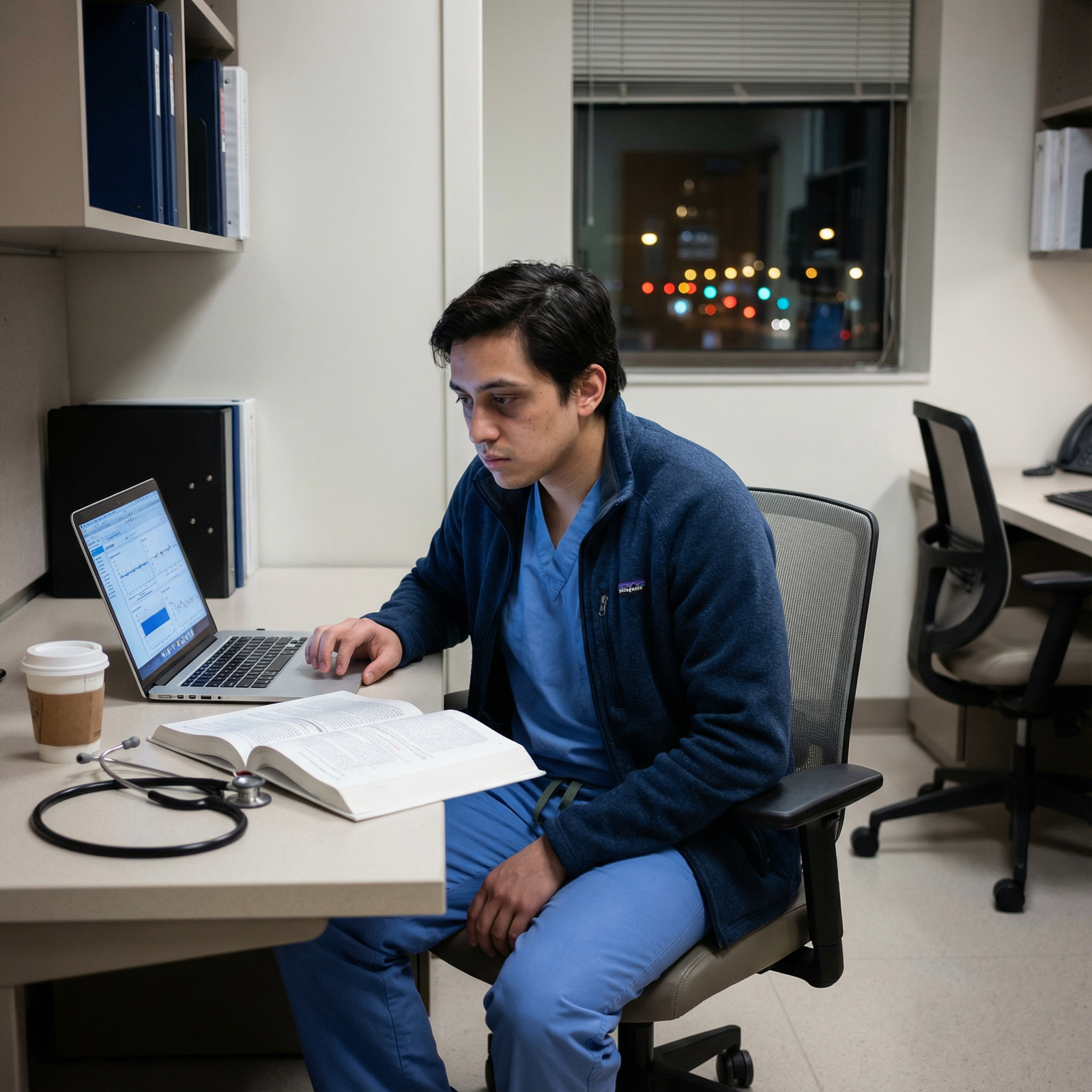
Case Study 2: Dr. Sam – Turning Stress into Insight for Psychiatry
Sam started his preliminary internal medicine year already accepted into a psychiatry program but struggled early on with:
- High patient loads and long call shifts
- Worry about making mistakes
- Emotional exhaustion after frequent end-of-life discussions
Seeking help, he:
- Met regularly with a mentor who normalized his struggles and coached him on coping strategies
- Adopted practical tools: structured sign-out checklists, nightly decompression routines, and brief reflection journaling
- Paid close attention to how his own mental health fluctuated—and what helped
These experiences profoundly shaped his perspective. When he transitioned into psychiatry:
- He had a deeper empathy for trainees’ mental health challenges
- He understood the psychological impact of medical errors and moral distress
- He felt better equipped to counsel patients and colleagues under intense stress
Sam often describes his preliminary year as “the hardest and most important year” of his Medical Education, not because it made him a better internist, but because it made him a more insightful psychiatrist.
Conclusion: Reframing the Preliminary Year as a Strategic Career Investment
The preliminary year is far more than a mandatory hurdle or a placeholder before “real” specialty training. It is:
- A concentrated period of Clinical Skills development
- A crucible for professional identity, resilience, and teamwork
- A laboratory for Specialty Selection, clarifying what kind of physician you want to become
- A foundational year that informs all subsequent Residency Training and lifelong practice
Whether you are about to apply, are currently in your preliminary year, or are planning your transition into an advanced program, approaching this year with intentionality will pay dividends for the rest of your career. Stay curious, seek feedback, protect your well-being, and use every rotation—no matter how tangential it seems—to build the habits and mindset of an excellent physician.
FAQ: Preliminary Year in Residency Training
1. What is the main goal of the preliminary year?
The primary goal of the preliminary year is to provide broad, supervised clinical training that strengthens core competencies—history-taking, physical examination, clinical reasoning, communication, and professionalism—while helping you transition from medical student to practicing resident. It also offers exposure that can inform or confirm your future specialty choice.
2. How is a preliminary year different from a categorical residency position?
A preliminary position is typically a one-year (PGY-1) contract without guaranteed continuation in that same specialty or institution, often completed before starting an advanced program. A categorical position includes the full duration of training in one specialty (e.g., 3 years of internal medicine), with the expectation you will remain in that program through graduation if you perform satisfactorily.
3. Which specialties usually require or prefer a preliminary year?
Many advanced or competitive specialties require a separate preliminary or transitional year, including:
- Dermatology
- Ophthalmology
- Radiology (diagnostic and interventional)
- Anesthesiology (in some tracks)
- Neurology (for some programs, or they may be categorical)
- Radiation oncology
- Physical medicine and rehabilitation (PM&R)
- Certain surgical subspecialties (e.g., urology, some neurosurgery pathways)
Applicants should review each specialty’s and program’s requirements via ERAS, FREIDA, or specialty society guidelines.
4. Is the preliminary year always mandatory for residency in the United States?
Most residency pathways in the U.S. include a PGY-1 year, but in many categorical programs (e.g., internal medicine, pediatrics, family medicine, general surgery), the preliminary year is built into the program itself. A separate preliminary year is specifically required when you match into an advanced (PGY-2+) program that does not include its own internship.
5. How can residents make the most of their preliminary year?
To maximize the value of your preliminary year:
- Set clear learning and career goals at the start of the year
- Seek frequent feedback from attendings and senior residents
- Use elective time strategically to explore or deepen your interest in certain specialties
- Document interesting cases and clinical reflections for future personal statements and interviews
- Prioritize wellness, mentorship, and peer support to maintain resilience
Understanding the purpose and potential of the preliminary year allows you to transform it from a requirement into one of the most impactful phases of your medical education and career development.