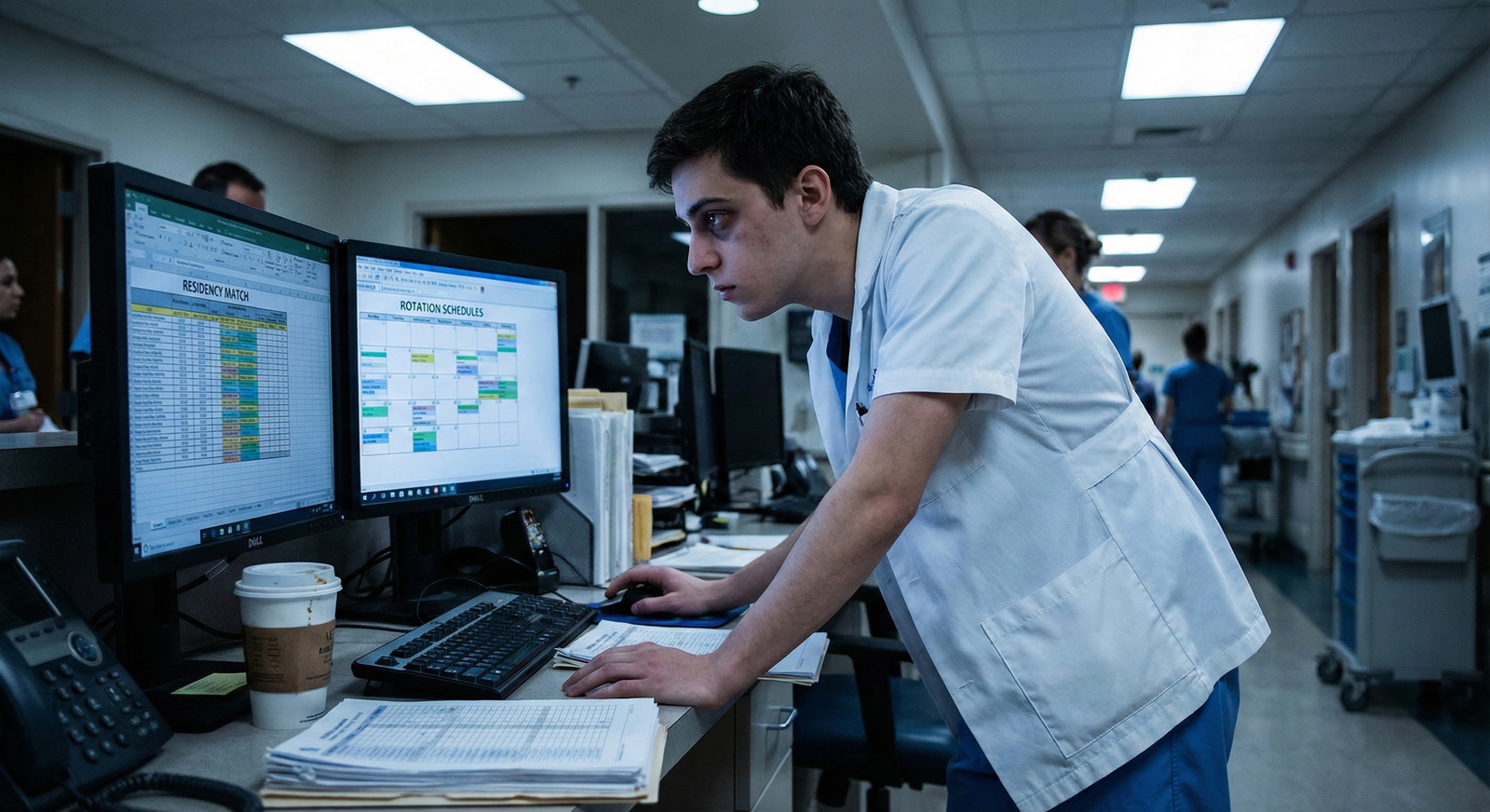
How a Preliminary Year Sets You Up for Success in Categorical Residencies
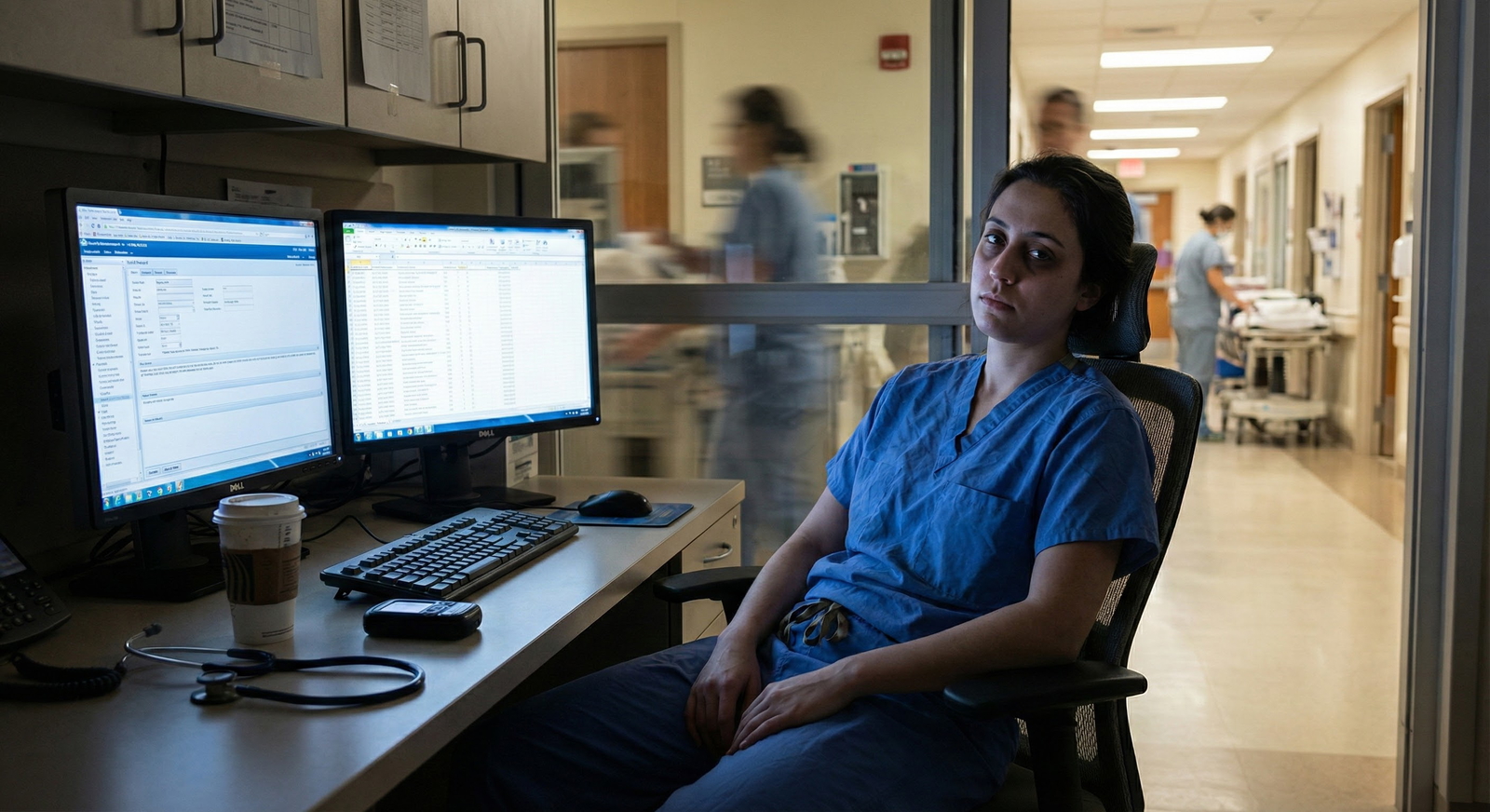
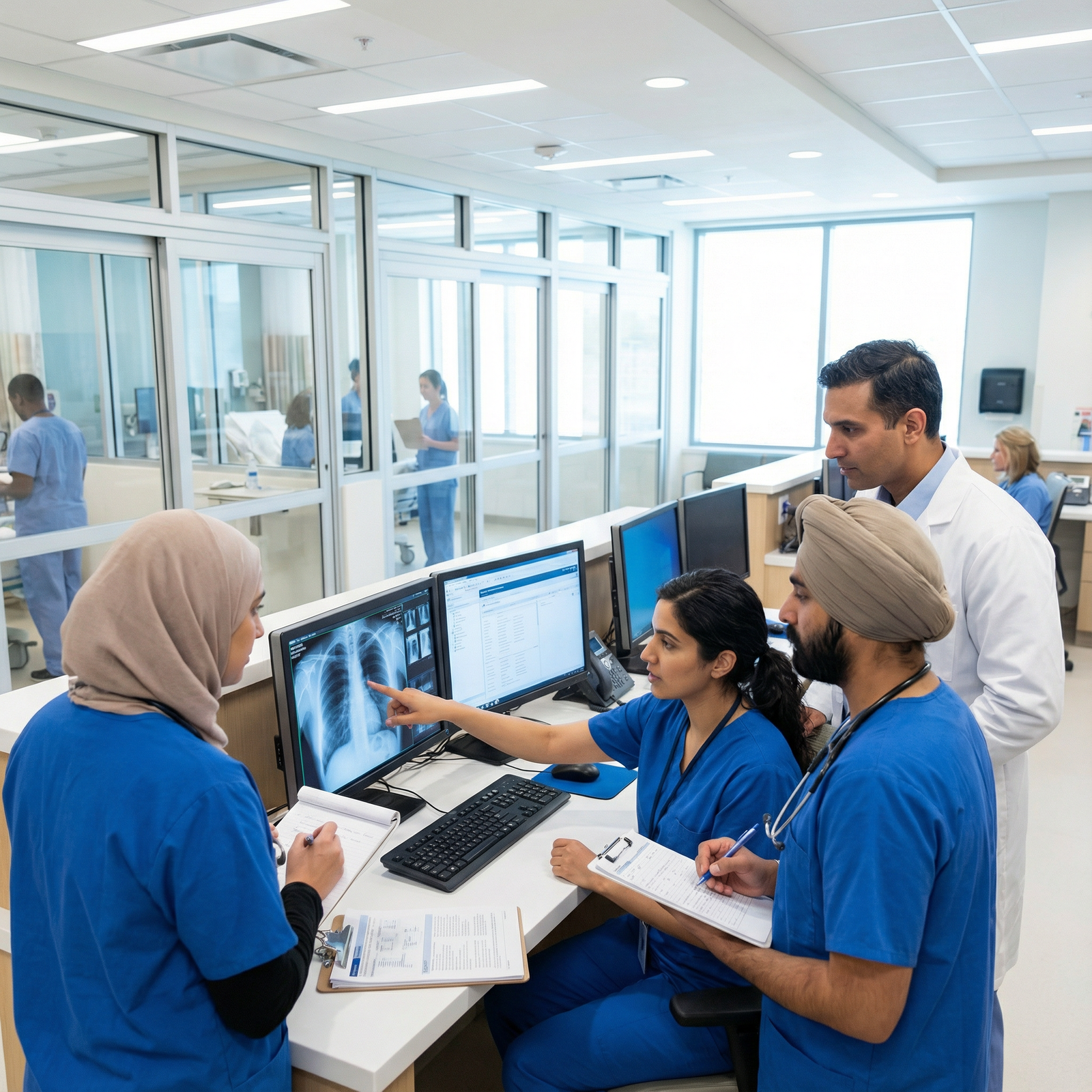
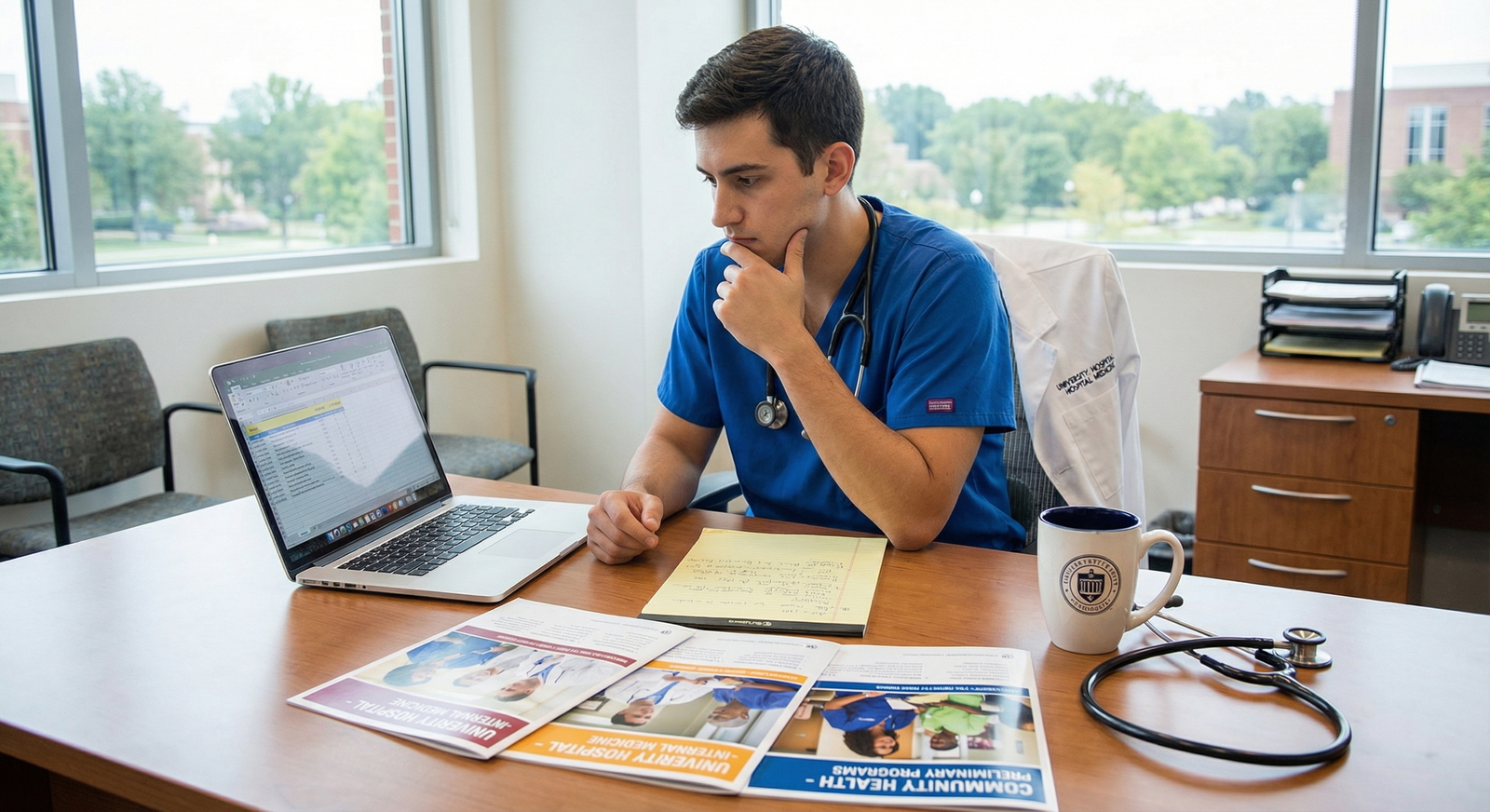
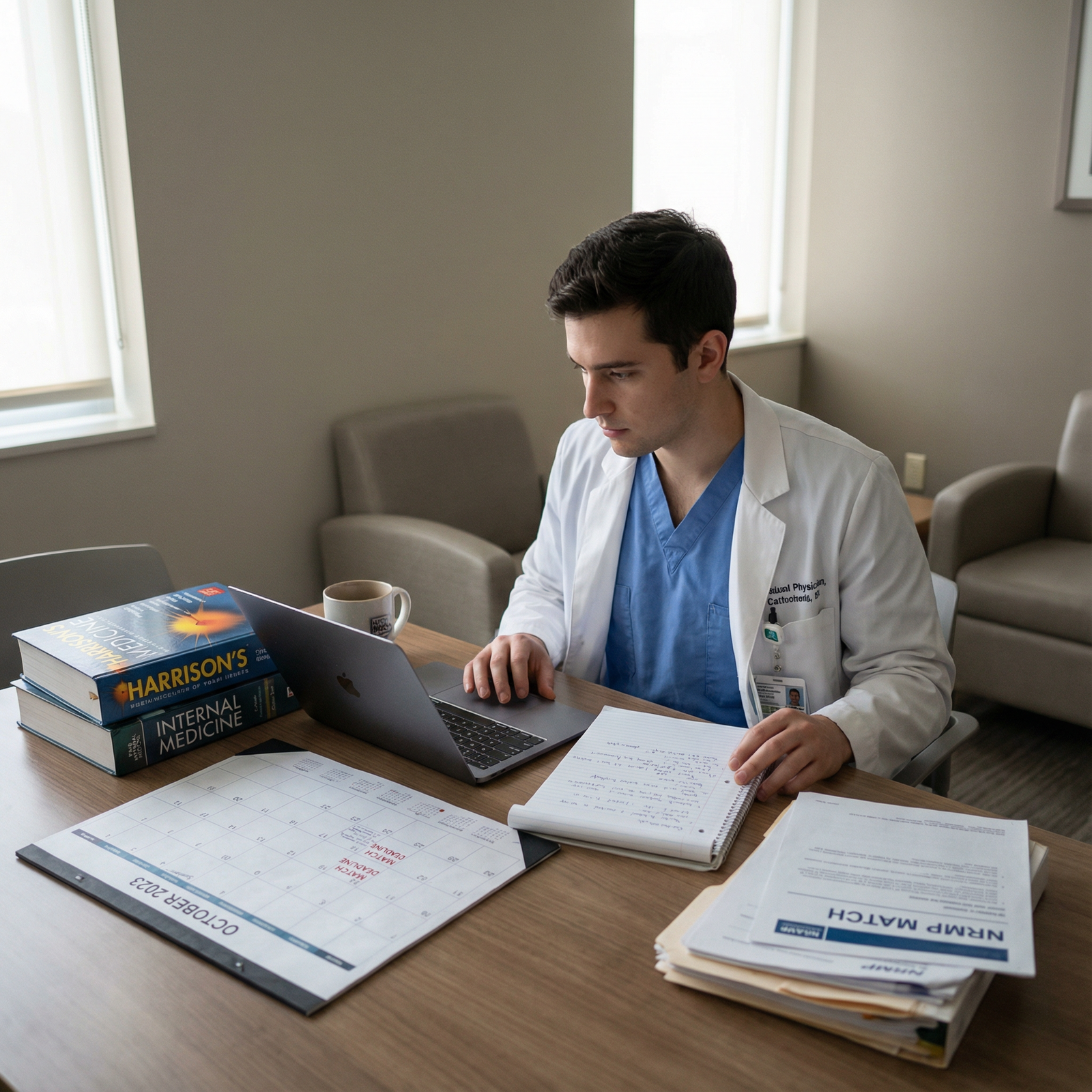
In modern medical training, the path from medical school to independent practice is rarely linear. Many future specialists complete a preliminary year before entering their ultimate field. When used intentionally, this “extra” year becomes a powerful tool for Career Development, shaping success in categorical residencies and long-term practice.
This guide explains what a preliminary year is, how it fits into Healthcare Education, why programs (and applicants) value it, and how to use this year strategically to strengthen your future residency match and professional trajectory.
Understanding the Role of a Preliminary Year in Medical Training
What Is a Preliminary Year?
A preliminary year (often called a “prelim year” or “preliminary residency”) is a one-year, non-categorical residency position designed to provide broad clinical experience and foundational skills in patient care. Unlike Categorical Residencies, which are structured to take you from PGY-1 through completion of a specific specialty, a preliminary year is a single year of training that must be followed by a separate categorical program.
Common types of preliminary programs include:
- Preliminary Internal Medicine (IM prelim)
- Preliminary General Surgery (Surgery prelim)
- Less commonly: Transitional Year (TY) programs, which are often grouped with prelim options because they also provide broad-based training, though they are technically a separate category.
Typical rotations during a preliminary year may include:
- General internal medicine wards
- ICU and step-down units
- Emergency medicine
- General surgery and surgical subspecialties (in surgical prelims)
- Night float rotations
- Consult services (e.g., cardiology, nephrology, neurology)
- Optional electives, depending on program structure
The core purpose of this year is to ensure you can independently manage common inpatient and emergency conditions, communicate effectively with teams and patients, and function safely as a frontline physician—skills that are essential regardless of your eventual specialty.
How a Preliminary Year Differs from Categorical Residencies
Understanding the distinction between preliminary and categorical training is key for planning your Medical Training path.
Categorical Residency:
- A multi-year program (typically 3–7 years) leading to board eligibility in a specific specialty (e.g., Internal Medicine, General Surgery, Psychiatry, Pediatrics, Neurology).
- You match directly into all required years of training (e.g., IM PGY-1 through PGY-3).
- The curriculum is tailored to the long-term development of that specialty’s core competencies.
- Continuity clinic and longitudinal experiences are built into the entire program.
Preliminary Year:
- A stand-alone, one-year position (PGY-1 only).
- Does not guarantee continuation into PGY-2 within that same program or specialty.
- Often serves as required clinical base year for specialties like Neurology, Anesthesiology, Radiology, Ophthalmology, Radiation Oncology, Dermatology, PM&R, and some competitive surgical subspecialties.
- Focuses more on broad inpatient and acute care exposure rather than continuity care.
In practice, many specialties have one of two structures:
- Advanced Positions: You match into the advanced specialty (e.g., Dermatology, Radiology) starting at PGY-2, and separately match (or secure) a preliminary or transitional PGY-1 spot.
- Categorical Positions: You match directly into a program that includes both the base year and advanced years (e.g., Categorical Internal Medicine, Categorical Neurology, Categorical Anesthesiology in some programs).
Understanding which structure your target specialty uses is critical for your residency application strategy.
Why a Preliminary Year Is So Important for Future Categorical Residencies
Bridging the Gap Between Medical School and Residency
The transition from student to physician is one of the steepest learning curves in Healthcare Education. A well-structured preliminary year acts as a bridge, allowing you to grow into your new responsibilities while building core competencies that will make your categorical training far more manageable.
1. Intensive Skill Development
During a preliminary year, you rapidly refine skills that every resident needs:
- Clinical reasoning and decision-making: Prioritizing differential diagnoses, interpreting labs and imaging, and initiating management plans.
- History-taking and physical exams under time pressure: Efficiently assessing patients in ED admits, cross-cover calls, and new consults.
- Time management and task prioritization: Juggling multiple patients, urgent pages, documentation, and family discussions.
- Interprofessional collaboration: Working closely with nurses, pharmacists, case managers, physical therapists, and consultants.
- Procedural skills (depending on program): IVs, arterial lines, central lines, lumbar punctures, paracentesis, basic suturing, and more.
By the time you begin your categorical residency, these skills are second nature—freeing up cognitive bandwidth to focus on specialty-specific learning.
2. Exploration and Confirmation of Career Interests
Many applicants begin residency with a clear intended specialty, but exposure during a preliminary year can:
- Confirm that your chosen field is the right fit.
- Reveal unexpected interests (e.g., falling in love with critical care during IM wards).
- Refine your sub-specialty goals (e.g., choosing cardiology vs. GI vs. hospital medicine).
Examples of how this plays out:
- A future neurologist realizes a passion for stroke care on the inpatient medicine service, steering their later fellowship interests.
- A surgical prelim resident decides that the OR is less appealing than anticipated and successfully pivots into a Categorical Internal Medicine position.
Used thoughtfully, the prelim year becomes a “test drive” that informs more mature, realistic career decisions.
3. Building a Professional Network and Reputation
Your preliminary year is often where your professional identity truly begins to form. You:
- Work daily with attending physicians who may later advocate for you.
- Collaborate with senior residents who can share application tips and connect you with research.
- Meet program leadership who understand your work ethic and clinical strengths.
Strong performance during this year can lead to:
- Powerful letters of recommendation highlighting real-world performance.
- Internal opportunities to transition into categorical spots when they open.
- Research, QI, or teaching roles that enrich your CV.
In a competitive residency market, reputation and relationships often matter as much as test scores.
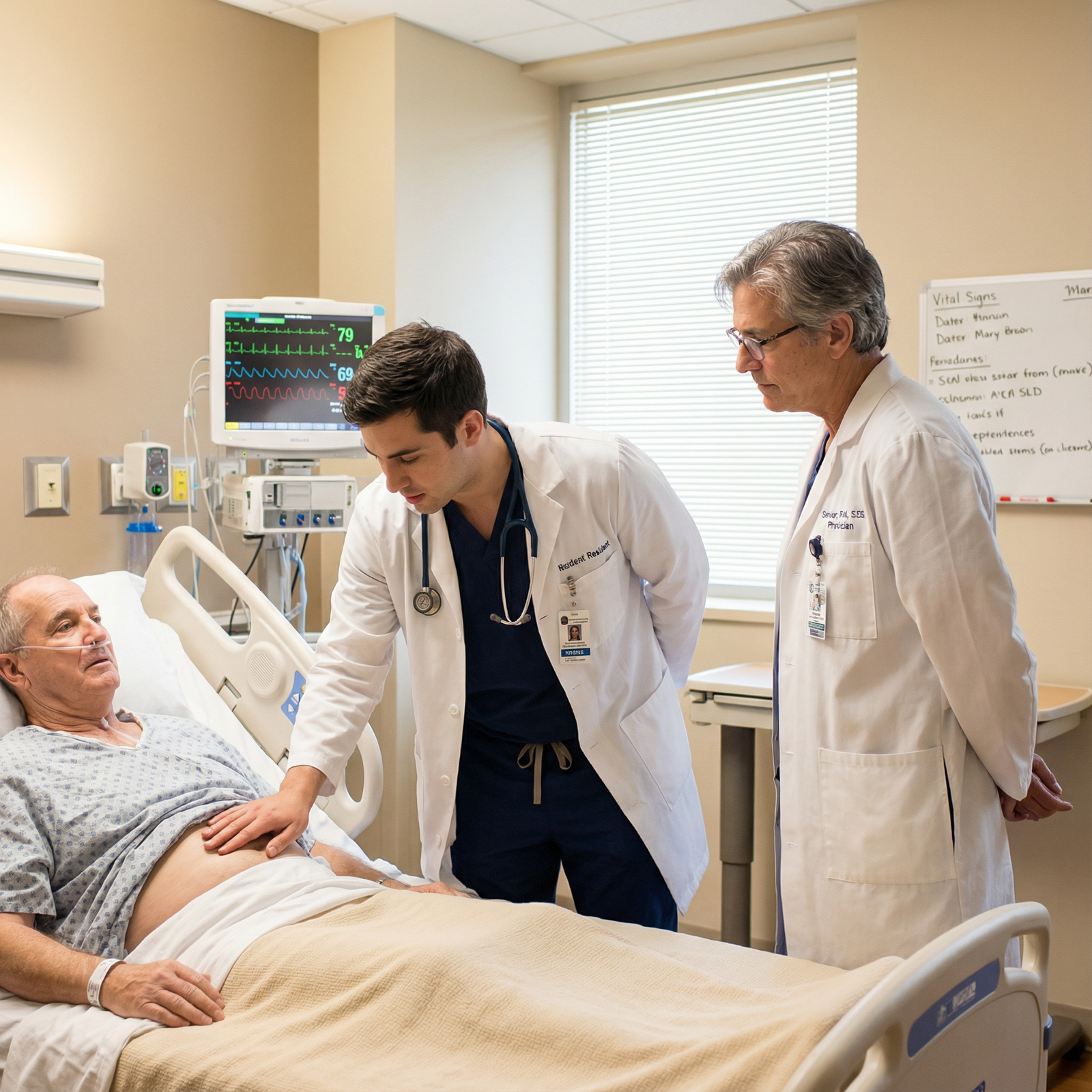
Key Advantages of Completing a Preliminary Year
Becoming a More Competitive Applicant for Categorical Residencies
For many candidates, especially those targeting competitive specialties or improving after a less-than-ideal initial match cycle, a preliminary year can dramatically enhance application strength.
1. Demonstrating Real-World Performance
Programs value evidence that you can thrive in the clinical environment:
- Consistent positive evaluations from attendings
- Documentation of strong work ethic, professionalism, and teamwork
- Examples of handling high-acuity patients or complex cases
This signals to selection committees that you are not just a strong test-taker—you are a reliable, capable physician in practice.
2. Strengthening Your Application Portfolio
A well-utilized preliminary year provides:
- Updated letters of recommendation from U.S.-based clinical supervisors (especially important for IMGs or those without recent clinical experience).
- New scholarly activities: case reports, QI projects, retrospective reviews, educational posters, or small research collaborations.
- Concrete leadership roles: chief of prelim class (if applicable), committee work, or involvement in residency wellness or curriculum projects.
Actionable tip:
Start discussing potential projects with faculty by the second quarter of your prelim year. Many short-term QI or case-based projects can be completed and submitted before ERAS deadlines.
3. Improving Match Outcomes After a Difficult Cycle
For applicants who did not initially match into their desired categorical program, a preliminary year offers:
- A chance to fill experience gaps (e.g., limited U.S. clinical experience, lower Step scores).
- The opportunity to show growth, maturity, and resilience.
- Potential internal pathways to categorical positions that open unexpectedly due to attrition.
Program directors often look favorably on applicants who used a preliminary year to address previous weaknesses and clearly demonstrate upward trajectory.
Gaining High-Value Practical Experience
The clinical exposure you receive in a preliminary year pays dividends for the rest of your career—whether you are interpreting CT scans as a radiologist or leading a code as an anesthesiologist.
1. Hands-On Patient Care
Daily responsibilities during a prelim year often include:
- Admitting, assessing, and managing complex inpatients.
- Responding to rapid responses and codes.
- Coordinating care transitions and discharges.
- Communicating with families about diagnosis, prognosis, and plans.
Future categorical residents benefit enormously from this exposure:
- Radiologists better understand the clinical questions driving imaging orders.
- Neurologists are more comfortable managing systemic comorbidities in stroke or neuromuscular patients.
- Dermatologists recognize life-threatening systemic manifestations (e.g., SJS/TEN) and coordinate inpatient care confidently.
2. Exposure Across Multiple Disciplines
Many preliminary programs deliberately structure rotations to offer broad clinical exposure:
- Medicine-heavy prelims: Wards, ICU, cardiology, nephrology, infectious diseases, night float.
- Surgery-heavy prelims: General surgery, trauma, SICU, subspecialties (vascular, ENT, plastics, etc.).
- Transitional years: A balanced mix of medicine, surgery, ER, outpatient clinics, and electives.
This multidisciplinary exposure helps you:
- Understand how different services think and work.
- Anticipate the needs and questions of consulting teams.
- Communicate more effectively across specialties, a critical skill in any Categorical Residency.
3. Learning the Healthcare System From the Inside
Beyond clinical medicine, a preliminary year offers firsthand experience with:
- EHR workflows and documentation requirements
- Hospital policies, safety protocols, and quality measures
- Utilization review, case management, and discharge planning
- Interdepartmental dynamics and institutional culture
Later, as a senior resident or attending, this system-level understanding helps you:
- Advocate for patients within complex systems.
- Lead quality improvement initiatives.
- Make more efficient, high-value care decisions.
Personal and Professional Growth During a Preliminary Year
Residency is as much about personal development as it is about medical knowledge. A preliminary year accelerates that growth.
1. Developing Resilience and Coping Strategies
The prelim year introduces you to:
- Night shifts and circadian disruption
- High patient volumes and limited time
- Emotional challenges: death, bad-news conversations, moral distress
With appropriate support, you learn:
- How to recognize and manage burnout signs early
- When and how to seek help—from peers, faculty, counseling, or wellness resources
- Time management strategies that preserve mental health
These coping mechanisms are crucial for long-term sustainability in demanding fields like surgery, emergency medicine, critical care, and oncology.
2. Learning to Maintain Work–Life Integration
Because a preliminary year is time-limited, it is a natural period to:
- Experiment with different scheduling and self-care strategies.
- Learn your personal balance point between clinical duties, studying, and life outside the hospital.
- Establish habits that you can carry into your categorical training (e.g., regular exercise, meal prep, dedicated study blocks).
Residents who figure this out early tend to have smoother, more sustainable careers.
3. Sharpening Real-Time Problem-Solving
Daily, you encounter situations that require rapid problem-solving:
- A crashing patient with limited data
- A difficult family meeting under time pressure
- An unexpected diagnostic or treatment complication
These real-world challenges hone:
- Critical thinking under uncertainty
- Flexibility and creativity in management
- Comfort with ambiguity—essential in nearly every specialty
Over time, you cultivate a calm, systematic approach that will serve you throughout your Career Development.
Making a Successful Transition from Preliminary to Categorical Residency
Leveraging Mentors and Institutional Support
Mentorship is one of the most powerful advantages of a preliminary year.
- Identify mentors early: Attendings who see you frequently on wards, ICU, or consults are often ideal.
- Clarify your goals: Be explicit about your target specialty and timeline.
- Seek feedback regularly: Ask what you can improve and how to strengthen your candidacy.
Mentors can help with:
- Strategizing your next application cycle
- Crafting compelling personal statements
- Reviewing program lists and rank strategies
- Writing detailed, impactful letters of recommendation
Program leadership (PDs, APDs, chiefs) can also provide insight into:
- Internal opportunities to move into categorical positions
- How your performance compares within your cohort
- Whether you are ready to apply to particularly competitive programs
Maintaining Momentum in Learning
One challenge during a preliminary year is balancing immediate clinical demands with long-term specialty preparation.
Practical approaches:
- For future neurologists: Review stroke and seizure management on IM wards; read neurology-focused resources during downtime.
- For future radiologists: Learn basic imaging indications and interpretation; attend radiology readouts when possible.
- For future anesthesiologists: Focus on managing hypotension, shock, and respiratory failure; understand pre-op risk assessment.
Think of your prelim year as layering core generalist skills under your future specialist knowledge. This approach will make you stand out in your PGY-2 year and beyond.
Using the Year to Clarify or Adjust Specialty Choice
Sometimes, real-world exposure updates your understanding of a specialty:
- You may realize that you value outpatient continuity more than acute care, nudging you toward IM or family medicine.
- Conversely, you might discover you thrive in high-adrenaline settings and pivot toward EM, critical care, or anesthesiology.
If you’re rethinking your specialty:
- Talk to mentors across fields to understand day-to-day realities and training pathways.
- Shadow or rotate in your area of interest if your prelim schedule allows.
- Be honest with yourself about lifestyle, work patterns, and what energizes vs. drains you.
Many physicians ultimately find more satisfaction after changing course based on what they learned during their preliminary training.
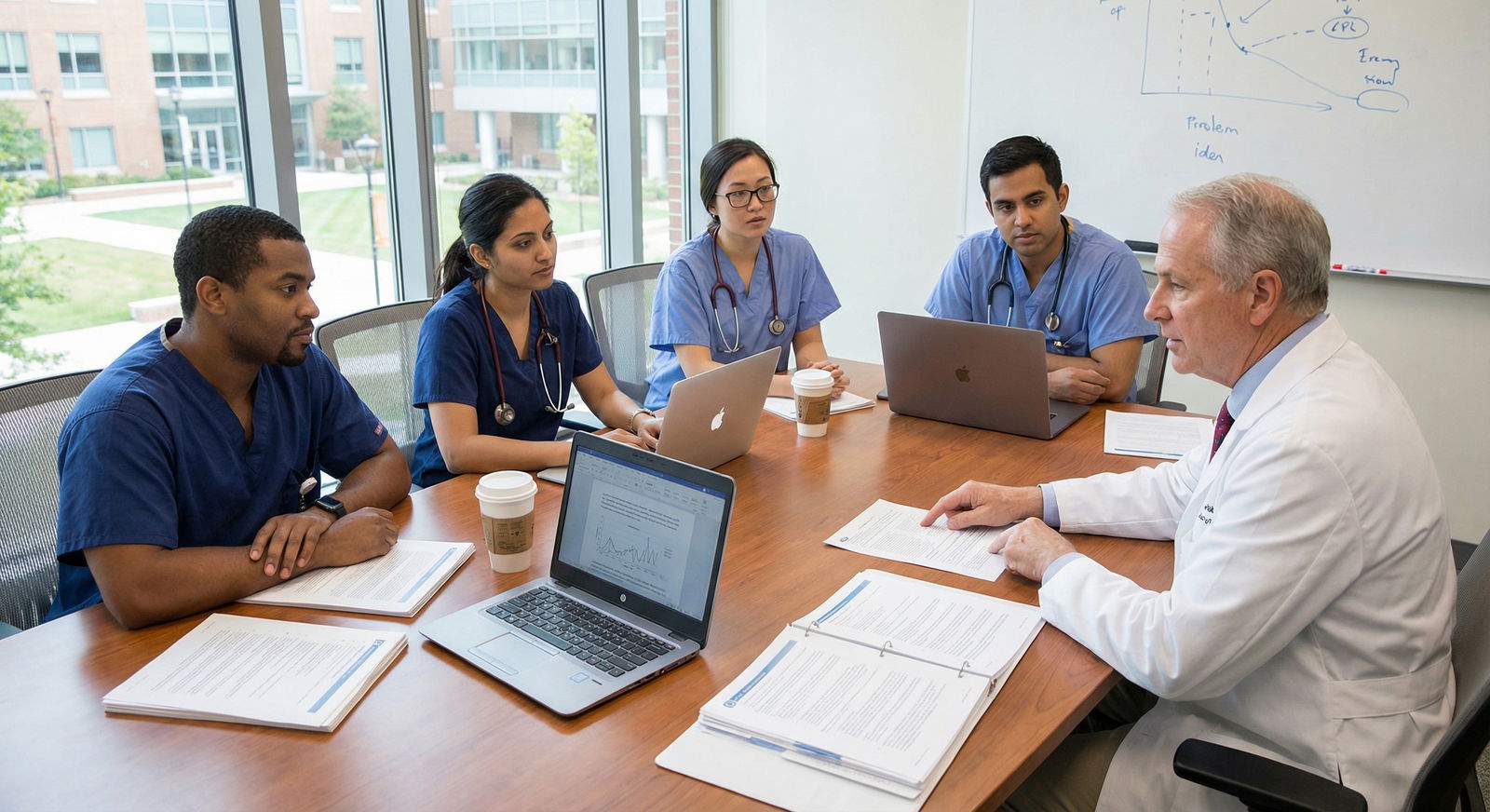
Practical Strategies to Maximize Your Preliminary Year
To fully leverage your preliminary year for long-term success in Categorical Residencies and Career Development, consider these actionable steps:
1. Set Clear Goals Early
Within the first month:
- Identify your top 1–2 target specialties (even if tentative).
- Outline what you need to strengthen (e.g., letters, research, clinical confidence).
- Meet with your program leadership or mentor to discuss an individualized plan.
2. Be Deliberate About Rotations (When Possible)
If your program offers elective time or schedule flexibility:
- Choose rotations that support your future specialty (e.g., cardiology for future IM; ICU for anesthesiology; neurology consults for future neurologists).
- Balance difficult, high-yield rotations with some that allow time for studying and application work.
3. Prioritize Strong Clinical Performance
Residency programs heavily weigh real-world performance. Focus on:
- Being reliable: on time, prepared, responsive to pages.
- Owning your patients: knowing details, anticipating issues, updating teams proactively.
- Communicating clearly: with nurses, consultants, families, and co-residents.
Ask attendings for verbal feedback mid-rotation and adjust accordingly. This not only improves your skills but also signals maturity and teachability.
4. Begin Application Prep Early (If You’ll Re-Apply)
If you are applying during your prelim year:
- Start personal statement drafts by late spring/early summer.
- Request letters from attendings immediately after strong rotations.
- Keep a running list of meaningful patient encounters or experiences to reference in interviews.
Staying ahead reduces stress during the busiest parts of the year.
5. Protect Your Well-Being
Finally, recognize that you cannot grow professionally if you are burned out:
- Use days off intentionally for rest, connection, and non-medical activities.
- Reach out for support—from co-residents, faculty advisors, or mental health professionals—if you are struggling.
- Remember that developing sustainable habits now will benefit you across all stages of your medical career.
Frequently Asked Questions About Preliminary Years and Categorical Residencies
1. What is the main purpose of a preliminary year in medical training?
The primary purpose of a preliminary year is to provide a broad, intensive foundation in clinical medicine—especially inpatient and acute care—before you enter a more specialized categorical residency. It helps you:
- Develop core clinical and procedural skills
- Adapt to the responsibilities of being a physician
- Confirm or refine your specialty interests
- Build a track record of performance in a real-world setting
2. How does completing a preliminary year impact my chances of matching into a categorical residency?
A strong preliminary year can significantly enhance your residency application by:
- Providing recent, detailed letters of recommendation from supervising attendings
- Demonstrating your ability to function safely and effectively as a resident
- Allowing you to add research, QI projects, or teaching experiences to your CV
- Showing resilience, professionalism, and growth—especially important if you are reapplying after an unsuccessful match
Programs often view successful completion of a prelim year as strong evidence that you will perform well in their training environment.
3. Is a preliminary year required for all medical graduates?
No. A preliminary year is typically required when:
- You match into an advanced specialty position that begins at PGY-2 (e.g., Dermatology, Radiology, Radiation Oncology, Anesthesiology in many programs, Ophthalmology, some Neurology positions).
- You are seeking to improve your candidacy after not matching into a categorical position.
- You are changing specialties and need additional clinical experience or a new base year.
If you match into a categorical program (e.g., Categorical Internal Medicine, Pediatrics, Psychiatry, many General Surgery positions), your PGY-1 year is already built into your training and you do not need a separate preliminary year.
4. Can I switch specialties after doing a preliminary year?
Yes, many physicians change direction based on what they learn during their preliminary training. After a prelim year, you can apply to various categorical specialties as long as you meet their eligibility criteria. Keep in mind:
- Some specialties may require a full, specialty-specific PGY-1 year (e.g., categorical surgery).
- Others may count your preliminary year toward required training, depending on content and accrediting body rules.
- Early planning and open communication with mentors and program directors are crucial if you are considering a change.
5. How can I make the most of my preliminary year for long-term career development?
To maximize the impact of your preliminary year:
- Set clear, written goals for clinical growth, academic output, and future applications.
- Seek out mentors early and meet regularly to review progress.
- Focus on delivering excellent, reliable patient care on every rotation.
- Choose elective experiences that align with your target specialty when possible.
- Protect your wellness and develop sustainable personal and study habits.
When approached intentionally, a preliminary year is not just an additional hurdle—it is an investment that can materially improve your performance, confidence, and trajectory in any categorical residency and beyond.