Understanding Preliminary Years in Medical Residency: Pros, Cons, and Strategic Choices
As you move from medical school into graduate medical education, one of the nuanced decisions you may confront is whether to pursue a preliminary year as part of your residency training. This decision can significantly shape your trajectory in Medical Residency, influence your Career Choices, and affect your overall Resident Well-being.
A preliminary year is often required or strongly preferred for certain advanced specialties—including dermatology, radiology, anesthesiology, neurology, ophthalmology, radiation oncology, and physical medicine & rehabilitation. For others, it serves as a strategic bridge, an exploratory year, or a way to strengthen an application for a future match cycle.
This guide breaks down what a preliminary year is, the different types, and the real-world pros and cons, with practical advice to help you align your Healthcare Training with your long-term goals.
What Is a Preliminary Year in Medical Residency?
In the context of the U.S. and similar training systems, a preliminary year (PGY-1) is a one-year, non-categorical position that provides broad clinical training—usually in internal medicine, surgery, or a transitional format. It is distinct from:
- Categorical residency positions: You match directly into a full training program (e.g., categorical internal medicine for 3 years), with no separate preliminary year needed.
- Advanced residency positions: You match into a specialty that begins at PGY-2 (e.g., dermatology, radiology, PM&R). These typically require a separate preliminary or transitional PGY-1.
Common Types of Preliminary Years
Preliminary Internal Medicine Year
- Focus: Core inpatient and outpatient internal medicine.
- Rotations may include general wards, ICU, cardiology, oncology, and electives.
- Often chosen by: Neurology, dermatology, radiology, PM&R, and anesthesiology applicants.
Preliminary Surgery Year
- Focus: Foundational surgical training.
- Heavy on OR experience, surgical consults, trauma, and ICU.
- Often chosen by: Applicants to advanced surgical subspecialties, interventional radiology, or those exploring surgery.
Transitional Year (TY)
- Focus: A broad mix of internal medicine, emergency medicine, primary care, and electives, with generally more schedule flexibility.
- Often considered the “most balanced” or “lifestyle-friendly” PGY-1 option.
- Popular with: Dermatology, radiology, ophthalmology, radiation oncology, and anesthesiology applicants.
How a Preliminary Year Fits into Training
- For advanced specialty positions, your training path is usually:
- PGY-1: Preliminary or transitional year
- PGY-2+: Advanced residency (e.g., radiology, derm)
- For some, a preliminary year is used:
- As a bridge year while reapplying to a desired specialty
- To strengthen competitiveness (e.g., more U.S. clinical experience, stronger letters)
- To explore specialties before locking into a categorical track
Understanding these structural differences is essential before weighing the pros and cons for your own situation.
Key Advantages of Doing a Preliminary Year
1. Broad Clinical Exposure Across Multiple Disciplines
A primary benefit of a preliminary year is the breadth of clinical experience. You work in diverse settings, manage a wide range of conditions, and interact with multiple specialties.
- On a medicine-based preliminary year, you might:
- Manage sepsis, heart failure, COPD exacerbations, and complicated infections.
- Learn to handle complex medication regimens and coordinate multidisciplinary care.
- On a surgery-based preliminary year, you might:
- Assist in the OR, manage post-op patients, and work in trauma and surgical ICUs.
- Gain procedural experience and confidence with acute care.
Example:
An aspiring dermatologist on a transitional or internal medicine preliminary year learns to manage systemic side effects of biologics, comorbidities in psoriatic patients, and the complexities of inpatient consults. This broader medical perspective makes them a safer and more comprehensive dermatologist later.
For many, this broad exposure enriches Specialty Exploration—helping confirm or challenge initial assumptions about career fit.
2. Significant Improvement in Core Clinical and Professional Skills
No matter your eventual specialty, your preliminary year is often where you:
- Learn to function as the primary physician of record.
- Sharpen history and physical exam skills under real pressure.
- Develop strong differential diagnoses and management plans.
- Build confidence in:
- Cross-covering patients overnight
- Communicating serious news to patients and families
- Presenting concisely to attendings and consultants
These skills translate directly to success in any advanced specialty. For example:
- A future radiologist who has done a busy medicine year will better understand the clinical questions behind imaging orders and the impact of their reports.
- A future anesthesiologist benefits from solid exposure to cardiology, pulmonary medicine, and ICU care.
Over time, this makes you more efficient, more clinically grounded, and more trusted by your interdisciplinary team.
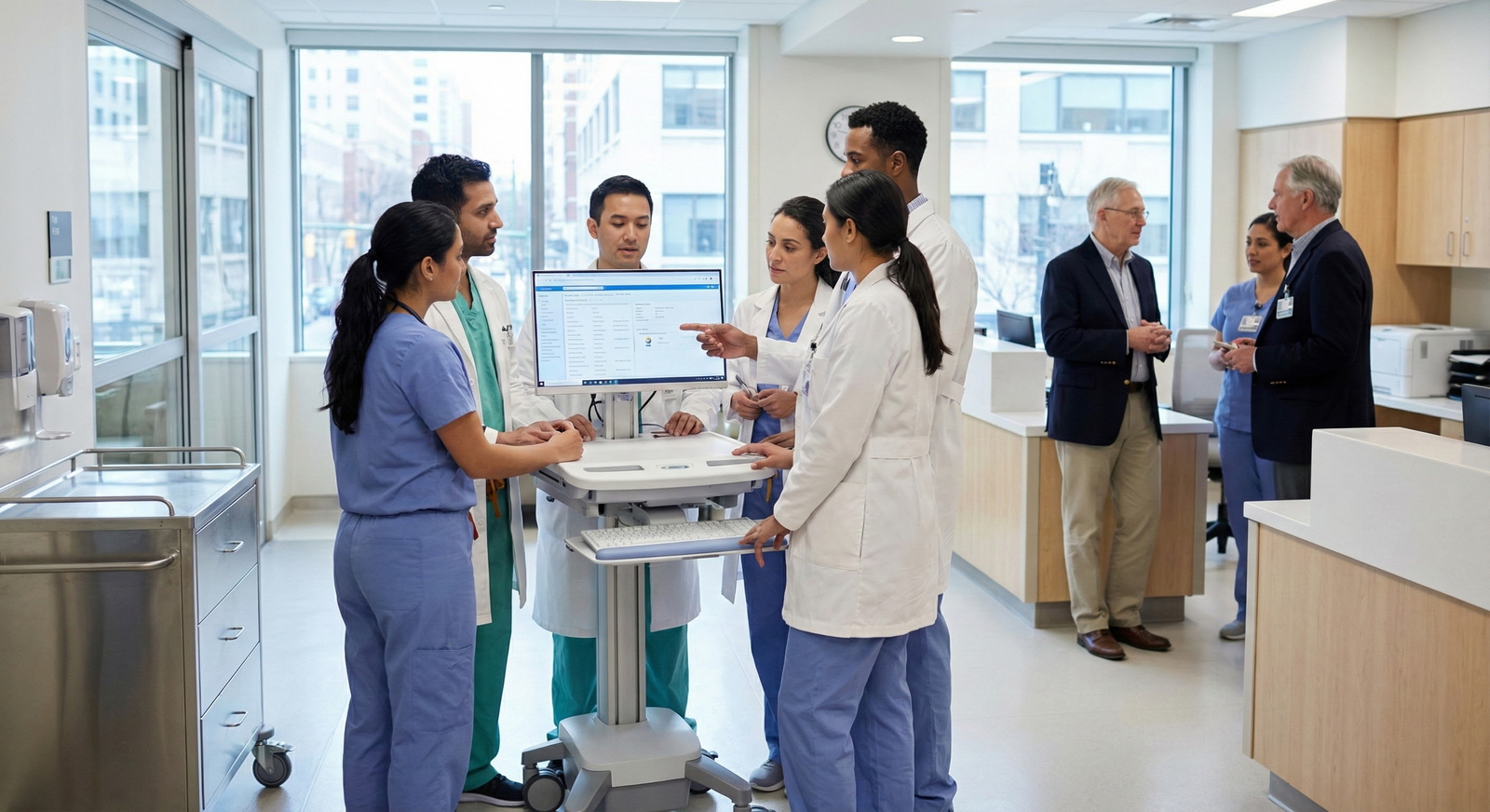
3. Enhanced Networking, Mentorship, and Letters of Recommendation
Your preliminary year is not just clinical training—it is relationship-building time in the healthcare system.
You will work closely with:
- Attendings in multiple specialties
- Program directors and associate PDs
- Senior residents and fellows
- Allied health professionals and administrators
These connections can lead to:
- High-impact letters of recommendation for competitive specialties or fellowships
- Research opportunities, including case reports, QI projects, or retrospective studies
- Career guidance and mentorship, especially from faculty who have been PDs, selection committee members, or fellowship directors
- Job opportunities after residency through alumni and institutional networks
Realistically, strong advocates who know your work ethic and professionalism can change the trajectory of your Residency Match and future Career Choices.

4. Time and Structure for Specialty Exploration and Reassessment
A preliminary year can be invaluable if you are:
- Unsure of your specialty
- Considering a switch (e.g., from surgery to medicine, or from internal medicine to neurology)
- Reapplying after an unsuccessful match cycle
During this year, you can:
- Rotate through different specialties and subspecialties.
- Attend departmental conferences and grand rounds.
- Shadow in clinics that interest you.
- Compare daily work patterns and lifestyle demands of different fields—key for long-term Resident Well-being.
Scenario:
A resident begins a preliminary surgery year intending to pursue a surgical subspecialty. They discover through ICU and consult rotations that they prefer complex medical management, continuity of care, and diagnostic reasoning. This insight may lead them to pivot toward internal medicine, critical care, or anesthesiology.
Using your preliminary year deliberately for Specialty Exploration can prevent long-term dissatisfaction and mid-residency specialty changes, which are more disruptive.
5. Strong Foundation for Advanced Training and Board Preparation
For specialties that start at PGY-2, many program directors view a solid PGY-1 as an essential foundation for future success.
Benefits include:
- Comfort managing acutely ill patients, which is crucial even in “outpatient-heavy” fields.
- Better understanding of consult dynamics—how your future specialty fits into hospital systems.
- Early exposure to the kinds of cases and comorbidities you will encounter later (e.g., stroke patients for future neurologists; oncology patients for future radiation oncologists).
Many residents report that:
- A demanding preliminary internal medicine year makes neurology, radiology, or dermatology inpatient consults far more manageable.
- Early ICU exposure helps with interpreting hemodynamics, labs, and imaging in their advanced specialties.
For exam preparation, the broad medical knowledge acquired in PGY-1 forms a solid base for in-service exams, specialty boards, and future subspecialty training.
Major Drawbacks and Challenges of Preliminary Years
Despite the benefits, preliminary years are not ideal for everyone. They come with meaningful trade-offs that you should weigh against your personal and professional priorities.
1. An Additional Year of Training and Delayed Attending Salary
The most obvious downside is quantitative: one more year of training before you begin your full specialty program or enter practice.
Implications include:
- Delayed earning potential: One more year at resident salary instead of attending-level income.
- Postponed life milestones: Buying a home, starting or expanding a family, paying down debt, or relocating.
- Psychological perception of “falling behind” peers who match directly into categorical programs.
For some specialties, the pathway already includes many years of training (e.g., 4 years medical school + 1 prelim + 4-6 years residency + 1-3 years fellowship). In that context, the extra year may feel more significant.
A useful reframing:
Consider whether the additional clarity, skills, and competitiveness you gain during the preliminary year might ultimately reduce career missteps, dissatisfaction, or future job changes that could be far more costly.
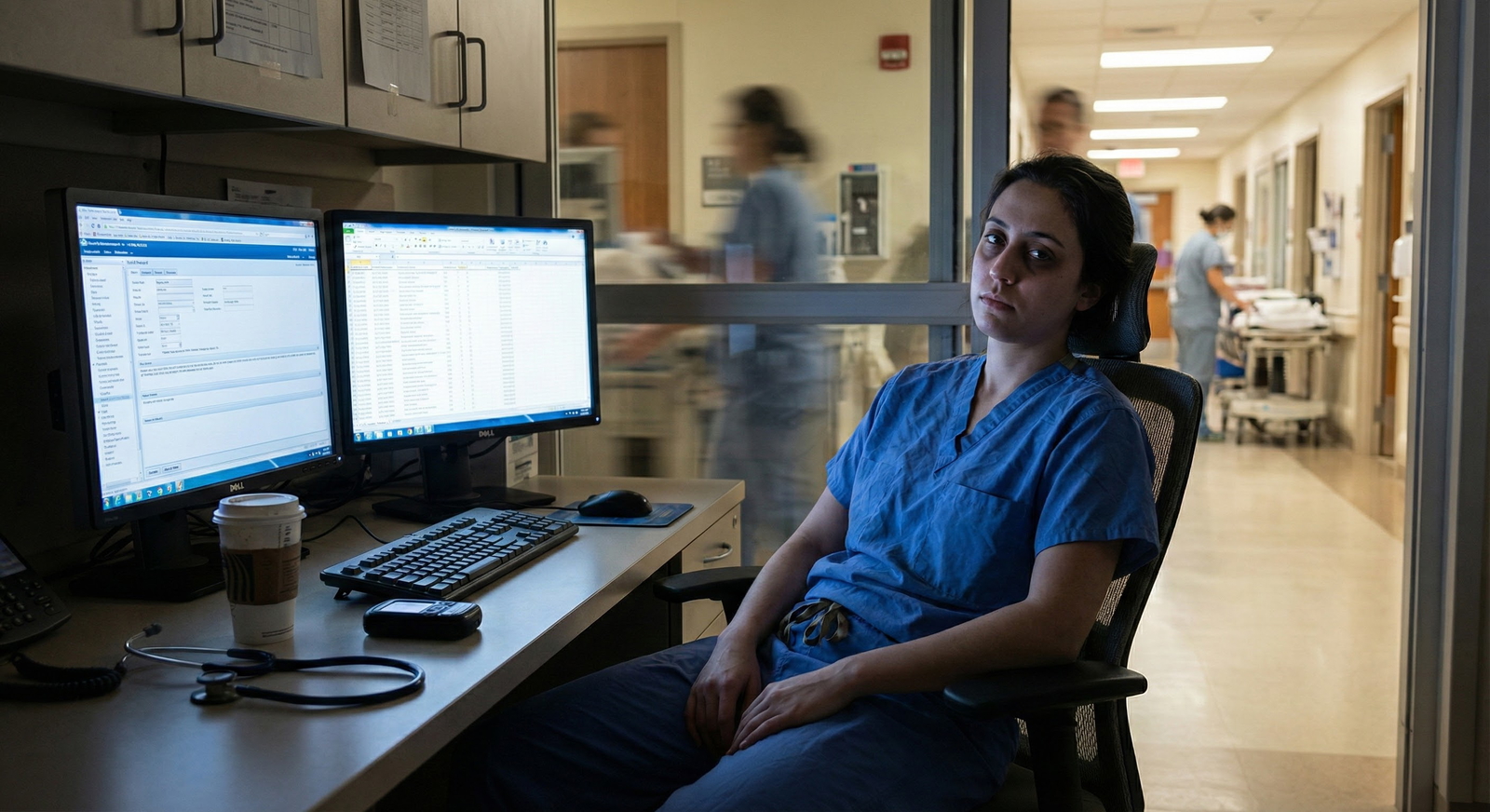
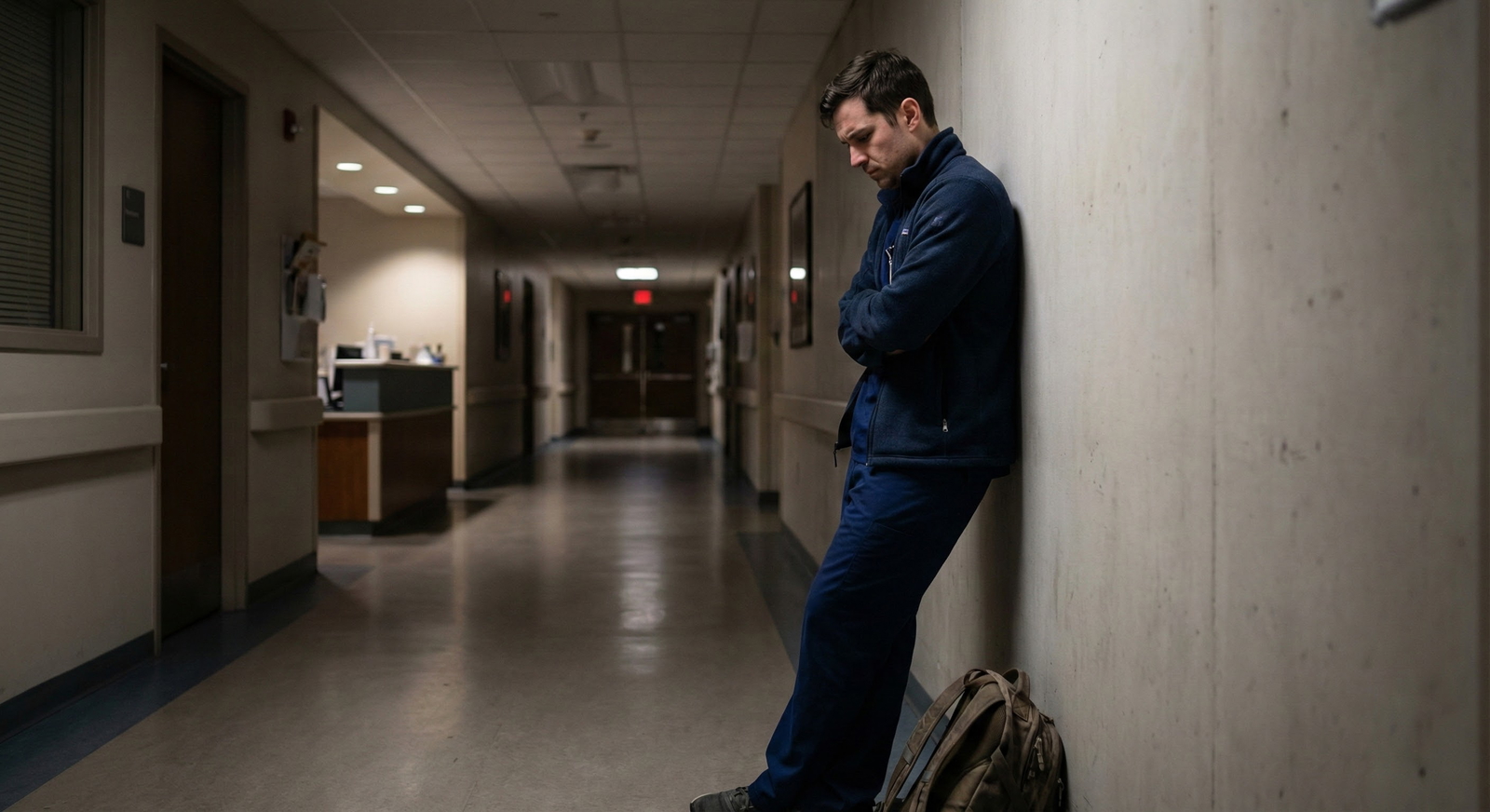
2. Risk of Burnout and Strain on Resident Well-being
Preliminary years—especially in busy internal medicine or surgery programs—can be intense:
- Long hours
- Night float or 24-hour call
- High patient acuity
- Emotional stress from frequent death, emergencies, or critical decision-making
Burnout risk is real, especially after the already demanding years of medical school.
Protective strategies for Resident Well-being:
- Prioritize sleep and use off-days for real recovery, not just errands.
- Build a support system: co-residents, mentors, mental health professionals, family/friends.
- Learn to set boundaries around non-essential tasks when safely possible.
- Use your institution’s wellness resources, counseling, or peer support groups.
- Recognize early signs of burnout (emotional exhaustion, depersonalization, reduced sense of accomplishment) and seek help proactively.
For some, a transitional year with more elective time and schedule flexibility may offer a better balance between training rigor and wellness.
3. Financial Implications: Debt, Cost of Living, and Opportunity Cost
While your preliminary year is paid, resident salaries are modest compared with attending income. Financial considerations include:
- Additional year of interest accumulation on student loans.
- Continued rent or housing costs, often in high-cost urban locations.
- Moving costs if your prelim and advanced programs are in different cities or states.
- Potential licensure and exam fees (USMLE/COMLEX, state applications).
Actionable financial strategies:
- Meet with a financial advisor who understands physician debt early.
- Explore:
- Income-driven repayment plans
- Public Service Loan Forgiveness (if training in qualifying institutions)
- Refinancing (later in training, when appropriate)
- Create a lean budget that acknowledges your current income and future earning potential.
- Consider cost of living when ranking programs—especially if you anticipate multiple moves.
While one extra year generally doesn’t make or break long-term finances for physicians, planning ahead reduces stress and helps you make informed Career Choices.
4. Feeling “Off-Track” or Lacking Clear Specialization
If you already know exactly which specialty you want and secure a categorical position, a preliminary year may feel unnecessary. But if you:
- Match to an advanced spot requiring a prelim year, or
- Use the prelim year as a bridge while reapplying,
you may experience a sense of:
- “Treading water” outside your chosen field
- Frustration during rotations that do not seem directly aligned with your interests
- Impatience to start “real” specialty training
To counter this:
- Identify transferable skills on each rotation (e.g., communication, procedural techniques, diagnostic reasoning).
- Seek electives and consult rotations that align more closely with your eventual field.
- Maintain relationships with your future advanced program (if already matched) through emails, visits, and early involvement in research or academic projects.
Reframing your preliminary year as an intentional foundation-building phase rather than a detour can significantly improve your experience and mindset.
5. Competition for Prelim and Transitional Year Positions
Not all programs offer preliminary or transitional positions, and some that do are highly competitive—especially “cush” or lifestyle-friendly transitional years in desirable locations.
Challenges include:
- Preparing two sets of applications in ERAS: one for advanced programs and one for prelim/TY programs.
- Strategically building your rank list to ensure both:
- A secure PGY-1 (prelim/TY) position
- An advanced PGY-2+ specialty position
- Managing the stress of potentially needing to reapply if you match into one but not the other (e.g., advanced spot but no PGY-1).
Practical tips:
- Research programs early—note which advanced specialties require or strongly prefer a specific type of prelim year.
- Talk to current residents in your intended specialty about which prelim structures best prepare you for their field.
- Strengthen your application with:
- Meaningful clinical experiences
- Strong letters
- Clear, specialty-specific personal statements
- Consider geographic flexibility to broaden your options and reduce risk.
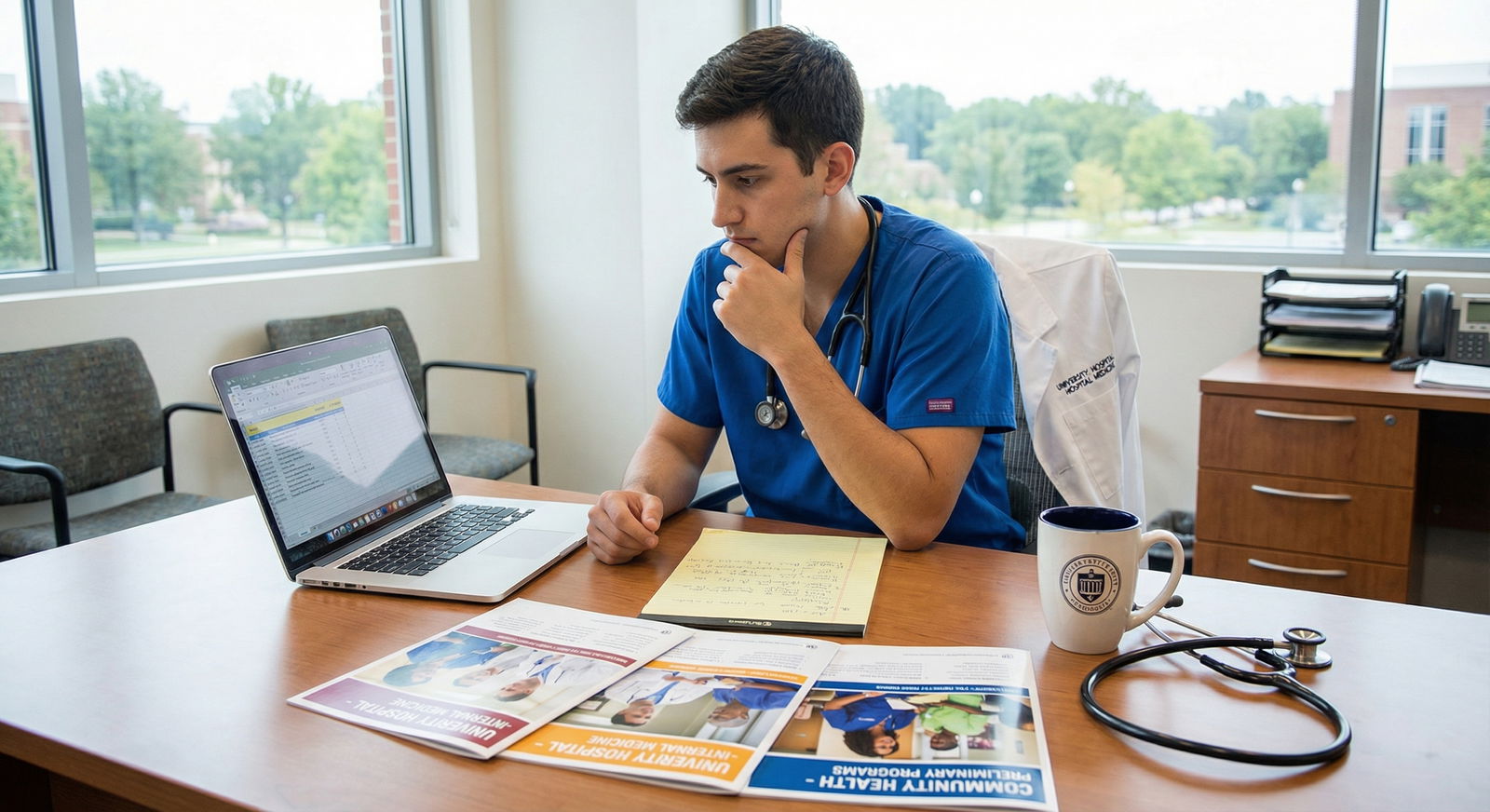
How to Decide if a Preliminary Year Is Right for You
Choosing whether—and how—to do a preliminary year is highly individual. Consider these key questions:
1. What Does Your Target Specialty Require?
- Does your specialty require an advanced match with a separate PGY-1 (e.g., dermatology, radiology, PM&R, anesthesia, ophthalmology)?
- If yes, you must plan for a preliminary or transitional year.
- Does your desired specialty offer categorical programs (e.g., neurology, internal medicine)?
- If both options exist, weigh:
- The training environment
- Geographic stability
- Overall program reputation and fit
- If both options exist, weigh:
2. How Confident Are You in Your Specialty Choice?
- If you are very certain and can match into a strong categorical program, skipping a separate preliminary year may be more efficient.
- If you are uncertain or considering highly competitive fields, a well-chosen prelim year can:
- Provide exploratory time
- Enhance your clinical skill set
- Strengthen your application for a future match cycle
3. What Type of Prelim Year Best Aligns With Your Future Practice?
- Future neurologist: A medicine-based preliminary year with stroke, ICU, and general medicine exposure is often ideal.
- Future dermatologist or radiologist: Transitional year or medicine prelim with strong outpatient and elective opportunities can be beneficial.
- Future surgeon or surgical subspecialist: A surgical prelim may offer the best operative exposure.
Speak to program directors, recent graduates, and advisors familiar with your chosen field to align your PGY-1 with specialty-specific expectations.
4. What Are Your Personal Circumstances and Well-being Needs?
Factor in:
- Family responsibilities or partner’s career
- Tolerance for high-intensity environments
- Debt load and financial stress
- Geographic preferences
Use these parameters to evaluate:
- The intensity of the preliminary year (e.g., surgery vs. transitional year)
- The location and support systems available
- Your likelihood of thriving in that structure, not just surviving
FAQs: Preliminary Years in Medical Residency
1. How long is a preliminary year, and does it always count toward my total training?
A preliminary year is typically one full clinical year (PGY-1). In many advanced specialties, it is an integral, required component of your training pathway. For some fields or in certain countries, parts of your preliminary experience may count toward overall training requirements; in others, it is simply a prerequisite step. Always confirm with:
- Your specialty’s board requirements
- Individual residency program policies
2. Can I switch specialties after or during my preliminary year?
Yes, it is possible, but it requires planning:
- During PGY-1, you can explore and network in other specialties through electives and consult services.
- If you decide to switch, you will need to:
- Discuss your plans with mentors and program leadership.
- Prepare a new application for the next Match cycle.
- Secure letters of recommendation tailored to your new specialty.
- Some or all of your preliminary year may count as credit in your new field, depending on specialty guidelines and program director discretion.
3. Is a transitional year always easier or better for work–life balance?
Not always. While many Transitional Year programs are designed to be more flexible with more elective time, workload varies significantly by institution. Some TY programs are as busy as traditional prelim medicine years, especially in hospitals with high patient volumes.
When researching TYs:
- Review duty hour expectations.
- Talk to current residents about call schedules, night float, and culture.
- Consider your goals: procedural skills vs. lifestyle vs. exposure to specific disciplines.
4. What should I prioritize when ranking preliminary programs?
Key factors to consider include:
- Educational quality and clinical exposure relevant to your intended specialty.
- Program culture and Resident Well-being: support systems, wellness initiatives, and mentorship.
- Geography and logistics: proximity to your advanced program (if matched), cost of living, partner/family considerations.
- Schedule flexibility: availability of electives in your future specialty, research time, and opportunities for networking.
If you already know your advanced program, proximity can ease transitions and allow early integration into that department.
5. Can I pursue research or other scholarly work during my preliminary year?
Yes, but it requires proactive planning and time management:
- Identify research mentors early—ideally even before starting, if possible.
- Choose a project scope realistic for PGY-1 (e.g., case reports, small retrospective reviews, QI initiatives).
- Align projects with your future specialty to maximize impact on your career trajectory.
- Coordinate with chief residents and attendings to schedule research blocks or electives when feasible.
Research productivity during a preliminary year can significantly enhance your application—especially for competitive specialties such as dermatology, radiology, and some subspecialties.
A preliminary year can be a powerful stepping stone in your Healthcare Training—either as a required component of an advanced specialty or as a strategic year of growth, exploration, and skill-building. By carefully weighing the pros and cons in the context of your goals, preferences, and well-being, you can make a deliberate choice that supports both your immediate Residency Match and your long-term medical career.