Introduction: Why Your Preliminary Year Matters
The preliminary year of residency is one of the most formative stages of your medical training. It is the point where you transition from supervised student to responsible physician, where orders carry your name and patients look to you as their doctor. Whether you are headed toward anesthesiology, radiology, dermatology, neurology, ophthalmology, physical medicine & rehabilitation, or a categorical program that includes an intern year, this 12‑month period is your bridge from medical school to advanced specialty training.
This year will test your clinical judgment, your Time Management skills, your resilience, and your capacity for Self-Care. It will also shape your professional identity as a physician and set the tone for the rest of your Medical Training and Physician Development.
This guide expands on core Residency Tips and offers a detailed roadmap to help you:
- Understand what a preliminary year actually is (and is not)
- Anticipate the common challenges and opportunities
- Build strong mentorship and professional networks
- Develop systems for efficient work, learning, and well-being
- Use your preliminary year strategically to prepare for your ultimate specialty
Understanding the Preliminary Year in Residency
What Is a Preliminary Year?
A preliminary year is a one‑year (PGY‑1) training experience that fulfills the internship requirement for advanced residency programs. Instead of joining a full categorical program (e.g., internal medicine, general surgery) that runs 3–7 years continuously, you complete one year in a preliminary or transitional program, then move into your advanced specialty.
Common types of preliminary training include:
Preliminary Internal Medicine
- Heavy focus on inpatient medicine, ward teams, consults, and possibly ICU
- Common for applicants to neurology, anesthesiology, dermatology, radiology, radiation oncology, ophthalmology, and PM&R
Preliminary Surgery
- OR exposure plus surgical wards, trauma, and ICU
- Common for applicants to radiology, urology, neurosurgery (in certain pathways), and some surgical subspecialties
Transitional Year (TY)
- More balanced mix of internal medicine, outpatient rotations, elective time, and sometimes less call
- Popular among fields where broad exposure is useful (radiology, ophthalmology, anesthesiology, PM&R)
Regardless of the specific structure, the core purpose is the same: to give you foundational training in general medicine or surgery and to confirm that you can function as a safe, effective physician in the hospital and clinic.
Why the Preliminary Year Is So Important
Your preliminary year is far more than a box to check:
Core Clinical Skill Development
You will sharpen essential competencies:- Rapid, focused history taking and physical exam
- Clinical reasoning and diagnostic prioritization
- Writing effective notes and orders
- Communicating with patients, families, consultants, and nursing staff
- Managing acute changes and emergencies overnight or on call
What you master this year becomes the foundation for every specialty, from radiology to dermatology.
Professional Identity and Physician Development
This is where you shift from “student” to “doctor.” You’ll:- Learn how you handle stress, fatigue, and uncertainty
- Develop your style of teamwork and leadership
- Gain confidence in making decisions and owning outcomes
These experiences shape how you practice and lead for decades.
Networking and Mentorship
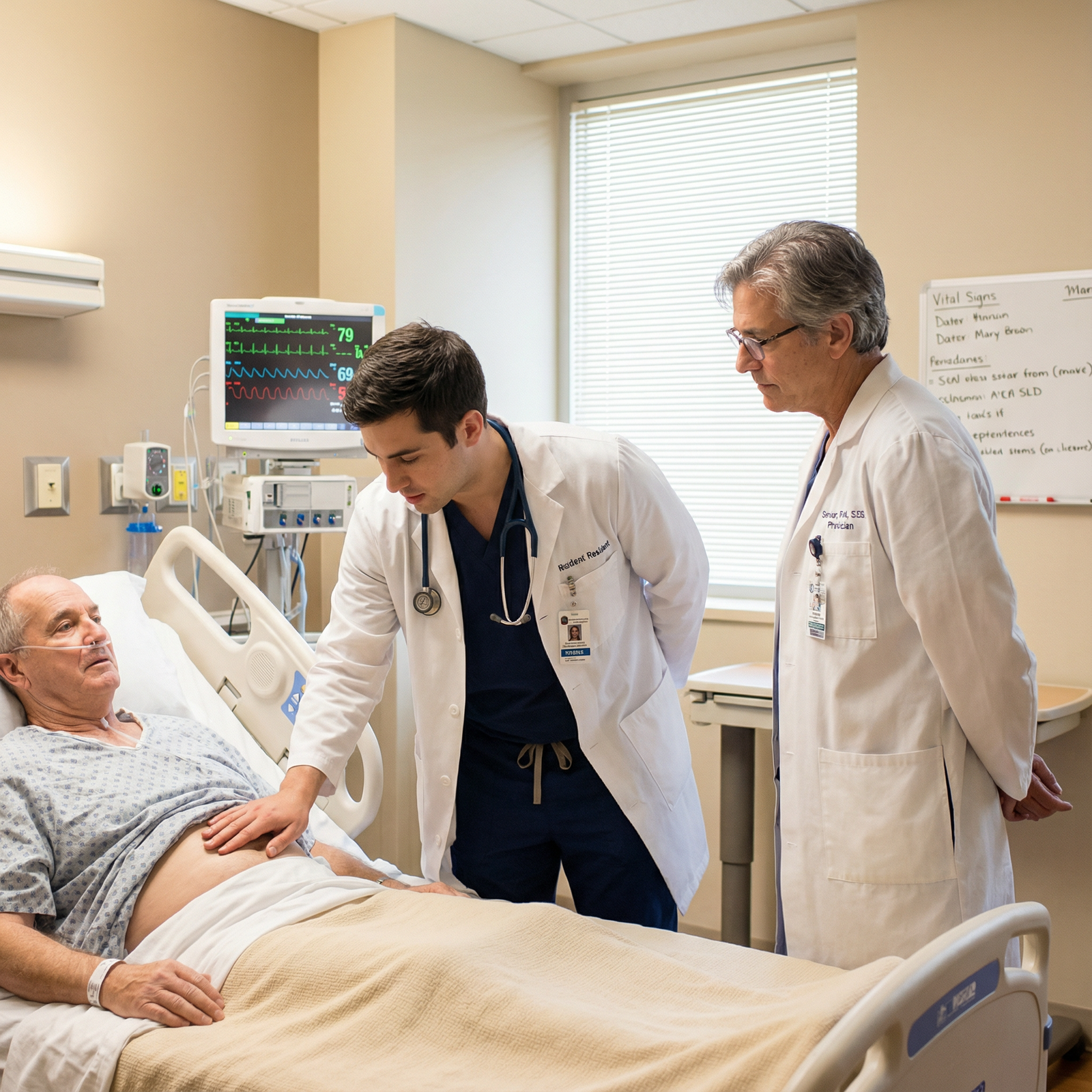
You’ll work with:- Senior residents who can teach you practical survival strategies
- Attending physicians who may later write letters of recommendation
- Program leadership who can advocate for you in future applications or fellowships
The relationships you build during this year can open doors far beyond your current institution.
Exposure to a Range of Specialties
Particularly in transitional and broad-based prelim years, you’ll rotate through multiple services (e.g., internal medicine, emergency medicine, ICU, subspecialty electives). This allows you to:- Confirm or re‑evaluate your specialty choice
- Discover niche interests (e.g., pain management, critical care, quality improvement)
- Understand how different specialties interface around patient care
Preparation for Advanced Training and the Boards
A strong prelim year:- Consolidates your medical knowledge before specialty training
- Provides cases and experiences that make board-style questions more intuitive
- Gives you clinical stories and examples that will be useful in future interviews and evaluations
Getting Oriented: Setting Expectations and Adapting Early
Setting Realistic Expectations for Your Preliminary Year
Many new residents start with high expectations for themselves and unrealistic assumptions about residency. Clarifying your mindset early is key.
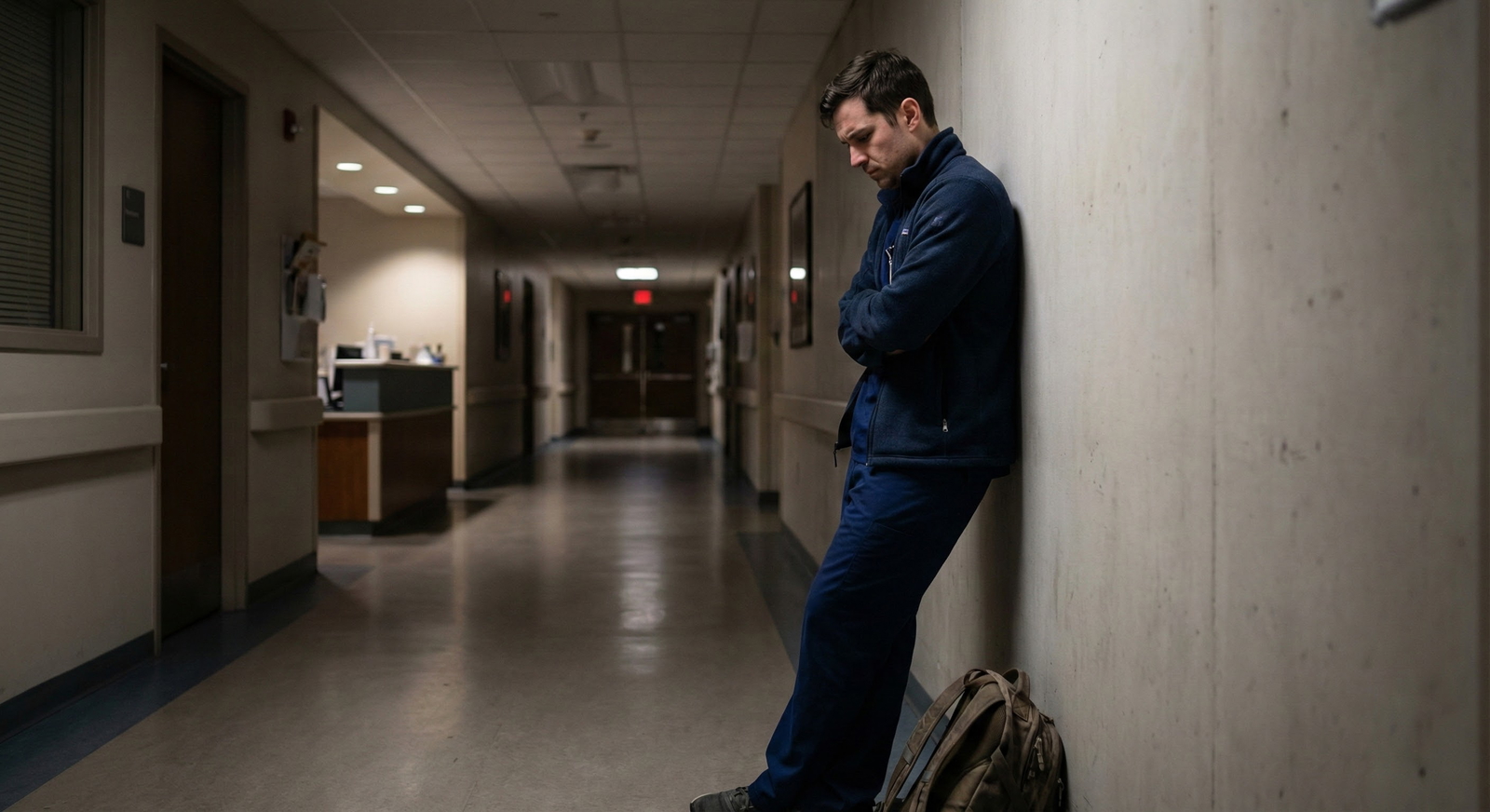
Expect to Feel Overwhelmed at Times
It’s normal to feel:- Slow on rounds
- Unsure about the “right” workup
- Behind on notes and sign-out
This does not mean you are failing—it means you are learning.
Redefine Success
Instead of expecting perfection, aim for:- Daily improvement in efficiency and clinical reasoning
- Safe patient care, with appropriate help-seeking
- Steady progress in your ability to anticipate problems and manage them
Recognize the Learning Curve
The first 2–3 months often feel chaotic. By mid‑year:- Your note-writing speeds up
- You know common order sets and workflows
- You predict your attending’s questions
Expect that your growth will be non-linear but real.
Early Orientation Strategies
Study the System, Not Just the Medicine
In your first weeks, learn:- How to place common orders (labs, imaging, consults)
- How to contact ancillary services and consultants
- How your hospital handles codes, rapid responses, and transfers
Ask “Process” Questions
Along with clinical questions, ask:- “What is the usual flow for discharging a patient here?”
- “How do we arrange outpatient follow-up for this type of case?”
- “What’s the best way to reach you if I’m unsure after hours?”
These seemingly small details are among the biggest determinants of how smoothly your days go.

Building Relationships and Finding Mentorship
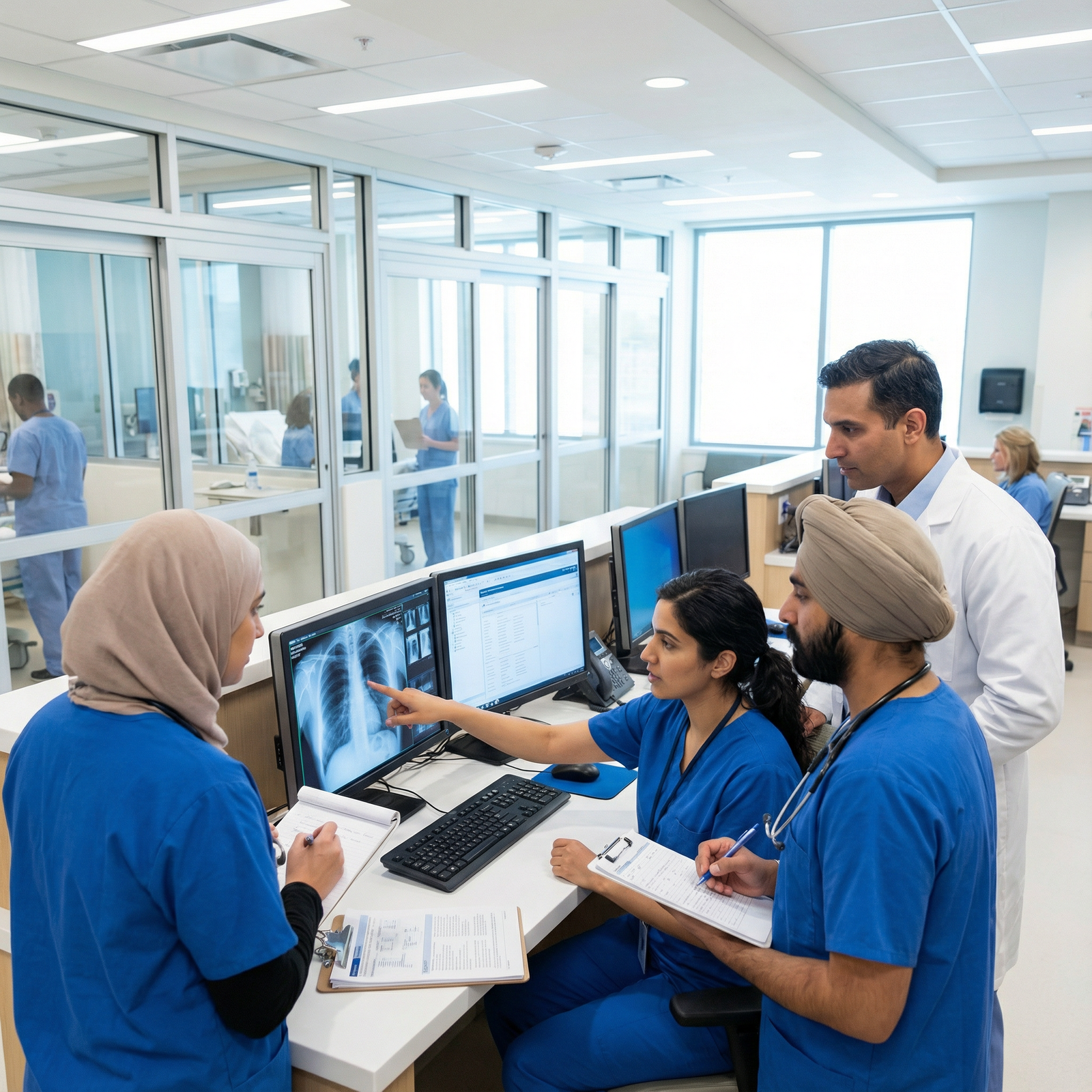
Strengthening Connections with Co‑Residents and the Care Team
Residency can be isolating if you try to do everything alone. Your peers and team members are your main support system.
Invest in Your Co‑Interns
- Share tips and templates (e.g., handoff scripts, note outlines).
- Debrief difficult cases together.
- Plan occasional low‑key social activities (coffee after call, group dinners).
Collaborate with Nurses and Allied Health Professionals
Nurses, pharmacists, case managers, and therapists can:- Alert you to early patient deterioration
- Help you understand institutional norms
- Streamline your discharges and care plans
Respectful, prompt communication goes a long way: answer pages, listen to concerns, and close the loop when you’ve made changes.
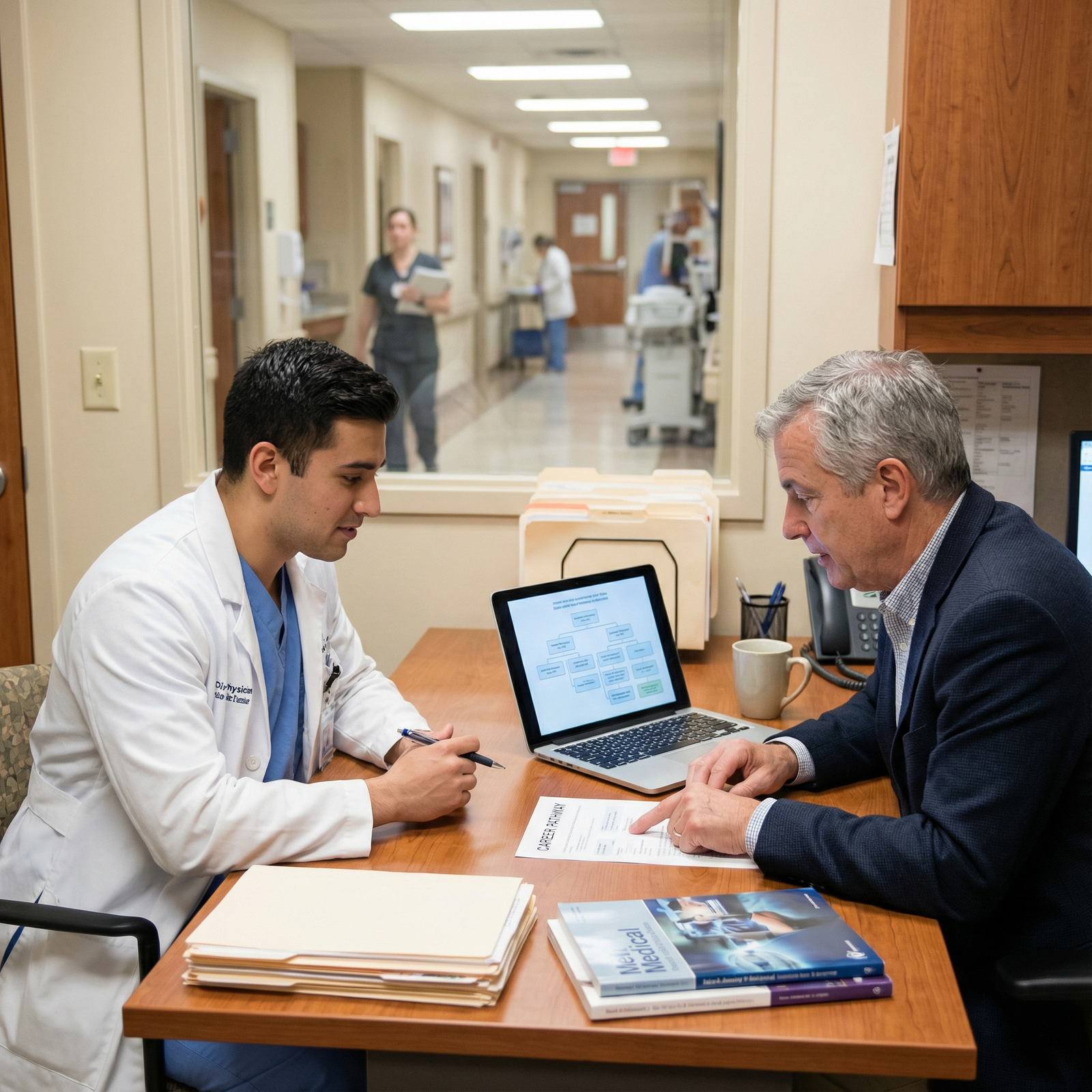
Identifying and Working with Mentors
Mentorship is one of the most powerful accelerators of Physician Development.
Who Can Be a Mentor?
- Attending physicians who model a practice style you admire
- Senior residents or fellows who are one or two steps ahead of you
- Faculty in your intended specialty, even if not at your prelim program
How to Establish a Mentoring Relationship
- Start by asking focused questions after rounds or clinics
- Request a short meeting (“Could we find 20–30 minutes sometime this month to discuss career planning?”)
- Come prepared with specific topics: specialty choice, research ideas, strategies for your upcoming advanced match
Maintain the Relationship
- Update mentors a few times per year on your progress
- Ask for feedback on your CV, personal statement, or application strategy
- Express genuine appreciation for their time and advice
Strong mentorship can help you navigate specialty decisions, research and scholarship, and the logistics of future residency and fellowship applications.
Time Management and Efficiency: Surviving the Workload
Effective Time Management is arguably the single most practical skill for thriving in residency. It reduces errors, decreases stress, and allows you to protect time for learning and Self-Care.
Structuring Your Day for Success
Begin with a Clear Plan
- Review your list before pre‑rounds:
- Which patients are unstable or likely to need early attention?
- Who is likely to discharge today?
- Create a “must‑do today” column and a “if time allows” column for tasks.
- Review your list before pre‑rounds:
Batch Tasks Whenever Possible
- Enter several routine orders at once.
- Make phone calls in groups instead of scattered throughout the day.
- Combine bedside checks: if you’re going in to examine the patient, check I/Os, drips, and re-assess symptoms at the same time.
Use Checklists
- Create a standard pre‑round checklist: vitals, labs, imaging, overnight events, key medications, pending studies.
- Use a discharge checklist for each patient to avoid last‑minute scrambling.
Working Smarter, Not Just Harder
Develop Note and Sign-Out Templates
- Use structured templates for H&Ps, progress notes, and sign-out.
- Include standard headings that reflect your program’s expectations (Assessment and Plan by problem, hospital course, anticipated needs).
Prioritize by Clinical Urgency
- Address unstable or potentially deteriorating patients first.
- Next, tackle tasks that unblock others (e.g., placing orders for imaging that has limited availability).
- Defer lower-yield tasks until critical issues are addressed.
Ask for Help Early
- Calling for assistance is a safety skill, not a weakness.
- Develop a mental threshold: “If this patient is getting worse and I’m not sure why or what to do after 5–10 minutes of thinking, I’ll call my senior.”
Using Technology Wisely
- Digital calendars for clinic days, exams, program deadlines
- Task apps or electronic to‑do lists for follow-ups, callbacks, and reading goals
- Access to guidelines and clinical calculators (with awareness of institutional policies)
Don’t let technology become another source of distraction—use it to support structured work rather than multitasking chaos.
Protecting Your Well-Being: Self-Care, Resilience, and Boundaries
Residency culture has historically glorified self-neglect, but research and evolving professional norms are clear: sustainable excellence requires deliberate Self-Care.
Physical Health as a Performance Tool
Sleep
- Prioritize consistent sleep windows when off-call.
- Use strategic naps pre- and post-night float when possible.
- Protect sleep hygiene: minimize screen time before bed, dark and cool room, consider white noise.
Nutrition and Hydration
- Keep high‑protein, shelf-stable snacks (nuts, protein bars) in your bag or locker.
- Choose simple, sustainable habits (e.g., one extra glass of water per shift, one fruit or vegetable with each meal).
- Avoid relying exclusively on sugar and caffeine for energy; they amplify crashes.
Movement
- Even brief movement counts: 10–15 minutes of stretching, walking stairs, or body-weight exercises on most days.
- Use “micro‑workouts” between shifts instead of aiming only for full gym sessions you may not consistently achieve.
Emotional and Mental Health in Medical Training
Normalize Stress and Emotional Responses
- Sadness after a bad outcome, anxiety before a difficult call night, and frustration with systems issues are normal human reactions.
- Talk openly with trusted peers; you will find your feelings are widely shared.
Use Available Resources
- Many programs offer:
- Counseling or employee assistance programs (EAPs)
- Resident wellness committees and support groups
- Formal coaching or mentorship programs
- Confidentially access these resources early, not just in crisis.
- Many programs offer:
Set Boundaries Where You Can
- Practice saying “I cannot take that on right now, but I can help with X next week.”
- Protect a small amount of non-negotiable personal time each week for rest, family, or hobbies—even if brief.
Caring for your own health is not separate from patient care; it is what allows you to show up reliably as a thoughtful, attentive physician.
Maximizing Learning During Clinical Rotations
Your preliminary year is full of rich educational opportunities—if you engage intentionally.
Being an Active Participant on Rotations
Show Up Prepared
- Skim topics related to your current patients (e.g., CAP pneumonia guidelines for your pneumonia admission).
- Review common admit diagnoses for each rotation (HF exacerbation, COPD, sepsis) before starting.
Ask Targeted Questions
- Instead of broad “What should I read?” ask:
- “Can you recommend a resource to better understand management of decompensated cirrhosis?”
- “Why did we choose this antibiotic instead of another option?”
- Instead of broad “What should I read?” ask:
Volunteer for Procedures and Responsibilities
- Ask to:
- Place central lines, arterial lines, lumbar punctures, or paracenteses where appropriate
- Lead parts of rounds (presenting, running the list)
- Call consultants under supervision to practice concise communication
- Ask to:
These experiences build both confidence and competence.
Building a Personal Learning System
Daily Micro‑Learning
- After each shift, write down 2–3 clinical questions that arose.
- Look up short, focused answers and keep them in a single digital document or notebook.
Use Varied Educational Resources
- Podcasts and review videos during commutes or workouts
- High‑yield apps and pocket references while on the wards
- Simulation centers and skills labs for procedures and crisis management
Reflect on Your Experiences
- Briefly journal meaningful cases or near-misses:
- What went well?
- What could have gone better?
- What will I do differently next time?
- These reflections improve clinical judgment and provide material for future interviews or personal statements.
- Briefly journal meaningful cases or near-misses:
Strategic Career Planning: Using Your Preliminary Year to Prepare for What’s Next
Your preliminary year is also a strategic year for shaping your longer-term path.
Clarifying or Reassessing Your Specialty Choice
Use Rotations as “Test Drives”
- Observe not just the content of the work, but:
- The lifestyle patterns of attendings and fellows
- The culture of the specialty
- How you feel at the end of a typical day on that service
- Observe not just the content of the work, but:
Talk to People at Different Career Stages
- Ask juniors: “What surprised you about this specialty?”
- Ask seniors and attendings: “If you were deciding today, would you pick this field again—and why?”
If you find misalignment with your initial plan, it is not a failure; many successful physicians pivot during or after their preliminary year.
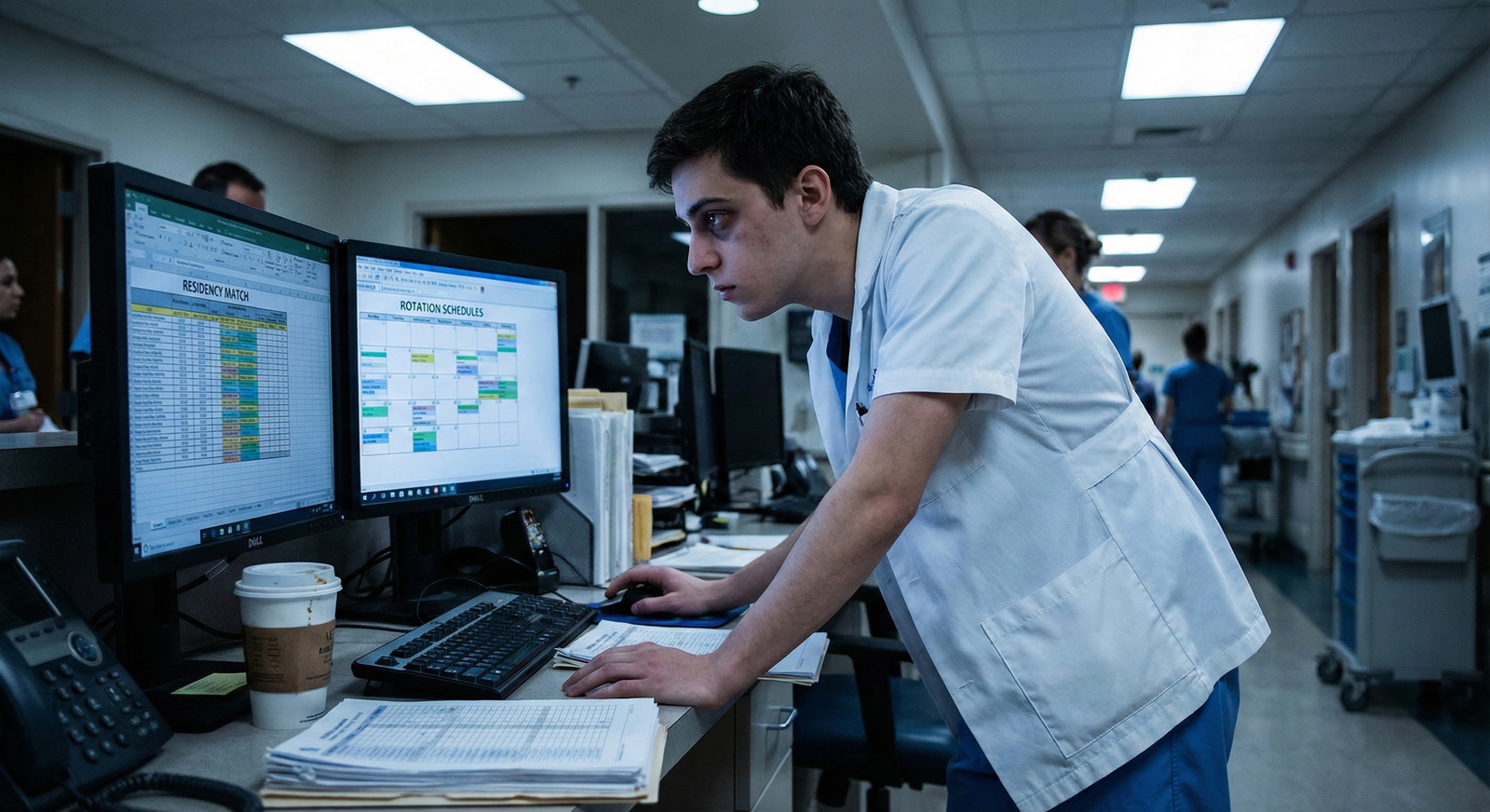
Planning for the Advanced Match and Future Opportunities
Know Your Timeline
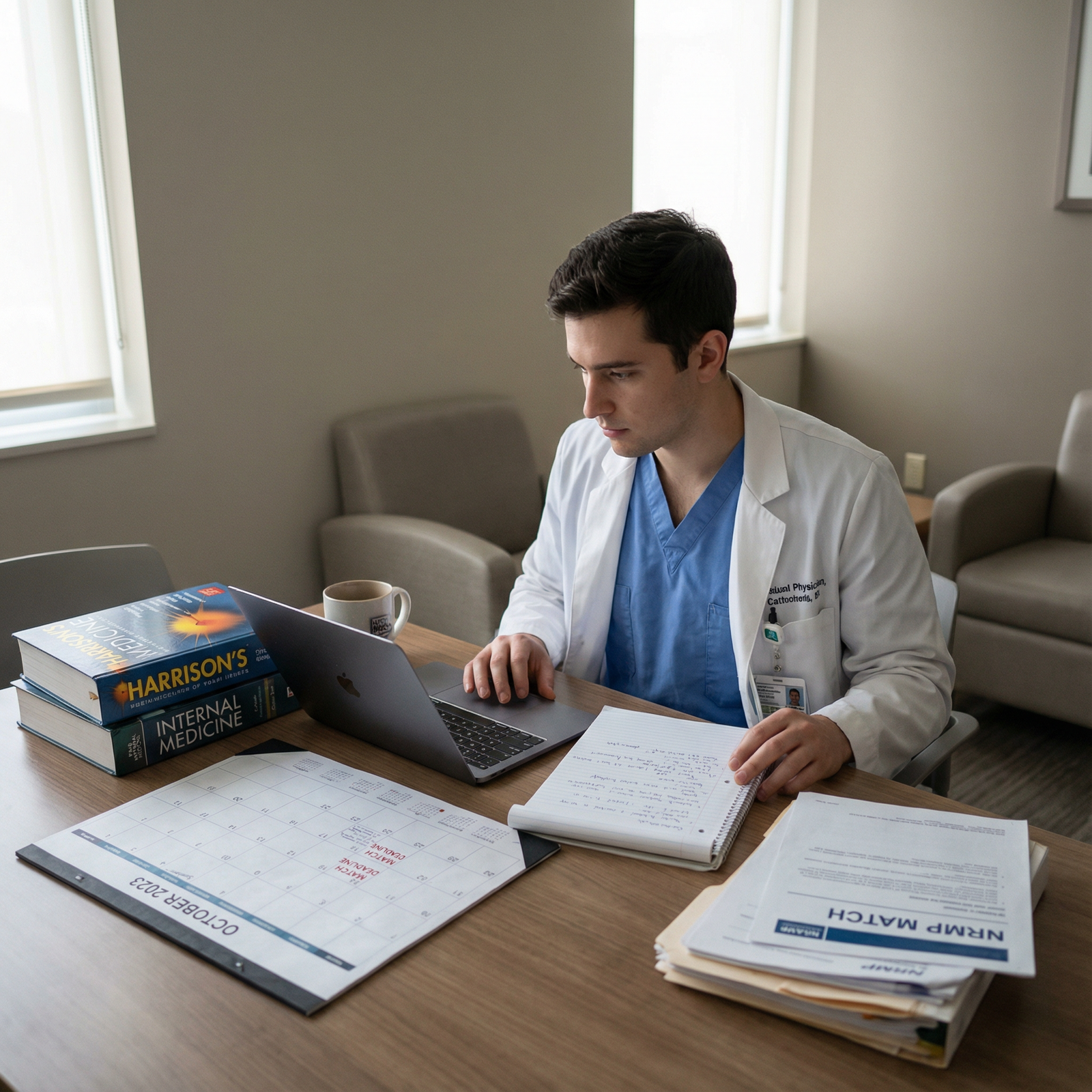
- Understand ERAS, NRMP, or specialty match deadlines relative to your preliminary year.
- Leave time for letters of recommendation, personal statement revisions, and interviews.
Cultivate Strong Letters
- Identify 2–3 attendings who see you repeatedly and know your work.
- Tell them your goals (“I’m applying in anesthesiology and would appreciate feedback on how I can strengthen my application.”).
- Ask for letters early and provide your updated CV and personal statement draft.
Build a Focused CV
- Engage in realistic scholarly or QI projects:
- Small quality-improvement initiatives on your ward
- Case reports from memorable or unusual patients
- Resident-led education sessions or curriculum design
- Select opportunities that align with your intended field and can be completed within the year.
- Engage in realistic scholarly or QI projects:
By the end of your preliminary year, aim to have:
- A clear or at least better‑defined specialty direction
- A set of mentors and advocates
- Updated application materials ready for the next stage
Frequently Asked Questions (FAQs) About the Preliminary Year
1. What types of rotations can I expect during my preliminary year?
Most preliminary and transitional years include a mix of:
- Inpatient Internal Medicine (ward teams, sometimes step‑down or telemetry)
- General Surgery or Surgical Subspecialties (for prelim surgery tracks)
- Intensive Care Unit (ICU) rotations
- Emergency Medicine
- Ambulatory/Outpatient Clinics
- Elective Time (depending on the program: cardiology, GI, radiology, anesthesia, sports medicine, palliative care, etc.)
The exact mix depends on whether you are in a preliminary internal medicine, preliminary surgery, or transitional year program. Reviewing each program’s rotation schedule before ranking is a key step in your Residency Match and Applications strategy.
2. How can I build strong working relationships with my team?
- Be punctual and prepared for rounds and sign-out.
- Communicate clearly and respectfully with nurses, consultants, and ancillary staff.
- Share the workload fairly with co‑residents; step up when others are overwhelmed.
- Ask for and respond to feedback with openness rather than defensiveness.
- Show appreciation—simple thank‑yous, recognizing others’ contributions, and closing the loop after you’ve acted on a nurse’s concern go a long way.
These behaviors build trust and make teams more supportive and efficient, improving both your experience and patient care.
3. What resources are available to support well-being and stress management during residency?
Most programs now recognize well-being as a key component of safe, high‑quality care. Common resources include:
- Institutional Employee Assistance Programs (EAPs) for confidential counseling
- Resident wellness committees organizing support groups, workshops, and social events
- Formal mentorship programs pairing you with faculty or senior residents
- Access to mental health professionals familiar with healthcare worker stress
- Protected didactic or wellness time, depending on program structure
If you’re unsure what’s available, ask your chief residents, program coordinator, or GME office. Seeking support early is a sign of wisdom, not weakness.
4. How can I maximize my learning and still keep up with the workload?
- Integrate learning into your workflow instead of adding it on top:
- Read about conditions affecting your current patients.
- Use brief pockets of downtime for targeted article or guideline review.
- Set small, achievable learning goals (e.g., “Today I’ll learn the management algorithm for sepsis”).
- Use active methods: teaching peers, presenting on rounds, or summarizing what you’ve learned in your own words.
- Keep a running list of “learning points” from each shift and periodically review them.
Balancing learning with service is a core skill in Medical Training; it improves naturally over the year as you gain efficiency.
5. What if I’m uncertain about my specialty choice during my preliminary year?
Uncertainty is common and completely acceptable. To navigate it:
- Reflect on which rotations give you a sense of meaning and satisfactions vs. which consistently drain you.
- Arrange meetings with mentors in several fields to discuss pros and cons.
- Consider shadowing in clinics or ORs outside your assigned rotations.
- Think about your long‑term preferences:
- Procedural vs. cognitive
- Inpatient vs. outpatient
- Acute care vs. longitudinal relationships
If you’re contemplating a change, talk early with your program director or a trusted faculty advisor; they can help you understand the practical steps and timelines involved.
Your preliminary year is both demanding and transformative. By setting realistic expectations, investing in relationships, honing Time Management skills, prioritizing Self-Care, and engaging deliberately in your clinical experiences, you can not only survive this year—you can use it as a powerful launchpad for the rest of your career in medicine.