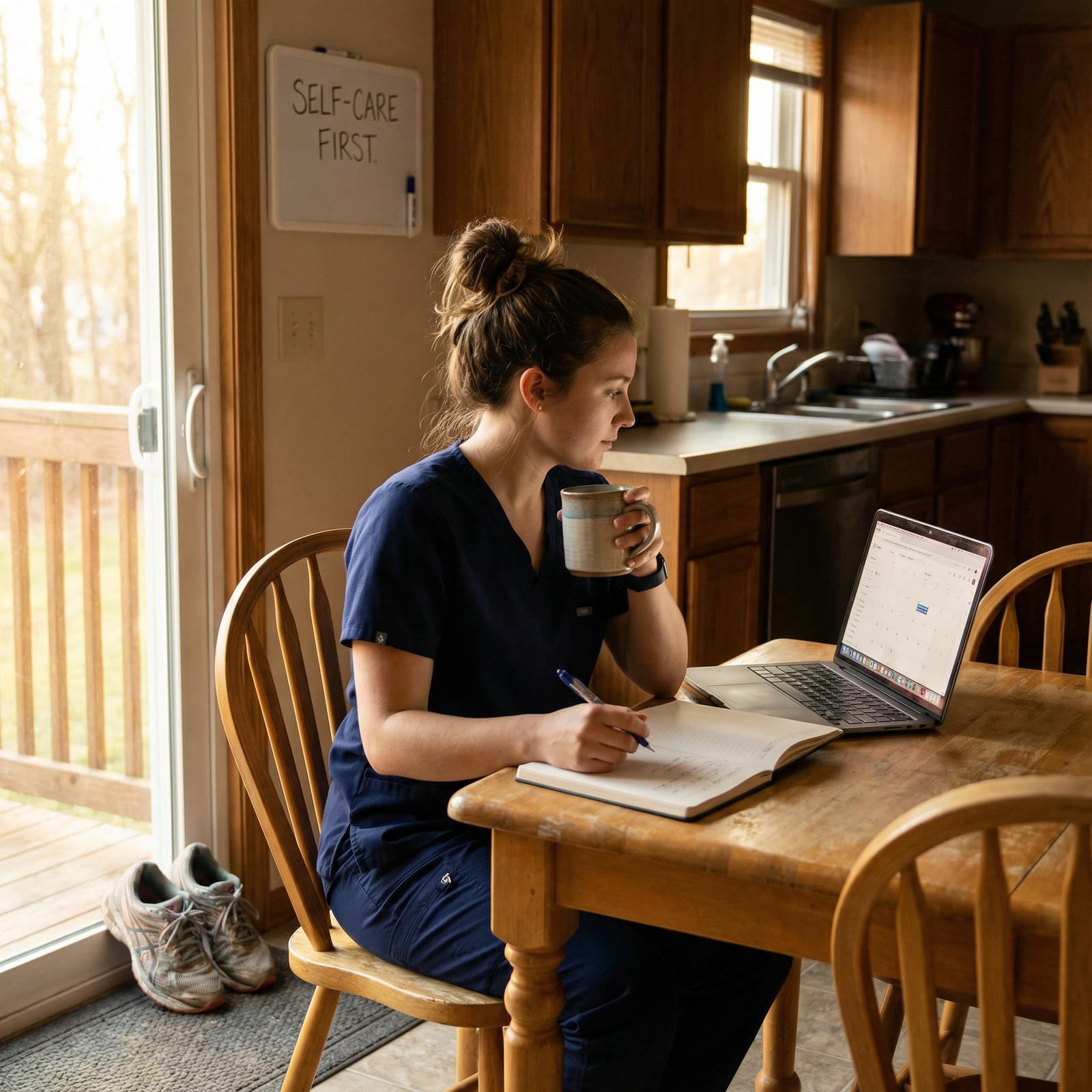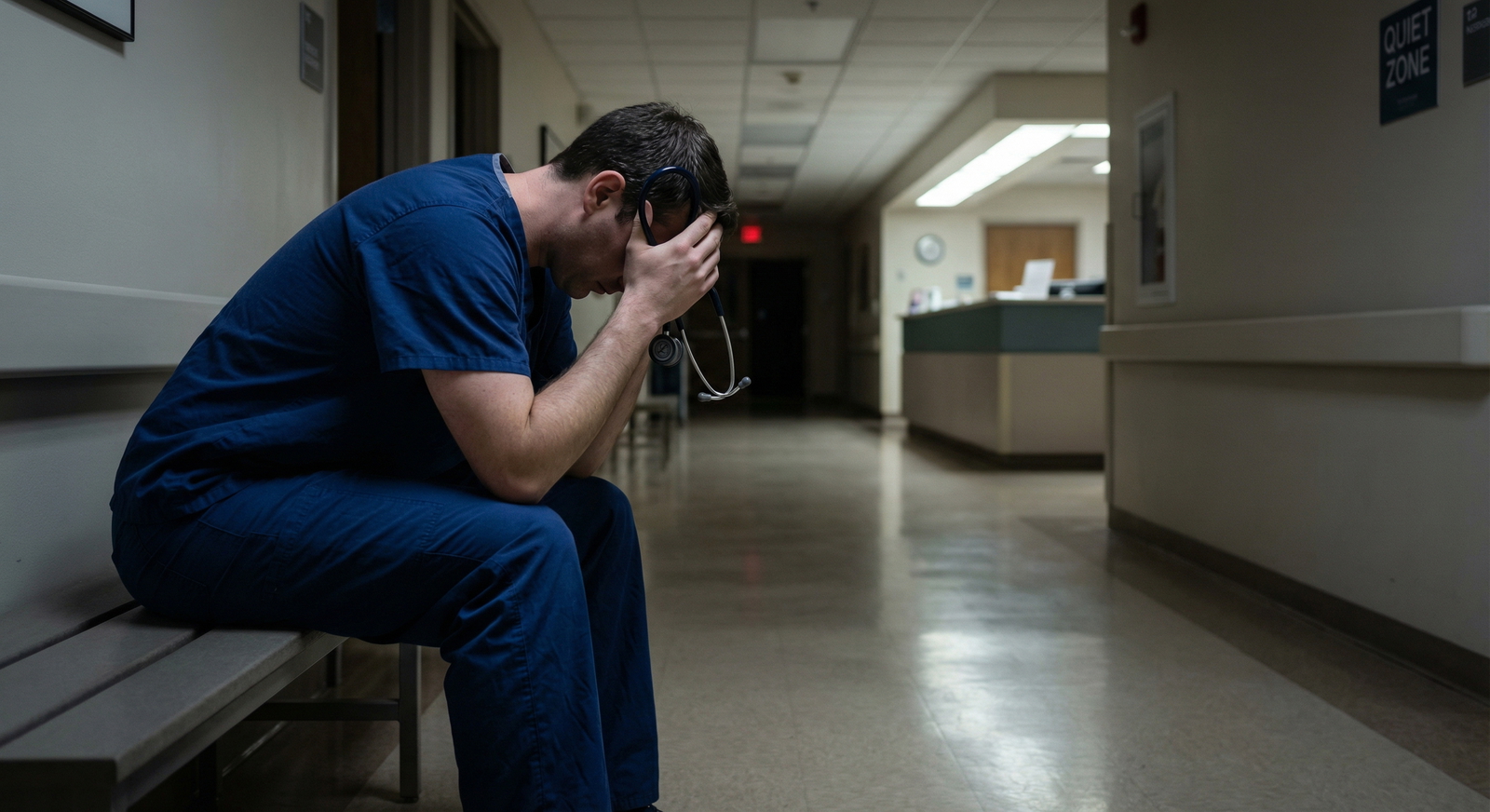
Residency is one of the most demanding phases of medical training—physically, mentally, and emotionally. Between 28‑hour calls, night float, relentless pages, and emotionally charged patient care, it’s no surprise that many residents experience burnout. What’s often underestimated, however, is how strongly day-to-day Nutrition influences Residency Wellness, performance, and Burnout Prevention.
Food will not fix toxic systems, overwhelming workloads, or poor staffing. But what and how you eat can significantly impact your energy, cognitive performance, mood stability, and even your stress response. Thoughtful Meal Planning and fueling strategies can become a powerful, realistic form of Stress Management during residency.
This guide explores how nutrition shapes burnout risk and offers practical, resident-tested strategies to help you eat for energy—even on call, during night shifts, or in a chaotic ED.
The Science-Backed Link Between Nutrition, Energy, and Burnout
Understanding Residency Burnout in Real Life
Burnout is more than “just being tired.” It’s a recognized occupational syndrome with three key dimensions:
Emotional Exhaustion
Feeling completely drained, dreading work, or lacking the emotional reserves to engage with patients, colleagues, or even loved ones.Depersonalization (Cynicism)
Developing a detached, cynical, or even negative attitude toward patients or your role. You may catch yourself thinking of people as “tasks” or “numbers” rather than humans.Reduced Personal Accomplishment
Feeling ineffective, questioning whether you’re making a difference, or constantly feeling “behind” or “not good enough” despite objective progress.
When you’re under-fueled, dehydrated, or riding a blood sugar roller coaster all day, these burnout features can become more intense. You may experience:
- More irritability on rounds
- Slower thinking or decision fatigue
- Increased errors or near-misses
- Worsening sleep, even when you finally get time off
- Heightened anxiety or low mood
Nutrition is not the sole cause of any of these, but it is one of the few factors you can control to support your resilience within a difficult system.
How Nutrition Affects the Brain, Mood, and Stress
The brain is metabolically expensive. Though it’s only about 2% of body weight, it uses roughly 20% of your daily energy. What you eat directly affects:
- Glucose availability for mental focus and reaction time
- Neurotransmitter synthesis (serotonin, dopamine, GABA) for mood, motivation, and calm
- Inflammation levels, which can influence fatigue, aches, and even depressive symptoms
- Hormonal balance, including cortisol (the stress hormone) and insulin
- Sleep quality, via blood sugar stability, caffeine intake, and micronutrient status
Residents frequently fall into cycles of:
- Skipping meals during rounds
- Grabbing fast food or vending machine snacks mid-shift
- Relying heavily on caffeine and sugar
- Eating very late at night, then going to bed immediately
- Drinking minimal water until a headache hits
This pattern can worsen fatigue, mood swings, and irritability, making burnout symptoms harder to manage. Intentionally improving your fueling strategy—even modestly—can create noticeable benefits in energy and emotional stability.
Key Nutrients and Habits for Stable Energy and Mood
1. Complex Carbohydrates: Fuel Without the Crash
Your brain’s preferred fuel is glucose. Complex carbohydrates provide a slow, steady release of glucose, helping maintain concentration and endurance during long shifts.
Better choices for sustained energy:
- Oatmeal, steel-cut or rolled oats
- Brown rice, quinoa, farro, barley
- Whole grain bread or wraps
- Beans and lentils
- Starchy vegetables (sweet potatoes, squash)
- Whole fruits (not just juice)
What happens with simple sugars and refined carbs?
White bread, pastries, sugary coffee drinks, and candy cause a rapid blood sugar spike followed by a crash. That crash often feels like:
- Sudden fatigue
- Brain fog and irritability
- Intense cravings for more sugar or caffeine
Aim for carbs that are high in fiber and pair them with protein and healthy fats to smooth out your energy curve.
2. Protein: Building Blocks for Focus, Mood, and Satiety
Protein is not just for muscles. Amino acids from protein are crucial for making neurotransmitters, including:
- Tryptophan → Serotonin (mood, calm)
- Tyrosine → Dopamine and Norepinephrine (motivation, alertness)
Stable protein intake across the day helps:
- Maintain concentration on long rounds
- Reduce cravings and overeating at night
- Support muscle mass despite long hours on your feet or poor sleep
- Keep you fuller longer between patients or tasks
Quick, realistic protein options for residents:
- Greek yogurt or skyr cups
- String cheese or cheese sticks
- Hard-boiled eggs
- Rotisserie chicken, grilled chicken strips
- Canned tuna or salmon pouches
- Tofu cubes or baked tempeh
- Hummus with whole-grain crackers or veggies
- Protein shakes or ready-to-drink protein beverages
Aiming for 15–30 grams of protein at each meal and at least 10–15 grams in larger snacks can support both mood and physical stamina.
3. Healthy Fats: Brain Support and Inflammation Control
Fat is essential for absorbing fat-soluble vitamins (A, D, E, K), building cell membranes, and supporting brain function. Of particular interest in Burnout Prevention are omega‑3 fatty acids, which may help:
- Support cognitive function
- Reduce inflammation
- Improve mood and potentially reduce depressive symptoms
Sources of healthy fats:
- Fatty fish (salmon, mackerel, sardines)
- Walnuts, almonds, and other nuts
- Flaxseeds, chia seeds, hemp seeds
- Avocado
- Olive oil and canola oil
You don’t need elaborate recipes—adding a handful of nuts, a drizzle of olive oil, or some avocado to a meal can make a meaningful difference.
4. Micronutrients That Matter in Residency Wellness
Residents often have micronutrient gaps due to irregular eating and heavy reliance on processed foods. Key players include:
B Vitamins (B6, B12, Folate, etc.)
- Essential for energy production in mitochondria
- Support neurological function and red blood cell production
- Low levels can contribute to fatigue, low mood, and poor concentration
Sources:
Whole grains, leafy greens, eggs, dairy, meat, legumes, fortified cereals. Strict vegetarians/vegans should pay particular attention to vitamin B12 and consider supplementation under guidance.
Magnesium
- Involved in over 300 biochemical reactions
- Supports muscle relaxation, sleep quality, and stress modulation
- Low magnesium is linked with increased anxiety and muscle tension
Sources:
Nuts, seeds, leafy greens, beans, whole grains, dark chocolate (in moderation).
Vitamin D
- Important for immune function and mood regulation
- Many healthcare workers are deficient, especially with long indoor shifts and night float
- Low vitamin D has been associated with depressive symptoms and fatigue
Sources:
Sunlight, fortified dairy or plant milks, fatty fish, egg yolks. Lab testing and tailored supplementation may be appropriate—discuss with your PCP.
Iron
- Critical for oxygen transport and energy
- Iron deficiency can cause fatigue, decreased exercise tolerance, and difficulty concentrating
Sources:
Red meat, poultry, beans, lentils, fortified cereals, spinach (best absorbed with vitamin C–rich foods).
If you’re persistently exhausted despite adequate sleep and better nutrition, consider evaluation for anemia, thyroid disease, or deficiencies via your healthcare provider.
5. Hydration: The Simplest Performance Enhancer
Even mild dehydration (1–2% body weight) can impair:
- Short-term memory
- Attention and alertness
- Mood and headache frequency
- Physical endurance during long OR days
Practical hydration strategies for residents:
- Carry a reusable water bottle and make it as essential as your stethoscope.
- Set phone or watch reminders every 60–90 minutes to take several sips.
- Keep a backup bottle in your locker or call room.
- Add lemon, cucumber, or a splash of 100% juice if plain water is unappealing.
- Consider unsweetened herbal tea or lightly flavored seltzer.
Be mindful that high caffeine intake (coffee, energy drinks) can be mildly diuretic and mask your thirst. Balance caffeinated beverages with water.
Meal Planning and Eating Strategies for Real Residency Life
Perfect diets don’t exist during residency, and they shouldn’t be your goal. Aim for consistent, better choices, not perfection. Small, sustainable changes compound over time and support Burnout Prevention and Residency Wellness.
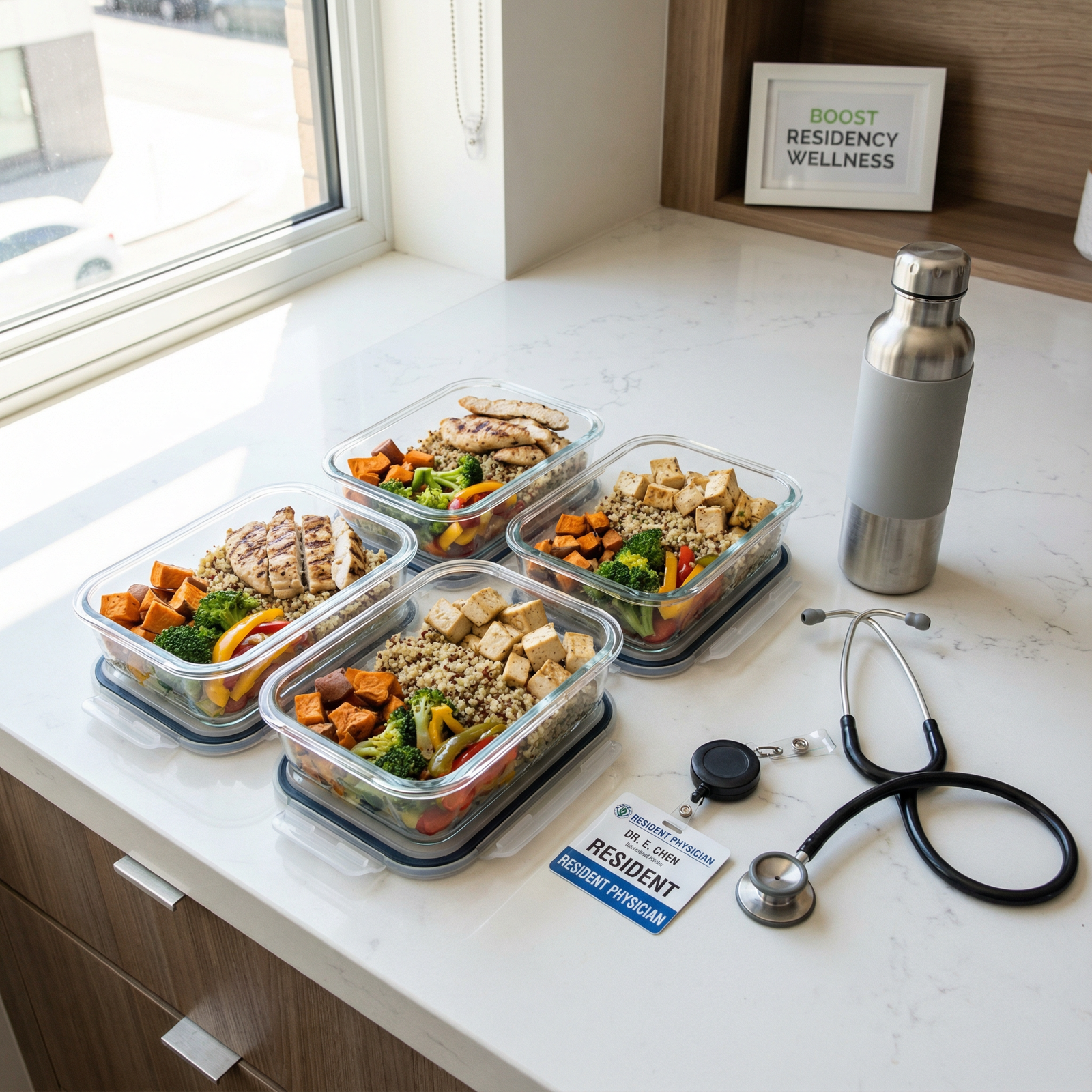
1. Strategic Meal Prepping for Unpredictable Schedules
You may not control when you get to eat, but you can often control what is available when you finally can.
Weekend or Post-Call Meal Prep
Set aside 1–2 hours once or twice a week to:
- Cook 1–2 proteins in bulk (chicken, tofu, beans, lentils)
- Prepare 1–2 whole grains (quinoa, brown rice, whole wheat pasta)
- Roast a sheet pan of mixed vegetables (broccoli, carrots, peppers, Brussels sprouts)
- Assemble grab-and-go breakfasts (overnight oats, egg muffins, yogurt parfaits)
Store in individual containers you can quickly grab on your way out. This reduces last-minute dependence on fast food or vending machines.
Examples of prep-friendly meals:
- Quinoa bowl with black beans, roasted veggies, avocado, and salsa
- Brown rice with stir-fried tofu, mixed vegetables, and soy-ginger sauce
- Whole grain wrap with turkey or hummus, leafy greens, and sliced veggies
- Lentil soup or chili portioned into microwave-safe containers
2. Planning for Different Types of Shifts
Your nutrition strategy will differ for day shifts, nights, and call.
Day Shifts
- Eat a balanced breakfast (protein + complex carbs + healthy fat) if possible
- Example: Greek yogurt + oats + berries + nuts
- Pack a lunch that doesn’t require complicated reheating
- Bring 2–3 portable snacks in case meals get delayed
- Hydrate before rounds and between patients
Night Float or 24–28 Hour Call
- Treat your “start of shift” like morning: eat a real meal before heading in
- Pack food as if you’ll get little to no cafeteria access
- Focus on lighter, easy-to-digest meals overnight to avoid GI discomfort
- Avoid very heavy, greasy meals at 2–3 a.m., which can worsen fatigue and reflux
- Cut off caffeine 6–8 hours before planned sleep time to protect recovery
Smart night-shift options:
- Hummus and veggie wrap
- Greek yogurt with fruit and nuts
- Small portion of brown rice or quinoa with lean protein
- Banana or apple with peanut butter
- Trail mix (nuts + seeds + a bit of dried fruit)
3. Mindful Eating (Even When You Only Have 10 Minutes)
Mindful eating can sound unrealistic in residency, but small adjustments matter:
- Pause for 10–20 seconds before eating to take a breath and shift your mind from “constant rush” to “refuel mode.”
- Sit down whenever possible, even if it’s just at the corner of the nurses’ station.
- Avoid eating exclusively while charting if you can; at least spend the first few bites focusing only on your food.
- Chew more slowly than you think you need to—this supports digestion and satiety, which can prevent overeating later.
Mindful eating is less about long meditations and more about brief, intentional moments of awareness that also double as micro Stress Management breaks.
4. Smart Snacking for Stable Energy
Snacks can extend your energy or wreck it, depending on what you choose.
Aim for snacks that combine:
- Protein or healthy fats + complex carbs
to stabilize blood sugar and keep you full.
Examples that work well in white coats and call rooms:
- Almonds or mixed nuts + a piece of fruit
- Single-serve hummus + baby carrots or whole grain crackers
- Cheese stick + whole grain crackers
- Protein bar with at least 10–15 g protein and limited added sugar
- Roasted chickpeas or edamame
- Chia pudding made with milk or a fortified plant-based milk
Try to avoid relying solely on:
- Donuts, cookies, candy from break rooms
- Sugary coffee drinks as your only fuel
- Large energy drinks as meal replacements
Those may feel good briefly but often worsen fatigue and irritability later.
5. Caffeine: Helpful Ally or Hidden Problem?
Caffeine can sharpen alertness and reaction time—important in clinical work. But overuse can:
- Increase anxiety and jitteriness
- Disrupt sleep (especially REM sleep)
- Exacerbate reflux and palpitations
- Lead to dependency and withdrawal headaches
Guidelines to protect your wellness:
- Cap daily intake around 300–400 mg (about 3–4 small cups of coffee) unless advised otherwise.
- Avoid large caffeine doses all at once; spread it through the first half of your shift.
- Cut off caffeine 6–8 hours before sleep, even if your “night” is at 10 a.m. post-call.
- Alternate coffee with water or herbal tea to stay hydrated.
Real-Life Resident Scenarios: Nutrition in Action
Case Study 1: The Constantly Exhausted Surgery Resident
Background:
Dr. Emma, a third-year surgical resident, frequently started rounds without breakfast, relied on OR coffee, and grabbed whatever was left in the break room—often pastries or cookies. She felt drained by midday and irritable during long cases.
Interventions:
- Began prepping overnight oats with oats, Greek yogurt, berries, and nuts for an on-the-go breakfast
- Packed two snacks daily: trail mix and a cheese stick
- Filled a 1‑liter water bottle before leaving home and committed to finishing it by noon
Results:
Within a few weeks, Emma noticed:
- More stable energy through cases
- Less irritability and fewer mid-morning “crashes”
- Less reliance on sugary snacks in the OR lounge
Case Study 2: The Burned-Out Internal Medicine Fellow
Background:
Dr. John, an internal medicine fellow, felt emotionally drained, pessimistic, and disconnected from his work. He often skipped lunch, then binged fast food late at night. He noticed significant weight gain, worsening reflux, and poor sleep.
Interventions:
- Met a colleague interested in healthier eating and they started meal prepping together on Sundays
- Shifted toward protein-rich lunches with vegetables (e.g., grilled chicken with quinoa and salad)
- Limited fast food to no more than once per week
- Swapped late-night heavy meals for lighter options and cut caffeine after 3 p.m.
Results:
Over several months, John reported:
- Improved mood and a renewed sense of control
- Less reflux and more restful sleep
- Stronger peer connection by sharing recipes and meals, which further supported his overall Residency Wellness

Integrating Nutrition Into a Broader Burnout Prevention Plan
Nutrition is one pillar among many that support Burnout Prevention. It works best when combined with other elements of Residency Wellness:
- Sleep Hygiene: Protect off-duty sleep as much as rotations allow; use nutrition (less caffeine, lighter late meals) to improve sleep quality.
- Movement: Even 10–15 minutes of walking or light stretching daily can improve mood and energy. Fuel with a small carb + protein snack beforehand if you’re depleted.
- Boundaries: Say no where you can, delegate when appropriate, and use your limited non-clinical time for recovery, not just catching up on tasks.
- Support Systems: Share food prep, recipes, or snack stashes with co-residents. Collective wellness is often easier to maintain than individual efforts in isolation.
- Professional Help: If you’re noticing significant depressive symptoms, anxiety, or inability to function, seek help from a physician, counselor, or your GME wellness program. Nutrition supports mental health, but it does not replace professional care.
Think of food as one of your daily tools for Stress Management—something you can adjust to slightly improve how you feel and perform in a demanding environment.
FAQ: Nutrition, Residency Wellness, and Burnout Prevention
1. What are some quick, high-yield meals I can make with almost no time?
Aim for meals that require minimal cooking and can be assembled quickly:
- Microwaveable grain + rotisserie chicken + frozen veggies
- Example: Brown rice pouch + shredded rotisserie chicken + frozen mixed vegetables, topped with olive oil or salsa
- Egg-based options
- Scrambled eggs with spinach and whole grain toast
- Pre-made egg muffins with veggies and cheese
- Simple grain bowls
- Quinoa or farro + canned beans + pre-washed salad greens + vinaigrette
- Wraps and sandwiches
- Whole grain wrap with turkey or hummus, sliced cucumbers, peppers, and spinach
The key is keeping a few versatile staples (eggs, canned beans, frozen vegetables, whole grains) on hand at home.
2. How can I stay hydrated during extremely busy shifts?
- Keep a refillable water bottle in your white coat, at the nurses’ station, or in the team room.
- Take micro-sips between patients or tasks instead of waiting until you’re very thirsty.
- Pair specific workflow steps with drinking (e.g., every time you log into the EMR, take a sip).
- If your hospital allows, consider low-sugar electrolyte tablets or packets during very long shifts or hot environments.
- Use your watch or phone to set silent reminders every 60–90 minutes to drink.
3. What foods or habits should I limit to protect my energy and mood?
You don’t need to completely eliminate anything, but consider limiting:
- Highly processed, high-sugar snacks (donuts, candy, soda) as main fuel sources
- Excessive caffeine, especially from energy drinks or large specialty coffees
- Very heavy, greasy meals during overnight shifts or right before sleep
- Alcohol as a primary coping tool after shifts, especially when using it to induce sleep
Instead, focus on building a baseline of regular, balanced meals and adding enjoyable foods in moderation.
4. How can I involve friends or co-residents in my nutrition and wellness goals?
- Organize a meal prep afternoon once or twice a month and split grocery costs.
- Create a shared snack station in the resident room with nuts, healthier bars, and instant oatmeal.
- Start a group chat for sharing quick recipes, meal ideas, or local healthy take-out options.
- Rotate who brings a healthy dish for call nights or sign-out gatherings.
- Advocate together for better cafeteria options or stocking healthier snacks in workrooms.
Social support turns nutrition changes from a solo struggle into a collective culture shift.
5. How exactly does nutrition support stress management during residency?
Balanced nutrition supports Stress Management in several ways:
- Stable blood sugar reduces irritability, anxiety, and energy crashes.
- Adequate protein and healthy fats help regulate neurotransmitters and hormones involved in mood and stress responses.
- Micronutrients (B vitamins, magnesium, vitamin D, iron) support brain function and reduce fatigue.
- Good hydration decreases headaches, improves focus, and can reduce the perception of stress.
- Higher-quality sleep, supported by less evening caffeine and heavy food, improves resilience to daily stressors.
While nutrition can’t eliminate residency stressors, it can strengthen your capacity to meet them.
Investing in how you fuel your body is not vanity or luxury—it’s part of your professional toolkit. By intentionally shaping your Nutrition, even in small ways, you support your Residency Wellness, protect against burnout, and preserve the energy you need to learn, care for patients, and sustain a long, meaningful career in medicine.