Introduction: Why Burnout Prevention and Resilience Matter in Residency
Residency is one of the most intense and formative periods in a physician’s career. It offers unparalleled learning, responsibility, and growth—but also exposes medical residents to chronic stress, emotional strain, and long hours that can erode well-being over time. As healthcare systems become more complex and understaffed, the risk of burnout has become a central concern for educators, program leaders, and residents themselves.
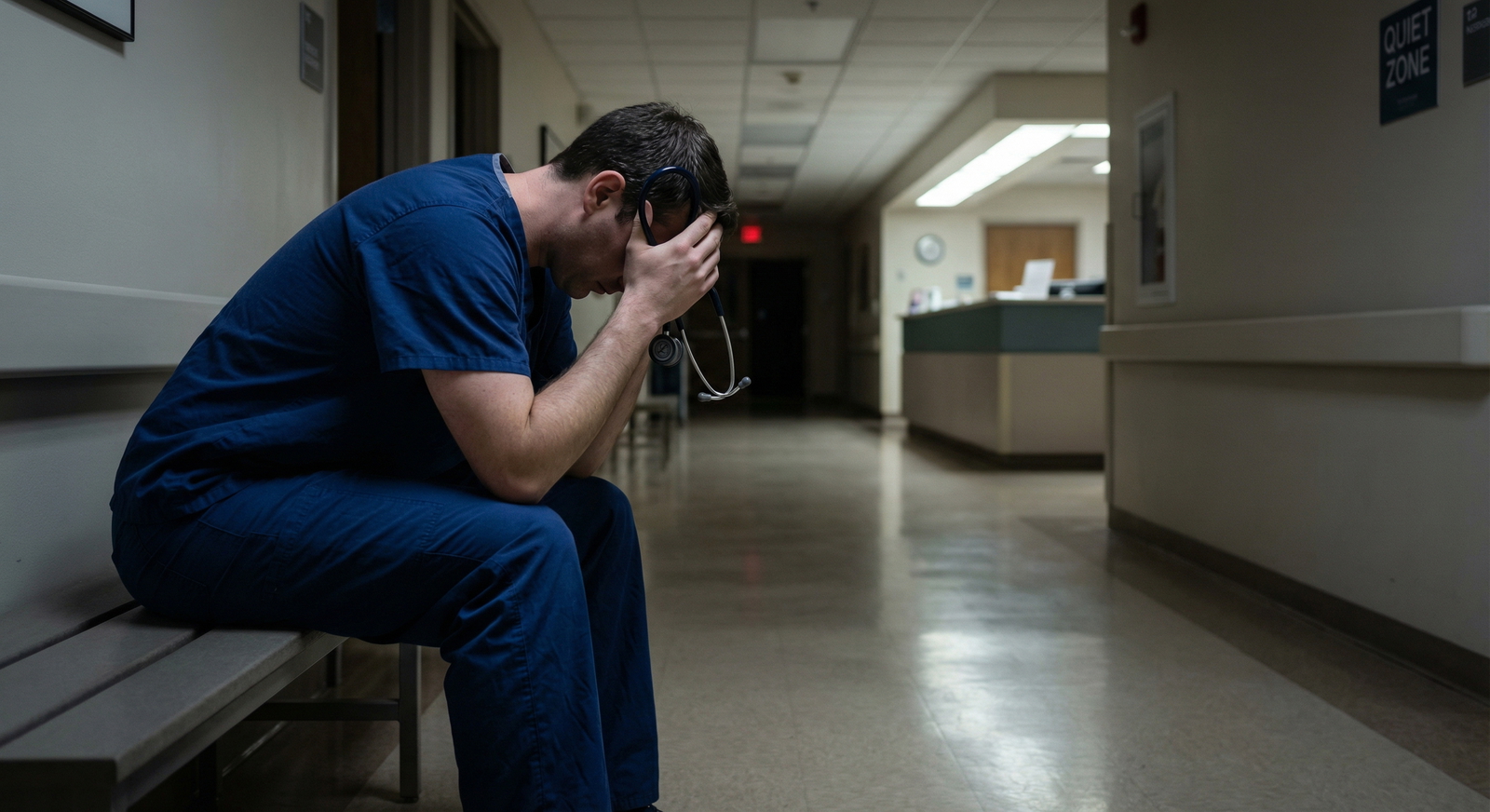
Burnout—marked by emotional exhaustion, depersonalization, and a reduced sense of personal accomplishment—is not just “being tired” or “having a bad rotation.” It is a serious occupational hazard that affects nearly half of trainees in some specialties, according to multiple studies in journals such as JAMA and Academic Medicine. Unaddressed, burnout can lead to depression, increased medical errors, attrition from training, and long-term consequences for physician health and patient safety.
This guide focuses on burnout prevention and resilience strategies for medical residents, with a dual lens:
- What individual residents can do to protect and rebuild their well-being
- What residency programs and institutions must implement to create a healthier, more supportive training environment
The goal is not to “toughen up” residents but to foster sustainable resilience—the ability to adapt, recover, and continue to grow in the face of ongoing challenge.
Understanding Burnout in Medical Residents
Why Medical Residents Are at High Risk for Burnout
Burnout in residency is driven by a combination of systemic, cultural, and individual factors. Common contributors include:
Long Hours and Intense Workload
- Rotations with 24–28-hour calls, night floats, and 60–80+ hour weeks accumulate fatigue.
- High patient volumes, documentation burdens, and constant multitasking leave little mental downtime.
- Frequent transitions between services and roles can make it hard to feel settled or competent.
Emotional Toll of Clinical Work
- Exposure to suffering, death, and ethically complex situations is a daily reality.
- Residents often juggle empathy with emotional self-protection, sometimes leading to “numbing” or detachment.
- Difficult interactions with patients or families, moral injury, and witnessing poor systems of care can increase distress.
Perfectionism and High Expectations
- Many trainees are high-achieving perfectionists who tie self-worth to performance.
- Culture in some programs may still implicitly reward self-sacrifice, stoicism, and overwork.
- Fear of making mistakes, being judged by attendings, or harming patients can be overwhelming.
Lack of Support and Psychological Safety
- Inadequate mentorship or inconsistent supervision can leave residents feeling alone in decision-making.
- Competitive or hierarchical environments may discourage asking for help.
- Stigma around mental health treatment and burnout may prevent early intervention.
System-Level Stressors
- Electronic health record (EHR) inefficiencies, administrative tasks, and poor workflows add cognitive load.
- Staffing shortages and inadequate ancillary support shift more non-clinical work to residents.
- Lack of input into scheduling or program decisions can contribute to learned helplessness.
These realities do not mean burnout is inevitable—but they do underscore the need for deliberate resilience-building and structural change.
Recognizing the Signs of Burnout Early
Early recognition is critical for burnout prevention and timely intervention. Common signs in medical residents include:
- Physical and emotional exhaustion
- Persistent fatigue, even after time off
- Sleep disturbances, headaches, somatic complaints
- Emotional detachment and depersonalization
- Feeling numb or indifferent toward patients
- Describing patients in impersonal or cynical ways
- Reduced empathy or irritability with staff and colleagues
- Reduced sense of accomplishment
- Feeling ineffective or incompetent despite evidence of good performance
- Constant self-criticism or imposter feelings
- Loss of pride in one’s work
- Behavioral changes
- Withdrawal from friends, family, or peer activities
- Increased errors, forgetfulness, or missed tasks
- Increased use of substances (alcohol, stimulants, sedatives)
- Cognitive and mood changes
- Difficulty concentrating or making decisions
- Heightened anxiety, hopelessness, or depressive symptoms
- Growing cynicism about medicine or the healthcare system
Normal stress and fatigue wax and wane; burnout is more persistent and pervasive, affecting how you feel about yourself, your patients, and your future in medicine. When residents recognize these patterns, they can seek help early—before burnout deepens into significant depression or disengagement.
Building Resilience in Medical Residents: A Practical Framework
Resilience is not a fixed trait; it is a set of behaviors, mindsets, skills, and supports that can be strengthened over time. Effective burnout prevention combines individual self-care and system-level changes. Below is a structured framework that residency programs and residents can implement together.
1. Prioritize Self-Care as a Professional Responsibility
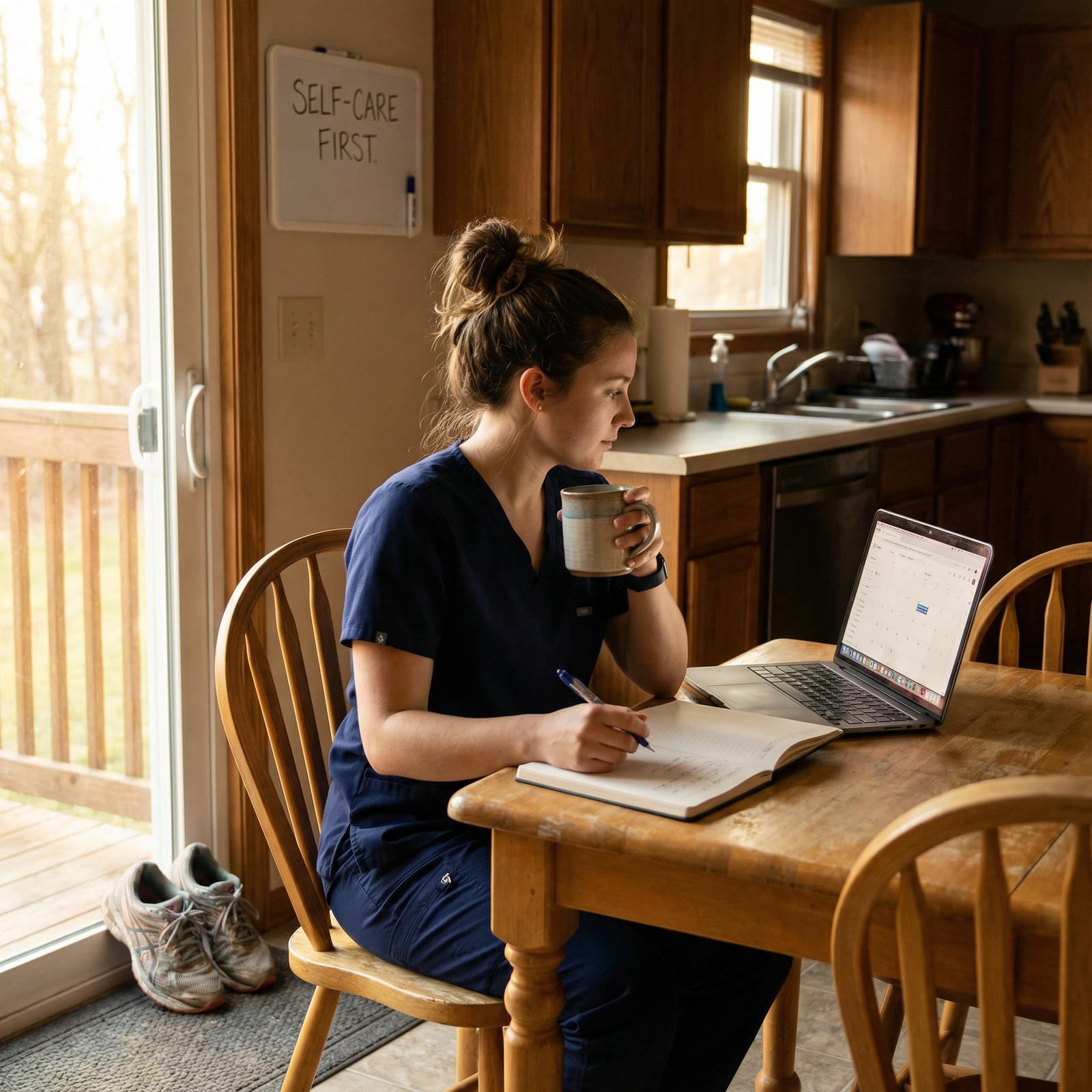
Self-care is not indulgent—it is foundational to safe, effective clinical care. For burnout prevention, self-care needs to be systematic, planned, and protected.
Mindfulness, Reflection, and Mental Hygiene
Mindfulness and Meditation
- Even 5–10 minutes of guided meditation per day can reduce stress and improve focus.
- Programs can:
- Offer brief mindfulness sessions at noon conferences
- Provide free subscriptions to meditation apps
- Integrate mindful pauses before or after rounds
- Residents can:
- Use short breathing exercises between patients
- Practice grounding techniques during emotionally intense cases
Reflective Practice
- Journaling about challenging encounters, near-misses, or meaningful patient interactions promotes emotional processing.
- Balint groups or reflective case conferences allow residents to discuss the emotional side of medicine, not just the clinical facts.
Access to Mental Health Care
- Programs should provide confidential, low-barrier access to counseling and psychiatry, preferably free or low-cost.
- Normalize help-seeking by having faculty openly discuss their own use of therapy or coaching when appropriate.
Physical Activity as a Resilience Strategy
Exercise to Buffer Stress
- Regular movement improves sleep, mood, and concentration.
- Realistic strategies:
- 10–20 minute walks before or after shifts
- Bodyweight exercises in call rooms or at home
- Weekend group runs, yoga, or intramural sports organized by residents
Program-Level Supports
- Negotiate discounted or free gym memberships for trainees.
- Include protected time on select rotations for wellness activities.
- Provide secure bike storage, showers, or access to hospital wellness facilities.
Nutrition and Sleep Hygiene
Nutrition
- Encourage residents to:
- Pack high-protein, high-fiber snacks to avoid long periods without food
- Stay hydrated, not just caffeinated
- Programs can:
- Stock call rooms with healthier options (nuts, fruit, yogurt)
- Advocate for resident-friendly cafeteria hours
- Encourage residents to:
Sleep
- Teach practical sleep hygiene:
- Strategic caffeine use (avoid late-shift caffeine when possible)
- Dark, cool, quiet sleep environments
- Short, targeted naps on call when safe and feasible
- Enforce duty-hour policies meaningfully to prevent chronic sleep deprivation.
- Teach practical sleep hygiene:

2. Create Intentional Support Systems and Mentorship
Resilience is not a solo project. Humans are more resilient when embedded in supportive communities.
Peer Support and Community-Building
Peer Support Groups
- Small, confidential groups of residents can meet monthly to:
- Discuss stressors and share coping strategies
- Normalize struggles with imposter syndrome, errors, or difficult patients
- These groups can be facilitated by trained faculty or senior residents.
- Small, confidential groups of residents can meet monthly to:
Buddy Systems
- Pair interns with upper-level residents for:
- Informal check-ins
- Advice on managing workload, exams, and life logistics
- Early detection of distress by a trusted peer
- Pair interns with upper-level residents for:
Community and Social Connection
- Regular low-stakes social activities (e.g., potlucks, game nights, outdoor walks) build camaraderie.
- Inclusivity is key: events should be scheduled at varying times and accommodate residents with families, caregiving roles, or religious practices.
Structured Mentorship as a Burnout Prevention Tool
Effective mentorship is one of the strongest protective factors against burnout.
Formal Mentorship Programs
- Assign each resident at least one longitudinal faculty mentor.
- Clarify roles: mentors are not evaluators; they are advocates and guides.
- Define expectations: 2–4 meetings per year minimum, with additional availability as needed.
Mentor Training
- Provide faculty with basic training on:
- Recognizing burnout and distress
- Having supportive, nonjudgmental conversations
- Knowing when and how to refer residents for additional help
- Provide faculty with basic training on:
Multiple Mentors
- Encourage residents to cultivate a “mentorship board”:
- Clinical mentor (skills, judgment)
- Career mentor (fellowship, jobs, academic paths)
- Wellness/role-model mentor (work–life integration, values alignment)
- Encourage residents to cultivate a “mentorship board”:
Having at least one person in the institution who truly “has your back” can dramatically reduce feelings of isolation and helplessness.
Regular Check-Ins and Psychological Safety
Routine Wellness Check-Ins
- Program directors or associate PDs should meet 1–2 times per year with each resident solely to:
- Discuss well-being, not just performance
- Review workload, goals, and challenges
- Use brief validated tools (e.g., well-being indices) as conversation starters.
- Program directors or associate PDs should meet 1–2 times per year with each resident solely to:
Fostering a Culture of Psychological Safety
- Leaders must model:
- Admitting their own mistakes
- Expressing vulnerability appropriately
- Valuing learning over blame
- Residents should feel safe to:
- Say “I don’t know”
- Ask for help
- Voice concerns about patient safety or workload
- Leaders must model:
Psychologically safe environments are strongly associated with higher resilience and lower burnout.
3. Promote Work–Life Integration, Not Just “Balance”
Total balance is rarely achievable in residency, but work–life integration—aligning time and energy with core values—can be.
Boundary-Setting Skills for Residents
Defining Personal Non-Negotiables
- Encourage residents to identify 1–3 priorities outside of work (e.g., exercise, family dinner once a week, religious service, creative hobby).
- Schedule these as appointments in the calendar and treat them as seriously as professional commitments when possible.
Technology Boundaries
- Turn off non-urgent work notifications during off days.
- Use separate work and personal email/phone channels when feasible.
- Discourage routine texting of non-urgent work matters during off hours.
Learning to Say “No” Strategically
- Teach residents to evaluate extra opportunities (research, committees) based on:
- Alignment with long-term goals
- Available bandwidth in the current season
- Potential to contribute meaningfully vs. overextending
- Teach residents to evaluate extra opportunities (research, committees) based on:
Program-Level Scheduling and Flexibility
Thoughtful Rotation Design
- Balance high-intensity rotations with less demanding ones.
- Avoid clustering multiple night or ICU months consecutively when possible.
- Build in “recovery” days after especially grueling blocks.
Flexible Options
- Consider:
- Part-time or parental leave pathways
- Flexible start times on certain rotations
- Mechanisms for residents to request schedule changes when facing acute stressors (illness, family crisis)
- Consider:
Support for Family and Relationships
- Organize family-inclusive events (picnics, holiday gatherings).
- Provide clear information about parental leave, childcare resources, and lactation accommodations.
- Recognize the challenges of dual-doctor or long-distance relationships and normalize discussing them.
Healthy relationships and meaningful time outside of work are powerful resilience buffers.
4. Support Career Growth, Meaning, and Professional Identity
Feeling stagnant, undervalued, or disconnected from purpose can fuel burnout. Conversely, professional growth and meaning in work are strongly protective.
Professional Development and Career Clarity
Structured Career Development
- Offer workshops on:
- CV building, networking, and job searching
- Negotiating contracts and understanding compensation
- Fellowship applications and interview preparation
- Encourage residents to set yearly professional goals and review them with mentors.
- Offer workshops on:
Leadership and Teaching Opportunities
- Give residents chances to:
- Lead quality improvement (QI) projects
- Teach medical students or junior residents
- Serve on hospital or residency committees
- Leadership experiences can deepen sense of agency and impact.
- Give residents chances to:
Research, QI, and Scholarly Engagement
- Engaging the Intellect
- Involvement in research, QI, or education projects can:
- Reconnect residents with curiosity and creativity
- Provide variety beyond day-to-day clinical work
- Ensure that projects are supported (mentorship, time, resources) rather than an added burden.
- Involvement in research, QI, or education projects can:
Meaning-Making and Values Alignment
Narrative Medicine and Storytelling
- Opportunities to share patient stories that were moving or transformative reinforce the “why” behind medicine.
- Grand rounds or noon conferences can periodically feature narrative sessions, not just didactics.
Values Clarification
- Workshops or coaching around core values (e.g., compassion, excellence, equity, family) help residents assess:
- Does my current role align with my values?
- How can I make small adjustments to live closer to those values?
- Workshops or coaching around core values (e.g., compassion, excellence, equity, family) help residents assess:
A strong, coherent professional identity anchored in values is a powerful resilience strategy.
5. Educate Residents and Faculty About Burnout Prevention
Knowledge itself is a resilience tool. Structured education helps normalize the experience and equips both residents and faculty with shared language and strategies.
Early Orientation and Ongoing Curriculum
Orientation Programs
- At the start of residency (and fellowship), include:
- Education on burnout signs and symptoms
- Overview of confidential support resources
- Practical resilience strategies (time management, sleep, communication skills)
- At the start of residency (and fellowship), include:
Longitudinal Wellness Curriculum
- Short recurring sessions over the year on:
- Stress management and cognitive reframing
- Conflict resolution and assertive communication
- Financial literacy (a major resident stressor)
- Dealing with errors and complications
- Short recurring sessions over the year on:
Faculty Development and Accountability
Wellness-Focused Faculty Training
- Train attendings and program leadership to:
- Identify early distress
- Respond compassionately and constructively
- Avoid shaming, humiliation, or unrealistic expectations
- Train attendings and program leadership to:
Program Evaluation
- Regularly assess:
- Burnout rates
- Resident satisfaction
- Perceptions of support, mentorship, and psychological safety
- Use this data to adjust program policies and curricula.
- Regularly assess:
When burnout prevention is woven into the culture—not a one-off lecture—residents are more likely to seek help and programs are more likely to respond effectively.
Real-World Models: Programs Putting Resilience into Practice
Case Study 1: The Gold Foundation – Humanism as a Buffer Against Burnout
The Arnold P. Gold Foundation champions humanism in medicine, promoting initiatives that strengthen empathy, connection, and meaning. Their programs illustrate resilience strategies such as:
- White Coat Ceremonies and Humanism Awards
- Reinforce identity as compassionate healers, not just technicians.
- Humanistic Curricula
- Narrative medicine, reflective writing, and patient-centered communication training.
- Community-Building
- Events that celebrate caring behaviors in clinicians and trainees, reinforcing positive culture.
By centering humanism, these initiatives help residents maintain a sense of purpose and connection—critical antidotes to depersonalization and cynicism.
Case Study 2: Ohio State University – Peer Support Through Project ECHO
Ohio State University’s “Project ECHO” peer support network pairs residents to provide:
- Mutual Emotional Support
- Residents check in regularly, share experiences, and normalize shared struggles.
- Accountability for Wellness
- Buddies encourage following through on self-care and reaching out early if they see signs of distress.
- Structured Debriefing
- Safe space to discuss difficult patient encounters, errors, or ethical dilemmas.
Participants report decreased loneliness, lower burnout, and higher job satisfaction, demonstrating the power of intentional peer support.
Case Study 3: Wake Forest University – A Deliberate Well-Being Curriculum
Wake Forest’s comprehensive “well-being curriculum” for residents includes:
- Formal Teaching on Resilience and Self-Care
- Sessions on sleep, nutrition, mindfulness, time management, and emotional processing.
- Integrated Wellness Activities
- Group fitness, reflective rounds, and access to coaching or counseling.
- Data-Driven Adjustments
- Regular surveys track burnout metrics, guiding curricular improvements.
Programs like this show that when wellness is prioritized at the institutional level, reported burnout rates can significantly decrease.

FAQ: Burnout Prevention and Resilience Strategies for Medical Residents
1. What exactly is burnout in medical residents, and how is it different from regular stress?
Burnout is a chronic, occupational-related condition characterized by:
- Emotional exhaustion
- Depersonalization (cynicism, detachment)
- Reduced sense of personal accomplishment
Stress is often situational and temporary; burnout is persistent, pervasive, and affects how you view yourself, your work, and your future. While short-term stress can sometimes enhance performance, burnout consistently erodes it and may lead to depression, substance use, or leaving the profession if not addressed.
2. What practical steps can residents take today to start improving their resilience?
Actionable steps include:
- Scheduling one non-negotiable self-care activity per week (exercise, therapy, religious service, time with loved ones).
- Practicing 5 minutes of mindfulness or deep breathing daily, even just between patients.
- Identifying one trusted mentor or peer and asking for a regular check-in.
- Setting one boundary with technology, such as muting non-urgent work notifications on days off.
- Reaching out to available mental health services at their institution if they notice persistent exhaustion, low mood, or loss of interest.
Small, consistent changes compound over time and are more sustainable than drastic overhauls.
3. How can mentorship realistically help prevent burnout?
Effective mentorship supports burnout prevention by:
- Providing emotional support: someone who validates your experience and normalizes challenges.
- Offering guidance and perspective: helping you reframe setbacks, see progress, and navigate career decisions.
- Enhancing agency and confidence: mentors can show you how to advocate for yourself, negotiate workloads, and select opportunities aligned with your values.
- Connecting you to resources: research opportunities, wellness services, and professional networks.
Residents with strong mentorship relationships consistently report higher satisfaction, stronger sense of belonging, and lower burnout.
4. What can residency programs and institutions do that has the biggest impact on burnout prevention?
High-impact institutional actions include:
- Designing reasonable schedules with attention to recovery time and duty-hour compliance.
- Establishing accessible, confidential mental health resources and promoting them actively.
- Creating structured mentorship and peer support programs.
- Implementing a longitudinal wellness curriculum that addresses stress, communication, and professional identity.
- Fostering a culture of psychological safety, where asking for help and discussing errors or distress is normalized and supported, not punished.
Individual resilience strategies are important, but they cannot substitute for healthy systems. Sustainable change requires both.
5. When should a medical resident seek professional help for burnout or mental health concerns?
Residents should seek professional help when they notice:
- Persistent low mood, hopelessness, or anhedonia lasting more than 2 weeks
- Thoughts of self-harm, suicide, or wishing they wouldn’t wake up
- Increased reliance on substances to function or sleep
- Marked decline in functioning at work or home
- Feedback from loved ones or colleagues expressing concern about their well-being
Seeking help is a sign of strength and professionalism, not weakness. Early intervention can prevent progression to more severe mental health conditions and help residents remain safely and meaningfully engaged in training.
By integrating burnout prevention, resilience strategies, self-care, and robust mentorship into the fabric of residency training, both residents and programs can create a more humane, sustainable, and effective learning environment—one that supports not only competent physicians, but healthy, fulfilled human beings delivering high-quality patient care.