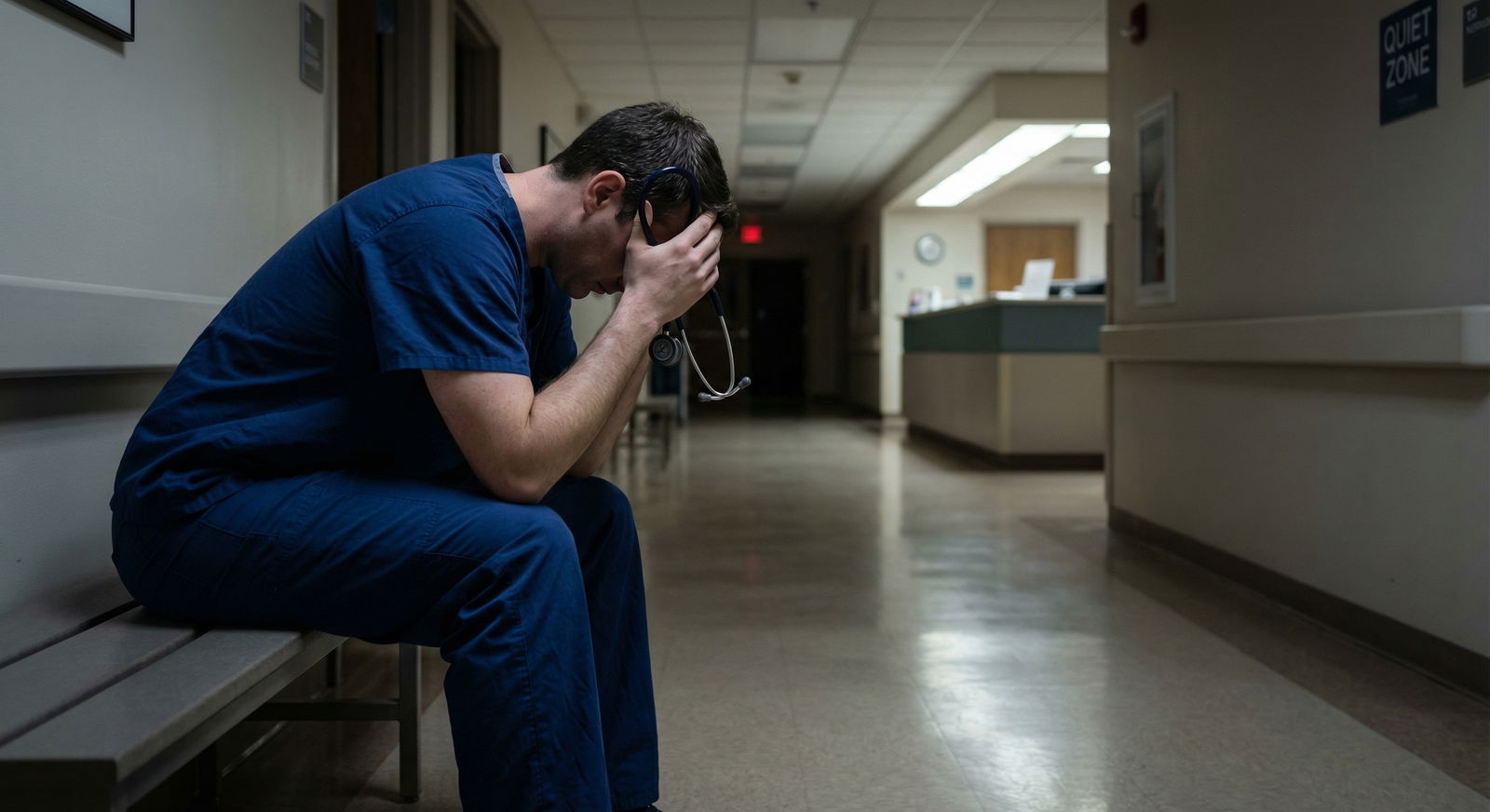
Introduction: Why Understanding Burnout Matters in Modern Healthcare
Burnout among healthcare professionals is no longer a hidden problem—it is a well-documented crisis affecting trainees, practicing clinicians, and healthcare systems worldwide. For residents and fellows, the combination of long hours, high-stakes decisions, sleep deprivation, and emotional intensity creates a perfect storm for mental health challenges and chronic stress.
Burnout is not simply “being tired” or “not tough enough.” It is a measurable, research-based occupational syndrome characterized by emotional exhaustion, depersonalization, and reduced sense of personal accomplishment. When left unaddressed, burnout can spiral into serious mental health issues, career dissatisfaction, and compromised patient care.
This article unpacks the science behind burnout—what it is, how it develops, why healthcare professionals are particularly vulnerable, and what evidence-based strategies can support stress management and workplace wellness. While the focus is on medical trainees and early-career clinicians, the principles apply broadly across healthcare.
Defining Burnout: A Scientific and Clinical Perspective
Burnout was first introduced in the 1970s by psychologist Herbert Freudenberger and has since been extensively studied, especially in healthcare. The most widely used model is based on the Maslach Burnout Inventory (MBI), which conceptualizes burnout as three interrelated dimensions.
The Three Core Dimensions of Burnout
Emotional Exhaustion
- Feeling chronically drained, worn out, or “used up” by work.
- Common signs in residents:
- Dreading coming to work or starting a shift
- Feeling like you have “nothing left to give” to patients or colleagues
- Difficulty recovering even after a weekend or scheduled time off
Depersonalization (or Cynicism)
- Developing a detached, negative, or callous attitude toward patients, colleagues, or the work itself.
- In healthcare, this may look like:
- Referring to patients as diagnoses or room numbers rather than people
- Feeling increasingly irritated, sarcastic, or indifferent
- Emotionally “shutting down” to cope with suffering or high demands
Reduced Personal Accomplishment
- Seeing yourself as ineffective, unproductive, or failing to meet your own standards.
- Examples:
- Feeling like your work doesn’t matter, regardless of objective performance
- Constant self-criticism or imposter syndrome (“I’m not good enough to be here”)
- Loss of pride in clinical skills or academic productivity
These components often interact: chronic emotional exhaustion can fuel depersonalization, which in turn worsens feelings of low accomplishment. Understanding this triad is crucial for early recognition and targeted interventions.
Why Healthcare Professionals Are at High Risk
Healthcare has many of the ingredients that drive burnout: emotional intensity, moral complexity, continuous responsibility for others’ well-being, and a professional culture that often glorifies self-sacrifice and stoicism. For residents and trainees, these pressures are amplified by limited autonomy, steep learning curves, and frequent transitions.
Intrinsic Factors: How Individual Traits and Habits Contribute
While burnout is not a personal failing, certain traits and coping styles can increase vulnerability.
1. Personality Traits and Professional Identity
Perfectionism
- Common among medical trainees, it drives high achievement but also:
- Sets impossibly high standards
- Turns normal mistakes or learning curves into perceived catastrophes
- Leads to chronic self-criticism, even when performance is objectively strong
- Common among medical trainees, it drives high achievement but also:
High conscientiousness and responsibility
- Valued in medicine, but can become problematic when:
- You consistently prioritize work over basic personal needs
- You struggle to delegate or ask for help
- You feel personally responsible for every outcome
- Valued in medicine, but can become problematic when:
People-pleasing or conflict avoidance
- Can lead to:
- Difficulty setting limits with attendings, colleagues, or administrators
- Saying “yes” to extra tasks despite being overextended
- Can lead to:
2. Coping Mechanisms and Emotional Regulation
The way healthcare professionals cope with stress significantly shapes burnout risk.
Ineffective coping strategies:
- Avoidance (ignoring emails, notes, or tasks until they become crises)
- Emotional suppression (“just push through,” “don’t feel anything”)
- Self-medication with alcohol, sedatives, or excessive caffeine
- Overworking to avoid uncomfortable emotions
More adaptive strategies include:
- Reflective practice and debriefing with peers
- Seeking supervision or coaching when overwhelmed
- Using structured problem-solving and time management tools
- Mindfulness and cognitive reframing to manage negative thoughts
3. Work–Life Boundary Challenges
For many residents, life feels like it revolves entirely around work.
- On-call demands and extended shifts blur boundaries between personal and professional time.
- Electronic health records (EHRs) and messaging systems create a “24/7 reachable” expectation.
- Personal milestones (relationships, parenting, hobbies) are often postponed or minimized, fueling resentment or a sense of life imbalance.
Over time, this erosion of non-work identity makes it harder to recover from occupational stress and increases vulnerability to burnout.

Extrinsic Drivers: Systemic and Organizational Causes of Burnout
Burnout is strongly shaped by the work environment. Even the most resilient physicians can burn out in chronically dysfunctional systems.
1. Workload, Staffing, and Clinical Pressures
High patient volumes and acuity
Residents often manage complex cases under strict time constraints, with constant pages, consults, and interruptions.Understaffing and coverage gaps
- Unfilled positions and sick calls mean:
- Extra shifts or extended hours
- Less time for documentation, teaching, or breaks
- Unfilled positions and sick calls mean:
Time pressure and “productivity” metrics
- Pressure to see more patients, complete more tasks, and document more thoroughly, often with no corresponding increase in support.
2. Organizational Culture and Leadership
The culture of a residency program or hospital can either buffer or amplify burnout.
Toxic or unsupportive cultures may include:
- Hierarchies that silence feedback or concerns
- Shaming or punitive responses to errors instead of learning-focused reviews
- Normalization of overwork (“If you’re leaving on time, you’re not working hard enough”)
Healthy cultures foster:
- Psychological safety—trainees can speak up about errors or concerns without fear
- Visible leadership support for mental health and wellness
- Structured mentorship and open-door policies
3. Expectations vs. Reality: The “Hidden Curriculum”
Many trainees enter medicine with strong ideals: helping patients, practicing evidence-based care, and engaging in meaningful relationships. The reality can be jarring:
- Administrative burdens—endless documentation, prior authorizations, and billing tasks—consume time that could be spent in direct patient care.
- Systemic limitations—insurance barriers, resource scarcity, or inequities—can undermine optimal care.
- Moral distress arises when clinicians know the right thing for the patient but cannot achieve it due to system constraints.
This chronic mismatch between professional ideals and daily realities can erode motivation and meaning, fueling burnout.
4. Administrative and Bureaucratic Overload
- Electronic health records:
- Click-heavy workflows and repetitive tasks
- Documentation requirements that feel misaligned with clinical value
- Non-clinical duties:
- Mandatory trainings, meetings, and compliance modules
- Quality metrics and audits that add workload without clear benefits
When administrative load outweighs clinical fulfillment, frustration and disengagement grow.
The Biology of Burnout: What Chronic Stress Does to the Brain and Body
Burnout is not only psychological—it involves measurable physiological changes driven by chronic stress.
1. The Stress Response and HPA Axis
Under acute stress, the hypothalamic–pituitary–adrenal (HPA) axis activates:
- The hypothalamus signals the pituitary
- The pituitary releases ACTH
- The adrenal glands secrete cortisol and adrenaline
Short-term, this helps you stay alert and respond quickly—useful during a code, trauma resuscitation, or high-acuity call night.
With chronic, unrelenting stress, however:
- Cortisol remains elevated or becomes dysregulated
- Sleep-wake cycles are disrupted
- Appetite, metabolism, and immune function are altered
Clinically, this may manifest as:
- Persistent fatigue despite sleep
- Frequent infections or prolonged recovery from illness
- Headaches, GI symptoms, or nonspecific pain
2. Cognitive and Emotional Effects
Chronic stress and sleep deprivation impair:
- Attention and concentration
- Working memory
- Executive function—organization, planning, prioritization
Healthcare professionals may experience:
- More difficulty recalling details on rounds
- Slower clinical reasoning or decision fatigue
- Increased risk of medical error
Emotionally, chronic stress can:
- Heighten irritability and impatience
- Reduce empathy and emotional availability
- Increase vulnerability to anxiety and depression
3. Long-Term Health Consequences
Research links persistent burnout and chronic stress to:
- Cardiovascular disease (hypertension, coronary artery disease)
- Metabolic disturbances (weight changes, glucose dysregulation)
- Mental health disorders (major depression, anxiety disorders, substance use disorders)
- Sleep disorders (insomnia, sleep fragmentation, circadian rhythm disruption)
For healthcare professionals, the combination of high-stress work and limited self-care can accelerate these risks if left unaddressed.
The Impact of Burnout on Patient Care and Healthcare Systems
Burnout is not just an individual wellness issue—it affects clinical outcomes, team functioning, and organizational performance.
1. Quality of Care and Patient Safety
Burned-out clinicians are more likely to:
- Commit documentation or medication errors
- Miss subtle clinical changes or details
- Communicate less effectively with patients and colleagues
Burnout has been linked to:
- Lower patient satisfaction scores
- Higher rates of adverse events
- Reduced adherence to best practices and guidelines
2. Workforce Stability and Career Trajectory
For healthcare organizations and training programs, high burnout rates can lead to:
- Increased turnover—residents changing programs or leaving medicine
- Early retirement or reduced clinical hours among attendings
- Decreased recruitment and retention, especially in high-need specialties (e.g., primary care, emergency medicine, psychiatry)
For individuals, burnout can derail academic and career goals, contribute to stalled advancement, and reduce long-term career satisfaction.
3. Personal and Social Consequences
Outside of work, burnout can strain:
- Relationships with partners, family, and friends due to emotional withdrawal or irritability
- Parenting and caregiving roles, especially under the demands of residency
- Engagement in hobbies and community, leading to isolation and loss of non-work identity
Over time, this can deepen fatigue, depression, and a sense of disconnection from life outside of medicine.
Evidence-Informed Strategies to Prevent and Address Burnout
Preventing and managing burnout requires a dual approach: organizational change plus individual skills and strategies. Neither alone is sufficient.
Organizational-Level Solutions: Building Healthier Systems
Residency programs, departments, and health systems have a responsibility to create conditions that promote workplace wellness and protect mental health.
1. Redesigning Workload and Schedules
- Monitor and honor duty hour limits while recognizing that “work from home” documentation still contributes to fatigue.
- Utilize physician extenders, scribes, and support staff appropriately to reduce clerical overload.
- Implement fair call schedules, cross-coverage plans, and systems to back up clinicians in crisis.
2. Fostering a Supportive, Learning-Oriented Culture
Promote psychological safety:
- Normalize discussion of errors, near misses, and emotional impact without shaming.
- Encourage attendings and chiefs to model vulnerability and self-care.
Implement structured mentorship programs:
- Pair residents with faculty mentors for regular check-ins on career goals and well-being.
Integrate wellness and mental health into the curriculum:
- Workshops on stress management, sleep, financial literacy, and communication skills.
- Protected time for wellness activities (not simply added on top of clinical duties).
3. Streamlining Administrative Processes
- Improve EHR usability and workflows where possible: templates, team-based documentation, smart phrases.
- Regularly review and minimize low-yield meetings or tasks that do not contribute to education or patient care.
- Ensure clear, accessible Employee Assistance Programs (EAPs) with confidential counseling and referral options.
4. Measuring and Responding to Burnout
- Conduct anonymous burnout and wellness surveys regularly.
- Share results transparently and involve trainees in planning changes.
- Track outcomes of wellness interventions and refine based on feedback.
When residents see genuine efforts to improve conditions—not just symbolic wellness initiatives—they are more likely to engage and feel valued.
Individual-Level Strategies: Protecting Your Well-Being as a Clinician
While systemic change is essential, there are also concrete steps individuals can take to support their own resilience and mental health.
1. Setting and Protecting Boundaries
- Define what is non-negotiable for your well-being (e.g., minimum sleep hours, protected time with family, therapy appointments).
- When possible, communicate clearly:
- “I can take that extra task, but I will need help with X.”
- “I’m at capacity for this week; can we revisit this next block?”
- Learn to distinguish between genuine emergencies and tasks that can wait.
2. Foundational Self-Care (Beyond Buzzwords)
Sleep:
- Aim for as consistent a sleep window as possible, even with changing schedules.
- Use brief naps strategically on call, and prioritize sleep recovery after long stretches.
Nutrition:
- Keep easy, portable, protein-rich snacks available.
- Hydrate regularly—dehydration worsens fatigue and cognitive function.
Movement:
- Short bursts of activity (10–15 minutes of walking, stretching, or bodyweight exercises) can improve mood and energy.
3. Mindfulness, Reflection, and Cognitive Skills
Mindfulness practices (even 5–10 minutes):
- Breath-focused exercises between patients or before bed
- Brief grounding techniques during stressful encounters
Cognitive restructuring:
- Noticing unhelpful thoughts (“I’m a terrible doctor because I don’t know this”)
- Replacing them with more balanced ones (“I’m still learning; it’s appropriate to ask for help”)
Reflective writing or debriefing:
- Journaling or discussing difficult cases with peers or supervisors can process emotions and reinforce meaning.
4. Building a Support Network
Cultivate relationships with:
- Co-residents who understand your daily reality
- Trusted attendings or mentors who can guide and advocate
- Friends or family outside medicine for perspective and emotional grounding
Consider peer support groups or Balint-type groups for case and emotion processing.
5. Seeking Professional Help Early
Consider professional mental health support if you notice:
- Persistent sadness, anxiety, or hopelessness
- Thoughts of self-harm or feeling that patients would be better off without you
- Escalating substance use to cope
Use institutional resources when available:
- Confidential counseling through EAP
- Resident/faculty wellness programs
- External therapists experienced with healthcare professionals
Seeking help is a sign of insight and professionalism, not weakness.

Frequently Asked Questions About Burnout in Healthcare Professionals
1. How do I know if what I’m feeling is burnout or just normal stress from residency?
Normal stress tends to be situational and temporary—you feel pressure around exams, busy rotations, or specific events, but recover with rest or schedule changes. Burnout is more persistent and pervasive:
- Ongoing emotional exhaustion that doesn’t fully resolve with days off
- Growing cynicism or detachment from patients, colleagues, or your work
- Feeling ineffective or questioning your value, despite objective evidence of competence
If these symptoms persist for weeks to months and are impacting your functioning or relationships, it is important to talk to a mentor, program leadership, or a mental health professional.
2. What are the most common contributors to burnout in residents and early-career physicians?
Common drivers include:
- Heavy workloads and long hours with limited control over schedules
- Understaffing and frequent “stretching” to cover gaps
- High demands for documentation and administrative tasks
- A culture that normalizes self-neglect and stigmatizes help-seeking
- Personality traits such as perfectionism and intense self-criticism
- Moral distress when you cannot provide the care you know patients need
Burnout usually results from the interaction of systemic pressures and individual vulnerabilities.
3. Can burnout actually affect my physical health, or is it mainly emotional?
Burnout has both mental and physical consequences. Chronic stress associated with burnout can contribute to:
- Sleep disturbances and chronic fatigue
- Headaches, GI issues, and chronic pain
- Elevated blood pressure and cardiovascular risk
- Weakened immune system and increased infections
- Higher risk of depression, anxiety, and substance use
Addressing burnout is not just about feeling better emotionally—it is a crucial part of protecting your long-term physical health.
4. What can my residency program or hospital realistically do to reduce burnout?
Effective organizational interventions may include:
- Monitoring duty hours and reducing unnecessary “work creep”
- Ensuring adequate staffing and fair distribution of workload
- Providing confidential, easily accessible mental health services
- Integrating wellness and stress management education into training
- Encouraging open feedback and joint problem-solving around workflow and culture
- Recognizing and rewarding behaviors that support teamwork, kindness, and teaching—not just raw productivity
When programs treat burnout as a system issue, not just an individual resilience problem, meaningful improvements are more likely.
5. What are some first steps I can take this month if I suspect I’m burning out?
Practical, immediate steps could include:
- Name it: Acknowledge to yourself (and ideally to someone you trust) that you may be experiencing burnout.
- Schedule one protected appointment: with a therapist, primary care clinician, or wellness coach—put it on your calendar like you would a patient consult.
- Identify one boundary to implement: for example, a consistent “no-charting” window at home, or protecting one evening per week.
- Connect with a peer or mentor: Share what you’re experiencing and ask about resources available in your program.
- Make one small, sustainable self-care change: such as a 10-minute daily walk, a regular bedtime routine, or short mindfulness practice.
Small, consistent changes—paired with appropriate support—can make a substantial difference over time.
Conclusion: Reframing Burnout as a Shared Responsibility
Burnout among healthcare professionals, especially residents and early-career physicians, is a scientifically recognized, multifactorial syndrome—not a personal weakness. It emerges where demanding work, high expectations, systemic inefficiencies, and human vulnerability intersect.
Understanding the science behind burnout—the psychological dimensions, biological mechanisms, and systemic drivers—opens the door to realistic, evidence-informed solutions. Effective burnout prevention and management require both:
- Organizational commitment to healthier work environments, reasonable workloads, and supportive cultures, and
- Individual strategies to set boundaries, maintain mental and physical health, seek support, and cultivate meaning in clinical practice.
Addressing burnout is central to workplace wellness, patient safety, and the long-term sustainability of our healthcare workforce. By prioritizing mental health and stress management—for ourselves and our colleagues—we not only protect our own well-being but also enhance the care we provide and the future of medicine itself.