

Could this be an opioid overdose—or am I about to miss the one time seconds really matter?
That’s the thought that punches through your chest when you walk into a room at 2:17 a.m. and the patient isn’t waking up the way they should. The monitor is alarming. The nurse says, “He was fine earlier.” The patient’s taking tiny, barely-there breaths. You do that awful mental stutter-step we all fear: Is this opioids? Stroke? Sepsis? Post-ictal? Am I overreacting? Am I about to freeze?
Here’s the answer I wish every terrified intern heard earlier: if opioid overdose is on the table and the patient is breathing poorly, stop trying to be elegant. Rescue first. Escalate first. Airway and breathing first. The biggest mistake is usually not that you considered naloxone too early. It’s that you lost precious minutes trying to feel certain.
Educational disclaimer: This article is for medical education only and does not replace your institution’s emergency protocols, supervision requirements, bedside clinical judgment, or local standards of care. It is not personal medical advice for patients and should not be used as a substitute for calling emergency services, activating your hospital response system, or consulting your supervising physicians. It is also not legal advice regarding malpractice, documentation, reporting, or liability; for those issues, follow institutional policy and consult qualified risk management or legal professionals as appropriate.
The high-risk pattern is simple enough to recognize under stress: decreased responsiveness, slow breathing, or no breathing at all. Pinpoint pupils may be present, sure, but don’t worship the textbook. They are not required, and waiting for them is a dumb reason to delay care. The emergency is respiratory depression.
So this is your five-step survival approach. Not a board-style abstraction. A real on-call framework for the first chaotic minutes while help is coming and your heart is trying to leave your body. I’ve seen residents torment themselves afterward because they were afraid of being wrong. I’ve also seen what happens when everyone keeps talking while no one supports the airway. That’s worse. Much worse.
Step 1: Recognize the Red Flags Fast and Call for Help Immediately
If you remember one recognition script, make it this: hard to arouse or unresponsive + hypoventilation or apnea + possible opioid exposure = emergency until proven otherwise.
That possible opioid exposure can be obvious or sneaky. Post-op analgesia. PCA. A PRN dose an hour ago. Scheduled oxycodone that suddenly hit harder because the patient’s kidneys are terrible. Methadone. Buprenorphine. A med error. Illicit use. Family bringing in something they shouldn’t. I’ve seen people get fooled because they were looking for a dramatic overdose story when the real answer was sitting quietly in the MAR all along. Or worse, they spent so long digging through the MAR that they forgot the patient was barely breathing.
Respiratory depression is the problem. Not diagnostic perfection. If the patient is breathing inadequately or not at all, call for immediate help based on your hospital’s system: bedside nurse support, senior resident, rapid response, code team, respiratory therapy, anesthesia if needed. Do not stand there doing solo detective work like this is your big moment. It isn’t. Your big moment is recognizing that you need more hands now.
The classic delay traps are painfully predictable. You keep trying to shake the patient awake while not addressing the fact that they’re taking four breaths a minute. You wait to “see if they come around.” You decide they’re “just sleeping.” You stare at the pupils like they owe you an answer. Meanwhile, the only answer that matters is that the patient is ventilating badly. That should trigger action, not debate.
If you’re the intern and your finger is hovering over the rapid response button because you’re worried you’ll look dramatic, press it. Seriously. No one sane gets angry that you escalated a patient with dangerous hypoventilation. What people remember, and not kindly, is the late call.
Step 2: Start Rescue Breathing and Basic Airway Support Before You Get Lost in the Differential
This is where anxious residents often unravel because airway management feels like the place where mistakes become visible. I get it. Bag-mask ventilation in a real room with a real patient and real panic feels nothing like the mannequin. But hypoxia kills faster than uncertainty, and doing something basic imperfectly is better than doing nothing while waiting for someone more confident to arrive.
Start with simple actions. Stimulate the patient. Reposition the airway. Head tilt-chin lift if there’s no trauma concern; jaw thrust if that’s more appropriate. Put on oxygen. Get continuous pulse oximetry if it isn’t already reading reliably. Put the patient on the monitor. Ask for suction if there are secretions or emesis. Aspiration is common in these situations, and ignoring it is sloppy.
If respirations are inadequate, begin bag-mask ventilation. Not later. Not after one more chart review. Now. The point is to move air. That’s it. Naloxone matters, yes, but it is not some magic force field that buys you permission to neglect ventilation. I’ve seen teams fixate on the antidote while the patient is still cyanotic and barely moving air. That’s backwards.
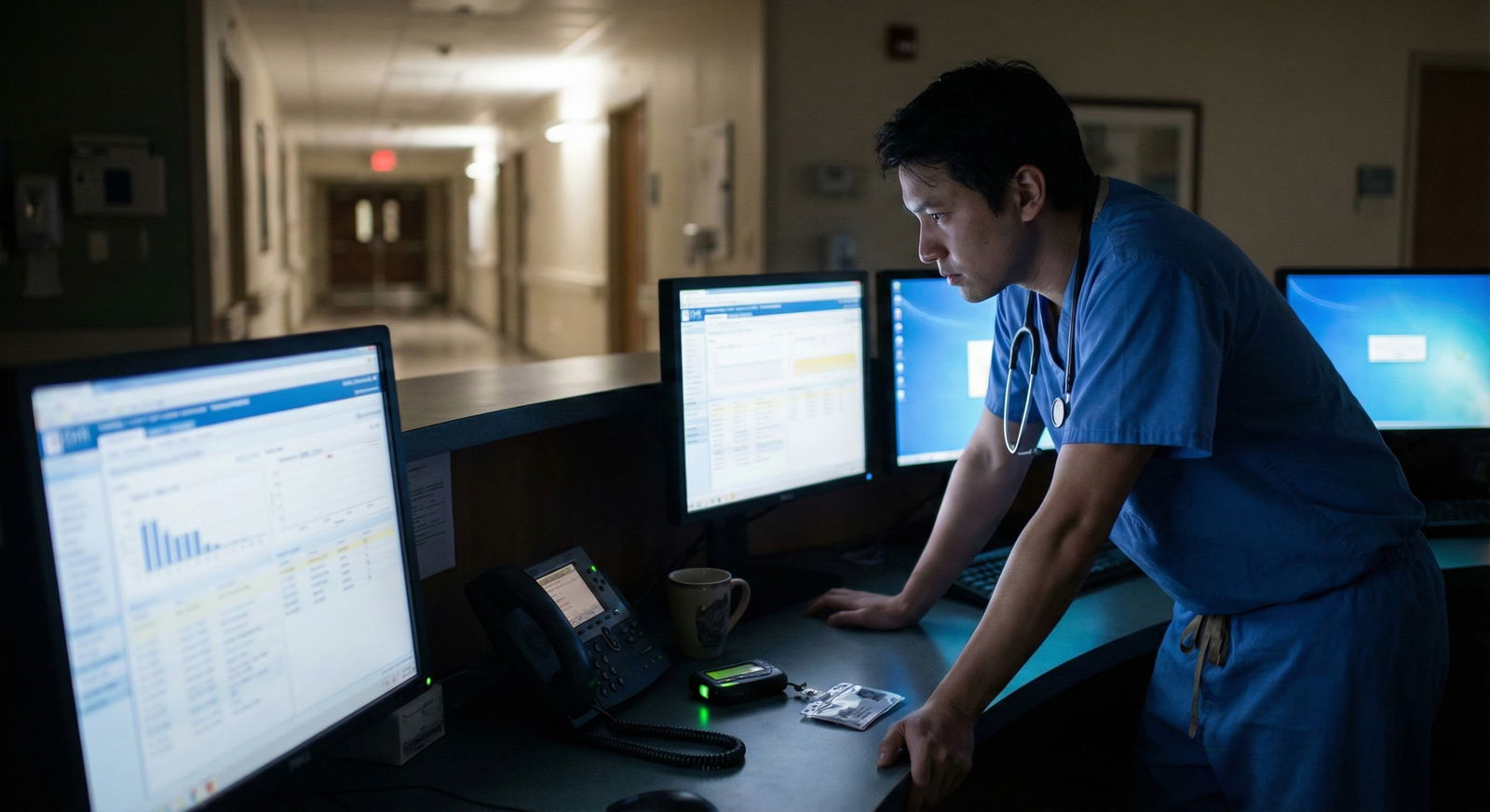
Get help early if BVM is difficult. Pull in respiratory therapy. Ask the code team for airway backup. If you can’t ventilate effectively, that’s not the moment for pride. That’s the moment for more experienced hands and preparation for an advanced airway. While this is happening, someone should be getting vitals, checking a glucose, and helping you widen the differential once the immediate threat is being treated.
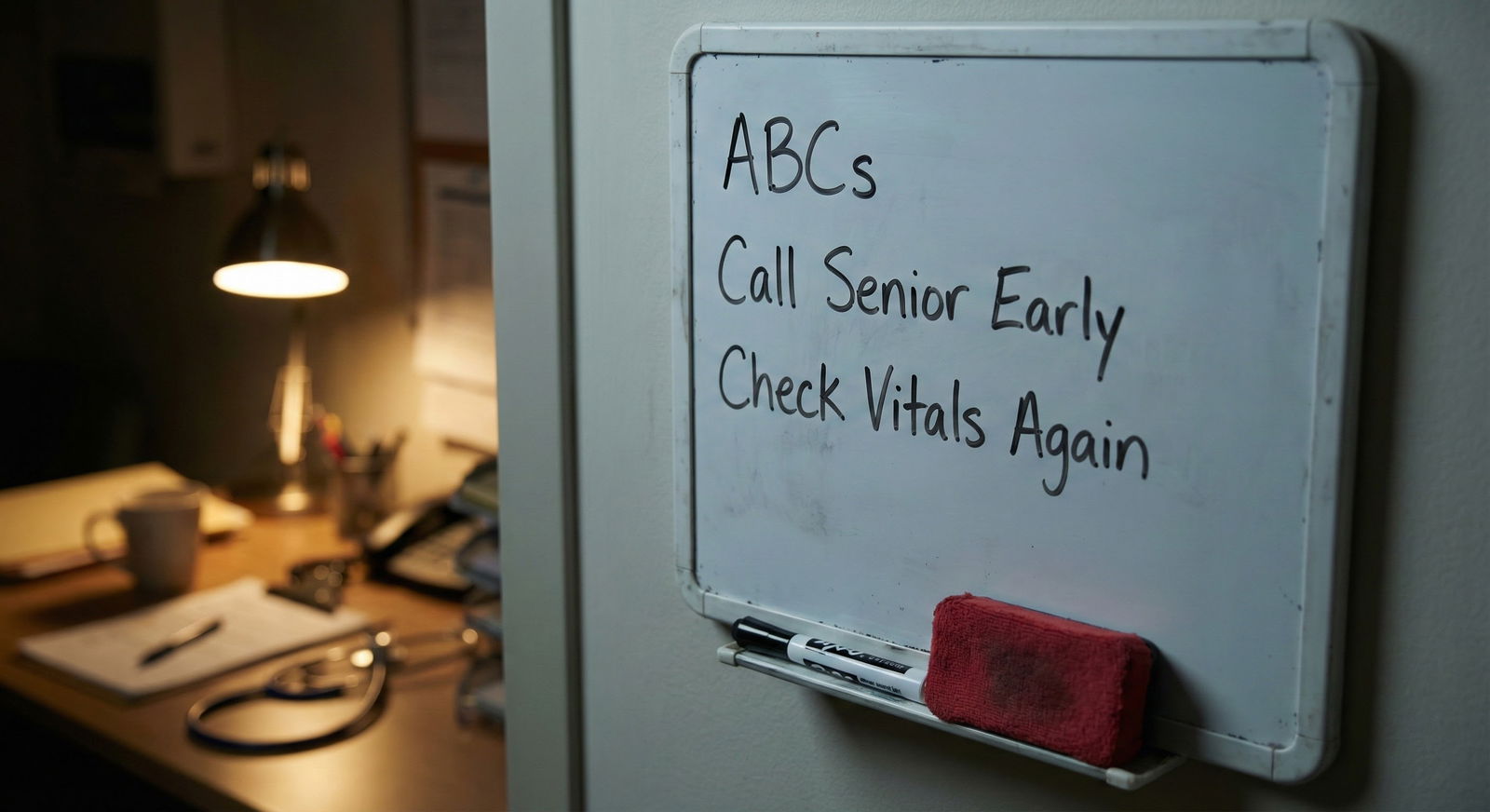
And yes, the differential still matters. Of course it does. Hypoglycemia, stroke, seizure, hypercapnia from another cause, sedative co-ingestion, sepsis. But if you get seduced into solving the whole puzzle before dealing with the breathing problem, you’ve missed the point. ABCs aren’t boring dogma. They’re the part that keeps people alive long enough for the rest of your intelligence to matter.
Step 3: Give Naloxone Without Waiting for Permission to Be Perfect
If opioid-induced respiratory depression is suspected, give naloxone according to local protocol and whatever route is available fastest and most appropriately in your setting: IV, IM, intranasal, sometimes subcutaneous. Don’t build a shrine to the perfect route while the patient is apneic. Use what you have and move.
Naloxone is an opioid antagonist. Fine. You know that already. What matters at the bedside is the practical goal: restore adequate breathing. Not necessarily instant full wakefulness. Not necessarily a dramatic movie scene where the patient bolts upright and starts yelling. If the respiratory rate improves and they’re ventilating effectively, you’re winning.
That distinction matters because new trainees sometimes think naloxone “failed” unless the patient becomes fully alert. Wrong. The target is ventilation. Better oxygenation. Better respiratory drive. Better airway protection. Full arousal may come later, and sometimes you don’t even want to overshoot into severe agitation if the patient is breathing adequately.
Repeat dosing may be needed. That’s not a failure; that’s the job. Potent opioids, long-acting formulations, methadone, mixed ingestions, illicit fentanyl exposure—these can all lead to incomplete or temporary response. A single brief improvement does not mean the emergency is over. Residents get burned here all the time. The patient perks up, everyone exhales, and then twenty minutes later the respiratory rate drifts down again while you’re answering another page about potassium. Don’t let that be your night.
And yes, the fear about precipitated withdrawal is real. The patient may wake up confused, agitated, combative, miserable. That’s unpleasant. It can make the room chaotic and make you feel blamed. But untreated apnea is worse. By a mile. If you have to choose between a breathing patient who’s angry and a quiet patient who’s not ventilating, this is not a real ethical puzzle. Rescue comes first.
Step 4: Reassess Continuously and Think About Why This Happened So It Doesn’t Happen Again
The first improvement is not the end. It’s the beginning of the monitoring phase that people underestimate because everyone looks less terrifying for a few minutes.
Reassess in a loop: respiratory rate, oxygen saturation, mental status, pulse, blood pressure, work of breathing, and if you have it, end-tidal CO2. Capnography can show you recurrent hypoventilation before the pulse ox fully declares war. Watch the trend. Don’t just glance once and wander off.
Naloxone often wears off before the opioid does. That’s the trap. The patient may look dramatically better, then slide back into respiratory depression as the antagonist effect fades. This is exactly why observation and disposition matter. A patient who needed reversal is not automatically safe for a casual floor-level “we’ll keep an eye on him.” Sometimes they need ICU. Sometimes step-down. Sometimes toxicology input. Always attending awareness.
Once the patient is being rescued, ask why this happened. Recent dose increase? Renal or hepatic dysfunction leading to accumulation? Co-administered benzodiazepines, gabapentinoids, antihistamines, sedatives? Obstructive sleep apnea? PCA misuse by the patient or family? Programming error? Duplicate administration? Substance use? I’ve seen “mystery oversedation” turn out to be a very non-mysterious double dose plus CKD plus untreated OSA. Bad combinations don’t need drama to become disasters.
And don’t get tunnel vision. After you’ve stabilized airway and breathing, widen the lens. Check glucose. Think about stroke, post-ictal state, intracranial hemorrhage, hypercapnia from COPD or obesity hypoventilation, sepsis, other intoxications. Opioids may be the whole story, part of the story, or the decoy. But you earn the right to explore that only after rescue is underway.
Be decisive about escalation. If the patient needed repeated naloxone, had persistent hypoventilation, was difficult to ventilate, or has major recurrence risk, push for a higher monitoring environment. This is not the moment to be falsely reassuring because you’re afraid of sounding alarmist. Alarmism is annoying. Missing recurrence is dangerous.
Step 5: Document, Debrief, and Protect Yourself and the Patient After the Crisis
After the room calms down, you’ll probably get hit by the delayed adrenaline crash. Shaky hands. Replay mode. The horrible thought that maybe you were too slow, too aggressive, too something. Welcome to being human on call. But now you still have work to do, and it matters.
Document clearly. Time found. What the patient looked like. Responsiveness. Respiratory status. Suspected trigger or exposure. Who you called and when. Airway maneuvers. Oxygen. BVM. Naloxone route and doses. The patient’s response. Repeat decline if it happened. Where they went next. Whether the attending was notified. Good documentation isn’t vanity or legal theater. It’s part of patient safety, and it saves the next team from guessing.
Your handoff has to be tight. If the patient improved after naloxone but could relapse, say that plainly. If repeat doses were required, say that plainly. If you’re worried about methadone, mixed sedatives, or delayed recurrence, say it like you mean it. Weak handoffs are how bad nights become worse days.
Then do the system follow-up. Review the opioid orders. Reconcile medications. Check PCA settings. Ask whether sedation scales were being used. If there was a med error or near miss, event reporting may be appropriate. Yes, paperwork is annoying. It’s still worth doing when the alternative is letting the same preventable setup hurt the next patient.
And debrief if you can. With your senior. With the nurse. With the attending. Even five minutes helps. I’ve watched trainees torture themselves in silence after events like this because they assume panic means incompetence. It doesn’t. Panic is common. Self-doubt is common. Replaying the room in your head at 6 a.m. is common. What matters is whether you learn a clean sequence: recognize, call, ventilate, naloxone, reassess.
That’s the whole point. The safest resident isn’t the one who looks coolest under fluorescent lights. It’s the one who escalates early, supports breathing first, and refuses to let anxiety create delay.
When you’re on call and the room suddenly feels too quiet, remember this: if the patient is hard to arouse and breathing poorly, you do not need perfect certainty to start rescue. You need urgency. You need help. You need air moving. Everything else comes after that.


