Introduction: Why SNMA Matters in Your Medical Journey
In the demanding world of medical education, every advantage matters. Grades, exam scores, and clinical evaluations are critical—but they are only part of the story. The relationships you build, the mentorship you receive, and the communities you serve profoundly shape who you become as a physician.
For students who are passionate about Diversity in Medicine and Healthcare Advocacy—especially those from historically underrepresented backgrounds—the Student National Medical Association (SNMA) is one of the most influential organizations you can join during premed, medical school, and beyond.
SNMA membership is far more than a line on your CV. It offers:
- A powerful national and local network of peers and physicians
- Structured mentorship across the training continuum
- Robust professional development and leadership training
- Direct opportunities for community engagement and health equity work
- Access to scholarships, conferences, and research opportunities
This article explores how SNMA membership can unlock doors, accelerate your growth, and help you become not just a competent clinician, but a compassionate, socially conscious healthcare leader.
Understanding SNMA: Mission, History, and Impact
What Is the Student National Medical Association?
The Student National Medical Association (SNMA) is the oldest and largest independent, student-run organization focused on supporting underrepresented minority (URM) medical students and aspiring physicians. Founded in 1964 by medical students from Meharry Medical College and Howard University College of Medicine, SNMA grew directly out of the civil rights era and the need to address inequities in healthcare and medical education.
SNMA’s mission centers on:
- Supporting and advocating for underrepresented minority medical students
- Addressing the needs of underserved communities
- Promoting diversity in medicine and health equity
Today, SNMA includes:
- Hundreds of medical school chapters across the U.S. and abroad
- A strong pre-medical division (MAPS – Minority Association of Premedical Students)
- Thousands of active members across all stages of training
Core Goals of SNMA in Medical Education
SNMA’s work is anchored in several key pillars of Medical Education and advocacy:
- Pipeline Development: Inspiring and preparing K–12 and college students to pursue careers in medicine.
- Support and Retention: Providing community, mentorship, and resources to help URM medical students succeed and thrive.
- Community Service: Delivering health education and outreach programs in underserved communities.
- Healthcare Advocacy: Training future physicians to engage in policy and systems-level change to address health disparities.
If you care about equity, representation, and service—SNMA aligns naturally with your values and career goals.
Membership Benefits: How SNMA Helps You Succeed
1. Networking Opportunities That Open Doors
Your professional network can influence everything from your research options to your residency match. SNMA intentionally creates spaces where you can connect with people who understand your experiences and share your goals.
National and Regional Conferences
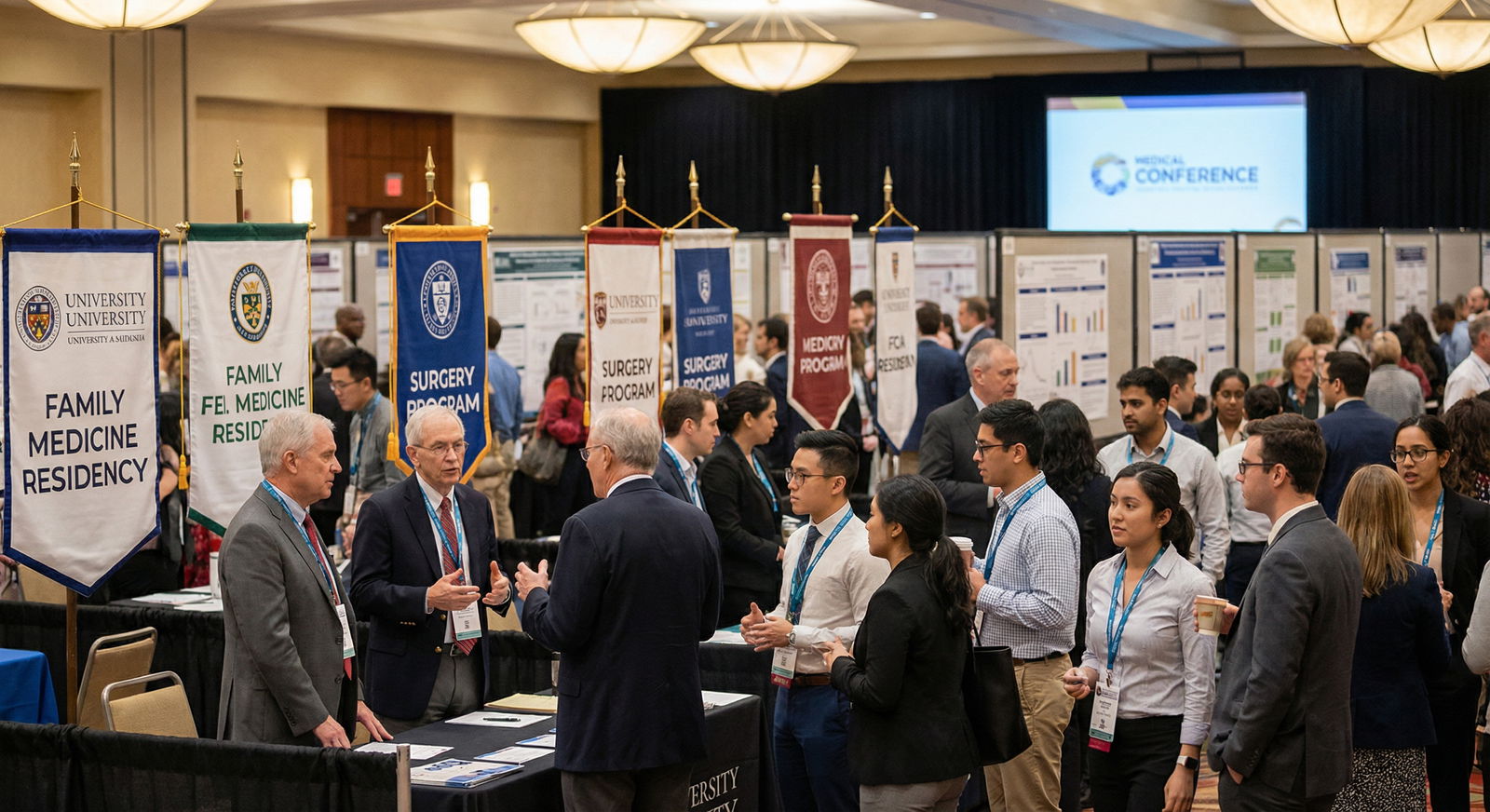
SNMA’s flagship event is the Annual Medical Education Conference (AMEC), which draws thousands of students, residents, physicians, and recruiters each year. As an SNMA member, you can:
- Attend specialty-specific interest sessions (e.g., surgery, emergency medicine, pediatrics).
- Meet program directors and residency representatives at residency fairs.
- Explore career panels featuring physicians practicing in academic medicine, private practice, public health, and industry.
- Participate in skills workshops (e.g., suturing, ultrasound, procedural skills).
Regional conferences and local symposia offer more intimate environments where you can build durable connections with mentors and peers.
Local Chapter Communities
At the school level, SNMA chapters serve as built-in support systems:
- Regular meetings where students share advice on exams, clerkships, and research.
- Peer-led Step/COMLEX study groups and resource-sharing.
- Faculty advisors who connect students with clinical and academic opportunities.
These connections often evolve into lifelong friendships and professional collaborations, and they can make the day-to-day realities of training more manageable.
2. Mentorship and Professional Development Across the Pipeline
Medical training is challenging, and for students from underrepresented backgrounds, it can also feel isolating. SNMA directly addresses this by building structured mentorship pathways and robust professional development programming.
Structured Mentoring Programs
SNMA supports and facilitates:
- Vertical mentorship:
- Attending physicians mentoring residents
- Residents mentoring medical students
- Medical students mentoring premeds (via MAPS)
This layered model ensures that at every level, you have someone who has been in your shoes recently enough to offer practical, relevant guidance.
Examples of what mentors can assist with:
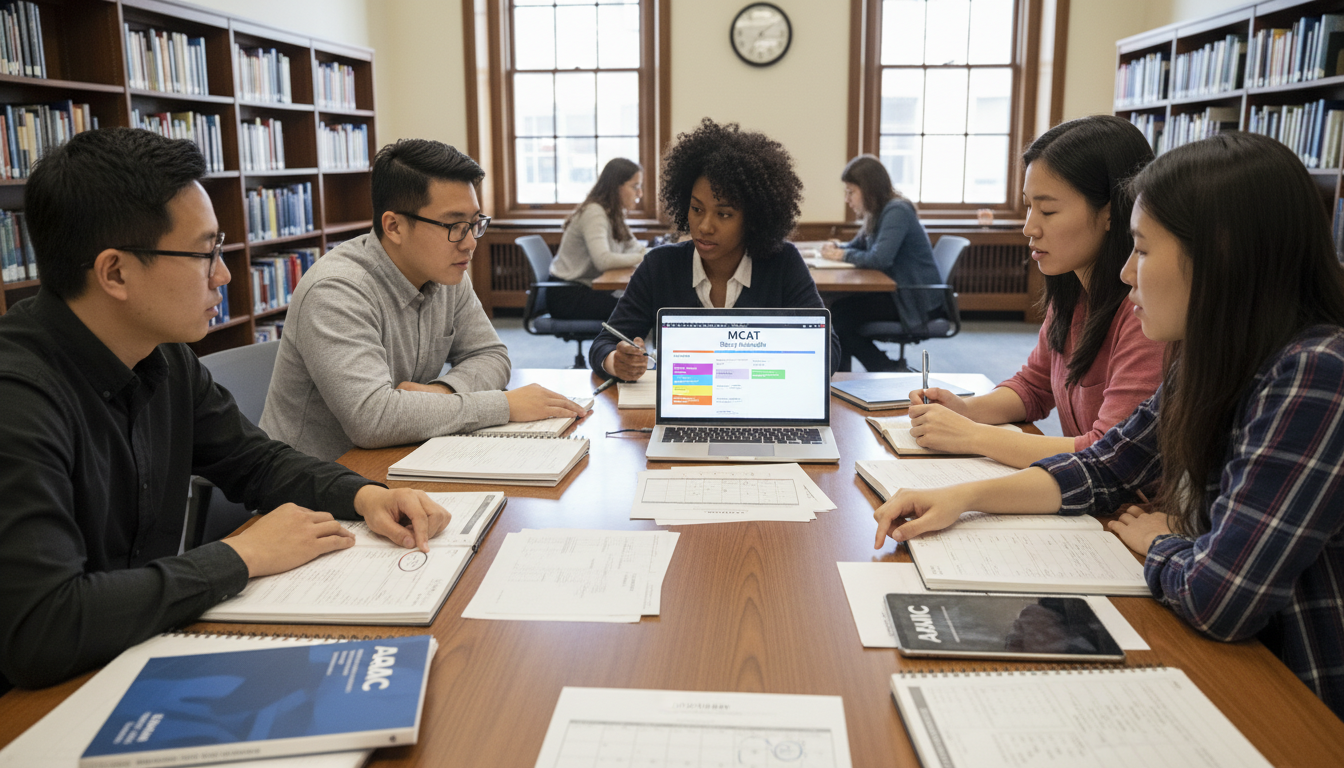
- Premed and application strategy: MCAT planning, school list building, personal statement review (MAPS collaboration).
- Medical school success: Study strategies for basic science courses, test-taking approaches for NBME/USMLE/COMLEX.
- Career navigation: Identifying specialties, securing away rotations, navigating the residency application process.
- Professional identity: Managing imposter syndrome, microaggressions, and systemic barriers in academic environments.
Many chapters formalize this process with mentorship pairings or “families” where first-years are matched with upperclassmen and residents.
Workshops, Leadership Training, and Career Development
SNMA invests heavily in growing members as leaders and advocates. Typical offerings include:
- Leadership development workshops – Conflict resolution, meeting facilitation, organizational governance, and public speaking.
- Professionalism and branding sessions – Crafting CVs, cover letters, LinkedIn profiles, and professional email etiquette.
- Clinical skills workshops – Foundational physical exam skills, suturing, point-of-care ultrasound, and simulation-based training.
- Residency preparation panels – Specialty-specific sessions with residents and attendings who review timelines, application strategies, and interview tips.
SNMA leadership roles themselves (chapter officer, regional position, national committee member) demonstrate initiative, organization, and commitment—qualities that residency programs value.
3. Advocacy, Community Engagement, and Healthcare Justice
If you are drawn to Healthcare Advocacy, SNMA offers a direct pathway to turn that passion into action.
Health Policy and Advocacy Training
SNMA encourages members to:
- Learn foundational concepts in health policy and health systems.
- Participate in advocacy days at state capitols or in Washington, DC.
- Draft and support policy resolutions addressing issues like maternal mortality, immigrant health, gun violence, or environmental justice.
Through this work, students gain skills in:
- Communicating with legislators and decision-makers
- Writing policy briefs and advocacy letters
- Organizing events or campaigns centred on public health issues
These experiences are invaluable if you envision a career in public health, academic medicine, or medical leadership.
Community Service and Health Education Programs
SNMA has a long history of impactful community programming, such as:
- Health fairs in underserved neighborhoods, offering blood pressure checks, diabetes screenings, and health counseling.
- School-based outreach where members teach K–12 students about nutrition, mental health, sexual health, and careers in medicine.
- Culturally tailored health education for communities disproportionately affected by conditions like hypertension, diabetes, HIV, and maternal morbidity.
These initiatives allow you to:
- Practice patient communication skills in real-world settings
- Develop cultural humility and a deep understanding of social determinants of health
- Build a track record of sustained, meaningful community engagement
Such experiences strongly support your narrative in personal statements and interviews, demonstrating a genuine commitment to service and equity.
4. Research, Scholarships, and Academic Advancement
In today’s competitive residency environment, research and academic achievement can significantly strengthen your application. SNMA helps you access these opportunities—even if your school has limited resources.
Research Connections and Collaborative Projects
As an SNMA member, you can:
- Connect with faculty mentors who are passionate about health disparities, community-based participatory research, or minority health.
- Collaborate with peers from other institutions on multi-site projects, quality improvement initiatives, or literature reviews.
- Present your work at SNMA conferences, regional meetings, or partner organization events.
Projects often focus on:
- Health disparities and minority health outcomes
- Barriers to care in underserved communities
- Medical education innovations that support URM student success
These experiences can lead to abstracts, posters, and publications—all valuable when applying for competitive specialties or academic careers.
Funding, Grants, and Scholarships
SNMA and its partners regularly offer:
- Scholarships for premeds and medical students based on merit, leadership, or financial need.
- Travel grants to support attendance at AMEC or regional conferences.
- Mini-grants for community-based projects or pipeline programs.
By staying active in your chapter, on the national website, and through SNMA newsletters, you can identify and apply for funding that might otherwise be hard to find.
5. Essential Resources, Emotional Support, and Belonging
Beyond formal programming, one of the most transformative aspects of SNMA membership is the sense of belonging it cultivates—especially for students who may be one of only a few URM trainees at their institution.
Academic and Career Resources
SNMA provides and curates tools that help you navigate all phases of training:
- Guidebooks and toolkits on medical school success, clerkship survival, and residency applications.
- Webinars on topics like study strategies, wellness, financial literacy, and specialty exploration.
- Online communities and forums where members share advice, resources, and opportunities in real time.
These resources can fill gaps that your institution may not fully address, particularly around navigating experiences of bias or structural inequity.
Wellness, Peer Support, and Identity Affirmation
Medical training is intense. For many SNMA members, the organization becomes a protective factor against burnout and isolation:
- Space to discuss experiences with racism, sexism, and other forms of discrimination among peers who understand.
- Support in processing challenging patient encounters or rotation experiences.
- Opportunities to celebrate cultural identity and community milestones together.
This combination—academic support, professional development, and emotional solidarity—helps sustain you through the long journey from premed to attending.
Real-World Impact: How SNMA Shapes Careers and Communities
Increasing Diversity in Medicine
A substantial body of research shows that:
- Patients often experience greater satisfaction and trust when cared for by racially/ethnically concordant physicians.
- Physicians from underrepresented backgrounds are more likely to serve in underserved communities and practice primary care.
By supporting URM students to enter, persist, and thrive in medicine, SNMA helps:
- Expand the pipeline of diverse physicians
- Improve health outcomes in marginalized communities
- Enhance cultural humility and equity across the healthcare system
Influencing Policy and Institutional Culture
SNMA members have:
- Organized campaigns that led to curricular changes in medical schools (e.g., anti-racism modules, structural competency training).
- Advocated for holistic admissions practices that better recognize potential beyond numerical metrics.
- Contributed to local and national movements addressing police violence, reproductive justice, immigration policy, and more.
As an SNMA member, you are not just passively observing change—you are trained and empowered to help lead it.
Member Success Stories
Many SNMA alumni have gone on to become:
- Academic leaders (deans, program directors, chairs)
- Public health officials and policy experts
- Trailblazers in specialties where URM representation remains low (e.g., dermatology, orthopedic surgery, neurosurgery)
- Founders of nonprofits, community clinics, and advocacy initiatives
A common theme in their stories is the crucial role SNMA played in mentorship, confidence-building, and opportunity access early in their careers.

Practical Steps: How to Make the Most of SNMA Membership
To truly “unlock” the opportunities SNMA offers, intentional engagement matters. Consider these actionable steps:
For Premed Students (MAPS Members)
- Join or start a MAPS chapter at your college or university.
- Attend SNMA and MAPS events featuring medical student and physician speakers.
- Seek a medical student mentor through SNMA to guide your application strategy.
- Volunteer regularly in outreach events—this builds experience, insight, and a compelling premed story.
For Medical Students
- Become an active chapter member: attend meetings, volunteer, and participate in planning.
- Run for a leadership role (e.g., chapter president, community service chair, MAPS liaison).
- Apply for SNMA scholarships and travel grants early in the cycle.
- Present a poster or workshop at AMEC or a regional conference.
- Use the national network to explore specialties—email speakers or panelists after conferences to ask for advice or shadowing opportunities.
For Residents and Early-Career Physicians
- Stay engaged as an SNMA alumnus and mentor.
- Offer to give talks at local chapters or host visiting students on your service.
- Support SNMA financially if able, helping sustain scholarships and outreach programs.
- Collaborate with SNMA on research or quality improvement projects that address health disparities.
Conclusion: A Strategic Investment in Your Future—and Your Patients’
Joining the Student National Medical Association is more than joining a student club. It is a strategic, values-aligned investment in:
- Your professional development
- Your network and mentorship
- Your advocacy voice
- Your capacity to serve underserved communities
- The broader goal of equity and diversity in medicine
Whether you are a premed choosing your first organization or a medical student seeking deeper engagement, SNMA offers a proven pathway to grow as a clinician, leader, and advocate.
The more pressing question is not “Should I join SNMA?” but rather:
“How will I use SNMA to become the kind of physician my community needs?”
Frequently Asked Questions About SNMA Membership
1. What are the eligibility requirements to join SNMA?
SNMA membership is open to all medical students, premedical students, and allied health students who support the organization’s mission—regardless of racial or ethnic background. Premedical students typically join through MAPS chapters, while medical students join through their institutions’ SNMA chapters or as national members directly via the SNMA website.
2. How much does SNMA membership cost, and what do dues cover?
Membership dues vary by level (premed vs. medical student) and sometimes by chapter. Dues help fund:
- National and regional conferences
- Scholarships and grants
- Community outreach programs
- Educational resources and webinars
- Administrative support for chapters
Most members find the return on investment—through networking, mentoring, and opportunities—far exceeds the cost.
3. Can I participate in SNMA if I am already heavily involved in other student organizations?
Yes. Many students balance SNMA with specialty interest groups, research, or other organizations (e.g., AMSA, LMSA, APAMSA). The key is to:
- Be strategic about your commitments
- Choose 1–2 organizations where you take on substantive roles
- Use SNMA as a central hub for mentorship, advocacy, and community service
SNMA often collaborates with other groups, so involvement can actually increase your reach rather than compete with your existing activities.
4. How do I find or start an SNMA chapter at my institution?
To find an existing chapter:
- Visit the SNMA official website and search their chapter directory.
- Ask your school’s Office of Student Affairs, diversity office, or medical student council.
If your school does not have a chapter:
- Review the chapter formation guidelines on the SNMA website.
- Gather at least a few interested peers.
- Identify a faculty advisor willing to support the chapter.
- Contact SNMA’s national office or regional leadership for step-by-step guidance.
Starting a chapter is a powerful leadership experience and a meaningful way to shape your school’s culture.
5. Do I have to identify as underrepresented in medicine to join or benefit from SNMA?
No. SNMA welcomes all students who are committed to advancing diversity in medicine, health equity, and justice. While the organization centers the experiences and needs of underrepresented minority students, allies play an important role in supporting the mission, participating in advocacy, and helping to build more inclusive learning environments.
By engaging deeply with SNMA, you are not just enhancing your own medical education—you are contributing to a broader movement to transform healthcare for the better.