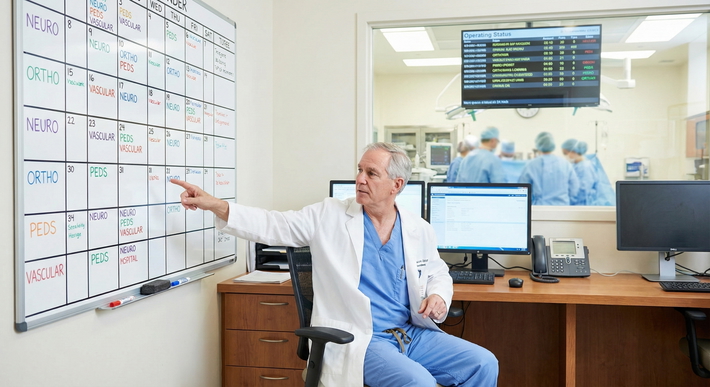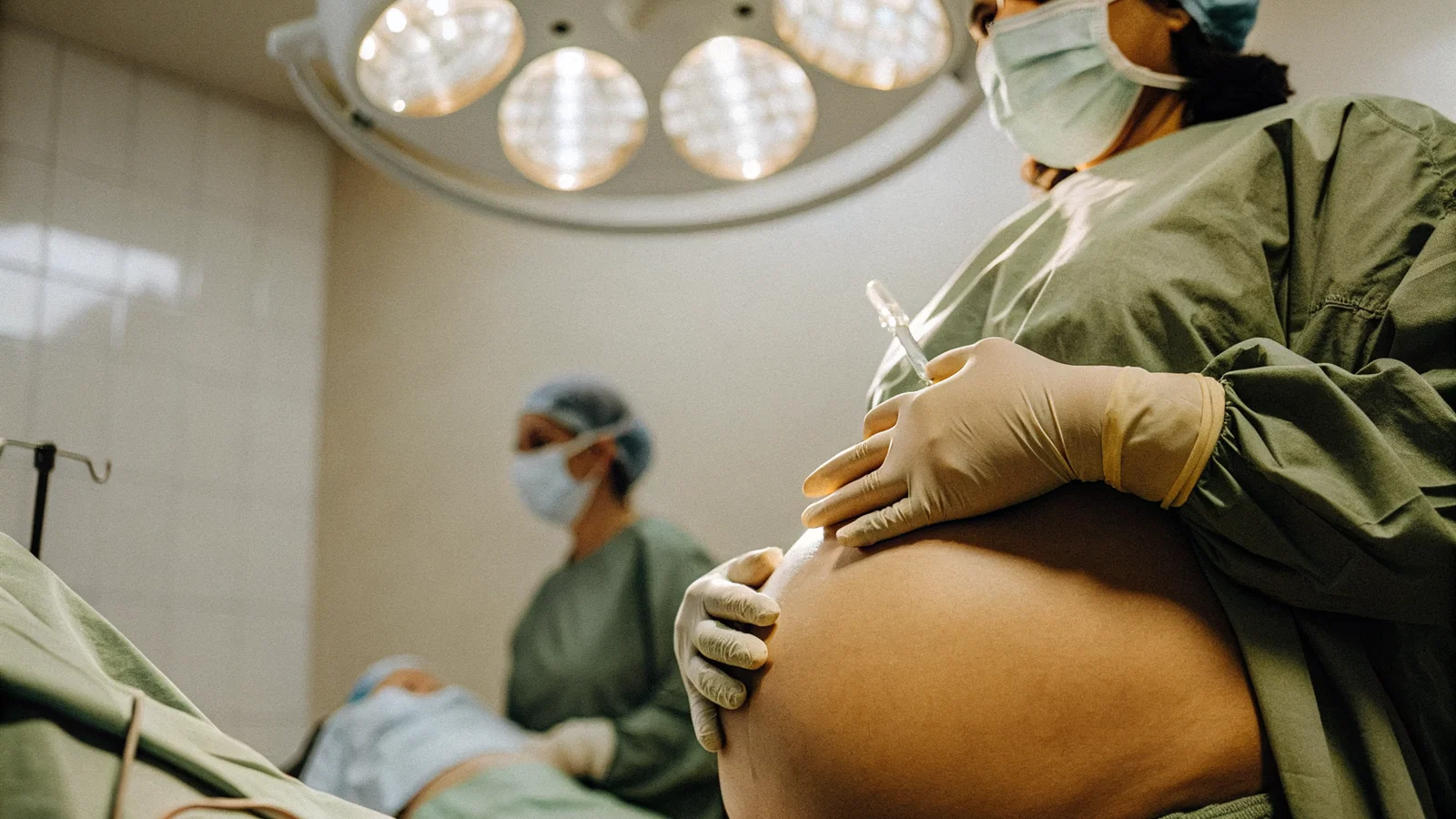
Pregnancy during surgical training is not the problem. Drift is the problem. Lost cases, sloppy logging, vague promises from leadership, and coming back from leave to realize everyone else kept operating while your numbers stalled. That's what hurts careers.
Case volume still matters. A lot. It affects how competitive you look for fellowship, how comfortable faculty feel writing strong letters, and whether you graduate with real procedural confidence instead of theoretical exposure. Programs can talk all day about wellness and support, but if your case log is thin in the categories that matter for your specialty, that follows you.
So let's be blunt about what "protecting your case volume" means. It does not mean pretending pregnancy changes nothing. That's dumb and unsafe. It means making deliberate decisions so your total numbers and critical categories stay on track despite time away, fatigue, physical limits, and maternity leave. You're protecting momentum. Protecting eligibility. Protecting options.
I've seen two versions of this play out. In one, the resident tells nobody until late, misses the chance to plan rotations, assumes cases will "work themselves out," and returns from leave shocked that she's behind in major cases and endoscopy numbers. In the other, she audits her log before conception, front-loads the right rotations, tells her program director early enough to be useful, and comes back with a catch-up plan already in motion. Same pregnancy. Very different outcome.
If you're in this situation, stop thinking emotionally about whether planning is "fair." It isn't fair. It is necessary. Your body needs protection, and so does your training record.
Introduction: The Pregnancy Case Volume Challenge
The hard truth is that surgery rewards continuity. You build judgment and technical skill by showing up over and over again. Pregnancy interrupts continuity, even in the smoothest version. There will be days in the first trimester when you're scrubbed in, trying not to dry-heave behind your mask. There may be third-trimester days when standing through a long vascular case feels like punishment. And then there's leave. Real time away. Cases you simply will not do.
That's why you need to think in categories, not just total numbers. Fellowship programs don't only care that your log looks big. They care whether you got enough of the cases that signal readiness. If you're aiming for MIS, HPB, plastics, ortho sports, peds, colorectal, whatever it is, you need the right volume in the right buckets. Plenty of residents make the mistake of reassuring themselves with overall totals while being quietly deficient where it counts. Bad plan.
Pregnancy adds a layer that your co-residents may not fully grasp. You are balancing patient care, training, personal safety, fetal health, sleep disruption, clinic load, call schedules, and institutional bureaucracy. All at once. So the goal isn't perfection. The goal is control. You want as few surprises as possible.
Pre-Pregnancy Planning: Building Your Case Buffer
If you have any ability to time pregnancy around training milestones, use it. That's not cold. That's smart. A pregnancy that overlaps your most case-dense or technically critical year requires more planning than one that lands during a research block or lighter elective period. You may not get ideal timing, and plenty of people don't. But if you do have a window, be strategic.
Start at least 12 months out if you can.
First move: audit your case log. Not casually. Thoroughly. Sit down with your ACGME log, specialty-specific requirements, and your own fellowship interests. Look at totals, but then go deeper:
- Which categories are strong?
- Which are lagging?
- Which rotations generate the exact cases you'll need later?
- Are there cases you did that never got entered correctly?
I've seen residents lose meaningful credit because they assumed the log was accurate. It wasn't. Cases were missing. Roles were misclassified. Minor assistant credit got entered where surgeon junior or surgeon chief should have been. Fix that before pregnancy, not during week two postpartum when you're sleep-deprived and trying to remember a lap colectomy from six months ago.
Second move: build a buffer, not just a baseline. If the expected number by your level is 100, don't aim for 100. Aim for enough that a 6- to 12-week absence won't push you into a panic. This is especially important if your specialty has limited access to specific cases. Bread-and-butter cases are easier to recover. Rare index cases are not. If your fellowship target depends on them, get them early.
Third move: know your program's leave policy before you need it. Ask direct questions:
- How much paid leave is available?
- Does vacation get folded into maternity leave?
- Will board eligibility be affected by time away?
- How are rotations reassigned?
- Can case-heavy blocks be moved?
- What happens if you need restrictions late in pregnancy?
- Is there precedent from prior residents?
Do not accept vague reassurances. "We'll figure it out" is not a policy. It's a warning sign.
This is the point where you talk to your program director or associate program director. Earlier is better if you're actively trying to conceive and feel comfortable discussing it. You don't need to apologize for asking. You need information. A decent PD won't be rattled by this conversation. A bad one may act inconvenienced. Have the meeting anyway.
Use a simple framework:
- Here is my current case log status.
- Here are the categories I need to protect.
- Here is the likely timeline I'm considering.
- I want to plan rotations and leave in a way that keeps me on track.
That's a serious conversation. It signals professionalism, not weakness.
If you're already pregnant and reading this wishing you had started earlier, fine. Don't spiral. Start where you are. Audit now. Plan now. Push the useful pieces forward.
During Pregnancy: Managing Your Active Cases
During pregnancy, the worst mistake is all-or-nothing thinking. Some residents try to prove they're unaffected and overextend themselves. Others back away too early from operative opportunities because they feel guilty asking for adjustments. Both approaches cost you.
First trimester is usually about fatigue, nausea, food aversions, and just trying to survive rounds without vomiting in a stairwell. So don't "avoid cases." Schedule smart. If you know you function better earlier in the day before nausea hits, favor first-start cases when possible. Keep snacks, hydration, and antiemetic plans squared away. Long robotic cases with no pause and no flexibility may be rough on bad days. Shorter, higher-yield cases may let you maintain volume without wrecking yourself.
Second and third trimester are about physical logistics. Standing tolerance changes. Retraction-heavy work gets harder. Lifting patients or equipment may need modification. Radiation exposure conversations become real depending on your field. None of this means you're done operating. It means you need accommodations that are specific and unapologetic.
When you talk to attendings, don't undersell yourself. Say what you can do, what you need, and what cases you're prioritizing. For example: "I'm still fully interested in major foregut cases, but I may need brief step-outs on long days and would like to avoid unnecessary fluoroscopy exposure." That sounds adult. What doesn't help is vague self-erasure: "I don't know, maybe I should just do fewer cases for a while." No. Be clear.
Also, be selective. If your energy and time are limited, protect the cases that matter most for your next step. Fellowship-critical categories first. Bread-and-butter volume is still valuable, but if you have to choose between another routine case you can easily recapture later and a category where you're thin, choose strategically.
A simple pregnancy case-priority stack looks like this:
- Cases essential for board or graduation minimums
- Cases important for intended fellowship competitiveness
- Cases where you are currently deficient
- Routine volume that can be rebuilt later
That order matters.
And one more thing. Keep logging in real time. Don't wait. Pregnancy brain is real, postpartum exhaustion is real, and reconstructed logs are garbage compared with contemporaneous ones.
Maternity Leave Strategy: Protecting Volume While Away
Leave length matters for case volume. Of course it does. Six weeks, 12 weeks, longer, each has a different training effect. You should choose leave based on your health, your baby, your support system, and your values. But don't lie to yourself that all leave durations affect your case log the same way. They don't.
If you're trying to preserve volume, the key is timing and rotation design. Missing a research block is not the same as missing trauma, transplant, MIS, or your best endoscopy month. If your schedule can be adjusted, move leave away from the rotations that generate your critical case categories. This is one of the few places where administrative planning really pays off.
Before leave starts, do four things. Nonnegotiable.
1. Freeze your case log. Print it. Save PDFs. Verify entries. Mark deficiencies clearly.
2. Clarify cross-coverage. Who is taking your call? Who is absorbing your clinic or OR slots? What happens to cases you had been lined up for? If there's no tracking system, ask for one. Otherwise your cases just vanish into the service and nobody remembers what you lost.
3. Get policy answers in writing. Especially anything involving leave duration, board credit, make-up time, and rotation swaps. Verbal promises evaporate fast when chief year scheduling gets tight.
4. Make a return plan before you leave. Do not wait until you're home with a newborn to start emailing about operative opportunities. Have the first rotation after return mapped out if at all possible.
Some residents also ask whether they can get case credit for procedures closely tied to the pre-leave period. Program rules vary, but the bigger issue is this: if you're not physically there and participating under the program's standards, don't count on credit. Hope is not a strategy. Get your legitimate cases entered before leave begins.

This is also where guilt shows up from every direction. Guilt for leaving. Guilt for wanting more time. Guilt for caring about case volume. Ignore the noise. You are allowed to care about your baby and your training at the same time. In fact, you should.
Returning From Leave: Rebuilding Your Case Log
Your first month back will not look like your best pre-pregnancy month. Good. It shouldn't. Anyone expecting instant normal is being ridiculous.
What you need on return is a ramp, not a miracle.
In week one, focus on re-entry: workflow, stamina, pumping logistics if applicable, call expectations, and getting your hands moving again. By weeks two to four, the question becomes operational: are you getting assigned to the cases you actually need, or are you just filling service holes?
Tell attendings directly that you're back and what you're targeting. Simple works: "I'm returning from leave, I'm ready to get my volume back up, and I especially need more exposure in hepatobiliary and advanced laparoscopy." Faculty cannot help you hit specific categories if they don't know what those categories are.
Then track weekly. Not monthly. Weekly for at least three months. Make a quick spreadsheet:
- Total cases this week
- Cases in deficient categories
- Missed opportunities
- Upcoming rotations with catch-up potential
If you're still significantly behind after the first month, meet with your PD early. Not after six months of hoping. Ask for a defined catch-up plan with targets. Maybe that means more time on a high-yield service, swapping electives, taking specific call, or being prioritized for certain index cases. Whatever the plan is, make it concrete.
Most residents recover. I've seen it happen repeatedly. But the ones who recover fastest are not the ones who "wait and see." They are the ones who monitor, ask, adjust, and keep pushing toward the categories that matter.
Key Takeaways
Protecting your surgical case volume during pregnancy is not about pretending nothing changed. It's about refusing to be passive.
Document everything before leave. Your numbers, your weak spots, your policies, your planned recovery path. Communicate early with leadership and be specific about what you need. During pregnancy, prioritize the cases that actually move your career forward, not just whatever lands on the board. While on leave, don't assume the system is preserving your opportunities for you. It probably isn't. And when you come back, track your recovery weekly and fix deficits early.
That's the playbook:
- Build a case buffer before pregnancy if you can
- Audit and verify your logs before announcing or leaving
- Protect fellowship-critical categories during pregnancy
- Time leave away from high-yield rotations when possible
- Return with a written catch-up plan and monitor it closely
Done right, pregnancy does not have to derail your operative growth. But "done right" requires strategy. Not wishful thinking.