

Got a cap-exempt H-1B while you're still subject to J-1 212(e), and now you're asking the only question that really matters: when do you actually switch?
Here's the answer you're looking for: you switch when your H-1B employment is legally effective and your J-1/212(e) issue is properly handled, not when the offer letter arrives, not when the petition is filed, and definitely not when HR says "we're excited to have you start."
That's the trap. People hear "cap-exempt H-1B" and think it's fast, flexible, and somehow immune to the usual immigration friction. It isn't. Cap-exempt only means the petition isn't subject to the annual H-1B lottery cap. It does not erase the two-year home residence requirement under INA 212(e), and it does not give you permission to start working early because the department is short-staffed.
I've seen this go sideways in very ordinary IMG situations: fellowship ending June 30, new hospital job wants a July 1 start, waiver is still pending, and everyone acts like it'll "probably be fine." Bad plan. Timing mistakes can affect status, payroll, travel, and whether you're technically working without authorization.
This is practical education, not legal advice. Use it to ask better questions and avoid dumb timing errors.
Because yes, this is one of those areas where a one-week mistake can create months of headache.
Baseline Concepts: What Must Be True Before You Can Switch
Start with the basics.
You're dealing with two separate issues:
- Your J-1 subject status under 212(e)
- Your cap-exempt H-1B petition and its effective date
Those are related. They are not interchangeable.
If you're currently in J-1 status and subject to 212(e), that means you generally can't just change status inside the U.S. to H or L status unless you've either:
- fulfilled the 212(e) requirement, or
- received a waiver of that requirement
That's the gate. Miss that, and the rest of the conversation gets messy fast.
Cap-exempt H-1B usually comes up for IMGs in places like:
- university-affiliated hospitals
- nonprofit teaching institutions
- academic departments
- some research-heavy employers tied to higher education
That cap-exempt label is useful. It often means you don't have to wait for the annual H-1B lottery cycle. It does not mean USCIS ignores your J-1 history. They won't.
So before you talk about "switch timing," you need to know which of these buckets you're in:
- You're subject to 212(e) and have no waiver yet
- You're subject to 212(e) and your waiver is pending
- You're subject to 212(e) but the waiver has already been approved
- You already complied with 212(e) in the past and can document it
That's the first checkpoint.
The second checkpoint is your actual immigration timing trio. I tell people to think in three dates:
1. The H-1B effective date
This is the date the employer is requesting, and ultimately the date that matters on the approval side. Not the day the petition was mailed. Not the day premium processing was upgraded. The effective date.
2. Your J-1 validity end date
Look at your DS-2019, your program end date, and your current status situation. If your J-1 work authorization is ending, that matters. A lot.
3. Your 212(e) resolution status
Approved waiver? Pending waiver? Requirement already fulfilled? This changes everything.
If those three pieces don't line up cleanly, your switch timing is not clean. Simple as that.
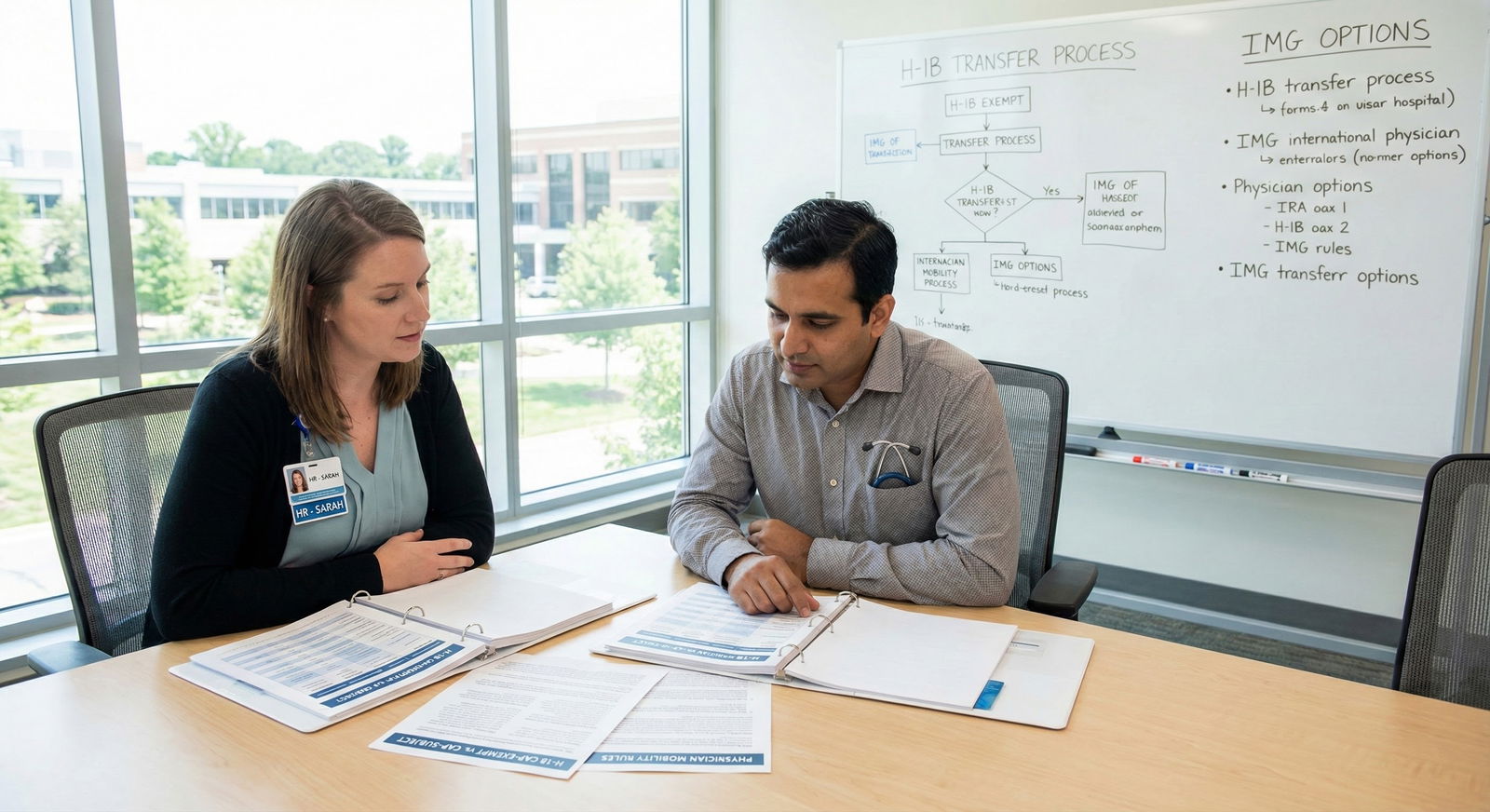
Decision Framework: Pick Your "Status Timing" Scenario First
Don't start with "Can I begin work?" Start with which timing scenario you're actually in.
That's how you stop guessing.
Here's the practical scenario map.
Scenario A: Your waiver is already approved before the H-1B effective date
This is the cleanest version. Not always easy, but clean. If the waiver is approved and the H-1B is approved with the right effective date, your transition planning becomes mostly administrative: exact start date, onboarding, payroll, worksite match, and travel caution.
Scenario B: Your waiver is still pending and the H-1B start is approaching
This is where people get sloppy. "Pending" feels emotionally close to "done." It isn't. Pending means unresolved. That's a dangerous time to make assumptions about employment start dates.
Scenario C: Your J-1 status is ending soon, or you're in the grace-period conversation
This creates pressure, and pressure creates bad decisions. If your J-1 work authorization ends before you can lawfully begin H-1B employment, you may have a gap. That gap is not something you fix with optimism.
Scenario D: You need to travel before the switch
Travel can scramble what would otherwise be a straightforward transition. Re-entry classification, visa stamping, document readiness, and activation mechanics can all shift depending on timing. Travel is not a side issue here. It's a core issue.
The key question in every scenario is the same:
Can you legally be employed in H-1B status on the intended start date?
That means:
- the employer has the right petition strategy
- the immigration status mechanics actually work
- your J-1/212(e) issue is resolved correctly
- your start date matches your legal authorization
And yes, starting too early is a problem. So is starting too late if payroll, onboarding, and licensing assumptions were built around a different date.
I've seen hospitals set a July 1 payroll start because "that's when everyone starts," while the physician's actual immigration timing supported July 15. That mismatch is exactly how people end up with frantic emails between HR, counsel, and GME office staff. Entirely avoidable.
Switch Timing Rules of Thumb (Practical, Risk-Minimized)
Here are the rules I'd follow if this were my own timeline.
Rule 1: Your employment start date must match actual H-1B work authorization
Not the filing date. Not the verbal approval rumor. Not "premium processing should be quick."
If your H-1B isn't effective yet, don't work in H-1B employment. No moonlighting. No "orientation but unpaid clinical duties." No blurry arrangements. If the employer controls your work and it looks like employment, treat it like employment.
Rule 2: Cap-exempt does not cancel 212(e)
This is the most misunderstood point.
Cap-exempt is about the quota system for H-1B numbers. 212(e) is about your J-1 restriction.
Different problem. Different rule. Different fix.
If you're subject to 212(e), a cap-exempt employer doesn't get to wave that away because they're an academic medical center. I know people wish that were true. It isn't.
Rule 3: If J-1 ends before H-1B can legally begin, assume risk until proven otherwise
This is the gap problem.
If your J-1 authorization ends on June 30 and your H-1B can't support work until later, you may face:
- no lawful work authorization during the gap
- payroll delays
- onboarding delays
- status complications
- travel complications
That doesn't mean every case is doomed. It means you don't improvise. You coordinate dates carefully.
Rule 4: If the waiver is pending, treat the whole period as high risk
Pending waivers make people irrational. Everyone starts speaking in hopeful future tense. "It should clear soon." "We expect approval any day." Fine. But until it's actually in the right posture, don't build your employment start around wishful thinking.
This is where good attorney coordination matters most.
Rule 5: Build buffer days into everything
USCIS delays. HR delays. Payroll delays. Missing signatures. Incorrect I-9 review. Wrong worksite listed. All of this happens constantly.
Buffer days are not paranoia. They're survival.
Use buffer time for:
- receiving and reviewing approval notices
- confirming effective dates
- verifying I-94 details if relevant
- confirming onboarding documents
- making sure the worksite and role match the petition
- handling travel or relocation issues
My blunt view:
- Waiver approved before start = manageable
- Waiver pending at start = dangerous
- J-1 ends before H-1B begins = dangerous
- Travel before switch = often underestimated
If you want the low-drama route, line up the dates so your H-1B effective date is usable, your waiver issue is resolved, and your J-1 end doesn't create a gap. That's the clean handoff. Anything else needs careful lawyering and tighter employer coordination than most HR teams naturally provide.
Detailed Timing Playbooks by Scenario
Scenario 1: Waiver approved before H-1B effective date
This is your best-case timing setup.
What to do:
- confirm the exact H-1B effective date
- confirm the employer listed on the petition
- confirm the worksite and role match reality
- tell HR the first lawful paid work date
- keep copies of the waiver approval, I-797, passport, and I-94
If your J-1 program ends June 30 and your H-1B is effective July 1 with the waiver already approved, that's the kind of clean sequence you want. Boring. Predictable. Good.
Scenario 2: Waiver pending
This is where you need discipline.
Do not assume filing the waiver plus filing the H-1B equals automatic readiness to work. It doesn't. If the legal basis for change or H status use isn't settled, your employment start may need to wait.
Recommended mindset:
- keep the intended start date flexible
- ask counsel whether the petition strategy depends on waiver approval first
- do not resign or relocate based on guesses
- do not let HR pressure you into an unsafe date
I've seen physicians sign leases and move families before the waiver issue was actually resolved. Bad move. Expensive too.
Scenario 3: J-1 ending soon
This scenario is all about avoiding the ugly gap.
If your J-1 status or work authorization is ending before your H-1B can support employment, ask immediately:
- Is there a lawful way to align the H-1B start date?
- Is there a period where I cannot work?
- Do I need to postpone my start?
- What's my status plan between the two dates?
Also be careful with resignation timing. Don't quit one role based on a start date that hasn't been legally stabilized. If you're finishing residency or fellowship, the institutional machinery tends to move on fixed dates. Immigration doesn't always cooperate.
Scenario 4: Travel before the switch
Travel is where "simple" cases become annoying.
If you leave the U.S. before the switch mechanics are clean, you may need to think about:
- what status you'll seek on re-entry
- whether you need an H-1B visa stamp
- whether your documents are issued and accurate
- how travel affects the intended activation of H-1B status
- whether your pending waiver or petition posture changes the risk
This is not the time for casual trips unless counsel has reviewed the sequence. I'm not being dramatic. One trip home for a wedding can suddenly turn into a visa logistics problem if the timing is off.
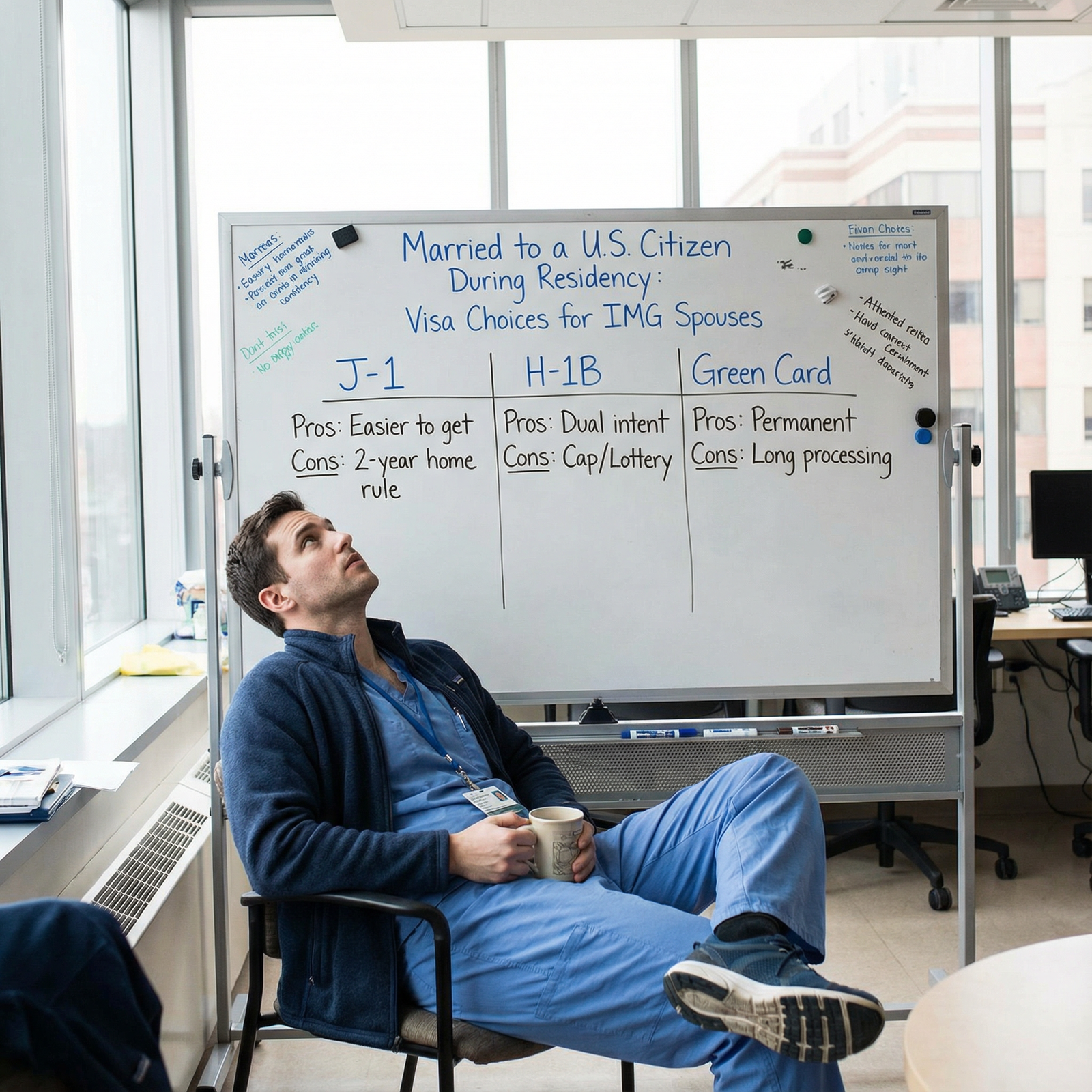
Cap-Exempt H-1B Logistics That Affect Timing Beyond Status
Immigration status isn't the only moving part. Employer operations can wreck your timing too.
Employer onboarding matters
Your payroll start date, credentialing, HR verification, and internal clearance all have to line up with your lawful work start. I've seen approval notices arrive on time while payroll still wasn't ready. That may not be an immigration violation by itself, but it can absolutely derail your practical start.
Receipt is not the same as approval
People confuse "we got the receipt notice" with "you can start." Dangerous shortcut. Work authorization planning should be based on what your legal posture actually supports. Don't freelance your own immigration interpretation.
Worksite and role must match
If your H-1B was filed for Hospital A, don't casually start splitting time at Clinic B because "it's the same system." That's how clean cases become messy cases.
Finish your J-1 obligations cleanly
If you still have program wrap-up tasks, final evaluations, checkout procedures, or institutional offboarding, don't let them overlap sloppily with the new role. Clean exits and clean entries make compliance easier to prove later.
Action-First Closing: The Switch Timing Checklist You Should Follow Today
Here's the practical checklist. Do this now, not after HR sends a welcome email.
Confirm your three core dates
Write down:
- your J-1 end date
- your H-1B effective date
- your waiver status and date of approval or current stage
If you can't answer those three clearly, you're not ready to switch.
Ask your employer and attorney the exact questions that matter
Not vague questions. Exact ones.
Ask:
- What is the first date I can lawfully start paid work?
- Is my ability to start dependent on waiver approval?
- What date is actually listed on the H-1B approval notice?
- If my J-1 ends first, do I have a gap?
- Can I travel before the switch without disrupting status activation?
- Does my onboarding date match my legal work authorization date?
These questions prevent the classic "everyone assumed someone else checked it" disaster.
Build a one-page transition timeline
Keep it simple:
- last day working under J-1 authorization
- any non-work gap dates
- first day authorized under H-1B
- onboarding date
- payroll start date
- travel blackout or caution dates
You want one clean page that you, HR, and counsel can all look at. Confusion usually comes from people working from different timelines.
Keep your documents organized
Save copies of:
- DS-2019
- passport ID page and visa pages
- I-94
- waiver filing receipts and approval
- H-1B receipt and approval notice
- offer letter
- HR emails confirming start date
Do not rely on institutional portals to keep this forever. They won't.
My bottom-line recommendation
If your waiver is approved and your H-1B effective date is clear, switch on the lawful effective date and keep the handoff clean.
If the waiver is pending, or your J-1 ends before H-1B work can lawfully begin, slow down. That's the moment to stop being optimistic and start being precise. Precision wins here. Vibes don't.


