
The 2 AM Panic: When the Phone Won't Ring
It's 2:14 AM. The screen is burning my retinas, but I can't look away. Refresh. Nothing. Refresh. Still nothing. My chest feels like it's wrapped in a vice, and every time the phone vibrates with a spam text, my heart leaps into my throat before crashing back down.
I know this feeling intimately. It's the phantom vibration syndrome of the residency application cycle. You're lying in the dark, convinced that the silence from programs is actually a deafening, polite rejection. You tell yourself that if they wanted you, they would have emailed you by now.
Then, you make the fatal mistake of opening Instagram or Twitter. There it is. A classmate posting a screenshot of their ERAS portal with three interview invites. "So blessed and excited!" they write. Suddenly, you're trapped in the comparison trap. Your brain does the toxic math: They got three invites. I have zero. Therefore, they are a better doctor than me, and I am going to be unemployed.
It's a miserable, isolating place to be. But I need you to hear this right now: the silence does not mean you are failing. It just means it's quiet. The feeling that silence equals rejection is a lie your exhausted brain is telling you to protect you from future disappointment. Don't let it win.
The Anxiety Spiral: How Your Brain Betrays You
When you're in the thick of the waiting game, your brain stops being a rational organ and becomes a horror movie director. It takes a neutral event, no new emails, and spins it into a catastrophic narrative.
Look at that cycle. It's vicious. You check your email, see nothing, and immediately jump to the worst-case scenario. They didn't invite me. I'm not good enough. I'm going to be a career medical student. This triggers a spike in anxiety, which compels you to stalk the ERAS portal or residency subreddit for scraps of information, which only breeds more anxiety when you see someone else getting an invite. And the cycle starts all over again.
Part of this is the "Spotlight Effect." You're convinced that the Program Director is sitting in a dark room, actively judging your silence, weighing your application against a ticking clock. They aren't. They are likely drowning in thousands of applications, arguing with their selection committee, or just trying to finish their clinical shift.
You have to consciously reframe the silence. Right now, you are in a waiting room, not a rejection room. Programs release invites in batches. Some wait until the MSPE (Dean's Letter) drops. Some wait until their initial reviewers finish their first pass. Silence is just the sound of the administrative machinery grinding slowly. It is not a verdict on your worth as a future physician.
The 'What Ifs' That Keep You Up: Addressing the Worst-Case Scenarios
Let's drag the monsters out from under the bed and look at them in the light. What are the specific "what-ifs" keeping you awake?
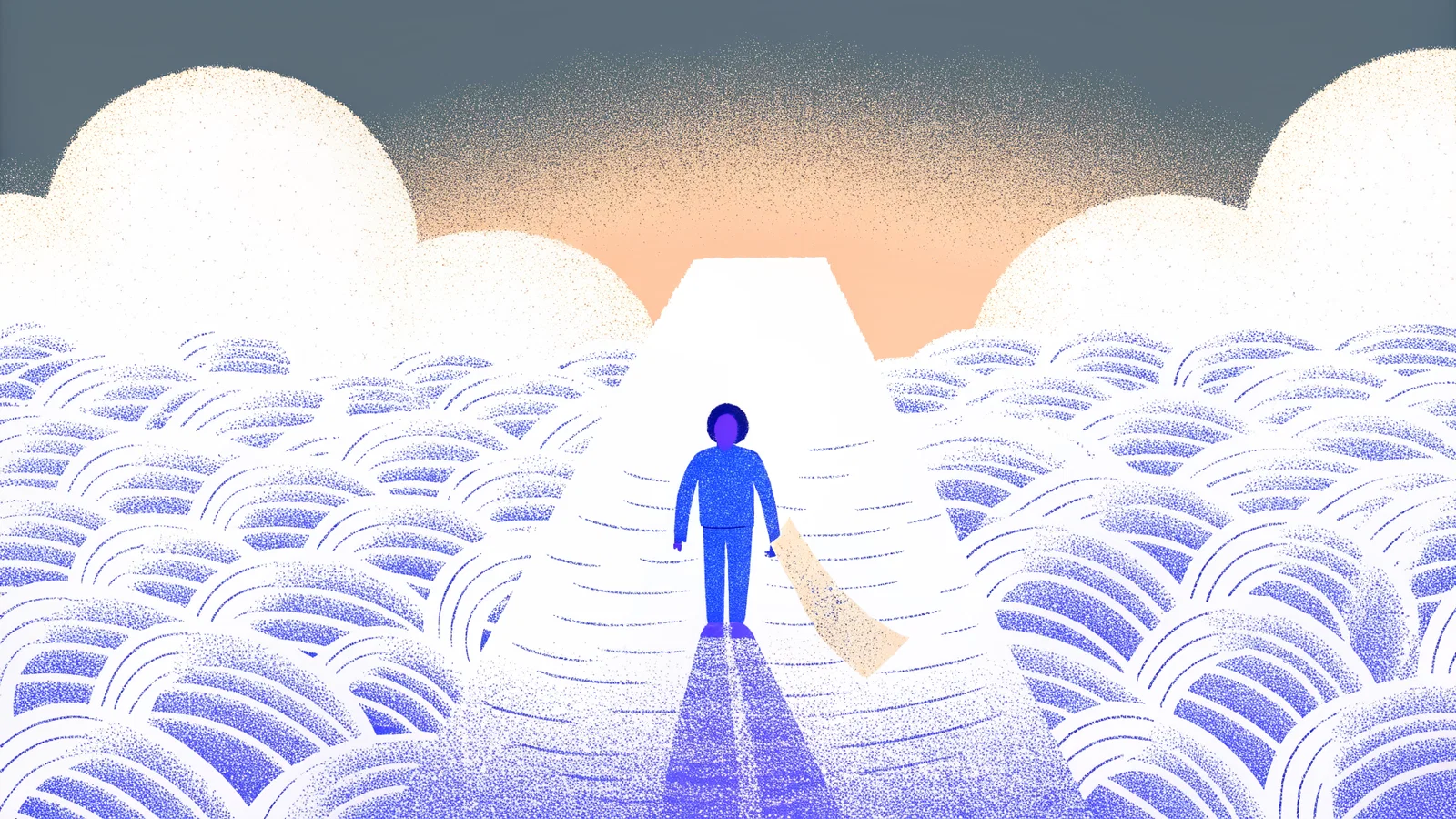
Scenario 1: "My Step 2 CK score is too low." You're staring at your score, convinced it's a brick wall. It's not a wall; it's a filter. Yes, some programs use automated cutoffs. But if you applied to a realistic mix of programs, your score is just one data point. I've seen applicants with borderline scores get flooded with invites because their personal statement resonated, or their letters of recommendation were glowing. A low score might close a few doors, but it doesn't lock you out of the building.
Scenario 2: "I didn't have enough research." Unless you are applying to a top-tier academic research track or a hyper-competitive specialty like dermatology or neurosurgery, programs care vastly more about whether you can survive a night shift on the wards. Clinical exposure, teamwork, and reliability trump a handful of mediocre case reports. If you applied to community programs or university-affiliated community tracks, your lack of bench research is entirely irrelevant.
Scenario 3: "I didn't interview well last year (or on my away rotations)." If you are a re-applicant, or if you feel you bombed an away rotation, your brain will convince you that you are permanently blacklisted. You aren't. You are a different applicant today than you were six months ago. You've grown. You've learned how to read a room. Interview skills are just that, skills. They can be practiced, refined, and mastered. Past performance is not a life sentence.
Survival Tactics: What to Actually Do (and What to Stop Doing)
You cannot control when the emails arrive. But you can absolutely control how you survive the wait. Here is the tactical playbook for keeping your sanity intact.
The 'Delete the App' Rule This is non-negotiable. Delete the email app from your phone. Delete the ERAS app if you somehow still have it. Checking your inbox every five minutes isn't "staying updated"; it's digital self-harm. If you must check your email, force yourself to log in via a desktop computer browser. Create physical friction between you and your anxiety. Only check it twice a day: once at 9 AM, and once at 4 PM.
Strategic 'Soft' Networking You want to do something, so you decide to email every program coordinator to "reiterate your interest." Stop. Don't be a creep. Desperate emails clog up inboxes and annoy the very people holding your fate. Instead, do "soft" networking. Reach out to your home program mentors. Ask your clinical directors if they'd be willing to send a brief, high-yield email to a Program Director they actually know personally. A peer-to-peer email from an attending carries a thousand times more weight than a groveling email from an anxious MS4.
The 'Productive Waiting' Schedule Anxiety thrives in a vacuum. If you aren't doing anything, your brain will fill the void with panic. Build a schedule. If you haven't taken Step 2 CK yet, study for it. If you have, start prepping for interviews. Practice your "Tell me about yourself" pitch in the mirror until it sounds like a human conversation and not a rehearsed monologue. Read up on the programs you applied to so you aren't scrambling when an invite drops with 48 hours' notice.
Setting Hard Boundaries At 8 PM, the phone goes on Do Not Disturb. No exceptions. The residency application cycle will try to consume your entire identity if you let it. You need to protect your evenings. Watch a terrible reality TV show. Go for a run. Cook a meal that takes more than three minutes to make. Remind your brain that you are a person who exists outside of the Match.
The Safety Net: Why You Are Not Doomed
When the anxiety peaks, it feels like there is only one path to survival, and you are currently failing it. Let's zoom out and look at the actual mechanics of the system.
The Match algorithm is essentially a highly structured lottery, but you hold a ticket. You submitted the application. You did the rotations. You are in the system.
Let's talk about the ultimate nightmare: not matching initially. The SOAP (Supplemental Offer and Acceptance Program), formerly known as the Scramble, is terrifying to think about, but it is a robust safety net. Residencies fill up, but they don't magically disappear. Every year, hundreds of applicants go through SOAP and land in fantastic programs where they thrive and become excellent physicians. It is not a consolation prize; it is simply a different door into the exact same career.
More importantly, your self-worth is not tied to a hospital invite. You are not your ERAS application. You are not your Step scores. You are a resilient, intelligent human being who has survived the grueling gauntlet of medical school. An invite is just an invitation to a conversation. It is not a measure of your soul, your empathy, or your future capability as a healer.
Closing: You Are Enough

The silence of the interview season is deafening, but it is not a verdict. It is just the quiet before the storm of interview season actually begins.
Take a deep breath. Drop your shoulders away from your ears. Unclench your jaw. You have done the work. You have submitted the apps. Now, you must trust the process and, more importantly, trust yourself. You are enough, exactly as you are, regardless of what your inbox says today.
Key Takeaways
- Silence is not rejection. Programs review applications on vastly different timelines; an empty inbox just means they are still working.
- Break the ERAS addiction. Obsessively checking your portal destroys your mental health. Delete the apps and check via desktop only.
- Pivot to productive waiting. Use this time to prep for interviews, study, or rest, rather than spiraling into worst-case scenarios.
- Separate your worth from the Match. You are a complete person outside of medicine, and your value is not determined by a program's invite list.