
Meta description: Should you take a residency research year? Learn who benefits most, how to judge mentorship and output, and when the tradeoff is worth it.
Educational disclaimer: This article is for educational purposes only and is not financial, legal, tax, or career-contract advice. The cost, funding, and compensation implications of a research year vary widely, so review your specific situation with your medical school advisors and qualified financial or legal professionals when needed.
Opening Statement: The Research Year Isn’t Just ‘Extra Time’—It’s a Career Tradeoff
A research year is not a harmless bonus lap. It is a real tradeoff. You are exchanging time, clinical progression, earning potential, and often peace of mind for a shot at becoming more competitive.
That can be a smart move. It can also be a very expensive mistake.
I have seen both versions. The good version looks like this: a student targeting orthopedic surgery or dermatology takes a structured, specialty-specific year, works under a known mentor, publishes several papers, presents nationally, gets a serious letter, and suddenly moves from “possible” to “real contender.” The bad version is uglier: vague promises, no protected mentorship, endless chart reviews, one abstract that never becomes a paper, and then awkward interview answers about why an entire year produced so little.
That is the real question you should ask: not “Is research good?” but “Does this specific research year materially improve my odds in my specialty, at my competitiveness level, for the career I actually want?”
Because the answer changes by field. It changes by applicant profile. And it absolutely changes by the quality of the opportunity in front of you.
So let me break this down the right way. Not as a moral statement about academic medicine. Not as résumé folklore. But as strategy. A research year is worth it when it buys something concrete: better match odds, stronger mentorship, a recognizable academic niche, or long-term academic positioning. If it does not do that, it is just delay wearing a white coat.
What a Program Means by a ‘Research Year’
“Research year” sounds precise. It is not. Programs use that term to describe very different things, and applicants get burned when they assume all of them carry the same value.
Here are the main versions:
- Formal dedicated research year: usually a clearly defined year with assigned mentors, stated goals, and expected scholarly output.
- Optional scholarly enrichment year: often pitched as flexible time for research, education, quality improvement, public health, or innovation.
- Built-in research track: common in some academic pathways where 1–2 years of research are integrated into residency itself.
- Informal gap year for publications: often loosely organized, sometimes outside a formal track, with support that ranges from excellent to nonexistent.
Those are not interchangeable.
Some departments use research years well. They help students build a publication record, plug into a mentor network, and develop the kind of specialty-specific academic identity that matters in competitive matching. Other departments use them because they need bodies doing retrospective projects, abstract submissions, and database work. That may still help you. But call it what it is.
Programs also benefit from these years. They increase departmental output. They strengthen faculty pipelines. They create loyal future applicants. They give faculty junior researchers who can help move projects forward. None of that is inherently bad. In fact, a mutually beneficial setup can be excellent. But you should never pretend the arrangement is purely altruistic.
The quality differences are huge:
- Strong research year: funded, mentored, protected, structured, with a history of actual publications and strong match outcomes.
- Weak research year: vague, unfunded or underfunded, highly self-directed, no reliable mentor access, and no clear track record.
That distinction matters more than the phrase itself. “You can take a research year here” tells you almost nothing. The real questions are who funds it, who mentors it, what residents produce, and where those residents match afterward.
Who Actually Benefits Most From a Research Year?
Not everyone. That is the first thing applicants need to hear.
The biggest beneficiaries are usually four groups.
1. Applicants aiming for highly competitive specialties
This is the classic group. If you are targeting plastic surgery, dermatology, orthopedic surgery, otolaryngology, neurosurgery, or certain high-prestige internal medicine pathways, research can shift your application from respectable to hard-to-ignore.
In these fields, publications are not just decoration. They can signal commitment, specialty familiarity, work ethic, and—bluntly—proximity to known names. That last part matters. A strong letter from a respected mentor in the field often carries more practical weight than applicants want to admit.
2. Applicants with thin research exposure
If your application otherwise looks solid but your academic portfolio is sparse, a dedicated year can fill a real gap. Not with random output. With targeted output. A student applying ENT with zero ENT work and no ENT mentor is simply weaker than the same student after a productive year inside an ENT department.
3. IMGs and applicants needing stronger academic signaling
For many international medical graduates, a research year can do more than add lines to ERAS. It can establish U.S.-based mentorship, demonstrate familiarity with academic systems, and produce letters from faculty who know how to advocate effectively. That is a real advantage. Especially in specialties where proving fit and credibility matters as much as proving raw knowledge.
4. Future physician-scientists or academic career builders
If your long-term goal is NIH-funded work, subspecialty investigation, device development, translational science, or a serious academic career, then a research year may serve two purposes at once: improving match odds and launching your niche early.
That said, there are plenty of people who benefit far less.
If you are already strongly positioned—with excellent board performance, meaningful specialty exposure, strong letters, and enough research to show engagement—a research year may offer little marginal return. I have seen applicants delay a year just to add two middle-author papers nobody cared about. That is not strategy. That is anxiety disguised as ambition.
Specialty context matters a lot here.
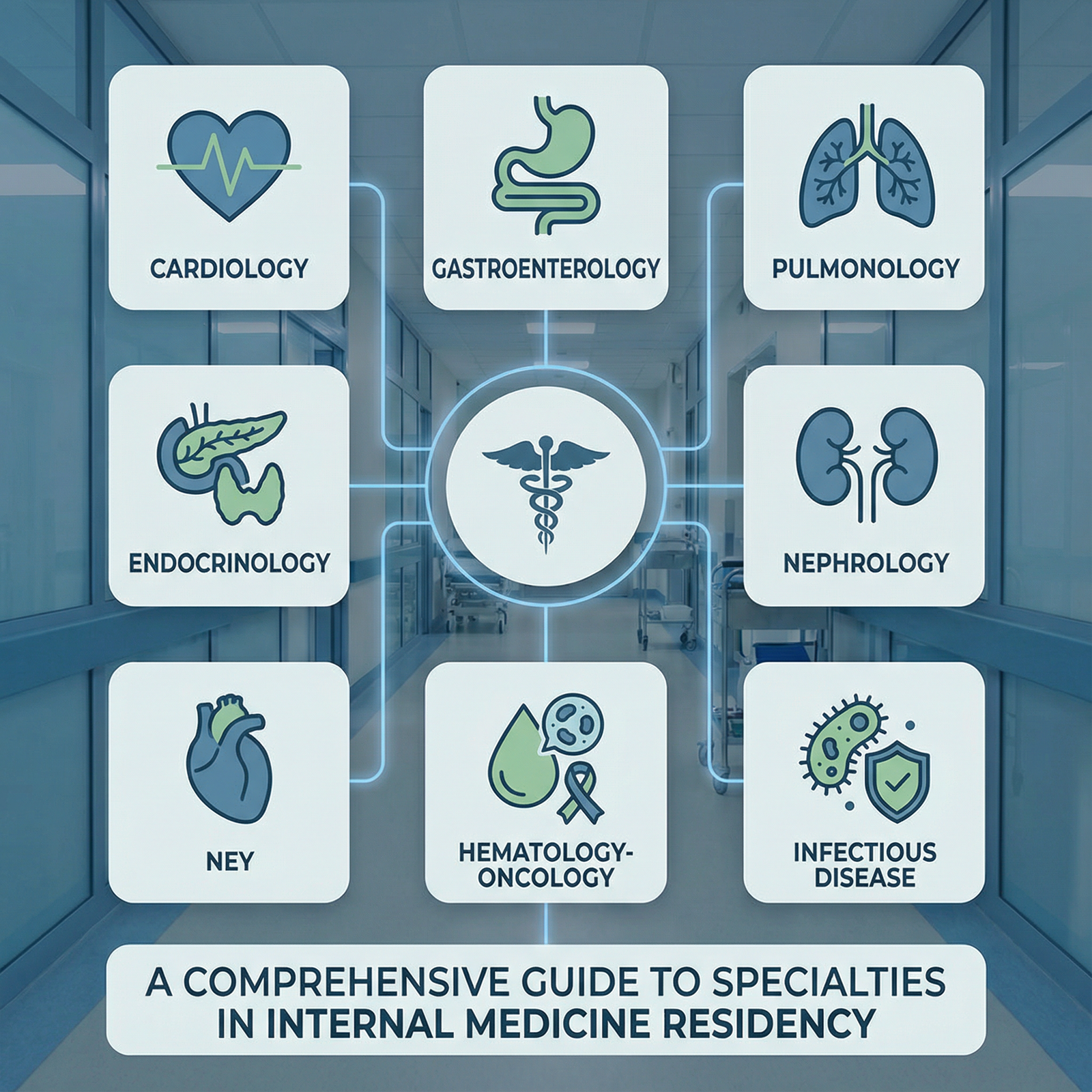
In some specialties, research is a tiebreaker. In others, it is a gate opener. That is a major difference. In dermatology or integrated plastics, a dedicated year can materially reshape competitiveness. In less research-driven specialties, the same year may be overkill unless it addresses a clear weakness or aligns with a defined academic goal.
So who benefits most? People for whom the year changes the equation. Not people who just want one more credential.
The Real Costs: Time, Money, and Opportunity Cost
The obvious cost is time. One year is one year. Delayed graduation. Delayed residency completion in some pathways. Delayed fellowship timing. Delayed attending income. Everyone knows that part.
But applicants still underestimate how heavy that delay can feel once they are living it.
There are also direct expenses:
- Living costs during the research year
- Relocation if the opportunity is at another institution
- Possible tuition or administrative fees in some formal programs
- Interview, conference, and travel costs
- The financial strain of earning little or nothing while peers move forward
Then there are the hidden costs. These are the ones that catch people off guard.
Loss of clinical momentum
A year away from wards or OR routines changes your rhythm. You can absolutely recover, but the transition back is real. Procedural confidence, clinical pattern recognition, and test-taking habits all decay if not maintained.
Delayed board progression
Depending on timing, a research year can disrupt the natural sequence of exams, licensing milestones, or specialty-specific preparation. Not fatal. But inconvenient, and sometimes more than inconvenient.
Burnout from prolonged uncertainty
This one is underrated. A research year is often sold as a confidence-building period. Sometimes it is. Sometimes it is twelve more months of living inside match anxiety, waiting for manuscripts, chasing faculty replies, and wondering whether any of it will pay off.
Output risk
Not every project gets published. Not every abstract gets accepted. Not every mentor follows through. A whole year can pass with far less measurable output than expected. I have seen applicants enter a “productive lab” and leave with a draft, a poster, and a lot of bitterness.
That is opportunity cost in its purest form. You are not just spending a year. You are giving up everything else that year could have been: direct progression into training, stronger clinical evaluations, income stability, less uncertainty, and personal life momentum.
What Makes a Research Year Worth It: Output, Mentorship, and Match Signal
A research year is worth it only if it produces assets that matter.
That means deliverables. Real ones.
- Abstracts
- Manuscripts, ideally submitted or published
- Conference presentations
- Specialty-specific networking
- Mentorship that actually leads somewhere
- Strong letters from people whose names mean something in the field
If a program cannot explain what residents typically produce during the year, that is a problem. If they say, “It depends on how motivated you are,” hear the warning. Good programs can tell you what the average resident accomplishes because they have done this before, repeatedly.
Specialty alignment matters too. A generic research year can still be useful, but a specialty-specific year usually sends a much stronger signal. One productive year in neurosurgery research says something very different from a loosely connected year in general clinical outcomes work if you are applying neurosurgery.
Institutional alignment also matters. A year at a place with name recognition in your target field can amplify the signal—assuming you actually produce. Prestige without output is dead weight. Output without mentorship is weaker than it should be. You want both.
Programs reading your application may interpret a research year in three very different ways:
- Strategic investment: “This applicant identified a gap, entered the field seriously, and came back stronger.”
- Commitment signal: “This person clearly chose this specialty deliberately and built relationships in it.”
- Gap year with unclear yield: “Why did they need a full year for this level of productivity?”
That third interpretation hurts. A lot. Especially if the interview answer is fuzzy.
Here is my blunt take: the best research year is not the one with the fanciest label. It is the one where the floor is high. Structured mentorship. Predictable output. Clear specialty relevance. If those are missing, the year is not an investment. It is a gamble.
How to Evaluate a Program’s Research Year Offer Before Saying Yes
You should interrogate a research year offer the way you would interrogate a fellowship track or a job contract. Politely. Thoroughly. Without being dazzled.
Ask these questions directly:
- Is the year funded?
- What does “funded” actually mean?
- Who is my primary mentor?
- How often do mentors meet with research-year trainees?
- Are projects already available, or do I need to create my own?
- Are there protected blocks, or is this “research” mixed with service obligations?
- How many abstracts, papers, and presentations do trainees typically produce?
- What journals or meetings are those projects reaching?
- What percentage of participants match into their target specialty?
- Where did the last five trainees go afterward?
You also need independent verification. Program leadership will naturally present the year in its best light. Current or recent trainees will tell you what it actually feels like.
Here is how I would vet it:
Look at resident bios
Do they list multiple specialty-specific publications from the year? Or vague scholarly activity with little outcome?
Search recent publications
Are trainees first authors? Are projects getting completed? Is the mentor’s lab consistently productive?
Review alumni placement
Did former research-year participants match well? Into the target specialty? Into strong programs?
Ask current trainees privately
This is where the truth lives. Ask:
- Did you have real support?
- Did your mentor respond?
- Were projects already moving, or were you handed dead-end ideas?
- Did the year help your match?
- Would you do it again?
A legitimate developmental opportunity has structure. Timelines. Named mentors. Historical output. Match data. A weak one relies on atmosphere and adjectives. “Exciting,” “flexible,” “personalized,” “lots of opportunities.” Fine. Show me the receipts.
Common Exam-Style and Application Pitfalls: When Applicants Misread the Signal
This topic shows up in advising conversations the same way certain patterns show up in exam stems: applicants fixate on the flashy variable and miss the real determinant.
The common mistake is believing that more research automatically means a better application. Wrong. Ten disconnected abstracts with no specialty relevance and no meaningful mentor relationship are often less valuable than two strong papers and a persuasive letter from someone respected in the field.
Another mistake: taking a research year with no defined objective. That creates narrative weakness. Interviewers will want clear answers to three questions:
- Why did you take the year?
- What did you accomplish?
- How did it change your readiness for the specialty?
If your answer is basically “I wanted to be more competitive,” that is not enough. It sounds passive and generic.
Red flags I have seen repeatedly:
- Multiple unfinished projects
- Productivity that is low relative to a full year of dedicated time
- Research unrelated to the target specialty without a compelling explanation
- No strong mentor advocacy despite a long period of work
- Rambling, unclear explanation of the year during interviews
This is the same principle I teach for board questions: raw data never matters by itself. Interpretation matters. A research year is not scored by duration. It is scored by what that duration produced.
Decision Framework: Is the Tradeoff Worth It for You?
Here is the framework I actually recommend.
Step 1: Judge your specialty honestly
Is your field research-heavy and highly competitive? If yes, the threshold for “worth it” is lower because the upside is larger. If no, the year needs a much more specific justification.
Step 2: Audit your current application
Look at:
- Specialty-specific research
- Strength of letters
- Clinical grades and evaluations
- Board performance
- Home program support
- Mentor network
- Geographic and institutional strategy
If your weaknesses are fixable by a research year, that matters. If your weaknesses are mostly unrelated—poor clinical performance, weak professionalism concerns, bad specialty fit—a research year will not magically rescue the application.
Step 3: Define your end goal
Do you want to match into a competitive residency? Build an academic career? Gain access to a known mentor? Or are you just scared of applying this cycle? Those are not the same thing, and fear is a terrible reason to sacrifice a year.
Step 4: Price the delay realistically
Can you absorb the financial and emotional cost? Not theoretically. Actually. A funded, structured year is very different from an unfunded leap into uncertainty.
Step 5: Compare it against alternatives
Sometimes the better path is:
- applying now,
- strengthening the application through continued part-time productivity,
- doing a research-heavy elective,
- or entering residency and building scholarship from within training.
That hybrid path is underrated. Not everyone needs a full stop.
The bottom line: choose the research year only if it changes a realistic path forward. Not because it sounds elite. Not because everyone around you is panicking. Not because “more is better.” More is not better. Better is better.
Closing Action Steps: How to Make the Decision Like a Strategist
Here is the three-step approach I would use if this were my own decision.
1. Clarify your match target
Be brutally specific. What specialty? How competitive? What tier of programs? Academic career or primarily clinical career? A research year without a defined target is just expensive wandering.
2. Quantify the expected return
Do not accept vague promises. Ask for numbers and examples:
- typical publication count,
- conference submissions,
- mentor assignments,
- alumni match outcomes,
- and whether letters from the year actually help.
You are trying to estimate whether the year will produce meaningful signal, not just activity.
3. Verify the support structure
Talk to current and recent trainees. Read their bios. Look up their papers. See where they matched. If the year is truly strong, the evidence will be obvious. Strong programs leave a trail. Weak ones leave marketing.
My position is simple. A research year is worth the tradeoff when it is structured, funded, specialty-aligned, and likely to generate clear output plus real mentorship. That combination can absolutely change a career trajectory.
But a vague, poorly mentored, or unfunded research year is often a trap. It delays your life, drains your momentum, and may leave you with very little to show for it.
Be strategic. Demand specifics. If the year advances a defined goal, take it seriously. If it is built on wishful thinking, walk away.