Hook: The telemedicine boom didn't make every gap-year job equal
Everyone assumed telemedicine would democratize clinical experience. Slap on a headset, log in from your kitchen, and boom, same clinical hours, more flexibility, future-proof skills.
Wrong.
Here's what the data actually shows: telemedicine and in-person gap-year jobs train you in completely different environments. Supervision is different. Patient mix is different. What you touch, what you miss, who actually sees you work, all different.
And if you're taking a year before residency, you should care about one question: does this job make me look and act like a first-year resident on day one?
Because "clinical experience" is not a checkbox. Residency directors aren't counting hours. They're reading what you did, who supervised you, and whether someone who watched you up close will vouch for you. The most modern job isn't automatically the best job.
What the data actually says about skill-building and exposure
Let's compare apples to apples on the five things gap-year jobs are supposed to build.
1. Patient volume: In-person wins, usually not close. A busy urgent care MA, scribe, or clinic tech might see 20-30 patients a day. Telemedicine triage? Often 10-15, with longer charting gaps. More volume means more pattern recognition reps.
2. Physical exam exposure: This isn't even a debate. Telemedicine is almost zero. I've watched telehealth techs do a full year and never palpate an abdomen, never hear a murmur in person, never feel a hot, swollen knee. You can't learn tactile skills through a webcam.
3. Procedures: Same story. In-person, you're helping with EKGs, injections, wound care, specimen collection, splinting. Telemedicine? Your procedure is clicking "send to pharmacy."
4. Team-based workflow: In-person forces you to multitask in real space. You're flagging a nurse, chasing a lab, calming a family member in the hallway while your preceptor is double-booked. That chaos is residency. Telemedicine flattens all that into a queue.
5. Flexibility: Here telemedicine finally wins. Work from home, set hours, skip the commute. If you're studying for USMLE, caregiving, or broke and can't move, that matters.
So yes, telemedicine builds stuff. Your history-taking gets sharper. Your chart review, documentation, virtual professionalism, better than nothing. But it trades away the hands-on, systems-based skills program directors assume you already have.
Residency value: what programs are really looking for
Here's the myth that kills applications: "Any clinical job is equally impressive as long as it's clinical."
Nope.
What programs actually read for is responsibility, judgment, and advocacy. Did you own a piece of patient care? Did you make a call that mattered? Did someone senior see you do it under pressure?
That's why in-person gap-year jobs generate stronger letters of recommendation almost every time. And I don't mean generic praise letters. I mean the good ones, the ones that say "I would trust this person with my own family members on call."
In-person, your supervisor sees you. How you greet a scared patient. Whether you follow through when the lab is late. Whether you notice when someone is decompensating in the waiting room. That stuff is invisible on a telehealth platform where your camera is off while the attending talks.
I've seen this happen: two applicants, same GPA. One spent a year as a telemedicine care coordinator answering messages and routing refills. Technically clinical. The other worked as a medical assistant in a free clinic, rooming patients, doing vitals, closing the loop on no-shows. Guess who got the LOR that got quoted in interviews?
Telemedicine can still be valuable, but only if you frame it right. Did you do longitudinal management? Scheduled callbacks? Medication reconciliation with physician oversight? Documented care plans that physicians actually relied on? Say that. Don't say "Participated in telehealth visits." That tells a program nothing.
And here's the hidden advantage no one talks about: in-person jobs create accidental networking. You're in the break room. You walk a patient to radiology and bump into the PD. Someone sees you stay late to help discharge. Those micro-moments turn into "Hey, we should write you a letter" or "I know someone in IM at University Hospital." Telemedicine has no break room.
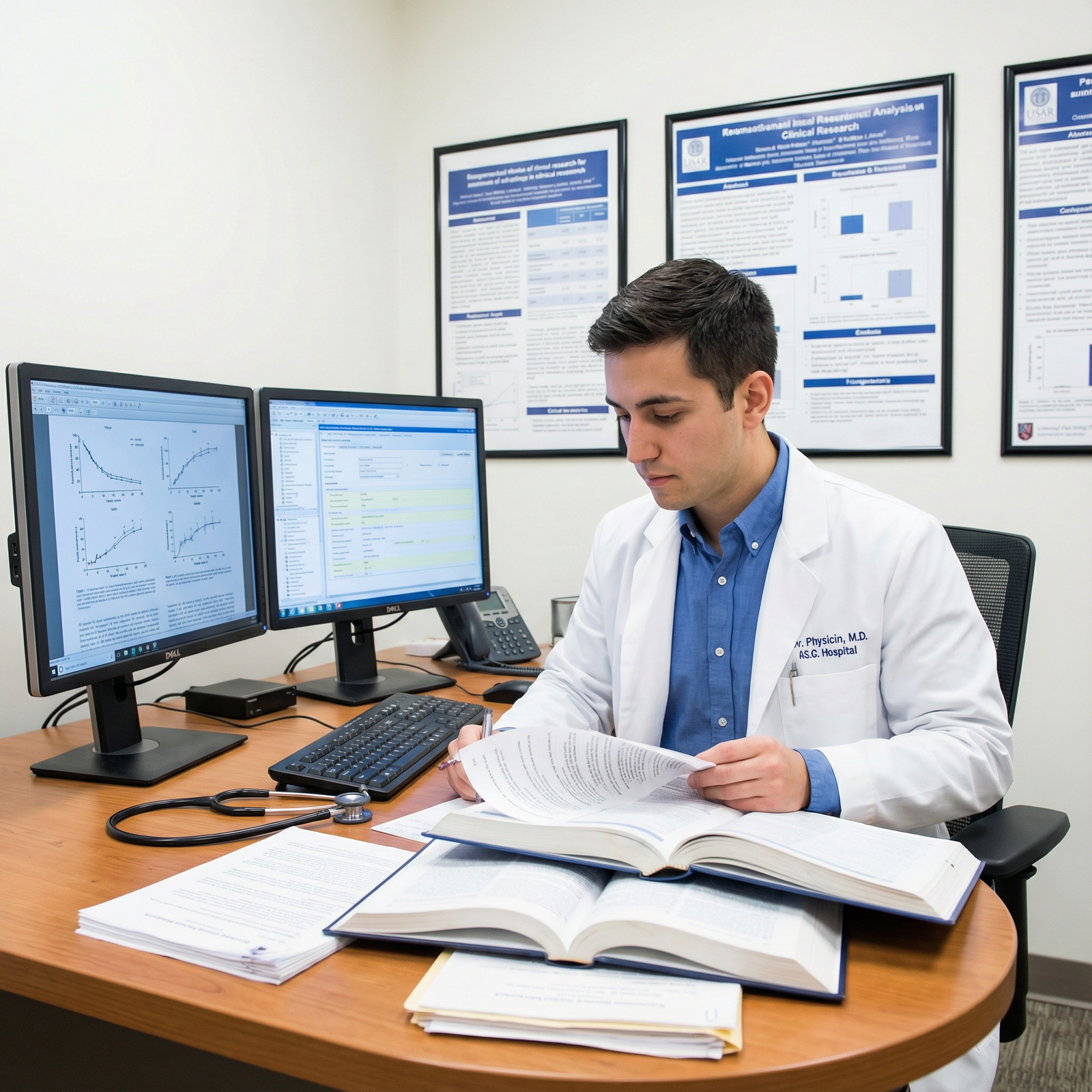
When telemedicine is the smarter gap-year choice
I'm not anti-telemedicine. I'm anti-equivalence myth. Sometimes telemedicine is the better strategic call. Contrarian truth.
Pick telemedicine when:
- You're geographically stuck. No academic center within an hour, no car, rural town, family obligations. A solid tele job beats a terrible commute and a toxic front-desk job you hate.
- You need to protect your exam prep or mental bandwidth. Studying for Step 2 while working 50 hours in urgent care? Recipe for burnout. A structured 25-hour tele role that pays the rent and lets you do 80 UWorld questions a day is smarter.
- Money and access are real constraints. If tele pays more, offers health insurance, and in-person doesn't, choose survival.
- You actually found a good one. Not every telemedicine job is glorified customer service. Some large systems have excellent models: dedicated panel, direct MD supervision, real feedback, quality metrics you own.
The filter before you accept:
- Is my role truly clinical or just admin wearing scrubs?
- Who supervises me and how often do they watch me interact with patients?
- Do I document in the EMR, follow up, and get feedback on my thinking, or just route messages?
- Can this physician write a specific letter about me in 8 months?
If you can't get straight answers, it's phone work with a headset. Pass.
How to decide: use your career goal, not the trend cycle
Stop choosing based on what sounds innovative. Choose based on your weak spots and your target specialty.
Applying IM, Family Med, Peds, EM, Surgery? Anything high-touch, exam-heavy, or procedure-heavy? In-person is almost always the stronger signal. Programs want to know you can be in a room, touch a patient appropriately, handle fluids, tubes, chaos. Telemedicine doesn't prove that.
Applying Psychiatry, Radiology, Informatics, some Primary Care tracks with a telehealth focus? A high-quality telemedicine role can be framed as directly relevant. Especially if you managed longitudinal behavior health follow-ups or built tele-triage workflows.
Here's the practical framework I give students:
- Letters: Will this job give you 1-2 writers who saw your work weekly for 6+ months?
- Skills gap: What do you lack, patient communication, exam confidence, procedures, systems navigation? Which job fixes that?
- Logistics: Can you do this consistently for 9-12 months without failing exams or finances?
- Story: Can you talk about it in an interview for 3 minutes without sounding vague?
On your ERAS and interviews, never say "telemedicine vs in-person." Describe what you owned. "I managed callbacks for 60 high-risk patients post-discharge, reconciled meds, flagged red flags to the supervising MD, and closed the loop within 24 hours." Or "I roomed 25 patients per day, performed EKGs and point-of-care labs, and ran our vaccine catch-up project." Responsibility beats label. Every time.
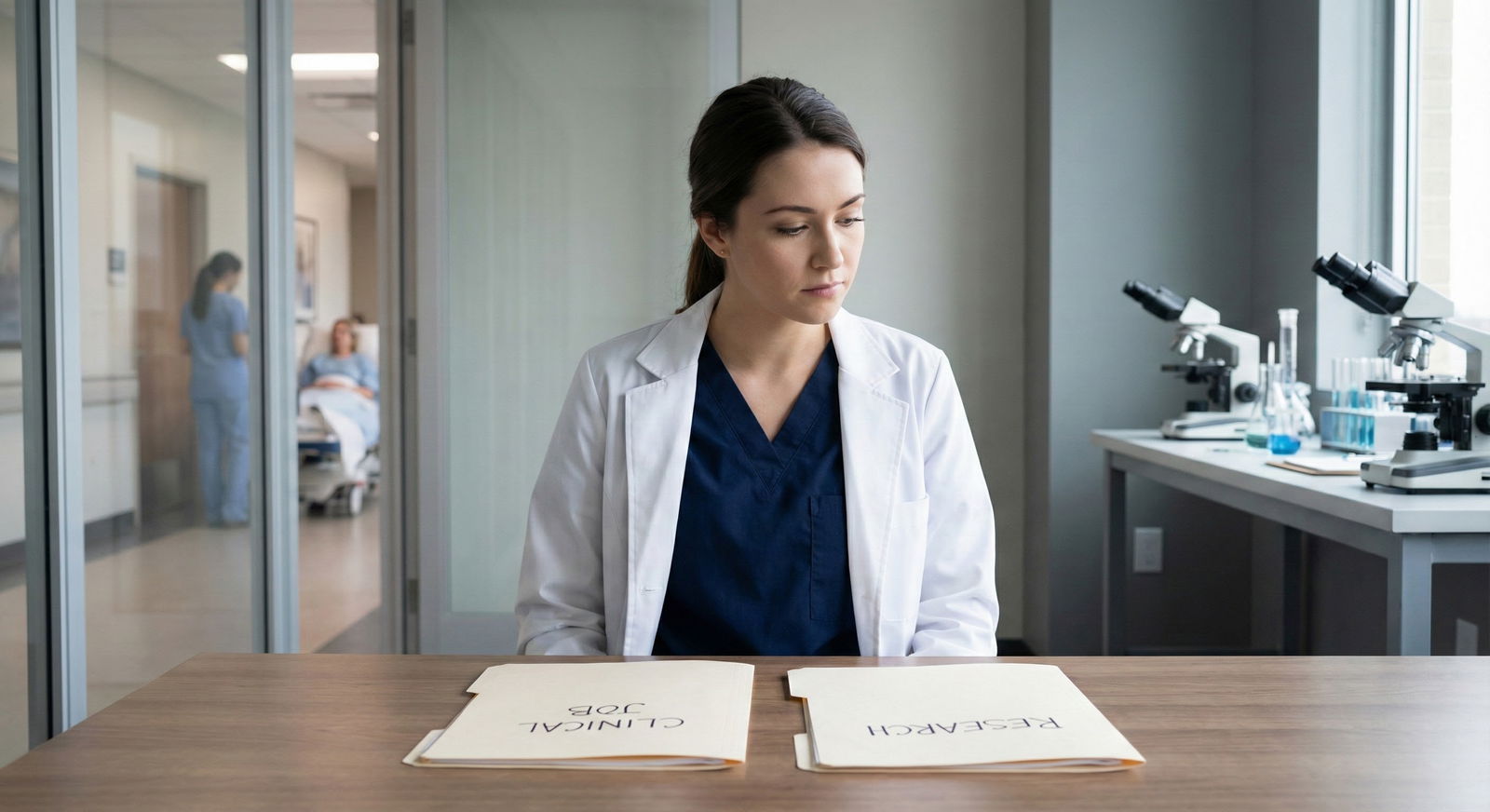
Reminder: the best job is the one that makes you more resident-ready
Telemedicine and in-person both count as clinical experience. They are not the same experience.
The evidence is blunt. In-person usually wins for hands-on learning, visible reliability, and letters that actually carry weight. Telemedicine can win for accessibility, consistency, and sustainability, when it's truly clinical and well-supervised.
So don't chase the shiniest title. Chase growth you can measure, supervision you can name, and skills your future intern self will thank you for.