Volunteer Abroad: How International Experiences Can Strengthen Your Residency Application
Introduction: Why International Experiences Matter Before Residency
For many medical students and recent graduates, the gap year (or structured elective time) before residency is an opportunity to deepen clinical skills, explore interests, and strengthen the overall Residency Application. One increasingly popular—and highly impactful—option is to Volunteer Abroad in a Global Health setting.
Thoughtfully planned medical volunteering can:
- Differentiate you in a crowded applicant pool
- Demonstrate a genuine commitment to service and Global Health
- Develop clinical skills and cultural competence
- Provide powerful stories and reflections for your personal statement and interviews
However, not all international experiences are equal. Programs are becoming more discerning about the quality, ethics, and relevance of volunteer work abroad. This article explores how to choose, structure, and present international volunteering so it truly benefits your residency goals and aligns with responsible Global Health practice.
How Volunteering Abroad Builds a Stronger Residency Application
1. Exposure to Diverse Healthcare Systems and Resource Settings
One of the most significant benefits of volunteering abroad is the chance to see how different healthcare systems function—especially in low-resource or underserved environments.
Broader Understanding of Healthcare Delivery
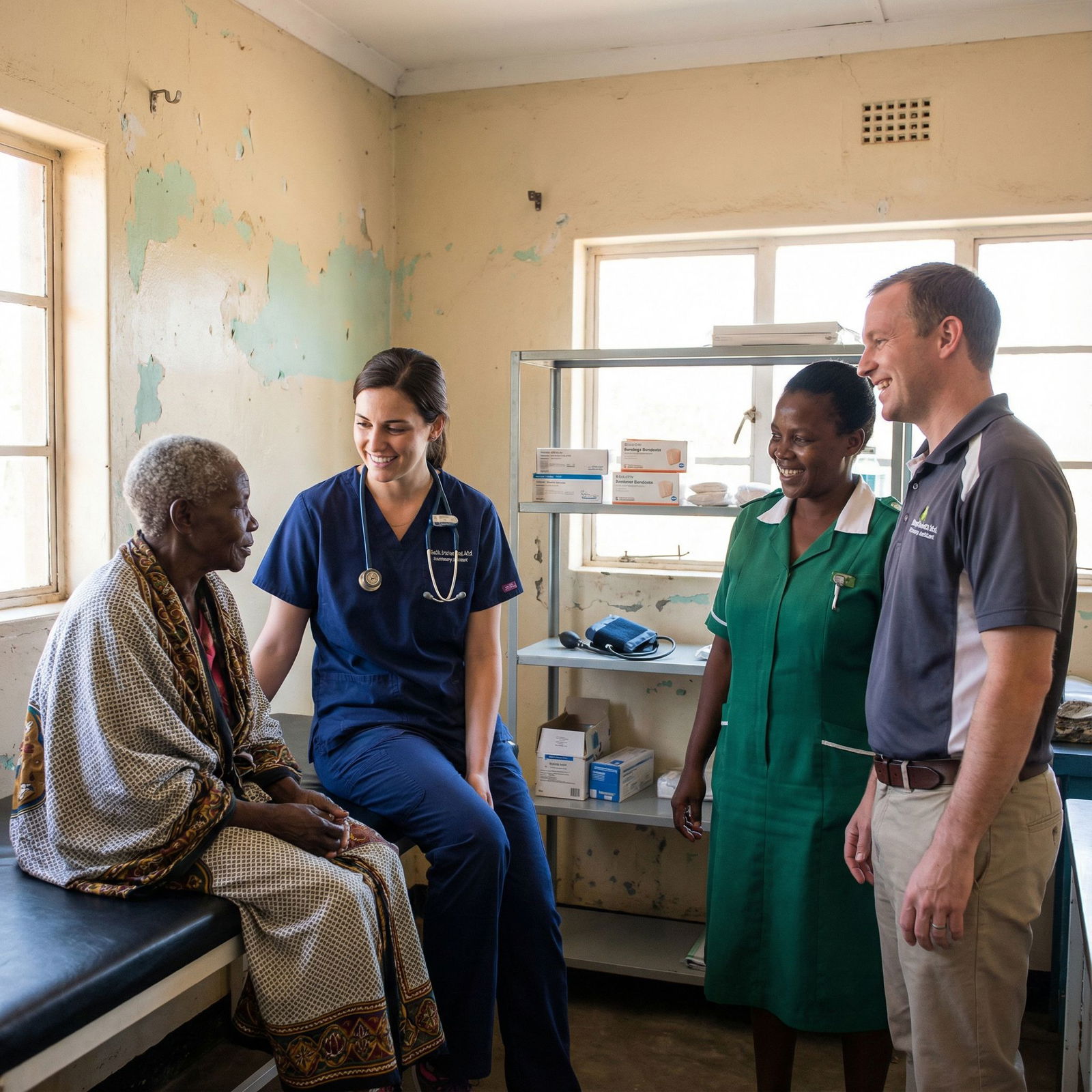
Working in a district hospital in Kenya, a rural clinic in Peru, or a refugee camp in Greece exposes you to:
- Different models of financing and delivering care
- Varying scopes of practice for physicians, nurses, and community health workers
- Strategies for triage and prioritization when resources are limited
- Health system strengths and inefficiencies very different from your home country
This broadens your clinical and systems-thinking perspective, which is very appealing to residency programs increasingly focused on population health, health policy, and value-based care.
Demonstrated Adaptability and Flexibility
Residency is demanding and often unpredictable. When you Volunteer Abroad, you may contend with:
- Language barriers and reliance on interpreters
- Limited diagnostics (e.g., no CT scanner, limited lab testing)
- Variable electricity, internet access, or supply chains
- Different cultural norms around time, autonomy, or decision-making
Being able to function effectively in this environment signals:
- Adaptability: Willingness to adjust to new protocols and resource constraints
- Resilience: Ability to cope with uncertainty and stressful situations
- Pragmatic problem-solving: Making the best decision with the data and tools you have
Programs recognize that these are the same traits successful residents use on busy inpatient services, night float, and emergency rotations.
2. Development of High-Value Soft Skills for Residency
Residency selection committees consistently highlight non-technical skills—communication, teamwork, professionalism—as key differentiators among applicants. International Healthcare Experience can rapidly develop these competencies.
Cultural Competence and Humility
Working with patients from different cultural, linguistic, and religious backgrounds forces you to:
- Adjust your communication style
- Explore patients’ explanatory models of illness
- Respect different attitudes toward pain, mental health, gender roles, and end-of-life decisions
- Recognize your own assumptions and biases
Residency programs increasingly value cultural humility over simple “cultural competence”—an ongoing process of reflection and learning rather than a static skill. Volunteering abroad offers clear, concrete examples you can reference in your personal statement and interviews:
“I realized my usual way of explaining hypertension wasn’t connecting. With the help of a community health worker, I reframed it using local metaphors and household examples. That experience changed how I explain chronic disease to all my patients now.”
These kinds of stories show self-awareness and growth, not just travel.
Teamwork and Interprofessional Collaboration
In Global Health settings, you’re often working within interprofessional teams that may include:
- Local physicians, nurses, midwives, and pharmacists
- Community health workers and traditional healers
- Translators and cultural mediators
- NGO staff, public health officers, and logistics coordinators
Coordinating with such diverse team members hones:
- Your ability to communicate clearly across disciplines
- Respect for local expertise and community priorities
- Leadership by influence rather than authority
Residency programs look for evidence that you can integrate into complex teams from day one. A well-articulated Volunteer Abroad experience can convincingly demonstrate this capacity.
3. Demonstrating a Genuine Commitment to Service and Global Health
Residency programs want residents who care about more than test scores—people who demonstrate a sustained commitment to patient care and community service.
Evidence of Altruism and Professional Values
Longitudinal or thoughtfully planned Global Health work shows that you:
- Prioritize service even when it’s not “required”
- Are motivated by impact, not just your CV
- Understand health disparities and social determinants of health
This aligns with core professional values—beneficence, justice, and respect for persons—that residency programs emphasize in their mission statements and milestones.
Leadership and Initiative
Taking the initiative to:
- Research and identify reputable organizations
- Secure funding or scholarships
- Design a small quality improvement project or educational intervention
- Train incoming volunteers or build local capacity
…demonstrates leadership. Programs are far more impressed by applicants who helped build sustainable solutions (e.g., training local staff, improving clinic workflows) rather than those who simply “showed up” for a two-week mission.
If you can say, “We transitioned from paper registers to a simple Excel-based system and trained two local staff members to maintain it,” you are clearly demonstrating system-based practice and leadership.
4. Unique Clinical and Public Health Opportunities
Volunteer Abroad experiences can provide exposure to clinical and public health conditions you may rarely see at home—if they are ethically and educationally well-structured.
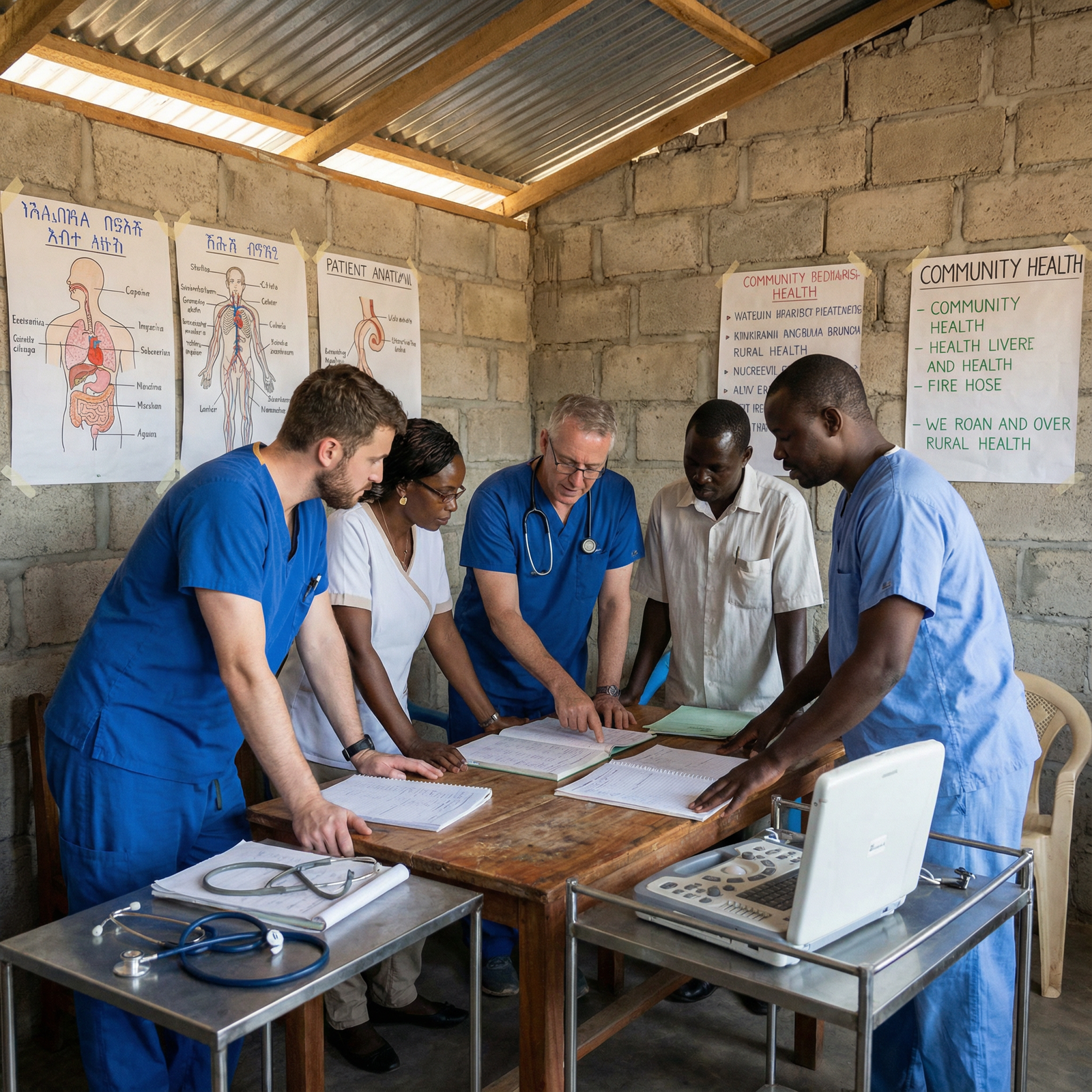
Clinical Skills in Low-Resource Settings
Depending on your level of training, scope of practice, and local laws, you might:
- Assist with wound care, suturing, and basic procedures
- Conduct focused physical exams with limited diagnostic support
- Participate in obstetric care, neonatal resuscitation, or vaccination campaigns
- Manage common conditions such as malaria, tuberculosis, diarrheal illness, or malnutrition
These experiences can:
- Sharpen your history-taking and physical exam skills
- Improve your comfort with undifferentiated complaints
- Teach you to prioritize interventions based on impact and feasibility
Always ensure your role is appropriate to your level of training and supervised by licensed professionals. Ethical Global Health means avoiding “voluntourism” where trainees perform beyond their competence.
Public Health, Research, and Systems-Level Experience
Not all meaningful Global Health work is direct patient care. Many programs value broader experience in:
- Epidemiologic surveillance (e.g., tracking outbreaks)
- Health education campaigns (e.g., nutrition, maternal health, HIV prevention)
- Implementation research or quality improvement projects
- Needs assessments and program evaluation
For research-intensive residencies (internal medicine, pediatrics, EM, psychiatry), being able to discuss:
- A small dataset you collected in the field
- A poster or publication that emerged from the project
- Lessons learned about study design in real-world settings
…demonstrates scholarly curiosity and the ability to integrate clinical medicine with population health.
Finding Ethical and High-Impact Volunteer Abroad Opportunities
Not all Global Health programs are equal. Well-designed opportunities benefit both the host community and the trainee; poorly designed ones can be exploitative or even harmful.
1. University-Affiliated Global Health Programs
Many medical schools have:
- Global Health offices or centers
- Structured exchange programs or clerkships
- Long-standing partnerships with hospitals or NGOs abroad
Benefits of university-affiliated programs include:
- Established relationships and trust with local partners
- Clear supervision and defined scopes of practice
- Built-in pre-departure training (ethics, cultural humility, safety)
- Opportunities for academic credit or formal Global Health tracks
If you’re still a student, start by contacting your school’s Global Health office, student affairs, or international programs office.
2. Reputable NGOs and Medical Mission Organizations
Well-known organizations (e.g., Médecins Sans Frontières/Doctors Without Borders, Operation Smile, Partners In Health) may have strict eligibility criteria, often requiring completion of residency, but they can be valuable for networking and learning their model.
For pre-residency volunteers, look for:
- Clear mission, transparency, and local partnerships
- Emphasis on capacity building, not just short-term care
- Supervision by qualified local or international clinicians
- Programs that complement—rather than replace—local health services
Red flags to avoid:
- Organizations that advertise unsupervised procedures for students
- Programs with no clear role for local health professionals
- Lack of clear safety protocols, insurance, or liability coverage
3. Funded International Fellowships and Year-Out Programs
If you are taking a dedicated gap year before residency, consider structured fellowships that combine clinical work, education, and research, such as:
- Fulbright programs focused on public or Global Health
- Global Health Corps placements
- Institutional Global Health fellowships at academic centers
These often provide:
- Stipends or full funding for travel and living expenses
- Formal mentorship and academic oversight
- Opportunities to publish or present your work
- Strong letters of recommendation from recognized Global Health leaders
Presenting Your International Experience in Your Residency Application
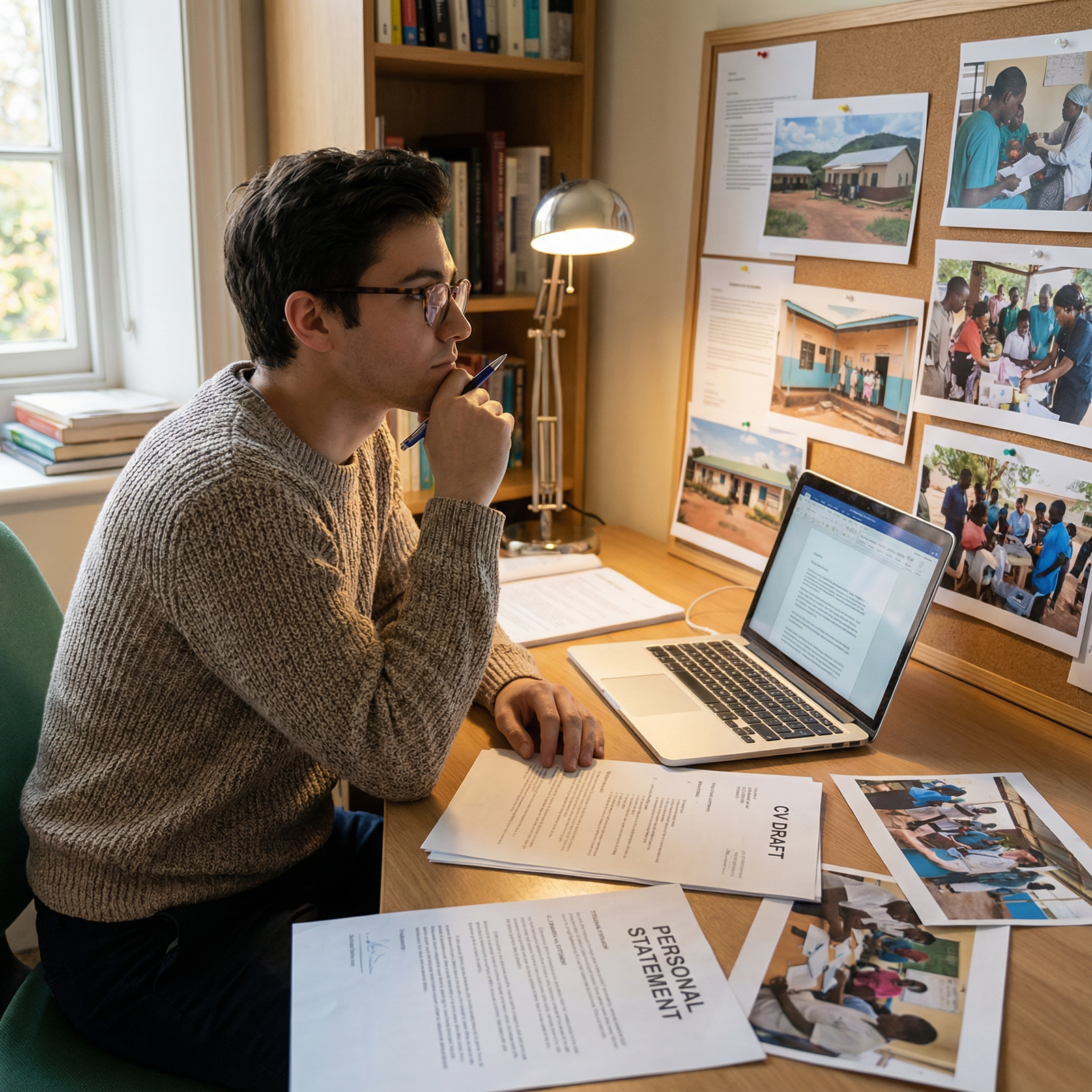
Doing meaningful work abroad is only half the equation. You also need to communicate it effectively in ERAS, your personal statement, and interviews.
1. Strategically Highlighting Global Health in ERAS and Your Personal Statement
ERAS Application Entries
In your ERAS “Experiences” section, emphasize:
- Your role and responsibilities (e.g., “Assisted in triage and management of acute presentations under supervision”)
- Duration and continuity (e.g., “10 weeks, full-time, followed by remote collaboration for 6 months”)
- Impact and outcomes (e.g., “Co-developed a hypertension education curriculum reaching 300+ patients”)
- Reflection and growth (a brief line on what you learned)
Avoid vague descriptions (“helped doctors” or “did everything in the clinic”) and focus on specifics.
Personal Statement
Integrate your Global Health experience by:
- Choosing one or two powerful patient or project stories
- Linking those experiences to your specialty choice
- Reflecting on how the work changed your approach to medicine
For example, if you’re applying to emergency medicine:
“While volunteering in a rural emergency department abroad, I learned to stabilize patients with limited imaging and delayed transfers. That experience sharpened my clinical judgment and confirmed my desire to train in a specialty that thrives on high-acuity care and flexible problem-solving.”
2. Using International Experience to Elevate Your Interviews
Almost every interviewer will notice international experiences on your CV. Prepare to:
- Clearly explain your motivation for going abroad
- Discuss a challenge or ethical dilemma you faced and how you handled it
- Reflect on how you navigated cultural differences respectfully
- Describe concrete skills or attitudes you brought back to your home clinical practice
Avoid sounding like a “savior.” Emphasize reciprocity, humility, and what you learned from local colleagues and patients.
3. Leveraging Letters of Recommendation and Networking
Supervisors from your Volunteer Abroad experience can be outstanding letter writers if:
- They directly observed your clinical skills, professionalism, or leadership
- They hold recognized roles (e.g., medical director, program director, research mentor)
- They can comment on your growth over time
To maximize letter quality:
- Provide them with your CV and personal statement draft
- Remind them of specific projects or moments you found meaningful
- Request that they comment on traits valued in residency (reliability, teamwork, clinical reasoning, initiative, ethical behavior)
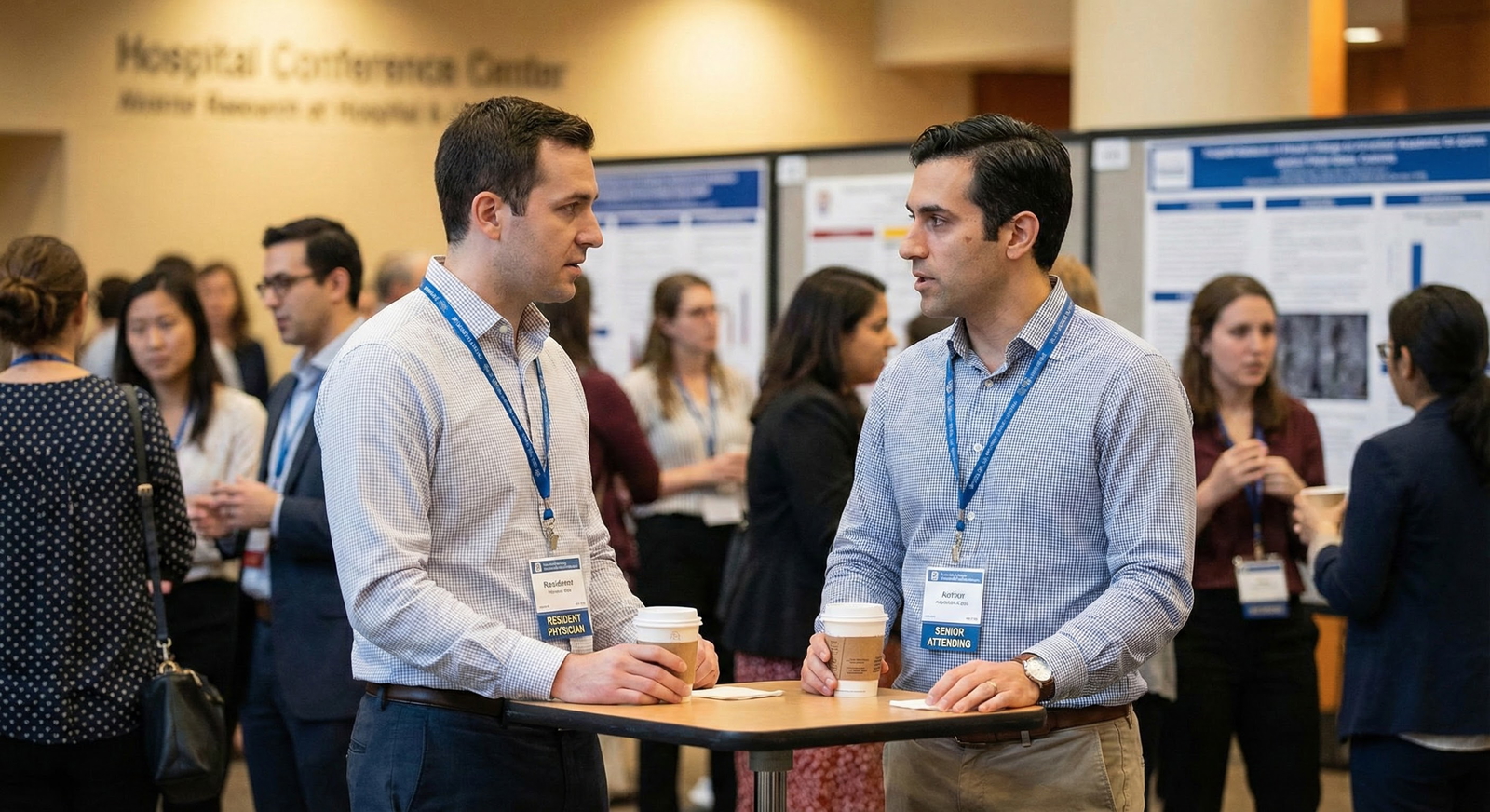
Additionally, mentors you meet abroad may connect you with:
- Global Health faculty at your target programs
- Collaborative research or quality improvement projects
- Post-residency Global Health fellowships
Cultivate these relationships well beyond your time on site.
Real-World Examples: How Volunteering Abroad Helped Applicants Match
Example 1: Maria’s Path to Family Medicine Through Community-Based Global Health
Maria spent six months in a rural clinic in Ecuador through her medical school’s Global Health partnership. Her work included:
- Supporting chronic disease clinics for diabetes and hypertension
- Assisting in cervical cancer screening campaigns
- Co-developing patient education materials in Spanish with local nurses
She used these experiences to:
- Illustrate her commitment to primary care and women’s health in her personal statement
- Demonstrate her Spanish language skills and cultural competence
- Show continuity by continuing telehealth education sessions with the clinic after returning home
Program directors commented during interviews on:
- Her clear understanding of social determinants of health
- Her realistic view of long-term, sustainable Global Health work
- Her strong letters from both a U.S. faculty mentor and the local clinic director
Maria matched into a highly regarded Family Medicine program with a strong emphasis on community and Global Health.
Example 2: Jason’s Road to Internal Medicine Through Public Health Research Abroad
Jason spent a summer working on a malaria prevention and data collection project in Southeast Asia. His responsibilities included:
- Conducting household visits with local health workers
- Collecting data on bed-net usage and febrile illness
- Helping analyze survey data and co-authoring a conference poster
In his application, he:
- Highlighted his growing interest in infectious diseases and health systems research
- Described how field data rarely matched textbook assumptions
- Demonstrated his ability to work across languages and disciplines
Interviewers appreciated:
- His thoughtful reflection on research limitations in real-world settings
- His interest in combining clinical Internal Medicine training with implementation science
- The credibility of his mentor’s letter, co-signed by a U.S. infectious diseases faculty member
Jason ultimately matched at a research-intensive Internal Medicine program with a formal Global Health track.
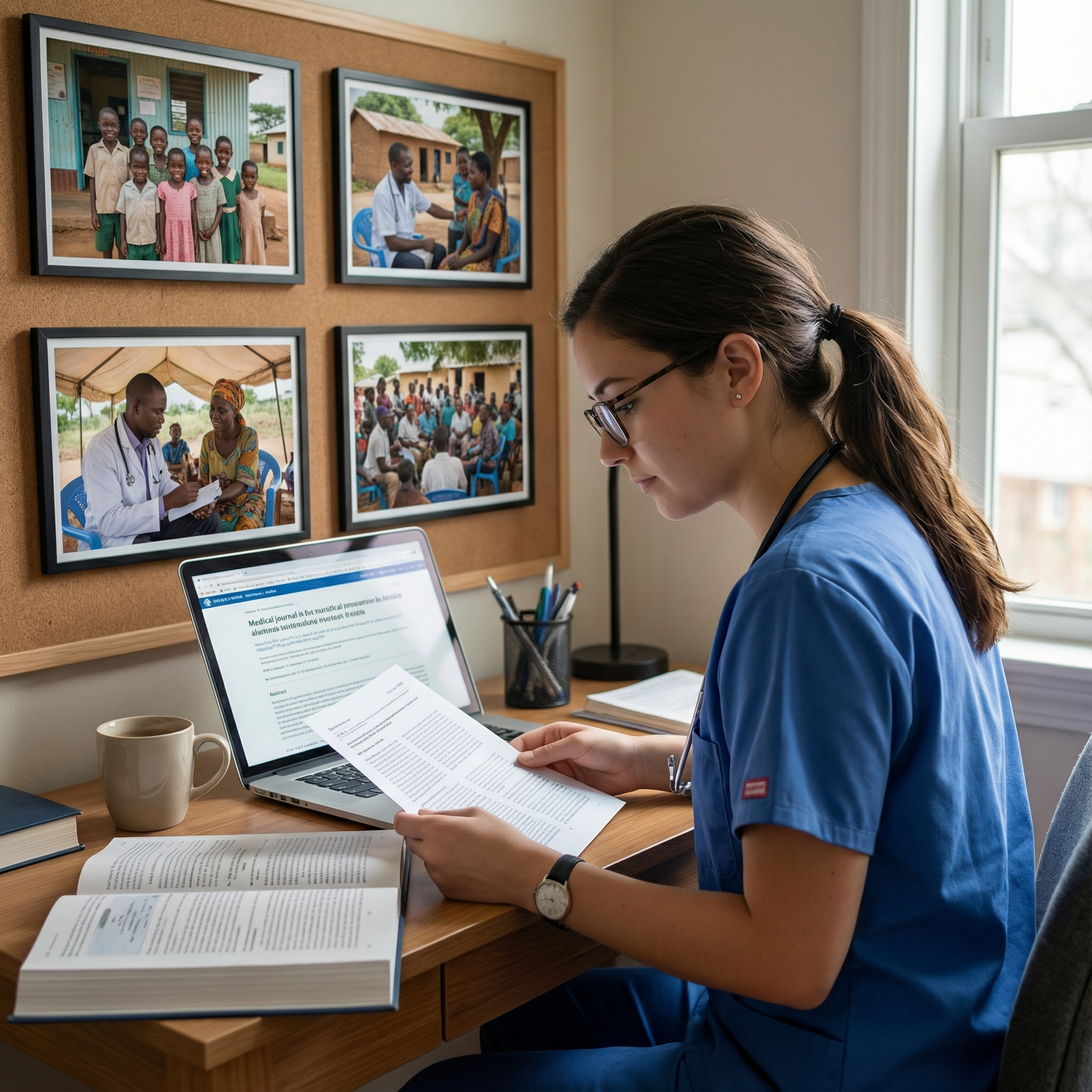
Practical Tips for Planning a High-Impact Volunteer Abroad Experience
To maximize both your impact and the benefit to your Residency Application:
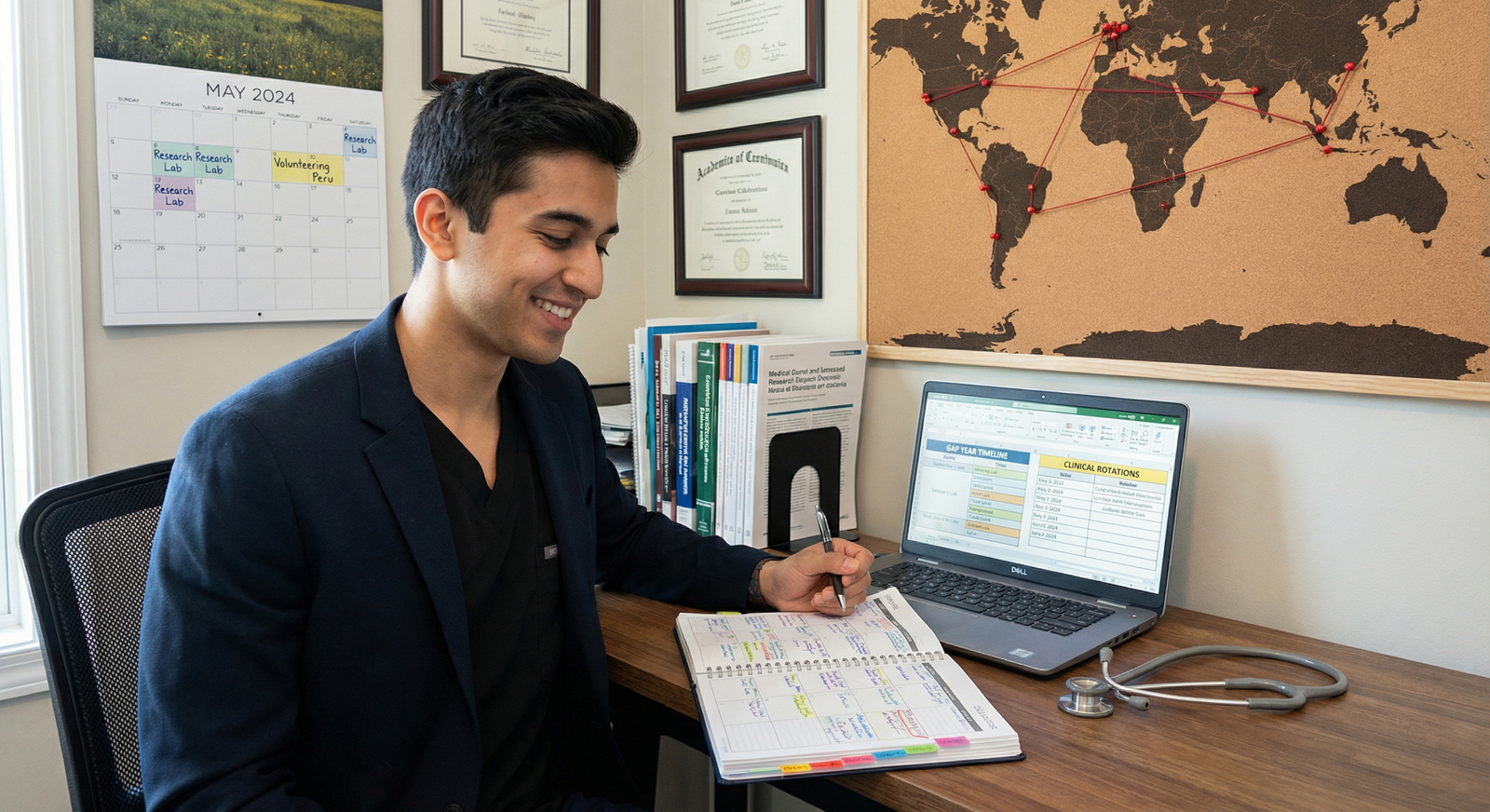
- Start planning 9–12 months in advance, especially for fellowships or funded programs.
- Clarify your goals: clinical exposure, research, public health, language skills, or a combination.
- Seek mentorship early from faculty involved in Global Health or previous participants.
- Obtain appropriate insurance, vaccinations, and safety briefings before departure.
- Keep a reflective journal while abroad; it will be invaluable when writing your personal statement and preparing for interviews.
- Focus on sustainability—ask what will remain after you leave and how you can support continuity.
FAQ: Volunteering Abroad and Your Residency Application
1. How do I choose an ethical and reputable Volunteer Abroad program as a pre-residency applicant?
Look for programs that:
- Have long-term, formal partnerships with local institutions
- Clearly define your role, supervision, and scope of practice
- Emphasize capacity building (training local staff, strengthening systems)
- Are endorsed or recommended by your medical school or recognized Global Health faculty
Avoid organizations that promote unsupervised procedures for students, lack local collaborators, or prioritize tourist experiences over health system needs.
2. How long should I Volunteer Abroad for it to be meaningful on my residency application?
Even short, intensive experiences (2–4 weeks) can be valuable if:
- They are part of a longitudinal partnership or ongoing project
- You prepare adequately beforehand and reflect afterward
- You maintain some form of follow-up collaboration (e.g., research analysis, curriculum development)
However, longer engagements (2–12 months) often allow for deeper relationships, more responsibility, and more substantial projects—especially if you’re taking a dedicated gap year before residency.
3. Will taking time off to Volunteer Abroad hurt my chances of matching?
A well-planned, well-explained Global Health or Volunteer Abroad experience typically helps, not hurts, your application, particularly if:
- You remain clinically or academically engaged (e.g., research, QI projects, teaching)
- You can clearly articulate what you gained and how it relates to your specialty
- You maintain or improve key metrics (e.g., USMLE/COMLEX completed, no unexplained gaps)
Programs may ask why you took time off; be prepared with a thoughtful, concise answer focusing on growth, skills, and alignment with your long-term goals.
4. How can I talk about my Global Health experience without sounding like a “medical tourist” or “savior”?
Focus on:
- What you learned from local clinicians, staff, and patients
- Mistakes you made and how you corrected them
- Team-based achievements rather than individual heroics
- Sustainability, capacity building, and collaboration
Avoid framing yourself as “saving” the community; instead, emphasize partnership, humility, and mutual learning.
5. Do residency programs in all specialties value Global Health and Volunteer Abroad experience?
While Family Medicine, Internal Medicine, Pediatrics, Emergency Medicine, and Obstetrics & Gynecology are traditionally more associated with Global Health, meaningful international Healthcare Experience can strengthen almost any application. For example:
- Surgery and Anesthesia: Exposure to trauma, obstetric emergencies, and resource-limited perioperative care
- Psychiatry: Insight into cultural concepts of mental health and community-based care
- Radiology and Pathology: Understanding diagnostic challenges where advanced imaging or pathology resources are limited
- Preventive and Occupational Medicine: Firsthand exposure to population-level health challenges
The key is to clearly connect your Global Health experiences to the skills and perspectives valued in your chosen specialty.
Thoughtful, ethically grounded international medical volunteering can be one of the most formative experiences you undertake before residency. When chosen carefully, reflected on deeply, and presented clearly in your application, it can significantly enhance your competitiveness, broaden your worldview, and shape the kind of physician you become.